Oslo at Christmas: Markets, Ice Skating & Winter Magic
Oslo transforms from late November through December into one of Scandinavia's most atmospheric winter cities. From the free central market at Spikersuppa to the traditional fair at Norsk Folkemuseum, this guide covers every Christmas experience worth your time, with practical advice on costs, crowds, and what to skip.
Tickets & tours
Live prices and dates from our booking partner. If you book, we may earn a commission at no extra cost to you.
TL;DR
- The main Christmas market at Spikersuppa (Jul i Vinterland) is free to enter and runs from around mid-November to 31 December, with the ice rink open in the same location.
- Ice skating on the Spikersuppa rink is free; skate hire costs around NOK 200.
- The Norsk Folkemuseum Christmas Fair on Bygdøy is the most traditional option, running the first two weekends of December only (entry from NOK 140–180).
- Christmas Eve is the most important holiday in Norway — expect many shops, restaurants, and attractions to close early on 24 December and stay shut on 25–26 December.
- For full trip planning, pair this guide with the Oslo in winter guide and check the Oslo Pass for museum discounts.
What Oslo at Christmas Actually Looks Like
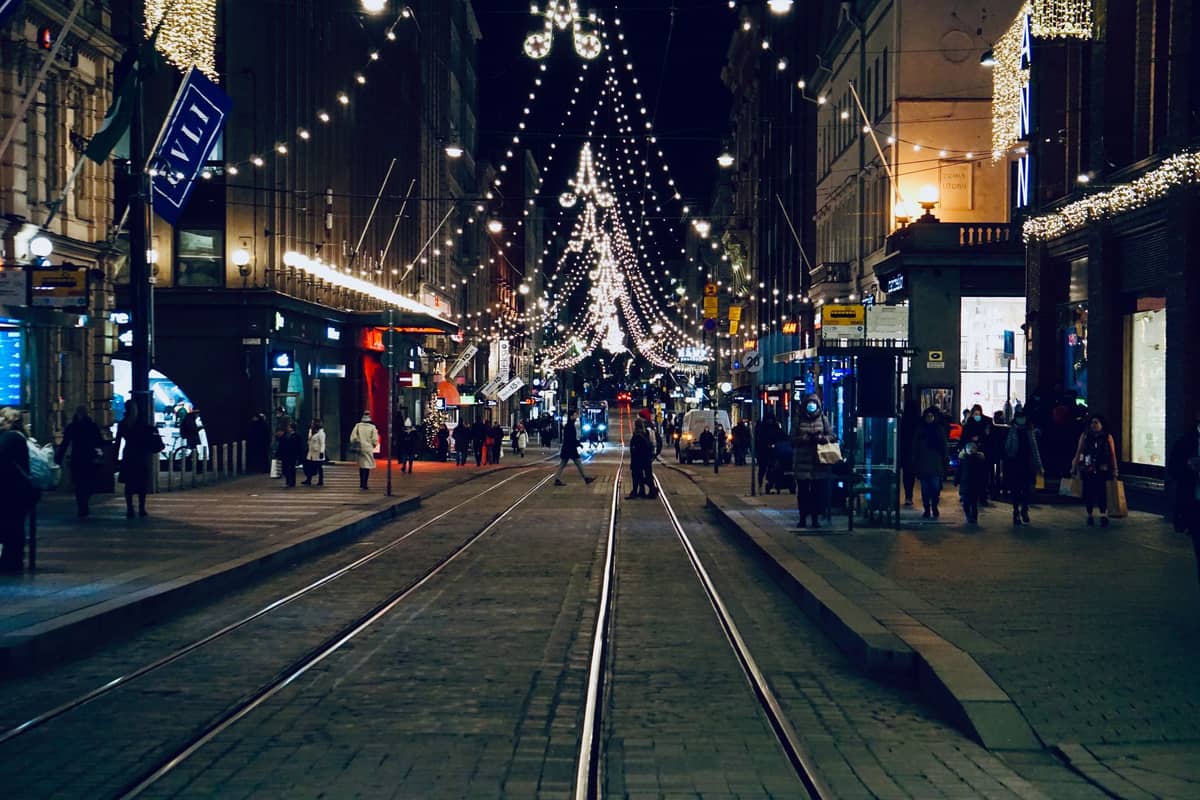
Oslo sits at roughly 60 degrees north, which means December days are short — sunrise around 09:00 and sunset by 15:30. That sounds bleak, but it works in the city's favour at Christmas. By mid-afternoon the city is already dark, and the glow of fairy lights along Karl Johans gate, the illuminated ice rink at Spikersuppa, and the lanterns at the Norsk Folkemuseum fair feel genuinely theatrical rather than forced.
Temperatures in December average around 0 to -3°C, with occasional snow but no guarantee of a white Christmas. The city handles winter well — public transport (the T-bane metro, trams, and buses run by Ruter) operates reliably in cold weather, and most market stalls are heated or sheltered. If you want the full picture of winter conditions and what else is open, the Oslo in winter guide covers the season from November through February in detail.
One thing worth setting straight early: Oslo's Christmas is not a large-scale, tourist-focused event in the way that some central European markets are. It is genuinely Norwegian in character. Christmas Eve (Julaften, 24 December) is a private, family-focused evening. The city quiets considerably from the afternoon of the 24th, and 25–26 December are public holidays when a significant portion of the city effectively closes. Visitors who arrive expecting a full Christmas Day programme will be disappointed unless they plan specifically for it.
Christmas Markets: Where to Go and What to Expect
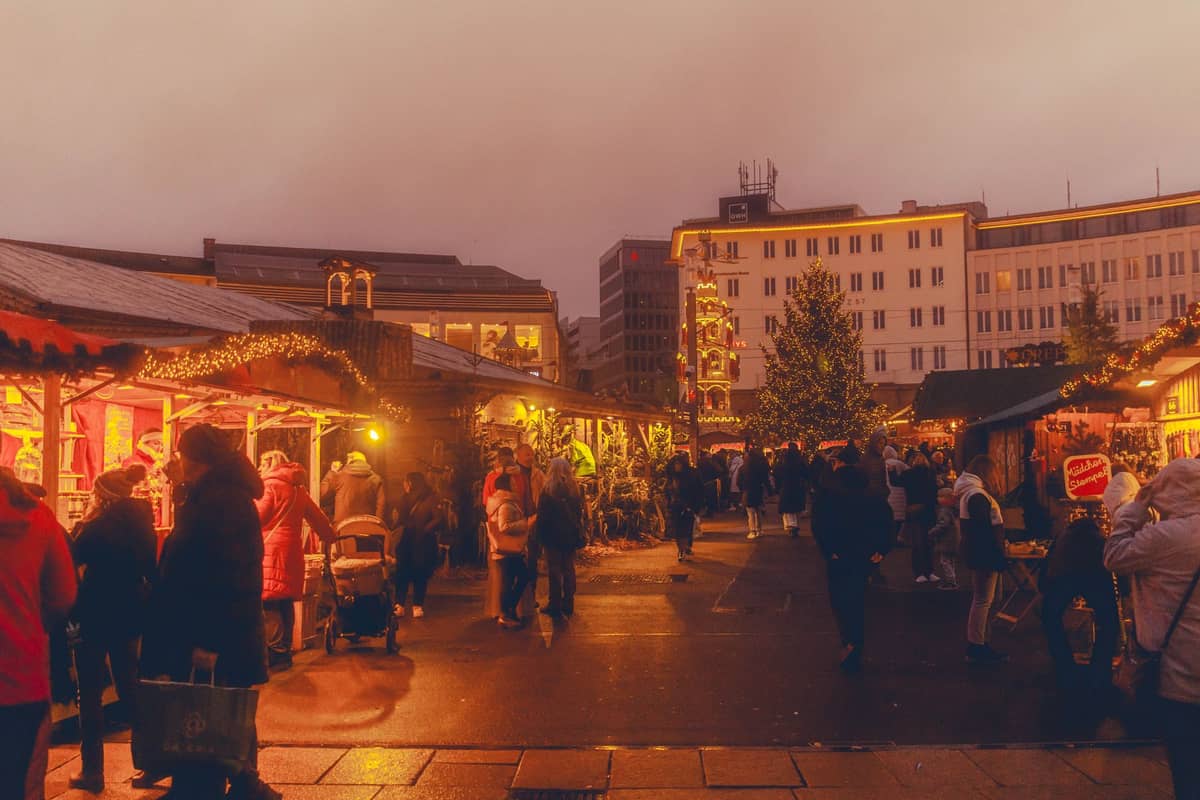
Oslo has three Christmas market experiences worth distinguishing from each other. They serve different purposes and attract different crowds, so picking the right one for your schedule matters.
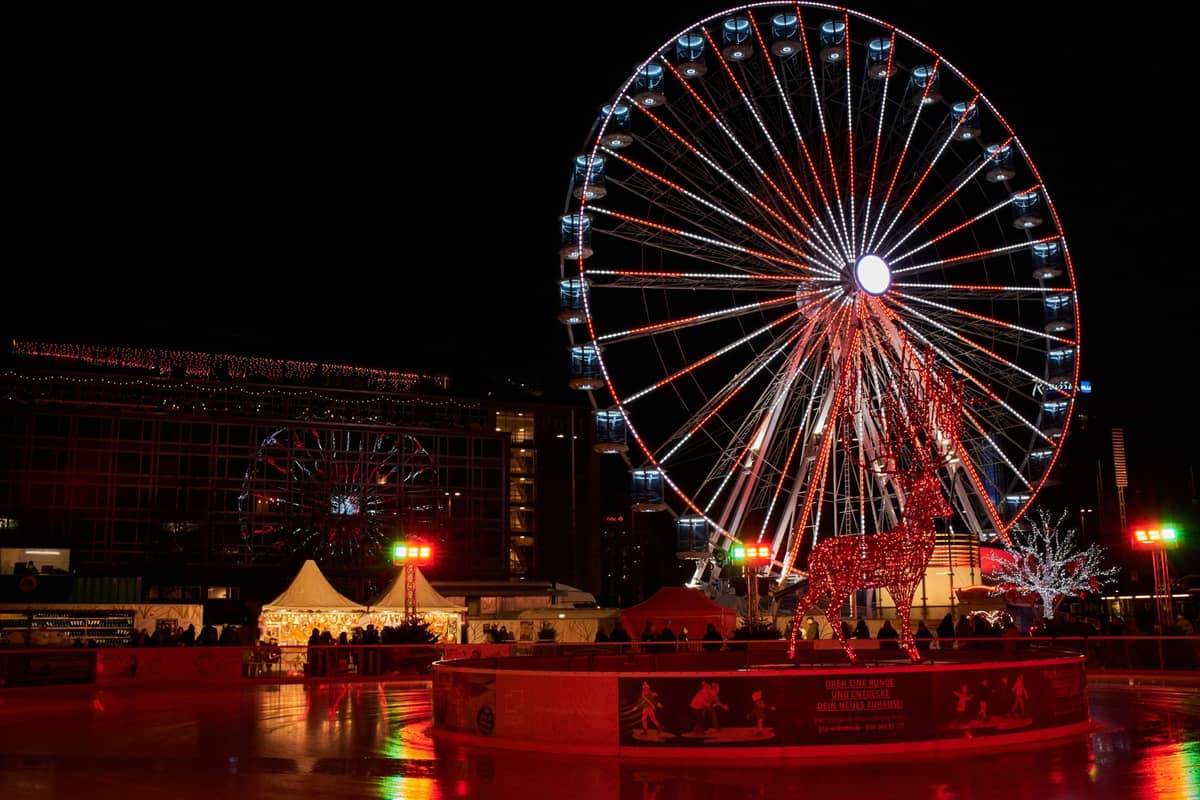
- Jul i Vinterland, Spikersuppa / Karl Johans gate The main city-centre market, running from around 9 November to 31 December 2026. Free entry. Located between the National Theatre and Stortinget (Parliament), this is the largest and most central Christmas market, combining market stalls with the Spikersuppa ice rink. Opening hours: Mon–Thu 12:00–20:00, Fri 12:00–21:00, Sat–Sun 10:00–21:00 (Sun until 20:00). Closed Christmas Eve; shortened hours on 23 and 31 December.
- Stortorvet Market A smaller market on Oslo's main square, typically running from early November to around 22 December, open approximately 11:00–20:00 daily. More compact than Jul i Vinterland and often less crowded on weekday afternoons. Free entry.
- Norsk Folkemuseum Christmas Fair, Bygdøy The most traditional option. Runs only on the first two weekends of December (Saturday and Sunday, 10:00–16:00). Entry is paid as part of museum admission: around NOK 180 for adults, NOK 140 for students/seniors, free for under-17s, and free with an Oslo Pass. This is an open-air folk museum with historic wooden buildings, costumed guides, and traditional crafts — the atmosphere is unlike anything in the city centre.
💡 Local tip
For Jul i Vinterland, weekday afternoons (Tuesday to Thursday, from opening until around 16:00) are noticeably quieter than weekends. If you want shorter queues at food stalls and more space to move around, aim for a weekday visit. Saturday evenings close to Christmas are the most crowded.
Food and drink at Jul i Vinterland is priced at a premium, as is standard for Norwegian street food. Budget around NOK 110 for a crepe with Nutella, NOK 119 for a gløgg (mulled wine), NOK 65 for non-alcoholic gløgg, and NOK 115 for a corn dog. These prices reflect 2026 market data. Norwegian gløgg is typically spiced red wine served warm with raisins and blanched almonds in the cup — it is richer and stronger than German or British mulled wine.
⚠️ What to skip
The Norsk Folkemuseum Christmas Fair is time-limited. It runs only across four days total (two weekends in early December). If it falls outside your travel dates, you cannot visit. Check the museum's official website for exact 2026 dates before you plan around it.
Ice Skating at Spikersuppa
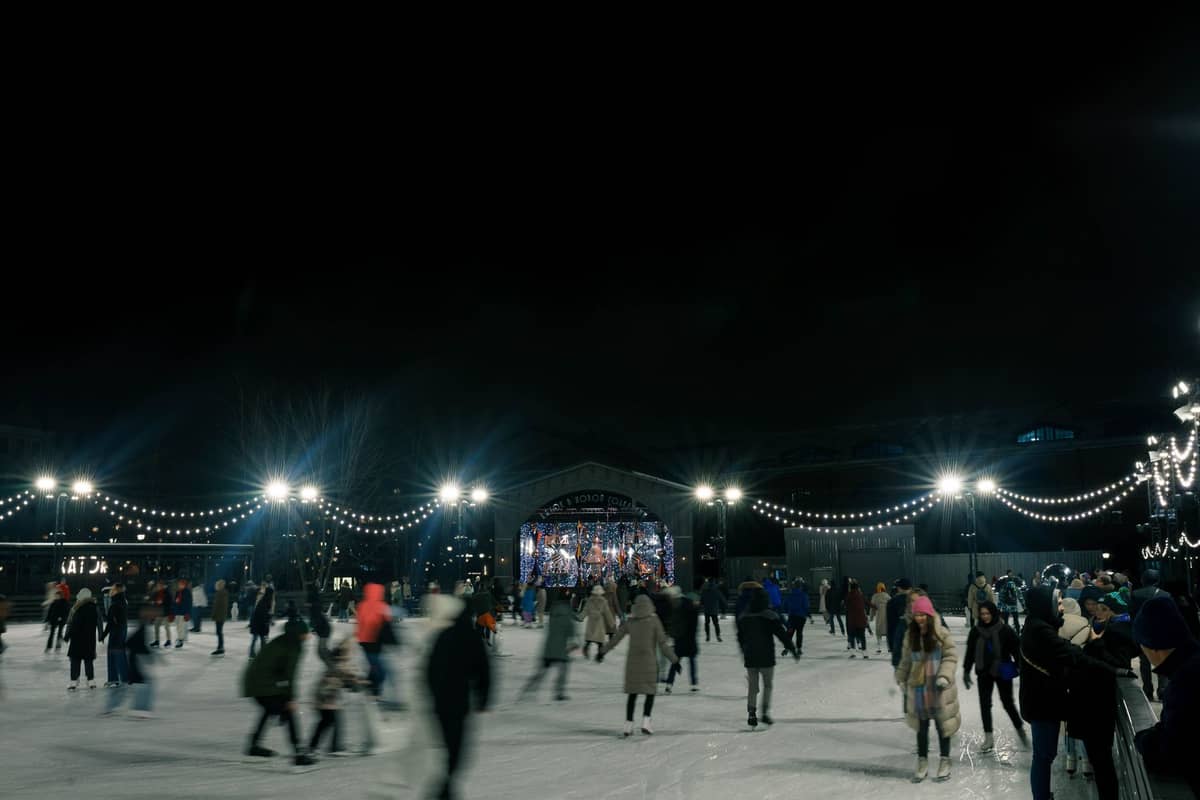
The Spikersuppa rink is one of the most central outdoor skating rinks in any European capital. It sits directly on Karl Johans gate, the main pedestrian boulevard, flanked by the National Theatre on one side and within sight of the Royal Palace at the end of the street. Entry to skate is free. Skate hire costs around NOK 200, making it one of the more affordable activities in an expensive city.
The rink is most atmospheric after dark, when the surrounding Christmas lights and market stalls are illuminated. That means arriving around 16:00 or later gives you the full visual effect, even though the rink opens earlier. For families, this pairs naturally with a visit to the nearby market stalls. If you want to explore more of Oslo's winter outdoor options, including forested trails and the toboggan run at Holmenkollen, the Oslo in winter guide covers those in detail.
✨ Pro tip
If you have children who are new to skating, early morning sessions on weekdays are the quietest. The rink gets genuinely crowded on weekend afternoons and evenings in December, which makes it harder for beginners and slower skaters.
Holiday Opening Hours: What Closes and When
This is the most practically important section for anyone visiting Oslo at Christmas, because the Norwegian approach to the holiday season differs significantly from what visitors from the UK, US, or southern Europe typically expect.
Christmas Eve (24 December) is the main celebration in Norway — not Christmas Day. Families gather in the evening for a traditional dinner and gift-giving. From around midday on the 24th, shops begin closing, restaurants reduce hours, and the city takes on a quieter character than any other day of the year. Most shops and many attractions close early in the afternoon. The main Christmas market at Spikersuppa is closed on 24 December.
- 25 and 26 December: Public holidays. Most shops, many restaurants, and the majority of tourist attractions are closed or operating on heavily reduced hours. Museums typically close. Some hotel restaurants and a small number of larger restaurants remain open — check ahead.
- 24 and 31 December: Not official public holidays, but effectively half-days. Shops close early (often by 13:00–15:00). Plan morning activities for these days.
- Last Sunday before Christmas Eve: Norwegian law permits retail opening on this Sunday, typically from around 10:00 to 20:00. Karl Johans gate and shopping centres become noticeably busier.
- 1 January: Public holiday. Expect closures similar to 25–26 December.
If museums are a priority, check whether the Oslo Pass is worth purchasing before your trip. It covers entry to many major museums and public transport. During the Christmas period, operating hours at attractions like the Munch Museum and National Museum shift considerably — always verify directly with the venue before visiting.
Getting Around Oslo During the Christmas Season
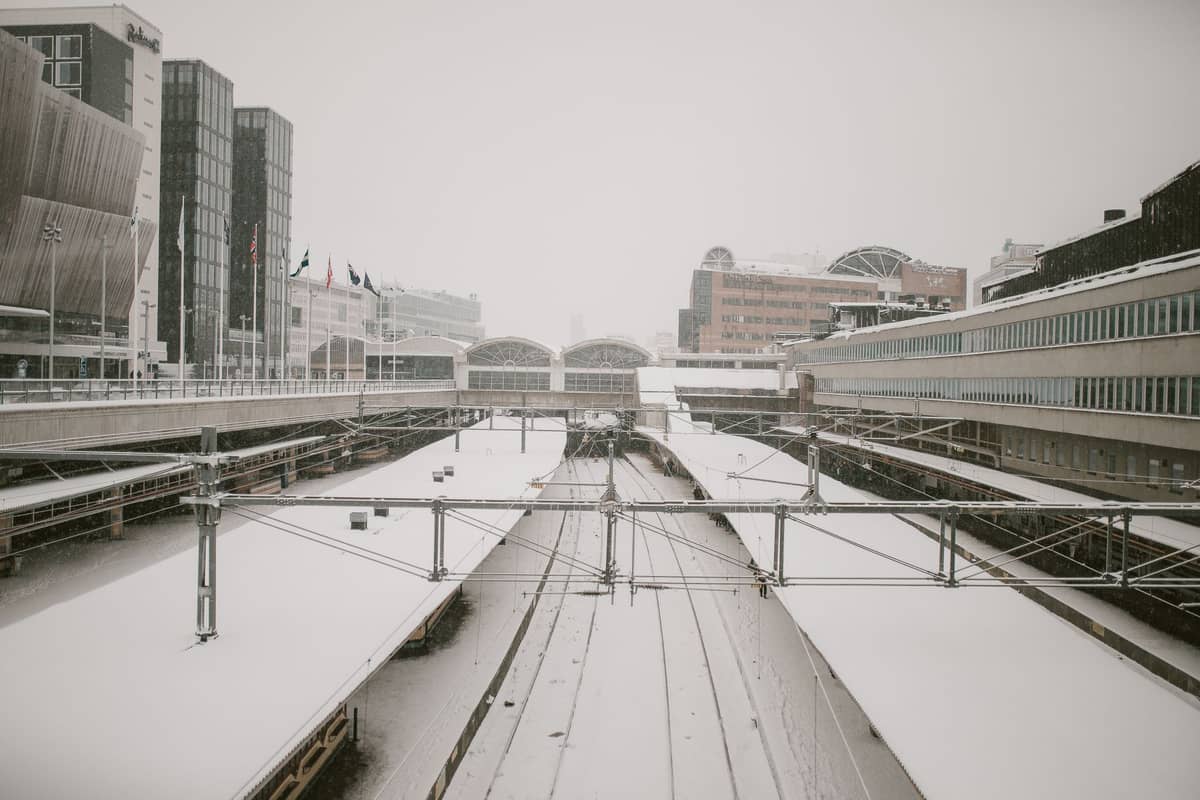
Oslo's public transport network is run by Ruter and covers the city via the T-bane metro, trams, and buses. During the Christmas season, services run on a Sunday timetable on 25–26 December and 1 January, but the network does not shut down entirely. The T-bane is the fastest way to move across the city; the Holmenkollen line (Line 1) reaches the ski areas in the hills northwest of the city centre.
The central market and skating rink at Spikersuppa are within easy walking distance of most accommodation in the Sentrum area. Bygdøy, where the Norsk Folkemuseum is located, requires a bus or ferry in summer, but in winter the bus (route 30) is the standard option from the city centre. For a full breakdown of transport options, including how to get from Oslo Airport (OSL) to the city, the getting around Oslo guide has current details on fares and routes.
ℹ️ Good to know
Flytoget, the airport express train, connects Oslo Airport (Gardermoen, OSL) to Oslo Central Station in around 19–22 minutes. Regular Vy trains cover the same route in about 23–25 minutes at a lower fare. Both run on Christmas Day but with reduced frequency. If you are flying in or out over the holiday period, build in extra time and check the latest timetables on the operator's website.
Practical Tips for Visiting Oslo at Christmas
Oslo is an expensive city at any time of year. At Christmas, costs can increase further if you are eating out frequently, since fewer restaurants operate and those that do may run fixed menus. For strategies to keep costs down, the Oslo on a budget guide is worth reading before you book. The where to stay in Oslo guide can help you find accommodation close to the central Christmas activities, which reduces transport costs.
- Dress for the cold properly: temperatures hover around 0°C in December, but damp air and wind off the Oslofjord make it feel colder. Waterproof boots, thermal layers, and a warm hat are not optional.
- The Norwegian krone (NOK) is the currency; card payments are universally accepted, and cash is rarely needed. Contactless is standard everywhere, including market stalls.
- Tipping is not expected but leaving around 5–10% or rounding up slightly is appreciated in restaurants. Tipping at market stalls is not customary.
- Tap water in Oslo is safe to drink and tastes excellent, sourced from protected mountain reservoirs. Do not buy bottled water.
- Emergency numbers: 113 for medical, 112 for police, 110 for fire. Country dialling code: +47.
- Plug type in Norway is Type C/F (standard European two-pin). Voltage is 230V at 50Hz.
If you are extending your trip beyond Oslo, the Christmas season is actually a good time to consider a day trip or overnight to Bergen or the surrounding region. Train connections are reliable in winter. The Oslo to Bergen train guide covers the logistics of one of Europe's most scenic rail routes, which is particularly dramatic in snow.
FAQ
Is the Oslo Christmas market free to enter?
Yes. Jul i Vinterland at Spikersuppa and the Stortorvet market are both free to enter. You pay only for food, drinks, and any rides. The Norsk Folkemuseum Christmas Fair on Bygdøy is the exception — it requires a museum admission ticket (around NOK 200 for adults in 2026, NOK 140 for students, NOK 160 for seniors, free for under-17s and Oslo Pass holders).
Is ice skating free in Oslo at Christmas?
Skating on the Spikersuppa rink is free. Skate hire costs around NOK 200. The rink is located in the city centre between the National Theatre and the Parliament building, within the same area as the Jul i Vinterland market.
What is open in Oslo on Christmas Day (25 December)?
Very little. Christmas Day is a public holiday in Norway and most shops, tourist attractions, and restaurants are closed. Some hotel restaurants and a small number of larger restaurants remain open. The main Christmas market is closed on 24 December and may have reduced or no activity on 25 December. Plan for a quiet day, and verify any specific attractions directly with their venues before visiting.
When is the best time to visit Oslo for Christmas markets?
The sweet spot is between late November and 22 December. The markets are open, the city has its full Christmas atmosphere, and you avoid the quiet period over 24–26 December. For the Norsk Folkemuseum fair specifically, you must visit on one of the first two weekends of December. Weekday afternoons are significantly quieter than weekends throughout the season.
How cold is Oslo in December, and will it snow?
December temperatures average around 0 to -3°C in Oslo, with daily highs around 0–2°C and lows dropping to about -3 to -4°C. Snow is possible but not guaranteed — Oslo’s climate is a cold-temperate continental type, and December can be either snowy or grey and wet depending on the year. Pack waterproof footwear regardless, as slush and wet streets are common even without heavy snowfall.
Tickets & tours
Live prices and dates from our booking partner. If you book, we may earn a commission at no extra cost to you.
Planning a trip? Discover personalized activities with the Nomado app.