Getting Around Oslo: Metro, Trams, Buses & Airport Transfers Explained
Oslo has one of the most integrated public transport networks in Scandinavia, but the ticket system trips up a surprising number of visitors. This guide covers everything from navigating the T-bane metro to getting from Oslo Airport (OSL) to the city center without overpaying — with real prices, journey times, and practical advice on what to skip.
Tickets & tours
Live prices and dates from our booking partner. If you book, we may earn a commission at no extra cost to you.
TL;DR
- Oslo's public transport (metro, tram, bus, local rail) runs under Ruter. A single Zone 1 ticket costs around 46 NOK via the app and is valid for 60 minutes including transfers.
- Oslo Airport (OSL) is 47-50 km from the city center. The cheapest train option is the Vy regional train (around 122-129 NOK, ~25 min); Flytoget is faster and more frequent but costs around 210-240 NOK. See the full Oslo on a budget guide for more money-saving tips.
- Standard Ruter Zone 1 tickets do NOT cover Oslo Airport — Gardermoen is in a separate fare zone with its own pricing.
- The T-bane (metro) runs roughly 05:00 to 00:30 daily, with night services on key lines at weekends. Trams and buses fill the gaps.
- If you plan to use public transport heavily across multiple days, check whether the Oslo Pass offers better value — it includes unlimited Ruter travel within Zone 1.
How Oslo's Public Transport System Works
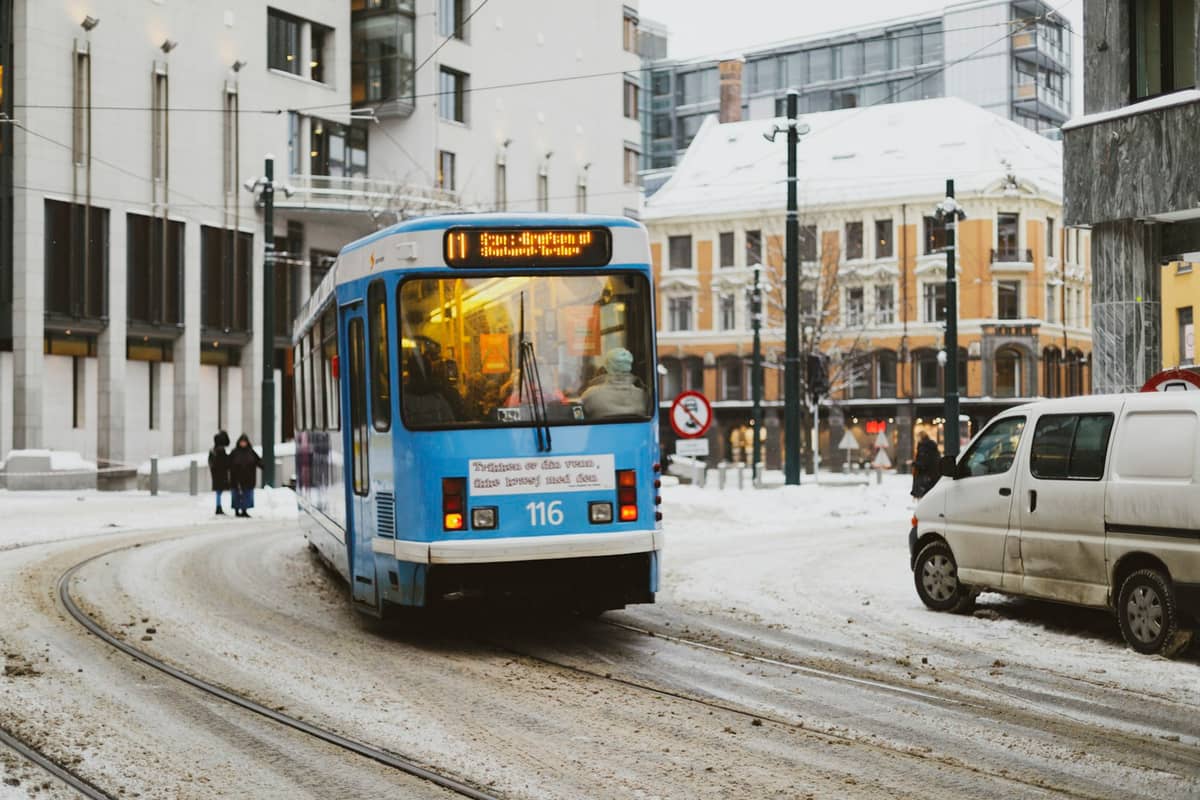
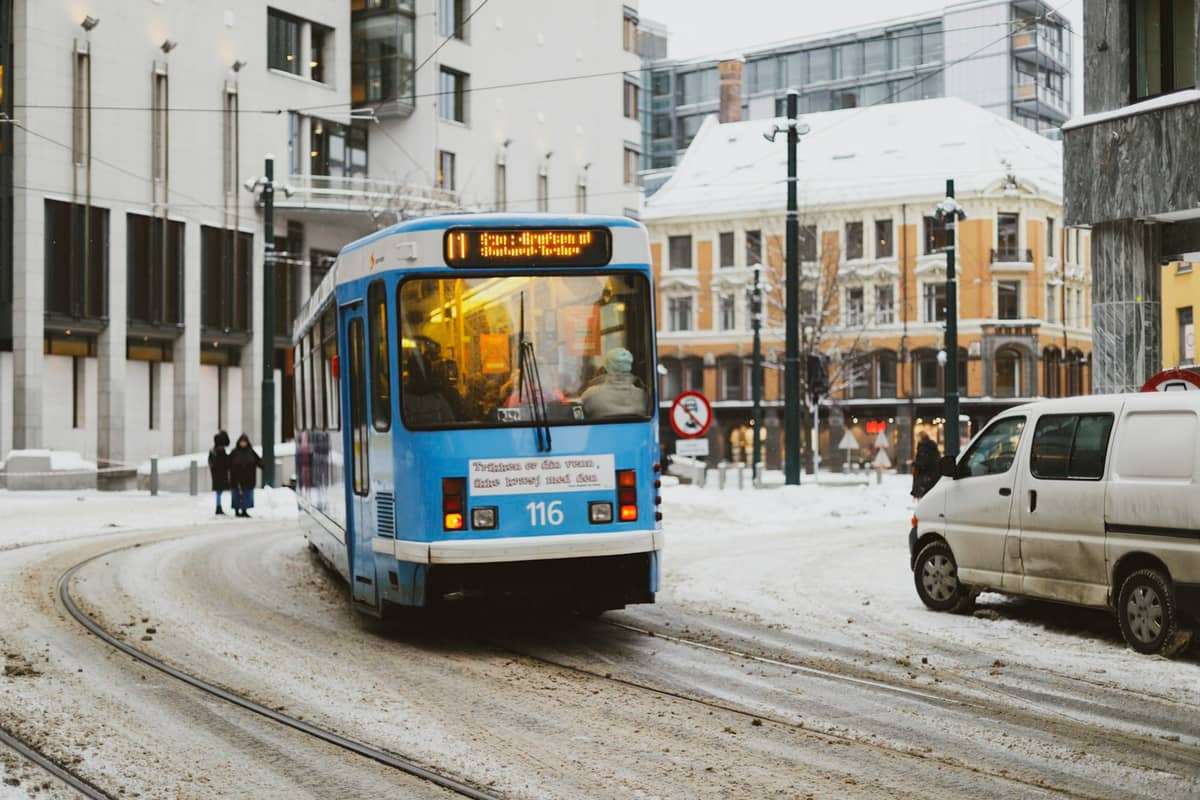
All urban public transport in Oslo — metro, tram, bus, and local ferry — is coordinated under Ruter, the regional transport authority. Oslo sits in Zone 1, and a single ticket covers all four modes within that zone for 60 minutes, including transfers. That means you can ride the T-bane from Majorstuen, switch to a tram in the city center, and board a bus in Grünerløkka all on one ticket — as long as you're within the time limit.
The most important thing to know upfront: always buy your ticket before boarding, not on the vehicle. Inspectors check regularly and fines are steep. The Ruter app is the cheapest and fastest way to buy tickets — machine prices at stops run slightly higher, and buying from a driver (where possible) is the most expensive option.
- Single ticket (Zone 1, app) Around 46 NOK, valid 60 minutes with unlimited transfers across metro, tram, bus, and ferry.
- 24-hour ticket (Zone 1) Around 113-155 NOK depending on where you buy it. Good value if you plan more than 3 journeys in a day.
- 30-day pass (adult, Zone 1) 655 NOK as of May 2026 — reduced from the previous price. Children and youth pay 238 NOK for 30 days.
- Buying via the app Cheapest option. Download the Ruter app before you arrive and you can buy tickets without needing local currency or change.
- Ticket machines and kiosks Available at major stops and stations. Prices are slightly higher than the app but useful as a backup.
⚠️ What to skip
Oslo Airport (Gardermoen, OSL) is NOT in Ruter Zone 1. Your standard single or day ticket will not cover you to the airport — you need a separate rail or bus ticket with different pricing. Many visitors only discover this at the barrier.
The T-bane Metro: Oslo's Backbone
The T-bane (short for Tunnelbane) is Oslo's metro system and the fastest way to move across the city. Five lines (L1 through L5) converge on a shared central tunnel running between Majorstuen in the west and Tøyen in the east, stopping at key central stations including Nationaltheatret and Stortinget. From that core, lines fan out to suburbs like Holmenkollen, Ellingsrudåsen, Sognsvann, and Kolsås.
For most visitors, the most useful stretches are the inner sections connecting Grünerløkka and Frogner to the city center, as well as the Holmenkollen line (L1) which takes you up to the ski jump and forest trails in Nordmarka. The metro runs roughly 05:00 to 00:30 on weekdays. On Friday and Saturday nights, night metro services run on the most-used lines — check the Ruter journey planner for exact schedules since these vary by line.
💡 Local tip
Riding the T-bane to Frognerseteren (end of line L1) is one of Oslo's best-value activities — the same 46 NOK ticket takes you from central Oslo to the forest edge in about 40 minutes. From there you can walk down to Holmenkollen station or continue into Nordmarka.
Trams, Buses & the City Ferry
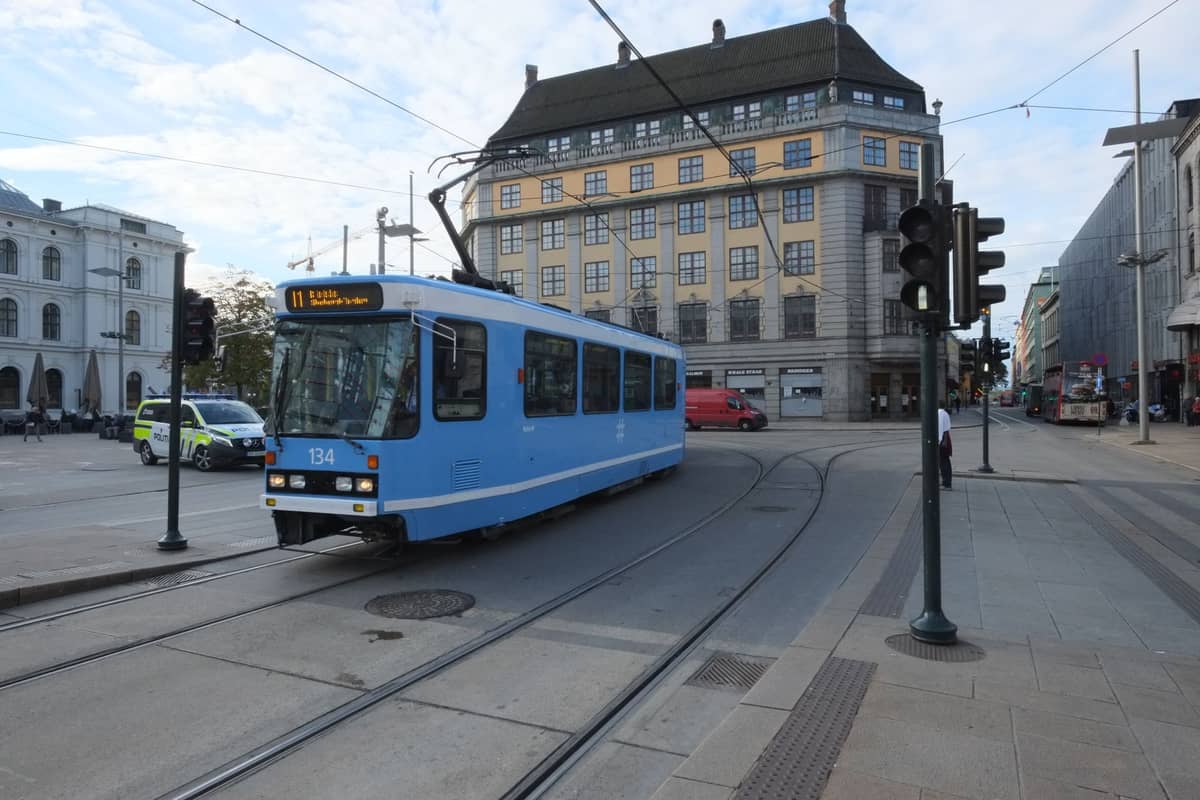
Oslo's tram network is smaller than the metro but more useful for navigating the inner city, particularly between Aker Brygge, the Royal Palace area, and Grünerløkka. Line 12 is the most visitor-relevant. Trams run frequently during the day but reduce to wider intervals late at night. The same Ruter ticket covers trams and metro interchangeably.
Buses extend Ruter's reach into neighborhoods the metro and tram don't cover. For visitors, the most relevant routes tend to be those heading toward Bygdøy — the museum peninsula home to the Fram Museum and Norsk Folkemuseum. In summer, a dedicated Bygdøy ferry (also covered by Ruter tickets) runs from Rådhusbrygga near Oslo City Hall, which is by far the most pleasant way to reach the area.
One underused option is the local ferry to Nesoddtangen and the Oslofjord islands, covered by Ruter tickets for the appropriate outer zones. If you're spending a summer afternoon island-hopping, your regular day ticket for the relevant zones handles the whole trip. Worth noting: these ferries are popular with locals escaping the city on warm evenings, so expect crowds on Friday afternoons in July and August.
Getting from Oslo Airport to the City Center
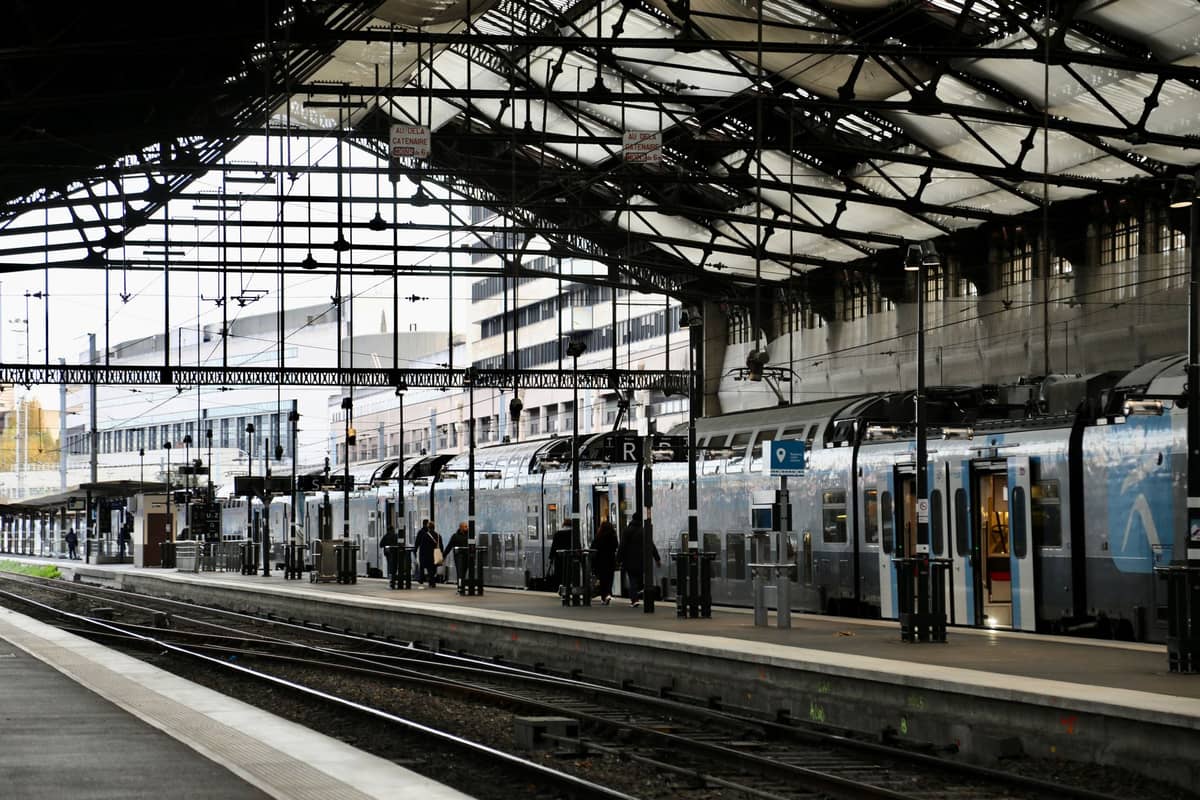
Oslo Airport Gardermoen (OSL) sits around 47-50 km north of the city center — far enough that your transfer choice matters both for time and cost. There are four realistic options: the Flytoget express train, the Vy regional train, airport buses, and taxi or private transfer. Here's how they compare honestly.
- Vy Regional Train (R10/R11) — Best Value Around 122-129 NOK one way. Journey time approximately 23-30 minutes to Oslo S (Central Station). Runs every 20-30 minutes. Uses the same tracks as Flytoget — the difference is mainly price and frequency. This is the smart choice for most travelers.
- Flytoget Airport Express — Fastest & Most Frequent Around 210-240 NOK one way (discounts for students and seniors). Journey time around 20-25 minutes. Higher frequency, dedicated branding, and easier to identify at the airport. Worth it if you're in a hurry or traveling with heavy luggage and want guaranteed seating.
- Airport Bus (Flybussen and others) — Cheapest if Pre-Booked Fares typically 149-259 NOK, often cheaper online in advance. Journey time 45-60 minutes depending on traffic and stops. Covers more drop-off points across the city beyond Oslo S, which can be convenient depending on your hotel location.
- Taxi or Private Transfer — Convenient but Expensive Fixed or metered fares to central Oslo. Journey time roughly 40-50 minutes, though this can stretch significantly in peak traffic. Prices are substantially higher than any train option — verify current rates directly with taxi operators.
✨ Pro tip
The Vy regional train is the most underrated airport transfer in Oslo. It departs from the same airport platforms as Flytoget, takes only a few minutes longer, and costs roughly half the price. Unless you need the higher frequency of Flytoget, the Vy train is the better deal for most travelers.
One practical note on fare zones: a Ruter Zone 2N ticket for travel between Oslo Airport and the city (currently around 122 NOK) includes 90 minutes of onward travel on Ruter services when you arrive. That means you can step off at Oslo S and board a tram or metro to your hotel without buying a second ticket — a small but useful saving.
Winter travel adds a variable worth considering. Snow and ice cause more disruption to road transfers than rail. If your flight lands during a heavy snowfall, the Vy or Flytoget trains will almost certainly get you to Oslo S on time; the airport bus could take considerably longer. In summer, it's the reverse: rail maintenance work sometimes triggers replacement buses on parts of the airport line, so check live service updates on the day you travel.
Taxis, Ride-Hailing & Getting Around by Car

Oslo has licensed taxis available at designated stands throughout the city and at the airport. Fares are metered and run on the higher side compared to most European cities — this is Norway, where labor costs are reflected in everything. Tipping is not obligatory; rounding up or adding 5-10% for good service is common but entirely optional.
Uber has had a complicated regulatory history in Norway. Its operational status has shifted over the years, so verify whether it is currently active in Oslo before relying on it as an option. Norwegian taxi companies offer their own booking apps which function similarly and operate within the legal framework — these are usually the more reliable choice.
Driving in central Oslo is possible but rarely the best choice for visitors. Parking is expensive and limited, and the city has a tolling system on roads entering the center. Public transport is fast enough to make a car unnecessary for most city sightseeing. Where a car becomes useful is for day trips from Oslo to areas with limited public transport connections — though even then, many of the best destinations are reachable by train.
Key Neighborhoods and How to Reach Them

Oslo's most visited areas are well served by public transport. The city center (Sentrum) is walkable once you're in it, but getting between districts is where the T-bane earns its keep. Grünerløkka is a short tram or metro ride northeast of the center and is where many of Oslo's independent cafes, bars, and vintage shops are concentrated. Frogner to the west is home to the Vigeland Sculpture Park and is easily reached by tram on Line 12.
Bygdøy requires a bus or the summer ferry from Rådhusbrygga — there's no metro stop. For Holmenkollen and the forest areas of Nordmarka, take T-bane Line 1 directly from the city center; it's a 30-35 minute ride to Holmenkollen and a few stops further to Frognerseteren, the gateway to proper hiking. The Oslo hiking guide covers the best Nordmarka routes in detail.
ℹ️ Good to know
The Oslo Pass includes unlimited travel on Ruter services in zones 1, 2, 3, 4V and 4N as well as free entry to most major museums and attractions. If you're planning to visit several paid attractions in a 24 or 48-hour window, it often works out cheaper than buying transport and museum tickets separately. Compare your planned itinerary against the pass price before committing.
Practical Details: Hours, Accessibility & Sandefjord Airport
The T-bane, trams, and buses operate from around 05:00 to 00:30 on weekdays. Weekend night services extend this on the busiest metro lines, typically running hourly after 01:00. During major events or public holidays, Ruter usually adds capacity — check their app or website around Norwegian Constitution Day (17 May) and Christmas period when services adjust.
Oslo's metro stations and newer vehicles are generally accessible for passengers using wheelchairs or traveling with strollers. Older tram lines have more variable accessibility. The Ruter website lists accessibility details for individual lines and stops.
A note on Sandefjord Airport Torp (TRF): some low-cost carriers market this as an 'Oslo' airport, but it sits around 110-120 km south of central Oslo — more than double the distance of Gardermoen. The transfer adds significant time and cost. If you're booking flights to Oslo, always confirm the airport code. OSL is the airport you want. For more on planning your arrival and departure, the 3-day Oslo itinerary includes timing guidance from both airports.
FAQ
How do I get from Oslo Airport to the city center cheaply?
The cheapest train option is the Vy regional train (R10/R11), costing around 124 NOK and taking approximately 23-30 minutes to Oslo Central Station (Oslo S). It runs every 20-30 minutes and uses the same airport platforms as the more expensive Flytoget. Pre-book via the Vy app or website. Airport buses can be cheaper if booked well in advance online (from around 149 NOK), but take 45-60 minutes depending on traffic.
Is the Oslo Pass worth it for transport?
It depends on your plans. The Oslo Pass covers unlimited Ruter transport in zones 1, 2, 3, 4V and 4N plus free entry to most major museums. If you're visiting 2-3 paid attractions per day and using public transport regularly, it often pays for itself. It includes Vy local trains to and from Oslo Airport Gardermoen, but not the Flytoget Airport Express or Flybussen.
Can I use the same ticket on the metro, tram, and bus in Oslo?
Yes. A single Ruter ticket in Zone 1 is valid across all modes — T-bane metro, tram, bus, and the inner-city ferry — for 60 minutes from activation, including transfers. Activate the ticket just before you board, not when you buy it, to make the most of the time window.
Is Flytoget the only train from Oslo Airport to the city?
No. Flytoget is a premium branded express service, but the Vy regional train (R10/R11) also runs directly between Oslo Airport (Gardermoen) and Oslo S on similar tracks. The Vy train takes a few minutes longer and runs less frequently, but costs roughly half the Flytoget price. Both are good options; Flytoget is not worth the premium unless frequency is critical for you.
How late does the Oslo metro run?
The T-bane runs roughly 05:00 to 00:30 on most days. On Friday and Saturday nights, night services operate on key lines after 01:00, typically running at hourly intervals. Check the Ruter journey planner for exact times on the line you need, as schedules vary.
Tickets & tours
Live prices and dates from our booking partner. If you book, we may earn a commission at no extra cost to you.
Planning a trip? Discover personalized activities with the Nomado app.