Frogner and Majorstuen form Oslo's most polished inner-west neighborhoods, combining grand 19th-century apartment architecture, leafy park spaces, and one of the city's main transit crossroads. This is where embassies sit alongside independent boutiques, and where locals stroll Bogstadveien on weekend mornings with the same ease as they do on a Tuesday afternoon.
Frogner and Majorstuen occupy Oslo's western inner city with a quiet confidence that sets them apart from the capital's more tourist-heavy districts. The area anchors itself around Frognerparken and the world-famous Vigeland Sculpture Park to the west, and the Majorstuen transit junction to the north, creating a neighborhood that functions as both a practical base and a genuine destination in its own right.
Orientation
Frogner and Majorstuen together form the core of Oslo's Frogner borough, stretching across the city's west side roughly between the Royal Palace grounds to the east and the Bygdøy peninsula to the southwest. Think of Majorstuen as the northern anchor and commercial hub, and Frogner as the quieter, more residential stretch spreading south and west toward the park.
The neighborhood's northern boundary sits near Marienlyst and Hegdehaugen, while to the south it dissolves into the green corridor of Frogner Park and the residential lanes around Frogner itself. To the east, the neighborhood transitions into Uranienborg and the inner city streets leading toward Oslo's Sentrum. To the west, Frogner gives way to the embassy quarter and eventually the road down to the Bygdøy peninsula.
The key streets to understand are Bogstadveien and its southern extension Hegdehaugsveien, which form the commercial spine running roughly north-south through Majorstuen. Kirkeveien cuts diagonally through the area, connecting Majorstuen junction to Frognerparken's eastern entrance. These three streets define the neighborhood's daily rhythms more than any official boundary line.
ℹ️ Good to know
Frogner borough also includes Bygdøy, the museum peninsula to the southwest. If you're planning a visit to Oslo's major open-air and maritime museums, you're technically still within the wider Frogner administrative area, though it feels like a different world once you cross the water.
Character & Atmosphere
The built fabric of Frogner dates mostly from the late 19th and early 20th centuries, when this part of Oslo was developed for the city's upper-middle class. The result is a streetscape of substantial art nouveau and historicist apartment buildings, their facades often four or five stories tall, with elaborate stucco detailing and tall windows that catch the afternoon light in a way that feels distinctly European. Embassies occupy some of the grandest villa-style buildings, giving certain streets an almost diplomatic stillness.
Mornings here are unhurried. By 8am, locals are moving through Bogstadveien toward the metro at Majorstuen, coffees in hand, dogs on leads. The cafés open early and fill with a mix of parents after the school run and people working from laptops. This is not a neighborhood that puts on a performance for visitors; it simply goes about its day, which is part of what makes it pleasant to spend time in.
By afternoon, especially on weekends, Bogstadveien becomes one of Oslo's most enjoyable streets for aimless walking. The shops are independent enough to be interesting, the pavements are wide, and the street is calm compared to the pedestrianized chaos of Karl Johans gate in the city center. In summer, café tables spill onto the pavement and the light lingers until well past 9pm. In winter, the street takes on a cosier register: lit windows, fewer crowds, and a pace that invites stopping rather than rushing.
After dark, Frogner is genuinely quiet by inner-city standards. Majorstuen keeps some energy around its restaurant and bar strip, but this is not a nightlife district in the way that Grünerløkka or parts of Sentrum are. The neighborhood's residents tend to be professionals and families, and the atmosphere reflects that. If you want late-night noise, you will need to travel. If you want to sleep well and wake up to a functioning neighborhood bakery, Frogner delivers.
What to See & Do
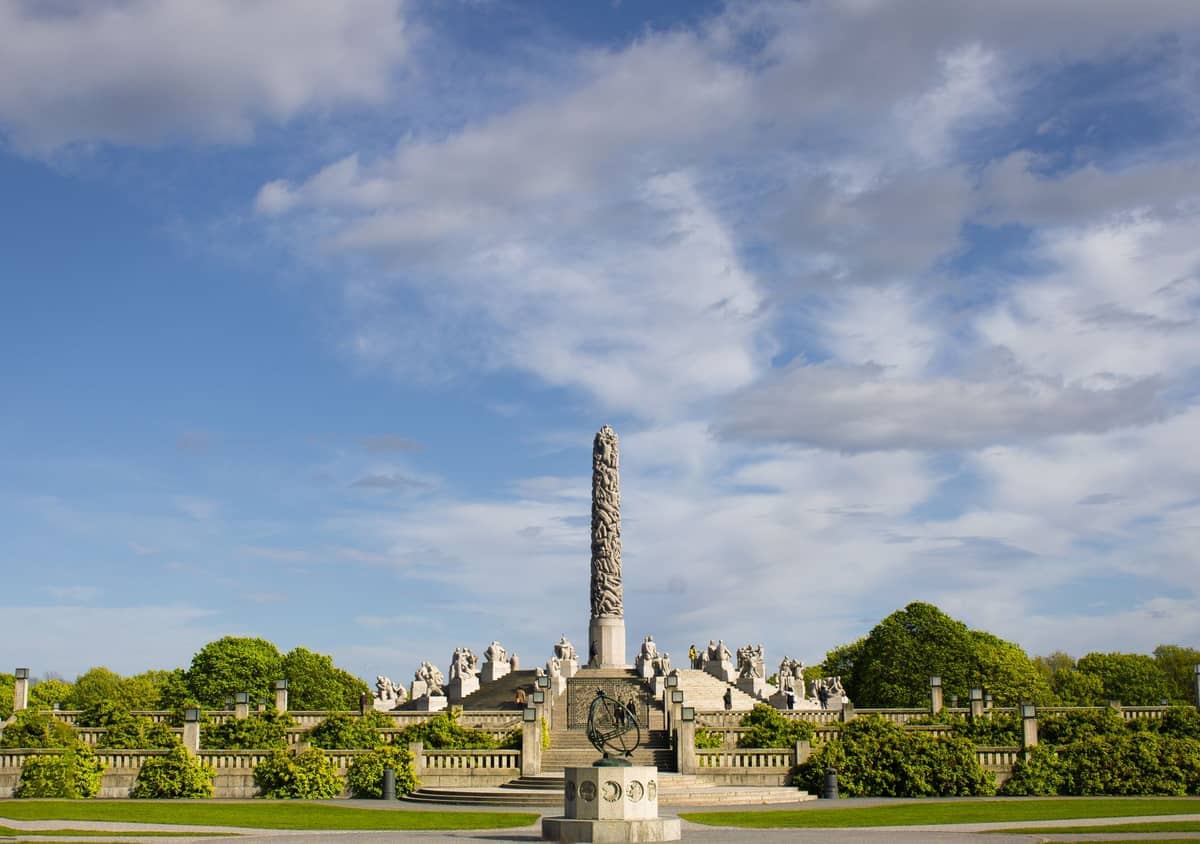
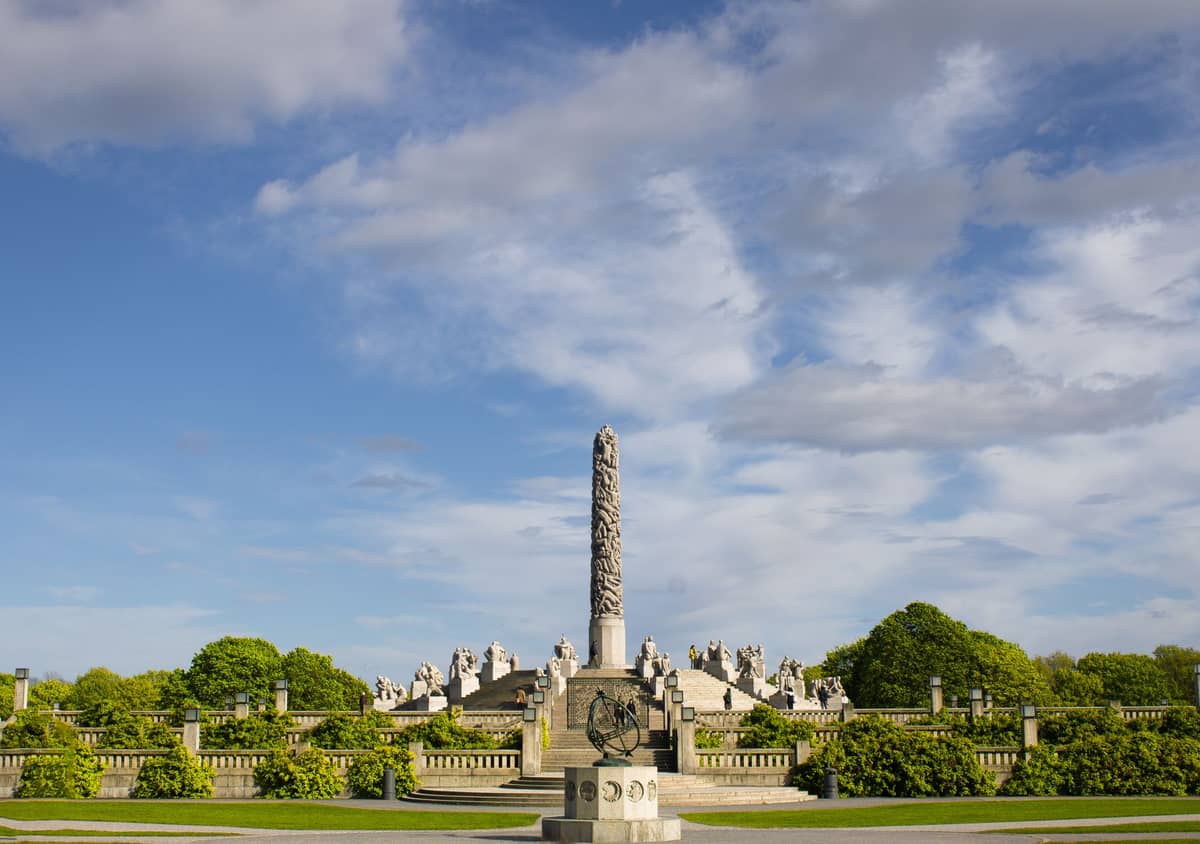
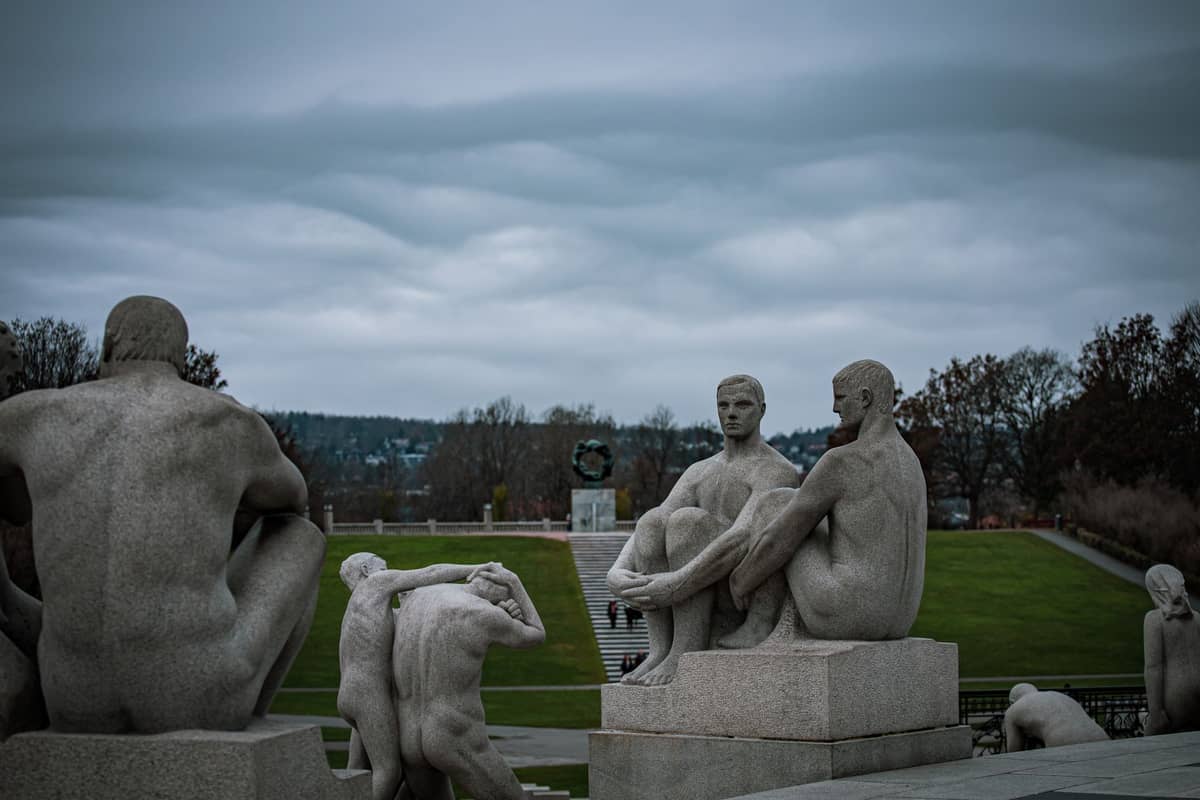
The single biggest draw in the entire area is Vigeland Sculpture Park, located within Frognerparken. The park contains more than 200 sculptures by Gustav Vigeland, arranged along a central axis that runs from the main gate to the famous Monolith plateau. It is one of the most visited outdoor attractions in Norway, and for good reason. The sculptures depict the human life cycle with a directness that can be confronting, moving, or occasionally absurd depending on the piece and your mood.
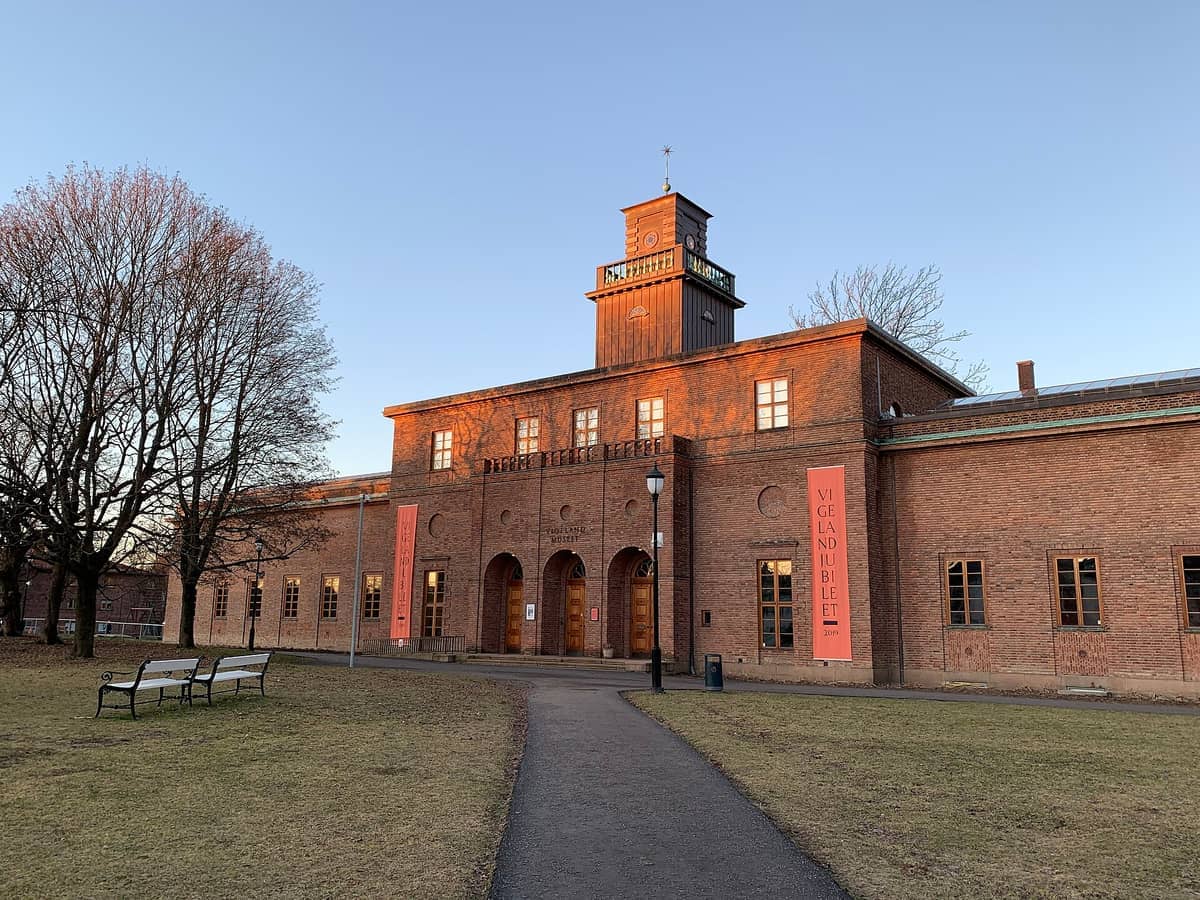
What the tourist literature rarely emphasizes is that Frognerparken itself is enormous and worth spending time in beyond the sculpture axis. Locals use it as a running route, a winter sledding ground, and a summer picnic spot. The park also contains the Vigeland Museum, housed in what was Gustav Vigeland's studio, where you can see his plaster casts, drawings, and woodcuts. It is rarely crowded and gives serious context to the outdoor work.
From Majorstuen, the T-bane connects directly to Holmenkollen in around 15 minutes, making this neighborhood a practical base for exploring the forested hills above the city. The Holmenkollen Ski Jump and its attached museum are the obvious destinations, but the surrounding Nordmarka forest offers proper hiking and skiing depending on the season.
Walk the full length of the Vigeland Sculpture Park from the main gate on Kirkeveien to the Monolith plateau
Visit the Vigeland Museum on Nobels gate for context on how the sculptures were made
Browse the independent boutiques and bookshops along Bogstadveien
Take the T-bane from Majorstuen to Holmenkollen for views and hiking access
Walk south through Frogner toward the embassy quarter for the neighborhood's finest architecture
Connect via Majorstuen to reach Bygdøy's museum cluster in around 20 minutes by tram and bus
For travelers building a wider itinerary, note that Bygdøy sits within the same borough and is reachable by bus or a pleasant walk through the park and down toward the water. The Fram Museum, Kon-Tiki Museum, and the Norwegian Folk Museum are all clustered there and can fill a full day.
Eating & Drinking
The food scene in Frogner and Majorstuen is weighted toward neighborhood dining rather than destination restaurants. That means good-quality cafés, reliable mid-range restaurants, and a handful of more upscale options, mostly concentrated along Bogstadveien, Hegdehaugsveien, and the streets immediately around Majorstuen junction. Prices generally sit above Oslo's average, reflecting the area's demographics.
Cafés are plentiful and strong. Oslo has developed a serious coffee culture over the past decade, and several of the city's better specialty coffee spots have outposts in this neighborhood. Weekend mornings in particular make Bogstadveien worth walking for nothing more than finding a table, ordering well-made coffee, and watching the street come to life.
For dinner, the area covers most bases without being exceptional in any particular direction. You will find Italian, Asian fusion, and Nordic-inflected menus at various price points. The higher end of the market tends to cluster closer to Frogner's villa streets, while Majorstuen offers slightly more casual options that work well for lunch or a weeknight meal.
💡 Local tip
If you are self-catering or want to buy picnic supplies for Frognerparken, the area has several good delis and food shops along Bogstadveien. Oslo's supermarkets close relatively early, particularly on Sundays, so plan grocery shopping before 6pm on weekdays and earlier on weekends.
For a broader sense of Oslo's food culture and what to seek out across the city, the what to eat in Oslo guide covers local specialties, seasonal ingredients, and where different types of Norwegian food are best found.
Getting There & Around
Majorstuen station is one of Oslo's most important public transport nodes. All five lines of the Oslo Metro (T-bane) pass through it, along with several tram lines and multiple bus routes. This makes Majorstuen arguably the most connected transit point in the city outside of Oslo Central Station itself. From here you can reach the city center in under 10 minutes, the Holmenkollen ski jump area in around 15, and most other parts of the city within 30 minutes.
From the city center, the easiest approach to Majorstuen is the T-bane from Nationaltheatret or Stortinget stations, a direct ride of two or three stops. Tram line 12 also connects the area to the waterfront near Aker Brygge and Tjuvholmen to the south, making cross-neighborhood movement straightforward without needing the metro.
Walking into Frogner from Sentrum takes around 20 to 25 minutes at a comfortable pace, following Drammensveien west from the Royal Palace or cutting through the residential streets north of the palace grounds. This is a pleasant walk in good weather and gives a useful sense of how the city's western residential fabric differs from the center.
Transport in Oslo operates under the Ruter ticketing system. A single ticket covers all modes within the city zones, and the getting around Oslo guide covers zone rules, passes, and the best ticketing options for short and multi-day visits. The Oslo Pass, which includes unlimited public transport, can make sense if you are also visiting paid attractions.
ℹ️ Good to know
Majorstuen station has night bus connections to Oslo Central (Jernbanetorget) running daily, making it viable as a base even for late evenings out in other neighborhoods. Check Ruter's night bus schedule as routes and frequencies can vary by day.
Where to Stay
Frogner and Majorstuen attract travelers who want proximity to the city's best transport connections without the noise of the center, combined with access to genuine neighborhood character. The accommodation here leans toward boutique hotels, apartment rentals, and a small number of higher-end properties rather than large chain hotels.
The best positioning for a first-time visitor is within walking distance of Majorstuen station, which keeps all of Oslo's main attractions within easy reach. Staying closer to Frognerparken suits travelers who want quieter surroundings and plan to spend significant time in the park, but the slightly longer walk to the metro is worth accounting for.
This area suits travelers who are not in Oslo primarily for nightlife, who want a residential-feeling base rather than a hotel-district experience, and who are comfortable using public transport to reach the city's main sights. For a broader look at where to position yourself in Oslo depending on your priorities, the where to stay in Oslo guide compares all major neighborhoods with honest assessments of each.
⚠️ What to skip
Accommodation in Frogner and Majorstuen tends to be priced at the higher end of Oslo's market, which is already an expensive city. Budget travelers will likely find better value in neighborhoods further east or closer to Oslo S, even if those areas require slightly more transit time to reach western sights like Vigeland Park.
Clear Assessment
Frogner and Majorstuen work very well as a base for travelers who want comfort, walkability, and the convenience of Oslo's main transit hub without being in the thick of tourist Oslo. The area is genuine and self-sufficient in a way that rewards spending time here rather than simply passing through. Its one real limitation is nightlife: after around 11pm on most nights, the neighborhood goes quiet, and anyone wanting a long evening out will be traveling to Grünerløkka or Sentrum and coming back late.
For families, the combination of Frognerparken's open space, the Vigeland sculptures, easy metro access to Holmenkollen, and the relatively calm streets makes this one of the most practical areas in the city. The Oslo with kids guide has more on family-friendly planning across the city.
TL;DR
Frogner and Majorstuen form Oslo's most polished inner-west neighborhoods, combining grand 19th-century streetscapes with Vigeland Sculpture Park, excellent cafés, and the city's best-connected metro junction at Majorstuen station.
Best for: travelers who want a genuine residential neighborhood feel, good transport connections to all of Oslo, and proximity to Frognerparken without the noise and crowds of the city center.
Nightlife is limited: after 11pm the area quiets significantly; use the T-bane to reach livelier districts if needed.
Accommodation runs expensive even by Oslo standards; budget travelers should compare carefully before booking here.
The Majorstuen T-bane junction connects to all five metro lines, making this one of the most strategically placed bases in the entire city for day-tripping and sightseeing.
Oslo's weather, daylight hours, and crowd levels shift dramatically across the year. This guide breaks down every season so you can pick the right time based on what you actually want to do, not just the warmest month.
Oslo sits at the centre of one of Europe's most rewarding day-trip networks. Within two hours you can reach a medieval fortified town, a world-class sculpture park in the forest, a 13th-century stave church, or an island fortress in the fjord. This guide covers the best day trips from Oslo, from quick ferry hops to full-day rail journeys.
Oslo has a reputation for being expensive, but the city's best experiences often cost nothing. From a marble opera house roof you can walk across to one of the world's great sculpture parks, here are 20 free things to do that locals actually love.
Oslo has one of the most integrated public transport networks in Scandinavia, but the ticket system trips up a surprising number of visitors. This guide covers everything from navigating the T-bane metro to getting from Oslo Airport (OSL) to the city center without overpaying — with real prices, journey times, and practical advice on what to skip.
Oslo is Norway's capital and one of Scandinavia's most complete city destinations, but it comes with a high price tag and sharp seasonal swings. This guide breaks down exactly what you get for your money, when to go, and whether the city lives up to its reputation.
Oslo holds the world's largest collection of Edvard Munch's work, split across two major institutions. This guide tells you exactly where The Scream is displayed, how to buy tickets, and what else to see beyond the famous painting.
Oslo's architectural story spans 800 years, from Akershus Fortress rising above the harbour to the tilted glass tower of the Munch Museum. This guide takes you through the city's most significant buildings, organised by era and theme, so you can trace how Norway's capital has reinvented itself across centuries.
Oslo transforms from late November through December into one of Scandinavia's most atmospheric winter cities. From the free central market at Spikersuppa to the traditional fair at Norsk Folkemuseum, this guide covers every Christmas experience worth your time, with practical advice on costs, crowds, and what to skip.
Norway's Constitution Day is the country's biggest national celebration, and Oslo is the place to be. This guide covers the parade route, crowd logistics, public transport disruptions, what stays open, and how to watch the Royal Palace balcony moment without getting trapped in the crowds.
The Oslofjord is Oslo's backyard playground: a 100-km stretch of water dotted with islands, beaches, and historic forts; the inner islands are all reachable in under 30 minutes from the city centre by public ferry. This guide covers public ferries, sightseeing cruises, the best swimming spots, and practical details on timing, pricing, and what to skip.
Oslo's floating saunas are one of Norway's most distinctive experiences, combining intense heat with cold fjord dips right in the heart of the city. This guide covers every major operator, realistic pricing, booking logistics, safety rules, and the best time to go.
Oslo rewards the curious traveler who ventures beyond the Opera House and Vigeland Park. From a barrel-vaulted mausoleum open only on Sundays to medieval ruins in a residential neighborhood, these are the experiences that most visitors completely miss.
Oslo is one of the few European capitals where you can step off a metro and be deep in forest within 30 minutes. This guide covers the best hiking trails in and around the city, from urban river walks to full-day routes in Nordmarka.
Summer transforms Oslo into one of Scandinavia's most enjoyable cities, with nearly 19 hours of daylight, warm fjord beaches, and a packed festival calendar. This guide covers what to expect from June through August, including the truth about the 'midnight sun', when each season peaks, and which events are worth planning around.
Oslo in winter is cold, short on daylight, and genuinely rewarding for travelers who come prepared. This guide covers the real temperatures, the best winter activities, how to get around, and what most visitors get wrong about visiting Norway's capital between December and February.
The Oslofjord islands are one of Oslo's best-kept open secrets: reachable on a standard public transport ticket, dotted with beaches, ruins, and free camping spots. This guide covers every ferry route, the best islands for each type of visit, and exactly how to plan a day on the water.
Three days is enough to cover Oslo's highlights without rushing. This itinerary covers the waterfront, Bygdøy peninsula, Vigeland sculpture park, and the city's best neighborhoods, with practical advice on transport passes, seasonal timing, and where to skip the tourist traps.
Oslo offers more than its size suggests when it comes to museums. Whether you're drawn to Edvard Munch's raw canvases, the story of Norway's WWII resistance, or the world's most ambitious open-air folk museum, this guide covers every essential collection in the city.
Oslo's nightlife scene is smaller than Berlin or London, but it's more focused and genuinely good. This guide covers the best bars, clubs, and live music venues by neighborhood, what drinks actually cost, when to go, and what first-timers consistently get wrong.
Oslo has a reputation as one of Europe's most expensive capitals, but that reputation is only half the story. With the right approach to transport, attractions, and timing, you can experience Norway's capital without the wallet damage most travelers fear.
The Oslo Pass bundles free museum entry and unlimited public transport into one time-based card. But at up to around 995 NOK for 72 hours, it only pays off under specific conditions. This guide breaks down exactly who should buy it, who should skip it, and how to calculate your own value.
Oslo's shopping scene rewards those who explore beyond the main drag. This guide covers the city's best streets, department stores, weekend markets, and where locals actually shop, with practical hours, neighborhood breakdowns, and practical advice on what to skip.
The Oslo to Bergen train is one of the great railway journeys in Europe, crossing high mountain plateaus and deep fjord valleys across 492 km of Norwegian landscape. This guide covers tickets, prices, timetables, seat choices, seasonal tips, and how to avoid the most common booking mistakes.
The journey from Oslo to Stockholm is one of Scandinavia's most popular intercity routes. This guide breaks down every transport option, from the direct SJ/Vy train to FlixBus, with practical advice on cost, comfort, and convenience.
The journey from Oslo to Tromsø covers roughly 1,700 km and takes under two hours by air, but knowing when to go and what to expect in Norway's Arctic capital makes all the difference. This guide covers every transport option, seasonal highlights, and key activities so you can plan confidently.
Oslo rewards those who look up, out, and across. From a marble rooftop you can walk into the fjord to a forested hilltop that inspired The Scream, the city offers an extraordinary range of panoramas. This guide covers the best viewpoints in Oslo, whether you want sweeping city skylines, fjord horizons, or intimate harbour scenes.
Oslo is one of Europe's most walkable capitals, and you don't need a guided group to explore it properly. This guide covers the best self-guided walking routes, top apps, free city maps, seasonal advice, and practical tips on what to skip.
Oslo offers more than its size suggests when it comes to family travel. From hands-on science museums and polar-exploration ships to free sculpture parks and island beaches, Norway's capital keeps children genuinely engaged. This guide covers the best family-friendly activities in Oslo, with real pricing, transport details, and practical advice on what's worth your time.
Oslo packs an extraordinary range of experiences into a compact, walkable city: world-class museums, a working fjord right at the city's edge, serious hiking terrain, and a food scene that has grown well beyond smørbrød. This guide covers the top things to do in Oslo, organized by category, with practical advice on what lives up to the hype and what you can skip.
Oslo sits at the heart of Viking history, but the famous ship museum is closed until 2027. This guide tells you exactly where to experience Viking Age Norway right now, from the Bygdøy peninsula to the city centre's best alternatives.
Oslo's food scene runs deeper than open-faced sandwiches and cinnamon rolls. This guide covers the essential Norwegian dishes to try, the best food halls and restaurants to find them, seasonal specialties, and honest price expectations for 2025.
Oslo's neighborhoods each offer a distinct experience, from the architectural showpiece of Bjørvika to the indie-café culture of Grünerløkka. This guide breaks down exactly where to stay in Oslo based on your travel style, budget, and priorities, with honest assessments of each district and what you'll actually pay.