Best Time to Visit Oslo: A Month-by-Month Guide for Every Traveler
Oslo's weather, daylight hours, and crowd levels shift dramatically across the year. This guide breaks down every season so you can pick the right time based on what you actually want to do, not just the warmest month.
Tickets & tours
Live prices and dates from our booking partner. If you book, we may earn a commission at no extra cost to you.
TL;DR
- June to August is the best time to visit Oslo for warm weather, long daylight hours (up to 18+ hours in June), and full access to outdoor attractions and fjord activities.
- May and September are strong shoulder-season alternatives: fewer crowds, reasonable prices, and comfortable temperatures in the 12-17°C range.
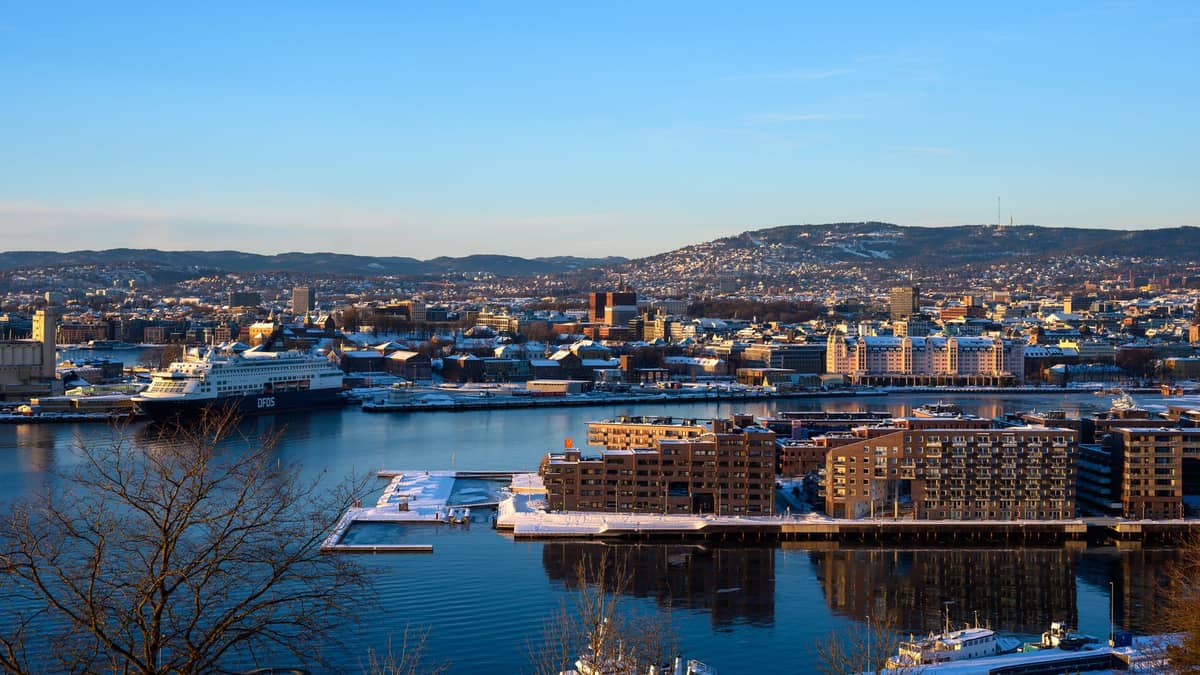
- Winter (December to February) is cold (around -2 to 0°C average) but rewarding for skiing, Christmas markets, and a quieter city — pair it with the Oslo Christmas guide for the best of the season.
- Oslo is not a year-round freezer: summer highs regularly reach 21-23°C, and English is spoken virtually everywhere.
- Whatever month you choose, the Oslo Pass can save significantly on transport and museum entry.
Oslo's Climate at a Glance
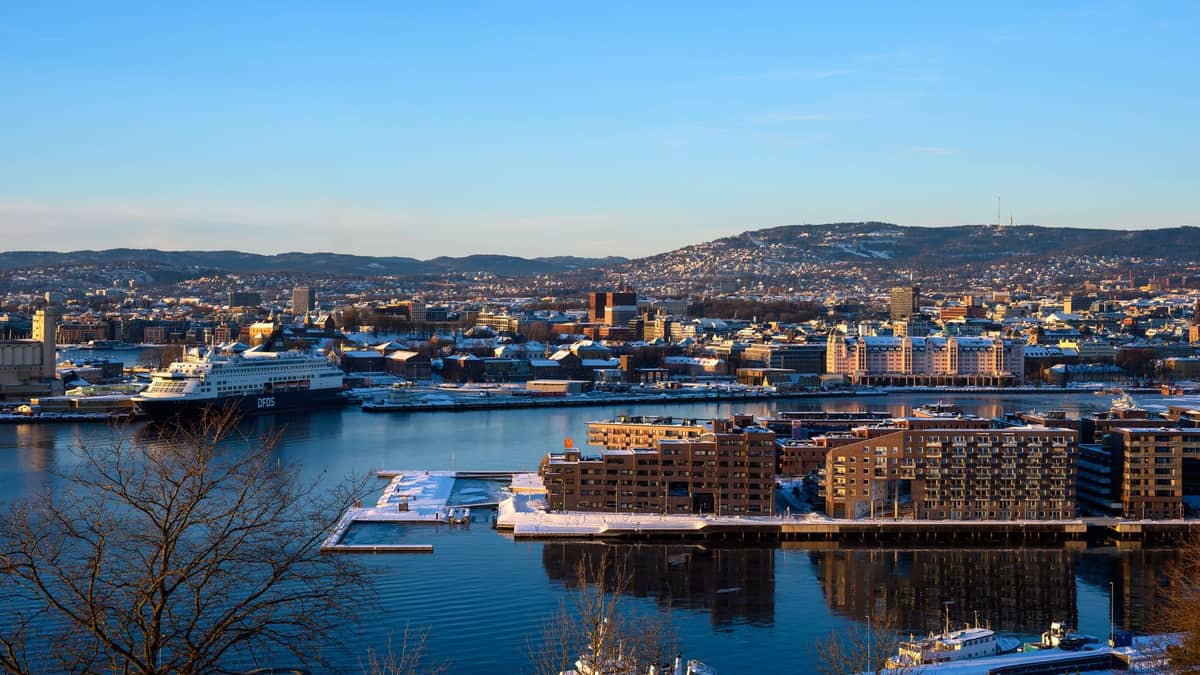
Oslo sits at the northern end of the Oslofjord at roughly 60°N latitude, which gives it a Baltic semi-continental climate: cold winters, mild summers, and dramatic swings in daylight across the year. Annual rainfall is spread fairly evenly at around 1,000-1,100mm, with October being the wettest month (around 145mm) and March the driest (around 50-55mm). There is no distinct rainy season in the tropical sense, so rain is always a possibility regardless of when you visit. The real seasonal dividers are temperature and light.
One persistent myth is that Oslo stays cold all year. It does not. July averages around 17-18°C with highs regularly hitting 21-23°C, and occasional heat waves push temperatures above 25°C. Equally, Oslo is not Arctic: December still brings around six hours of daylight, not the polar night experienced in northern Norway. What you do get in winter is genuine cold, potential ice on streets, and darkness by mid-afternoon. Plan accordingly.
ℹ️ Good to know
Oslo uses Central European Time (CET, UTC+1) in winter and Central European Summer Time (CEST, UTC+2) from late March to late October. Tap water is safe to drink throughout the city, sourced from protected reservoirs. Electricity is 230V with Type C/F plugs (standard continental European two-pin).
Summer (June to August): Peak Season for Good Reason
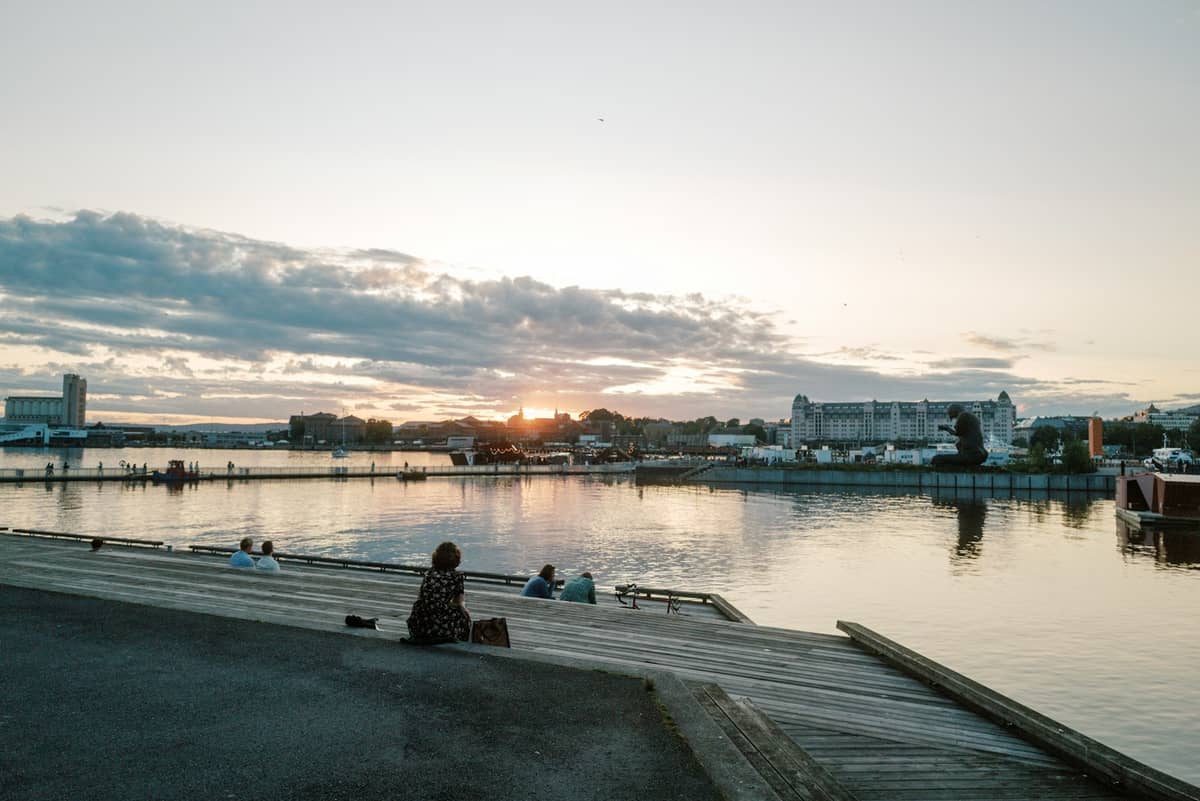
This is Oslo at its best for most visitors. June brings over 18 hours of daylight, which sounds abstract until you are sitting outside a waterfront restaurant at 10pm in full light. Temperatures climb from around 15-16°C in early June to a peak of 17-18°C average in July, with highs frequently reaching 22-23°C on good days. August stays warm and adds slightly higher rainfall, but it remains a highly enjoyable month to be in the city.
The long days make summer the ideal time for outdoor Oslo: island hopping on the Oslofjord, swimming at Huk Beach on Bygdøy, hiking in Holmenkollen and the Nordmarka forest, or cycling the fjord paths. Oslo in summer is a genuinely different city from its winter self, with street life, outdoor markets, and a relaxed pace that residents save all year for.
The trade-off is crowds and prices. July and August are the most expensive months to fly to and stay in Oslo. Popular attractions like the Vigeland Sculpture Park and the Bygdøy museum peninsula see their highest foot traffic. Book accommodation at least two to three months ahead for July, especially if you want central options. Norwegian domestic tourists flood the city for parts of the summer school holiday too, which runs roughly from late June to mid-August.
💡 Local tip
For summer visits, aim for mid-June or the first two weeks of September rather than peak July-August if you want warm weather with notably thinner crowds. Prices drop, queues shorten, and the city feels more like a place people actually live in.
Shoulder Seasons (May and September): The Smarter Choice
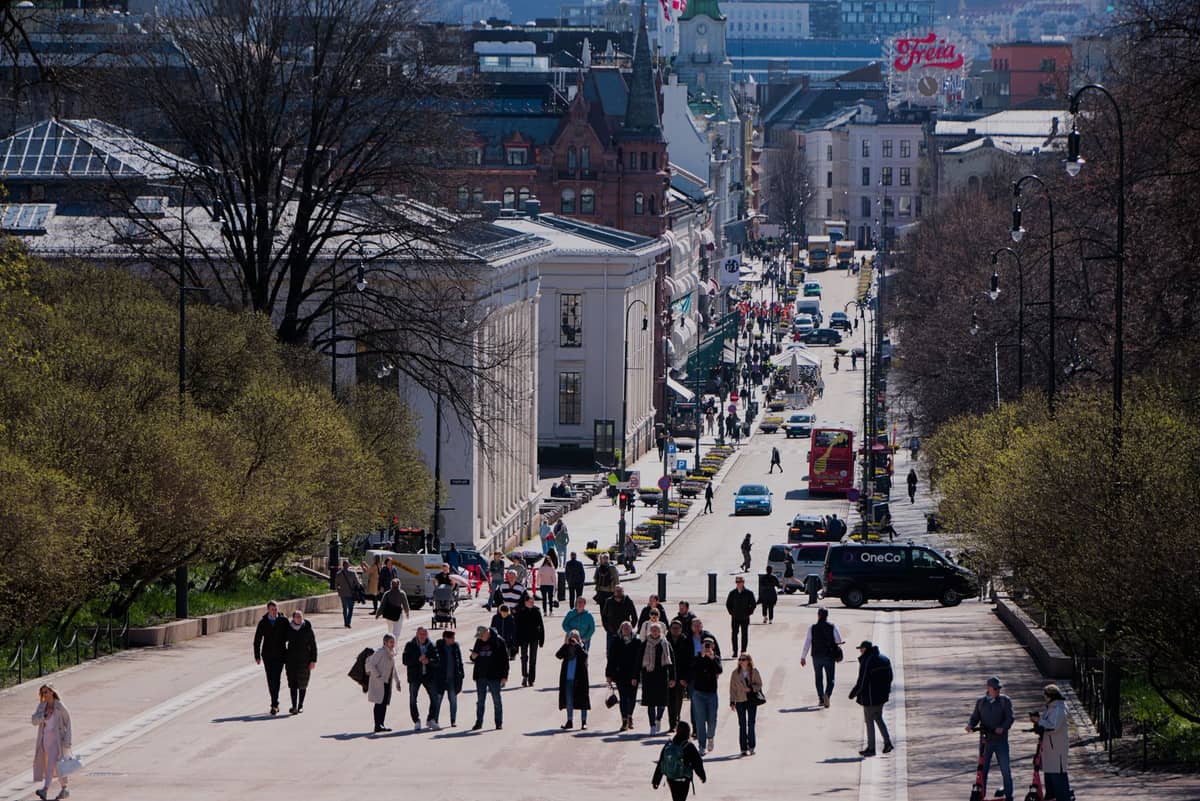
May and September are arguably the best months to visit Oslo if you weigh weather against crowds and cost. May averages around 11-12°C with gradually lengthening days, and the city comes alive after winter. Locals are visibly happier, outdoor café terraces open up, and the parks turn green. Constitution Day on May 17th (Syttende Mai) is one of Norway's most spectacular public celebrations, with parades, traditional dress, and a city-wide party atmosphere. If you can time your visit around it, do.
September averages around 12-17°C with autumn colour starting in the surrounding forests and hills. The hiking trails around Oslo are outstanding in early September before the temperatures drop seriously. Crowds at major museums thin out compared to August, and flight and hotel prices often fall. Rainfall increases toward October, so September is the better pick of the two autumn months.
- May 11-12°C average, lengthening daylight, Constitution Day on the 17th, spring flowers in Frogner Park. Ideal for culture and city walking.
- June (early) Warming rapidly toward summer with fewer crowds than July-August. Great for balancing weather and value.
- September 12-17°C, autumn colours, good hiking conditions, lower prices. Rainfall increases toward month's end.
- October 6-7°C average, Oslo's wettest month (~145mm). Manageable for indoor-focused trips but pack a proper waterproof jacket.
Winter (December to February): Cold, Dark, and Genuinely Rewarding
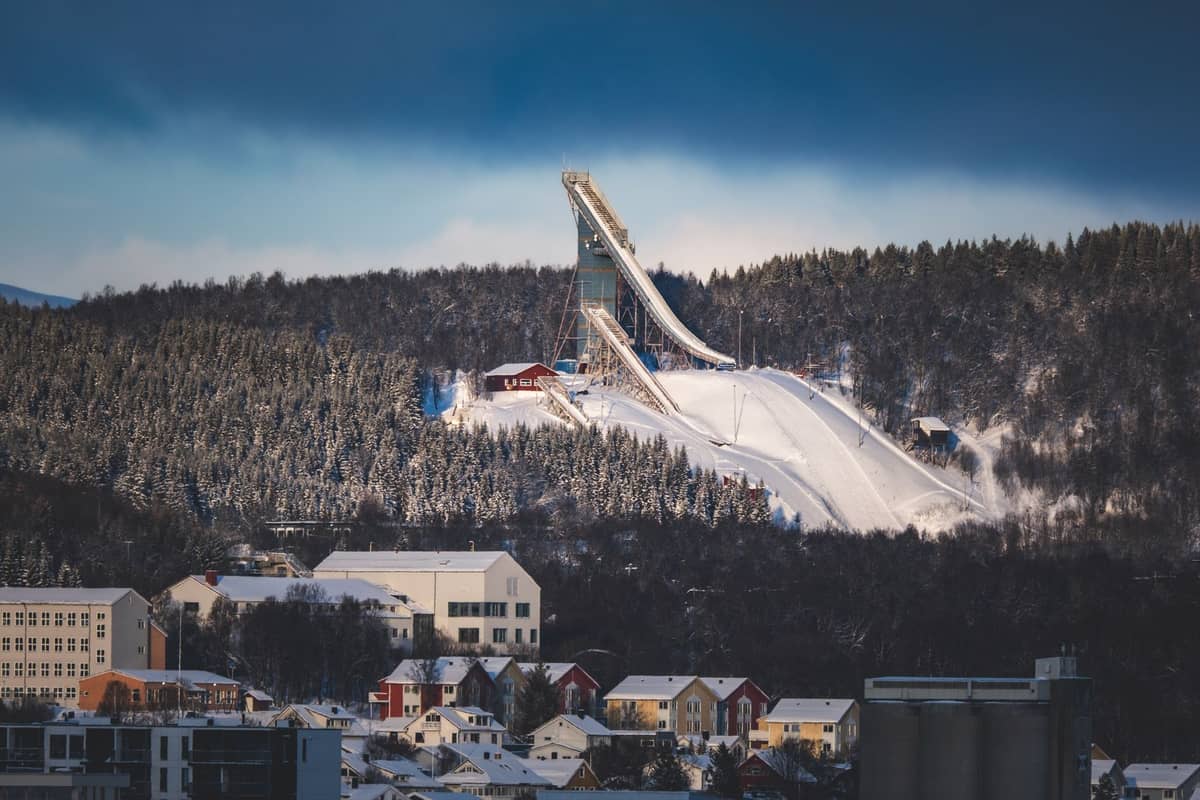
Oslo winters are not for everyone, and that is precisely the point. Average January temperatures hover around -2 to 0°C, with lows dipping to -3 to -5°C and occasional colder snaps. Snow is common from December through March and transforms the city and surrounding forests. Daylight runs to about six hours in December, which means you need to front-load outdoor sightseeing. Streets can be icy, so pack shoes with grip or buy Brodder (rubber ice grips that slip over shoes) at any sports shop or pharmacy on arrival.
What winter delivers in return is real. The Christmas season in Oslo runs through December with markets at Spikersuppa and Aker Brygge, ice skating rinks, and atmospheric light installations across the city centre. From January through March, the focus shifts to skiing: the Nordmarka forest has hundreds of kilometres of cross-country ski trails accessible directly from the city's metro stations, and the Holmenkollen ski arena hosts international competitions in March. Hotel prices are significantly lower than summer, and the city's world-class indoor attractions, from the National Museum to the Munch Museum, are far less crowded.
⚠️ What to skip
If you visit in winter, do not underestimate the cold or the darkness. Six hours of usable daylight means outdoor plans need to start by 10am. Layer properly: a thermal base layer, a mid-layer, and a windproof and waterproof outer shell are standard. Cotton is not your friend in Norwegian winter.
Spring (March and April): Transition Time
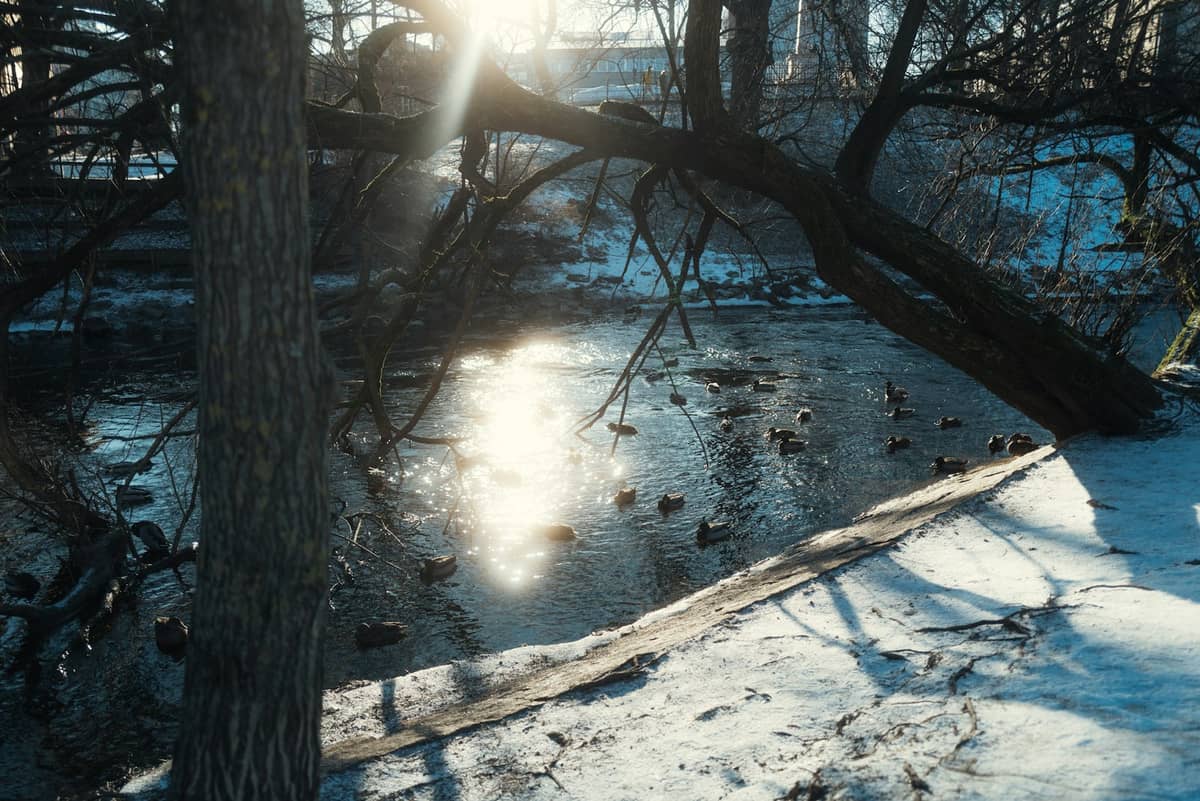
March is the driest month of the year in Oslo (around 50-55mm of precipitation) but also still cold, averaging around 1-4°C. Snow is still possible, and you will likely need winter gear. The upside is that March is an excellent month for winter sports as snow conditions in the hills are often at their best, and the Holmenkollen ski festival typically draws large crowds to the city. April warms toward 6-8°C average and feels like genuine spring by mid-month, with increasing daylight hours and the first real signs of outdoor life returning to the city.
Spring is underappreciated for Oslo city breaks. The Botanical Garden starts blooming in April and May, and the Vigeland Sculpture Park in Frogner is at its most photogenic when blossom trees are out. Prices remain low compared to summer, the city is not overrun, and the days are getting noticeably longer each week. Easter week (dates vary) is a Norwegian holiday when many locals leave for mountain cabins, leaving Oslo quieter than usual but with some businesses closed.
Month-by-Month Quick Reference
- January Avg -2 to 0°C. Dark (6h daylight), snowy, very low tourist numbers. Best for budget travel and winter sports. Museums uncrowded.
- February Similar to January but daylight increasing. Ski conditions often excellent. Half-term visitors from Europe add a slight bump in hotel rates.
- March Driest month (~50mm). Still cold but brightening. Holmenkollen ski festival. Good for a ski-and-city combo trip.
- April 6-8°C average. Spring arriving. Easter week closures to note. Good value, pleasant for walking.
- May 11-12°C. Terraces open. Constitution Day on the 17th is unmissable. Rapidly improving weather and crowds still manageable.
- June 15-16°C average. 18+ hours of daylight. Prices rising but pre-peak crowds. Excellent all-round month.
- July 17-18°C average, highs to 22-23°C. Peak season: most expensive, most crowded. Book well ahead.
- August 16-17°C, slightly more rain than July. Still peak season. Oslo summer festivals wind down toward month's end.
- September 12°C average. Autumn colours, fewer crowds, lower prices. One of the best months overall.
- October 6-7°C. Wettest month (~145mm). Good for indoor-focused visits. Significant price drops.
- November 1-2°C. Dark, wet, and quiet. Low prices. Christmas lights start appearing late in the month.
- December Around 0°C. Christmas markets, ice rinks, festive atmosphere. Darkest month but festively lit. Book early for Christmas week.
Practical Considerations for Planning Your Visit
Getting to Oslo is straightforward from most European cities. Oslo Airport Gardermoen (OSL) is approximately 47-50km north of the city centre. The Flytoget airport express train covers the journey to Oslo Central Station in around 19-22 minutes at a premium fare. The regular Vy regional train takes slightly longer (around 23-30 minutes) and costs less. Taxis are available but significantly more expensive, with journey times of 40-50 minutes depending on traffic. Once in the city, the Ruter public transport network covers the metro (T-bane), trams, buses, and ferries comprehensively. For a deeper look at navigating the city, the getting around Oslo guide covers all options.
Oslo is one of Europe's more expensive cities, and that applies year-round, not just in summer. Budget visitors should plan carefully: the Oslo on a budget guide covers the best free and low-cost options. Norway is in the Schengen Area, so EU/EEA citizens travel visa-free. Citizens of the US, Canada, Australia, New Zealand, Japan, and many other countries can enter without a visa for short stays of up to 90 days in any 180-day period. Always verify current visa requirements on official immigration channels before booking, as rules are subject to change.
Tipping is not mandatory in Oslo. Service is included in Norwegian pricing structures, but rounding up a restaurant bill or adding 5-10% for good service is appreciated and increasingly common. English is spoken to a very high standard throughout the city, so language is not a practical concern for most visitors. Emergency numbers to know: 112 for police, 113 for ambulance, 110 for fire. Norway's country dialling code is +47.
✨ Pro tip
If you are combining Oslo with travel elsewhere in Norway, season matters even more. The Bergen Railway and Flåm Railway are accessible year-round but are especially scenic from May to October. Northern Norway for the northern lights is a winter-only pursuit (roughly October to March). Plan your Oslo timing around what else is on your Norwegian itinerary.
FAQ
What is the best time to visit Norway and Oslo for good weather?
June through August offers the warmest and sunniest weather in Oslo, with average highs of 21-23°C in July and over 18 hours of daylight in June. For a balance of good weather and smaller crowds, aim for late May or early September.
Is Oslo worth visiting in winter?
Yes, with the right expectations. Winter (December to February) offers snow, Christmas markets, ice skating, and excellent cross-country skiing directly from the city. Temperatures average around -2 to 0°C, daylight is limited to about six hours in December, but hotel prices are significantly lower and major museums are uncrowded.
When is Oslo cheapest to visit?
January and February are typically the cheapest months for flights and accommodation. November and early December before Christmas markets start are also low-cost periods. Avoid July and early August if budget is a priority.
How many days do you need in Oslo?
Three to four days is enough to cover the major highlights: the Bygdøy museum peninsula, Vigeland Sculpture Park, the waterfront at Aker Brygge, and the Opera House area. A full week allows for day trips to the fjord islands, hiking in Nordmarka, or an excursion to places like Drøbak.
Does it get dark all day in Oslo in winter?
No. Oslo is well south of the Arctic Circle and does not experience polar night. In December, Oslo gets around 6 hours of daylight with sunrise around 9am and sunset around 3pm. It is short, but it is not the total darkness of places like Tromsø or Svalbard.
Tickets & tours
Live prices and dates from our booking partner. If you book, we may earn a commission at no extra cost to you.
Planning a trip? Discover personalized activities with the Nomado app.