Oslo on a Budget: How to Visit Without Breaking the Bank
Oslo has a reputation as one of Europe's most expensive capitals, but that reputation is only half the story. With the right approach to transport, attractions, and timing, you can experience Norway's capital without the wallet damage most travelers fear.
Tickets & tours
Live prices and dates from our booking partner. If you book, we may earn a commission at no extra cost to you.
TL;DR
- Oslo is expensive, but a large share of its best experiences are completely free: Vigeland Sculpture Park, the Opera House roof, Ekebergparken, and the Akerselva river walk cost nothing to enter, though you may choose to use a Ruter transit ticket to get there.
- The Oslo Pass (from 550 NOK/24h) pays off only if you plan to visit multiple paid museums in a concentrated window — it is not automatically good value.
- A single Ruter transit ticket covers metro, tram, bus, and city ferries for 60 minutes; a 24-hour pass (a little over 130 NOK) beats buying individual tickets if you take more than three rides.
- Summer (June–August) is the best season for budget visitors: long daylight hours stretch the value of every free outdoor activity, from Oslofjord island beaches to forest hikes in Nordmarka.
- Tap water in Oslo is safe to drink and excellent quality — skip the bottled water and save several hundred NOK over a multi-day trip.
Why Oslo Feels Expensive (And Where That Reputation Is Overstated)
Oslo consistently ranks among Europe's priciest cities, and the data backs that up. Norway's high wage floors, strong krone, and VAT-inclusive pricing mean that restaurants, taxis, and accommodation genuinely cost more than in most European capitals. A sit-down lunch can easily run 180–250 NOK, a pint of beer 90–120 NOK, and a mid-range hotel room 1,200–2,000 NOK per night. There is no point pretending otherwise.
But here is what the reputation misses: Oslo's public infrastructure is exceptionally good, and Norwegians have a cultural preference for free outdoor spaces. The city has invested heavily in parks, waterfront access, trails, and public art that anyone can use at no cost. Many of Oslo's most iconic experiences, including the Vigeland Sculpture Park, the Opera House rooftop, and the Akerselva river walk, are completely free. The key is knowing which costs are unavoidable and which are entirely optional.
ℹ️ Good to know
Oslo uses the Norwegian krone (NOK). As exchange rates fluctuate, all NOK prices in this guide should be cross-checked against current rates before you travel. At the time of writing, 100 NOK is roughly equivalent to 8–9 EUR or about 9 USD, though this varies.
Getting Around Oslo Without Overspending on Transport
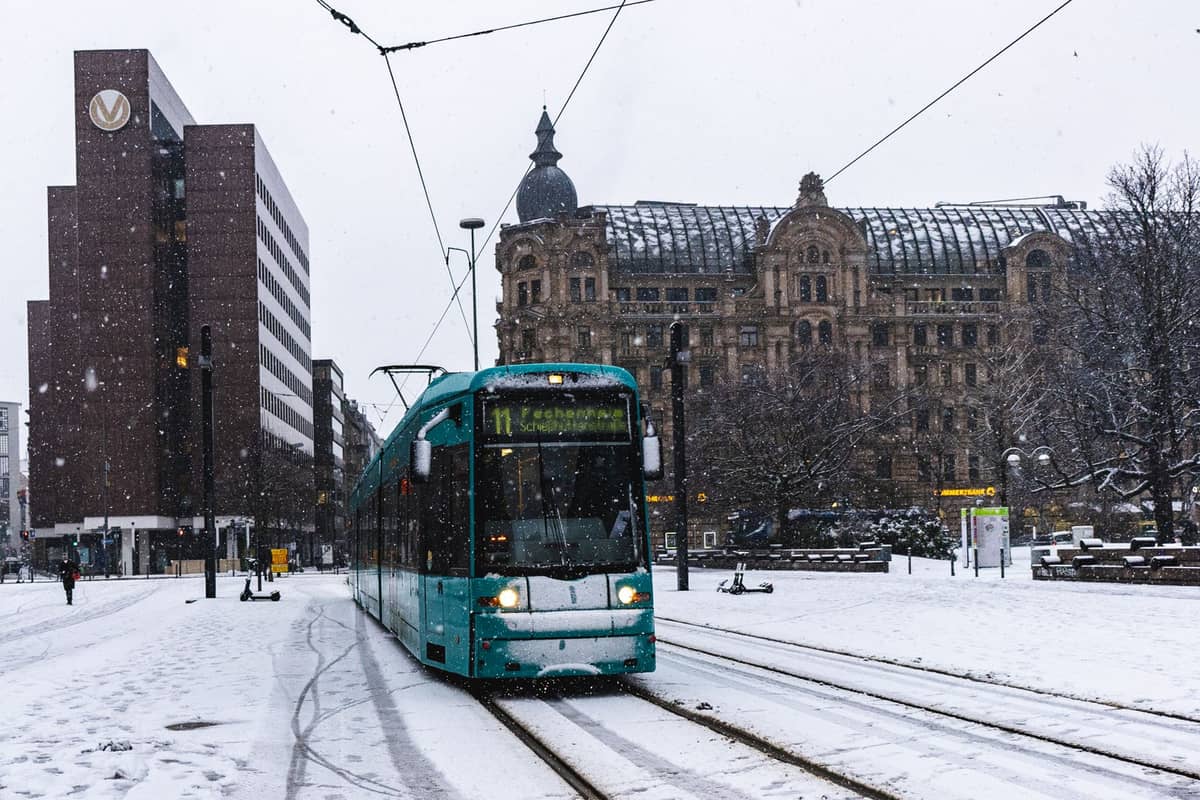
Oslo's public transport network, operated by Ruter, is one of the most integrated in Scandinavia. A single ticket covers metro (T-bane), tram and bus within Zone 1 for 60 minutes with free transfers, and also applies on the Ruter-operated ferries to the Oslofjord islands. Buying tickets in advance through the Ruter app is essential: purchasing on board costs significantly more and is genuinely not worth it.
- Single ticket (Zone 1) Around 46 NOK when bought via the Ruter app. Valid 60 minutes with unlimited transfers across metro, tram, bus, and city ferries. Good for occasional trips.
- 24-hour pass Around 132 NOK. Pays off if you take more than three rides in a day, which is easy in a sightseeing-heavy itinerary.
- 7-day pass Around 366 NOK. Excellent value for stays of five or more days, covering all Zone 1 travel without thinking about individual fares.
- 30-day pass Reduced to around 655 NOK following a 150 NOK price cut in Zone 1. Only relevant for longer stays or relocations.
- Concessions Seniors (67+) and children under 16 typically pay around half price on standard tickets. Always verify current eligibility rules via the Ruter app.
For airport arrivals, the Flytoget express train from Oslo Airport Gardermoen (OSL, around 47 km north of the city) reaches Oslo Central Station in about 19–22 minutes but charges a premium fare. The standard Vy regional trains cover the same route in around 23–30 minutes at a noticeably lower price. For budget travelers, the Vy option is almost always the better choice. Check getting around Oslo for a full breakdown of zones, ferry routes, and the city bike scheme.
⚠️ What to skip
Do not buy Ruter tickets on board trams or buses. The surcharge is significant and completely avoidable. Download the Ruter app before you arrive and load it with a day pass or multi-day pass based on your itinerary.
The Oslo Pass: When It Saves Money and When It Doesn't
The Oslo Pass bundles free entry to around 30 attractions and museums with unlimited Ruter public transport in the defined zones. Official 2026 adult prices start from 550 NOK for 24 hours, 800 NOK for 48 hours, and 945 NOK for 72 hours, with reduced rates for children and seniors. It sounds compelling, but whether it actually saves you money depends entirely on your itinerary.
The pass makes strong financial sense if you are planning a museum-heavy trip. The Fram Museum, Kon-Tiki Museum, Munch Museum, and National Museum each have individual admission fees, and visiting two or three of these in a single day alongside public transport can push your pass cost into positive territory quickly. Check the current list of included attractions on the Visit Oslo website before purchasing, as inclusions change.
Where the Oslo Pass loses its value is when your itinerary leans heavily on free outdoor experiences. Vigeland Sculpture Park is always free and requires no pass. Ekebergparken is free. The Akerselva walk is free. Hiking in Nordmarka costs only a Ruter ticket. If this describes your trip, a simple multi-day transit pass will serve you better and cost significantly less.
✨ Pro tip
Before buying the Oslo Pass, list every paid attraction you genuinely intend to visit and add up their individual admission prices plus estimated transport costs. If the total exceeds the pass price, buy it. If not, stick with a standalone Ruter day pass. Most travelers overestimate how many museums they will visit in a day.
Free and Low-Cost Experiences Worth Prioritizing
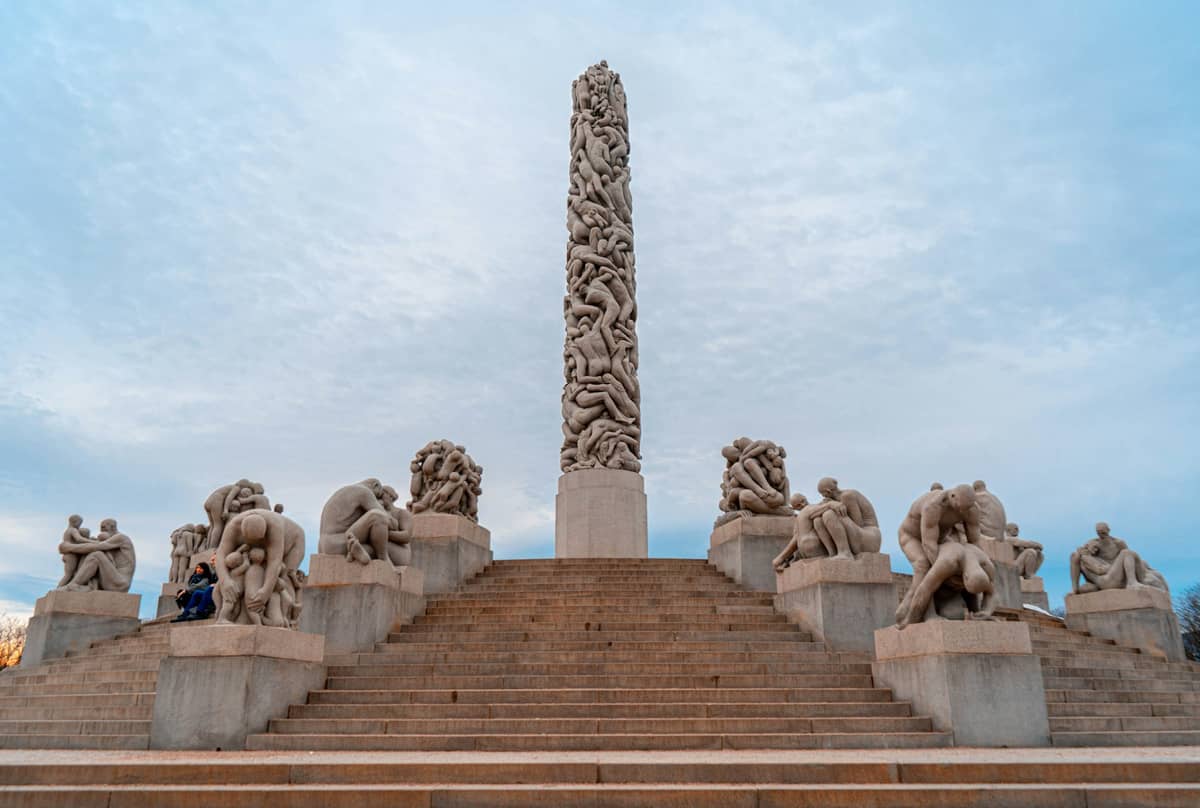
Oslo's free offering is genuinely impressive. The Vigeland Sculpture Park within Frogner Park is open 24 hours a day, every day of the year, at no cost. Gustav Vigeland's 212 bronze and granite sculptures spread across 80 acres make this one of the most striking outdoor art collections in Europe — and it costs nothing beyond the tram or bus fare to Majorstuen or Vigelandsanlegget.
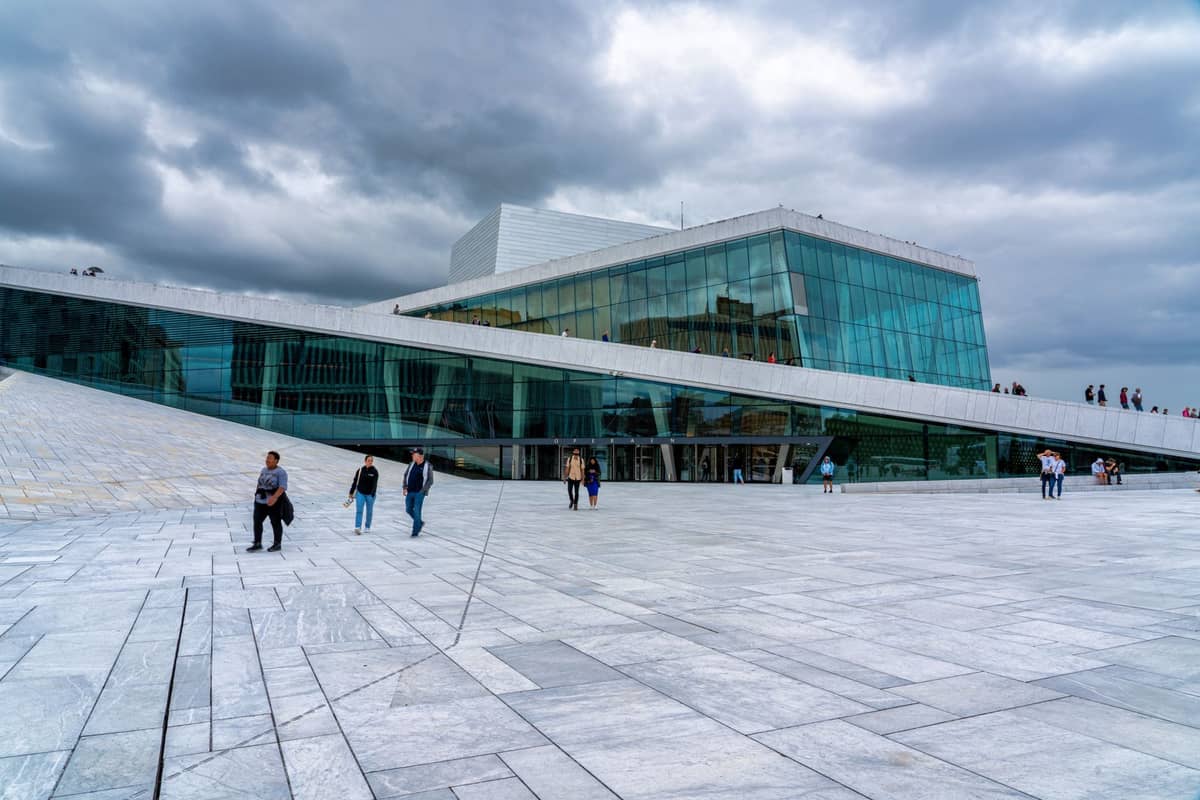
- Oslo Opera House rooftop: Walk up the sloping marble exterior for panoramic views over Oslofjord and the Barcode skyline. Free, accessible daily.
- Ekebergparken: Hilltop sculpture park with works by Rodin, Munch, and others, set in forest above the city. Free entry, reached by tram 13 or 19.
- Akerselva river walk: An about 8‑km trail along the Akerselva river running from the lake and forest edge north of the city down to the Oslofjord through old industrial neighbourhoods. Free and walkable year-round.
- Nordmarka forest: Directly accessible from the city via T-bane line 1 to Frognerseteren or line 3 to Sognsvann. Oslo's extensive forest network starts where the metro ends.
- Oslo Botanical Garden: Free-entry outdoor green space in Tøyen, with greenhouses and a natural history museum on the same grounds that charge separate admission.
- Akershus Fortress grounds: The medieval fortress exterior and harbour-facing ramparts are free to walk; only specific museum interiors charge admission.
- Oslo City Hall exterior and harbour area: The waterfront around Rådhusplassen is free to explore and connects naturally to Aker Brygge.
In summer, the Oslofjord islands are among the best free experiences in any Scandinavian capital. Ferries depart from Aker Brygge and are covered by a standard Ruter ticket. Islands like Hovedøya and Gressholmen have beaches, picnic areas, and forest paths, and on a July afternoon they feel nothing like an expensive European capital. The Oslo island hopping guide covers routes and ferry timings in detail.
Eating and Drinking Without Spending a Fortune

Restaurants in Oslo are expensive by most international standards. Dinner at a mid-range sit-down restaurant typically runs 300–500 NOK per person including a drink. This is simply the reality of dining out in Norway, and there is no real hack around it. What you can do is shift where and when you eat.
Lunch is consistently better value than dinner across Oslo. Many restaurants offer dagensrett (daily special) lunches for 140–180 NOK, which includes a main course and sometimes bread or coffee. The food halls are another strong option: Mathallen Oslo in Vulkan offers a wide range of international street food at lower price points than full sit-down restaurants, with lunch portions running 100–160 NOK at most stalls.
Supermarkets are genuinely useful for budget travelers in Oslo. Rema 1000, Kiwi, and Coop Extra are the most affordable chains. Buying breakfast groceries, picnic supplies for fjord island days, and pre-made meals from supermarkets can cut daily food costs by 30–50% compared to eating every meal out. Oslo tap water is also excellent quality and safe to drink directly from the tap, which eliminates the need to buy bottled water entirely.
Seasonal Timing and When to Visit on a Budget
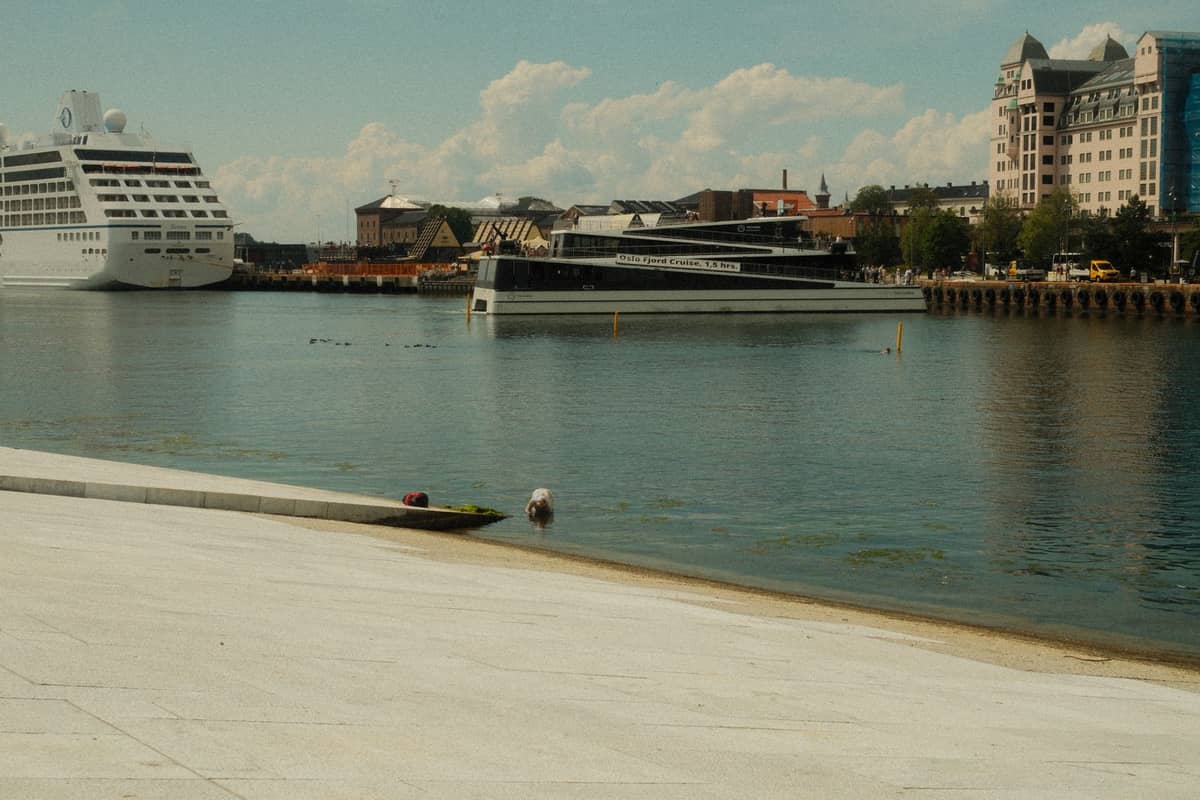
Summer (June–August) is the peak season for Oslo in terms of both crowds and hotel prices, but it is also when the city's free offerings deliver the most value. Long daylight hours, warm temperatures averaging 17–22°C, and access to the fjord islands and outdoor spaces mean that budget visitors who lean into free activities get the most from summer. For a full picture of what to expect, see the Oslo in summer guide.
May and September offer a useful middle ground: accommodation prices begin to ease, crowds thin, and the city is still pleasant for outdoor exploration. May in particular brings Constitution Day on the 17th, one of Oslo's most spectacular and free public events. September's cooler weather suits the hiking trails around Oslo well, with forest colours at their best.
Winter (December–February) is the low season for tourism, and hotel prices drop substantially. If you are focused on winter activities, skiing at Holmenkollen, ice skating, and the Oslo winter experience can be excellent value. The trade-off is short daylight hours (around 6 hours in December) and very limited use of free outdoor attractions like the fjord islands.
- Best season for free outdoor activities June to August. Maximum daylight, access to fjord islands, open-air sculpture parks, riverside walks, and forest trails all at their best.
- Best season for cheaper accommodation November to February. Hotel rates drop significantly outside the peak summer window and Christmas/New Year period.
- Best season for avoiding crowds Late September to October and March to April. Shoulder periods that balance reasonable weather, fewer tourists, and moderate prices.
- Worst value timing Midsummer weekend hotels in July and the Christmas market period in December, when demand spikes and prices follow.
💡 Local tip
If you are visiting Oslo on a tight budget, avoid booking accommodation in Sentrum and Aker Brygge, where prices are highest. Grünerløkka, Grønland, and areas along the T-bane lines east and west of the centre offer cheaper options with good transit connections back to the main sights.
FAQ
Is Oslo really as expensive as people say?
For restaurants, alcohol, and accommodation, yes. Oslo is genuinely one of Europe's most expensive cities. However, many of its top attractions are free, public transport is efficient and reasonably priced with a day pass, and tap water is excellent, so a well-planned trip costs far less than the reputation suggests.
Is the Oslo Pass worth buying?
It depends on your plans. The Oslo Pass pays off if you intend to visit two or more paid museums in a day and use public transport frequently. It is poor value if your itinerary focuses on free attractions like Vigeland Park, the Opera House roof, or the Oslofjord islands. Add up the individual admission prices of attractions you will actually visit before deciding.
What is the cheapest way to get from Oslo Airport to the city centre?
The standard Vy regional train from Oslo Airport Gardermoen to Oslo Central Station takes around 23–30 minutes and is significantly cheaper than the Flytoget express train, which completes the same journey in about 19–20 minutes but at roughly twice the price. Both trains run frequently. Check current prices on the Vy and Flytoget websites before travel, as fares change.
Can you visit Oslo cheaply in winter?
Yes, in terms of accommodation and flights, which drop significantly outside peak season. The trade-off is that many of Oslo's best free outdoor activities, particularly the fjord islands and longer daylight hikes, are not practical in winter. Winter visitors on a budget do well to focus on free walking in the city centre, the Akerselva walk, and affordable ski access via the T-bane to Holmenkollen.
Are there genuinely free things to do in Oslo that are worth doing?
Yes, and they are not consolation prizes. Vigeland Sculpture Park is world-class and always free. The Opera House rooftop offers some of the best city views without any admission fee. The Oslofjord islands in summer, covered by a standard Ruter ticket, are exceptional. Nordmarka forest, accessible directly from the metro, offers proper wilderness hiking within city limits.
Tickets & tours
Live prices and dates from our booking partner. If you book, we may earn a commission at no extra cost to you.
Planning a trip? Discover personalized activities with the Nomado app.