Oslo in Winter: What to Do & Expect
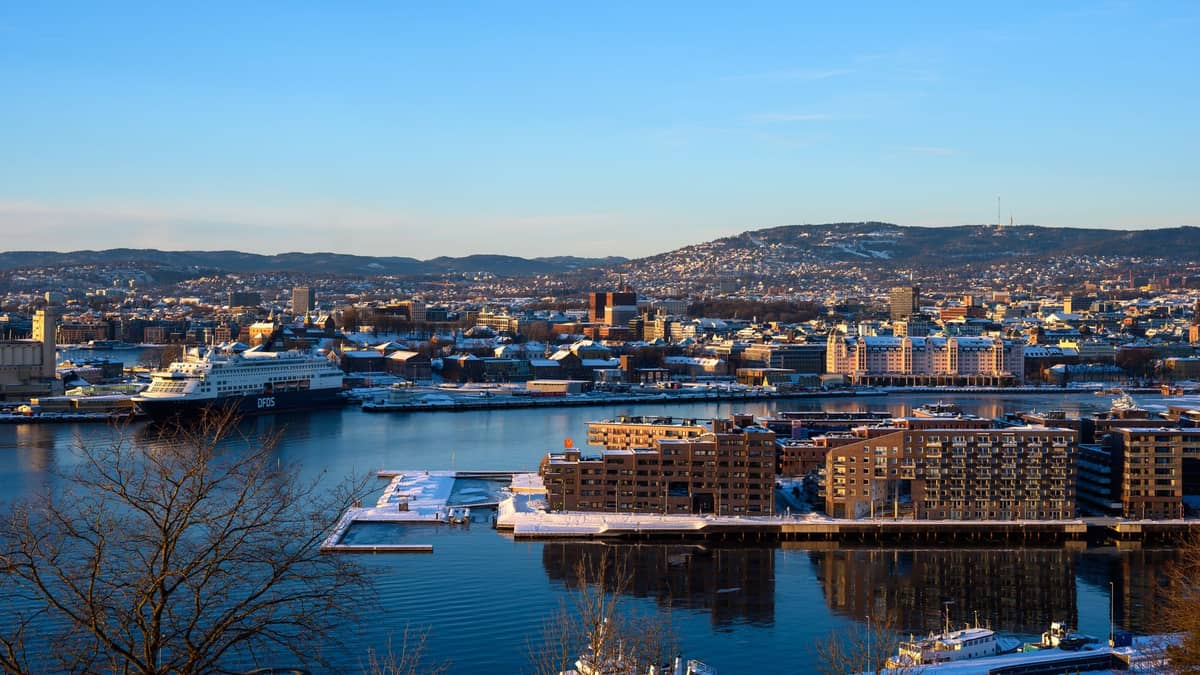
Oslo in winter is cold, short on daylight, and genuinely rewarding for travelers who come prepared. This guide covers the real temperatures, the best winter activities, how to get around, and what most visitors get wrong about visiting Norway's capital between December and February.
Tickets & tours
Live prices and dates from our booking partner. If you book, we may earn a commission at no extra cost to you.
TL;DR
- Oslo winter runs December through February, with average temperatures around -3°C to -1°C and occasional dips below -10°C.
- Top winter activities include skiing at Holmenkollen, tobogganing at Korketrekkeren, and free ice skating at Spikersuppa rink in the city center.
- Oslo is not northern Norway: the sun rises every day, major museums stay open, and public transport runs on a normal schedule.
- Dress in proper layers with insulated, waterproof footwear. Shoe spikes (brodder) are widely sold and genuinely useful on icy pavements.
- Crowds are far thinner than summer, prices at hotels are lower, and Oslo's museums offer a warm, unhurried alternative on grey days.
What Oslo Winter Actually Looks Like
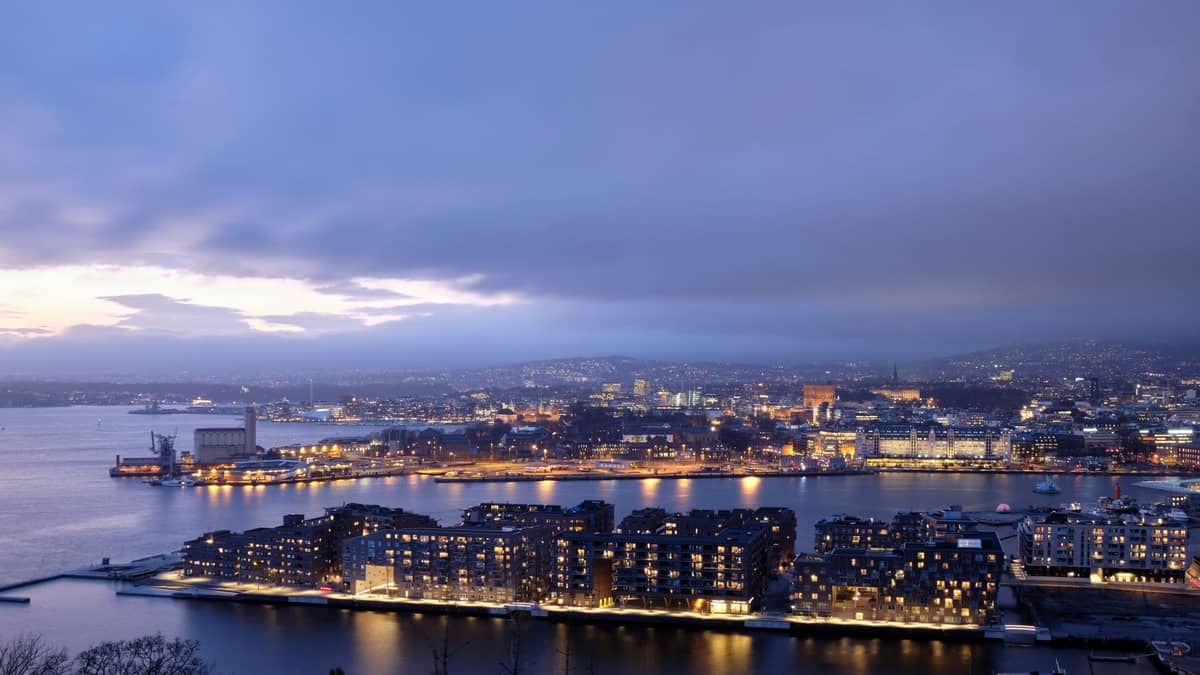
Oslo sits at roughly 59.91°N, which puts it at about the same latitude as Anchorage, Alaska. But the city's position at the northern end of the Oslofjord moderates the climate considerably. Winters are cold and snowy, but not brutally so by Scandinavian standards. January is the coldest month, with average daily highs around 0°C and lows around -4 to -5°C. December and February are similar, hovering just below freezing. That said, cold spells do occur, and temperatures below -10°C are realistic, particularly in January and February.
Daylight is the bigger adjustment. By late December, Oslo gets roughly 6.5 hours of daylight, with sunrise around 9:10 and sunset around 15:20. The sun stays low on the horizon even at midday, creating a dim, golden quality to the light that looks beautiful in photos but genuinely affects mood after a few days. By late February, daylight recovers noticeably, reaching over 10 hours. If you visit in December specifically for the Christmas atmosphere, the short days are part of the package. If the darkness feels like a concern, aim for February when conditions are still wintry but the light returns faster.
ℹ️ Good to know
Oslo does NOT experience polar night. Unlike Tromsø or Svalbard, the sun rises every day in Oslo throughout winter. Days are short and the sun stays low, but there is no extended period of complete darkness.
Snow coverage varies year to year. Some winters bring consistent snow from November through March; others are milder with patchy cover and a lot of grey slush. The higher areas northwest of the city, including Holmenkollen and Nordmarka, reliably hold snow longer than the city center. If a white-city experience is a priority, visiting in January or early February gives the best odds.
Outdoor Winter Activities Worth the Cold
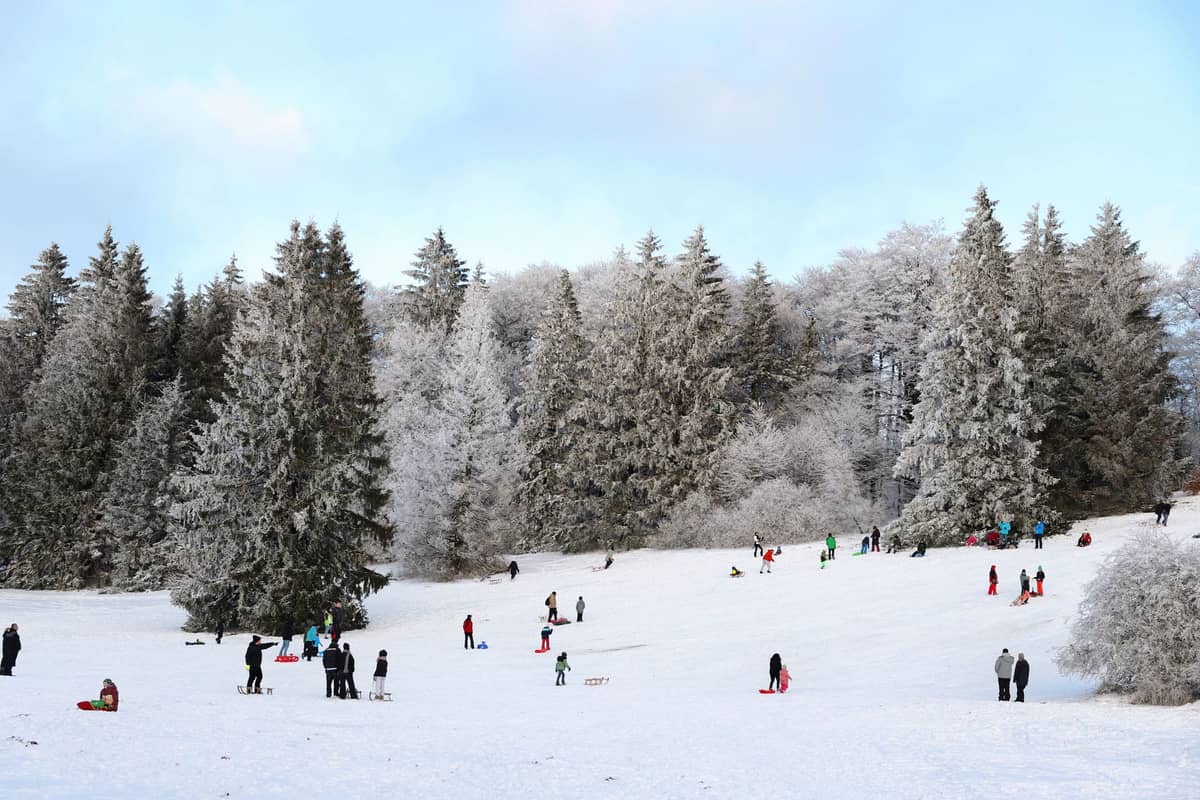
The single best winter activity in Oslo is the Korketrekkeren toboggan run, a 2 km natural track that descends from Frognerseteren down to Holmenkollen. The run itself is free to use, sled rental runs around 100–150 NOK per day from shops near the top station, and the T-bane Line 1 takes you directly there from the city center in about 30 minutes. The catch: it only operates on natural snow. Check conditions before making the trip. Operating hours are typically around 09:00–21:00 on open days, with evening runs lit by floodlights.
For cross-country skiing, Nordmarka, the vast forested plateau north of the city, has hundreds of kilometers of maintained tracks. Entry is free. Ski rental is available at Tomm Murstad Skiutleie near Voksenkollen station. The network is groomed regularly and is genuinely accessible from central Oslo on public transport, which is an unusual advantage compared to most major cities. Holmenkollen also hosts the FIS World Cup cross-country and biathlon events in March, drawing large crowds if you happen to be in the city.
- Korketrekkeren Toboggan Run Free natural-snow toboggan run near Holmenkollen. Sled rental around 100–150 NOK. Access via T-bane Line 1 to Frognerseteren.
- Spikersuppa Ice Rink Free open-air rink in the city center between the Parliament and National Theatre. Skate rental available on-site for a fee. Generally open late November through March.
- Cross-Country Skiing in Nordmarka Hundreds of groomed trail kilometers, free access, reachable by T-bane. Ski rental available near trailheads.
- Floating Sauna on the Fjord Year-round sauna culture at Sørenga and Aker Brygge. Plunging into the fjord in January is as dramatic as it sounds, and popular with locals.
- Ice Skating at Valle Hovin Indoor speed skating oval that opens to the public for recreational skating in winter months. Check Oslo Skøytekrets for current schedules.
💡 Local tip
Buy brodder (removable shoe spikes) from any sports or outdoor shop in Oslo. They cost around 100–200 NOK and clip onto normal footwear. Oslo pavements get seriously icy after a freeze-thaw cycle, and locals use them routinely. Tourist footwear is rarely adequate without them.
Indoor Options: Museums, Food, and Warming Up
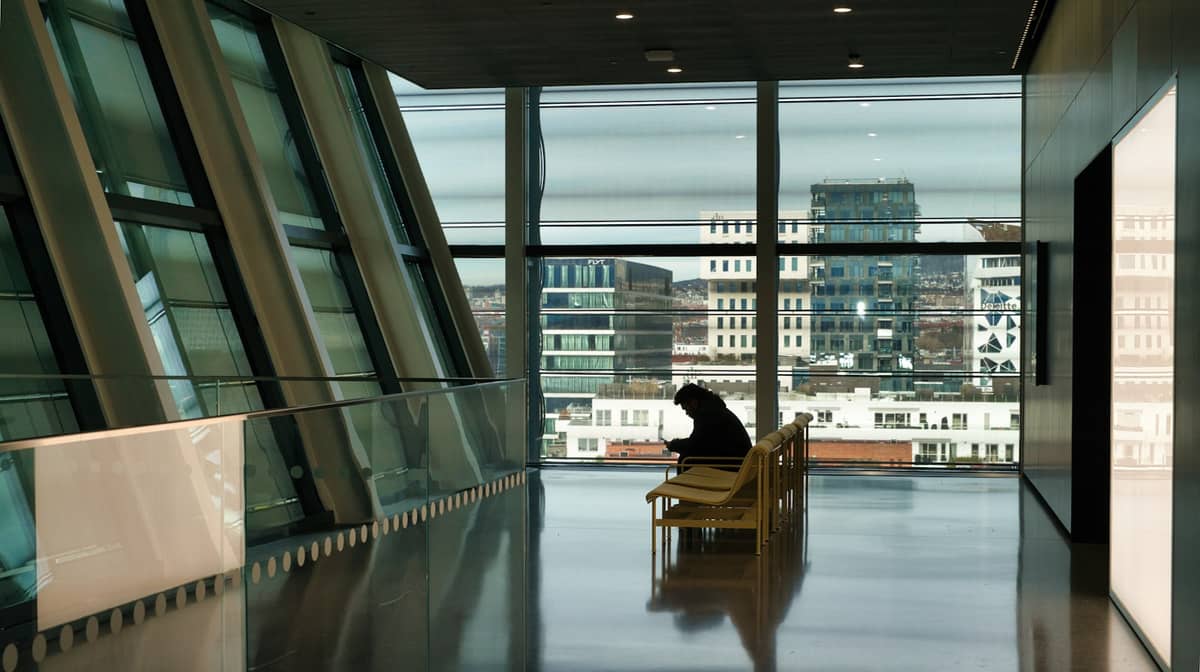
Winter is genuinely the best time to spend a full day inside Oslo's museums without fighting summer crowds. The National Museum on Rådhusplassen is one of the largest art museums in the Nordic region and easily fills three to four hours. The Munch Museum in Bjørvika is open year-round and offers far more than just The Scream, including a top-floor bar with fjord views that hits differently in the snow.
The Bygdøy peninsula concentrates several of Oslo's most distinctive museums within walking distance of each other. The Fram Museum houses the polar exploration vessel used by Amundsen and Nansen, and is somehow more atmospheric in winter than in summer. The Kon-Tiki Museum and Norsk Folkemuseum are nearby. Note that Bygdøy museums adjust opening hours in winter, typically operating shorter days. Always check current hours directly with each museum before visiting.
For food, Mathallen Oslo in Vulkan is the best all-weather option: a large indoor food hall with Norwegian cheeses, smoked fish, fresh pasta, and a rotating selection of hot food stalls. It works equally as a lunch stop or an afternoon of grazing. The Grünerløkka neighborhood nearby is full of independent coffee shops and bars that are, frankly, more enjoyable in winter when everyone is packed inside and the atmosphere is cozy rather than spilling out onto the street.
✨ Pro tip
The Oslo Pass covers free entry to most major museums and unlimited public transport. In winter, when you are likely to use public transport more and visit several indoor attractions, the pass can pay for itself quickly. Check the current pricing on the Visit Oslo website before buying, as the cost and included attractions are updated periodically.
Christmas and New Year in Oslo
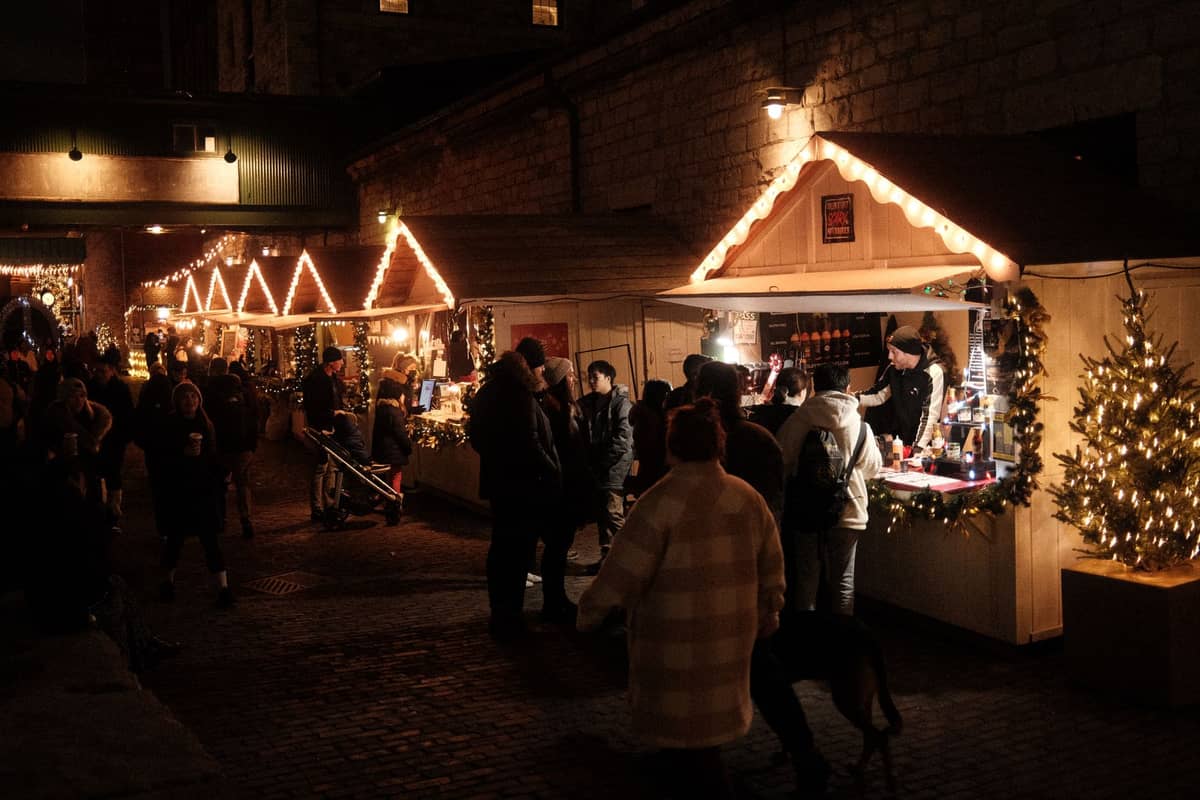
December is Oslo's most atmospheric winter month for visitors. The city decorates Karl Johans gate, the main pedestrian street running from Oslo Central Station to the Royal Palace, with lights from late November. Christmas markets appear at Spikersuppa, the central ice rink, and in other central squares. The combination of outdoor skating, market stalls selling gløgg (mulled wine) and pepperkaker (gingerbread), and the Vigeland sculptures dusted in snow is one of the more genuinely impressive winter-city experiences in northern Europe.
New Year's Eve in Oslo centers on a large public fireworks display over the fjord, visible from Akershus Fortress and the Aker Brygge waterfront. The Oslo Opera House roof is a popular free vantage point. January and February after the holidays are notably quieter, with lower hotel rates and minimal queues at most attractions. If you want Oslo at its most local and unhurried, early February is underrated.
Getting Around Oslo in Winter
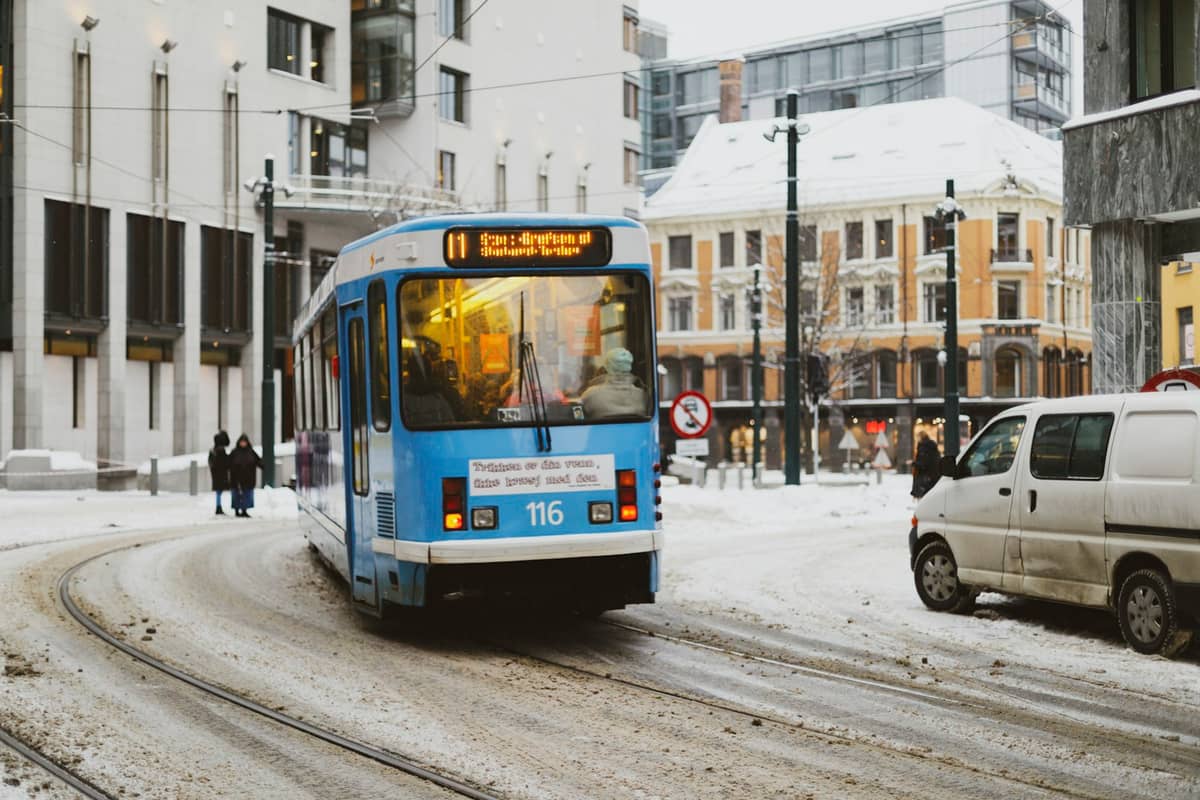
Public transport runs normally through winter. The T-bane metro, trams, and buses all operate on regular schedules, and Ruter's network handles the cold well. For reaching ski areas and viewpoints northwest of the city, T-bane Line 1 is the key route, running up to Frognerseteren at the edge of Nordmarka. Tickets are purchased via the Ruter app or at machines; single tickets and day passes are available. Zone 1 covers virtually all of central Oslo and the ski areas reachable by T-bane Line 1.
Walking between neighborhoods is realistic in dry cold, but ice is a genuine hazard on sloped streets and after rain followed by freeze. Taxis are plentiful and metered. Verify which app-based ride services currently operate in Oslo before your trip, as this market has shifted over recent years. Cycling, while practiced year-round by dedicated locals, is not practical for most visitors in icy conditions.
- Download the Ruter app before arriving. It handles ticketing, real-time arrivals, and journey planning across all transport modes.
- T-bane Line 1 goes directly to Holmenkollen and Frognerseteren, both key winter-activity destinations.
- Flytoget airport express takes about 19 minutes from Oslo Gardermoen (OSL) to Oslo Central Station. Regional Vy trains also make this journey at a lower fare.
- Shoe spikes are not needed on swept platforms and indoor spaces, so carry them in your pocket rather than wearing them constantly.
- Oslo Central Station (Oslo S) is a warm, well-serviced hub with lockers, cafes, and connections to everything. It is a useful base for day logistics.
What to Pack and Common Mistakes
The single most common mistake visitors make is underpacking for the cold. Oslo does not have the extreme cold of northern Norway, but -5°C with wind and damp is genuinely uncomfortable in a city-weight jacket. The functional winter packing list for Oslo: a waterproof outer layer, a mid-layer fleece or down jacket, thermal base layers, waterproof insulated boots rated to at least -10°C, wool or fleece-lined gloves, a hat that covers the ears, and those brodder shoe spikes mentioned above.
A second common mistake is assuming winter in Oslo means nothing to do outdoors. The winter hiking and ski trails in Nordmarka are some of the most accessible urban wilderness in any European capital. And the city's fjord remains photogenic and walkable year-round along the Aker Brygge and Sørenga promenades, even when temperatures are below freezing.
A third mistake is expecting Oslo to feel sleepy or shut down in winter. The city is Norway's capital and economic center with a population of over 700,000. Restaurants, bars, cultural events, and shopping operate on normal schedules. The Oslo Philharmonic, the National Theatre, and the Opera house all have full winter programs. If anything, Norwegians lean into winter social life rather than retreating from it.
FAQ
Does it snow in Oslo in winter?
Oslo receives snow most winters, typically from late November through March, but snowfall varies significantly by year. The city center may have patchy or slushy conditions while higher areas like Holmenkollen and Nordmarka maintain better snow cover. January and February give the best odds of a snowy city experience.
How cold does Oslo get in winter?
Average January highs are around 0°C with lows around -4 to -5°C. Cold spells can push temperatures below -10°C. December and February are similar. Temperatures close to or above freezing are common even in January, so conditions fluctuate considerably within the same month.
Is Oslo worth visiting in winter?
Yes, for the right traveler. Winter offers winter sports access, a genuine Christmas atmosphere in December, far smaller crowds than summer, lower hotel rates, and excellent museum visits. It requires proper gear and some tolerance for short days, but the city is fully operational and has a distinct charm in winter conditions.
What is there to do in Oslo in winter if you don't ski?
Plenty. The National Museum, Munch Museum, Fram Museum, and Norsk Folkemuseum are all open and much less crowded than in summer. Spikersuppa ice rink in the city center is free to enter and skate on if you have your own skates; rental skates are available on-site for a fee. Mathallen food hall, Grünerløkka cafes, and the Oslo Opera House are all worth your time. The Korketrekkeren toboggan run requires no skiing ability and is a highlight for all ages.
Is Oslo safe to visit in winter?
Oslo is a safe city with well-maintained infrastructure. The main practical hazard in winter is icy pavements, which can cause falls. Shoe spikes (brodder), sold at outdoor shops for around 100–200 NOK, significantly reduce this risk. Public transport runs reliably. Standard travel precautions apply as in any major European city.
Tickets & tours
Live prices and dates from our booking partner. If you book, we may earn a commission at no extra cost to you.
Planning a trip? Discover personalized activities with the Nomado app.