Oslo Fjord: Cruises, Islands, Swimming & Water Activities
The Oslofjord is Oslo's backyard playground: a 100-km stretch of water dotted with islands, beaches, and historic forts; the inner islands are all reachable in under 30 minutes from the city centre by public ferry. This guide covers public ferries, sightseeing cruises, the best swimming spots, and practical details on timing, pricing, and what to skip.
Tickets & tours
Live prices and dates from our booking partner. If you book, we may earn a commission at no extra cost to you.
TL;DR
- Public Ruter ferries reach the inner-fjord islands on a standard zone-1 ticket (around NOK 46 in 2026) — no tourist surcharge, no booking required.
- Sightseeing cruises depart from Rådhusbrygge pier near Oslo City Hall and range from NOK 299 for a basic 2-hour tour to NOK 1,000+ for a dinner cruise.
- Swimming is generally safe at monitored beaches in summer, but check local advisories before jumping in — water quality varies by location and recent rainfall.
- The best season is June to August, when ferries run daily and the islands fill with Norwegians. See the full Oslo island hopping guide for detailed island-by-island breakdowns.
- Winter fjord cruises do exist, but the island beaches and outdoor swimming spots are firmly a summer proposition.
What Is the Oslofjord?
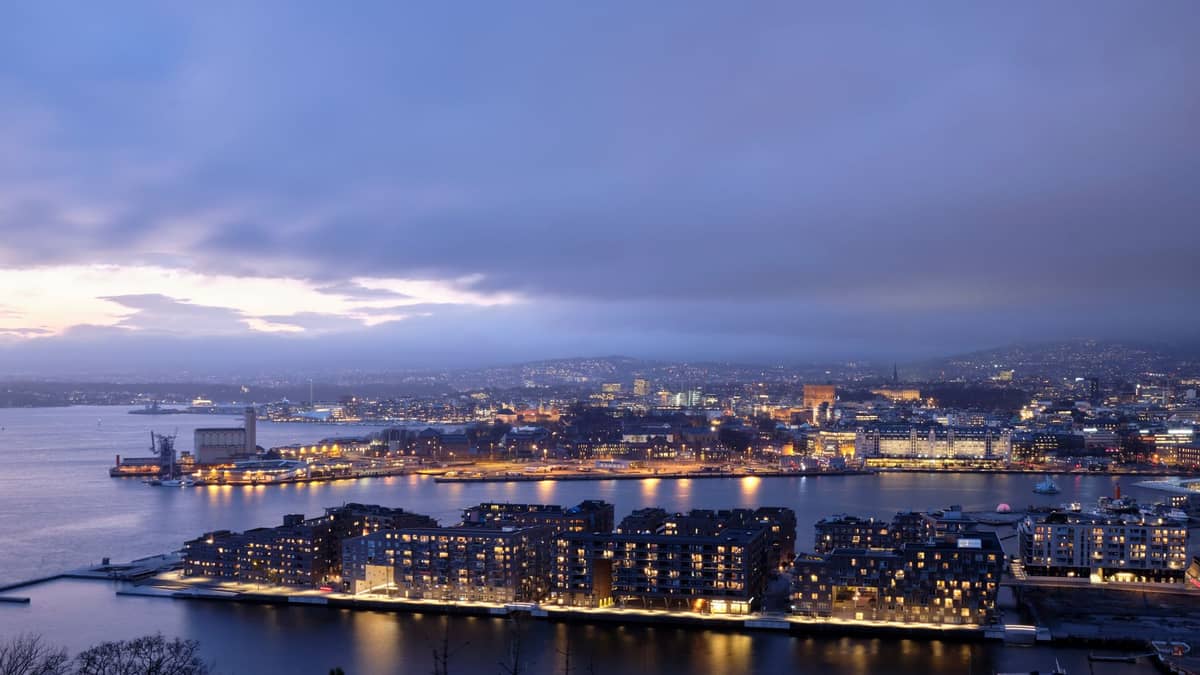
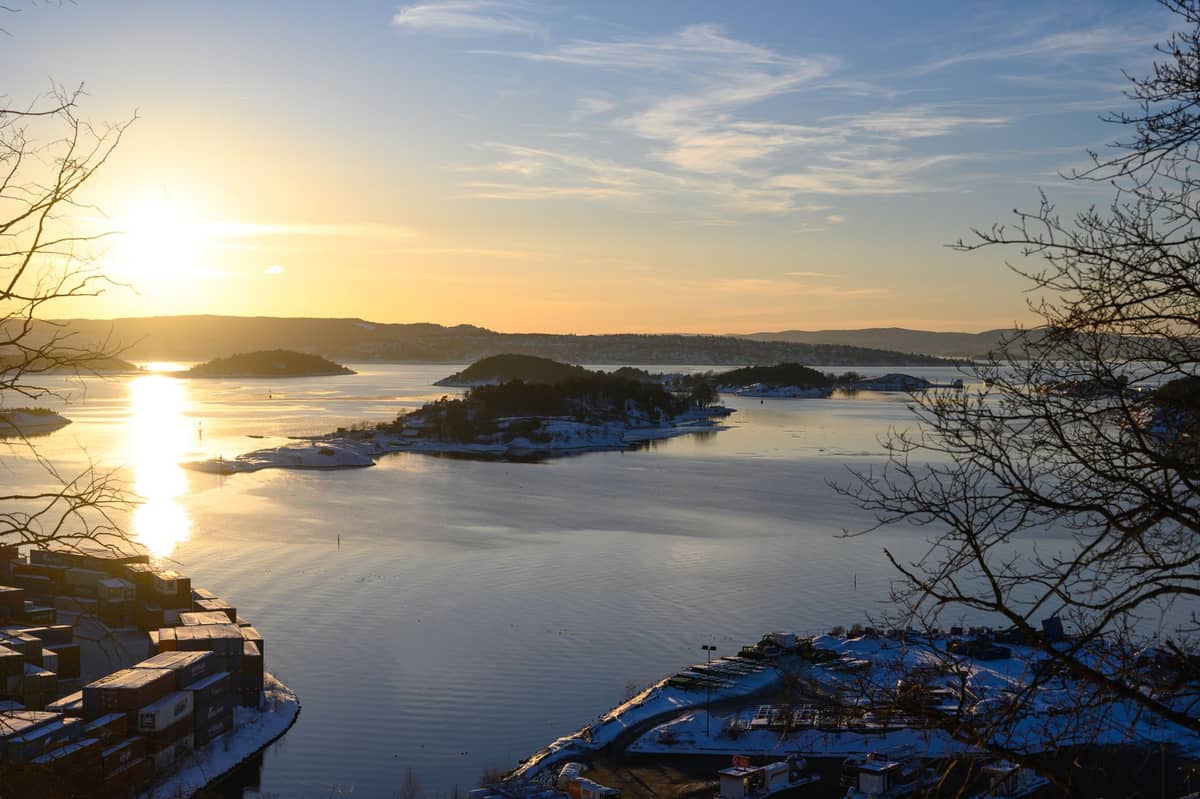
The Oslofjord is a roughly 100-kilometre inlet running from the outer Skagerrak coast near Fredrikstad and the Færder lighthouse in the south to the city of Oslo at its northern tip. Norway's capital sits at the head of this fjord, and unlike the dramatic cliff-sided fjords of western Norway, the Oslofjord is wide, relatively shallow, and lined with forests, farmland, and small towns. It's a working waterway and a recreation ground simultaneously — ferries cross it, container ships move through it, and on any warm summer day, thousands of Osloites are swimming, kayaking, or sunbathing on its islands.
The inner Oslo Fjord — the part directly accessible from the city — contains a cluster of small islands administered by Oslo municipality. These are the islands most visitors and locals interact with: Oslofjord islands like Hovedøya, Langøyene, Gressholmen, Bleikøya, Lindøya, and Nakholmen are all reachable in under 30 minutes by regular public ferry. The outer fjord extends south toward Drøbak and beyond, which requires longer boat trips or is better explored as a day trip.
ℹ️ Good to know
The Oslofjord is not the same as the spectacular cliff fjords of western Norway. It is broader and less dramatic visually, but it offers something the western fjords rarely do: easy, cheap access directly from a major city, with beaches and picnic spots that feel worlds away from the urban centre.
Getting to the Fjord: Public Ferries and the Ruter Network
The single most important thing to understand about fjord access in Oslo is that the island ferries are part of the regular public transport network operated by Ruter, not a tourist service. You use the same ticket or travel card as you would on a bus or tram. In 2026, a standard zone-1 adult ticket costs around NOK 46. If you already have a 24-hour or multi-day Ruter pass, island travel is included. This makes casual island-hopping one of the genuinely cheap activities in an otherwise expensive city.
Ferries depart from two main piers in central Oslo: Rådhusbrygge (immediately in front of Oslo City Hall) and Vippetangen, a short walk further east near Akershus. Line B1 operates year-round, covering Hovedøya, Lindøya (east and west), Gressholmen, Bleikøya, and Nakholmen. Line B2 is a summer-only service (roughly May through September) running directly to Langøyene, the most popular swimming island, with a crossing time of about 30 minutes and ferries running roughly every 30 minutes at peak times.
- Hovedøya The closest island, around 5 minutes from Vippetangen. Ruins of a 12th-century Cistercian monastery, walking trails, and a south-facing beach. Popular with families and good for a quick afternoon escape.
- Langøyene Oslo's most popular beach island, about 30 minutes by ferry. Has both clothed and naturist beach sections, shallow waters, and a campsite. Gets very crowded on hot weekdays.
- Gressholmen Quieter and forested, around 15 minutes from Rådhusbrygge. Home to a historic airfield — Norway's first commercial airport operated here in the 1930s. Good birdwatching in spring.
- Bleikøya and Nakholmen Smaller, residential-style islands with summer cottage communities. Less infrastructure for day-trippers but peaceful if you want to avoid crowds.
💡 Local tip
In July and August, the last ferries back from the islands fill up fast on warm evenings. Check the Ruter app for exact departure times before you go, and aim to catch an earlier boat if you're not camping overnight. Missing the last ferry is a real possibility on busy summer Saturdays.
Seasonal frequency matters. From June through August, inner-fjord ferries run daily from roughly 07:00 to 23:00, with services every 30 to 60 minutes. In May and September, expect reduced frequency — often every 60 to 90 minutes. From October through April, many island routes only run on weekends, and some stops are suspended entirely. If you're visiting outside summer, confirm the current timetable on ruter.no before planning an island trip.
Oslo Fjord Cruises: Sightseeing, Dinner, and Silent Electric Boats
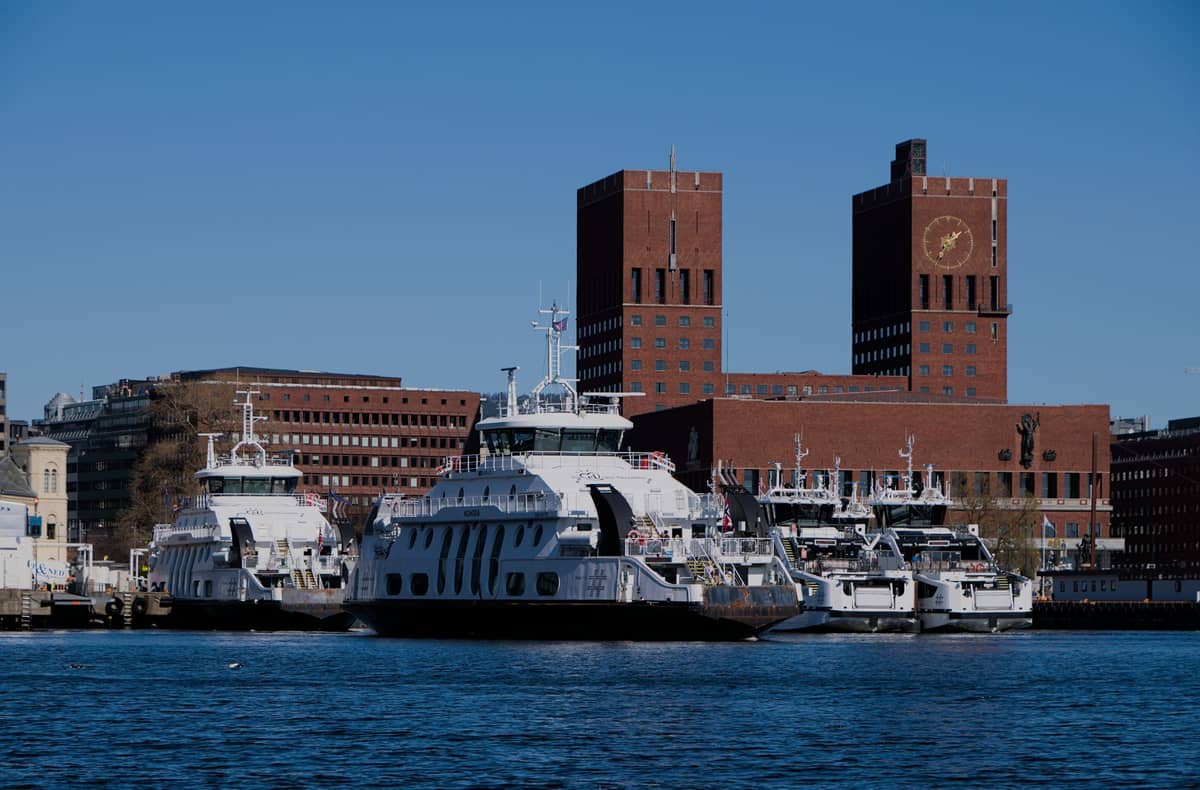
For those who want a guided experience on the water rather than a self-directed island trip, Oslo has a solid range of fjord cruises. Most depart from Rådhusbrygge pier, which sits right in the city centre near Aker Brygge. The standard offering is a 2-hour sightseeing cruise that circles the inner fjord, passing the islands and giving views of the Oslo skyline and waterfront landmarks like the Opera House and Akershus Fortress. Prices in 2026 run from about NOK 450 to NOK 500 per adult for this type of tour.
Dinner and evening cruises are a different category, with prices typically ranging from NOK 550 to NOK 1,000 per adult depending on the boat and whether a buffet is included. These are popular for birthdays and corporate events, and they book up fast in June and July. If you want one of the better-reviewed dinner cruises in peak season, book at least two to three weeks ahead.
One of the more distinctive options is the Brim Explorer's silent electric boat cruise. These boats are specifically designed for low-impact fjord travel and offer a noticeably quieter, smoother experience than diesel-engine tour boats. The premium price (NOK 650 per adult as of 2026) reflects the boat quality and the smaller group size. If you want a more atmospheric, less coach-tour experience on the water, this is worth the extra cost.
- Standard 2-hour sightseeing cruise NOK 299–450 per adult. Departs from Rådhusbrygge. Good for an overview of the fjord without committing a full day. Multiple operators; book via GetYourGuide, Viator, or directly.
- Dinner/evening cruise NOK 550–1,000 per adult. Includes onboard meal, usually buffet style. Best in summer when daylight lasts until 10pm or later. Book well in advance for July.
- Silent electric boat (Brim Explorer) Around NOK 650 per adult. Smaller groups, quieter experience, zero emissions. Departs Aker Brygge. Better for those who find large tour boats too commercial.
- Private charter Rates vary widely — approximately NOK 3,700/hour for small vessels, NOK 12,880/hour and up for large boats. Suited to group events or bespoke itineraries.
⚠️ What to skip
Several operators market 'fjord cruises from Oslo' that are actually scenic bus tours to the western fjords, not boat trips on the Oslofjord itself. Read the itinerary carefully. If the listing includes Bergen or Flåm as destinations, it's a day trip to a different fjord region entirely, not an Oslo harbour cruise.
Swimming in the Oslofjord: Beaches, Water Quality, and Where to Go
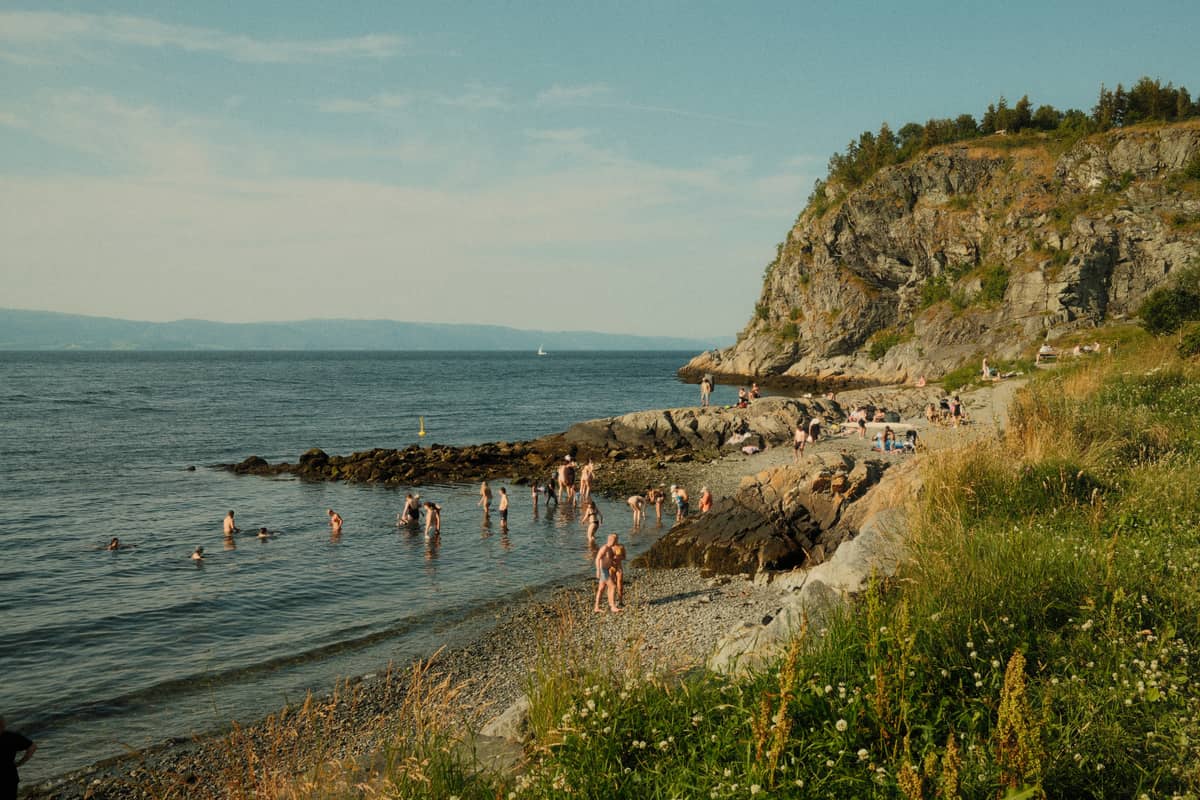
Swimming in the Oslofjord is a genuine Oslo summer tradition, and the water quality at most monitored beaches is considered safe for bathing. The city has invested significantly in improving fjord water quality over recent decades, and while challenges remain in some areas, authorities confirm that bathing is generally safe when bacteria levels are within limits. The key caveat: water quality can dip after heavy rainfall, which can cause overflow from stormwater systems. Check the Oslo kommune bathing water advisories before visiting if there has been recent rainfall. The best-known swimming spots on or near the fjord include Huk beach on the Bygdøy peninsula and Sørenga Sjøbad, an outdoor saltwater pool complex right in the city harbour.
Sørenga Sjøbad deserves a special mention because it's not an island — it's a floating seawater bathing facility in the inner harbour near Bjørvika, right next to the Oslo Opera House. It's free to use, has diving platforms, a children's area, and grassy sunbathing decks, and it's one of the best free urban beach experiences in Scandinavia. It gets seriously crowded on hot days, but earlier weekday mornings are manageable.
For island swimming, Langøyene is the most popular option, with both designated clothed and naturist sections. The water is shallow near the southern shore, which makes it suitable for children. Huk beach on Bygdøy has a similar split, with a naturist section around the headland from the main beach. Both get very busy in July — if you want a quieter swim, Gressholmen and Bleikøya have smaller, less crowded spots with equally good water access.
For something entirely different, consider Oslo's floating sauna culture. Several operators around Aker Brygge and the inner harbour run heated saunas on floating pontoons with direct access to fjord water for cold plunges. It's a popular year-round activity — jumping into the fjord in January is considered entirely normal by the Norwegians who do it regularly. The Oslo floating sauna guide covers the best operators and what to expect.
Day Trips and the Outer Fjord
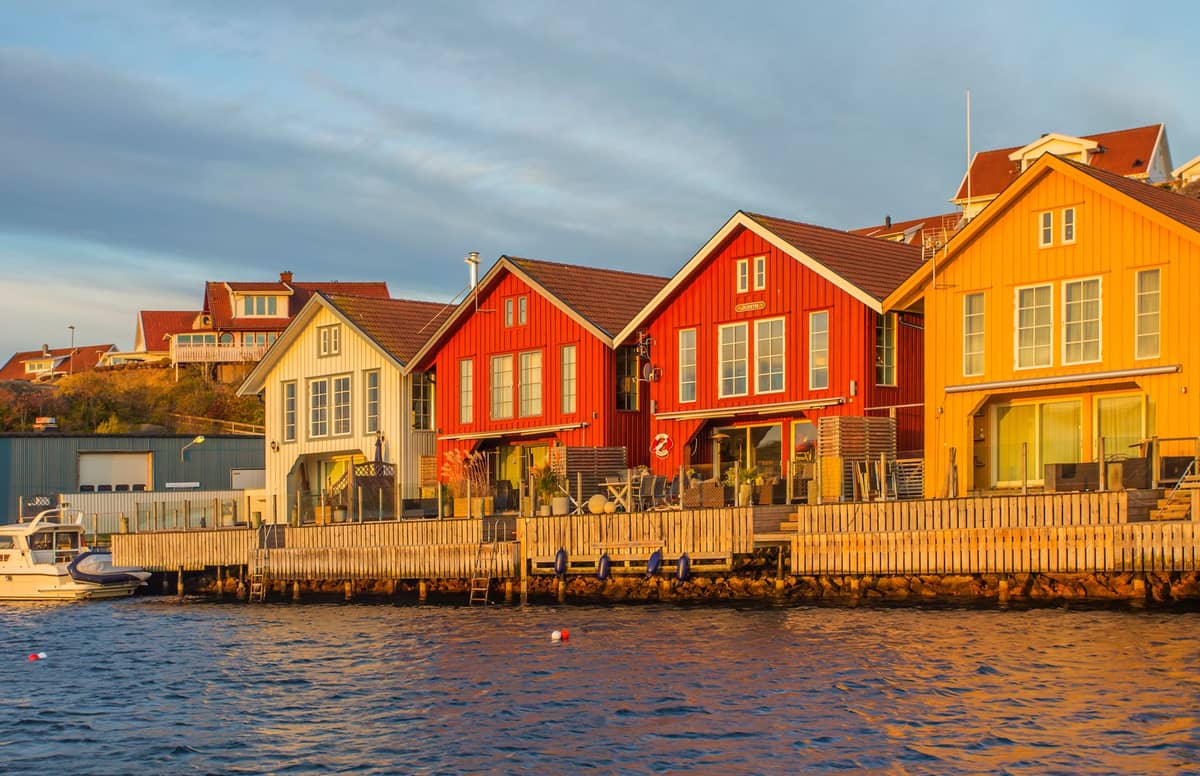
Beyond the inner islands, the outer Oslofjord offers a different kind of experience. Drøbak, a small town about 40 km south of Oslo on the eastern bank of the fjord, is one of the most popular day trips. It has a well-preserved wooden town centre, a Christmas shop open year-round, and access to Oscarsborg Fortress — the island fortification famous for sinking the German cruiser Blücher during the 1940 invasion of Norway. Boats run to the fortress from the Drøbak waterfront in summer. Drøbak is reachable by bus from Oslo in around an hour.
The western bank of the inner fjord has the Bygdøy peninsula, which is technically an urban extension of Oslo rather than a day trip destination. It houses several of the city's major museums in a walkable cluster, and the coastline here — including Huk beach and the Bygdøy coastal path — offers pleasant walking with fjord views. The Bygdøy ferry from Rådhusbrygge is another Ruter service, running expanded hours in summer (roughly 08:00–21:30 on the peak season schedule).
Practical Tips: Timing, Costs, and What to Avoid
The Oslofjord is at its best from late June through August, when water temperatures reach around 18–22°C at swimming beaches, ferry frequency is highest, and the long daylight hours mean you can still be on an island at 9pm in full sunlight. May and early June are good for avoiding crowds on the islands, but the water is cold for swimming and some services are reduced. September has comfortable temperatures for walking and cycling but the island scene winds down quickly. For budget planning, check the Oslo on a budget guide — the fjord islands are one of the few genuinely low-cost summer activities in the city.
The Oslo Pass includes unlimited Ruter travel, which covers the island ferries. If you're also planning to visit several museums, the pass can stack up to good value. The Oslo Pass guide breaks down whether it's worth buying based on your itinerary.
- Bring cash or a card for onboard cafes on the cruise boats — not all accept foreign cards without issue.
- Pack sun protection even on overcast days; fjord reflection amplifies UV exposure.
- The Ruter app (available in English) shows real-time ferry departures and is more reliable than printed timetables for island ferries.
- Langøyene allows overnight camping for up to two nights in designated areas — one of the more unusual urban camping experiences in Europe.
- Kayak and paddleboard rentals are available from several operators near Aker Brygge and Sørenga for those who want self-powered fjord access.
✨ Pro tip
Weekday mornings in July are the sweet spot for island visits. Locals with office jobs can't go until the weekend, so Tuesday and Wednesday mornings on Langøyene or Huk beach are dramatically quieter than Saturday afternoons. The ferry at 09:00 on a Wednesday in July will have a fraction of the crowd you'd face on a Saturday at noon.
FAQ
Do I need a special ticket for the Oslo island ferries?
No. The island ferries are operated by Ruter as part of the standard public transport network. A regular zone-1 ticket (around NOK 46 per adult in 2026) covers the journey. If you have a 24-hour or 7-day Ruter pass, island travel is already included. The Oslo Pass also covers Ruter travel.
Is the Oslo Fjord clean enough to swim in?
Generally yes, at the monitored beaches in summer. Oslo has significantly improved fjord water quality over the past two decades. However, water quality can temporarily decline after heavy rainfall due to stormwater overflow. Check Oslo municipality's bathing water advisories (available in English on the Oslo kommune website) before visiting if there has been recent rain.
What is the best time of year to take an Oslo fjord cruise?
June through August gives the best combination of good weather, long daylight hours, and the widest choice of cruise types. Evening dinner cruises are especially pleasant in July when it stays light past 10pm. Cruises do operate year-round, but options are more limited outside summer and conditions can be cold and rough in winter.
How far is the Oslofjord from the city centre?
The fjord's inner harbour effectively begins at the city waterfront — the Oslo Opera House and Aker Brygge are right on the water. The nearest island (Hovedøya) is about 5 minutes by ferry from Vippetangen pier. You don't need to travel out of the city to access the fjord; it's part of the urban landscape.
Can I do an Oslo fjord cruise as a day trip from elsewhere in Norway?
Yes. Oslo is a major transport hub with direct train connections from Bergen, Trondheim, and Stockholm. Arriving in the morning and taking an afternoon cruise before departing is feasible. If you're coming specifically for the fjord, one full day is enough to cover a sightseeing cruise plus time on an island. For a proper day trip including the outer fjord and Drøbak, allow a full day from Oslo.
Tickets & tours
Live prices and dates from our booking partner. If you book, we may earn a commission at no extra cost to you.
Planning a trip? Discover personalized activities with the Nomado app.