Oslo Floating Saunas: The Complete Guide
Oslo's floating saunas are one of Norway's most distinctive experiences, combining intense heat with cold fjord dips right in the heart of the city. This guide covers every major operator, realistic pricing, booking logistics, safety rules, and the best time to go.
Tickets & tours
Live prices and dates from our booking partner. If you book, we may earn a commission at no extra cost to you.
TL;DR
- Oslo's floating saunas cluster around Langkaia, Aker Brygge, Bjørvika/Sukkerbiten, and run year-round.
- KOK Oslo is the largest operator, offering shared sessions, private rentals, and sauna cruises; advance online booking is essential.
- Single-person session prices range from around 150 NOK at community saunas to 500 NOK at premium venues; see the Oslo on a budget guide for money-saving strategies.
- Winter is not the only season worth visiting: summer sessions are popular for combining sauna heat with fjord swimming.
- Walk-ins are rarely possible at busy venues; book at least a few days ahead, especially for weekends and evenings.
Why Oslo Has a Floating Sauna Culture
Sauna culture is deeply embedded across Scandinavia, but Oslo has taken it in a direction most cities have not: onto the water. The inner Oslofjord cuts right into the city, and in the past two decades, a wave of urban waterfront redevelopment transformed industrial quaysides into public spaces. Floating saunas moved into that gap, placing wood-fired bathing cabins directly on pontoons where cargo ships once docked.
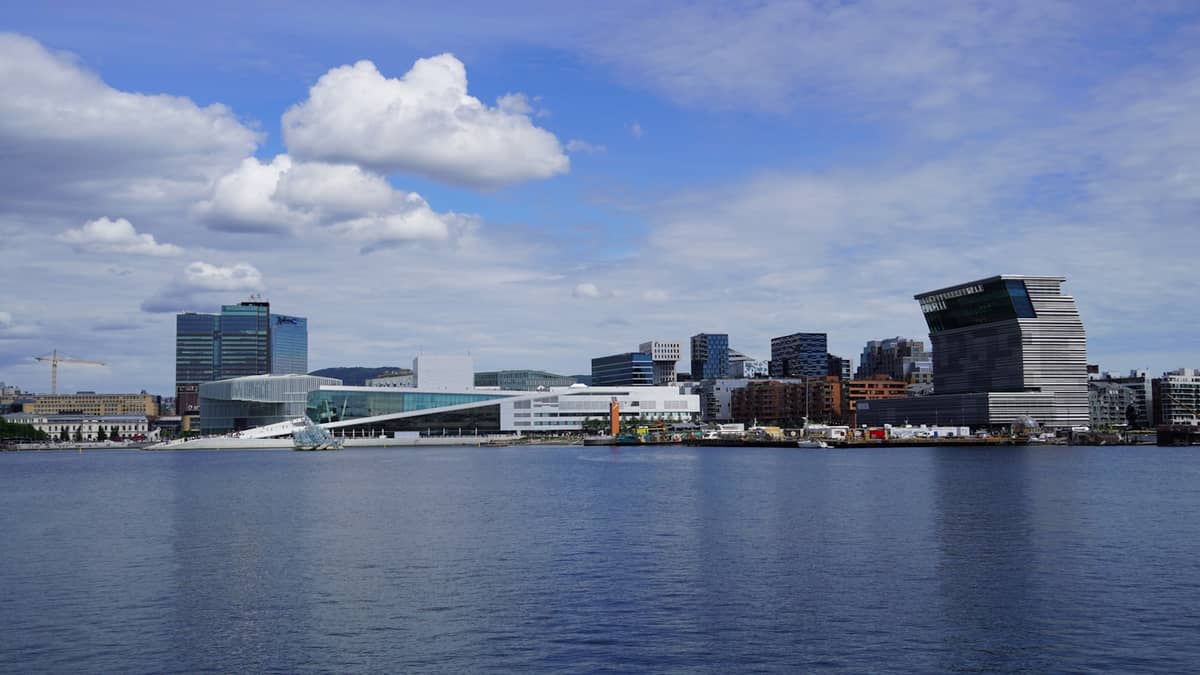
The revival of the fjord as a recreational space is inseparable from the floating sauna scene. Projects like the Oslo Opera House and the swimming pier at Sørenga Sjøbad normalized the idea of using the inner fjord as an extension of the city. Floating saunas were a natural next step, and they have become a year-round fixture rather than a novelty.
ℹ️ Good to know
The Norwegian sauna tradition differs slightly from Finnish: sessions often include social bathing, cold water immersion, and extended relaxation time. Expect a communal atmosphere rather than a silent spa experience, particularly at shared sessions.
Where the Floating Saunas Are Located
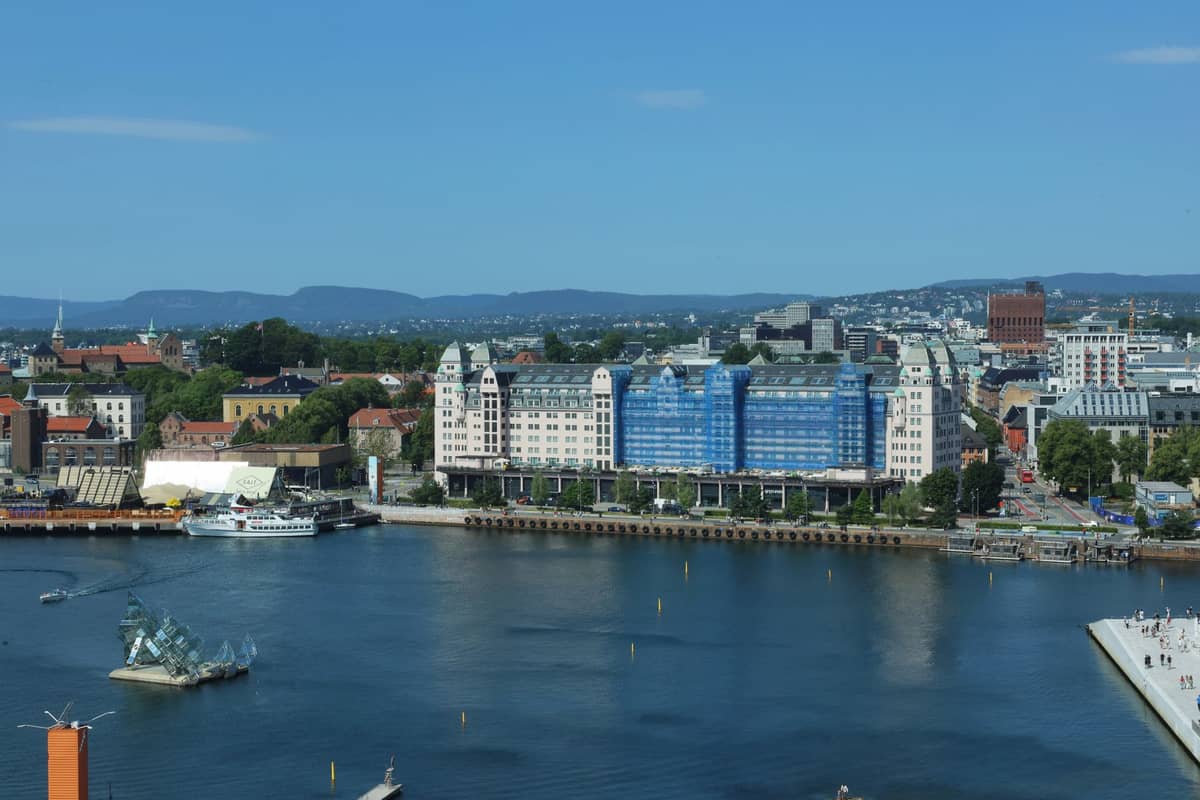
The main concentration of floating saunas sits along the inner Oslofjord waterfront, within walking distance of Oslo's central waterfront. The four key areas are Langkaia and Bjørvika (just east of Oslo City Hall), Aker Brygge (immediately to the west), and Sukkerbiten (adjacent to the Sørenga neighbourhood). Each location has a slightly different character.
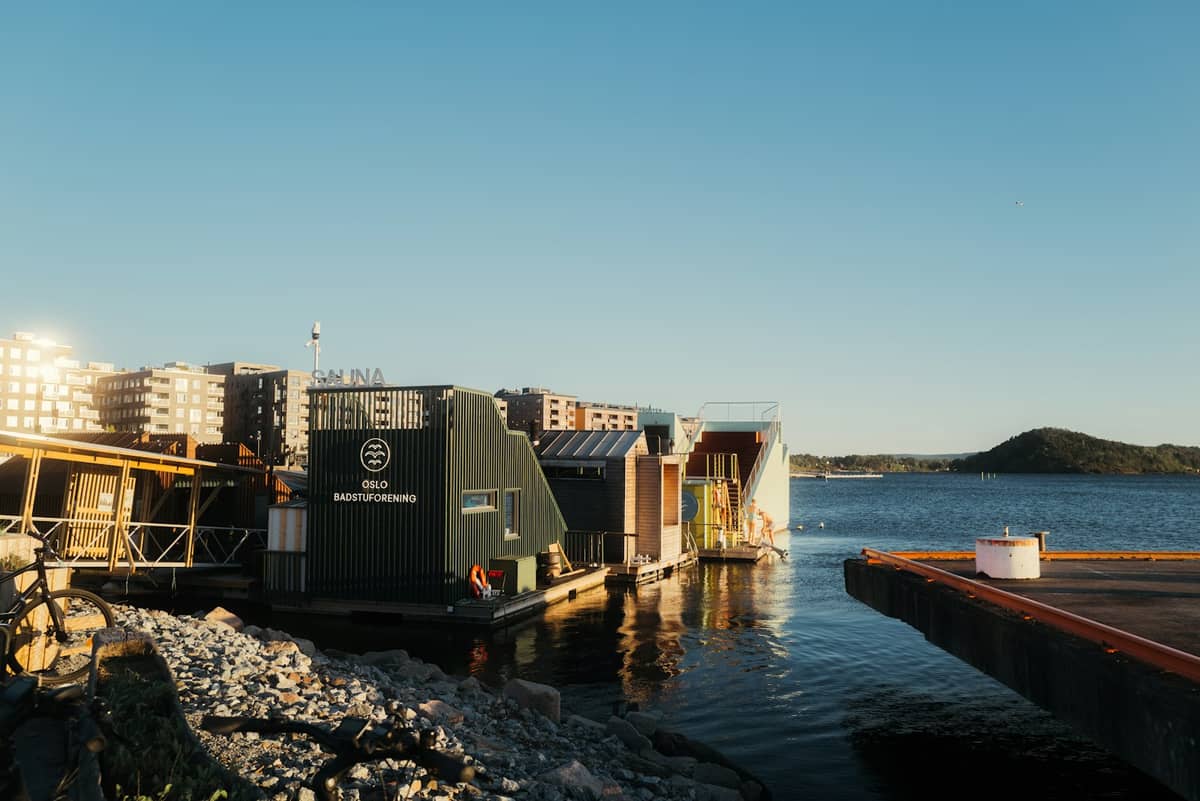
- Langkaia Home to Oslo Badstuforening's community sauna village, the most social and affordable option. Located a short walk east of the Nobel Peace Center, with direct access to ladders and swimming platforms on the fjord.
- Aker Brygge KOK Oslo operates floating saunas here alongside restaurants and bars. The setting is lively and central; expect more foot traffic and a slightly more polished experience.
- Bjørvika KOK Oslo's second main site, near the Opera House and Deichman library. The urban waterfront backdrop here is one of the most architecturally striking in the city.
- Sukkerbiten / Sørenga A quieter stretch near the open-air sea pool at Sørenga Sjøbad. Pust Oslo and smaller operators base themselves here. Better for those wanting less crowd and more open water.
Getting to any of these spots is straightforward. All four areas are accessible by foot from the city centre or a short tram ride from Sentrum. The T-bane (Oslo Metro) gets you within 10-15 minutes' walk of each location. If you are staying near Aker Brygge, you can walk to the sauna pontoons in under five minutes.
The Main Operators: What Each One Offers
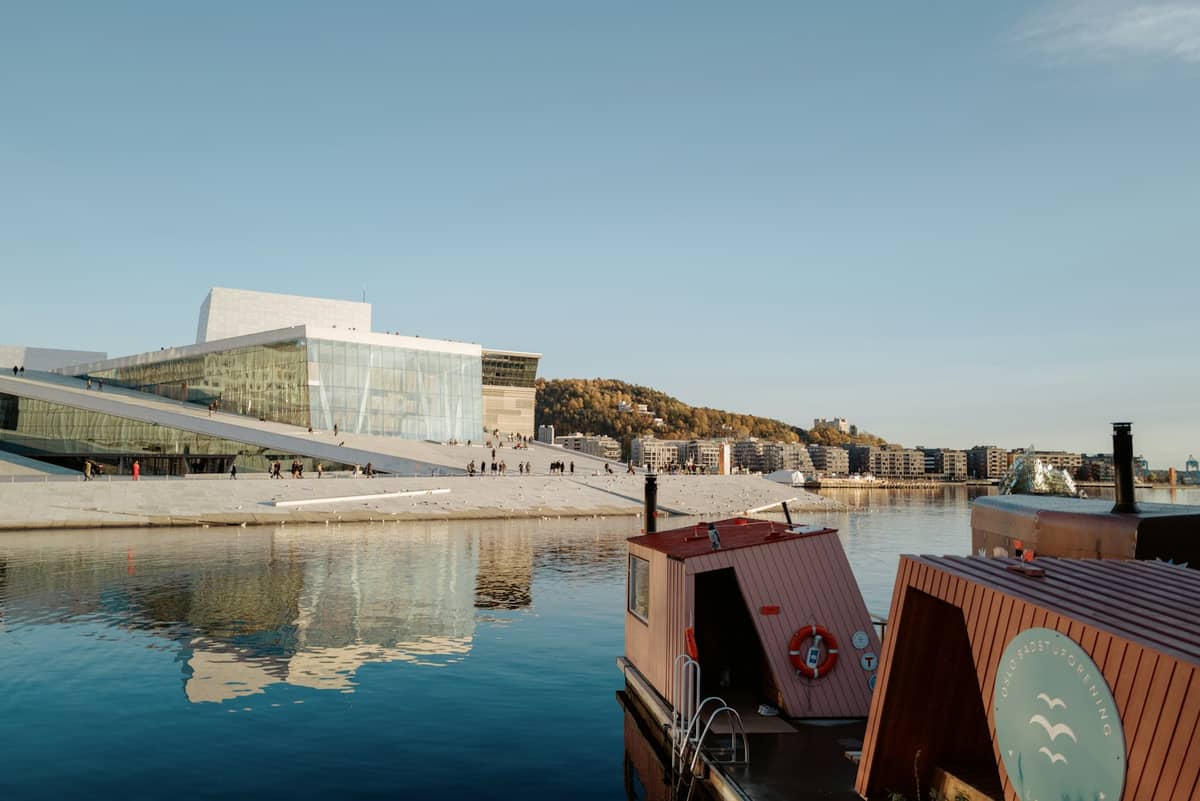
Oslo has several distinct floating sauna operators, each with its own model. Understanding the differences before you book will save you from showing up at the wrong place with the wrong expectations.
- KOK Oslo The largest commercial operator, with sites at both Aker Brygge and Langkaia. Offers three main products: FELLESKOK (shared public sessions, typically 90 minutes), PRIVATKOK (private sauna rental for groups, from around 1,600 NOK for two hours), and KOKCRUISE (a sauna boat that moves on the fjord, from around 3,300 NOK for groups). All sessions require advance online booking. Alcohol is permitted on private and cruise sessions (max two units per person, no strong spirits), but not on shared public sessions.
- Oslo Badstuforening A member-run association operating the Langkaia sauna village. More communal and affordable than KOK, with shared sessions typically costing 150-260 NOK depending on membership status. The atmosphere is the most social and informal of any Oslo floating sauna.
- Pust Oslo A wellness-focused operator near Sørenga that combines sauna with breathwork and cold water therapy classes. More structured sessions than other venues; oriented toward those interested in the physiological benefits of the contrast experience.
- Bademaschinen Måken A smaller, characterful floating bathhouse with a loyal following. Tends to sell out quickly; check their booking calendar early.
- SALT An arts and culture venue that incorporates sauna into a broader program of concerts, events, and communal gatherings. Sessions are available, but the schedule is tied to their event programming, so check ahead.
✨ Pro tip
KOK Oslo's KOKCRUISE is the most unique experience Oslo's floating sauna scene offers: a heated sauna cabin on a boat moving through the inner fjord. Groups of up to around 8-10 people can book the entire vessel. It is significantly more expensive per person than a standard session, but for a special occasion it is hard to beat.
Pricing Breakdown and What to Expect to Pay
Oslo's floating saunas span a wide price range. The cheapest community sessions come in around 165 NOK per person; the most premium private experiences can reach 500 NOK or more per person. Based on current pricing across multiple floating sauna venues, the average single-person session on a weekday now costs roughly 300 NOK, with weekend pricing typically around 350–380 NOK.
For KOK Oslo specifically: a shared FELLESKOK session runs around 260 NOK per person for 90 minutes. Private boat rental starts at roughly 1,600 NOK for two hours (split across your group). The KOKCRUISE starts at around 3,300 NOK for a two-hour group booking. These figures are indicative; prices adjust seasonally and demand-based, so confirm on their official booking page before committing.
If cost is a concern, Oslo Badstuforening at Langkaia is the most affordable entry point. Members pay less than non-members, and a day membership is available. For broader context on managing costs in Oslo, the free things to do in Oslo guide covers complementary waterfront activities that pair well with a sauna session.
⚠️ What to skip
Walk-in access is not a reliable option, particularly on weekends and evenings from May through September. Most operators require advance online booking, and popular time slots fill days or even weeks ahead. Always book before traveling to the venue.
When to Go: Seasonality and the Winter vs Summer Question
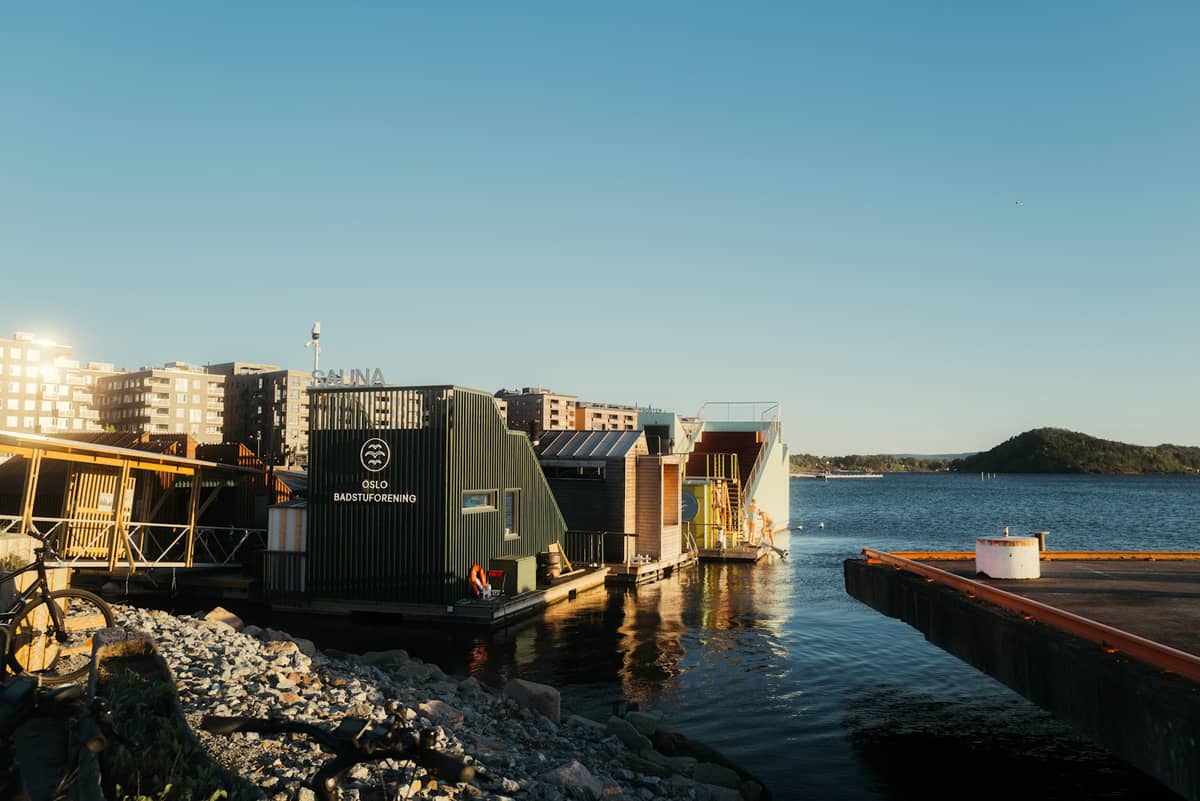
The most common assumption about Oslo's floating saunas is that they are a winter-only activity. This is wrong. Every major operator runs year-round, and the summer experience is different but equally worthwhile. In winter, sessions involve cranking the sauna to 80-90°C and then plunging through a ladder directly into near-freezing fjord water. In summer, you use the same sauna heat to warm up before jumping into water that reaches around 18–22°C on warm days.
Winter sessions (November through March) are when the dramatic contrast between heat and cold is most intense. Oslo winters are cold but not extreme at sea level, with average January temperatures around −2 to 0°C. The inner fjord almost never freezes completely anymore, so the cold water dip is reliably available. This is the season that draws visitors specifically for the Nordic bathing experience, and booking pressure is highest on winter weekend evenings.
Summer sessions (June through August) benefit from Oslo's long daylight hours and significantly warmer ambient temperatures. An evening session in July, with the sun still visible over the fjord at 9 or 10 PM, is a genuinely different experience: more relaxed, less about endurance, more about the atmosphere. Oslo in summerSummer is a strong season for sauna visits precisely because the evenings are so long and the city is at its most sociable. For those interested in Oslo fjord activities more broadly, a floating sauna session pairs well with an afternoon of island hopping or kayaking.
- Winter (Nov-Mar): most intense contrast experience, dramatic cold water dip, highest booking demand on weekends
- Spring (Apr-May): good value period before summer crowds, improving weather, fewer advance booking conflicts
- Summer (Jun-Aug): long evening light, warm ambient temperatures, fjord swimming rather than ice bathing
- Autumn (Sep-Oct): quieter than summer, still warm enough for outdoor bathing into early October
Practical Advice: Rules, Safety, and What to Bring
A few rules are non-negotiable at Oslo's floating saunas and worth knowing before you arrive. Children under 18 must be accompanied by an adult throughout the entire session at KOK Oslo, reflecting the genuine safety considerations of combining high temperatures with open water access. Life jackets are provided for the KOKCRUISE; at fixed sauna pontoons like Aker Brygge and Langkaia, a limited number are available and non-swimmers are expected to use a life jacket, bringing their own if necessary.
On the alcohol question: shared public sessions at KOK (the FELLESKOK sessions) do not permit alcohol. Private sauna rentals and the KOKCRUISE do allow it, with a stated maximum of two units per person, restrictions on staining drinks, and a prohibition on strong spirits. This policy is enforced, not just advisory. Community saunas like Oslo Badstuforening have their own alcohol policies, so check in advance.
What to bring: most operators provide towels for hire or ask you to bring your own. Flip-flops or sandals are useful for moving between the sauna and the water. A change of clothes is essential. In winter, a warm hat you do not mind getting wet is worth bringing for the cold water dip. Most sauna pontoons have changing areas, but they can be compact during busy sessions.
💡 Local tip
Hydrate before your session. The combination of high sauna temperatures and cold water immersion is genuinely taxing on the body. Most floating sauna venues sell water and hot drinks; if yours does not, bring a water bottle. Avoid heavy meals immediately before a session.
For those planning a broader Oslo itinerary around the waterfront, the floating sauna experience fits naturally into a day that also includes the Oslo Opera House rooftop walk or a visit to the Astrup Fearnley Museum in Tjuvholmen. The Oslo 3-day itinerary includes suggestions for structuring a waterfront-heavy day in the city.
FAQ
Do you need to book Oslo floating saunas in advance?
Yes, at almost every operator. Walk-in access is unreliable, especially on weekends and evenings. KOK Oslo, Oslo Badstuforening, and Pust Oslo all use online booking systems. Book at least a few days ahead; for peak periods in winter or summer, a week or more in advance is safer.
How much does a floating sauna in Oslo cost?
Prices range from around 165 NOK for a community shared session at Oslo Badstuforening up to 500 NOK per person at premium venues. KOK Oslo's shared FELLESKOK sessions run around 260 NOK per person. Private rentals start at roughly 1,600 NOK for a group, and the KOKCRUISE starts at around 3,300 NOK. Weekday sessions are generally cheaper than weekends.
Can you use Oslo floating saunas in winter?
Yes, and winter is when the experience is most distinctive. Saunas operate year-round. In winter, sessions involve alternating between high heat inside the cabin and cold fjord water via ladders or platforms. The inner Oslofjord rarely freezes completely, so cold water immersion is available throughout the season.
What is the best floating sauna in Oslo for first-timers?
KOK Oslo at Langkaia or Aker Brygge is the most accessible for first-timers: clear online booking, English-language information, and a well-managed experience. Oslo Badstuforening is better value and more social but slightly less polished in terms of facilities. Both are solid starting points.
Can you drink alcohol at Oslo floating saunas?
It depends on the session type. At KOK Oslo, alcohol is not permitted on shared public (FELLESKOK) sessions. It is allowed on private sauna rentals and the KOKCRUISE, with a limit of two units per person and no strong spirits. Other operators have their own rules, so check before you book.
Tickets & tours
Live prices and dates from our booking partner. If you book, we may earn a commission at no extra cost to you.
Planning a trip? Discover personalized activities with the Nomado app.