Free Things to Do in Oslo: 20 Genuinely No-Cost Experiences
Oslo has a reputation for being expensive, but the city's best experiences often cost nothing. From a marble opera house roof you can walk across to one of the world's great sculpture parks, here are 20 free things to do that locals actually love.
Tickets & tours
Live prices and dates from our booking partner. If you book, we may earn a commission at no extra cost to you.
Oslo is expensive, but it rewards travellers who know where to look. The city's most iconic experiences, walking the Opera House roof, strolling Vigeland Sculpture Park, and hiking into Nordmarka forest, are all completely free. For a broader overview of what the city offers, see our complete Oslo guide. If you're planning several museum visits, check whether the Oslo Pass makes financial sense for your trip, since it covers paid admission at 30+ attractions. The 20 experiences below require no pass and no ticket.
💡 Local tip
Always verify current opening hours and any new admission fees directly with each attraction before visiting, as policies can change seasonally.
Iconic Landmarks You Can Visit for Free
1. Walk Across the Oslo Opera House Roof
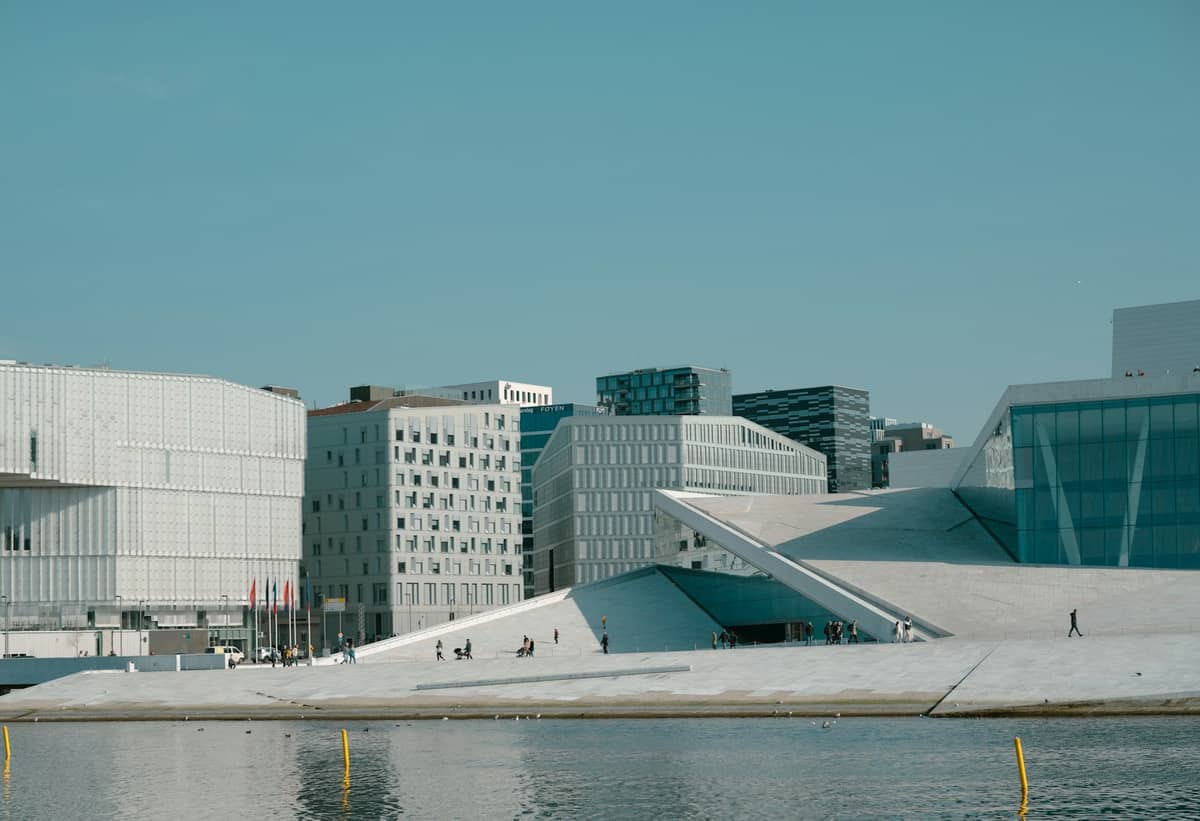
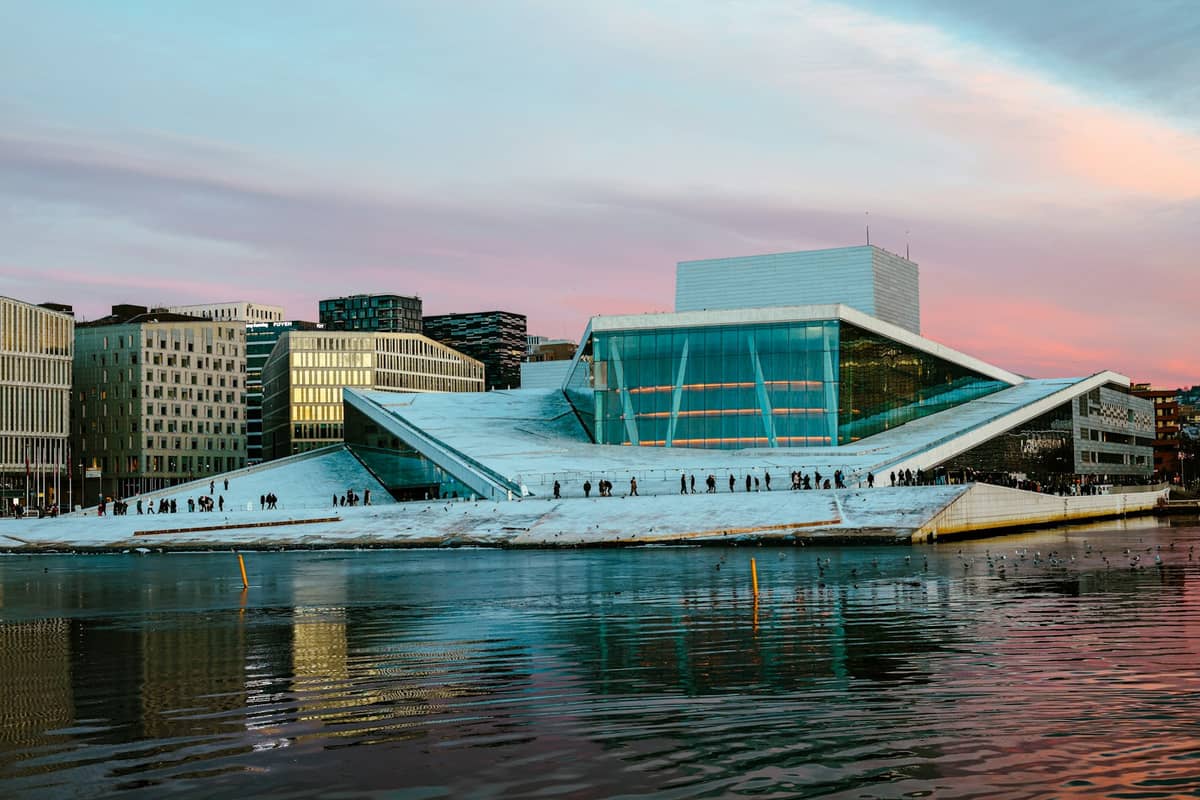
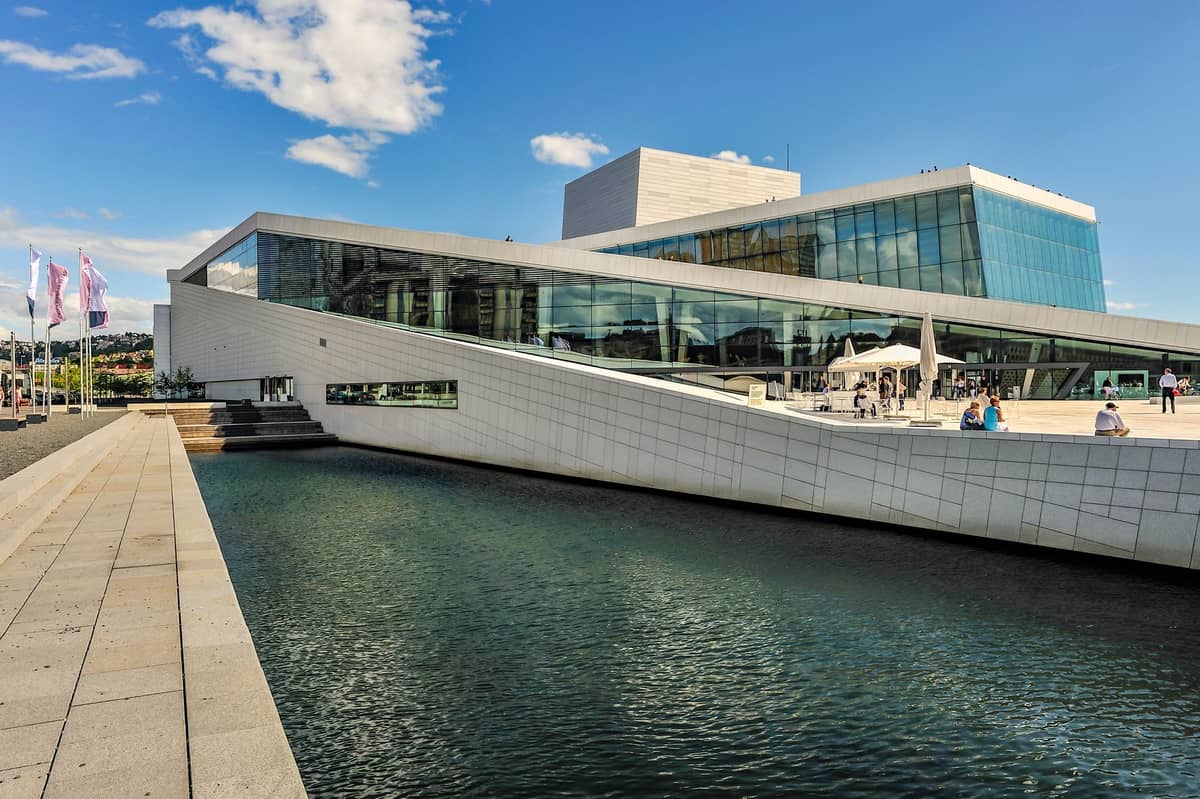
Snøhetta's marble-clad opera house is free to climb year-round. The sloping roof offers panoramic views of the fjord, Barcode skyline, and Munch Museum. Sunset is the best time to go; plan 30–45 minutes.
Explore1. Walk Across the Oslo Opera House Roof
Snøhetta's marble-clad opera house is free to climb year-round. The sloping roof offers panoramic views of the fjord, Barcode skyline, and Munch Museum. Sunset is the best time to go; plan 30–45 minutes.
Explore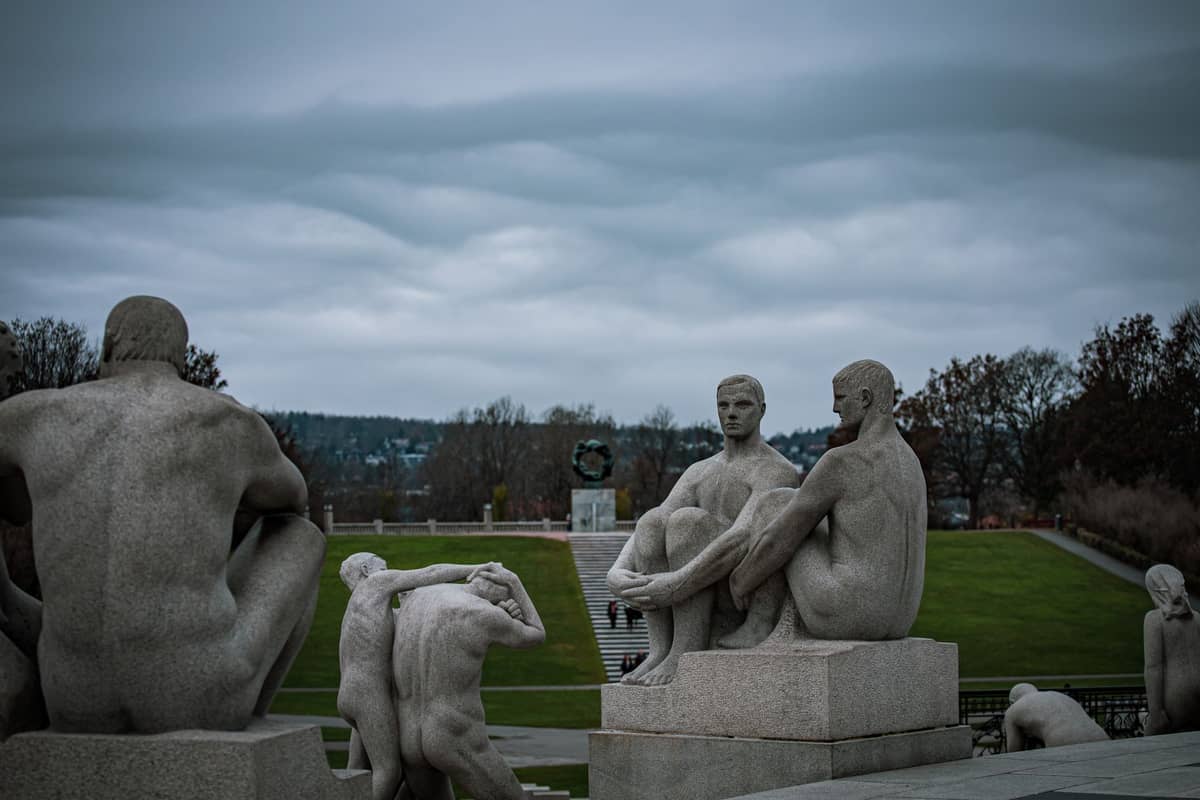
2. Explore the Vigeland Sculpture Park at Your Own Pace
Over 200 bronze and granite works by Gustav Vigeland fill this open-air park within Frogner Park, free and open 24 hours. The 14-metre Monolith column is the centrepiece. Allow 1.5 hours to walk the full axis.
Explore2. Explore the Vigeland Sculpture Park at Your Own Pace
Over 200 bronze and granite works by Gustav Vigeland fill this open-air park within Frogner Park, free and open 24 hours. The 14-metre Monolith column is the centrepiece. Allow 1.5 hours to walk the full axis.
Explore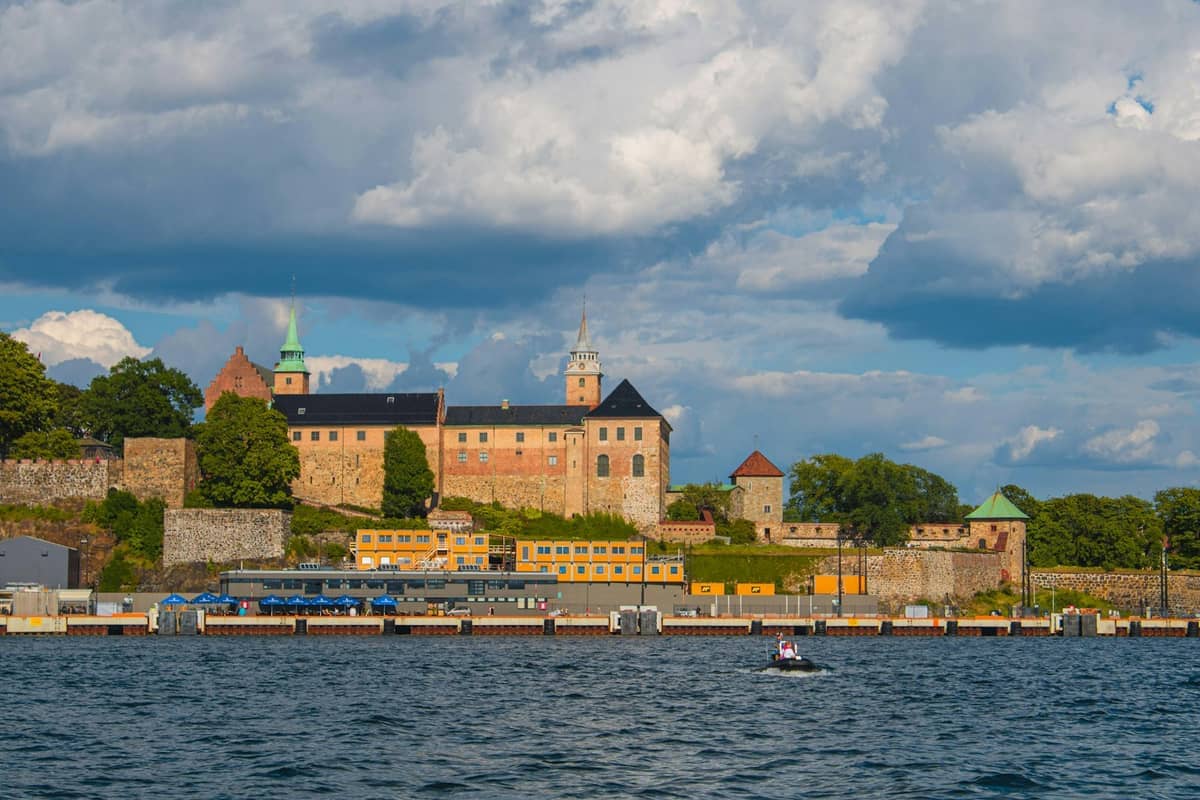
3. Walk the Ramparts of Akershus Fortress
The fortress grounds are free to enter year-round, offering some of Oslo's best harbour views. The medieval walls and cannons are photogenic at any hour. Note: museums inside require a paid ticket or Oslo Pass.
Explore3. Walk the Ramparts of Akershus Fortress
The fortress grounds are free to enter year-round, offering some of Oslo's best harbour views. The medieval walls and cannons are photogenic at any hour. Note: museums inside require a paid ticket or Oslo Pass.
Explore
4. Watch the Changing of the Guard at the Royal Palace
The palace park is a free public space open all year. The daily Changing of the Guard takes place at 1:30pm and draws a crowd. The neoclassical building at the top of Karl Johans gate is one of Oslo's best photo spots.
Explore4. Watch the Changing of the Guard at the Royal Palace
The palace park is a free public space open all year. The daily Changing of the Guard takes place at 1:30pm and draws a crowd. The neoclassical building at the top of Karl Johans gate is one of Oslo's best photo spots.
Explore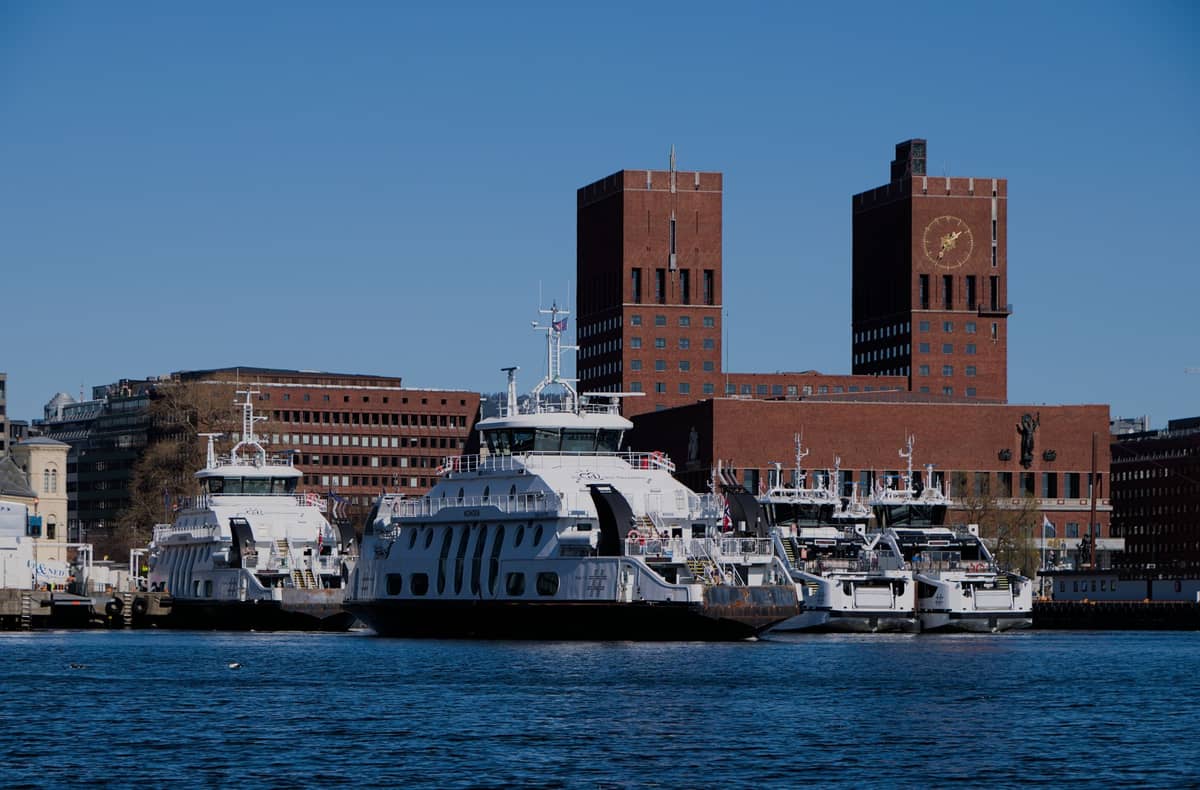
5. See the Nobel Peace Prize Venue from the Inside
Oslo City Hall is free to enter, and the interior murals depicting Norwegian history are extraordinary. Most visitors walk past the red-brick exterior without going in. Allow 30–45 minutes for the main hall and side rooms.
Explore5. See the Nobel Peace Prize Venue from the Inside
Oslo City Hall is free to enter, and the interior murals depicting Norwegian history are extraordinary. Most visitors walk past the red-brick exterior without going in. Allow 30–45 minutes for the main hall and side rooms.
Explore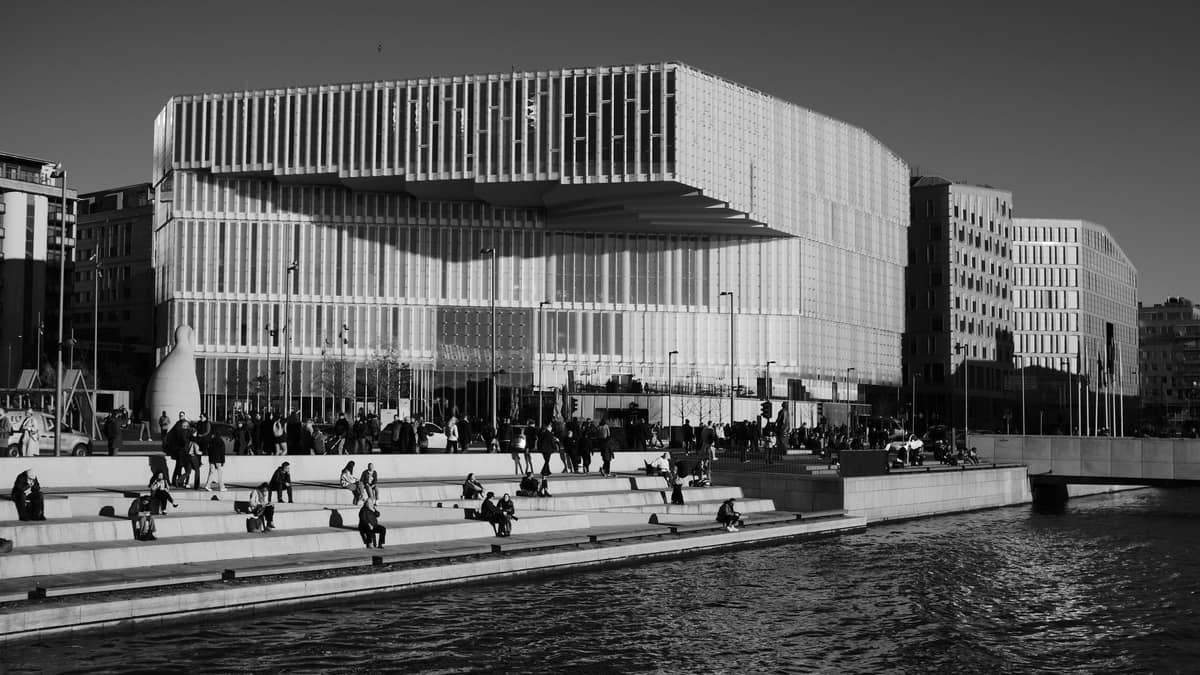
6. Enjoy the Rooftop Views at Deichman Library
Oslo's main public library, opened in 2020, is free to enter and explore. The rooftop terraces offer panoramic fjord and city views. It's also a genuine working library with maker spaces, reading rooms, and harbour-facing cafés.
Explore6. Enjoy the Rooftop Views at Deichman Library
Oslo's main public library, opened in 2020, is free to enter and explore. The rooftop terraces offer panoramic fjord and city views. It's also a genuine working library with maker spaces, reading rooms, and harbour-facing cafés.
Explore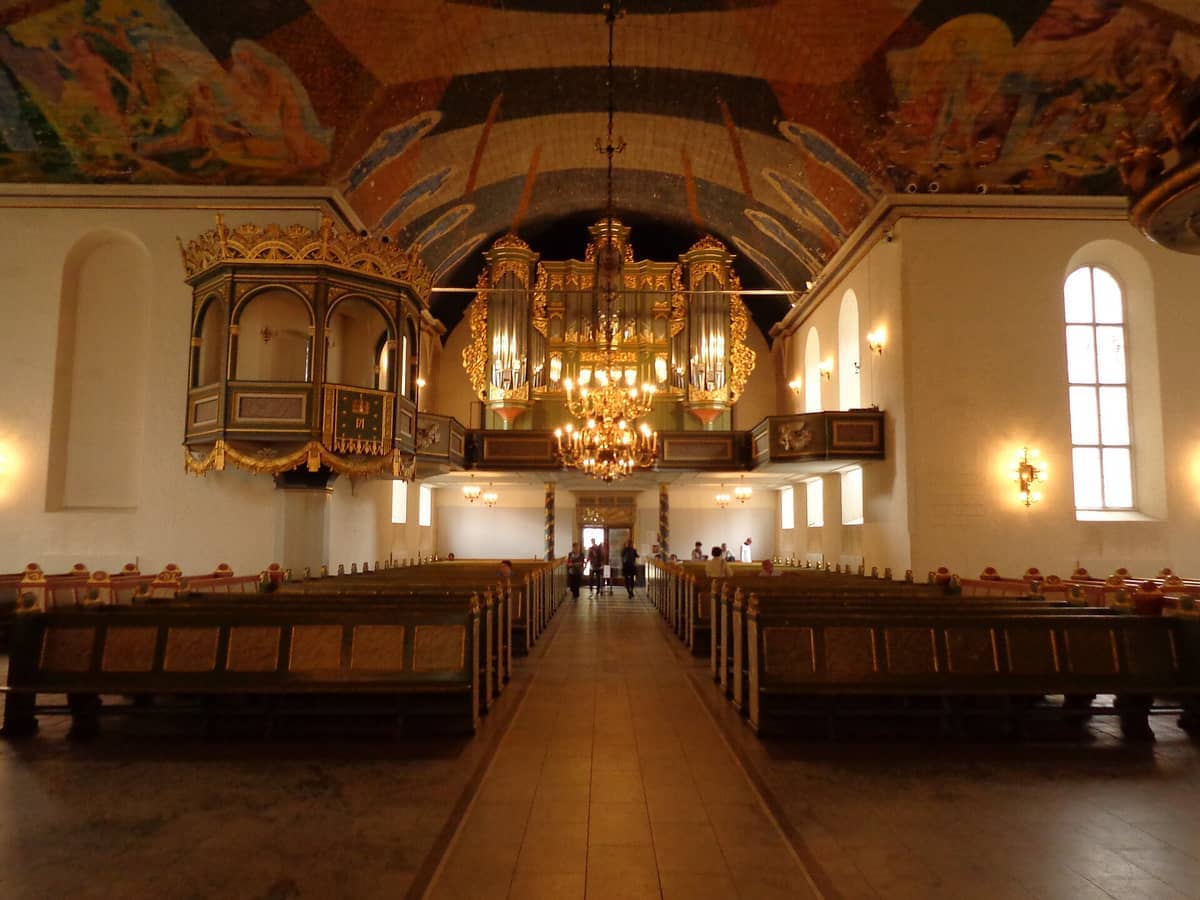
7. Step Inside Oslo Cathedral for Free
Oslo's baroque cathedral from 1697 is free to enter, with a painted ceiling and stained glass by Emanuel Vigeland. It's a calm counterpoint to the busy Stortorvet square outside. Visits take around 15–20 minutes.
Explore7. Step Inside Oslo Cathedral for Free
Oslo's baroque cathedral from 1697 is free to enter, with a painted ceiling and stained glass by Emanuel Vigeland. It's a calm counterpoint to the busy Stortorvet square outside. Visits take around 15–20 minutes.
ExploreParks, Nature & Outdoor Escapes
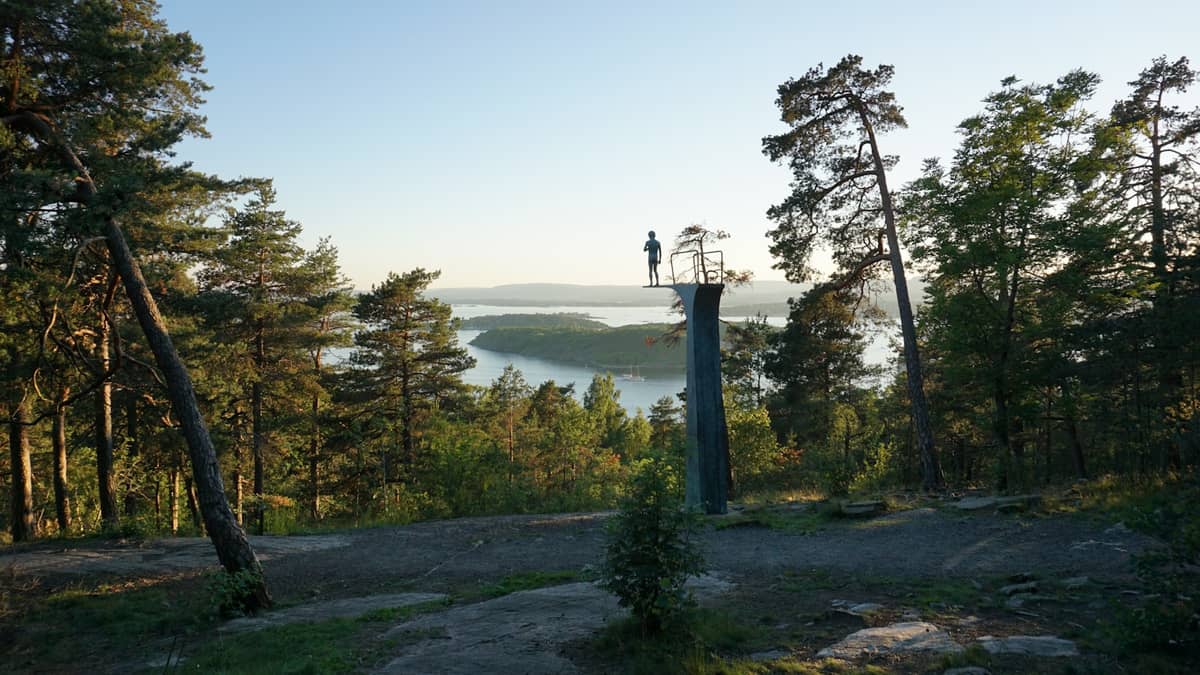
Oslo's greatest free asset is its access to nature. The city sits at the edge of the Oslofjord to the south and Nordmarka forest to the north, both reachable by public transport. For a full picture of Oslo's outdoor possibilities, the Oslo hiking guide covers trails from beginner walks to full-day forest routes, and our Oslo fjord guide explains how to make the most of the waterfront.
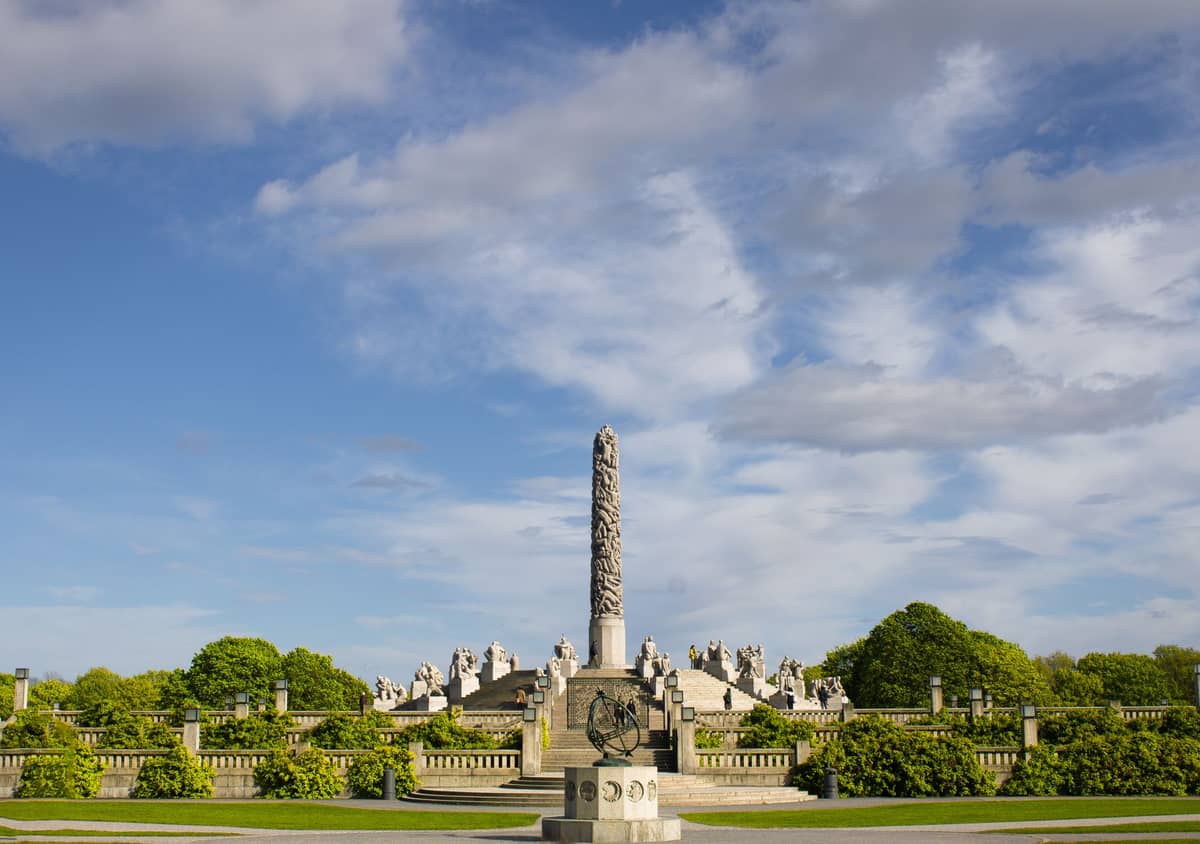
8. Spend an Afternoon in Frogner Park
At about 110 acres (45 hectares), Frogner Park is Oslo's largest green space and home to Vigeland Sculpture Park. Rose gardens, ponds, and open lawns make it the best place to observe everyday Oslo life. It is free and open around the clock.
Explore8. Spend an Afternoon in Frogner Park
At about 110 acres (45 hectares), Frogner Park is Oslo's largest green space and home to Vigeland Sculpture Park. Rose gardens, ponds, and open lawns make it the best place to observe everyday Oslo life. It is free and open around the clock.
Explore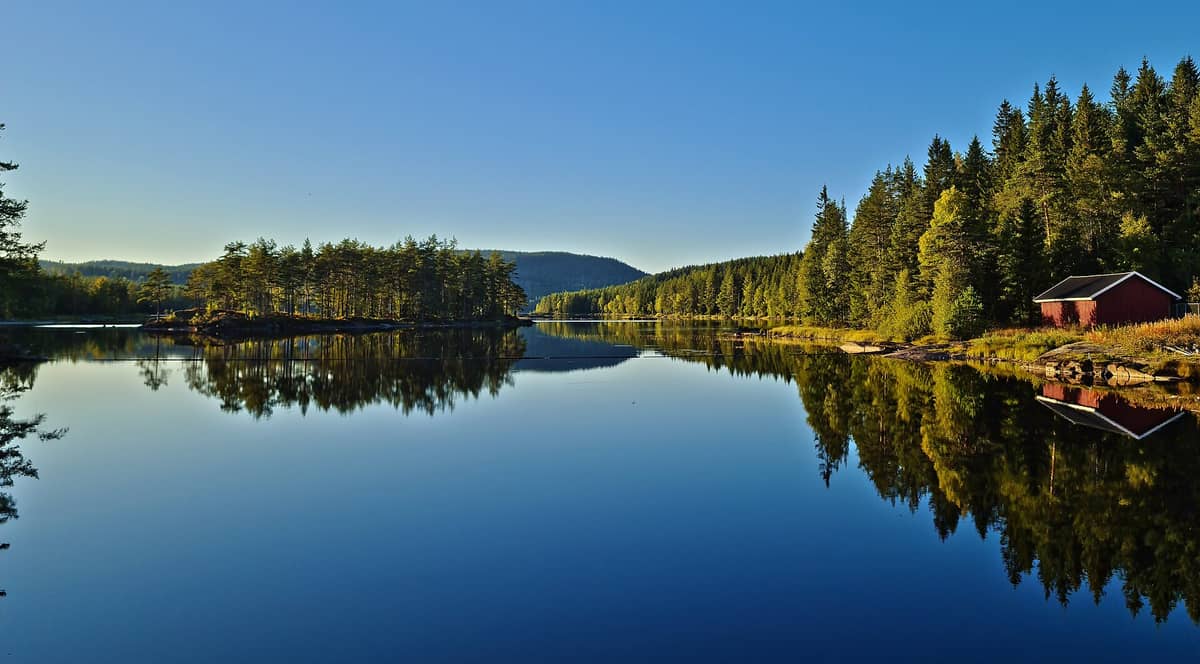
9. Hike Into Nordmarka Forest from the City
Take the T-bane to Sognsvann or Frognerseteren and you're at the edge of a vast forest wilderness in under 30 minutes. Hundreds of kilometres of marked trails are free. In winter, the same network becomes a cross-country ski paradise.
Explore9. Hike Into Nordmarka Forest from the City
Take the T-bane to Sognsvann or Frognerseteren and you're at the edge of a vast forest wilderness in under 30 minutes. Hundreds of kilometres of marked trails are free. In winter, the same network becomes a cross-country ski paradise.
Explore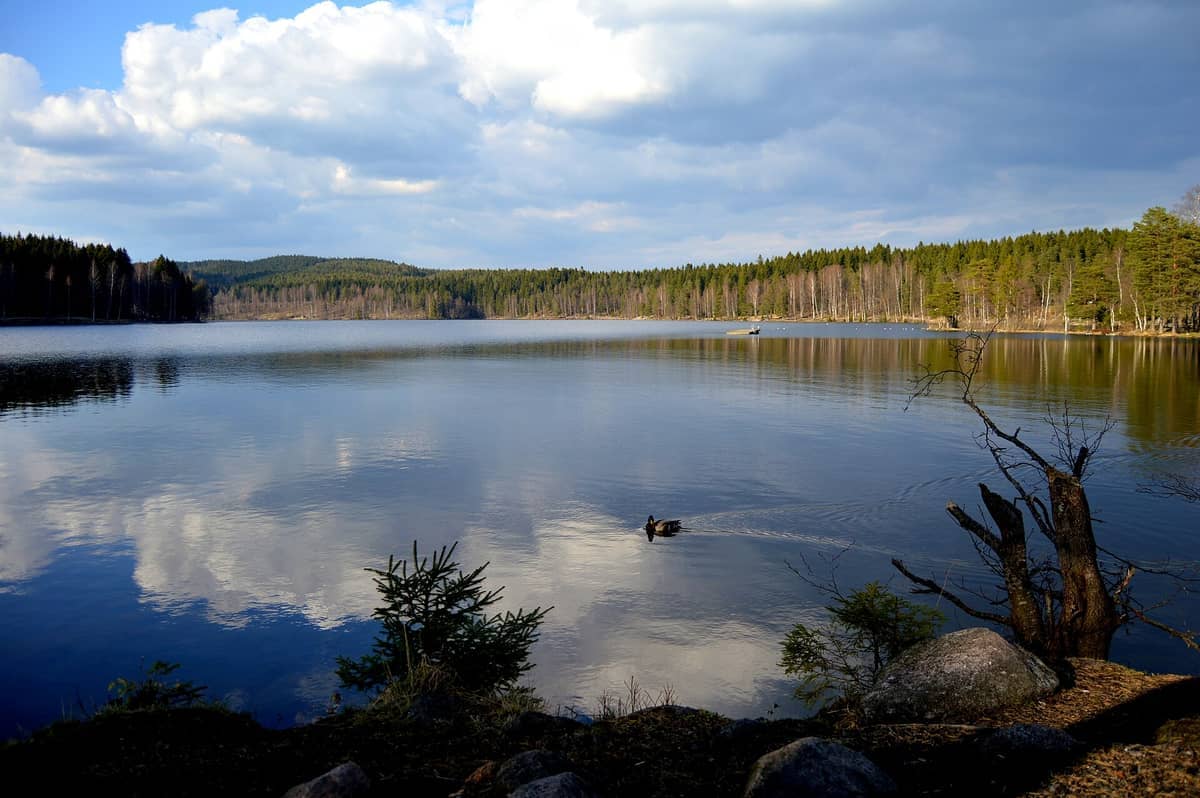
10. Walk the Loop Around Sognsvann Lake
The 3.4-kilometre trail circling this glacial lake is one of Oslo's most-walked routes, and it costs only the price of a metro ticket to reach. Swim in summer, ski in winter. A café at the lakeside is open year-round.
Explore10. Walk the Loop Around Sognsvann Lake
The 3.4-kilometre trail circling this glacial lake is one of Oslo's most-walked routes, and it costs only the price of a metro ticket to reach. Swim in summer, ski in winter. A café at the lakeside is open year-round.
Explore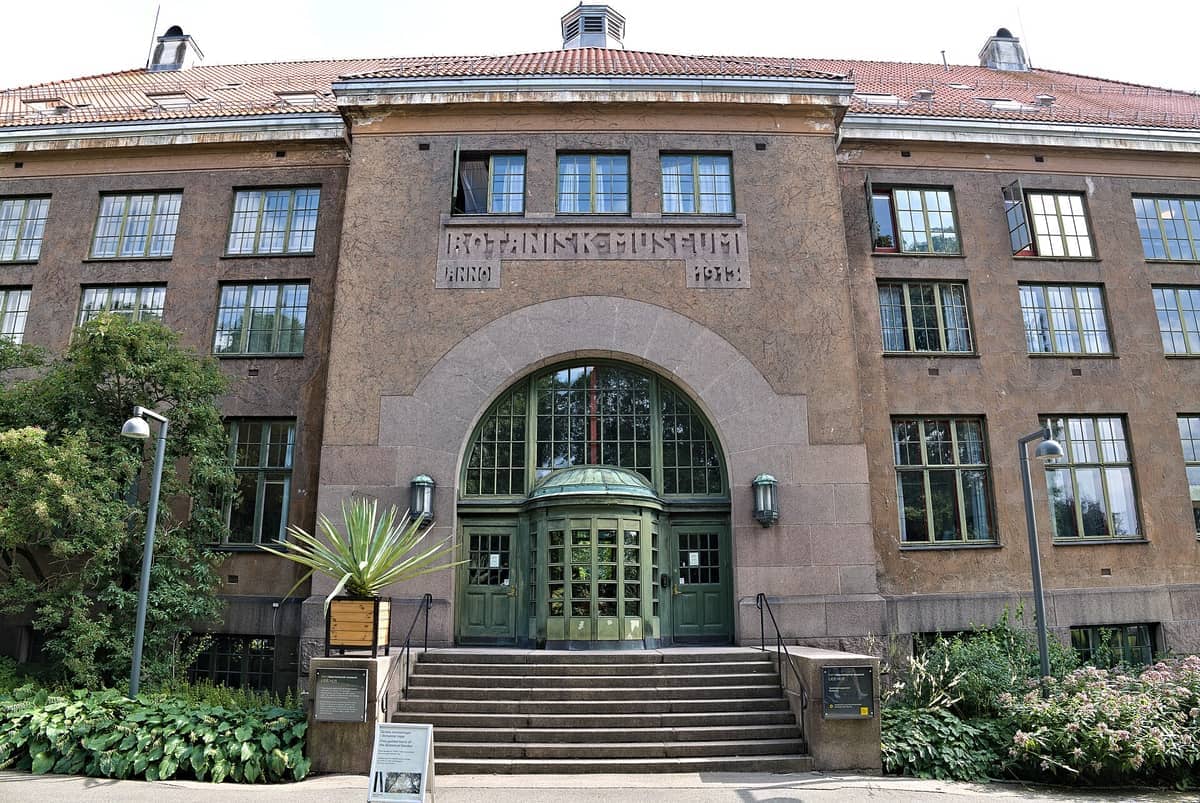
11. Wander the Free Botanical Garden at Tøyen
Oslo's historic botanical garden holds over 7,500 plant species across themed gardens and a rock garden. Entry is free year-round. The adjacent Natural History Museum charges admission, but the garden itself costs nothing to explore.
Explore11. Wander the Free Botanical Garden at Tøyen
Oslo's historic botanical garden holds over 7,500 plant species across themed gardens and a rock garden. Entry is free year-round. The adjacent Natural History Museum charges admission, but the garden itself costs nothing to explore.
Explore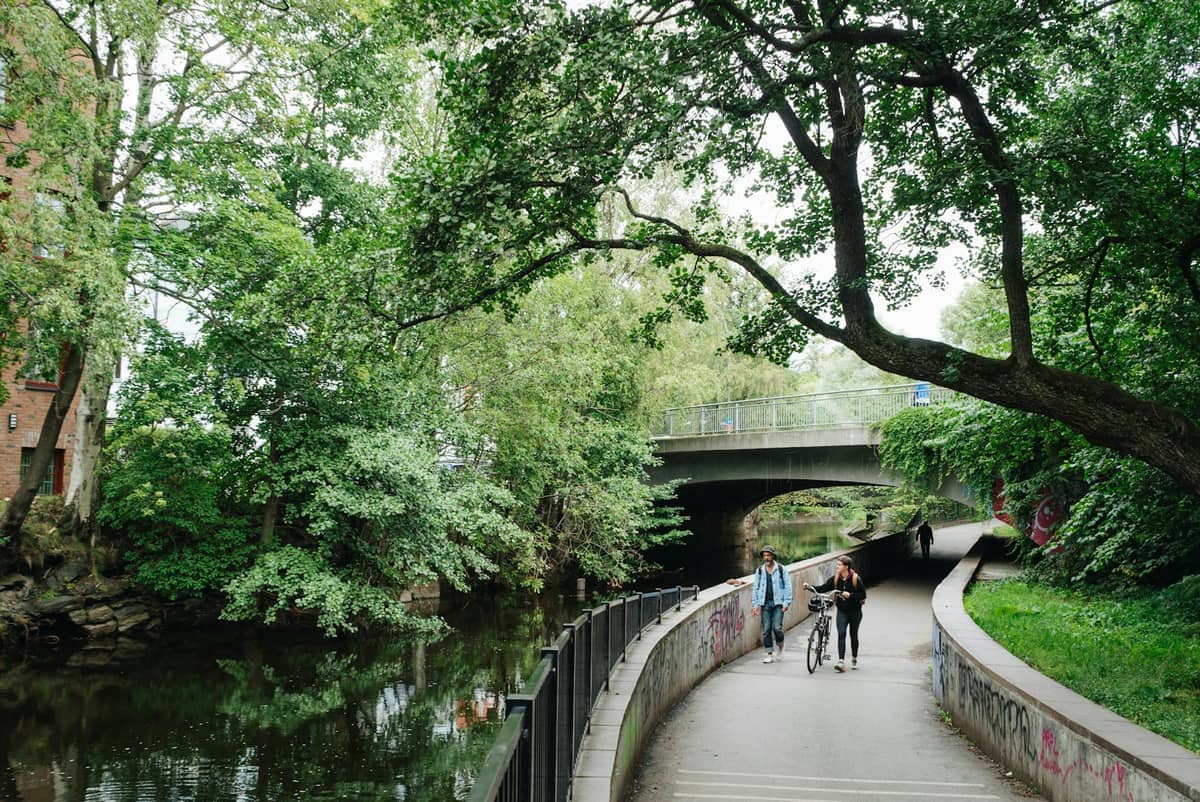
12. Follow the Akerselva River Through the City
This 10-kilometre trail from Maridalsvannet to the fjord is Oslo's finest free urban walk. It passes waterfalls, industrial heritage, street art, and the Vulkan food district. Pick any section; the stretch through Grünerløkka is most atmospheric.
Explore12. Follow the Akerselva River Through the City
This 10-kilometre trail from Maridalsvannet to the fjord is Oslo's finest free urban walk. It passes waterfalls, industrial heritage, street art, and the Vulkan food district. Pick any section; the stretch through Grünerløkka is most atmospheric.
Explore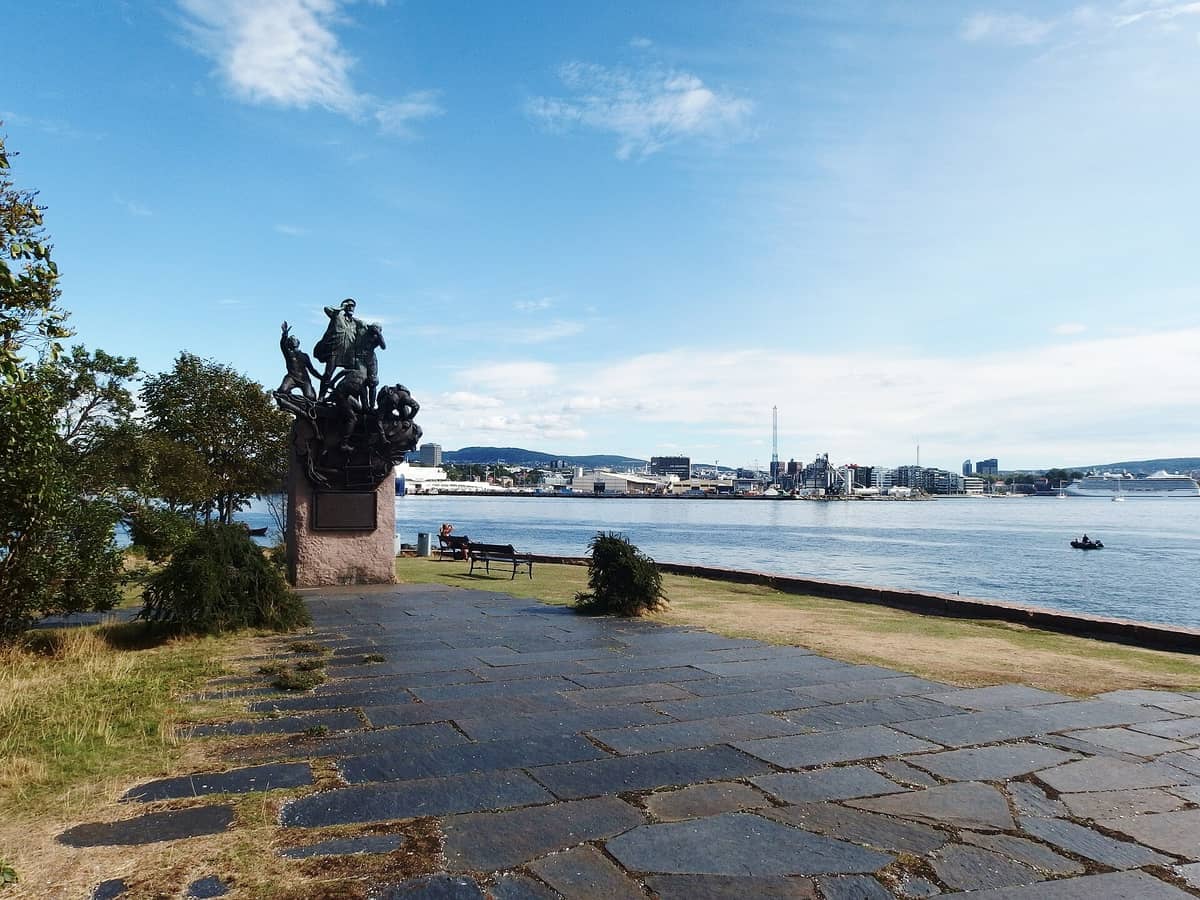
13. Walk the Bygdøy Coastal Path to Huk Beach
This free coastal trail links rocky shores, forest sections, and swimming spots along the Bygdøy peninsula's southern edge. It ends at Huk beach, where the fjord swimming is free. Combine with museum visits for a full day out.
Explore13. Walk the Bygdøy Coastal Path to Huk Beach
This free coastal trail links rocky shores, forest sections, and swimming spots along the Bygdøy peninsula's southern edge. It ends at Huk beach, where the fjord swimming is free. Combine with museum visits for a full day out.
ExploreFree Viewpoints & Architecture Worth Seeking Out
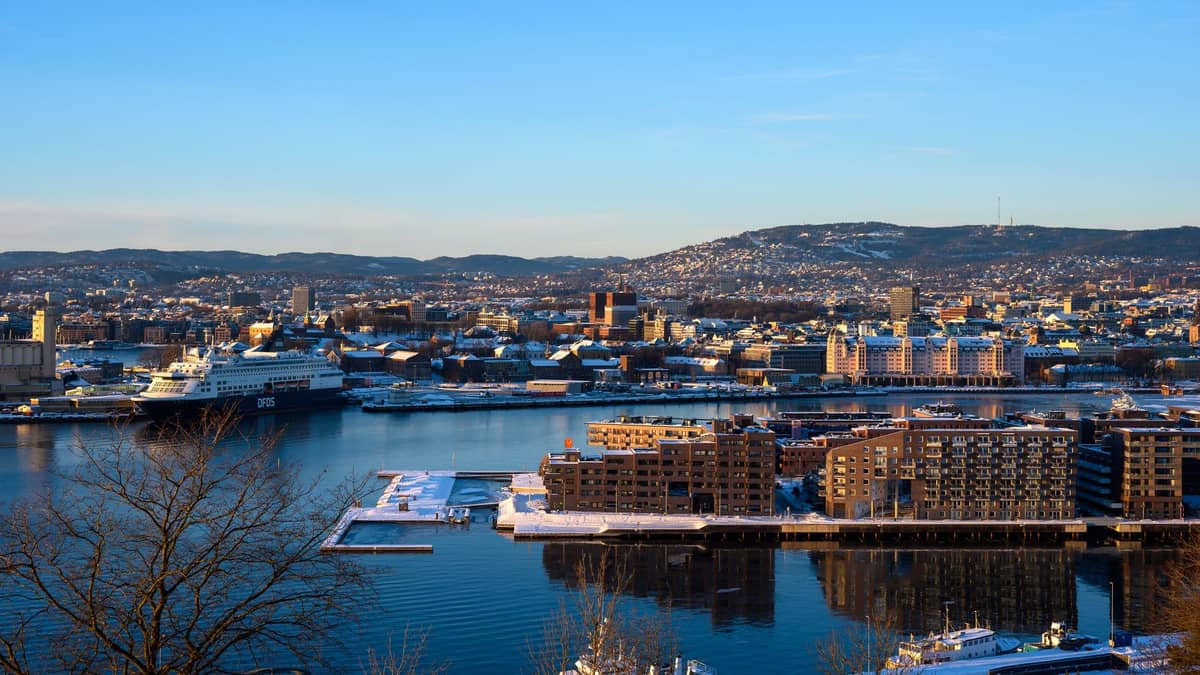
Oslo offers more than first impressions suggest for architecture, and several of the best vantage points cost nothing. The Oslo viewpoints guide covers the full range of panoramas across the city.
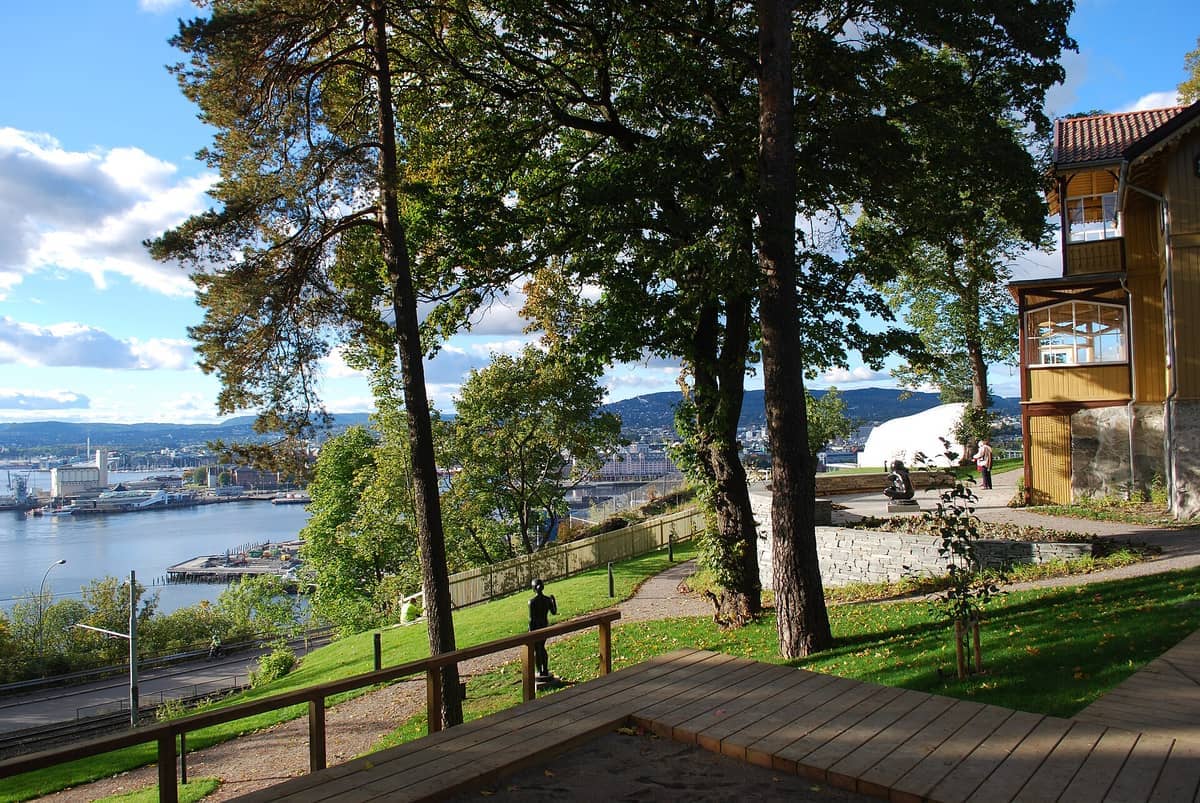
14. Visit the Ekebergparken Sculpture Park for Free
Over 40 sculptures by Dalí, Rodin, and others are set in forest above the city, alongside ancient rock carvings. Entry is free. The hilltop views over central Oslo and the fjord are among the best in the city, and tram 18 takes you directly there.
Explore14. Visit the Ekebergparken Sculpture Park for Free
Over 40 sculptures by Dalí, Rodin, and others are set in forest above the city, alongside ancient rock carvings. Entry is free. The hilltop views over central Oslo and the fjord are among the best in the city, and tram 18 takes you directly there.
Explore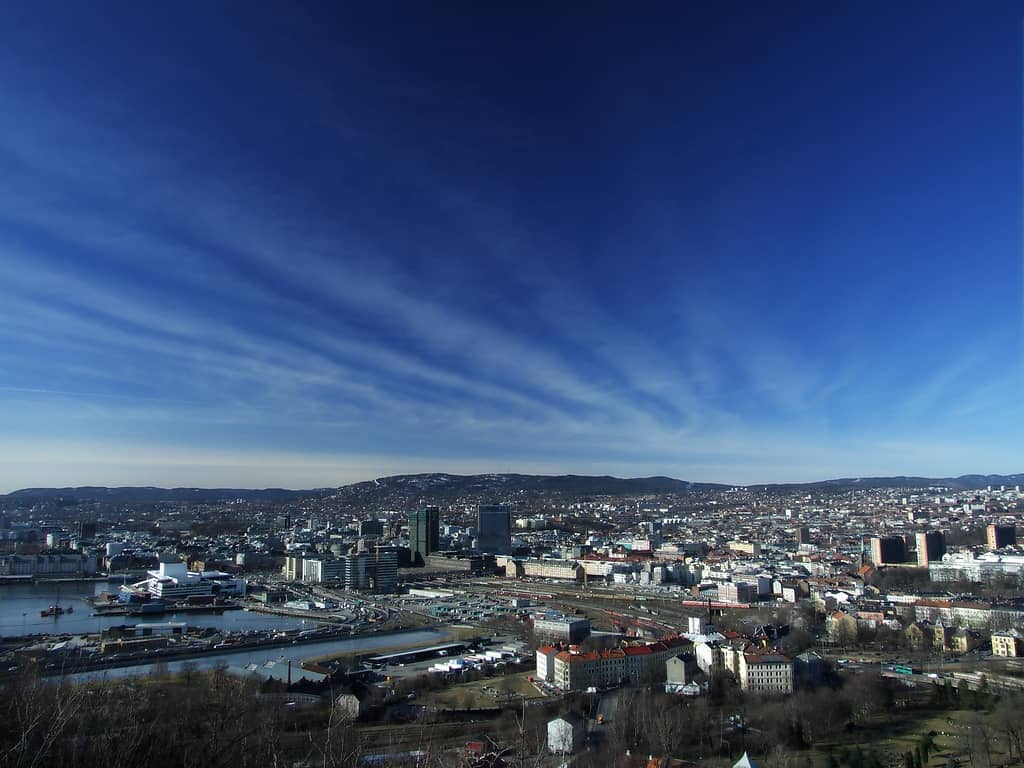
15. Find the Viewpoint That Inspired The Scream
The Ekeberg hill above the sculpture park offers the panorama that Edvard Munch is said to have painted in The Scream. The viewpoint is free, takes five minutes to reach from the tram stop, and is far less visited than the museums holding his works.
Explore15. Find the Viewpoint That Inspired The Scream
The Ekeberg hill above the sculpture park offers the panorama that Edvard Munch is said to have painted in The Scream. The viewpoint is free, takes five minutes to reach from the tram stop, and is far less visited than the museums holding his works.
Explore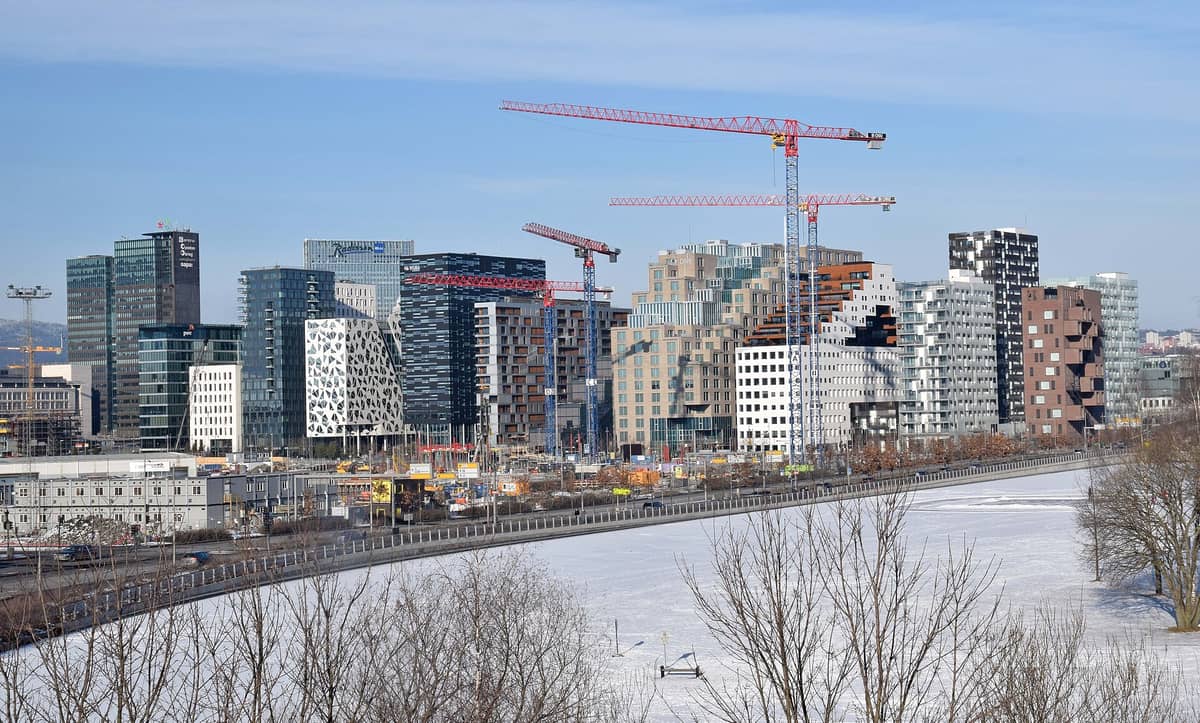
16. View the Barcode Skyline from the Sørenga Promenade
Oslo's most debated piece of contemporary architecture is best seen for free from the Sørenga waterfront. The row of high-rises reads as a graphic skyline from across the water. The promenade itself is a pleasant free walk connecting to the Opera House.
Explore16. View the Barcode Skyline from the Sørenga Promenade
Oslo's most debated piece of contemporary architecture is best seen for free from the Sørenga waterfront. The row of high-rises reads as a graphic skyline from across the water. The promenade itself is a pleasant free walk connecting to the Opera House.
Explore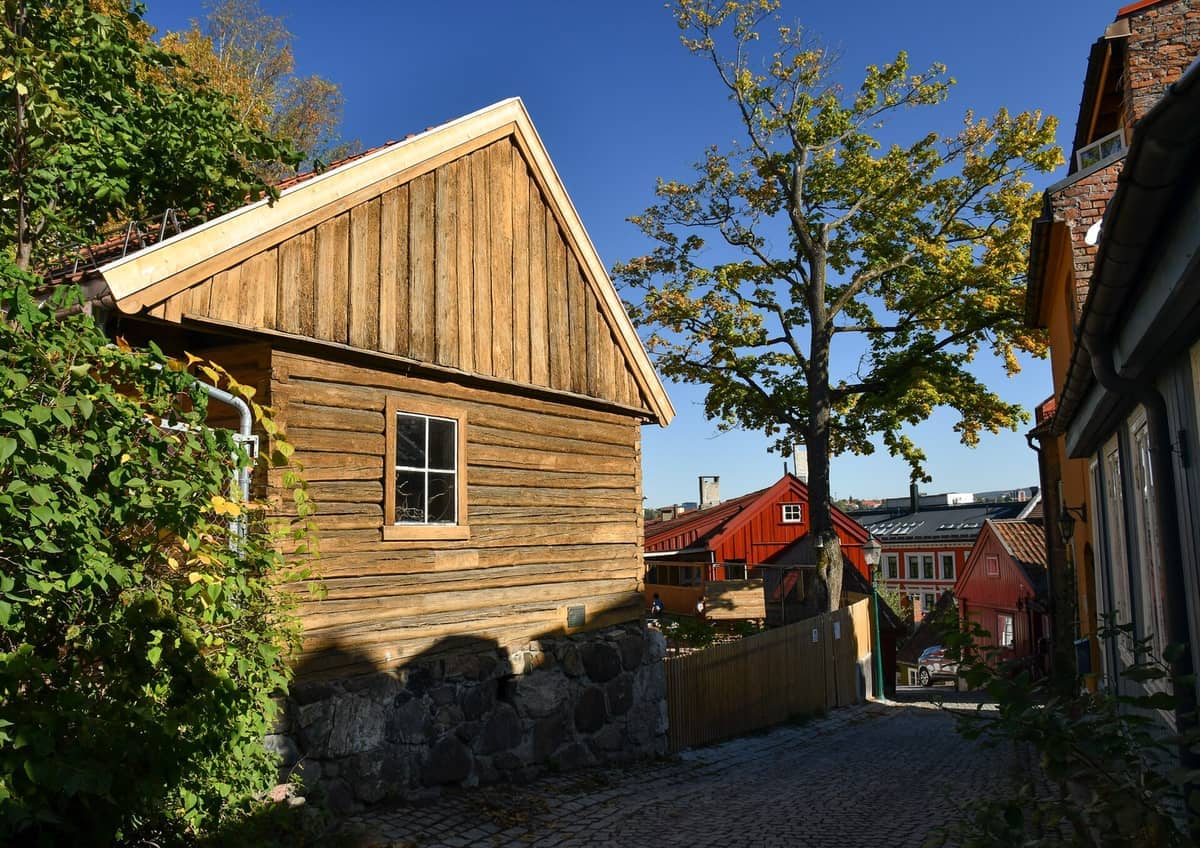
17. Discover Oslo's Best-Preserved Historic Streets
Damstredet and Telthusbakken are cobbled lanes lined with 18th-century wooden houses in central Oslo. No ticket, no crowds, just some of the city's most photogenic architecture. Best visited on a quiet weekday morning when the light is low and soft.
Explore17. Discover Oslo's Best-Preserved Historic Streets
Damstredet and Telthusbakken are cobbled lanes lined with 18th-century wooden houses in central Oslo. No ticket, no crowds, just some of the city's most photogenic architecture. Best visited on a quiet weekday morning when the light is low and soft.
Explore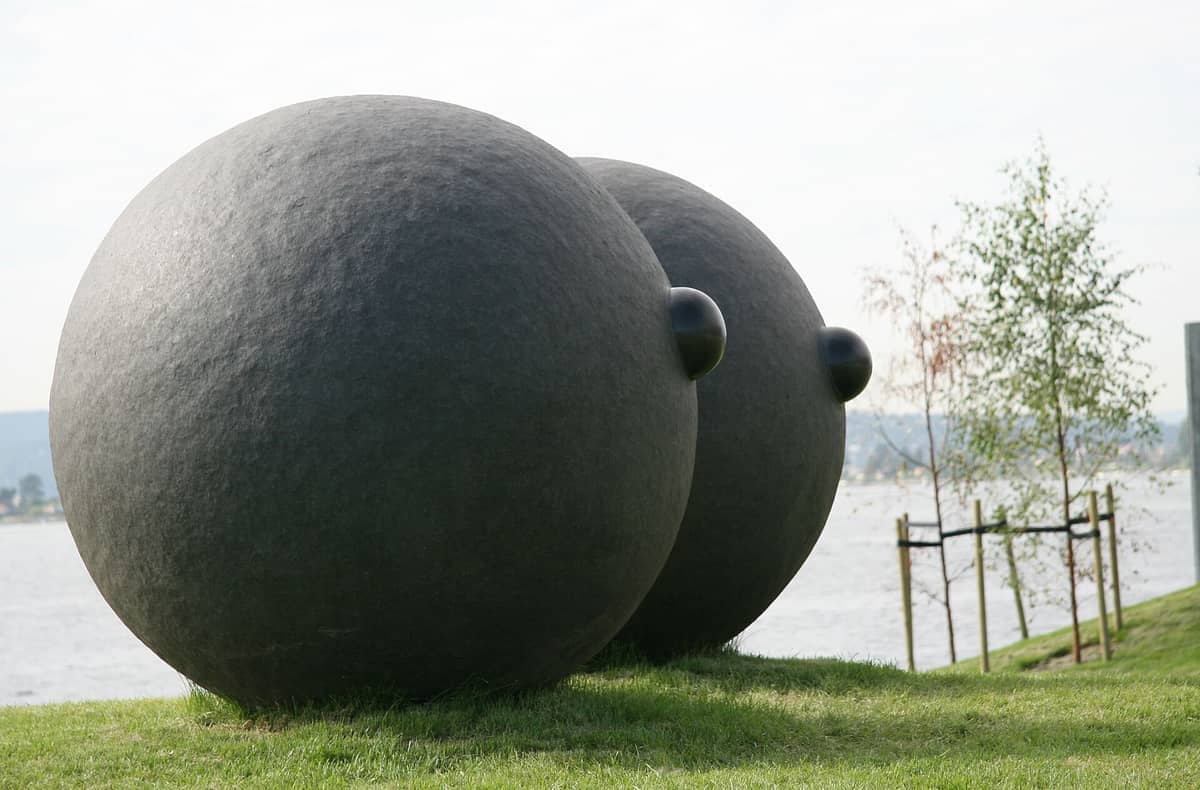
18. Walk Through the Free Tjuvholmen Sculpture Park
This outdoor sculpture park on the Tjuvholmen harbour island is free and runs along the waterfront next to the Astrup Fearnley Museum. International artworks, fjord views, and Renzo Piano's glass sail architecture make it a genuinely rewarding hour.
Explore18. Walk Through the Free Tjuvholmen Sculpture Park
This outdoor sculpture park on the Tjuvholmen harbour island is free and runs along the waterfront next to the Astrup Fearnley Museum. International artworks, fjord views, and Renzo Piano's glass sail architecture make it a genuinely rewarding hour.
ExploreFree Swimming, Beaches & Islands
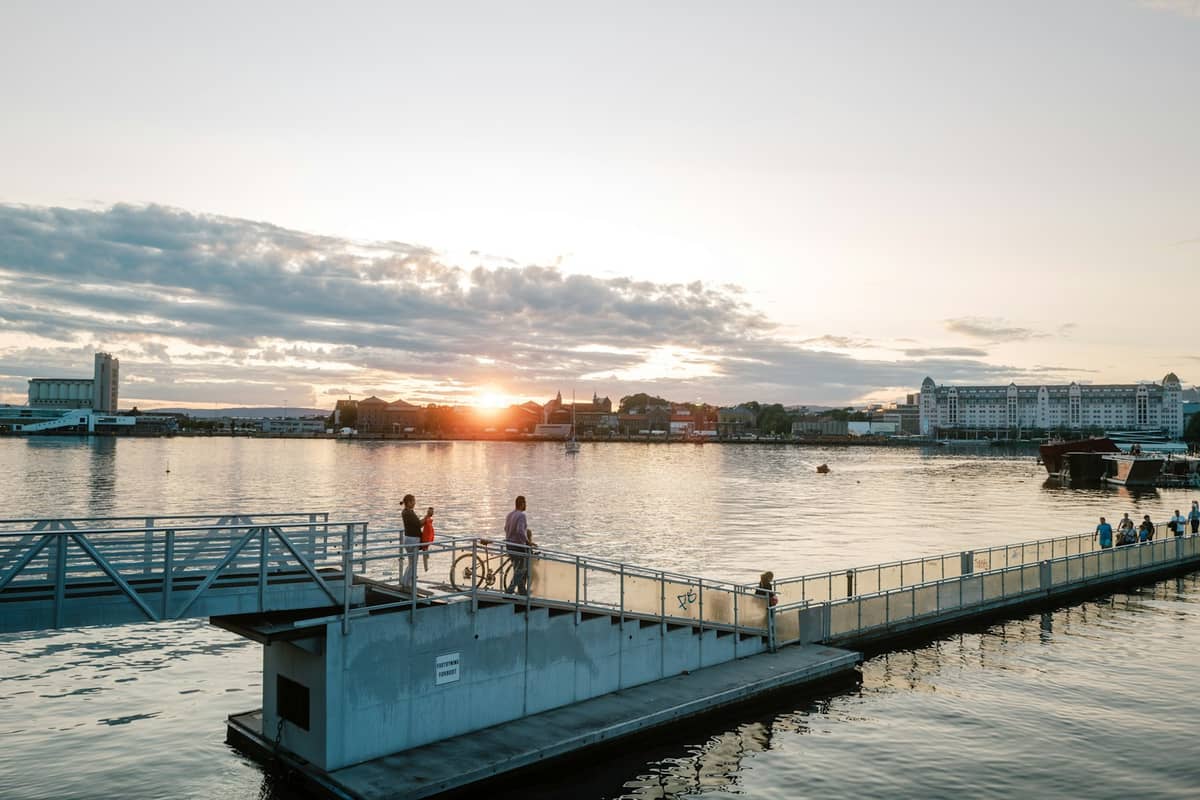
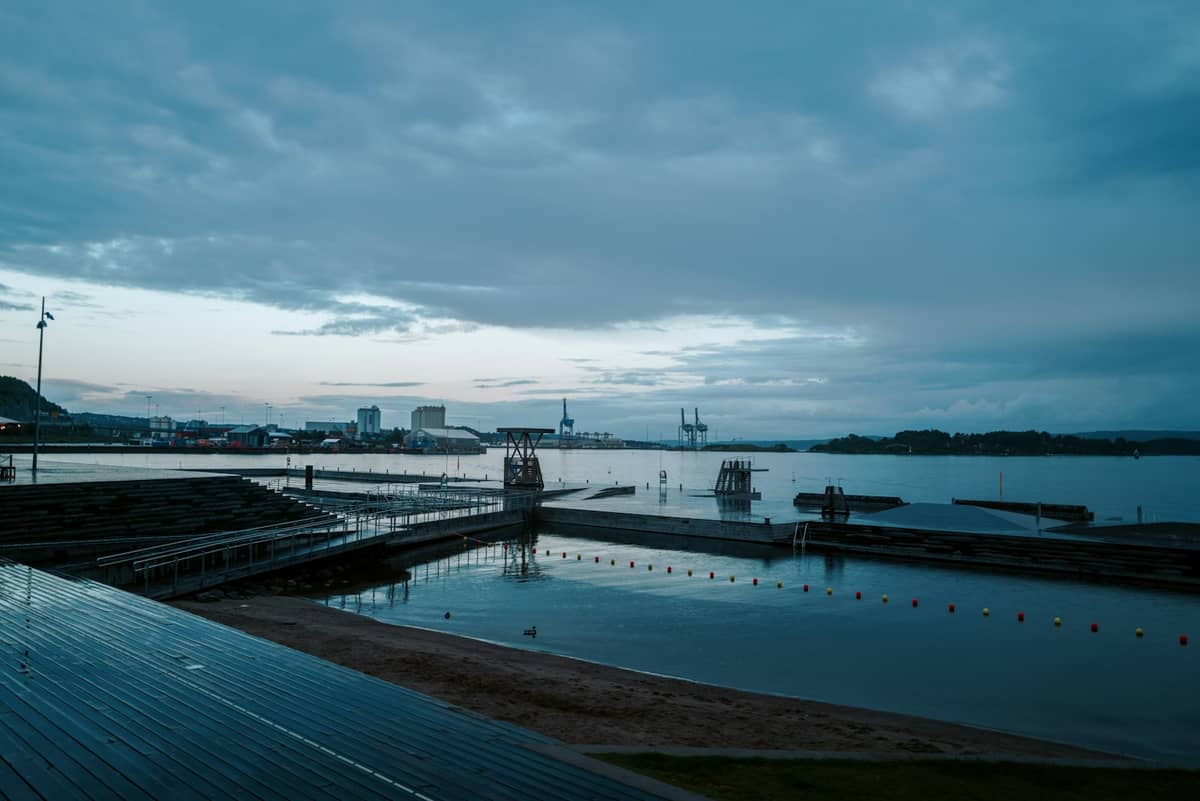
19. Swim at Sørenga Seawater Pool, Oslo's Best Free Lido
This free outdoor seawater complex in Bjørvika has multiple pools, diving platforms, and a sandy beach, all with Opera House views. It is open in summer only and gets packed on warm days. Arrive before 11am or after 6pm for more space.
Explore19. Swim at Sørenga Seawater Pool, Oslo's Best Free Lido
This free outdoor seawater complex in Bjørvika has multiple pools, diving platforms, and a sandy beach, all with Opera House views. It is open in summer only and gets packed on warm days. Arrive before 11am or after 6pm for more space.
Explore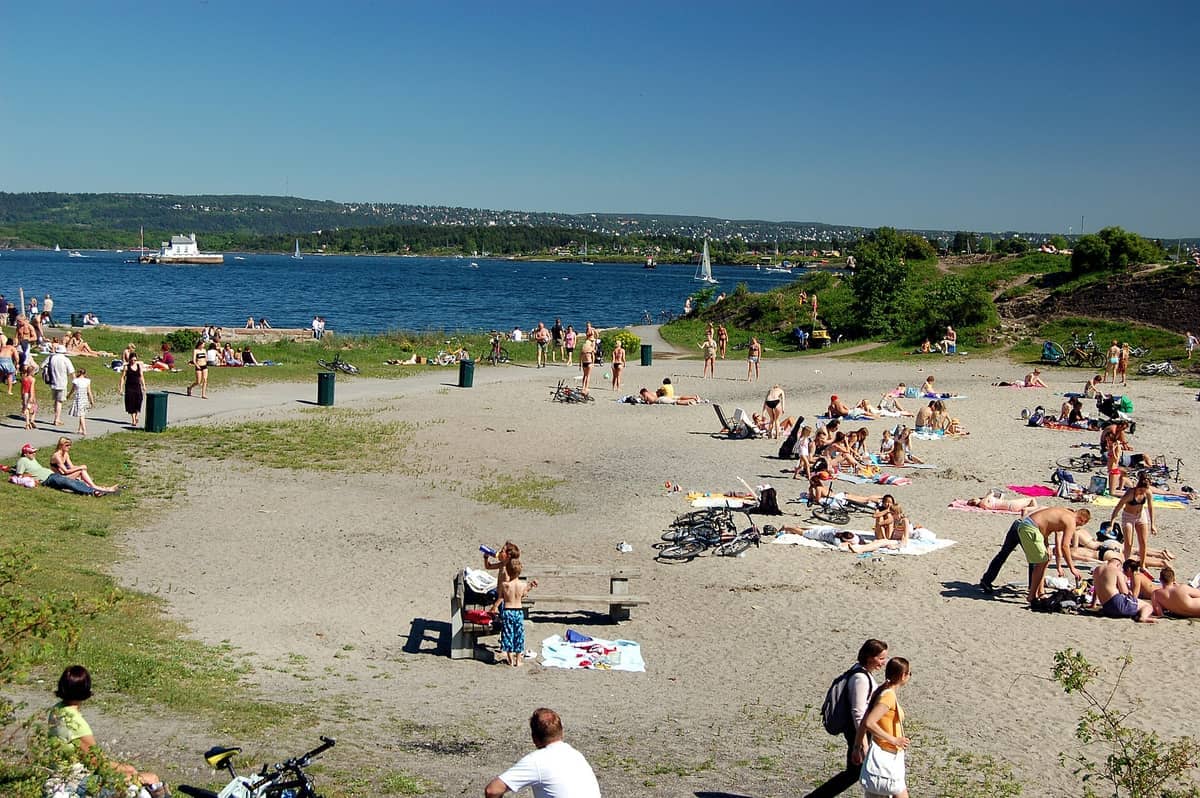
20. Take a Dip at Huk Beach on the Bygdøy Peninsula
Huk is Oslo's most popular city beach, with two sandy bays and a grassy hinterland backed by forest. The fjord water is clean and free to swim in. Bus 30 runs from the centre; go on a weekday to avoid summer weekend crowds.
Explore20. Take a Dip at Huk Beach on the Bygdøy Peninsula
Huk is Oslo's most popular city beach, with two sandy bays and a grassy hinterland backed by forest. The fjord water is clean and free to swim in. Bus 30 runs from the centre; go on a weekday to avoid summer weekend crowds.
Explore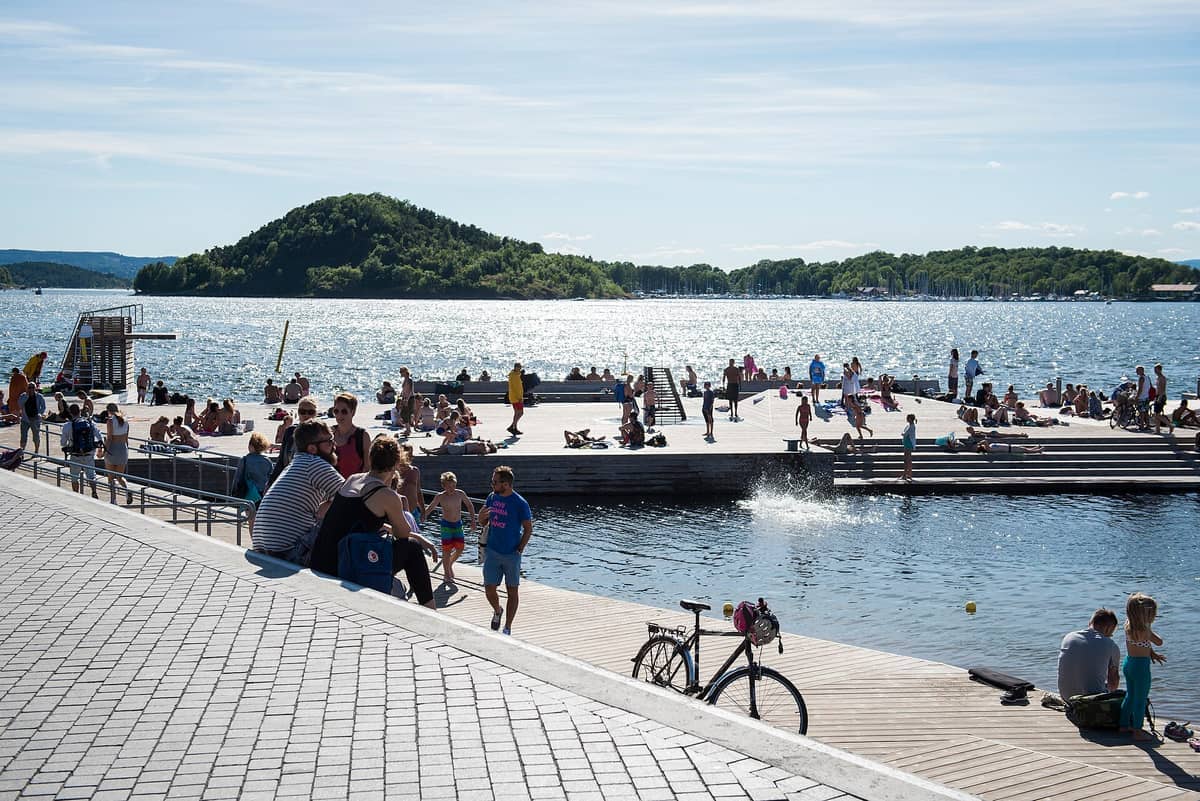
21. Take the Ferry to the Oslofjord Islands
Hovedøya, Gressholmen, and Lindøya are 10–20 minutes by public ferry from Aker Brygge. The ferry ticket costs the standard Ruter fare. Once there, monastery ruins, forest trails, and swimming coves are all free. Bring a picnic.
Explore21. Take the Ferry to the Oslofjord Islands
Hovedøya, Gressholmen, and Lindøya are 10–20 minutes by public ferry from Aker Brygge. The ferry ticket costs the standard Ruter fare. Once there, monastery ruins, forest trails, and swimming coves are all free. Bring a picnic.
ExploreFree Cultural Experiences & Neighbourhoods
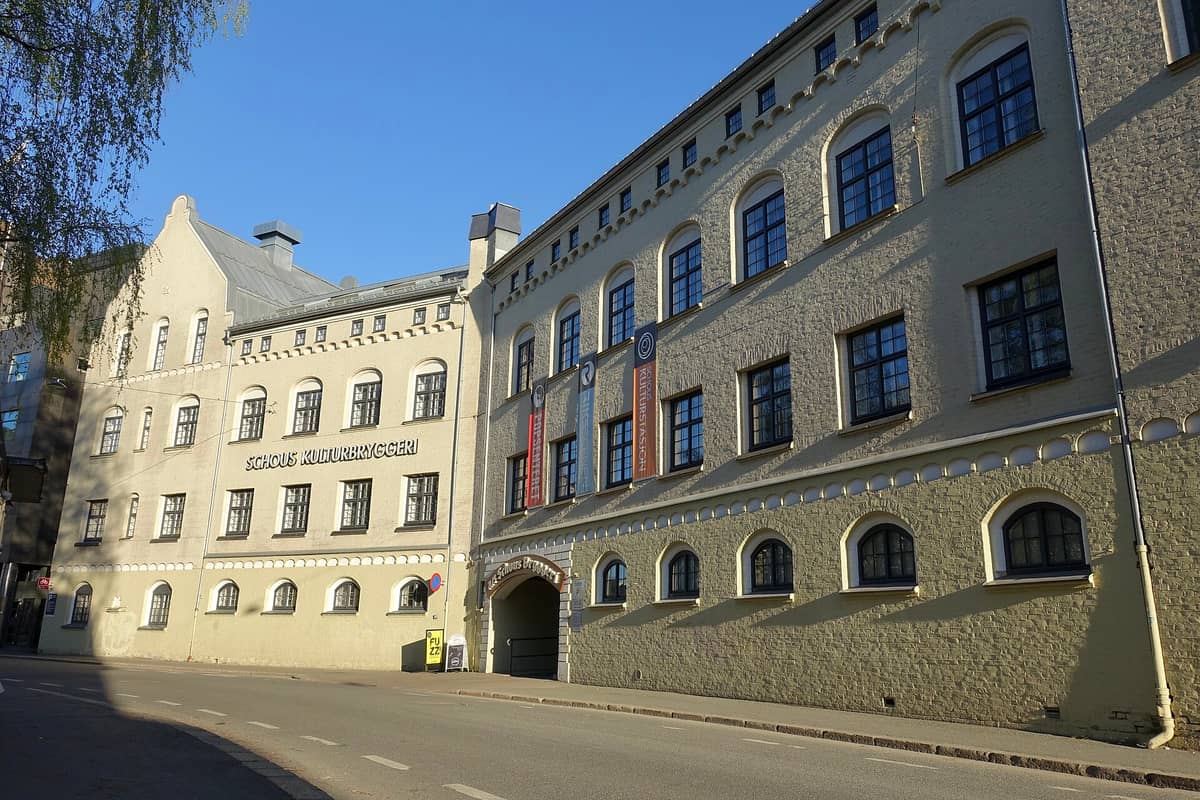
Some of Oslo's best free cultural experiences are simply about spending time in the right neighbourhoods. Grünerløkka is the city's most interesting district for street-level culture, markets, and independent shops, and it's also the launch point for the Akerselva river walk.
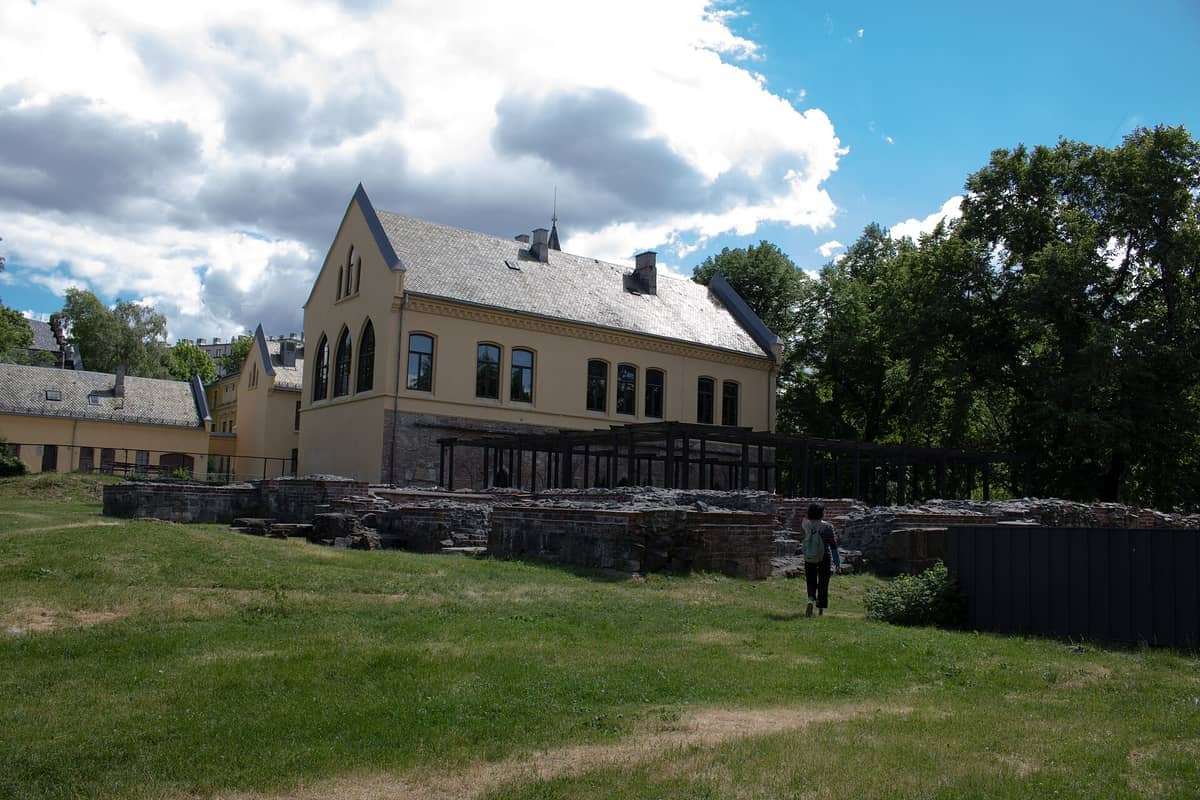
22. Explore Oslo's Overlooked Medieval Quarter
Gamlebyen in the city's east holds excavated ruins of Oslo's original medieval core, including St. Hallvard's Cathedral and the medieval park. Entry is free. It is the least-visited historically significant area in the city and rarely crowded, even in summer.
Explore22. Explore Oslo's Overlooked Medieval Quarter
Gamlebyen in the city's east holds excavated ruins of Oslo's original medieval core, including St. Hallvard's Cathedral and the medieval park. Entry is free. It is the least-visited historically significant area in the city and rarely crowded, even in summer.
Explore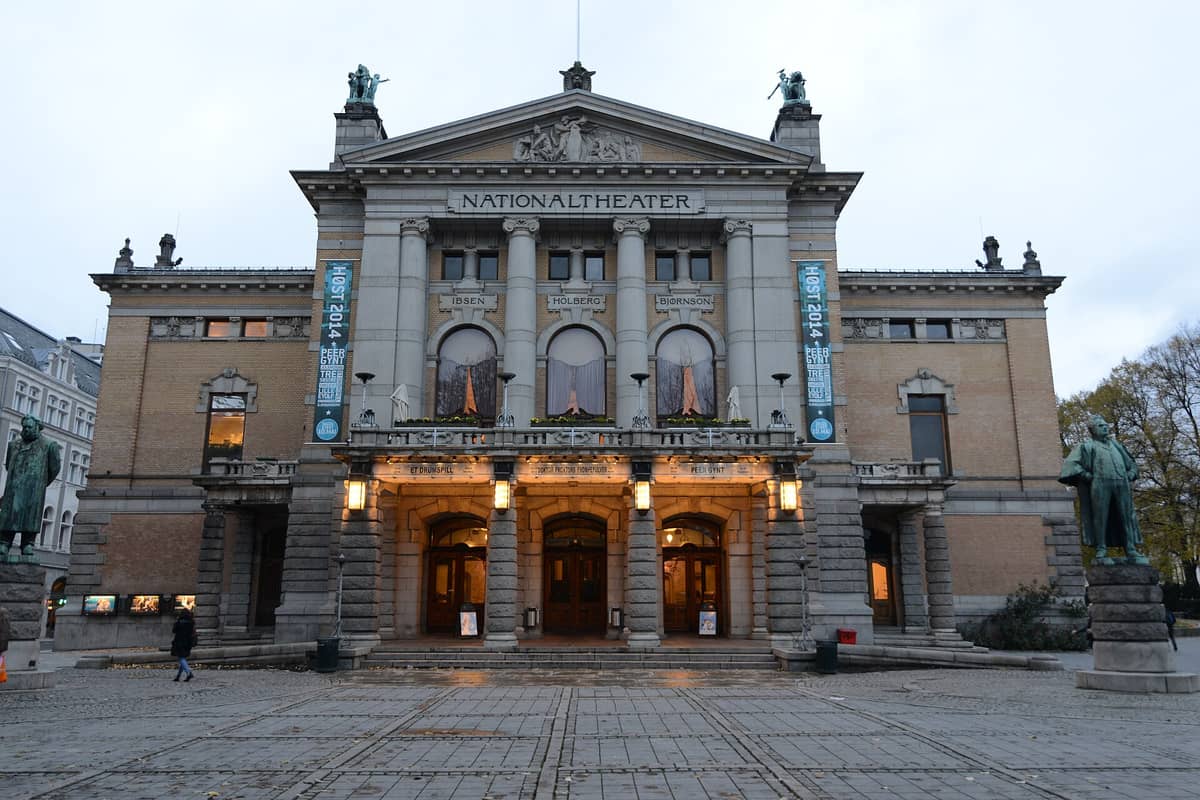
23. Admire the National Theatre Building and Karl Johans Gate
The neoclassical National Theatre with its Ibsen and Bjørnson statues is one of Oslo's grandest buildings and free to photograph from the street. The pedestrian axis of Karl Johans gate running from here to the palace is Oslo's main free civic promenade.
Explore23. Admire the National Theatre Building and Karl Johans Gate
The neoclassical National Theatre with its Ibsen and Bjørnson statues is one of Oslo's grandest buildings and free to photograph from the street. The pedestrian axis of Karl Johans gate running from here to the palace is Oslo's main free civic promenade.
Explore✨ Pro tip
The Oslo Pass covers paid museum entry and public transport but costs money itself. If you plan to visit 3+ paid museums in a day, it often pays off. For outdoor-focused days, skip it entirely.
FAQ
Is it really possible to spend a full day in Oslo for free?
Yes. A day walking from Vigeland Sculpture Park through Frogner Park, then along Karl Johans gate past the National Theatre and Royal Palace to the Opera House roof, then along the Bjørvika waterfront to Sørenga for a swim, costs only the price of a metro or tram ticket, if that.
Is Vigeland Sculpture Park actually free?
Yes, completely. The outdoor park within Frogner Park is free and open 24 hours a day, every day of the year. No ticket, no booking, no pass needed. Only the indoor Vigeland Museum next door charges admission.
Can I walk on the Oslo Opera House roof for free?
Yes. The roof and surrounding public waterfront spaces are free to access at any time without a ticket or booking. Only opera and ballet performances and some interior events require a paid ticket.
Are the Oslofjord island ferries free?
Not quite. The public ferries to Hovedøya, Gressholmen, and Lindøya run on the standard Ruter public transport fare, the same as a tram or metro ticket. If you have a valid Ruter ticket or an Oslo Pass, the ferry is covered. Once on the islands, everything is free.
What is the best free thing to do in Oslo in winter?
Hiking or skiing in Nordmarka forest is exceptional and costs only the metro fare to Sognsvann or Frognerseteren. The Ekeberg sculpture park and the Akerselva river walk are also free and open year-round, and the city illuminations around the Royal Palace area are worth a winter evening stroll.
Tickets & tours
Live prices and dates from our booking partner. If you book, we may earn a commission at no extra cost to you.
Planning a trip? Discover personalized activities with the Nomado app.