Nordmarka Forest: Oslo's Backyard Wilderness
Nordmarka Forest is a vast, freely accessible woodland stretching north from Oslo's city limits — offering hiking, cross-country skiing, and lakeside walks within 25 minutes of the city center. No entrance fee, no ticket booth, just forest. Here is how to make the most of it.
Quick Facts
- Location
- Nordmarka, Oslo, Norway (northern edge of the city, Holmenkollen area)
- Getting There
- Sognsvann (Metro T5, last stop) — approx. 20-25 min from Nationaltheatret
- Time Needed
- 2 hours (Sognsvann loop) to a full day (deep forest routes)
- Cost
- Free to enter; public transport ticket approx. 46 NOK (zone 1, verify current price)
- Best for
- Hikers, cross-country skiers, families, trail runners, anyone needing to escape the city
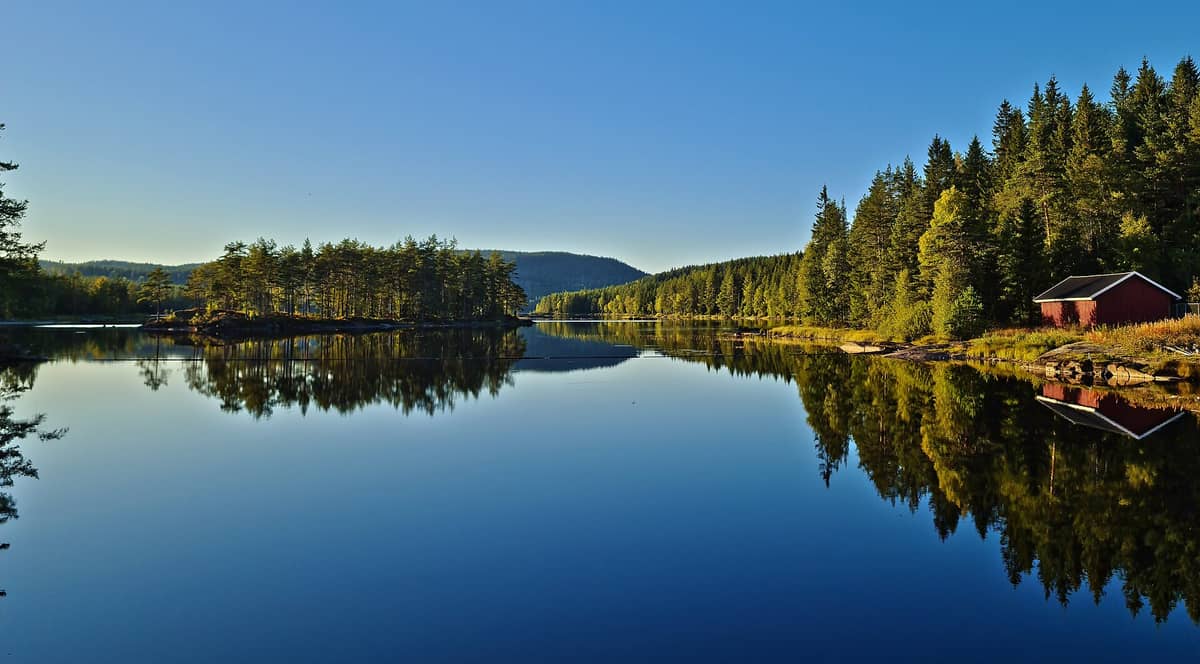
What Nordmarka Actually Is
Nordmarka is not a park with gates and a map stand at the entrance. It is a forested wilderness region that presses directly against Oslo's northern edge, forming the largest section of what locals call Oslomarka — the collective name for the forests surrounding Norway's capital. Definitions of its exact size vary, but tourism sources cite somewhere between 400 km² and considerably more, depending on how broadly you draw the boundary. What matters for visitors is simpler: step off Metro Line 5 at Sognsvann and you are standing at the forest's edge, with trails fanning out in every direction and no entrance fee to pay.
The terrain is classic Norwegian boreal forest: spruce and pine on the ridges, birch in the valleys, lichen-covered rocks underfoot, and hundreds of small lakes scattered across the landscape. Elevation within the area reaches just over 600 metres at its highest points, though most visitor routes stay on more moderate ground. The forest is open 24 hours a day, every day of the year — a right protected under Norway's longstanding principle of allemannsretten, the right of public access to uncultivated nature.
ℹ️ Good to know
Allemannsretten (the 'right to roam') is enshrined in Norwegian law and means you can walk, ski, and camp in Nordmarka without permission, as long as you stay outside cultivated land and respect the environment. Dogs must be kept on a leash from 1 April through 20 August.
Getting There: The Metro Does the Work
The most straightforward access point from central Oslo is Sognsvann lake, reached by Metro Line 5 (T-bane linje 5). The line runs from central stations including Nationaltheatret and Stortinget, heading northwest through residential Oslo before climbing into the Holmenkollen hillside and terminating at Sognsvann. The journey takes roughly 20 to 25 minutes and costs a standard zone 1 single ticket — approximately 46 NOK as of mid-2026, though fares are set by Ruter and change periodically, so verify the current price before travel.
The metro runs frequently throughout the day and into the evening. Trains fill up on weekend mornings in summer, particularly from around 9am, as Oslo residents treat the Sognsvann run as a weekly ritual. If you want the lakeside trail to yourself, aim for a weekday morning or arrive before 8am on weekends. For context on navigating Oslo's public transport system more broadly, the getting around Oslo guide covers Ruter ticketing, zones, and the T-bane network in detail.
Additional entry points exist deeper into the forest — accessed by bus routes and from the Holmenkollen area — but Sognsvann remains the easiest and most popular starting point for first-time visitors. If you are arriving by car, limited parking exists near the trailheads, but public transport is genuinely more convenient and avoids the weekend scramble for spaces.
Tickets & tours
Live prices and dates from our booking partner. If you book, we may earn a commission at no extra cost to you.
Oslo Fjord sightseeing audio-guided electrical boat tour
From 35 €Instant confirmationFree cancellationFjord cruise with live jazz music
From 64 €Instant confirmationFree cancellationLuggage Storage in Oslo
From 6 €Instant confirmationFree cancellationPicturesque dinner cruise in Oslo
From 137 €Instant confirmationFree cancellation
What You Experience on the Ground
The Sognsvann lake loop is the natural starting point for most visitors. It is a roughly 3.2–3.3-kilometre gravel path circling the lake, graded easy, and considered accessible for wheelchairs and prams in dry conditions. The path is wide and well-maintained, with the lake visible for much of the circuit. In summer, the water is a deep grey-blue, the surrounding trees are thick enough to provide shade, and the smell is the particular combination of pine resin and lake water that northern European forests do well. Families with young children, elderly walkers, and people pushing strollers all use this trail comfortably.
Beyond the lake loop, the trail network expands dramatically. The colour-coded route system — including the well-used 'blue trail' heading south through Nordmarka — connects dozens of kilometres of paths suitable for everything from short afternoon walks to full-day hikes. The further you go from Sognsvann, the fewer people you encounter. Within 20 minutes of leaving the lake, it is entirely possible to be walking through dense forest with no sign of the city of around 700,000 people you just left.
For hikers looking to go deeper into the forest, several staffed and self-service DNT (Norwegian Trekking Association) cabins are scattered across Nordmarka, offering rest stops and, in some cases, overnight accommodation. This connects Nordmarka to a wider network of routes described in the Oslo hiking guide, which covers difficulty levels, trail conditions by season, and what gear to carry.
Nordmarka in Winter: A Different Place Entirely
If you visit Oslo between December and March and the snow is lying, Nordmarka transforms into one of Scandinavia's most extensive cross-country skiing networks. The groomed (prepared) trail system — known as langrennsløyper — runs for hundreds of kilometres across Oslomarka, with Nordmarka at its core. These trails are maintained by Oslo municipality and can open from the first reliable snowfall, which in good years may arrive as early as late November.
The scene on a bright Saturday morning in February is worth understanding before you arrive: the Sognsvann metro platform empties a constant stream of Oslo residents in full ski kit, poles clicking on the stone, the air sharp enough to make your eyes water. The trail surface is compressed and fast, the birch trees are white with frost, and the forest is almost silent except for the rhythmic swish of skis. It is genuinely one of the better free experiences available anywhere near a major European capital.
Ski rental is available near some trailheads if you do not travel with your own equipment — verify current rental options locally before arrival. The Oslo in winter guide provides broader context on what the city offers during the cold months, including how skiing in Nordmarka fits into the wider outdoor culture.
⚠️ What to skip
Groomed ski trails are not suitable for walking with boots — this damages the prepared surface and is strongly discouraged by trail etiquette. In winter, if you are on foot, stick to designated walking paths. Check Oslo municipality's website or the Skiforeningens app for current trail conditions before heading out.
How the Experience Changes Through the Day
Early morning arrivals — before 8am in summer — find the forest at its most atmospheric. The light filters low through the trees, mist sits above the lake surface, and the only sounds are birdsong and the occasional dog rustling through undergrowth. This is when photographers get their best shots of Sognsvann: still water, minimal footfall, and soft directional light. Bring a jacket even in July; temperatures in the forest are noticeably cooler than in the city, and early mornings can be brisk.
Midday in summer brings the bulk of visitors to the lake loop. The atmosphere remains pleasant but crowded near the water's edge, with groups spread across the grassy banks, children at the shoreline, and the smell of coffee from people's thermoses mixing with pine. If the weather is warm, some locals swim at designated spots; the water is clean but cold by most standards.
Late afternoon on weekdays tends to be the balance point between manageable crowds and good light. The forest quietens considerably past 4pm as day-trippers return to the city, and you can extend a walk into the golden-hour woodland with a genuine sense of solitude. In autumn — September and October especially — the birch trees turn yellow and orange against the dark green spruce, and the low afternoon light through the canopy is exceptional.
Practical Walkthrough: What to Know Before You Go
Wear footwear with grip. The main lake loop is manageable in trainers, but any trail beyond it involves tree roots, rocky sections, and in wet weather, mud. Waterproof hiking shoes are the sensible choice for anything more than the perimeter path. Layers matter more than a single heavy jacket — temperatures in the forest shift with elevation and cloud cover.
There are toilet facilities near the Sognsvann metro terminal. Beyond that, once you enter the forest proper, facilities are absent. Carry water; there are no cafes or kiosks on the trails. A paper map or downloaded offline version of the route is worth having — mobile signal becomes unreliable once you are a kilometre or two into the forest.
Photography works best in the hour after sunrise and the hour before sunset. The lake surface is a reliable subject in still conditions, and the forest offers strong geometric shots among the pine trunks in flat afternoon light. For a broader view of Oslo's outdoor photography opportunities, the Oslo viewpoints guide is useful context, particularly for combining a Nordmarka visit with higher ground.
💡 Local tip
The Sognsvann lake loop is generally wheelchair accessible and suitable for prams in dry conditions. Deeper forest trails are not — if accessibility is a priority, plan to stay on the perimeter path and allow roughly 1 to 1.5 hours at a relaxed pace.
If you are planning a longer visit to Oslo and want to combine Nordmarka with the city's other outdoor and cultural highlights, a 3-day Oslo itinerary can help structure how to distribute your time across the city and its surroundings.
Insider Tips
- The Sognsvann to Frognerseteren route (roughly 5 km one-way) is one of the most rewarding half-day walks accessible by public transport — you finish near Holmenkollen and can descend by metro from there, making it a natural one-way trail rather than an out-and-back.
- In winter, check the Skiforeningen website or app for live reports on groomed trail conditions before you leave the city. Conditions vary significantly after fresh snowfall and can change within hours.
- The lake at Sognsvann is technically open for swimming in summer, but the water temperature seldom exceeds the high teens °C even in August. Locals swim here regularly — but if cold water is not your preference, manage expectations accordingly.
- For autumn colour, the last two weeks of September are typically the peak. The birch trees turn first, and the combination of yellow birch against dark spruce is most vivid in the first hour of morning light.
- If you want to avoid the Sunday morning crowd on the lake loop entirely, Friday afternoons are reliably quiet — Oslo residents are often still at work, and the school-run families do not arrive until the weekend.
Who Is Nordmarka Forest For?
- City visitors who want a genuine outdoor escape without renting a car or leaving Oslo
- Cross-country skiers of all levels, from first-timers on the lake loop to experienced skiers heading deep into the forest network
- Families with young children who need an accessible, free, low-effort green space within easy metro reach
- Trail runners looking for consistent, well-marked routes at varying distances and elevations
- Photographers chasing Nordic forest light, especially in autumn or on frost-covered winter mornings
Nearby Attractions
Other things to see while in Holmenkollen & Nordmarka:
- Frognerseteren
Perched at the top of the Holmenkollen ridge, Frognerseteren is a landmark timber restaurant dating to 1891, combining traditional Norwegian dragon-style architecture with panoramic views over Oslo and the Oslofjord. It works equally well as a lunch destination, a post-hike reward, or a winter afternoon stop for hot apple cake.
- Holmenkollen Ski Jump
Holmenkollen Ski Jump rises 375 metres above Oslo on a forested hillside, combining one of the world's oldest ski jumping venues with a museum tracing 4,000 years of skiing history. The tower offers some of the most dramatic views in Norway's capital, looking out over the city, the Oslofjord, and the Nordmarka forest.
- Korketrekkeren Toboggan Run
Korketrekkeren is an approximately 2.5 km public toboggan run in the Holmenkollen hills, dropping 255 metres from Frognerseteren to Midtstuen. Free to use and accessible by metro, it's one of Oslo's most genuinely fun winter experiences, for locals and visitors alike.
- Ski Museum (Skimuseet)
Tucked beneath the iconic Holmenkollen ski jump, the Ski Museum in Holmenkollen (Skimuseet i Holmenkollen) chronicles over 4,000 years of skiing history through equipment, art, and immersive exhibits. Combine it with the jump tower's panoramic platform for one of Oslo's most complete half-day experiences.
Planning a trip? Discover personalized activities with the Nomado app.