Best Things to Do in Oslo: The Definitive Guide
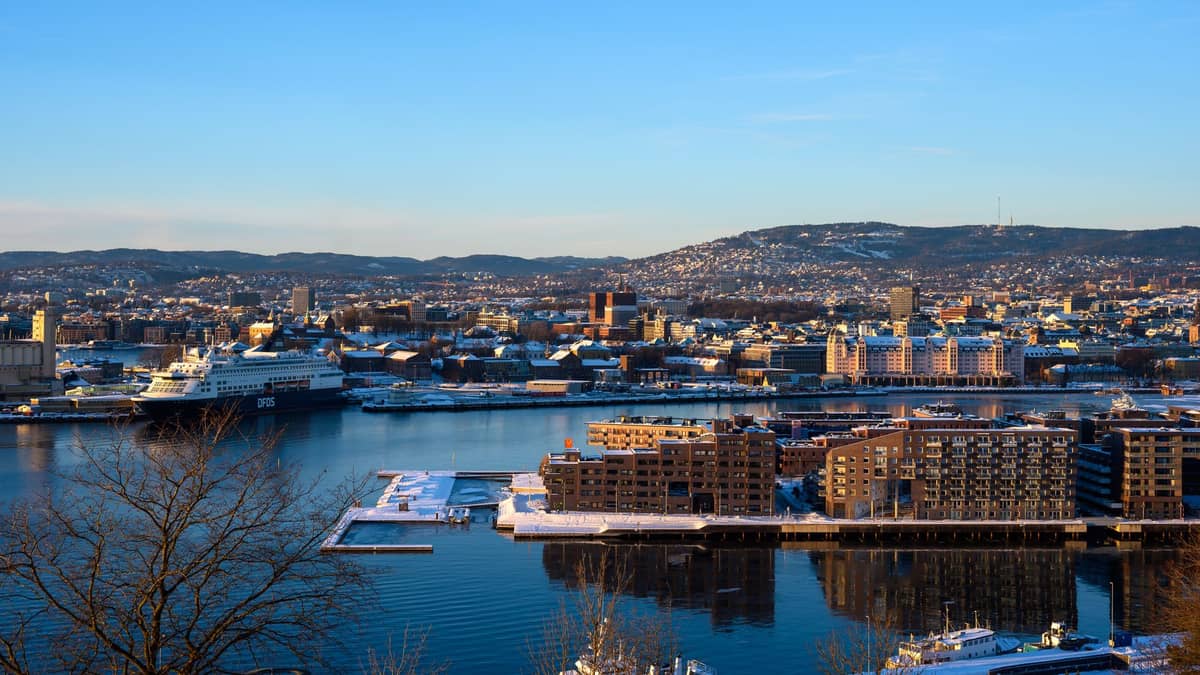
Oslo packs an extraordinary range of experiences into a compact, walkable city: world-class museums, a working fjord right at the city's edge, serious hiking terrain, and a food scene that has grown well beyond smørbrød. This guide covers the top things to do in Oslo, organized by category, with practical advice on what lives up to the hype and what you can skip.
Tickets & tours
Live prices and dates from our booking partner. If you book, we may earn a commission at no extra cost to you.
TL;DR
- Oslo's biggest draws are its world-class museums (Munch, National Museum, the Bygdøy cluster), the Oslofjord, and easy access to nature.
- Summer (June–August) offers long daylight hours and outdoor activities; winter has ski slopes within city limits and a magical atmosphere if you dress for it.
- A single Ruter transit ticket (46 NOK as of 2026) covers metro, tram, bus, and city ferries for 60 minutes — ideal for moving between neighborhoods. The Oslo Pass bundles transit and museum entry and pays off if you plan to visit 3+ paid attractions.
- Oslo is expensive — budget around 200–350 NOK for a main museum entry, 180–250 NOK for a casual lunch, and 130–200 NOK for a single beer at a bar.
- The city is compact enough to cover the core highlights in three days — see the full 3-day Oslo itinerary for a structured plan.
Oslo at a Glance: What Kind of City Is This?
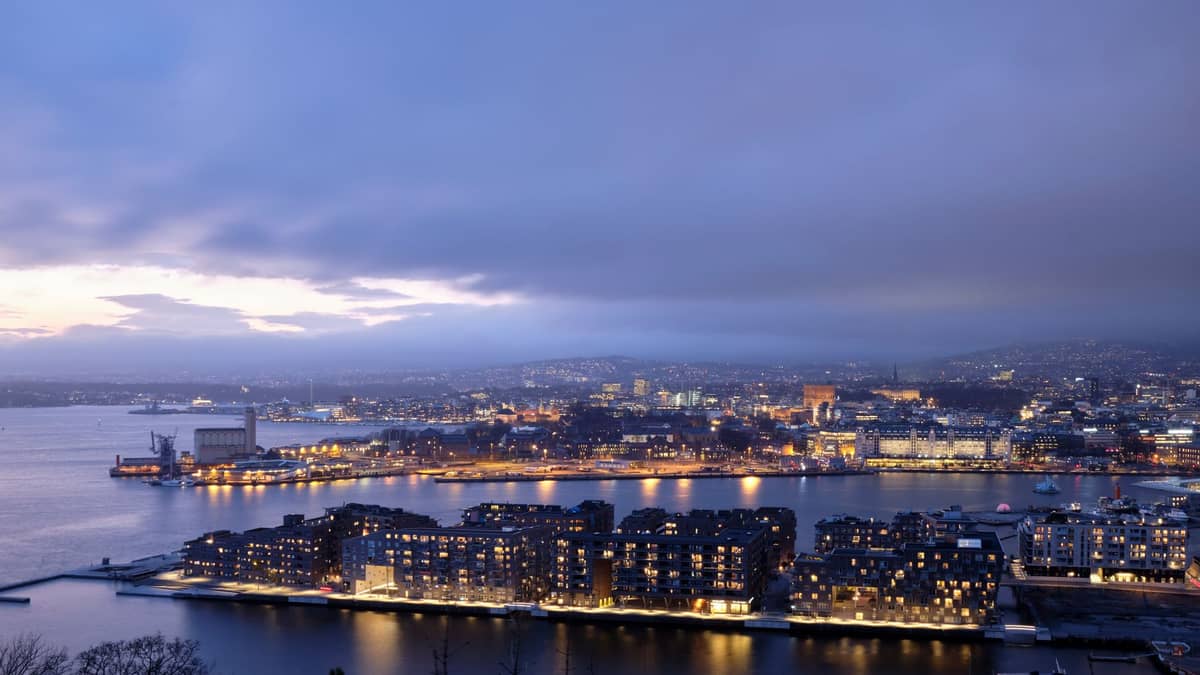
Oslo is Norway's capital and largest city, sitting at the northern tip of the Oslofjord at roughly 59.9°N. With around 700,000 residents in the municipality and over a million in the greater urban area, it feels genuinely metropolitan without the overwhelming scale of London or Paris. The city covers 480 km², but most visitor-relevant attractions are concentrated in a fairly walkable core that stretches from Bjørvika in the east to Frogner in the west, and from the waterfront north toward Grünerløkka.
The city operates on Norwegian krone (NOK) and runs on Central European Time. English is spoken nearly everywhere tourist-facing, so language is rarely a barrier. Tap water is excellent and free — local reservoirs feed municipal supplies that meet strict standards, so skip the bottled water. Tipping is not mandatory, but rounding up or adding 5–10% is appreciated at sit-down restaurants. Electricity is 230V with Type C/F plugs (standard continental European).
ℹ️ Good to know
Oslo is part of the Schengen Area. Citizens of the EU, EEA, US, Canada, Australia, and many other countries can enter visa-free for up to 90 days in any 180-day period. Always verify current entry rules on official Norwegian immigration portals before travel, as policies can change.
The Unmissable Museums (And the Ones You Can Skip)
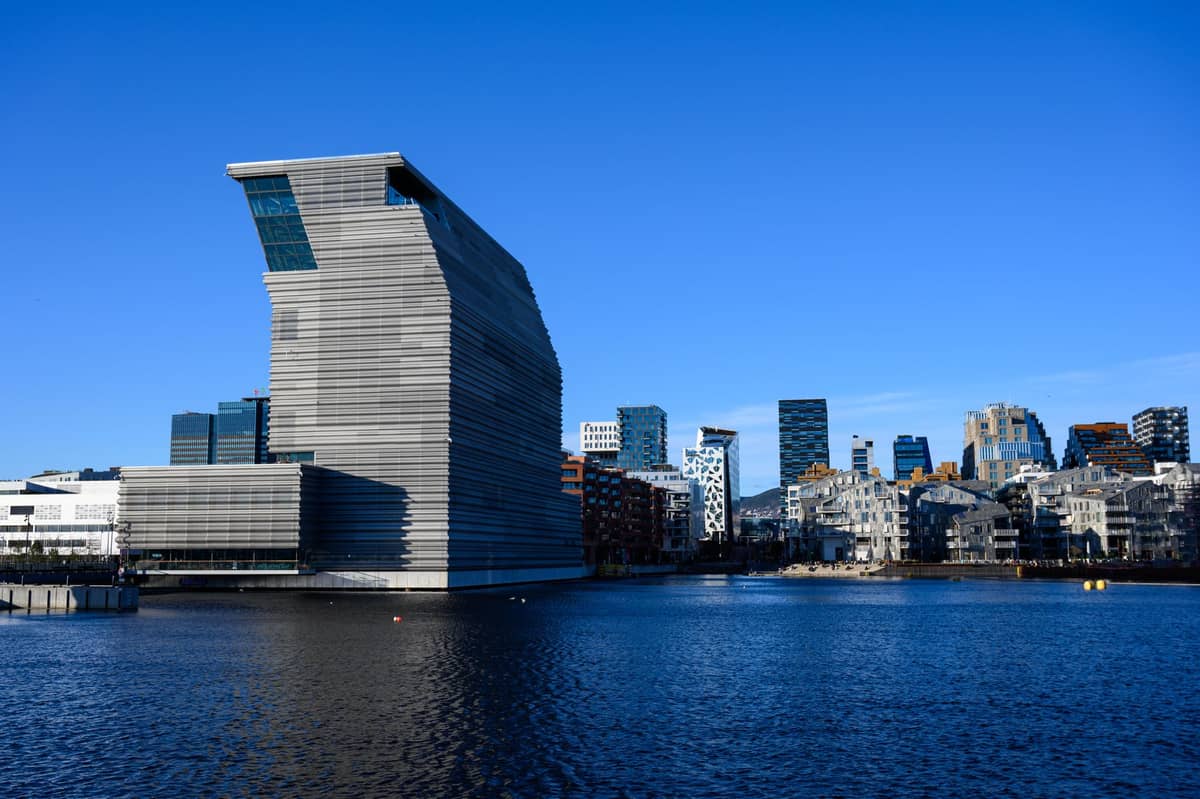
Oslo has more museums per capita than you might expect from a city this size, and the quality is genuinely high. The Munch Museum in Bjørvika is the most talked-about recent addition — a 13-floor tower designed by Estudio Herreros that houses the world's largest collection of Edvard Munch's work, including multiple versions of The Scream. It divides opinion architecturally, but the collection itself is extraordinary. Entry typically runs around 220–280 NOK; check the official site for current pricing.
Across town at Tullinløkka, the National Museum reopened in 2022 as the largest art museum in the Nordic countries. If you're choosing between the two, the National Museum offers more breadth — Norwegian and international fine art, applied art, and architecture under one roof. The permanent collection includes the most famous version of The Scream, which means you can technically skip the Munch Museum if you're short on time (though the Munch Museum goes far deeper into his life and process).
The Bygdøy peninsula clusters several museums within a short walk of each other: the Fram Museum (polar exploration, with the actual Fram ship you can board), the Kon-Tiki Museum, the Norwegian Maritime Museum, and the Norsk Folkemuseum — an open-air museum of historic Norwegian buildings. Allocate a full day for Bygdøy if you plan to cover more than two of these. In summer, a ferry (line 91) runs from Aker Brygge directly to Bygdøy, which is both faster and more scenic than the bus when operating.
- Munch Museum (Bjørvika) Deepest dive into Munch's work, striking modern building, great fjord views from upper floors. Worth it for art lovers; potentially overwhelming for casual visitors.
- National Museum (Tullinløkka) Broadest art collection in Norway, including The Scream. Better for first-time visitors who want range over depth.
- Fram Museum (Bygdøy) One of Oslo's most genuinely thrilling experiences — you walk onto the actual ship that went farther north and south than any other vessel in history.
- Norsk Folkemuseum (Bygdøy) 155+ historic buildings on 14 hectares, including a 12th-century stave church. Best in summer when it's fully staffed and costumed interpreters are present.
- Nobel Peace Center (City Hall waterfront) Interesting concept but light on content relative to the entry price. Honest assessment: most visitors feel it could be covered in 45 minutes.
The Oslofjord: Islands, Beaches, and Saunas
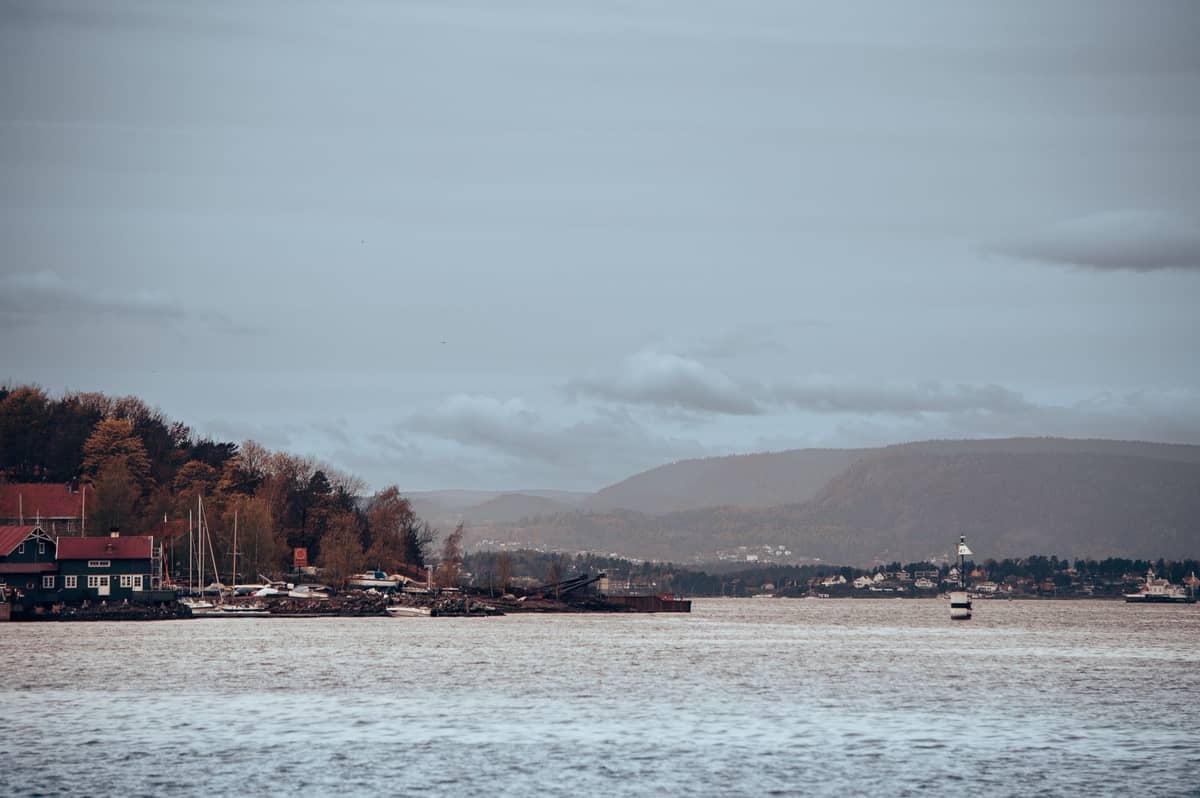
The fact that Oslo has a working fjord as its front yard is underappreciated by visitors who focus only on the city center. The Oslofjord is accessible year-round via the regular Ruter ferry network — the same ticket you use for the metro works on the fjord ferries. From Aker Brygge, ferries serve several islands that are popular swimming, picnicking, and sunbathing destinations in summer.
Hovedøya and Langøyene are the most popular for swimming and picnics, while Gressholmen is quieter. Island hopping the Oslofjord is one of the genuinely great free (or near-free) things to do in Oslo Norway — you pay standard Ruter ferry fare and that's it. In summer, Huk beach on the Bygdøy shore is another reliable option, with both clothed and naturist sections.
For something more unusual, Oslo has a growing scene around outdoor floating saunas. The floating saunas in the inner Oslo harbor have become a genuine local ritual — you book a session, get overheated, then leap into the fjord. Year-round operations mean you can do this in January with snow on the ground, which is exactly as bracing as it sounds. Sørenga Sjøbad is a public sea-bathing area near the Munch Museum with free access to ocean pools and a lively summer atmosphere.
💡 Local tip
Ruter's Zone 1 ticket (46 NOK as of 2026) covers all city ferries to the fjord islands. Buy via the Ruter app before boarding — purchasing on board incurs a 20 NOK surcharge. The 24-hour ticket (132 NOK adult) makes more sense if you're hopping between islands and neighborhoods in a single day.
Outdoor Oslo: Hiking, Skiing, and City Parks
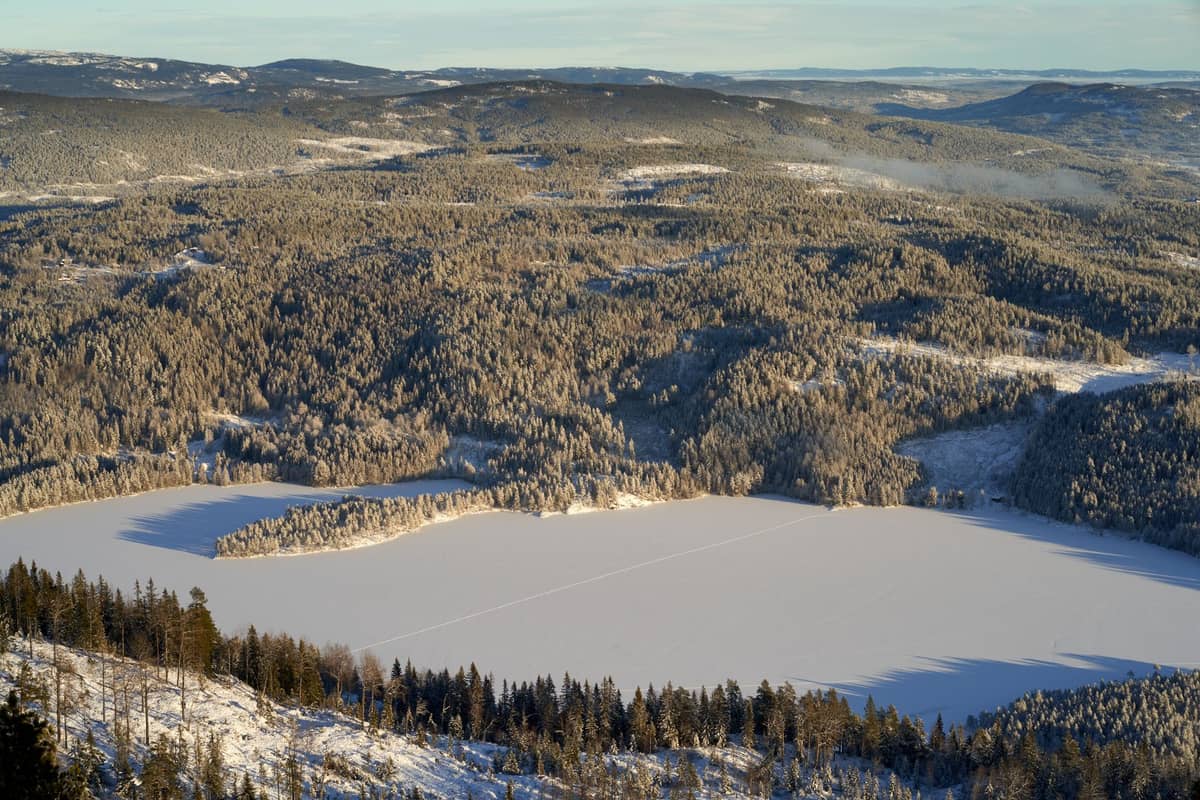
Oslo's geography is unusual for a capital city: you're roughly 20 minutes by metro from the city center to the edge of Nordmarka, a 1,700 km² forest that stretches north with over 2,600 km of marked trails and 2,100 km of groomed cross-country ski tracks in winter. Nordmarka is where locals actually go when they say they're spending the weekend outdoors — and it's far more rewarding than many visitors expect. Take the Holmenkollen metro line (line 1) to Frognerseteren and start walking from there.
In winter, Korketrekkeren is a toboggan run that starts near Frognerseteren and drops 2 km back down to Midtstuen — you rent a sled, take the tram or metro back up, and repeat. It's unabashedly fun and one of the most characteristically Oslo winter experiences. For cross-country skiing within city limits, trails start directly from the metro stop at Sognsvann Lake, a 3.4 km loop around the lake that's lit at night.
The Holmenkollen Ski Jump is worth visiting even in summer for the views over Oslo and the fjord. The attached Ski Museum is the world's oldest ski museum, tracing 4,000 years of skiing history. Back in the city, Vigeland Sculpture Park in Frogner is the world's largest sculpture park created by a single artist — 212 sculptures by Gustav Vigeland across 80 acres of parkland, all free to enter. It reads very differently in snow than in summer.
✨ Pro tip
For the best Oslo viewpoints without a long hike, take metro line 1 to Voksenkollen or Frognerseteren. The views over the city, fjord, and surrounding forest are excellent, especially on a clear winter day when the fjord is icy. The Frognerseteren restaurant serves traditional Norwegian food in a classic wooden lodge building that opened in 1891.
Neighborhoods Worth Exploring on Foot
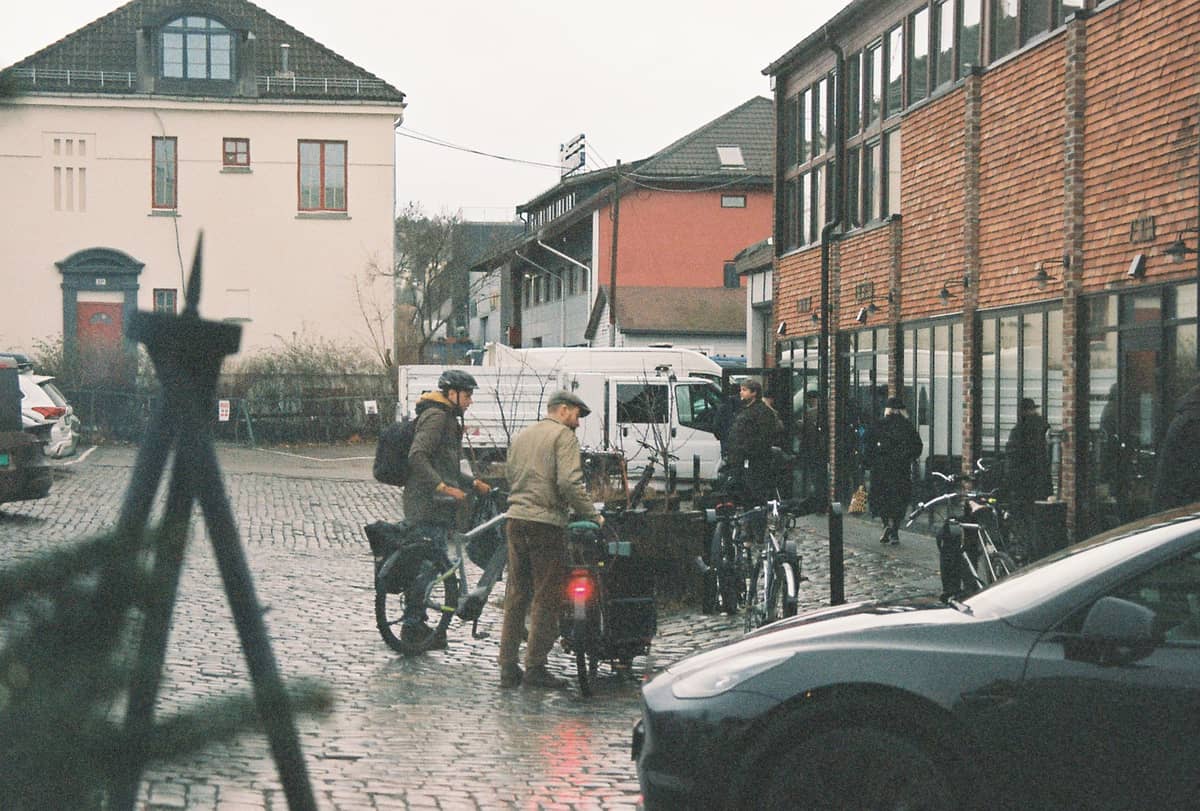
Grünerløkka is Oslo's most reliably interesting neighborhood for wandering: dense streets of late 19th-century brick buildings, independent coffee shops, vintage stores, and the Mathallen food hall on Vulkan just below. It borders the Akerselva river, where the Akerselva river walk runs 8 km from Maridalsvannet in the north down to the fjord, passing old mill buildings, waterfalls, and street art. The full walk takes 2–3 hours; you can join it at multiple points.
For a quieter and genuinely older atmosphere, the wooden house streets of Damstredet and Telthusbakken feel distinctly un-capital-city. These narrow lanes of 18th and 19th-century timber houses survived Oslo's repeated redevelopments and now feel like a preserved piece of a very different city. Also worth the detour: Grønland, Oslo's most diverse district, with excellent Middle Eastern and South Asian grocers, bakeries, and restaurants — good for cheap, quality food by Oslo standards.
The Aker Brygge and Tjuvholmen waterfront area is polished and expensive but genuinely pleasant for an evening stroll, particularly when the light on the fjord is good. The Astrup Fearnley Museum of Modern Art sits right on the water at Tjuvholmen, designed by Renzo Piano, and holds one of the stronger private contemporary art collections in Norway.
Practical Essentials: Getting Around, Costs, and Timing
Oslo Gardermoen Airport (OSL) is about 47 km north of central Oslo. The fastest connection is Flytoget, the dedicated airport express train, which reaches Oslo Central Station (Oslo S) in around 19–22 minutes. Regular Vy trains cover the same route in roughly 23–30 minutes at a lower fare. Taxis exist and are metered but expensive; expect 600–900 NOK or more for the airport run depending on time of day and traffic. Verify all fares directly with operators before travel, as prices update regularly.
Within the city, the Ruter network (metro, tram, bus, and city ferries) covers everything a visitor needs. A single Zone 1 ticket was 46 NOK as of 2026, valid 60 minutes with free transfers between modes. A 24-hour pass runs 132 NOK for adults. If you're planning three or more paid museum visits, run the numbers on the Oslo Pass — it bundles unlimited public transport with free or discounted entry to most major attractions. It tends to pay off best in summer when you're moving between neighborhoods and museums daily. For more detail on navigating the city, the getting around Oslo guide covers every transport option in full.
- Best time for outdoor activities and fjord islands: June to August, with daylight until about 10:30–11pm in midsummer
- Best time for ski slopes, tobogganing, and winter atmosphere: January to March, when Nordmarka trails are reliably snow-covered
- Shoulder seasons (May, September): fewer crowds at museums, comfortable temperatures for walking, lower accommodation prices
- October is the wettest month (around 120mm); pack waterproof layers if visiting in autumn
- Oslo Constitution Day on 17 May is an extraordinary street celebration — the entire city turns out in traditional dress for the main parade up Karl Johans gate
⚠️ What to skip
Oslo is one of the more expensive capital cities in Europe. A main course at a mid-range restaurant typically costs 250–400 NOK; a pint of beer at a bar is 130–200 NOK. Budget travelers should focus on Mathallen food hall, grocery store lunch options (Kiwi and Rema 1000 are the cheapest), and the city's substantial list of free attractions — Vigeland Park, Ekebergparken, the Opera House rooftop, and most of the waterfront walks cost nothing.
FAQ
How many days do you need in Oslo?
Three days covers the core museums, a fjord island trip, and time to walk the main neighborhoods without feeling rushed. Two days is feasible if you're selective. Add a fourth or fifth day if you want to hike Nordmarka, visit Holmenkollen properly, or take a day trip to Drøbak or Fredrikstad along the fjord.
Is the Oslo Pass worth buying?
It depends on your itinerary. The Oslo Pass bundles unlimited Ruter public transport with free entry to most major museums (including Fram, Munch, National Museum, and Norsk Folkemuseum). If you're visiting three or more paid attractions in a day, it typically pays off. If you plan to spend a full day hiking or on the islands, a regular daily transit pass at 132 NOK is the better value. Calculate your planned admissions against the pass price before buying.
What are the best free things to do in Oslo?
Vigeland Sculpture Park, the Oslo Opera House rooftop, Ekebergparken sculpture park, the Akerselva river walk, Damstredet's wooden houses, the waterfront from Bjørvika to Tjuvholmen, and the fjord island beaches (just the regular ferry fare applies) are all free or near-free. The Royal Palace grounds at Slottsparken are also open and free to walk through year-round.
What is the best way to get from Oslo Airport to the city center?
The Flytoget airport express train is the fastest option at roughly 20 minutes to Oslo Central Station. Regular Vy trains take slightly longer but cost less. Both options are significantly cheaper than a taxi. Buy tickets online or at airport machines — exact fares change periodically so verify on the operator's website before travel.
When is the best time to visit Oslo?
For outdoor activities, fjord swimming, and long evening light, June through August is the peak. July and August have the warmest temperatures (average highs around 21–23°C). For winter sports and the unique experience of Oslo under snow, January to March is excellent, with cross-country ski trails starting right from metro stops. May and September offer a good balance of reasonable weather, thinner crowds, and lower hotel prices.
Tickets & tours
Live prices and dates from our booking partner. If you book, we may earn a commission at no extra cost to you.
Planning a trip? Discover personalized activities with the Nomado app.