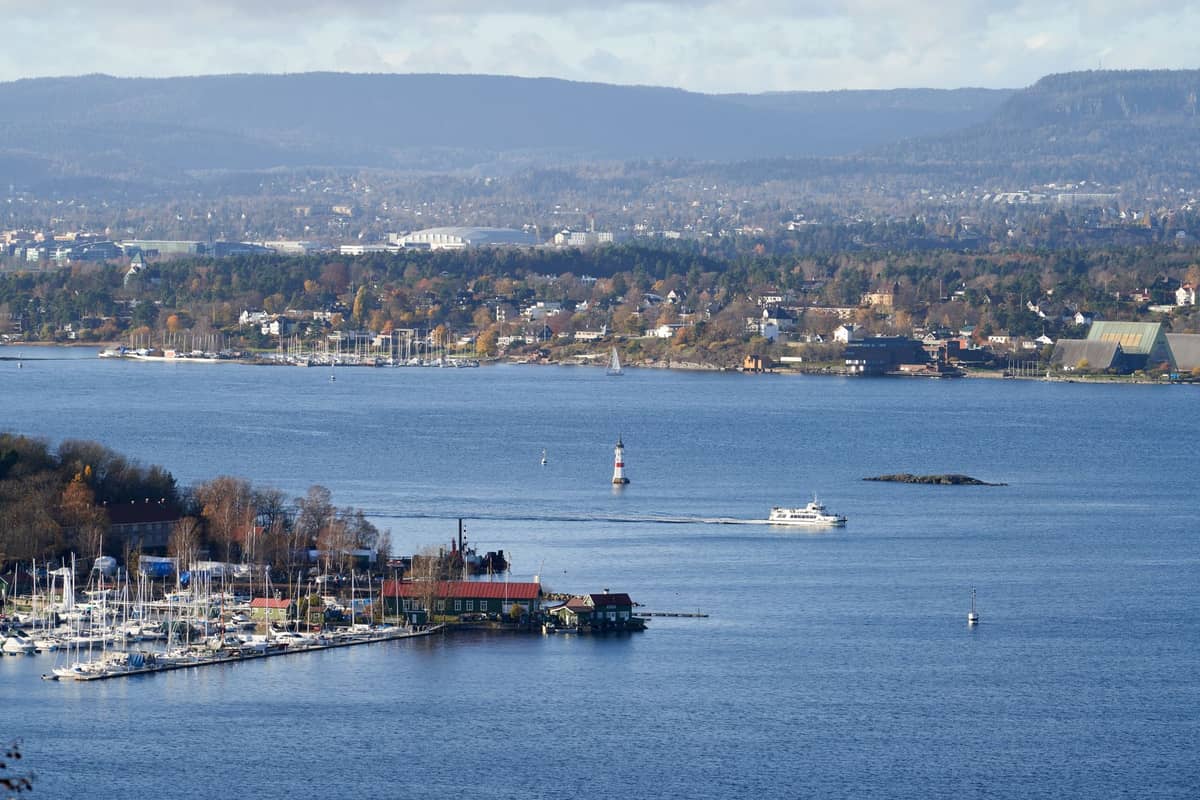
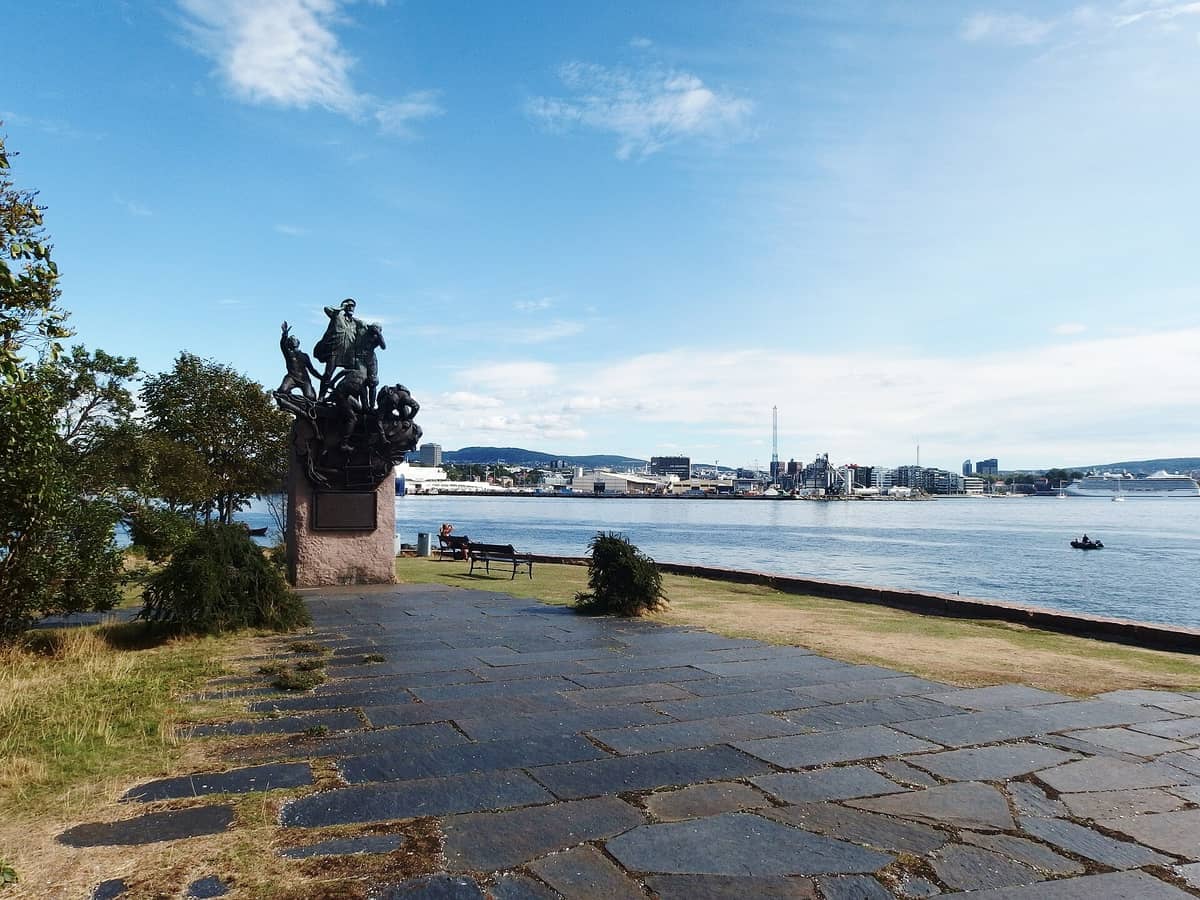
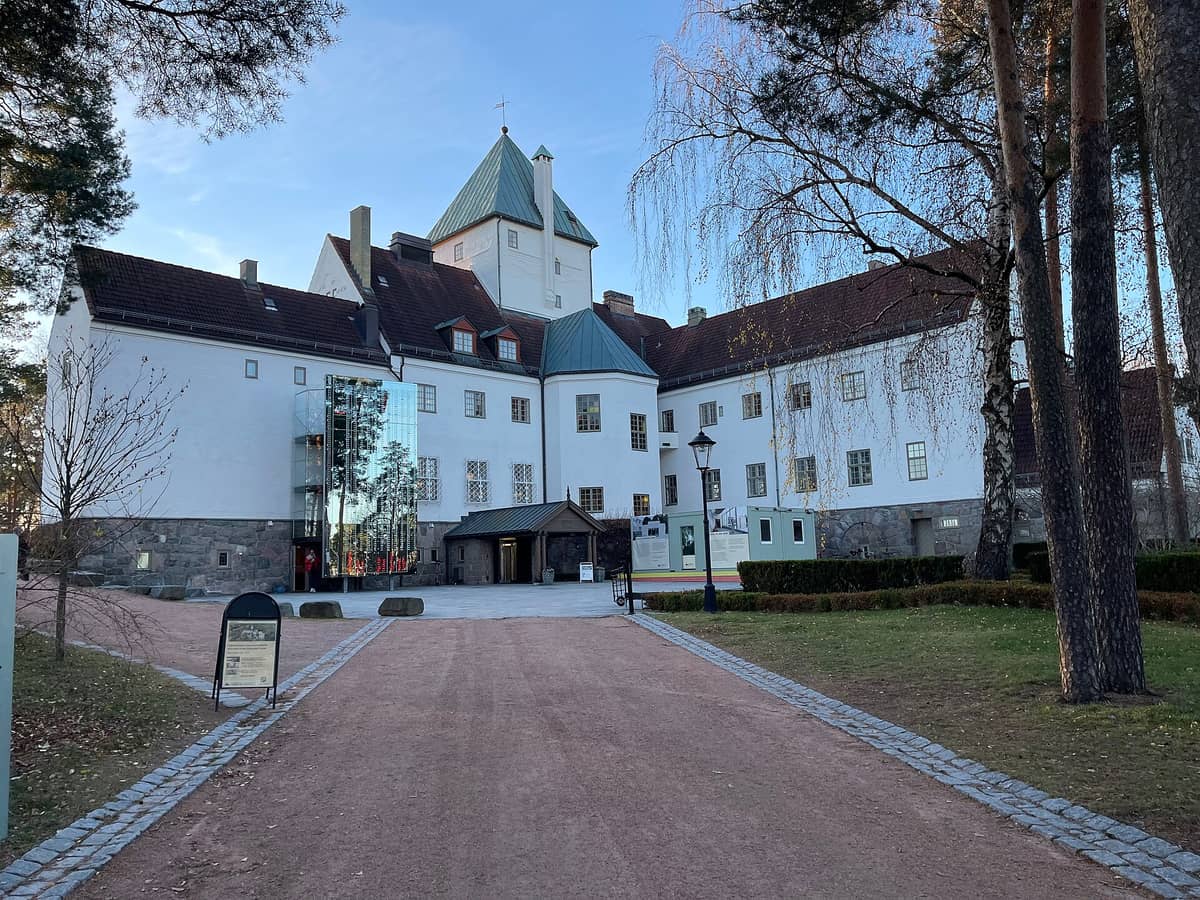
Bygdøy is a forested peninsula on Oslo's western waterfront, home to five major national museums, a royal estate, and some of the city's most accessible Oslofjord beaches. Administratively part of the Frogner borough, it sits just 3 km from the city centre but feels like a world apart from downtown Oslo.
Bygdøy is Oslo's museum peninsula: a low-density, forested headland jutting into the Oslofjord where five of Norway's most significant cultural institutions sit within easy walking distance of sandy beaches and royal parkland. It's the single best half-day destination in the Norwegian capital for anyone who wants to understand where this seafaring nation came from.
Orientation
Bygdøy occupies a forested headland on the western side of Oslo, protruding southward into the Oslofjord. It sits roughly 3 km west of Oslo City Hall, separated from the Frogner district by the Frognerkilen inlet. Administratively, Bygdøy is part of the Frogner borough, though it functions as a distinct zone: quieter, greener, and almost entirely free of the high-density urban fabric that defines inner Oslo.
The peninsula's geography divides naturally into two sections. The northeastern shore, anchored by the piers at Dronningen and Bygdøynes, is where the museums cluster. From here, the terrain broadens westward through residential streets and royal estate grounds before tapering to Huk at the southwestern tip, where the main public beaches face open water. A coastal path connects much of the shoreline, making it possible to walk a significant loop without retracing your steps.
Bygdøy borders the Frogner neighborhood to the north and east. From Frogner Park, it's a 15-minute walk downhill toward the fjord to reach the museum area. The waterfront promenade at Frognerstranda links Bygdøy's eastern edge back toward Aker Brygge and the city centre, making it easy to fold a Bygdøy visit into a longer westward waterfront walk.
Character & Atmosphere
Bygdøy operates at a different tempo from the rest of Oslo. The streets are wide, the buildings are mostly low-rise, and the dominant sounds shift depending on where you are: herring gulls near the piers, children near the museum entrances, and near-silence along the wooded inland paths. This isn't a neighborhood built around cafés and late nights. It's a daytime destination, and it peaks on clear summer afternoons when Oslo families combine a museum visit with a swim.
Early morning on Bygdøy is genuinely peaceful. The ferry hasn't started its first run, the museum queues haven't formed, and the path along the waterfront near Dronningen pier is often empty except for joggers and dog walkers. The light at this hour cuts low across the fjord, catching the rigging of boats moored at the small marina near the Norwegian Maritime Museum. If you're visiting in summer, this is the window before the day buses bring the crowds.
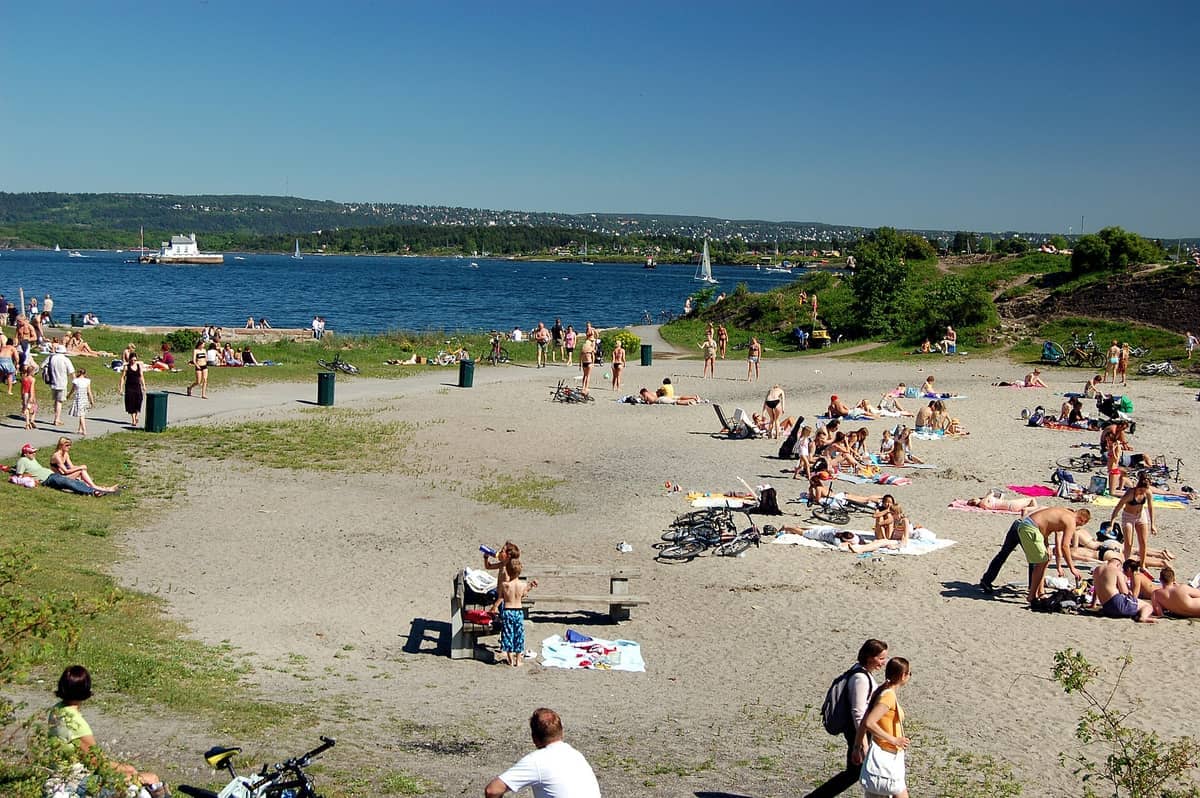
By mid-morning, the museum zone fills quickly. The Fram Museum and the Norsk Folkemuseum draw large tour groups, and the narrow path connecting Bygdøynes pier to the museum cluster can feel congested on warm weekends in July and August. By contrast, the beach at Huk stays relatively uncrowded on weekday mornings and feels like a different place entirely: pine trees, flat rocks, and the open fjord in front of you.
Bygdøy is not a neighborhood for bar-hopping or late dinners. After the museums close in the early evening, the peninsula quiets down rapidly. The last ferry back to the city departs in the early evening in summer, and the bus service continues but with reduced frequency after dark. Travelers who want nightlife or restaurant variety will need to head back toward Frogner or the city centre.
💡 Local tip
Visit the museum cluster on a weekday if possible. Weekend mornings in summer, particularly between late June and mid-August, see the busiest ferry crossings and longest queues at the Fram Museum and Norsk Folkemuseum. Arriving at opening time on a Tuesday or Wednesday makes a significant difference.
What to See & Do
The core of any Bygdøy visit is the cluster of national museums near the Bygdøynes pier. These institutions aren't arranged in a single complex: they're spread along a 10-15 minute walking loop, each requiring its own entrance fee and, realistically, 1-2 hours of your time. Trying to cover all five in a single day is exhausting and reductive. Choose two or three and give them proper attention.
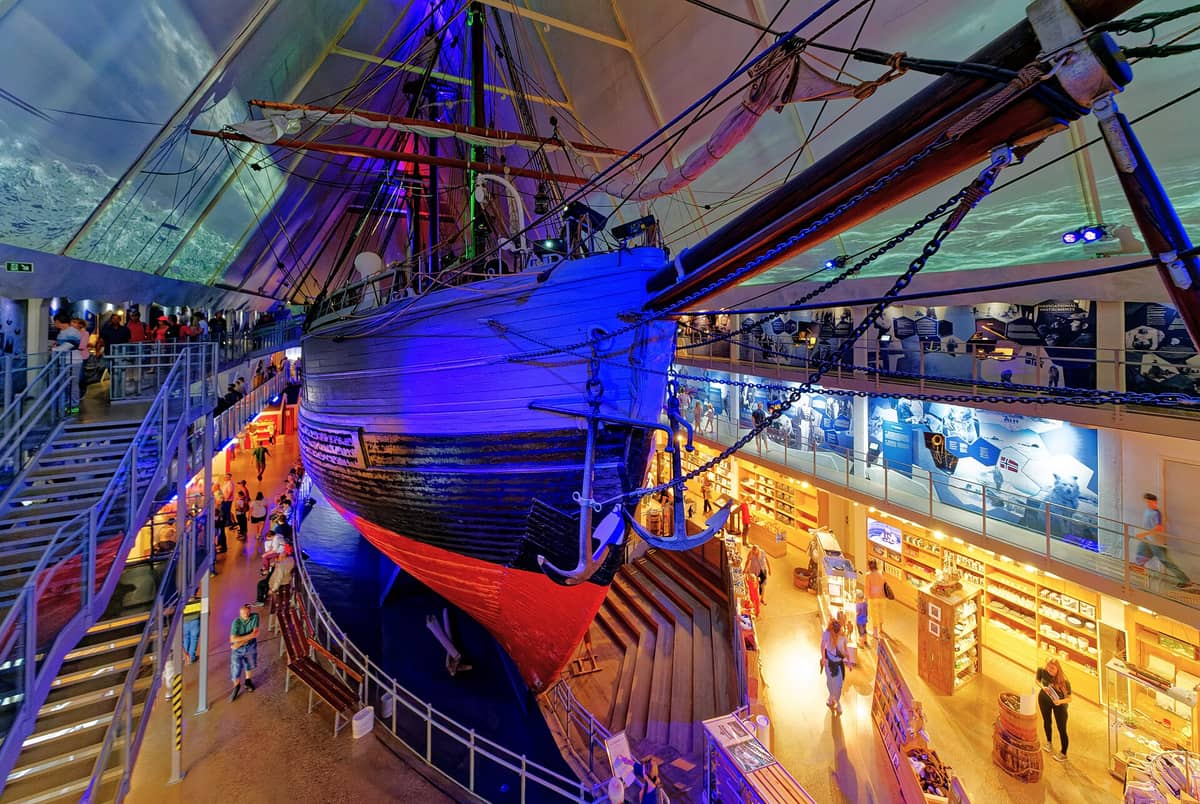
Fram Museum (Frammuseet): Houses the polar exploration vessel Fram, the world's strongest wooden ship, which carried expeditions to both the Arctic and Antarctic. The building is essentially built around the ship itself. Exceptional for understanding Norwegian polar history.
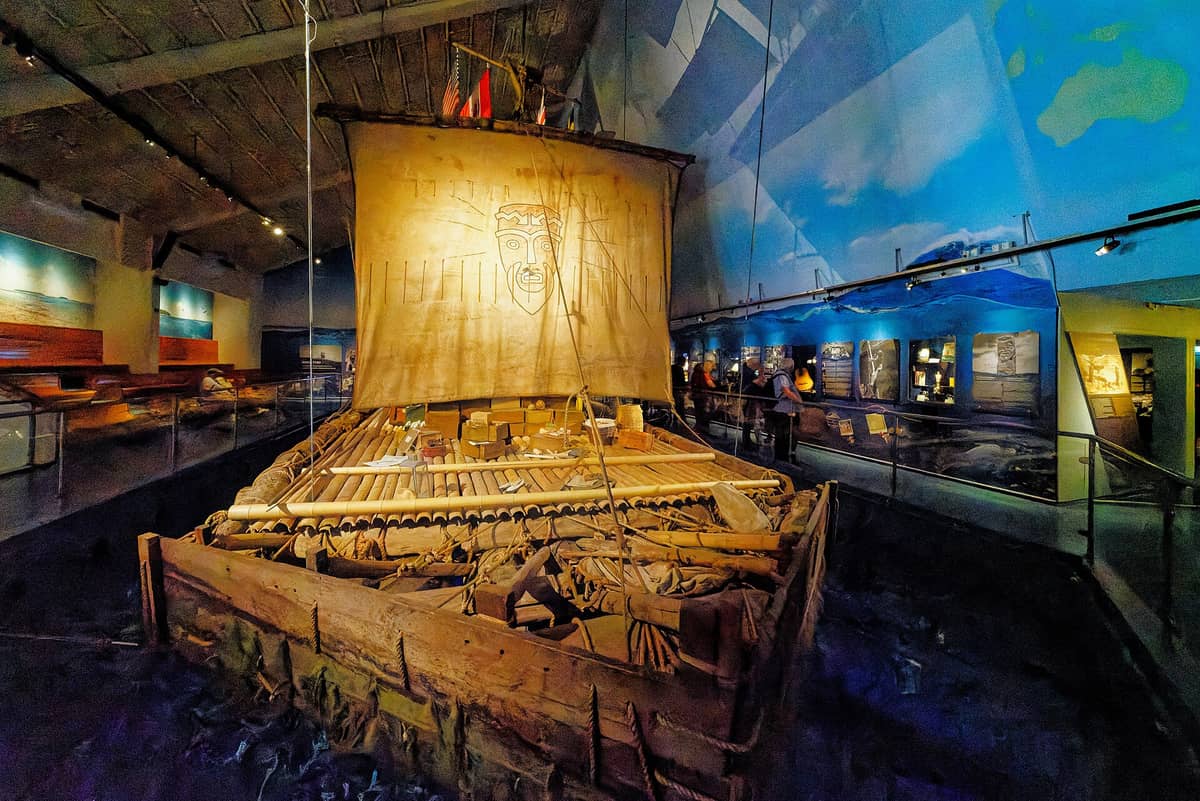
Kon-Tiki Museum: Centers on Thor Heyerdahl's 1947 balsa raft voyage across the Pacific. Smaller and faster to visit than the Fram Museum, but compelling for its sheer ambition.
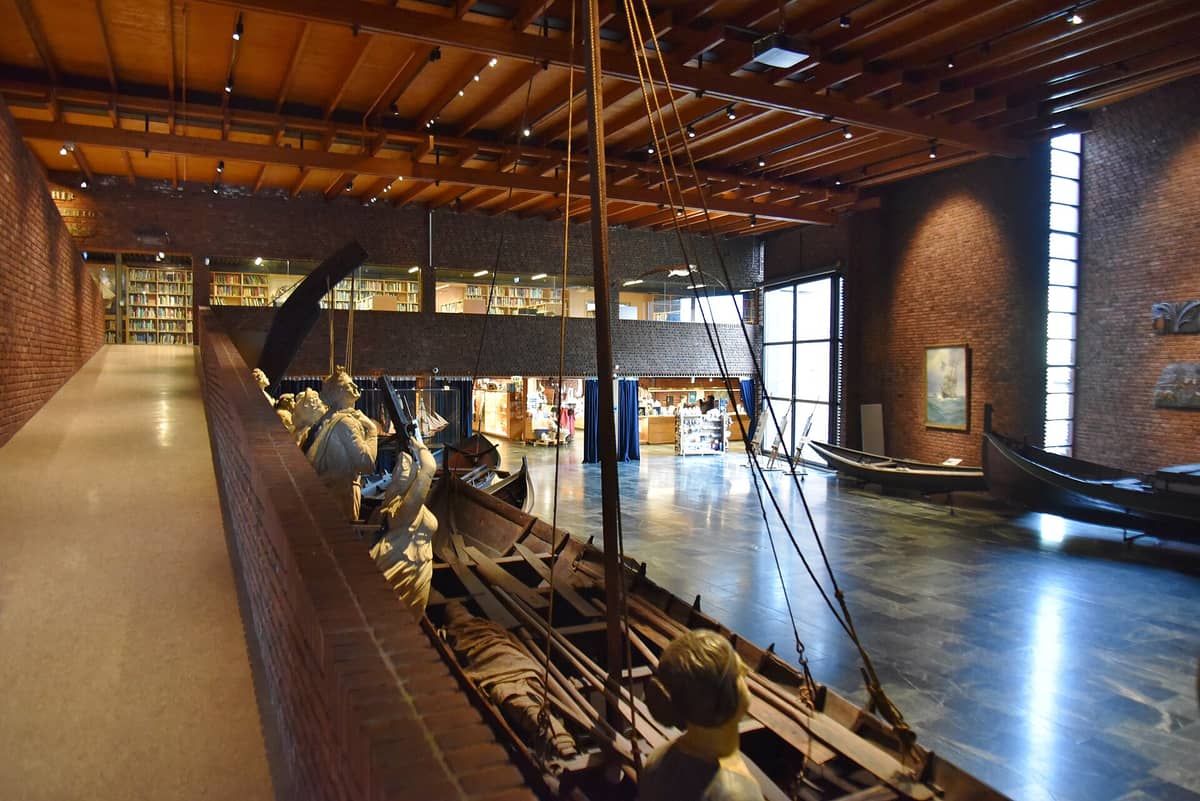
Norwegian Maritime Museum (Norsk Maritimt Museum): Covers Norway's relationship with the sea from Viking times to modern shipping. Often overlooked in favor of its neighbors, but worth a visit for its fjord-facing location and quieter galleries.
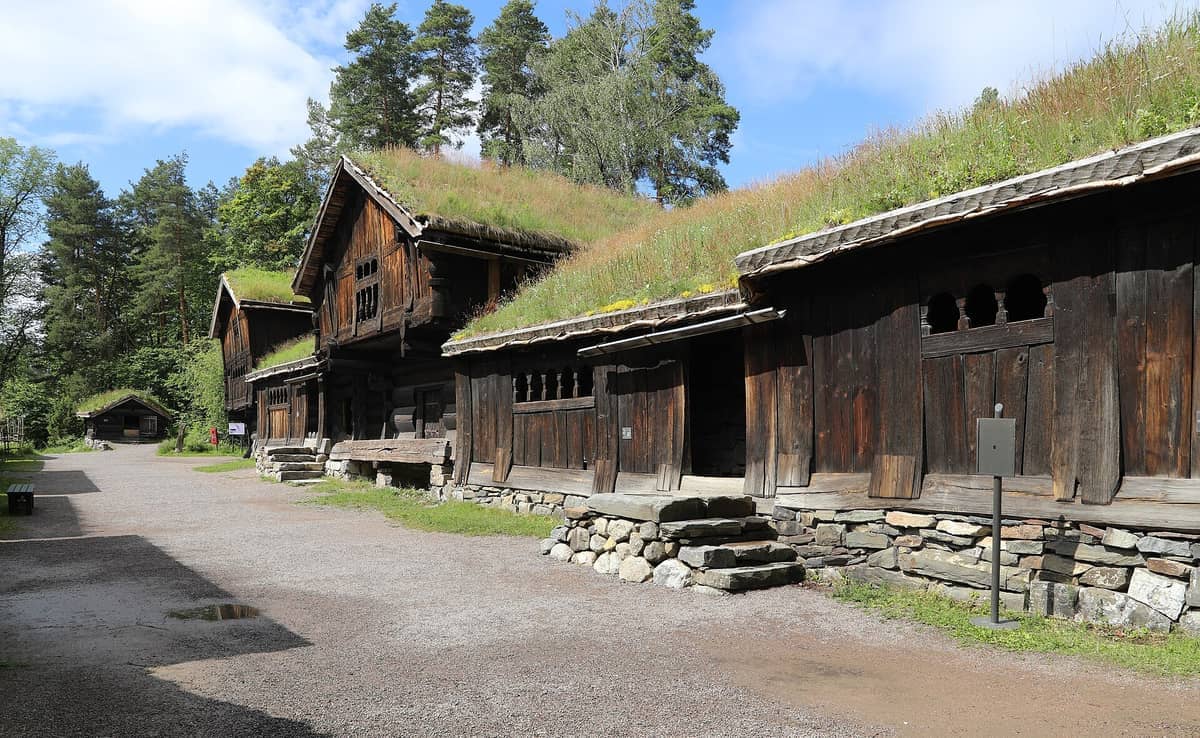
Norsk Folkemuseum (Norwegian Museum of Cultural History): An open-air museum with over 160 historic buildings relocated from across Norway, including a 12th-century stave church. One of the largest open-air museums in Europe and worth at least 2 hours.
The Viking Ship Museum is fully closed for reconstruction as the Museum of the Viking Age, with a target reopening in 2027. The ships are not on display in 2026 — do not plan a Bygdøy day around seeing them.
Beyond the museums, Bygdøy has meaningful outdoor appeal. The Bygdøy coastal path follows the shoreline through woodland and past royal estate land, connecting the northeastern museum piers to the southwestern beaches at Huk and Paradisbukta. The path is well-maintained and relatively flat, suitable for most fitness levels. In summer, the full circuit takes about 90 minutes on foot.
Huk beach, at the western tip of the peninsula, is the most popular bathing spot on Bygdøy. It faces southwest into the Oslofjord and is divided into a family-oriented main section and a clothing-optional area on the far side of a small headland. Paradisbukta, slightly to the northeast of Huk, is smaller and more sheltered, with calmer water on days when the fjord is choppy. Both are designated bathing areas with access infrastructure. Water quality in the Oslofjord can vary seasonally, so check Oslo municipality's current bathing water reports before swimming.
The Bygdøy Kongsgård, the Royal Estate, occupies a significant portion of the peninsula's interior. The grounds are used by the Norwegian royal family and are largely closed to the public, but the forested edges of the estate contribute to Bygdøy's unusually green character. If you're interested in the broader context of Oslo's royal geography, the Royal Palace in the city centre is the main public-facing royal site.
ℹ️ Good to know
The Oslo Pass includes free entry to the Fram Museum, Kon-Tiki Museum, Norwegian Maritime Museum, and Norsk Folkemuseum. If you're planning to visit two or more of these in a single day, the pass will almost certainly pay for itself on Bygdøy alone.
Eating & Drinking
Bygdøy is not a dining destination. The peninsula has no proper restaurant strip, no independent café culture, and no evening bar scene. Food options are concentrated around the museum zone and the beach areas, and they're almost entirely geared toward tourists and day-trippers. That's not a criticism, just an accurate description: bring this expectation and you won't be disappointed.
Each of the major museums operates its own café or canteen, typically serving hot dishes, sandwiches, waffles, and coffee. The Norsk Folkemuseum café is the most atmospheric, set within the open-air complex. In summer, a kiosk near the Huk beach area sells ice cream, drinks, and basic snacks. The ferry pier at Dronningen also has a seasonal café operation.
For a proper meal before or after your Bygdøy visit, the Frogner neighborhood to the north has a stronger restaurant and café scene. The streets around Bygdøy Allé and Frognerveien carry a good range of options. Alternatively, heading back toward the city waterfront at Aker Brygge and Tjuvholmen gives you a broader choice of restaurants at the price of a 20-minute walk or a short bus ride.
If you're spending the full day on Bygdøy, especially combining museums with the beach, bringing your own food is a practical move. The grassy areas near the museum cluster and the rocks above Paradisbukta are perfectly suited to picnicking. There are supermarkets along Bygdøy Allé in Frogner where you can pick up provisions before taking the bus out to the peninsula.
Getting There & Around
Bygdøy has two main access points and two transport options, and the combination you choose changes the experience significantly. The year-round option is Bus 30, which runs from central Oslo (stopping at Nationaltheatret and along the waterfront) directly to Bygdøy, with stops near the main museums and continuing to Huk at the western tip. The journey from the city centre takes roughly 10-20 minutes depending on your stop. Departures are frequent throughout the day. The same Ruter ticket or travel card used for the metro and trams covers Bus 30.
In the warmer months, typically from late March or April through September or October (exact dates vary by year), the Bygdøy ferry runs from City Hall Pier 3 (Rådhusbrygge 3) across the Oslofjord to the Dronningen and Bygdøynes piers. The crossing takes around 10 minutes; tickets are sold separately from ordinary Ruter fares, though the Oslo Pass currently gives free passage on this seasonal boat. Arriving by ferry and watching the museum buildings appear across the water is a genuinely different experience from stepping off a bus, and it sets the maritime tone of Bygdøy well before you enter a single museum. Check current seasonal operating dates with Ruter or the ferry operator before planning your visit around it.
On foot, Bygdøy is reachable in about 30-40 minutes from the city centre via the waterfront promenade. Walk west along the fjord from the Oslo City Hall past Aker Brygge, continue along Frognerstranda, and follow the path around the inlet toward the peninsula. This route is pleasant in good weather and connects naturally to the coastal path on Bygdøy itself.
Within the peninsula, walking is the primary mode of movement. The museum cluster is compact enough that the Fram Museum, Kon-Tiki Museum, and Norwegian Maritime Museum are all within a 5-minute walk of each other at Bygdøynes. The Norsk Folkemuseum is slightly set back from the waterfront, a 10-minute walk uphill from the pier. Cycling is permitted on the coastal path and main roads, and the peninsula's relatively flat terrain makes it a good option. Bikes can be hired from several central Oslo rental points and brought out on the bus or ridden along the waterfront route.
⚠️ What to skip
There is no metro (T-bane) access to Bygdøy. The nearest T-bane station is Nationaltheatret or Majorstuen, both of which require a transfer to Bus 30 or a walk. Don't assume standard rail maps cover the peninsula directly.
Where to Stay
Bygdøy itself has no hotels. The peninsula is almost entirely residential and recreational, with the Royal Estate occupying a substantial share of its interior. Travelers who want to use Bygdøy as a base are out of luck, but travelers who want to be close to it have good options in the surrounding areas.
The Frogner neighborhood is the most logical base for a Bygdøy-focused visit. It sits directly adjacent to the peninsula's northern approach, puts you within walking distance of the museum zone, and offers a quieter, more residential setting than central Oslo. Hotels in Frogner tend toward the mid-range and boutique end of the market, and the neighborhood itself has a good café and restaurant scene along Bygdøy Allé and Frognerveien. See the broader guide to where to stay in Oslo for a full comparison of neighborhoods.
Staying in central Oslo (Sentrum) or near Aker Brygge gives you the easiest access to the Bygdøy ferry in summer, which is the most enjoyable way to arrive on the peninsula. The trade-off is that central accommodation in Oslo tends to come at higher prices and with more street noise. For a trip focused primarily on Bygdøy's outdoor and museum appeal, Frogner offers the better balance.
Bygdøy in Context: History and Significance
Bygdøy's character as a green, low-density peninsula is not accidental. The area was historically part of royal property, used as hunting grounds and summer estates by the Norwegian and Danish-Norwegian crown over several centuries. This royal ownership kept the land free of the kind of dense urban development that spread through Frogner and the inner western districts in the late 19th and early 20th centuries. When the Norwegian state began establishing national museums in the early 20th century, Bygdøy's combination of available land, waterfront access, and proximity to the capital made it a natural choice for large cultural institutions.
The museums on Bygdøy reflect a very deliberate national project: the consolidation of Norwegian identity around exploration, maritime history, and folk heritage. This project was particularly significant after Norway's dissolution of union with Sweden in 1905. The Norsk Folkemuseum, the Fram Museum, and the Kon-Tiki Museum each tell a version of a story about what Norway is and where it came from. Visiting them together, even selectively, gives that story genuine depth.
For travelers interested in Oslo's Viking heritage specifically, Bygdøy has historically been the center of gravity for that story. The ongoing reconstruction into the new Viking Age Museum will significantly reshape that experience once complete. In the meantime, the Historical Museum in central Oslo holds Viking-age artifacts and offers an important complement to the Bygdøy collections. The guide to Viking history in Oslo covers this in detail.
Bygdøy's beaches also carry historical weight. Huk and Paradisbukta were among the first areas in Oslo where swimming became a mass public activity in the early 20th century. The fjord in front of them connects to the broader Oslofjord, which shapes the city's geography and identity in ways that become clear from the water. The Oslofjord guide provides essential context for anyone who wants to understand how the water defines Oslo.
TL;DR
Bygdøy is Oslo's premier museum destination: five major national institutions within walking distance of each other, including the Fram Museum, Kon-Tiki Museum, and Norsk Folkemuseum. Budget a half-day minimum, a full day if you want to combine museums with the coastal path and swimming.
The Bygdøy ferry from City Hall Pier 3 (seasonal, roughly April to October) is the most enjoyable way to arrive and sets the maritime mood before you reach a single exhibit; Bus 30 is the year-round alternative from Nationaltheatret.
Not a neighborhood for evenings: the peninsula has no restaurant strip or nightlife. After the museums close, head back to Frogner or the city centre for dinner.
Best suited to: history and culture travelers, families with children, anyone interested in polar exploration or Viking history, and visitors who want to combine Oslo sightseeing with an afternoon on the fjord.
The Oslo Pass covers entry to four of the five main Bygdøy museums and pays for itself quickly if you're visiting two or more. Check the current status of the Viking Age Museum construction before building your itinerary around it.
Oslo's weather, daylight hours, and crowd levels shift dramatically across the year. This guide breaks down every season so you can pick the right time based on what you actually want to do, not just the warmest month.
Oslo sits at the centre of one of Europe's most rewarding day-trip networks. Within two hours you can reach a medieval fortified town, a world-class sculpture park in the forest, a 13th-century stave church, or an island fortress in the fjord. This guide covers the best day trips from Oslo, from quick ferry hops to full-day rail journeys.
Oslo has a reputation for being expensive, but the city's best experiences often cost nothing. From a marble opera house roof you can walk across to one of the world's great sculpture parks, here are 20 free things to do that locals actually love.
Oslo has one of the most integrated public transport networks in Scandinavia, but the ticket system trips up a surprising number of visitors. This guide covers everything from navigating the T-bane metro to getting from Oslo Airport (OSL) to the city center without overpaying — with real prices, journey times, and practical advice on what to skip.
Oslo is Norway's capital and one of Scandinavia's most complete city destinations, but it comes with a high price tag and sharp seasonal swings. This guide breaks down exactly what you get for your money, when to go, and whether the city lives up to its reputation.
Oslo holds the world's largest collection of Edvard Munch's work, split across two major institutions. This guide tells you exactly where The Scream is displayed, how to buy tickets, and what else to see beyond the famous painting.
Oslo's architectural story spans 800 years, from Akershus Fortress rising above the harbour to the tilted glass tower of the Munch Museum. This guide takes you through the city's most significant buildings, organised by era and theme, so you can trace how Norway's capital has reinvented itself across centuries.
Oslo transforms from late November through December into one of Scandinavia's most atmospheric winter cities. From the free central market at Spikersuppa to the traditional fair at Norsk Folkemuseum, this guide covers every Christmas experience worth your time, with practical advice on costs, crowds, and what to skip.
Norway's Constitution Day is the country's biggest national celebration, and Oslo is the place to be. This guide covers the parade route, crowd logistics, public transport disruptions, what stays open, and how to watch the Royal Palace balcony moment without getting trapped in the crowds.
The Oslofjord is Oslo's backyard playground: a 100-km stretch of water dotted with islands, beaches, and historic forts; the inner islands are all reachable in under 30 minutes from the city centre by public ferry. This guide covers public ferries, sightseeing cruises, the best swimming spots, and practical details on timing, pricing, and what to skip.
Oslo's floating saunas are one of Norway's most distinctive experiences, combining intense heat with cold fjord dips right in the heart of the city. This guide covers every major operator, realistic pricing, booking logistics, safety rules, and the best time to go.
Oslo rewards the curious traveler who ventures beyond the Opera House and Vigeland Park. From a barrel-vaulted mausoleum open only on Sundays to medieval ruins in a residential neighborhood, these are the experiences that most visitors completely miss.
Oslo is one of the few European capitals where you can step off a metro and be deep in forest within 30 minutes. This guide covers the best hiking trails in and around the city, from urban river walks to full-day routes in Nordmarka.
Summer transforms Oslo into one of Scandinavia's most enjoyable cities, with nearly 19 hours of daylight, warm fjord beaches, and a packed festival calendar. This guide covers what to expect from June through August, including the truth about the 'midnight sun', when each season peaks, and which events are worth planning around.
Oslo in winter is cold, short on daylight, and genuinely rewarding for travelers who come prepared. This guide covers the real temperatures, the best winter activities, how to get around, and what most visitors get wrong about visiting Norway's capital between December and February.
The Oslofjord islands are one of Oslo's best-kept open secrets: reachable on a standard public transport ticket, dotted with beaches, ruins, and free camping spots. This guide covers every ferry route, the best islands for each type of visit, and exactly how to plan a day on the water.
Three days is enough to cover Oslo's highlights without rushing. This itinerary covers the waterfront, Bygdøy peninsula, Vigeland sculpture park, and the city's best neighborhoods, with practical advice on transport passes, seasonal timing, and where to skip the tourist traps.
Oslo offers more than its size suggests when it comes to museums. Whether you're drawn to Edvard Munch's raw canvases, the story of Norway's WWII resistance, or the world's most ambitious open-air folk museum, this guide covers every essential collection in the city.
Oslo's nightlife scene is smaller than Berlin or London, but it's more focused and genuinely good. This guide covers the best bars, clubs, and live music venues by neighborhood, what drinks actually cost, when to go, and what first-timers consistently get wrong.
Oslo has a reputation as one of Europe's most expensive capitals, but that reputation is only half the story. With the right approach to transport, attractions, and timing, you can experience Norway's capital without the wallet damage most travelers fear.
The Oslo Pass bundles free museum entry and unlimited public transport into one time-based card. But at up to around 995 NOK for 72 hours, it only pays off under specific conditions. This guide breaks down exactly who should buy it, who should skip it, and how to calculate your own value.
Oslo's shopping scene rewards those who explore beyond the main drag. This guide covers the city's best streets, department stores, weekend markets, and where locals actually shop, with practical hours, neighborhood breakdowns, and practical advice on what to skip.
The Oslo to Bergen train is one of the great railway journeys in Europe, crossing high mountain plateaus and deep fjord valleys across 492 km of Norwegian landscape. This guide covers tickets, prices, timetables, seat choices, seasonal tips, and how to avoid the most common booking mistakes.
The journey from Oslo to Stockholm is one of Scandinavia's most popular intercity routes. This guide breaks down every transport option, from the direct SJ/Vy train to FlixBus, with practical advice on cost, comfort, and convenience.
The journey from Oslo to Tromsø covers roughly 1,700 km and takes under two hours by air, but knowing when to go and what to expect in Norway's Arctic capital makes all the difference. This guide covers every transport option, seasonal highlights, and key activities so you can plan confidently.
Oslo rewards those who look up, out, and across. From a marble rooftop you can walk into the fjord to a forested hilltop that inspired The Scream, the city offers an extraordinary range of panoramas. This guide covers the best viewpoints in Oslo, whether you want sweeping city skylines, fjord horizons, or intimate harbour scenes.
Oslo is one of Europe's most walkable capitals, and you don't need a guided group to explore it properly. This guide covers the best self-guided walking routes, top apps, free city maps, seasonal advice, and practical tips on what to skip.
Oslo offers more than its size suggests when it comes to family travel. From hands-on science museums and polar-exploration ships to free sculpture parks and island beaches, Norway's capital keeps children genuinely engaged. This guide covers the best family-friendly activities in Oslo, with real pricing, transport details, and practical advice on what's worth your time.
Oslo packs an extraordinary range of experiences into a compact, walkable city: world-class museums, a working fjord right at the city's edge, serious hiking terrain, and a food scene that has grown well beyond smørbrød. This guide covers the top things to do in Oslo, organized by category, with practical advice on what lives up to the hype and what you can skip.
Oslo sits at the heart of Viking history, but the famous ship museum is closed until 2027. This guide tells you exactly where to experience Viking Age Norway right now, from the Bygdøy peninsula to the city centre's best alternatives.
Oslo's food scene runs deeper than open-faced sandwiches and cinnamon rolls. This guide covers the essential Norwegian dishes to try, the best food halls and restaurants to find them, seasonal specialties, and honest price expectations for 2025.
Oslo's neighborhoods each offer a distinct experience, from the architectural showpiece of Bjørvika to the indie-café culture of Grünerløkka. This guide breaks down exactly where to stay in Oslo based on your travel style, budget, and priorities, with honest assessments of each district and what you'll actually pay.