Viking Oslo: A Complete Guide to Viking History & Museums
Oslo sits at the heart of Viking history, but the famous ship museum is closed until 2027. This guide tells you exactly where to experience Viking Age Norway right now, from the Bygdøy peninsula to the city centre's best alternatives.
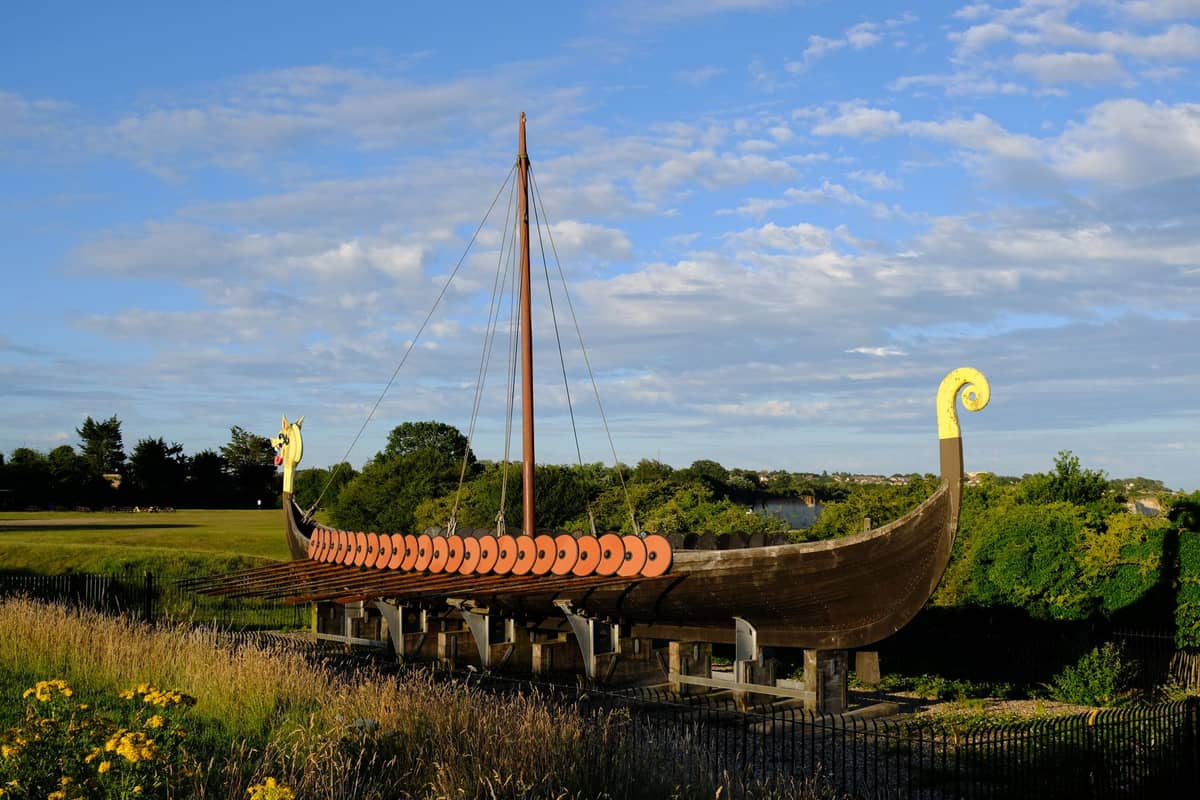
Tickets & tours
Live prices and dates from our booking partner. If you book, we may earn a commission at no extra cost to you.
TL;DR
- The Viking Ship Museum on Bygdøy is fully closed and will reopen as the Museum of the Viking Age in 2027 — no confirmed date yet.
- The original Oseberg, Gokstad, and Tune ships are NOT on public display anywhere in Oslo in 2026.
- Viking Age objects and exhibitions are currently on show at the Historical Museum in the city centre — the best Viking fix available right now.
- The Viking Planet near Oslo City Hall offers a VR and multimedia alternative for Viking history.
- Pair your Viking visit with the Fram Museum and Kon-Tiki Museum on Bygdøy for a full day of Norwegian heritage.
The Viking Ship Museum: What's Actually Happening in 2026
If you've come to Oslo expecting to stand face-to-face with a 1,200-year-old Viking longship, you need to know this before you board Bus 30 to Bygdøy: the Viking Ship Museum (Vikingskipshuset) is completely closed, and has been since the early 2020s. This isn't a partial renovation where one wing stays open. The building is undergoing a full reconstruction into an entirely new institution, the Museum of the Viking Age (Vikingtidsmuseet), and the current official opening target is 2027. No confirmed date exists as of 2026.
⚠️ What to skip
Many travel sites and booking platforms still list the Viking Ship Museum as open or 'under renovation.' This is outdated and incorrect. The museum is completely closed, the three famous ships (Oseberg, Gokstad, and Tune) are not accessible to the public, and there are no preview or partial-access openings planned for 2026. Always check vikingtidsmuseet.no/english for the latest status before visiting.
The new Museum of the Viking Age will be a significant upgrade: expanded gallery space, improved conservation facilities, and fully redesigned exhibitions around the three ships plus thousands of associated artefacts. It promises to be one of the great archaeology museums in Northern Europe when it opens. But for anyone travelling to Oslo in 2026, it is simply not an option. The question then becomes: where do you actually go for Viking history in Oslo right now?
Where to Experience Viking History in Oslo Right Now
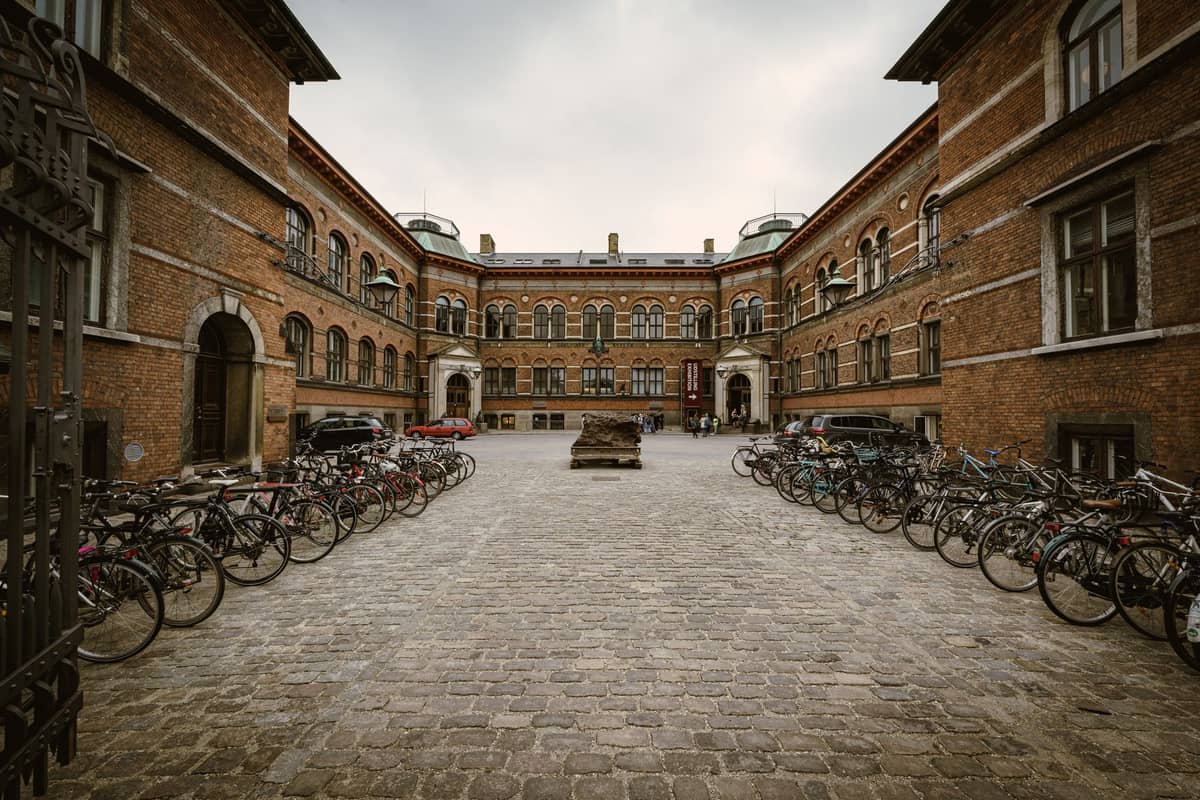
The most substantive Viking Age experience currently available in Oslo is at the Historical Museum (Historisk museum) on Frederiks gate in the city centre, a short walk from the Royal Palace. Part of the University of Oslo Museum network (the same institution behind the Viking Ship Museum), it holds an impressive collection of Viking Age objects: jewellery, weapons, coins, and decorative metalwork, much of it excavated from burial mounds across Norway. The Viking galleries are well-presented and genuinely informative, even if they lack the visceral impact of seeing a 22-metre longship in person.
The other central option is The Viking Planet, a digital experience centre located at Fridtjof Nansens plass 4, a two-minute walk from Oslo City Hall. It uses VR headsets and multimedia installations to recreate Viking Age environments and tell stories from Norse history and mythology. It is unambiguously aimed at the tourist market and leans into entertainment over scholarship, but it fills the gap left by the ship museum closure reasonably well, especially for families with children. Listed on Visit Norway's official tourism platform, it is a legitimate attraction rather than a gimmick — just go in with calibrated expectations.
- Historical Museum (Historisk museum) City centre, near the Royal Palace. Part of the University Museum network. Best for original Viking Age artefacts, coins, and jewellery. Free with the Oslo Pass.
- The Viking Planet Fridtjof Nansens plass 4, near Oslo City Hall. VR and multimedia Viking history experience. Good for families; separate admission fee applies — verify current prices at thevikingplanet.no.
- Museum of the Viking Age (from 2027) The successor to the Viking Ship Museum on Bygdøy. Will house the Oseberg, Gokstad, and Tune ships. Currently closed with a 2027 opening target; no confirmed date as of 2026.
💡 Local tip
If you're visiting Oslo primarily for Viking history, consider timing your trip for 2027 when the Museum of the Viking Age is expected to open. For 2026 visits, budget half a day for the Historical Museum plus The Viking Planet, then fill the rest of your time with Bygdøy's other excellent museums.
Bygdøy Without the Viking Ships: Still Worth the Trip
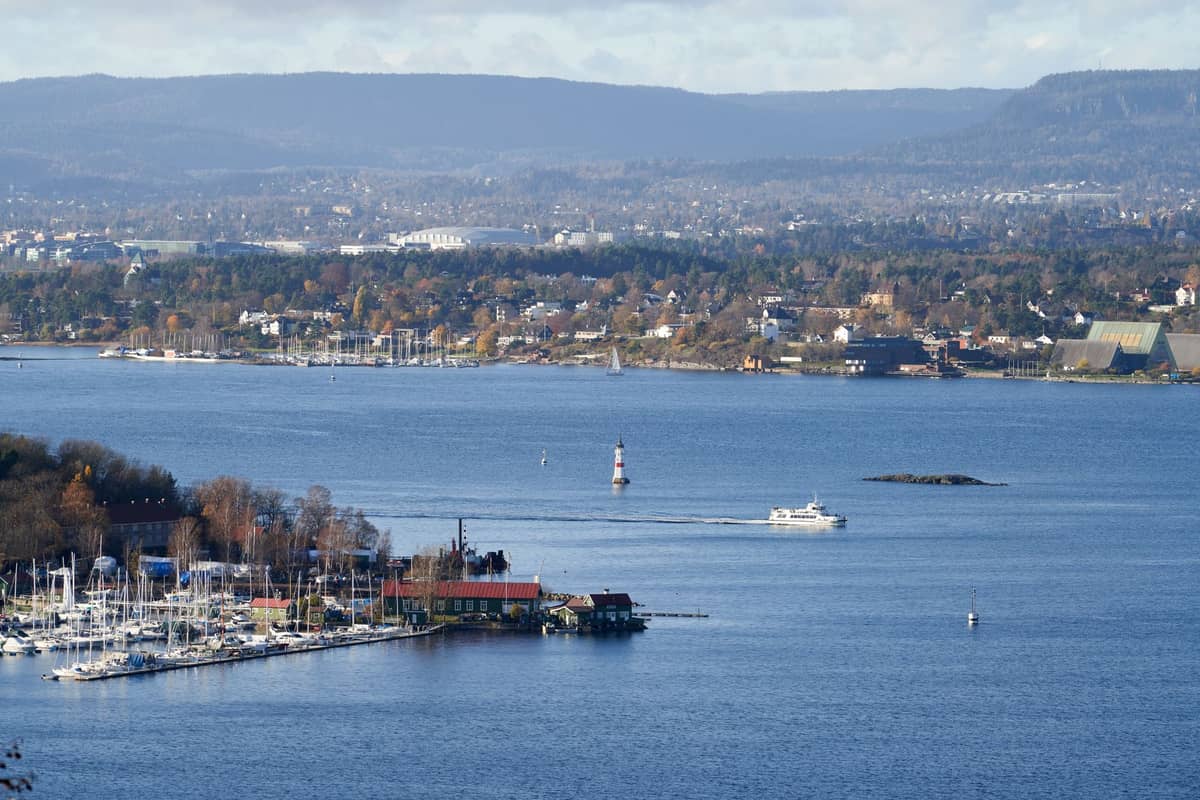
The closure of the Viking Ship Museum does not make Bygdøy irrelevant. The peninsula remains one of the most concentrated museum districts in Scandinavia, and a full day here makes sense even without the longships. The Fram Museum houses the actual polar exploration vessel Fram, the strongest wooden ship ever built, and allows you to walk its deck. The Kon-Tiki Museum holds Thor Heyerdahl's original reed and balsa vessels. The Norwegian Maritime Museum traces seafaring from prehistoric times to the present. And Norsk Folkemuseum, the open-air folk museum, includes one of the finest surviving medieval stave churches in Norway, relocated from Gol and dating to around 1200 CE.
Getting to Bygdøy is straightforward. Bus 30 runs year-round from Nationaltheatret in the city centre to the museum stops, taking around 8-10 minutes; it accepts standard Ruter tickets. From late April through September, a seasonal ferry (Ruter route 91, commonly called Bygdøyfergen) connects Aker Brygge to Bygdøy roughly every 15-20 minutes, with a crossing time of about 10 minutes. It uses the same Ruter ticketing system, so a single transport ticket covers both the ferry and bus. In winter, the ferry does not operate, so the bus is your only public option. The Oslo Pass covers admission to most Bygdøy museums and includes unlimited public transport, making it worth calculating for a multi-museum day.
Viking History Beyond the Museums
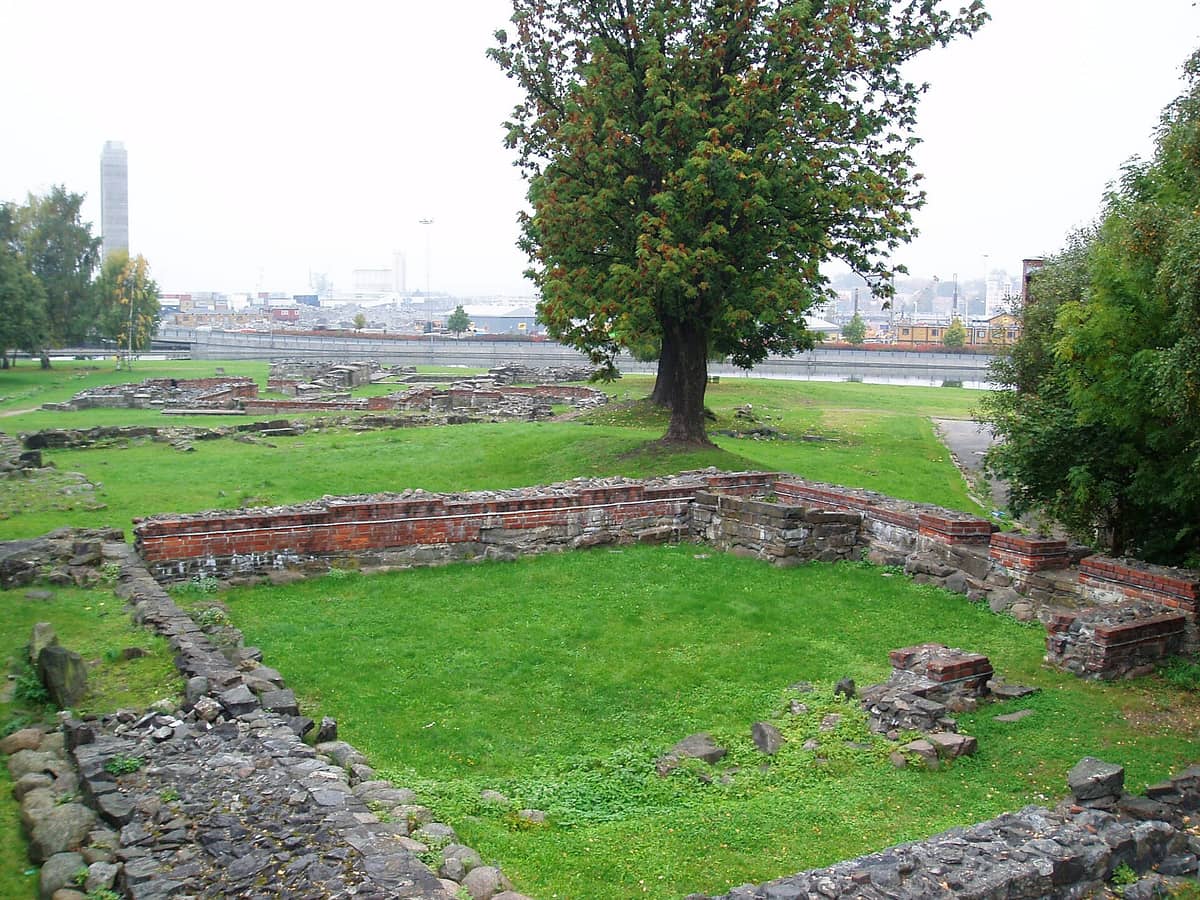
Oslo's Viking Age connection runs deeper than any single museum. The city occupies land that was settled during and after the Viking period, and traces of that history appear in the wider urban landscape. Gamlebyen (Oslo's medieval quarter) preserves the ruins of the original medieval city, including the foundations of St. Hallvard's Cathedral and Mariakirken, structures that postdate the Viking Age but grew directly from the Norse settlements that preceded them. The ruins sit in a public park and are freely accessible year-round.
For a broader understanding of Norwegian prehistory and the cultural forces that shaped the Viking Age, the Natural History Museum and the Norsk Folkemuseum provide essential context. The folk museum in particular contains reconstructed farm buildings from across centuries of Norwegian rural life, which helps visitors understand the agricultural and social world that Viking Age Norsemen actually lived in between raids and voyages. It is often underestimated by visitors who arrive expecting only craft demonstrations.
Further afield, the broader Oslo region has genuine Viking Age archaeological sites. The Vestfold region, roughly an hour south of Oslo, is where the Oseberg and Gokstad ships were actually excavated in the late 19th and early 20th centuries. The burial mounds at Borre National Monument (near Horten) are among the best-preserved Viking Age royal burial sites in Scandinavia and are accessible as a day trip from Oslo. If Viking history is your primary reason for visiting Norway, the corridor between Oslo and Tønsberg rewards dedicated exploration.
✨ Pro tip
The Oseberg ship burial, excavated in 1904, yielded not just the ship but an extraordinary collection of textiles, wood carvings, and everyday objects — much of it now held in storage during the museum reconstruction. When the Museum of the Viking Age opens in 2027, these objects will be displayed together with the ship for the first time in decades, making the eventual visit significantly richer than the old Viking Ship Museum experience.
Planning Your Viking History Visit: Practical Logistics
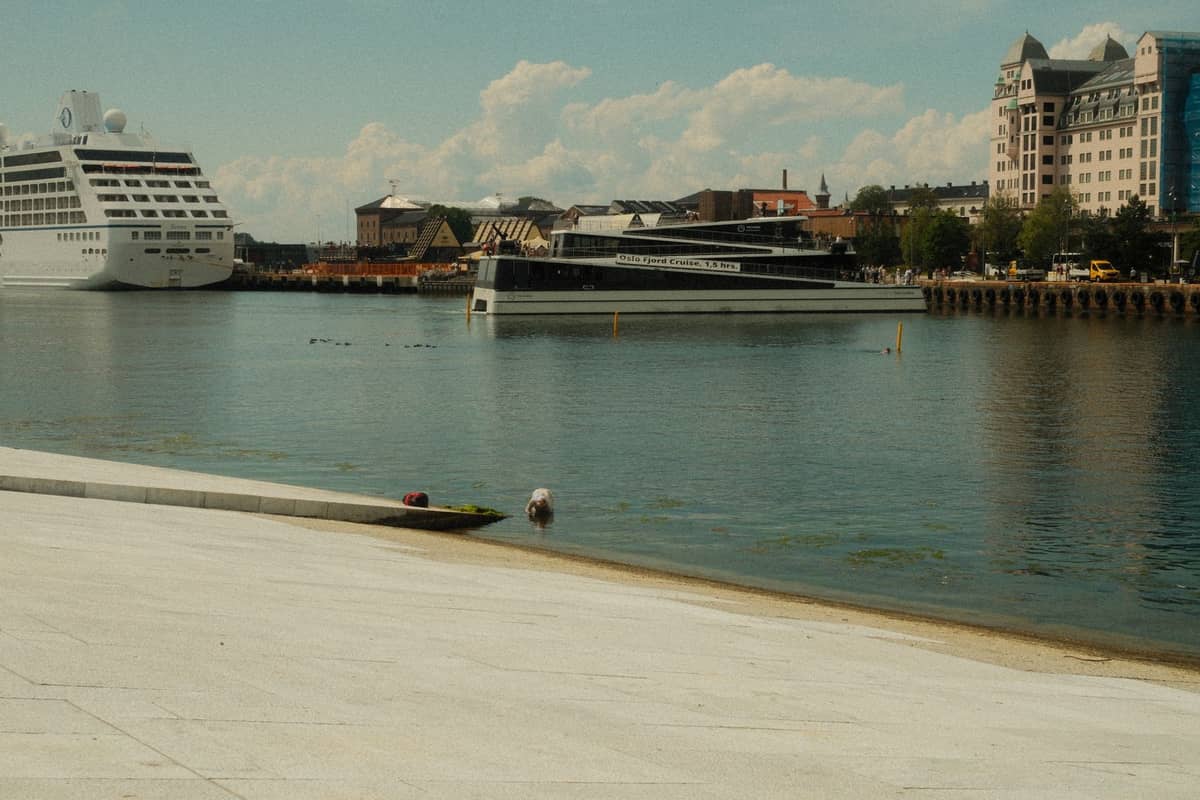
Oslo is a compact city and easy to navigate. The Historical Museum in the city centre is about a 15-minute walk from Oslo Central Station (Oslo S) or two stops on the T-bane from Stortinget station. The Viking Planet is near Oslo City Hall at Aker Brygge, walkable from both the waterfront and the central station in under 15 minutes. Combining both on the same day is realistic, though the Viking Planet is interactive and time-intensive; allow 1.5-2 hours there if you want the full experience.
Timing your Oslo visit matters for the Viking museum situation. If you're flexible on dates, monitoring the official Museum of the Viking Age website (vikingtidsmuseet.no) from late 2026 onwards is the best approach. Announcements about opening timelines and ticketing will appear there first. For those travelling before the reopening, pairing the Historical Museum with a broader Oslo museum itinerary makes the most of the city's other world-class collections, including the Munch Museum and the National Museum.
- Check vikingtidsmuseet.no/english before travelling — the 2027 opening date is not confirmed and could shift in either direction.
- The Oslo Pass covers the Historical Museum and most Bygdøy museums; calculate whether it saves you money based on your full itinerary.
- The Viking Planet charges separate admission; verify current pricing at thevikingplanet.no as rates are not fixed.
- Bus 30 from Nationaltheatret is the most reliable year-round connection to Bygdøy; the seasonal ferry adds a scenic option from mid-April.
- Avoid planning a dedicated Bygdøy trip around seeing Viking ships in 2026 — you will arrive to a construction hoarding.
- The Historical Museum is closed on Mondays; verify current opening hours directly with the museum before visiting.
How Viking Oslo Fits Into a Broader Trip
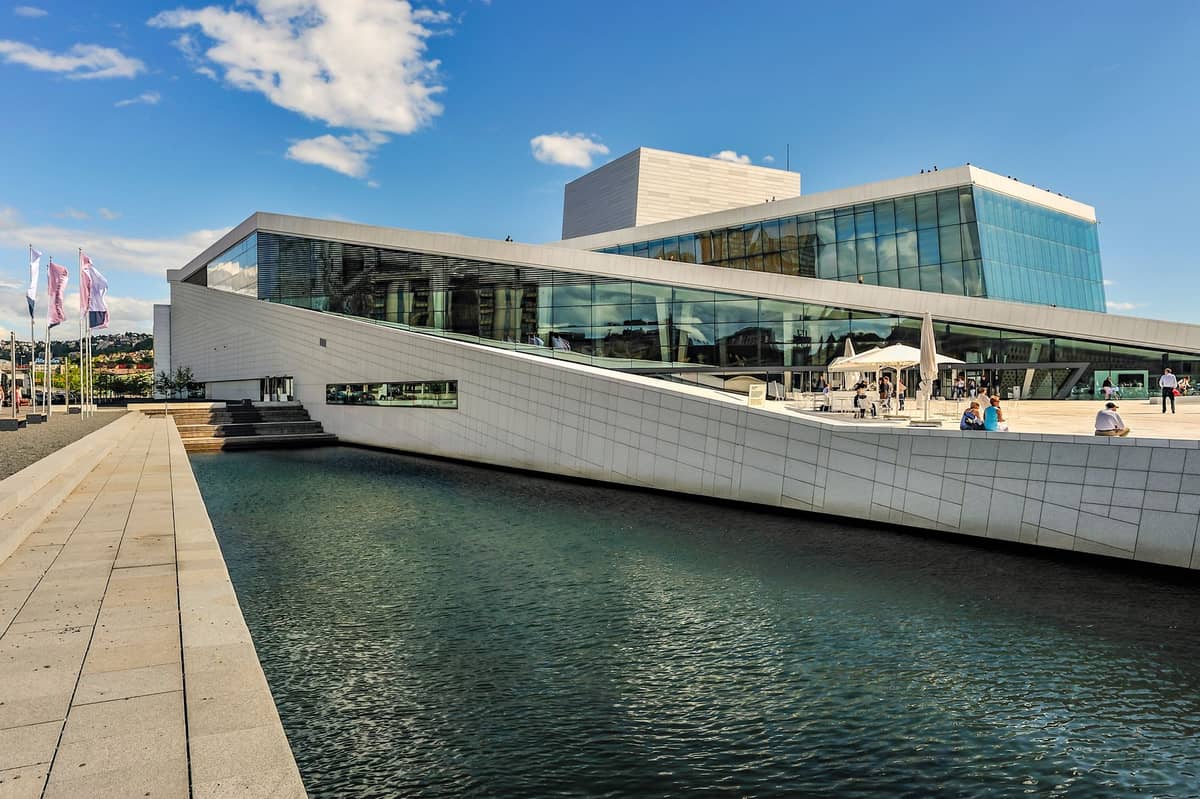
Viking history is one strand of Oslo's identity, not the whole story. The city rewards visitors who treat the Norse past as context rather than the sole itinerary driver. A three-day Oslo itinerary can comfortably include the Historical Museum, Bygdøy's maritime museums, and Gamlebyen's medieval ruins alongside the modern city: the Opera House, the Munch Museum, and the Oslofjord waterfront. Oslo is also a useful base for reaching sites with stronger Viking Age resonance, including the burial mounds at Borre and the historic town of Tønsberg, claimed as one of Norway's oldest cities.
For visitors with a specific interest in Scandinavian medieval history, combining Oslo with a trip further afield opens up significant depth. Day trips from Oslo to the Vestfold region, where the actual ship burial sites are located, add an archaeological dimension that no city museum can replicate. Standing at the Gokstad burial mound in Sandefjord, knowing the ship excavated from that very ground is sitting in a conservation facility a short distance away, brings the Viking Age into focus in a way that indoor exhibitions rarely achieve.
FAQ
Can I see the Viking ships in Oslo in 2026?
No. The Oseberg, Gokstad, and Tune ships are not on public display in 2026. The Viking Ship Museum on Bygdøy is fully closed and undergoing reconstruction into the new Museum of the Viking Age, which is expected to open in 2027 — though no confirmed date has been announced. The ships themselves are in conservation during the construction period.
When will the Oslo Viking museum reopen?
The new institution, called the Museum of the Viking Age (Vikingtidsmuseet), has a target opening date in 2027. As of 2026, no specific date has been confirmed. Check vikingtidsmuseet.no/english for the latest updates, as the timeline has shifted before and could change again.
Where can I learn about Viking history in Oslo while the ship museum is closed?
The Historical Museum (Historisk museum) on Frederiks gate in the city centre holds a strong collection of Viking Age artefacts and is the best scholarly alternative. The Viking Planet near Oslo City Hall offers a more interactive, multimedia experience. Both are open in 2026, though admission prices and hours should be verified before your visit.
Is the Bygdøy peninsula worth visiting if the Viking Ship Museum is closed?
Yes. Bygdøy has four other significant museums: the Fram Museum, the Kon-Tiki Museum, the Norwegian Maritime Museum, and Norsk Folkemuseum (the open-air folk museum with the relocated stave church). A full day on Bygdøy is worthwhile independent of the Viking ship situation.
Is Viking history better in Oslo or Bergen?
For the famous burial ships, Oslo is the destination — when the Museum of the Viking Age reopens in 2027, it will house the finest collection of intact Viking vessels in the world. Bergen has a strong medieval history and excellent museums, but it does not have equivalent Viking ship finds. Currently, with Oslo's ship museum closed, neither city has a compelling advantage for seeing original Viking ships in person.
Tickets & tours
Live prices and dates from our booking partner. If you book, we may earn a commission at no extra cost to you.
Planning a trip? Discover personalized activities with the Nomado app.