Natural History Museum Oslo (Naturhistorisk Museum): What to Expect Before You Go
Oslo's Natural History Museum brings together dinosaur skeletons, geological wonders, and a sprawling botanical garden on a single University of Oslo campus. Free garden entry, affordable tickets, and a calm atmosphere make it one of the city's most underrated half-day destinations.
Quick Facts
- Location
- Sars' gate 1, 0562 Oslo (Grønland / Tøyen area)
- Getting There
- T-bane (all lines) to Tøyen station (approx. 5–6-min walk)
- Time Needed
- 2–4 hours (museum + garden)
- Cost
- Adults NOK 180 / Seniors NOK 140 / Students & under-18 NOK 90 / Under 6 free / Family NOK 450. Botanical Garden: free entry; greenhouses free.
- Best for
- Families, science enthusiasts, garden lovers, budget travelers
- Official website
- www.nhm.uio.no/english
What the Natural History Museum Actually Is
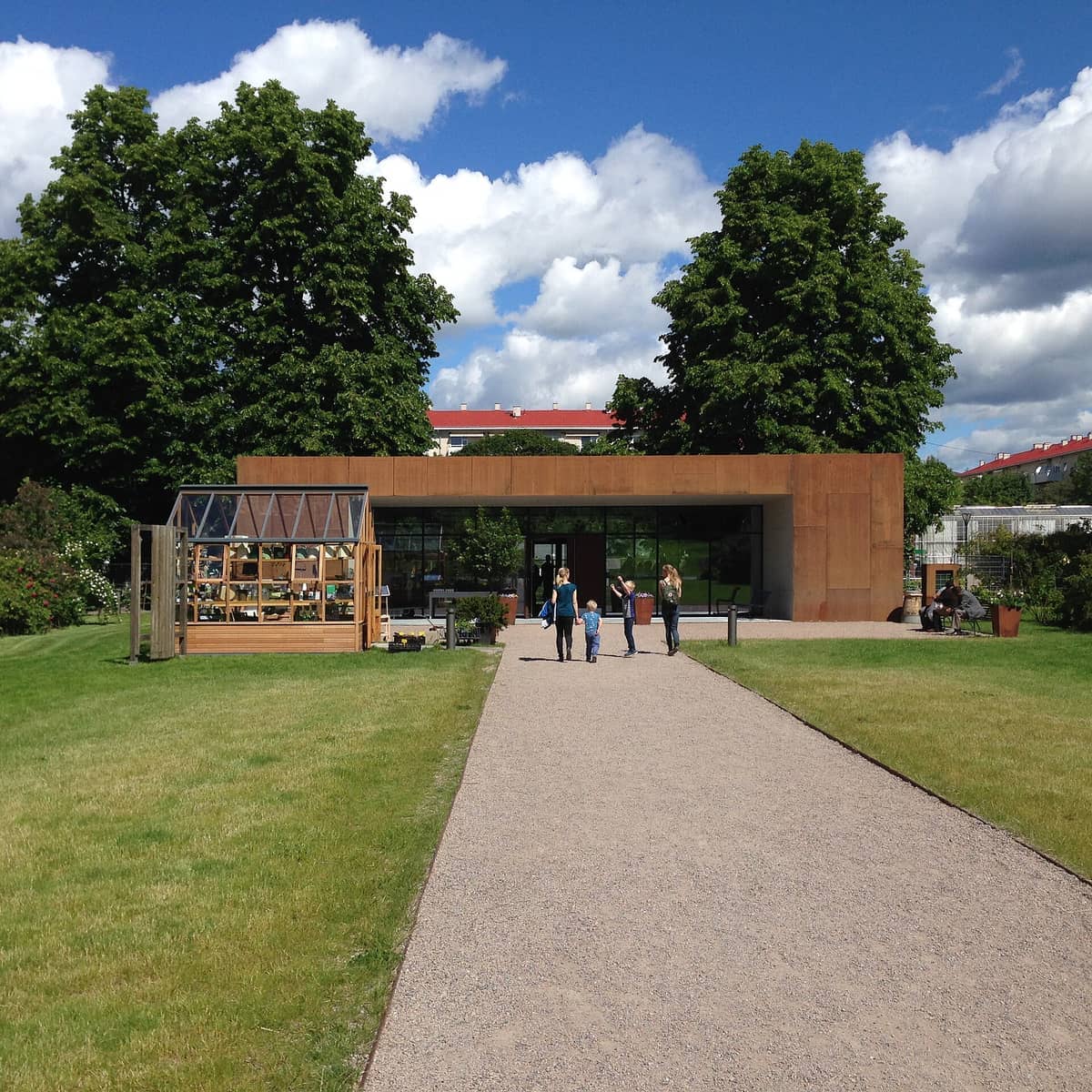
The Naturhistorisk Museum is not a single building but a campus: a cluster of 19th-century brick exhibition halls, a working botanical garden, and two historic greenhouses, all operated by the University of Oslo. The address is Sars' gate 1 in the Tøyen district, just east of central Oslo. Most visitors arrive expecting a modest regional museum and leave surprised by how much is packed into the grounds.
The exhibition side covers zoology, geology, and paleontology across several interconnected buildings. The botanical garden occupies the adjacent land, opens at 07:00 year-round, and has no admission charge (closing times vary by season). The Victoria House and Palm House greenhouses are also free and generally follow the garden’s daytime schedule. If your time is short, you can skip the paid exhibitions entirely and still spend a rewarding hour walking the garden paths. That said, the exhibitions justify the ticket price, particularly for anyone traveling with children.
💡 Local tip
Oslo Pass holders get free museum entry. If you're visiting multiple attractions in a day, check whether the pass saves you money overall before buying individual tickets.
The Exhibition Buildings: What You'll See Inside
The geological and mineralogical collection is genuinely impressive in scope. Cases of crystals, meteorites, and ore samples line the rooms, and the lighting is set low enough to make the mineral fluorescence displays dramatic rather than clinical. Children tend to slow down here, faces close to the glass, in a way they don't in rooms full of text panels. The dinosaur skeleton displays are the headline draw for families, and the specimens are large enough to register as genuinely impressive rather than merely educational.
The zoological collection occupies its own building and runs from marine invertebrates up through large mammals. The taxidermy ranges from Victorian-era mounts, slightly stiff and period in character, to more recent displays. The overall atmosphere in the zoology hall is quiet and slightly old-fashioned, which is either charming or dated depending on your expectations. If you've come from Oslo's newer, heavily designed museums near the waterfront, the presentation here will feel more traditional. That isn't a criticism: there's something grounding about a collection that doesn't chase interactivity at every turn.
Klimahuset (the Climate House) is a separate exhibition that addresses climate change and Earth systems using a more contemporary exhibition design. It fits well alongside the natural science collections and adds a forward-looking dimension to the campus's otherwise historical focus.
Tickets & tours
Live prices and dates from our booking partner. If you book, we may earn a commission at no extra cost to you.
Private historical walk through Oslo with a local
From 294 €Instant confirmationFree cancellationOslo Fjord sightseeing audio-guided electrical boat tour
From 35 €Instant confirmationFree cancellationFjord cruise with live jazz music
From 64 €Instant confirmationFree cancellationLuggage Storage in Oslo
From 6 €Instant confirmationFree cancellation
The Botanical Garden: Timing and Atmosphere
The Botanical Garden opens at 07:00, which makes it one of the few outdoor green spaces in central Oslo accessible before the city fully wakes up. Early morning between late April and September is a genuinely calm experience: birdsong, dew on the grass, almost no one else around. By midday on weekends in summer, the paths fill with families and students from the nearby university area, but it never reaches the density of Frogner Park or the waterfront.
The garden is organized thematically, with dedicated sections for Norwegian alpine flora, medicinal plants, systematically arranged botanical families, and heritage rose cultivars. The labeling is thorough, with Latin and common names marked at each planting. For visitors with any interest in Scandinavian ecology, the native plant sections are particularly well curated. You can cross from a coastal heath planting to a subalpine meadow reconstruction within a few minutes' walk.
In autumn, typically from late September through October, the garden's deciduous sections turn. The colors are at their peak during Oslo's wetter autumn weeks, and the garden receives noticeably less visitor pressure than in summer. Winter visits are quieter still, though some paths become slippery when frosted. Spring is when the garden repays careful attention: the rock garden and bulb plantings emerge early, often from mid-March onward depending on that year's temperatures.
The garden is also worth considering as part of a longer walk through the Tøyen and Grønland area. It connects naturally with the surrounding neighborhood, which has a distinct character from Oslo's western districts. For a broader sense of how this part of the city feels, the Grønland neighborhood guide gives useful context on the streets, food, and transit connections surrounding the museum campus.
The Greenhouses: Victoria House and Palm House
Both greenhouses are free to enter. The Palm House is open daily from 10:00 to 21:00 from 1 April to 30 September, and 10:00 to 17:00 from 1 October to 31 March. The Palm House is the older of the two, a wrought-iron and glass structure housing tropical and subtropical species. The temperature and humidity shift noticeably the moment you step inside, particularly useful on a grey Oslo November day when the sensation of warm, humid air and tall palms feels genuinely disorienting in the best possible way.
The Victoria House is named for the giant Victoria amazonica water lily, which the museum cultivates in season. Outside its growing period, the Victoria House still contains aquatic tropical plants and functions as a warm pause in any garden visit. Photography works well in the greenhouses due to the diffused light through the glass panels, though midday light in summer can be harsh.
Getting There and Practical Logistics
The most direct public transport option is T-bane line 5, alighting at Tøyen station. From the exit it's roughly a five-minute walk to the museum entrance on Sars' gate. Tram and bus routes also serve the broader Tøyen and Grønland area. Oslo's public transport is run by Ruter; fares and zone rules change periodically, so confirm current ticket prices on the Ruter website or app before travel.
By foot from central Oslo (Oslo S / Sentrum), the museum is reachable in around 20–25 minutes through Grønland, or slightly less if you walk briskly north from the main station area. The route passes through one of the city's more culturally varied neighborhoods, which makes the walk itself worth taking at least once.
Parking for visitors with disabilities is available on Monrads gate (Botanical Garden access) and within the garden via Sars' gate for permit holders. General parking in the immediate area is limited, and driving is not recommended on weekend afternoons. All exhibition buildings are wheelchair accessible, with elevators and accessible toilets. The greenhouses are not wheelchair accessible. Some garden paths are steep or narrow; an accessibility map is available on the museum's website. Two wheelchairs are available for loan from the museum shop.
ℹ️ Good to know
The museum is closed on Mondays. Exhibitions run Tuesday to Sunday, 10:00–17:00. The Botanical Garden and greenhouses are open daily, with closing times varying by season. School groups visit free on weekdays, so Tuesday to Friday mornings can be busier in the indoor exhibitions during term time.
Who This Suits and Who Might Be Disappointed
The Natural History Museum works well for families with children in roughly the 5–12 age range, who respond well to the dinosaur fossils and mineral displays without needing highly interactive installations to stay engaged. It also suits anyone interested in botany, geology, or natural sciences who prefers a research-institution context over a theme-park approach to museum display.
Travelers focused on Norwegian cultural history or contemporary art will find little overlap with their interests here. This is a natural sciences institution, not an arts or Viking history museum. If your Oslo itinerary is already full of waterfront attractions, fitting in a cross-city trip to Tøyen requires a clear reason. For those visiting Oslo specifically for its cultural museums, the day may be better spent at the collections concentrated in other parts of the city.
If you're planning a broader museum day and weighing where to spend your time, the Oslo museums guide maps out the full landscape of the city's collections and helps you prioritize based on your interests.
Families with children who want to extend the day outdoors after the museum visit have good options close by. The Botanical Garden is free and on the same site, and the surrounding Tøyen area has parks and playgrounds within a short walk.
Photography Notes and Weather Considerations
The indoor exhibitions are dim in places, particularly the geology rooms and the older zoology hall. A phone camera will manage in well-lit areas, but the darker corners benefit from a steadier hand or a faster lens. Flash is generally unwelcome around specimen displays. The greenhouse interiors, especially the Palm House, photograph well in overcast conditions when the diffused natural light is even.
The garden photographs best in morning light from May through September, when shadows are still long and the planting looks fresh. The rose section peaks in June. Oslo's summer rainfall is moderate and spread through the season, so carrying a light waterproof jacket is sensible for any garden visit regardless of the forecast. The garden is fully outdoor; there's no shelter between the buildings except for a pergola near the greenhouses.
⚠️ What to skip
The Botanical Garden's paths become icy in cold weather. Winter visits are possible and often beautiful with frost on the branches, but wear footwear with grip. Some path sections are flagged as steep or narrow even in dry conditions; check the accessibility map on the museum site if mobility is a factor.
Insider Tips
- The garden opens at 07:00, a full three hours before the museum exhibitions. On summer mornings, arriving early gives you the paths almost entirely to yourself before the school groups and weekend crowds arrive around 10:30; closing times vary by season, so check current hours if you plan an evening visit.
- Oslo Pass holders enter the museum exhibitions for free. If you're already planning to use the pass for transit and other attractions, this effectively makes the museum a zero-marginal-cost addition to your day.
- The Victoria House greenhouse is easy to overlook because it sits slightly apart from the main Palm House. It's worth the detour, especially if the giant water lily is in season, which typically runs in summer.
- Weekday afternoons (after roughly 13:00) tend to be the quietest period in the indoor exhibitions. School groups arrive in the morning; families with young children tend to cluster around midday. Tuesday and Wednesday afternoons in particular are calm.
- The mineral and meteorite collection in the geological hall is underappreciated. Allow at least 30 minutes here specifically, rather than treating it as a pass-through on the way to the dinosaurs. The fluorescence cabinet, where minerals glow under UV light, is a genuine highlight.
Who Is Natural History Museum (Naturhistorisk Museum) For?
- Families with children aged 5–12 who want science-focused exhibits without heavy crowds
- Botany and plant enthusiasts visiting Oslo in spring or early summer
- Budget travelers, since the garden and greenhouses are free and museum tickets are moderate by Oslo standards
- Geology, paleontology, and natural science enthusiasts seeking a research-institution-quality collection
- Visitors looking for a quieter, less tourist-heavy half-day away from the waterfront
Nearby Attractions
Other things to see while in Grønland & Tøyen:
- Botanical Garden (Botanisk Hage)
Part of the Natural History Museum at the University of Oslo, the Botanical Garden in Tøyen is a free, year-round green space holding over 4,500 plant species from across the globe. Whether you arrive in cherry-blossom spring or frost-sharpened winter, the garden offers something most Oslo attractions cannot: genuine quiet.
- Gamlebyen (Old Town)
Gamlebyen is the oldest settled area of Oslo, preserving medieval church ruins, a historic cemetery, and quiet residential streets on the city's east side. Admission is free, crowds are minimal, and the contrast with central Oslo is striking.
Planning a trip? Discover personalized activities with the Nomado app.