Best Museums in Oslo: A Complete Guide to the City's Greatest Collections
Oslo offers more than its size suggests when it comes to museums. Whether you're drawn to Edvard Munch's raw canvases, the story of Norway's WWII resistance, or the world's most ambitious open-air folk museum, this guide covers every essential collection in the city.
Tickets & tours
Live prices and dates from our booking partner. If you book, we may earn a commission at no extra cost to you.
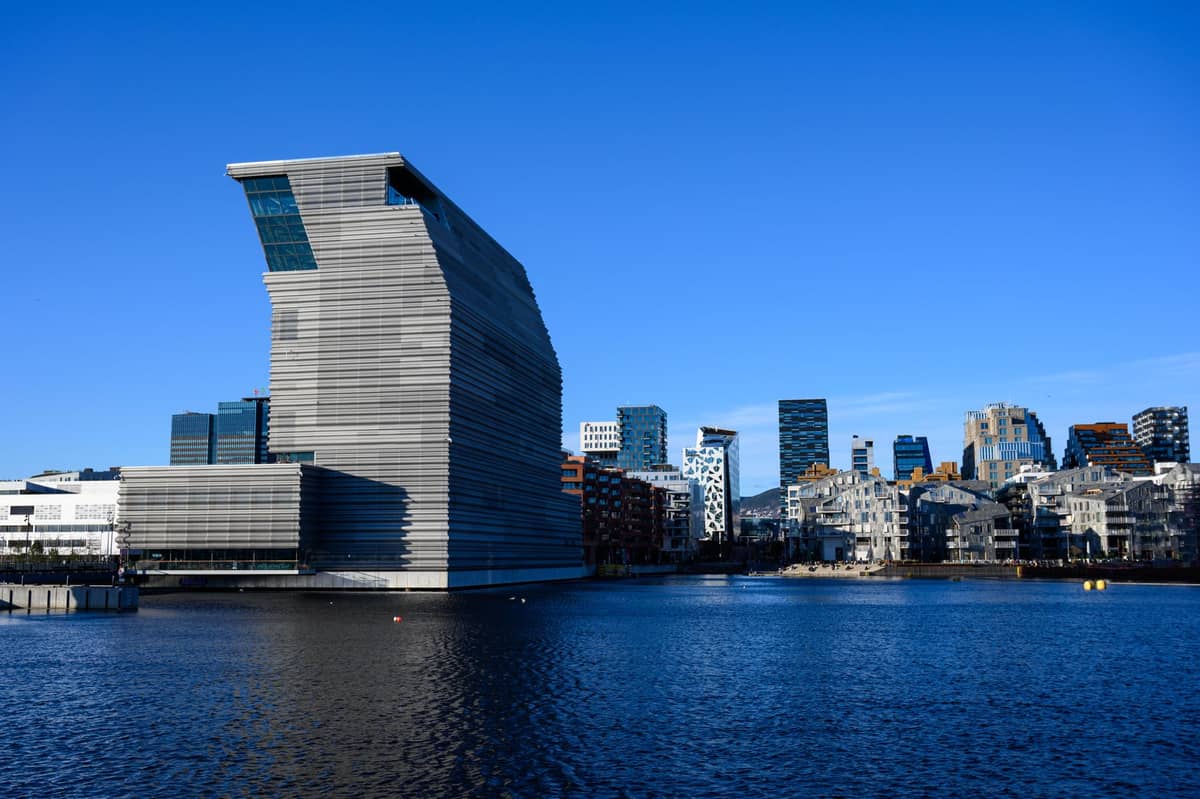
Oslo's museums are among the most rewarding in northern Europe, and the city has invested heavily in world-class buildings to match their collections. The 2021 opening of the MUNCH tower in Bjørvika and the 2022 reopening of the National Museum near City Hall have fundamentally reshaped the cultural landscape. The Bygdøy peninsula remains the densest concentration of museums in Norway, where you can visit four or five major collections in a single day. For practical advice on managing costs, the Oslo Pass covers entry to many of these museums and includes unlimited public transport. One critical note before you plan: the Viking Ship Museum on Bygdøy is closed for a full rebuild and will not reopen until 2027, with reopening planned for the end of the year. Plan around it.
⚠️ What to skip
The Viking Ship Museum on Bygdøy is closed until at least 2027 for its rebuild as the Museum of the Viking Age. Do not include it in your Bygdøy museum day plans. Always verify opening hours and ticket prices on each museum's official website before visiting.
Art Museums: From Munch to Contemporary Masters
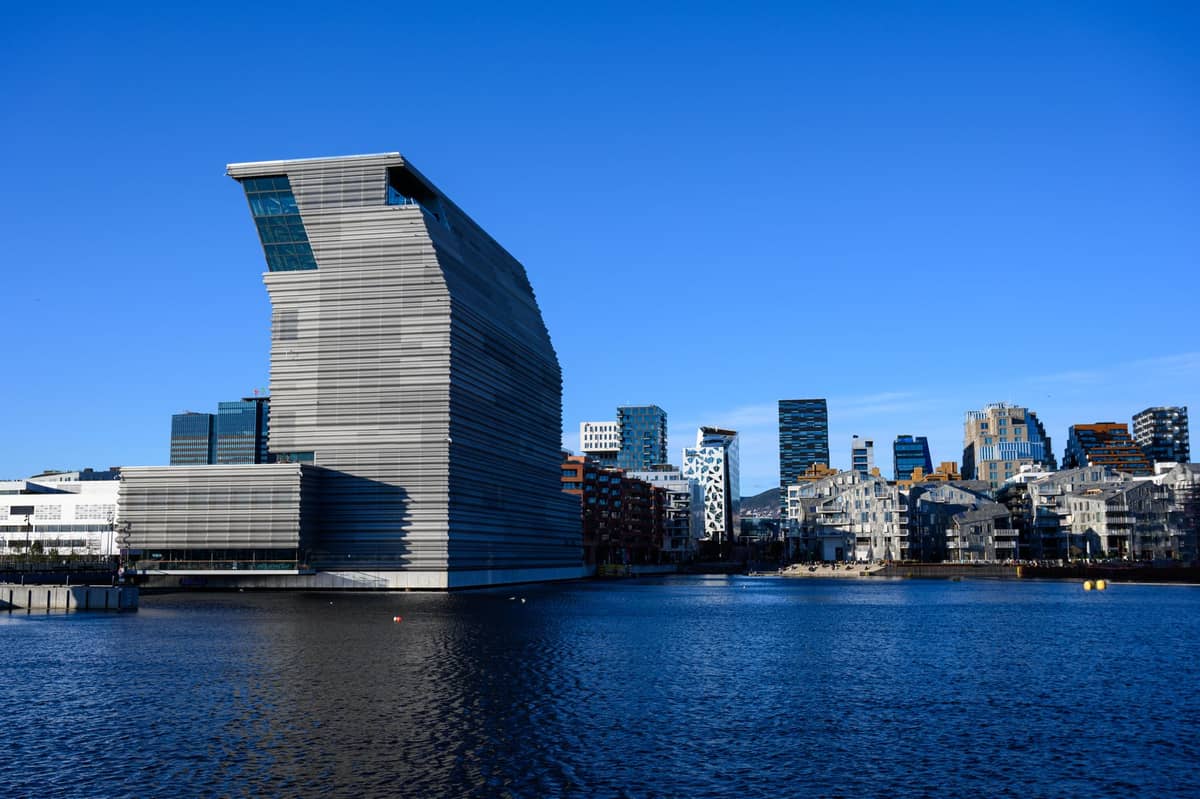
Oslo's art museum scene has been transformed in recent years. The new Munch museum guide covers everything you need to know about visiting the 13-storey MUNCH tower, including tips on free Wednesday evening entry. Across town in Tjuvholmen, the Astrup Fearnley Museum offers a completely different experience: international contemporary art in a Renzo Piano building on the harbor.
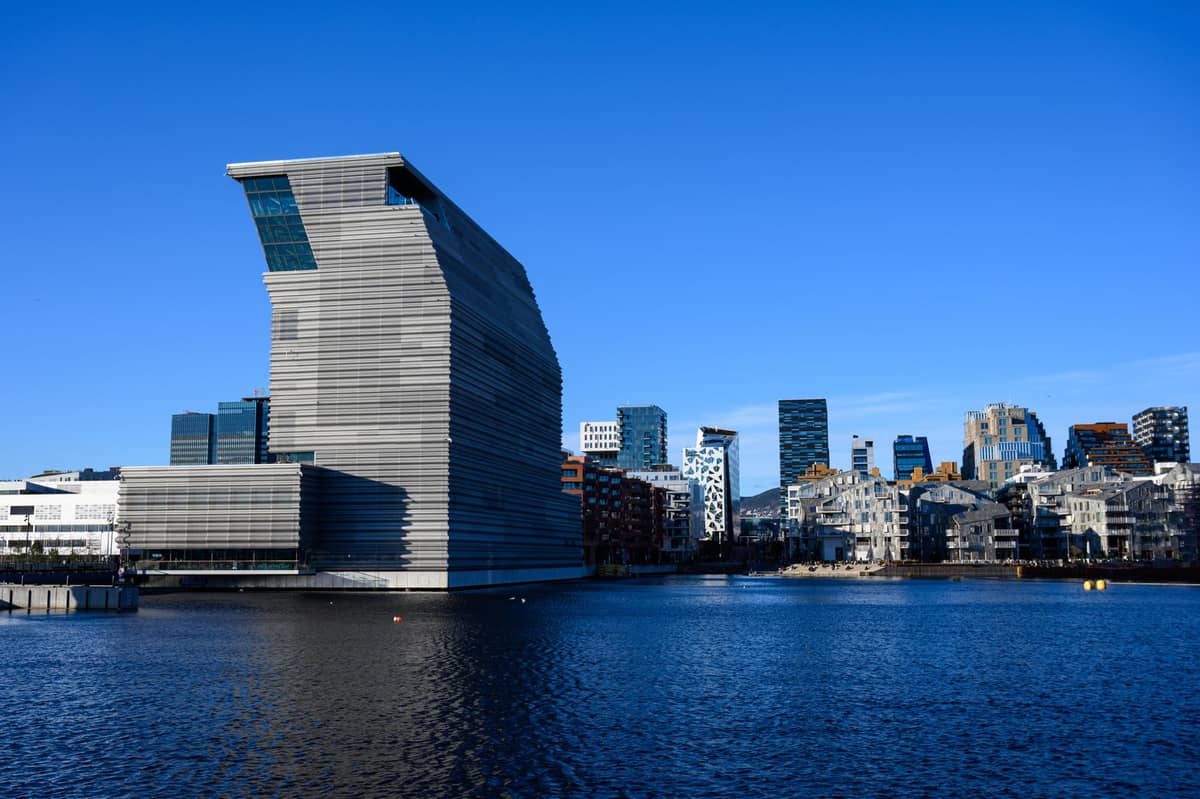
1. See Multiple Versions of The Scream at MUNCH
The world's largest Munch collection fills a dramatic 13-storey waterfront tower with over 26,000 works. Wednesday evenings from 18:00 offer free entry. Book timed tickets online. Adults pay 280 NOK for daytime entry.
Explore1. See Multiple Versions of The Scream at MUNCH
The world's largest Munch collection fills a dramatic 13-storey waterfront tower with over 26,000 works. Wednesday evenings from 18:00 offer free entry. Book timed tickets online. Adults pay 280 NOK for daytime entry.
Explore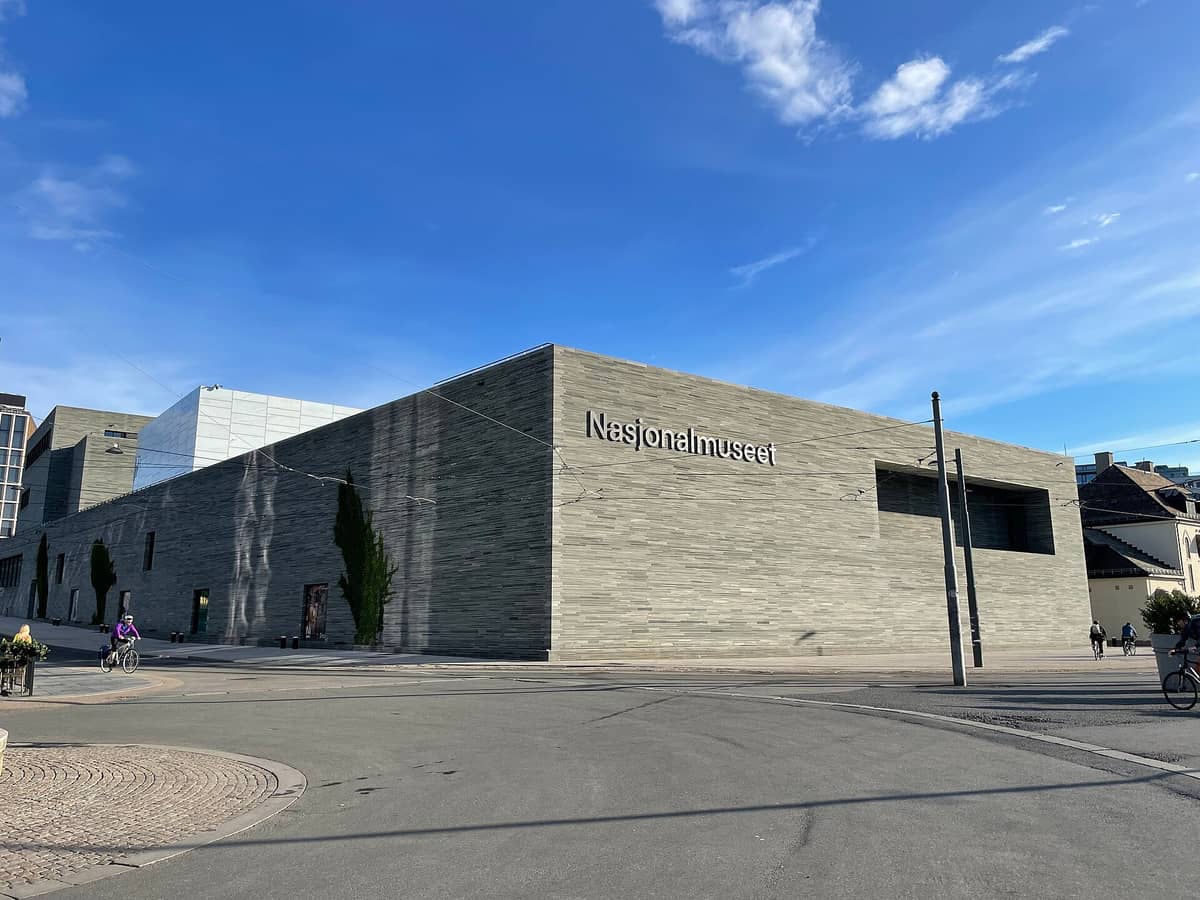
2. Explore Norway's Largest Art Collection at the National Museum
Reopened in 2022, this vast building near City Hall houses the original Scream alongside Norwegian masters and international works. Allow at least 3 hours. It is the most comprehensive art and design institution in the Nordic countries.
Explore2. Explore Norway's Largest Art Collection at the National Museum
Reopened in 2022, this vast building near City Hall houses the original Scream alongside Norwegian masters and international works. Allow at least 3 hours. It is the most comprehensive art and design institution in the Nordic countries.
Explore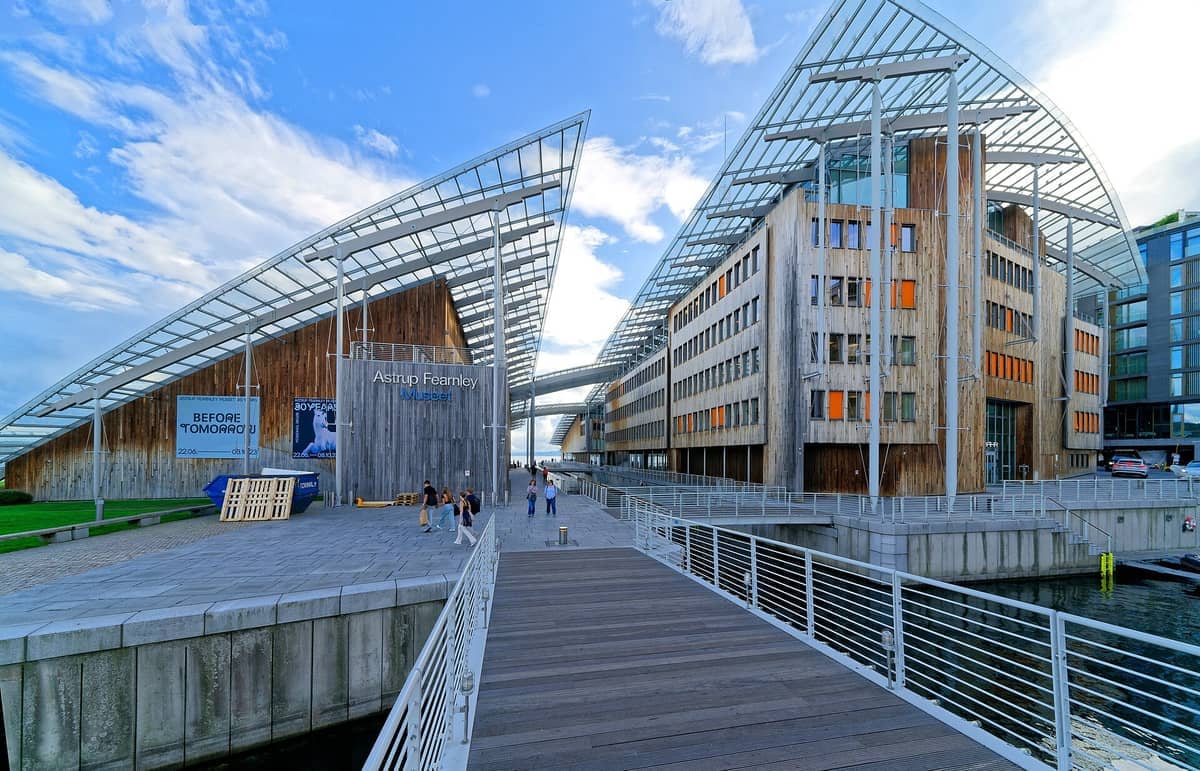
3. Discover World-Class Contemporary Art at Astrup Fearnley
Renzo Piano's glass-sail building on Tjuvholmen harbor island houses works by Koons, Sherman, and Hirst. The architecture is as compelling as the collection. Combine with the adjacent sculpture park for a full afternoon.
Explore3. Discover World-Class Contemporary Art at Astrup Fearnley
Renzo Piano's glass-sail building on Tjuvholmen harbor island houses works by Koons, Sherman, and Hirst. The architecture is as compelling as the collection. Combine with the adjacent sculpture park for a full afternoon.
Explore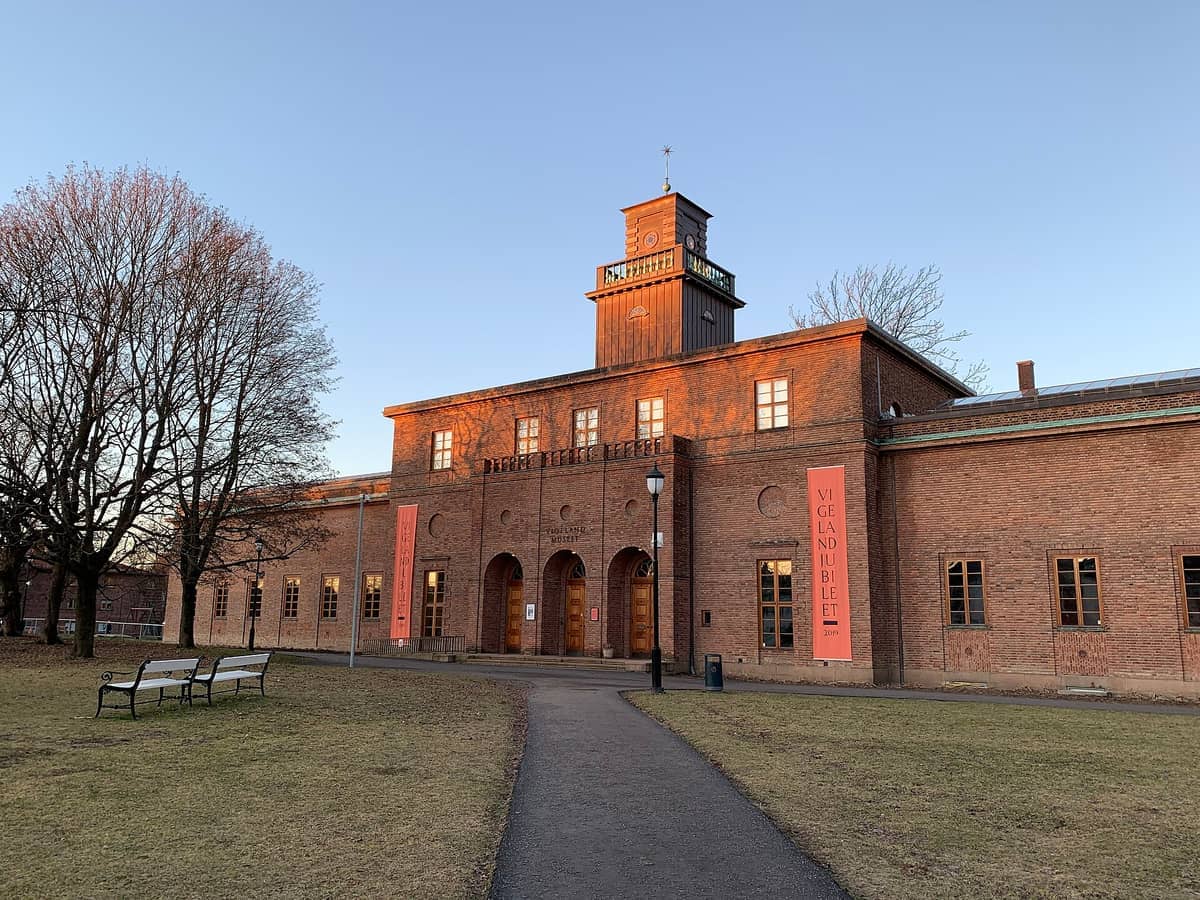
4. Understand Vigeland's Process at His Former Studio Museum
Gustav Vigeland's preserved studio displays the plaster models, drawings, and woodcuts behind the famous sculpture park. Small, quiet, and genuinely illuminating. Visit before or after Frogner Park to see the full picture.
Explore4. Understand Vigeland's Process at His Former Studio Museum
Gustav Vigeland's preserved studio displays the plaster models, drawings, and woodcuts behind the famous sculpture park. Small, quiet, and genuinely illuminating. Visit before or after Frogner Park to see the full picture.
Explore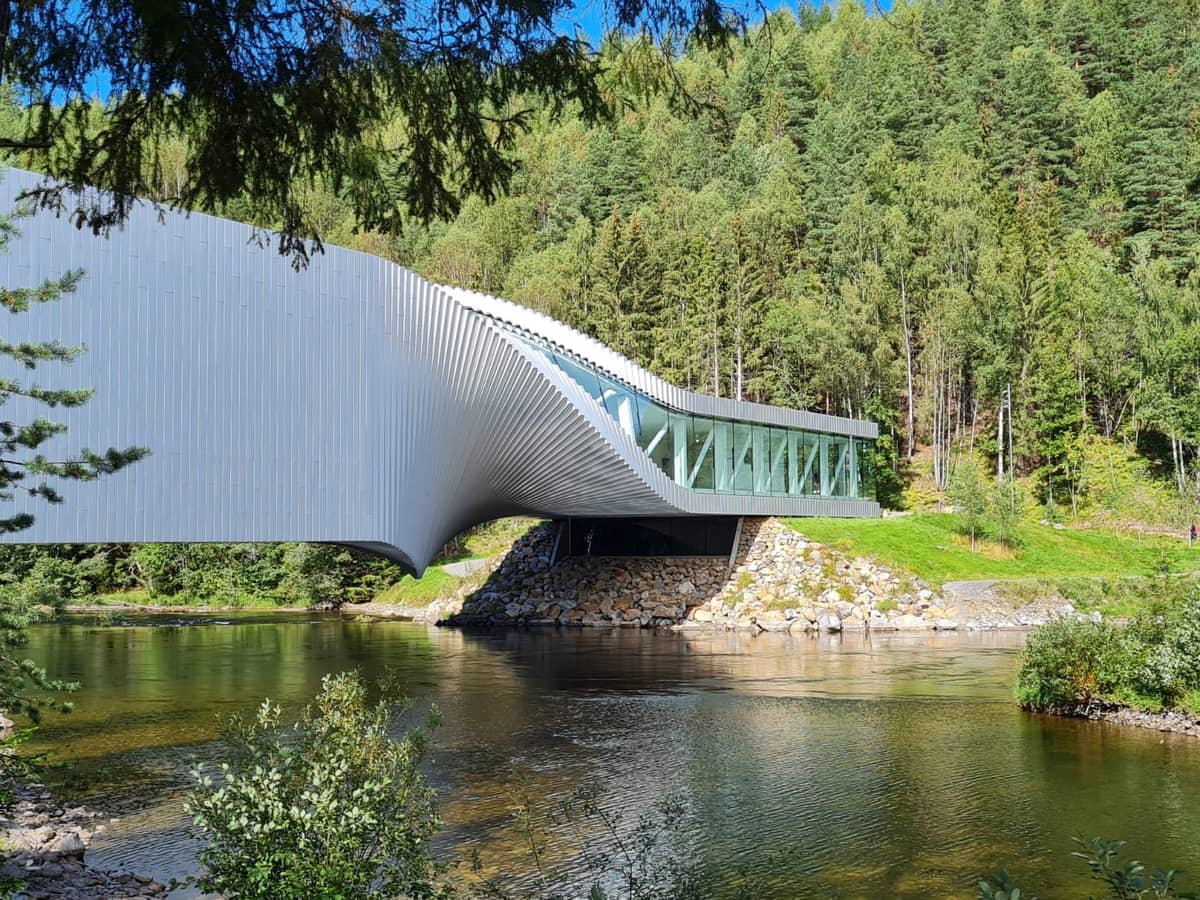
5. Make a Day Trip to The Twist and Kistefos Sculpture Park
BIG architects' bridge-building that twists 90 degrees over a river anchors this sculpture park 90 minutes from Oslo. Over 50 outdoor works in a forest and waterfall landscape. One of the most architecturally exciting art destinations in Norway.
Explore5. Make a Day Trip to The Twist and Kistefos Sculpture Park
BIG architects' bridge-building that twists 90 degrees over a river anchors this sculpture park 90 minutes from Oslo. Over 50 outdoor works in a forest and waterfall landscape. One of the most architecturally exciting art destinations in Norway.
ExploreHistory & Culture Museums
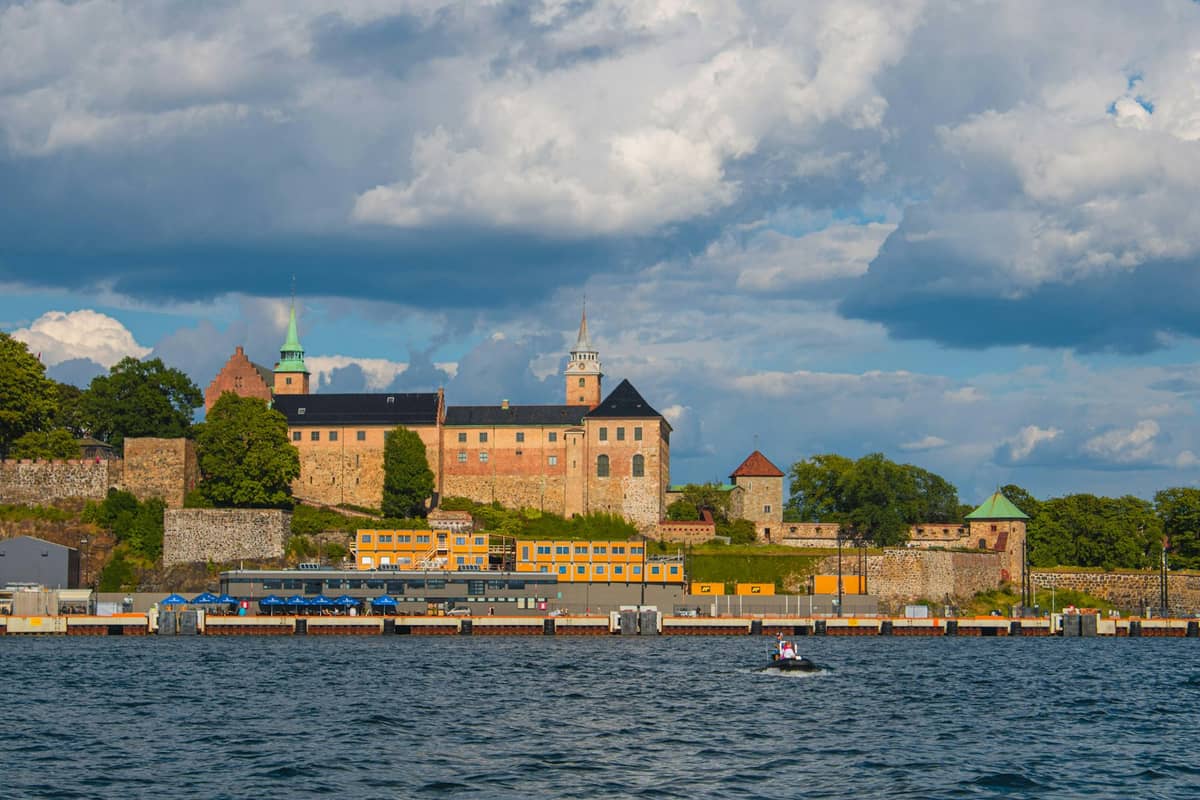
Oslo's history museums range from medieval archaeology to WWII resistance stories. The Viking history guide covers where to find genuine Norse artefacts while the Viking Ship Museum remains closed. The Akershus Fortress complex is particularly rewarding: you can visit the fortress grounds for free and then pay to enter the Resistance Museum within its walls.
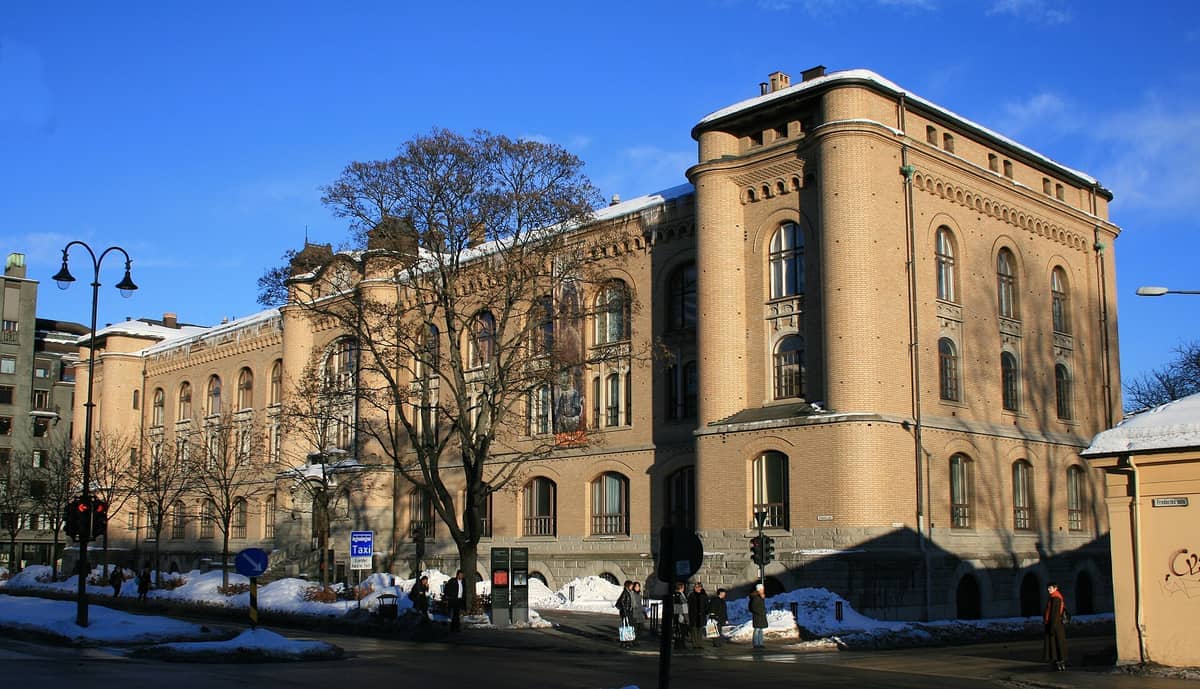
6. Discover Viking Gold and Medieval Art at the Historical Museum
This Art Nouveau building near the Royal Palace holds Norway's finest Viking-age artefacts, medieval church art, and the national coin collection. An essential stop while the Viking Ship Museum remains closed until 2027.
Explore6. Discover Viking Gold and Medieval Art at the Historical Museum
This Art Nouveau building near the Royal Palace holds Norway's finest Viking-age artefacts, medieval church art, and the national coin collection. An essential stop while the Viking Ship Museum remains closed until 2027.
Explore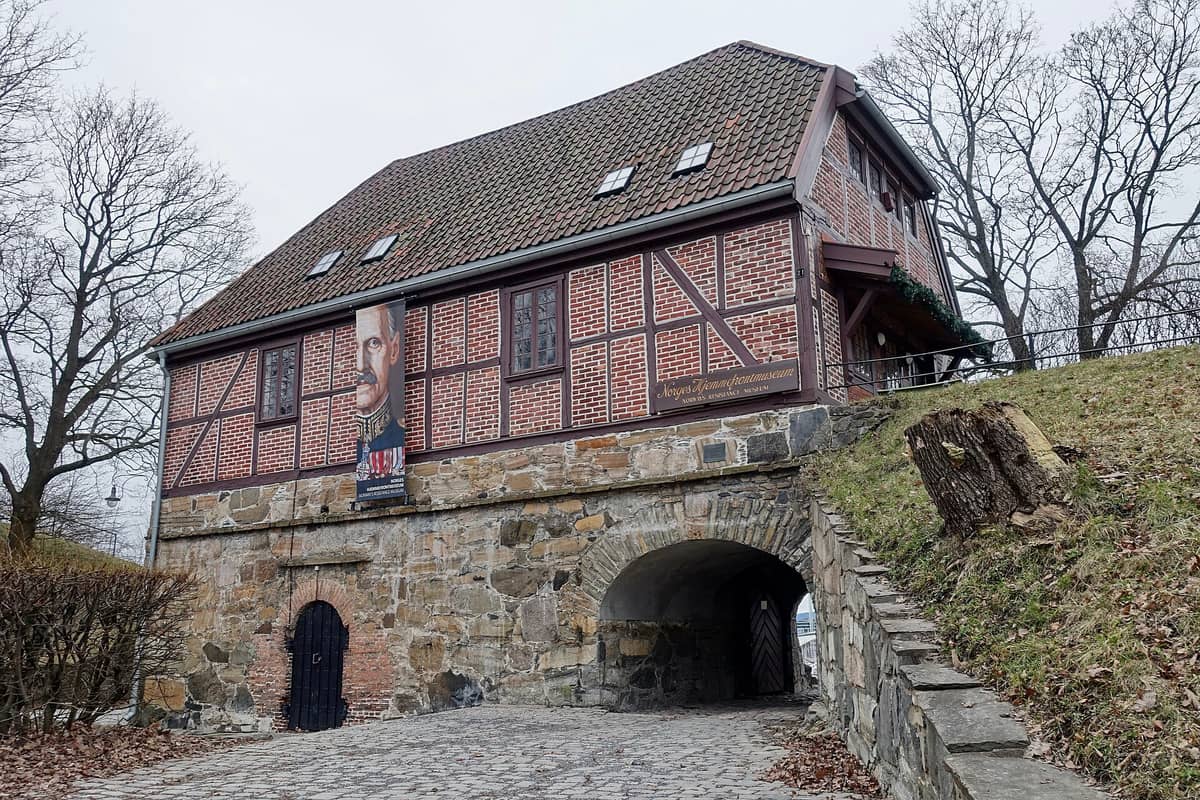
7. Confront Norway's WWII Occupation at the Resistance Museum
Inside Akershus Fortress, this museum tells Norway's occupation story through artefacts, documents, and personal testimonies from 1940 to 1945. One of the most moving WWII museums in Scandinavia. Allow 1.5 hours.
Explore7. Confront Norway's WWII Occupation at the Resistance Museum
Inside Akershus Fortress, this museum tells Norway's occupation story through artefacts, documents, and personal testimonies from 1940 to 1945. One of the most moving WWII museums in Scandinavia. Allow 1.5 hours.
Explore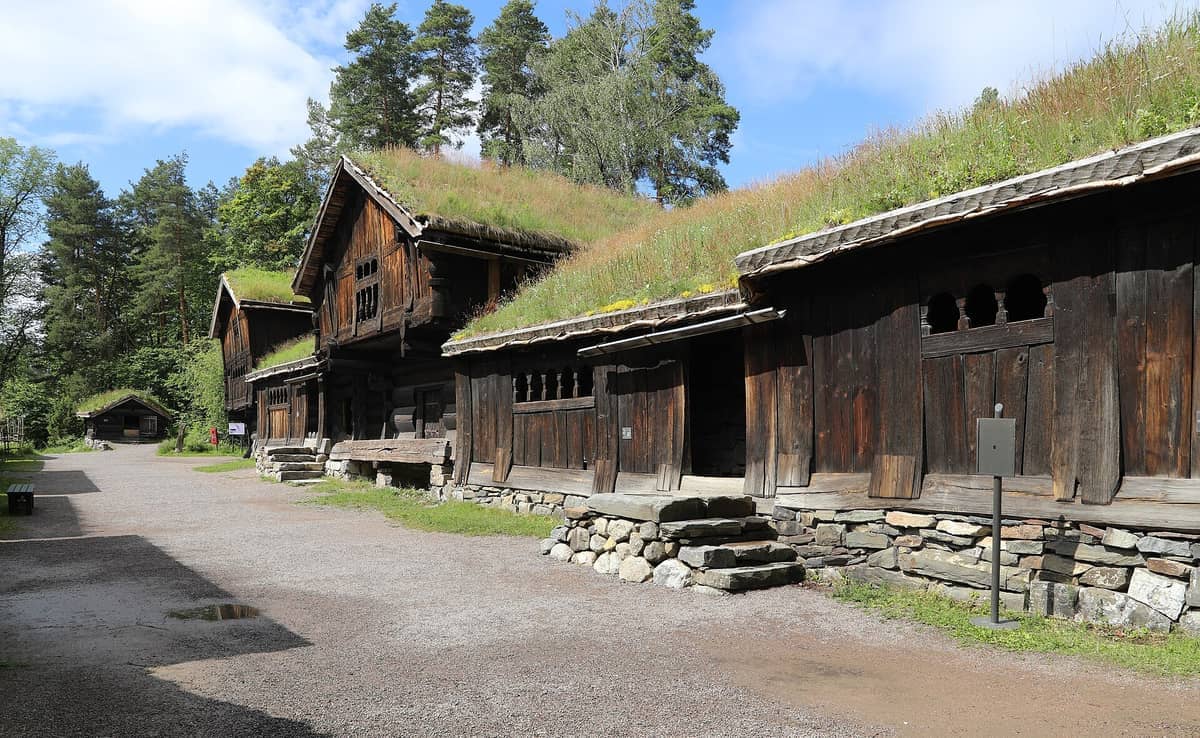
8. Walk Through 160 Historic Buildings at the Norwegian Folk Museum
Scandinavia's largest open-air museum on Bygdøy includes a 13th-century stave church and costumed staff demonstrating traditional crafts. The indoor collections cover Sami culture and folk art. Allow a full half-day.
Explore8. Walk Through 160 Historic Buildings at the Norwegian Folk Museum
Scandinavia's largest open-air museum on Bygdøy includes a 13th-century stave church and costumed staff demonstrating traditional crafts. The indoor collections cover Sami culture and folk art. Allow a full half-day.
Explore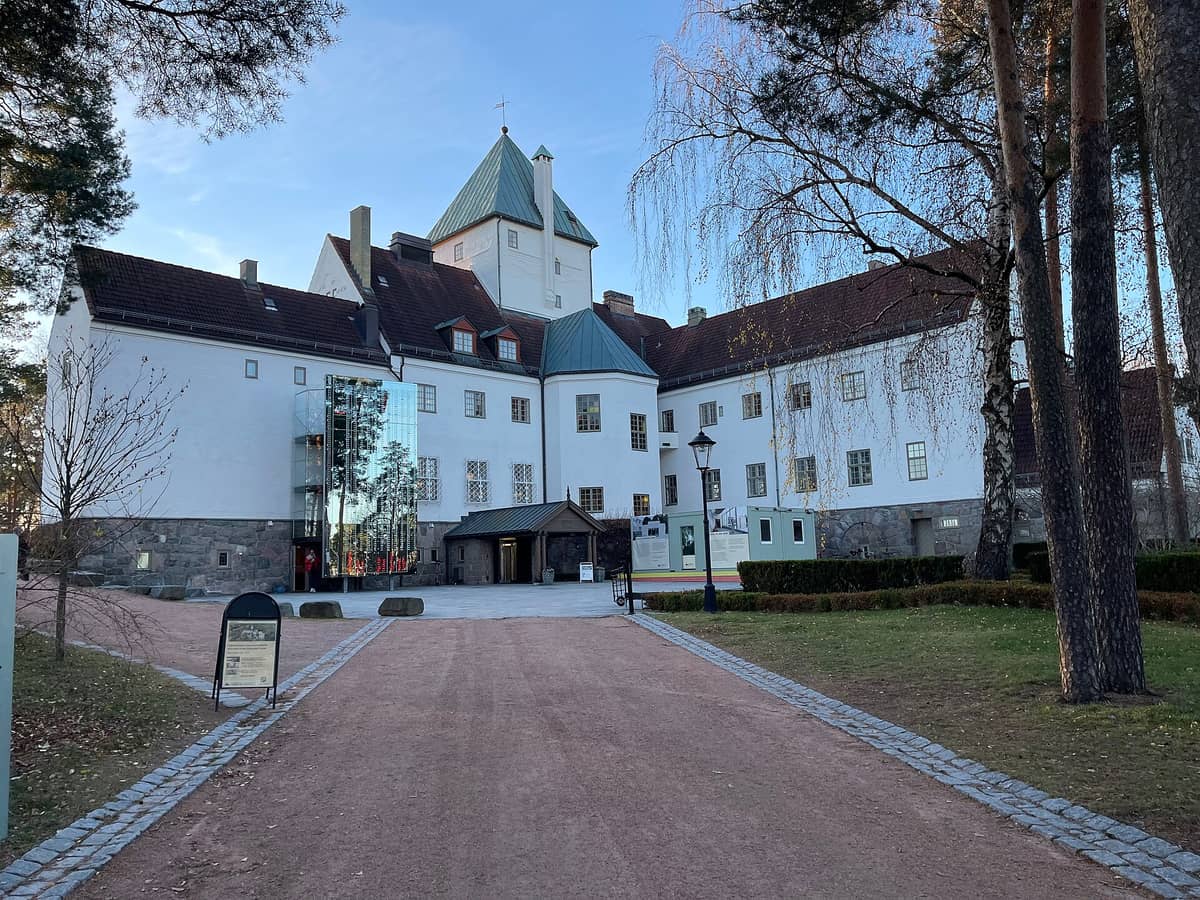
9. Reckon with Norway's Holocaust History at HL-senteret
Housed in Quisling's former wartime villa on Bygdøy, this national centre covers the Holocaust in Norway and Europe with depth and rigour. The building's dark history adds a layer of weight to every exhibition room.
Explore9. Reckon with Norway's Holocaust History at HL-senteret
Housed in Quisling's former wartime villa on Bygdøy, this national centre covers the Holocaust in Norway and Europe with depth and rigour. The building's dark history adds a layer of weight to every exhibition room.
Explore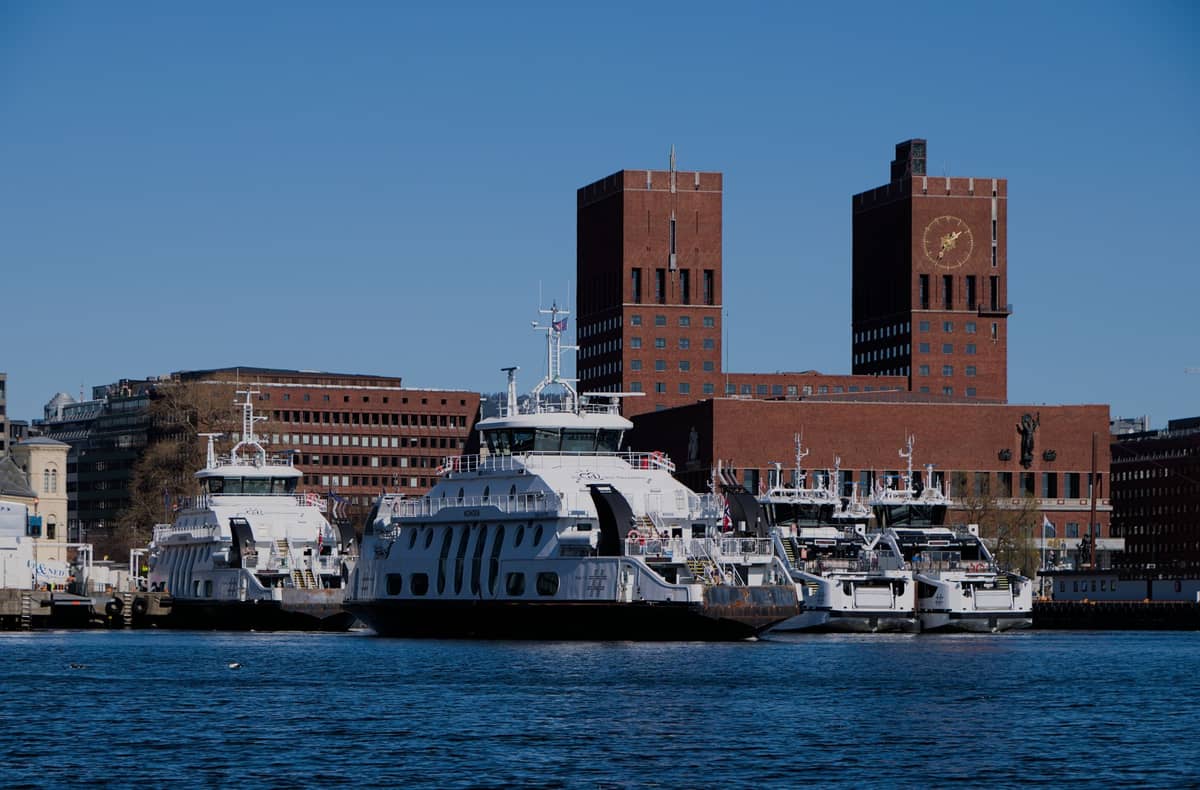
10. Explore the Nobel Peace Prize Venue and Its Extraordinary Murals
Oslo City Hall is free to enter and contains a remarkable cycle of murals depicting Norwegian history and culture. Most visitors photograph the exterior and leave without seeing the interior, which is a genuine mistake.
Explore10. Explore the Nobel Peace Prize Venue and Its Extraordinary Murals
Oslo City Hall is free to enter and contains a remarkable cycle of murals depicting Norwegian history and culture. Most visitors photograph the exterior and leave without seeing the interior, which is a genuine mistake.
Explore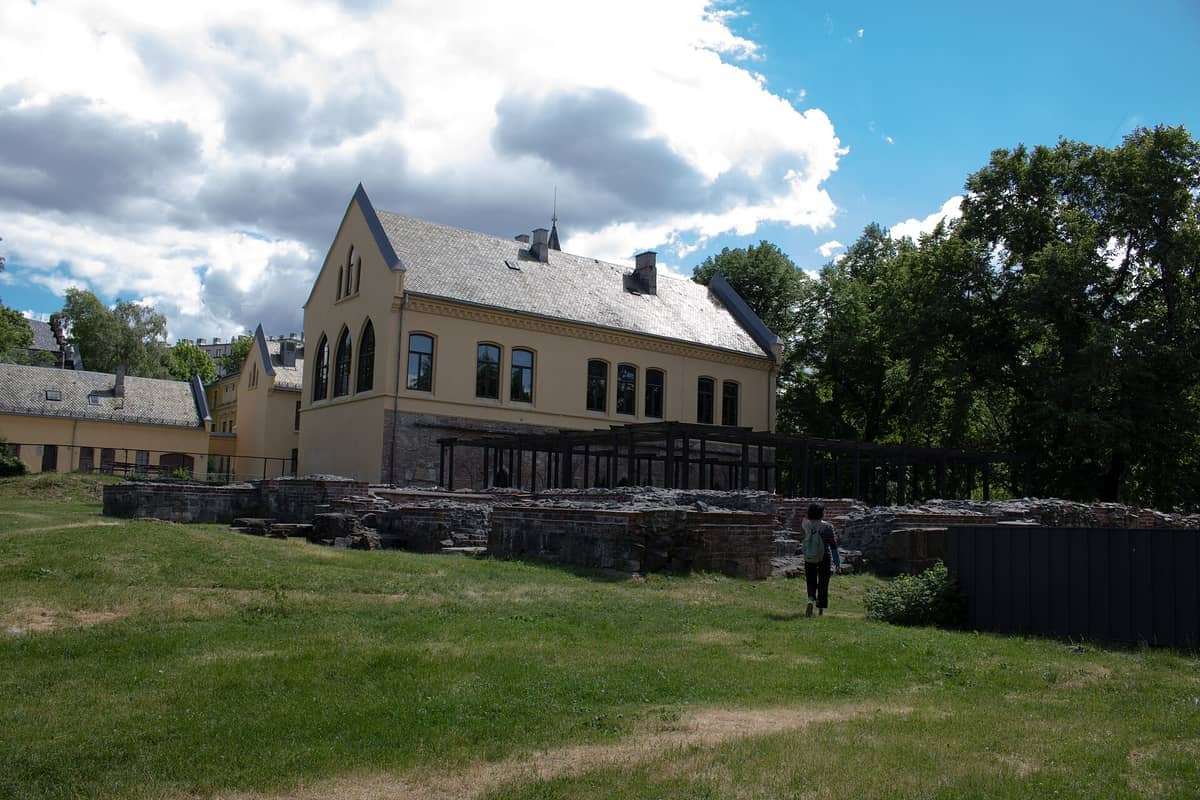
11. Uncover Medieval Oslo at Gamlebyen's Church Ruins Park
The city's east side holds excavated ruins of the original medieval city, including St. Hallvard's Cathedral. It's the least-visited but historically richest part of central Oslo. Free to explore and rarely crowded.
Explore11. Uncover Medieval Oslo at Gamlebyen's Church Ruins Park
The city's east side holds excavated ruins of the original medieval city, including St. Hallvard's Cathedral. It's the least-visited but historically richest part of central Oslo. Free to explore and rarely crowded.
ExploreExploration & Maritime Museums
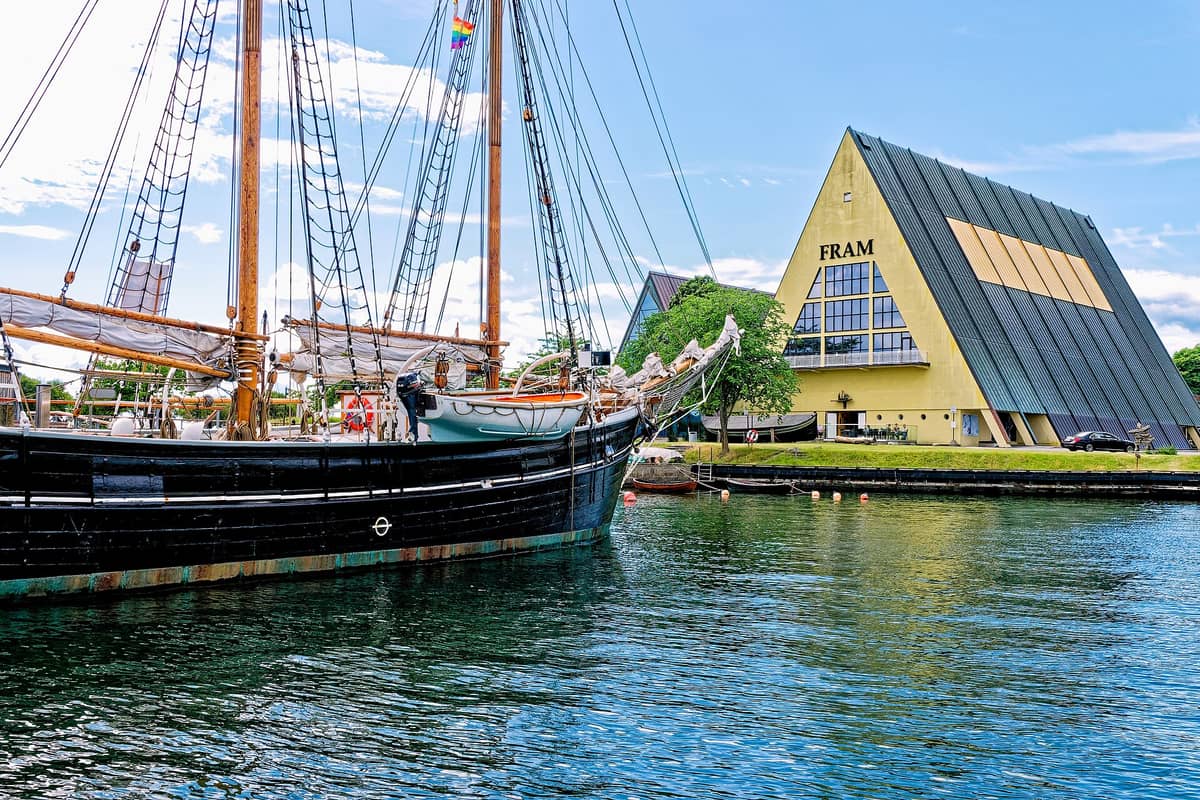
The Bygdøy peninsula clusters three of Oslo's finest exploration museums within easy walking distance of each other, making it the obvious destination for a themed museum day. See the 3-day Oslo itinerary for how to fit them into a wider trip.
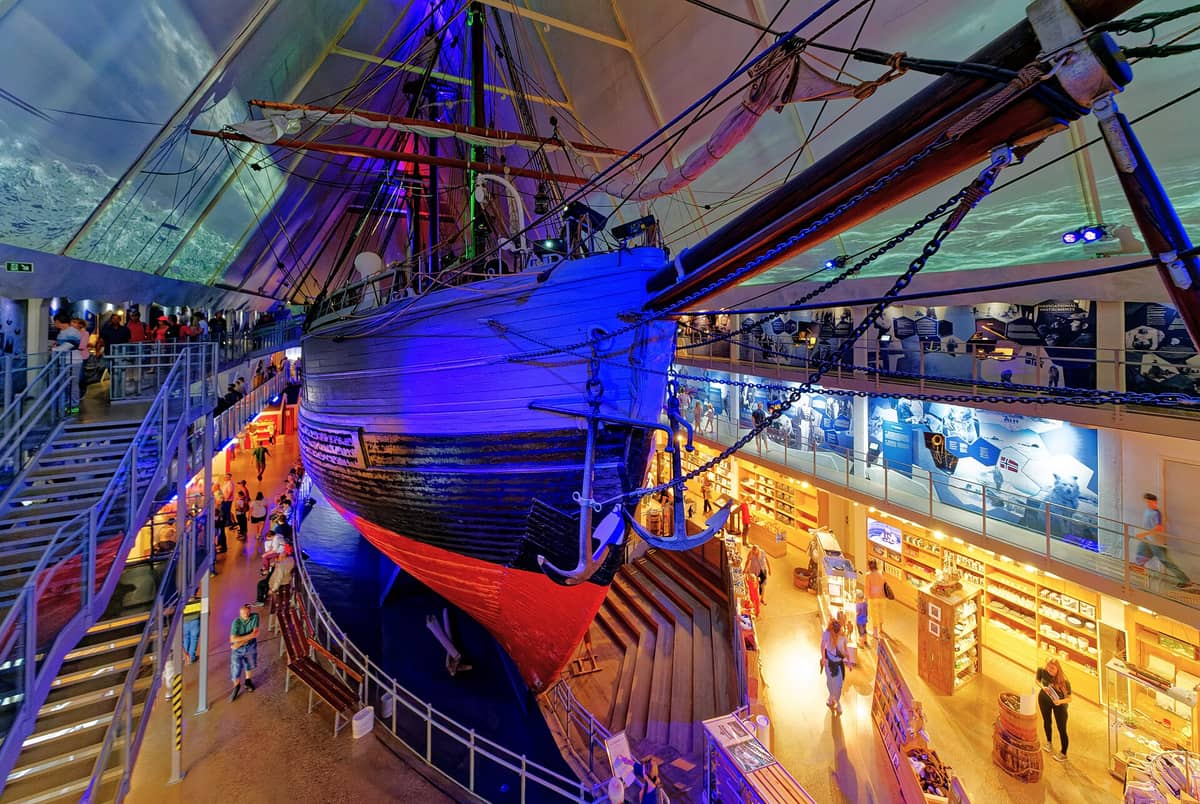
12. Board the World's Strongest Wooden Ship at the Fram Museum
The Fram carried Nansen and Amundsen on record-breaking polar expeditions. You can board the ship and step inside the cabins where crews endured Arctic winters. One of the most immersive museum experiences in Oslo.
Explore12. Board the World's Strongest Wooden Ship at the Fram Museum
The Fram carried Nansen and Amundsen on record-breaking polar expeditions. You can board the ship and step inside the cabins where crews endured Arctic winters. One of the most immersive museum experiences in Oslo.
Explore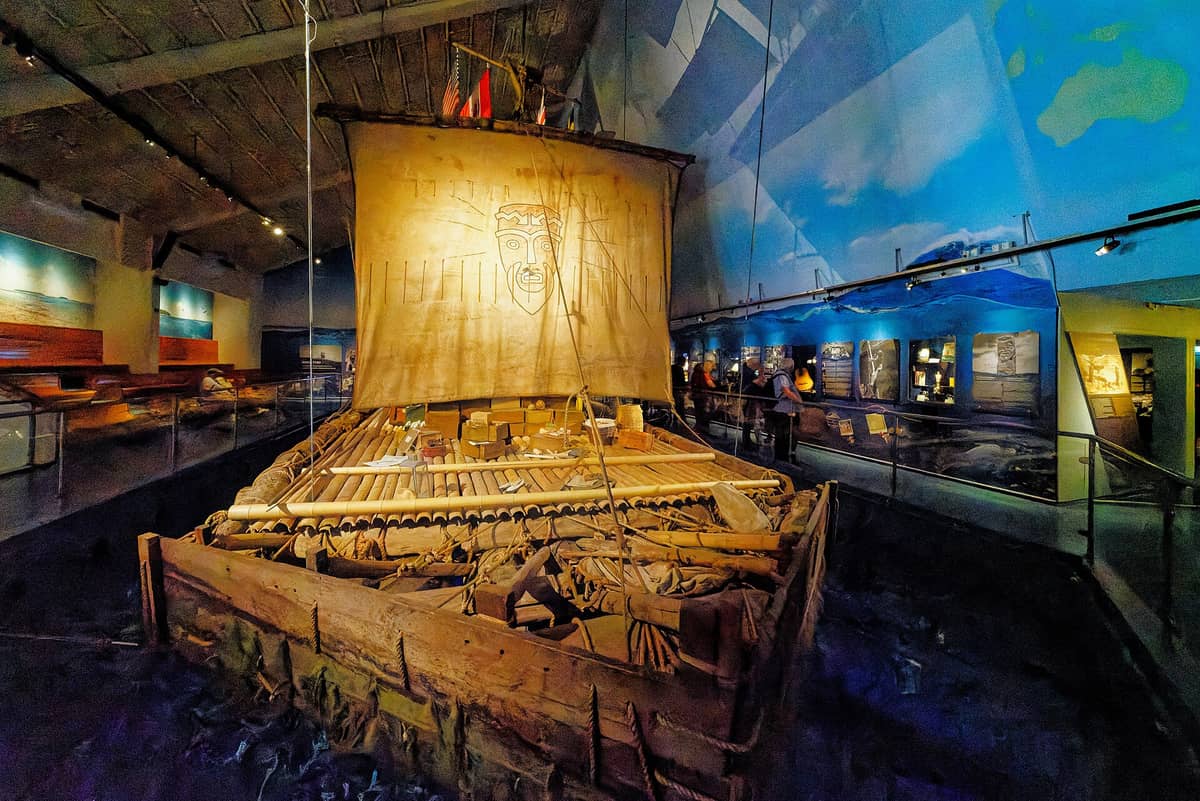
13. See Thor Heyerdahl's Original Pacific Raft at the Kon-Tiki Museum
The balsa raft that crossed 8,000 km of Pacific Ocean in 1947 sits alongside the Ra II papyrus boat and Heyerdahl's expedition artefacts. A genuinely distinctive museum that stands apart from anywhere else in the world.
Explore13. See Thor Heyerdahl's Original Pacific Raft at the Kon-Tiki Museum
The balsa raft that crossed 8,000 km of Pacific Ocean in 1947 sits alongside the Ra II papyrus boat and Heyerdahl's expedition artefacts. A genuinely distinctive museum that stands apart from anywhere else in the world.
Explore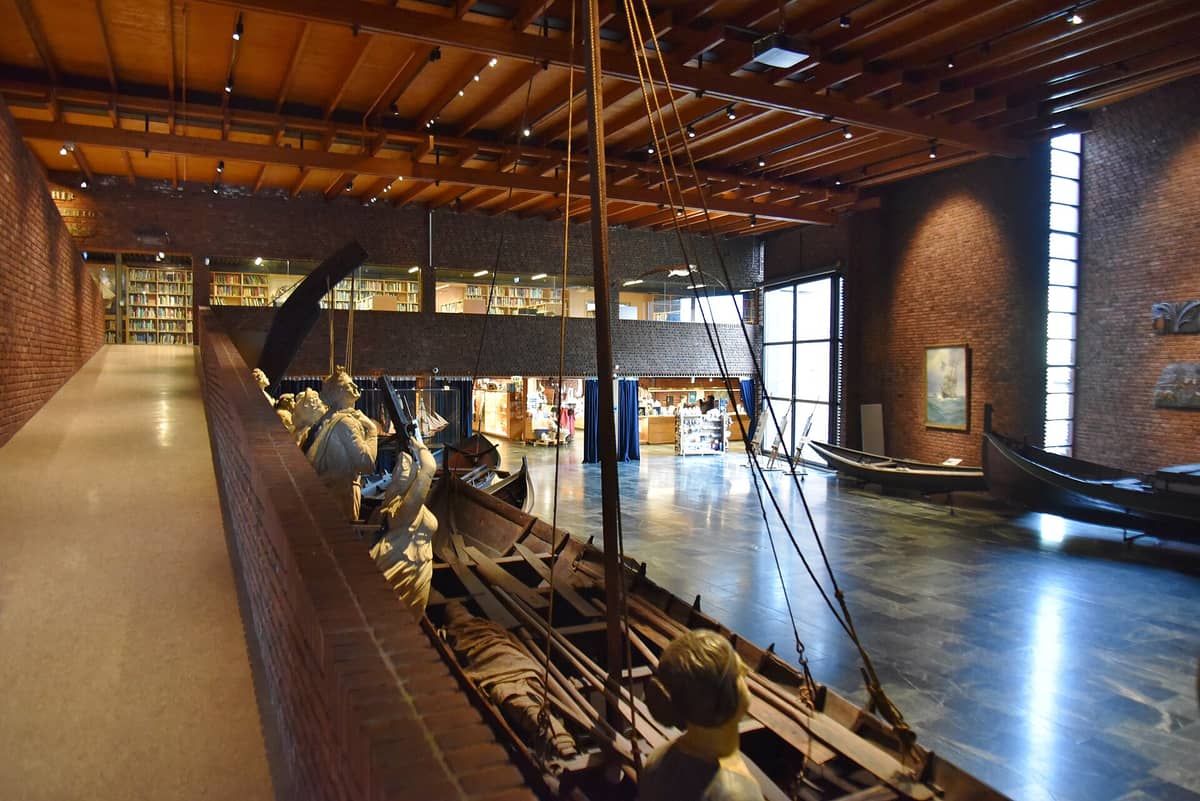
14. Trace Norway's Deep Relationship with the Sea at the Maritime Museum
From Viking-age boats to the offshore oil industry, this Bygdøy waterfront museum covers Norway's seafaring history comprehensively. The IMAX-style film theatre and historic vessel collection are highlights. Allow 1.5 hours.
Explore14. Trace Norway's Deep Relationship with the Sea at the Maritime Museum
From Viking-age boats to the offshore oil industry, this Bygdøy waterfront museum covers Norway's seafaring history comprehensively. The IMAX-style film theatre and historic vessel collection are highlights. Allow 1.5 hours.
ExploreScience, Nature & Specialist Museums
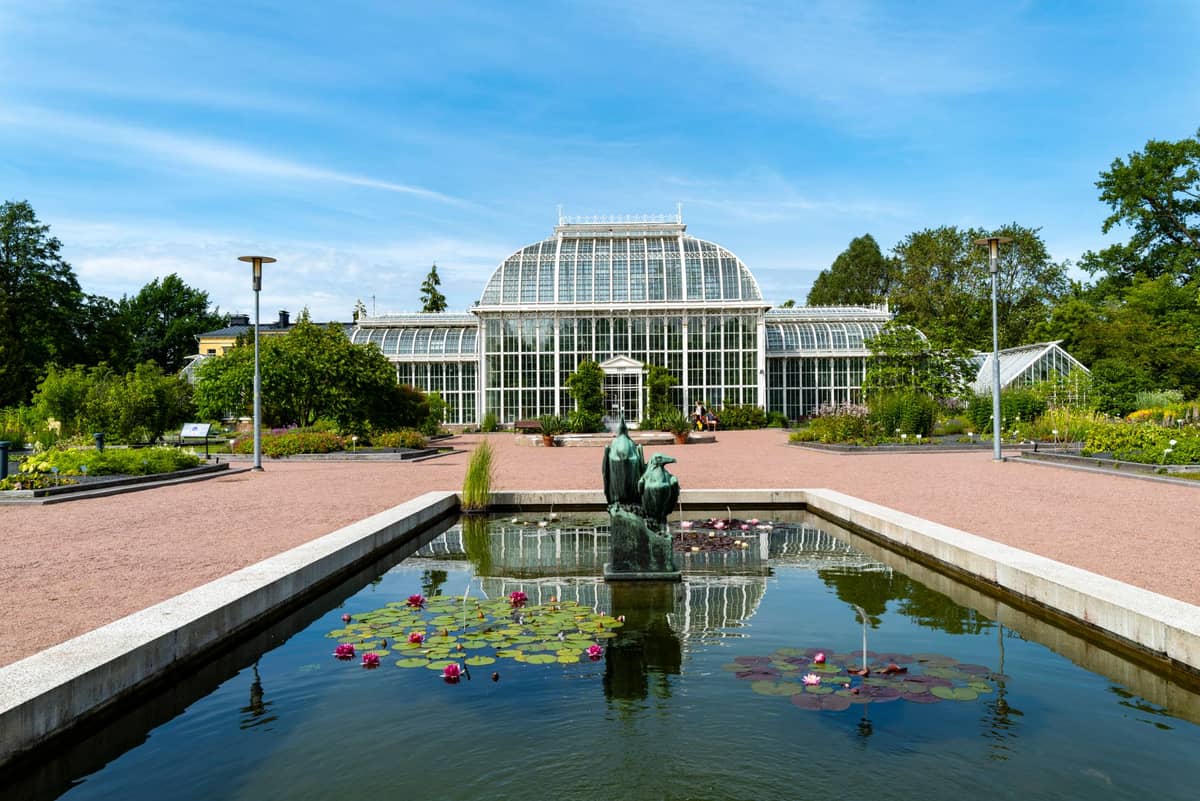
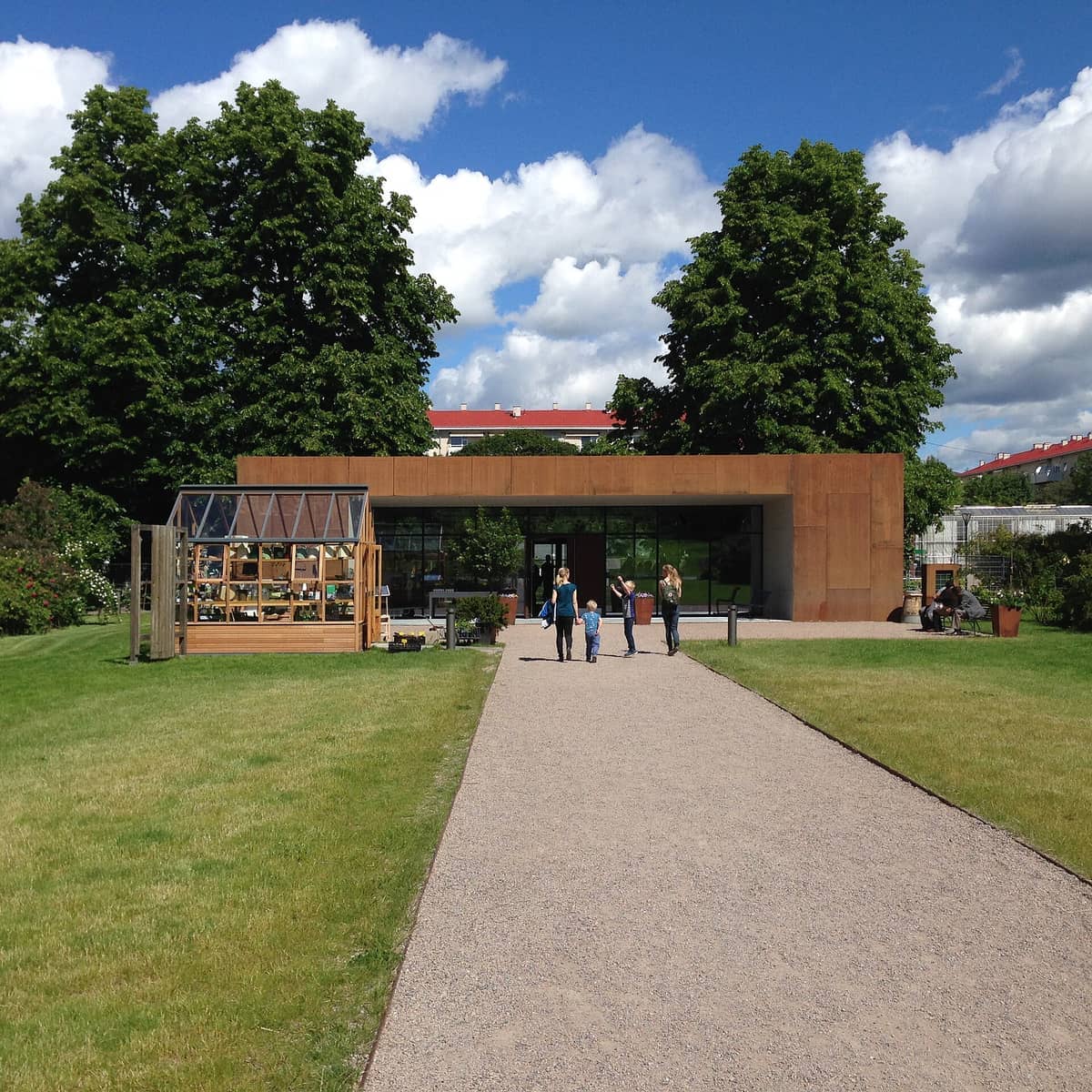
15. See Dinosaur Skeletons and Meteorites at the Natural History Museum
Located at Tøyen alongside the Botanical Garden, this museum covers geology, zoology, and botany with dinosaur skeletons, meteorites, and a whale hall. The gardens and museum together form a solid family half-day.
Explore15. See Dinosaur Skeletons and Meteorites at the Natural History Museum
Located at Tøyen alongside the Botanical Garden, this museum covers geology, zoology, and botany with dinosaur skeletons, meteorites, and a whale hall. The gardens and museum together form a solid family half-day.
Explore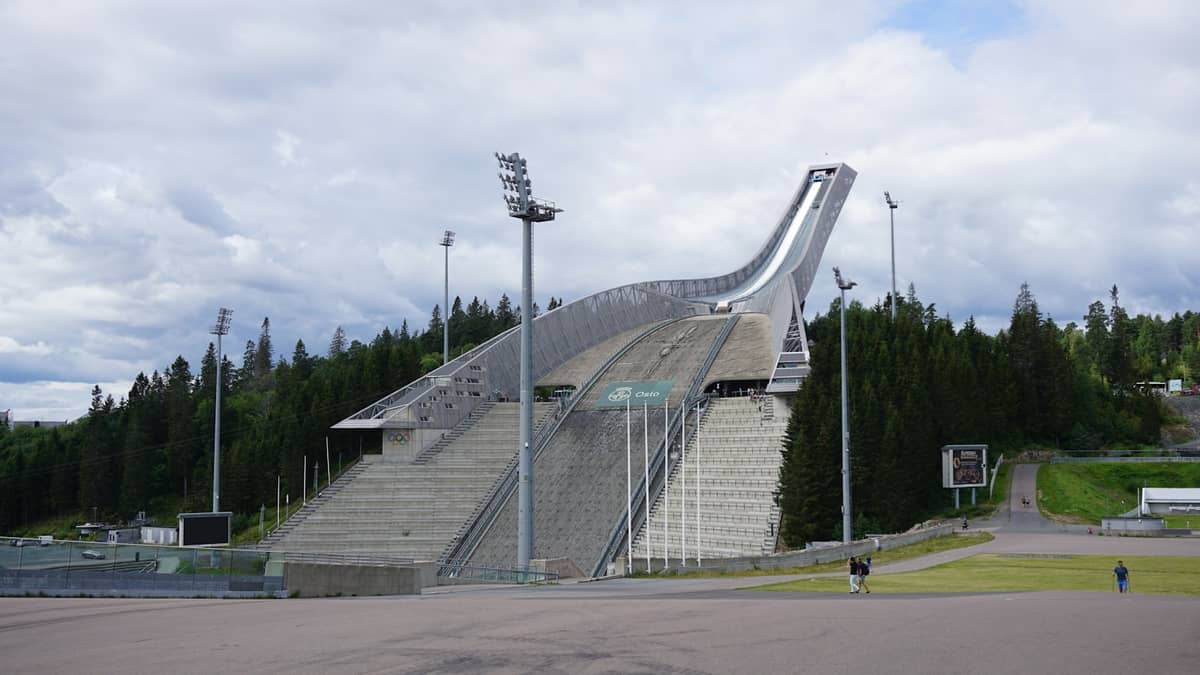
16. Trace 4,000 Years of Skiing History at Holmenkollen's Ski Museum
One of the world's oldest ski museums sits beneath the iconic Holmenkollen jump, covering ancient wooden skis, Olympic equipment, and polar exploration gear. The ski simulator lets you experience jumping from the famous ramp.
Explore16. Trace 4,000 Years of Skiing History at Holmenkollen's Ski Museum
One of the world's oldest ski museums sits beneath the iconic Holmenkollen jump, covering ancient wooden skis, Olympic equipment, and polar exploration gear. The ski simulator lets you experience jumping from the famous ramp.
Explore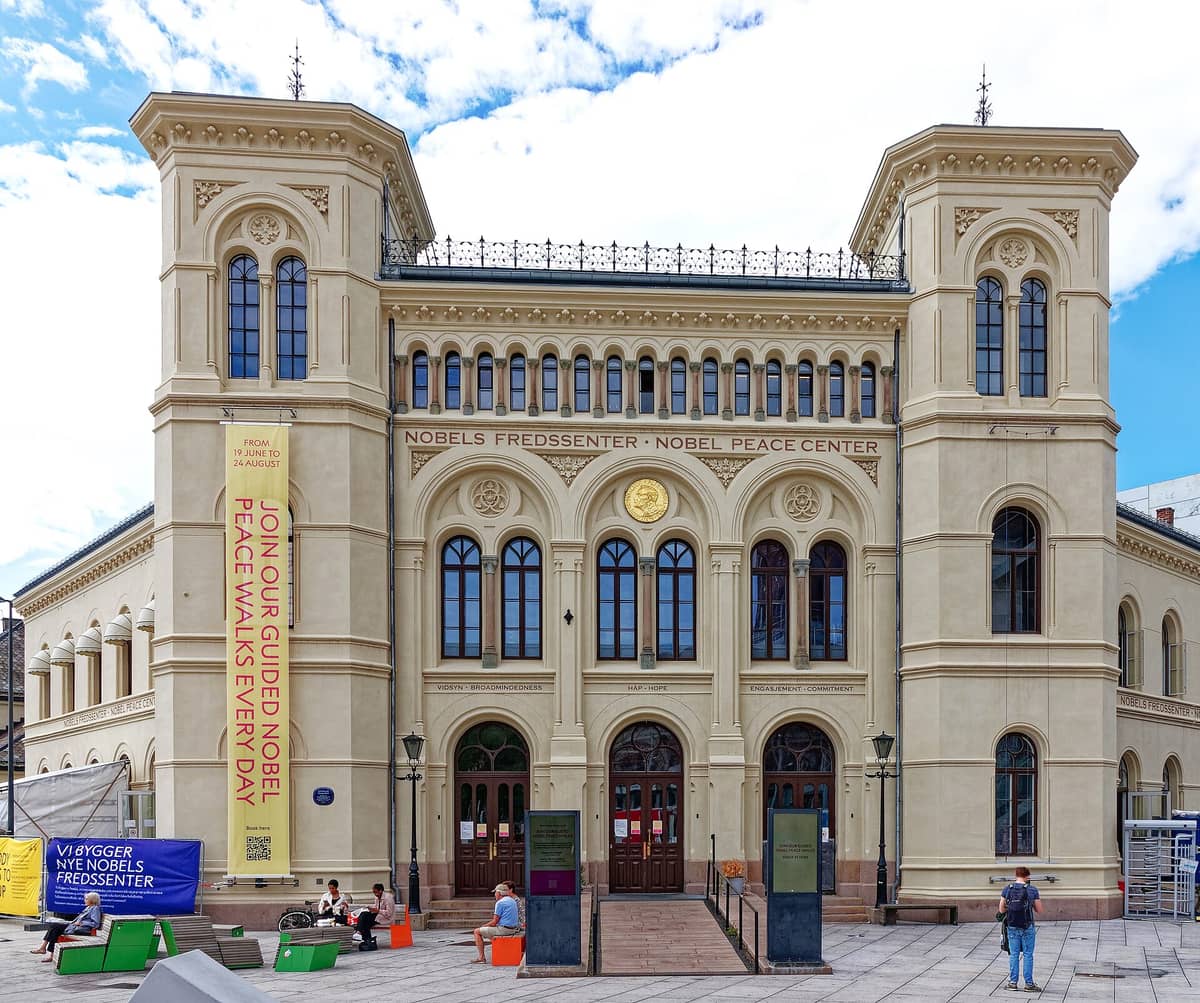
17. Learn the Full Story of the Nobel Peace Prize at the Peace Center
This interactive Aker Brygge museum covers Nobel laureates, the history of the prize, and global conflict resolution. Changing exhibitions keep it fresh beyond the permanent displays. Thought-provoking for adults and older teenagers.
Explore17. Learn the Full Story of the Nobel Peace Prize at the Peace Center
This interactive Aker Brygge museum covers Nobel laureates, the history of the prize, and global conflict resolution. Changing exhibitions keep it fresh beyond the permanent displays. Thought-provoking for adults and older teenagers.
Explore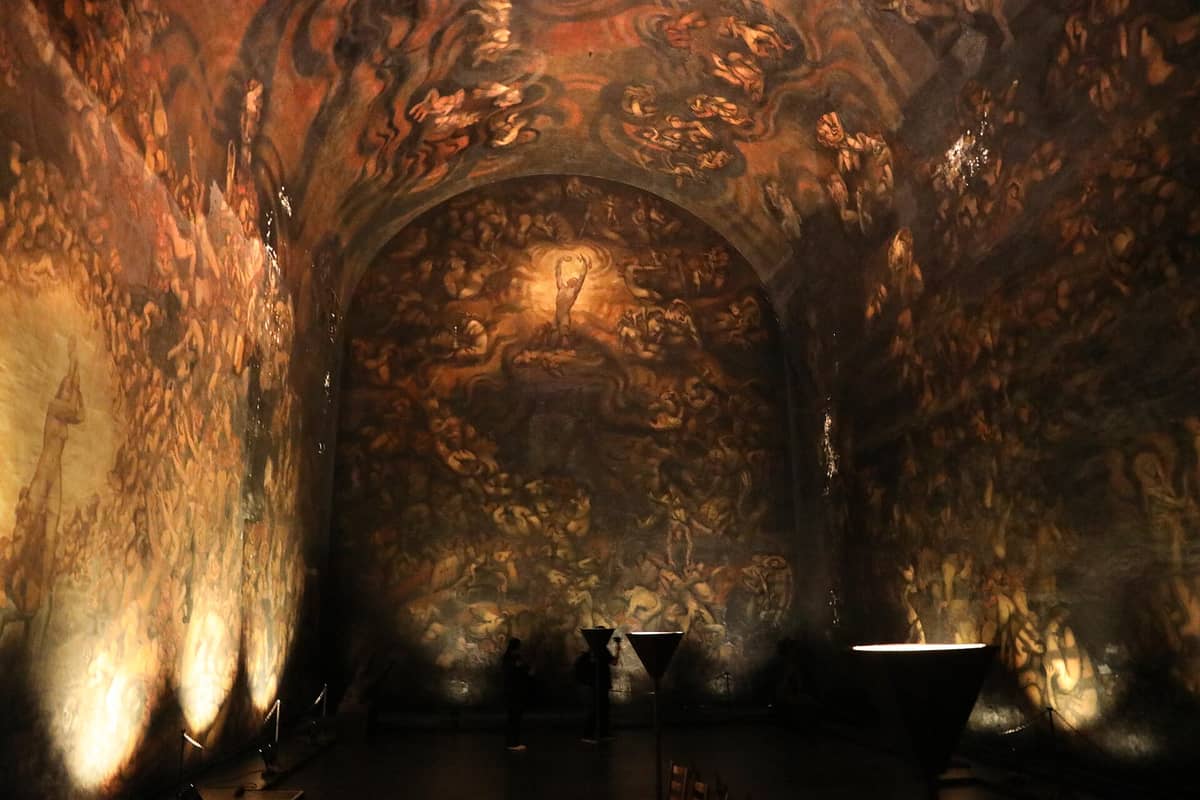
18. Enter the Dark, Extraordinary Emanuel Vigeland Mausoleum
This barrel-vaulted mausoleum is covered floor-to-ceiling in explicit frescoes depicting the human life cycle, created by Gustav's lesser-known brother as his own tomb. Enter in silence. Nothing else in Oslo is remotely like it.
Explore18. Enter the Dark, Extraordinary Emanuel Vigeland Mausoleum
This barrel-vaulted mausoleum is covered floor-to-ceiling in explicit frescoes depicting the human life cycle, created by Gustav's lesser-known brother as his own tomb. Enter in silence. Nothing else in Oslo is remotely like it.
ExploreFree & Open-Air Cultural Spaces
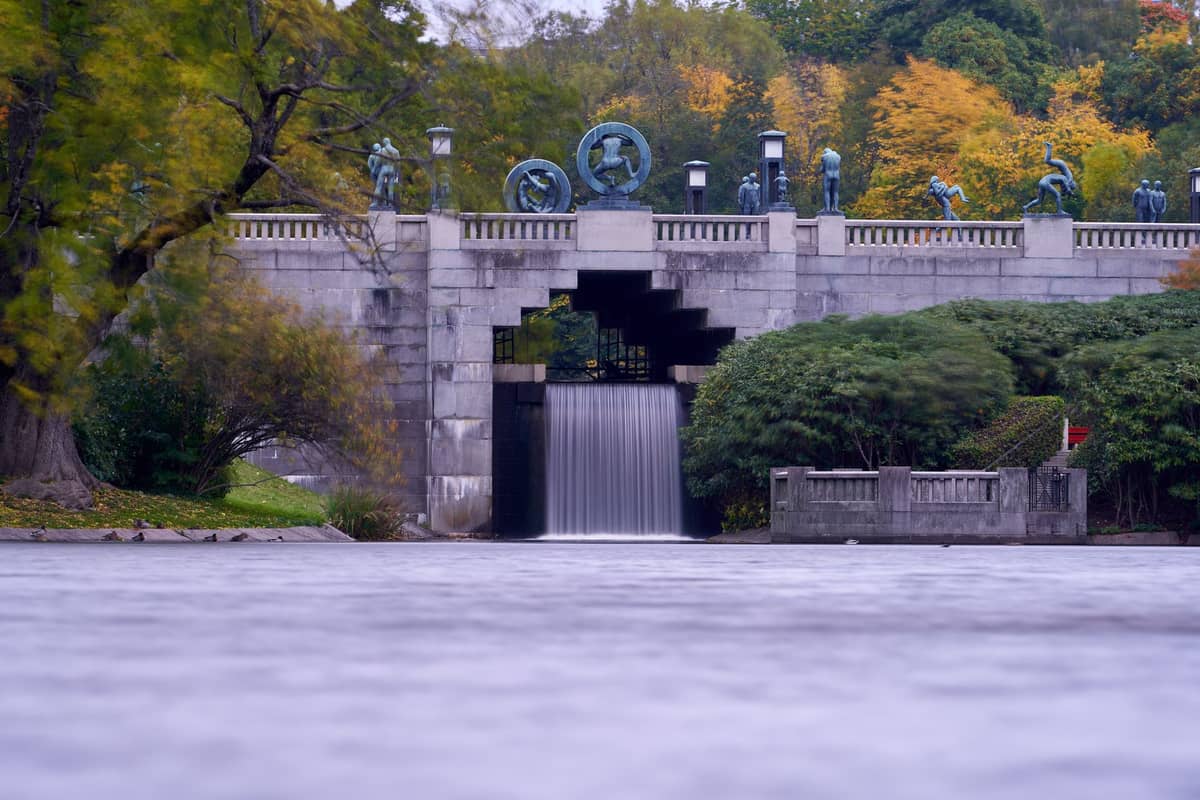
Not every great museum experience in Oslo comes with an admission fee. The free things to do in Oslo guide covers many of these in more detail, but the outdoor sculpture parks and fortress grounds offer genuine cultural depth at no cost.
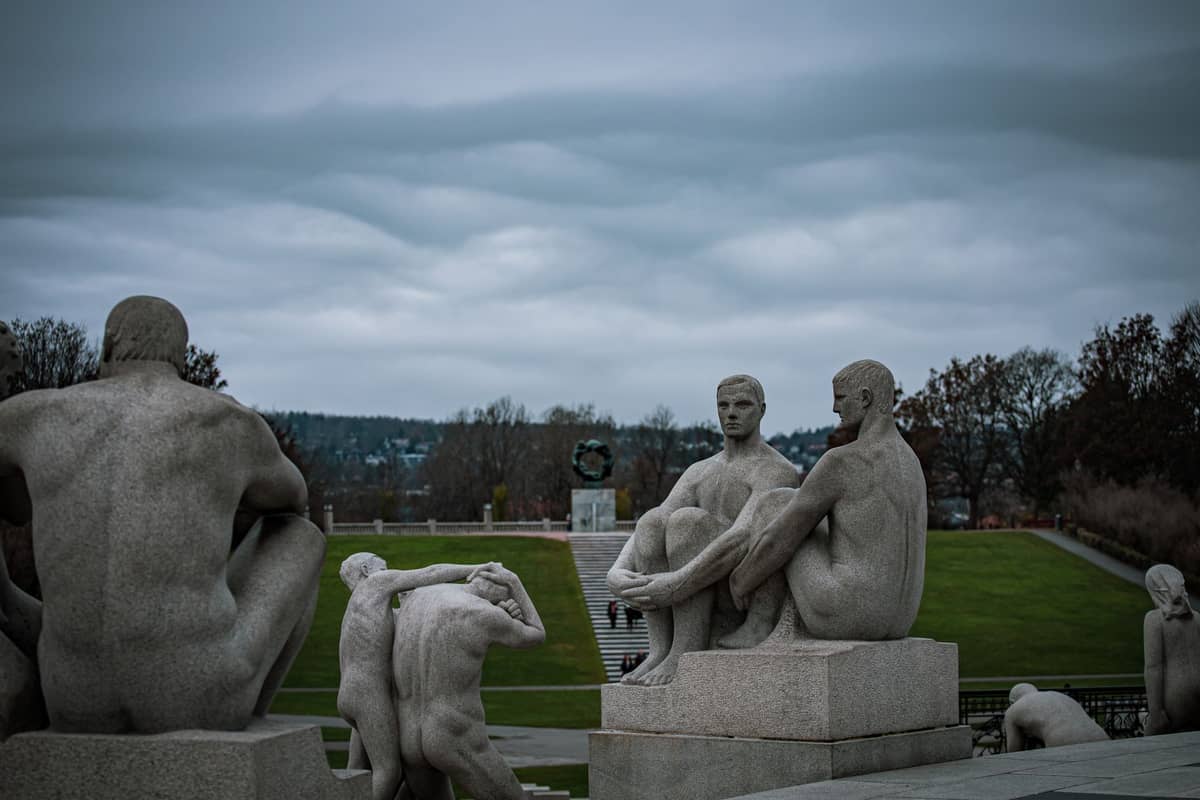
19. Spend Hours in the World's Largest Single-Artist Sculpture Park
Over 200 bronze and granite works by Gustav Vigeland fill this vast open-air park within Frogner Park. The 14-metre Monolith is the centrepiece. Free, open 24 hours, and genuinely extraordinary in scale and ambition.
Explore19. Spend Hours in the World's Largest Single-Artist Sculpture Park
Over 200 bronze and granite works by Gustav Vigeland fill this vast open-air park within Frogner Park. The 14-metre Monolith is the centrepiece. Free, open 24 hours, and genuinely extraordinary in scale and ambition.
Explore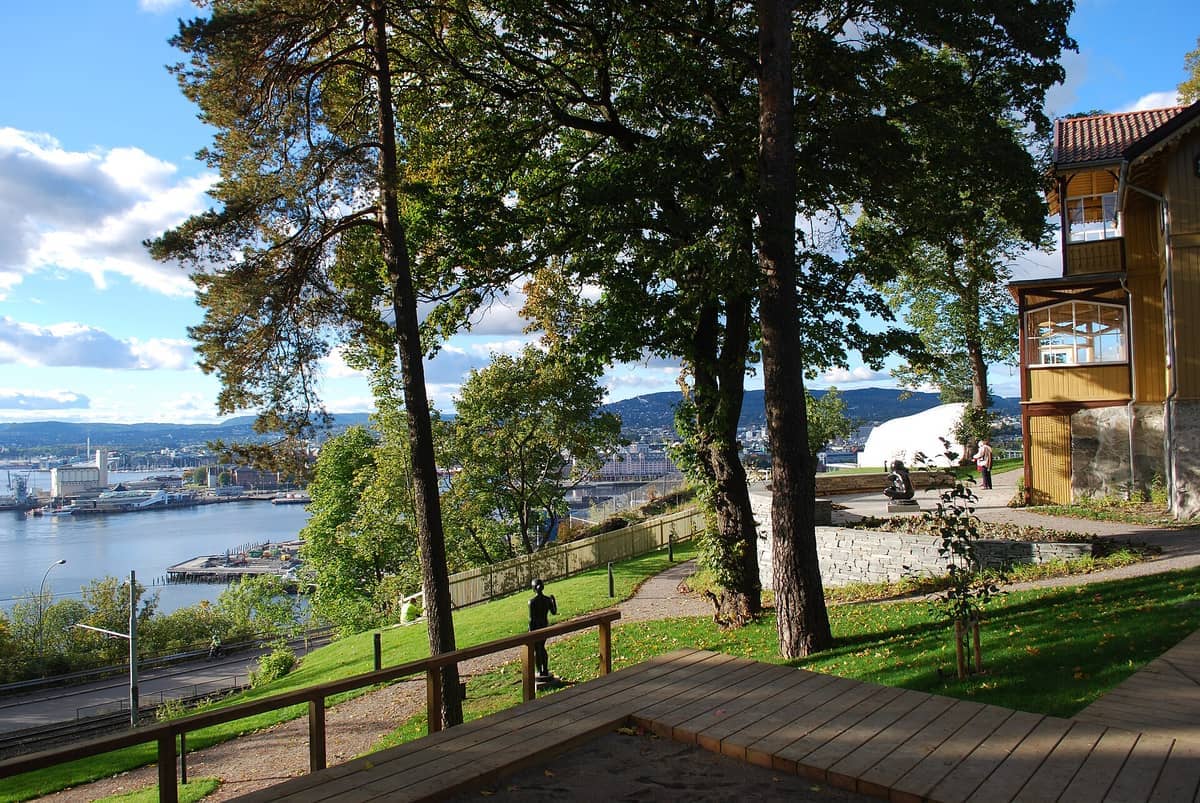
20. Combine Sculpture, Ancient Rock Carvings, and Fjord Views at Ekebergparken
Over 40 works by Dalí, Rodin, and others are set among woodland trails and ancient rock carvings above central Oslo. Free to enter year-round, with sweeping views over the city and fjord from multiple points.
Explore20. Combine Sculpture, Ancient Rock Carvings, and Fjord Views at Ekebergparken
Over 40 works by Dalí, Rodin, and others are set among woodland trails and ancient rock carvings above central Oslo. Free to enter year-round, with sweeping views over the city and fjord from multiple points.
Explore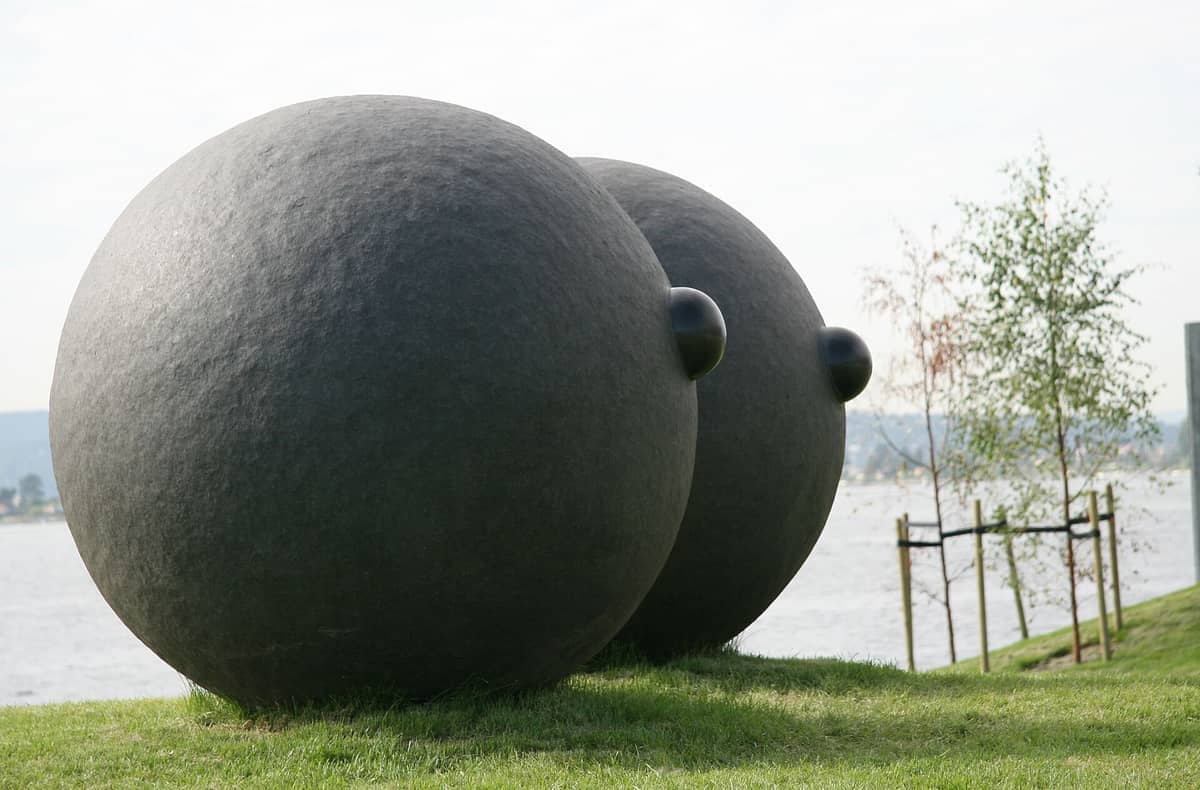
21. Walk the Free Outdoor Sculpture Park at Tjuvholmen Harbor
International sculptures line the Tjuvholmen waterfront promenade adjacent to the Astrup Fearnley Museum. Free entry, harbor views, and architectural interest from the surrounding gallery buildings. A natural extension of any museum visit.
Explore21. Walk the Free Outdoor Sculpture Park at Tjuvholmen Harbor
International sculptures line the Tjuvholmen waterfront promenade adjacent to the Astrup Fearnley Museum. Free entry, harbor views, and architectural interest from the surrounding gallery buildings. A natural extension of any museum visit.
Explore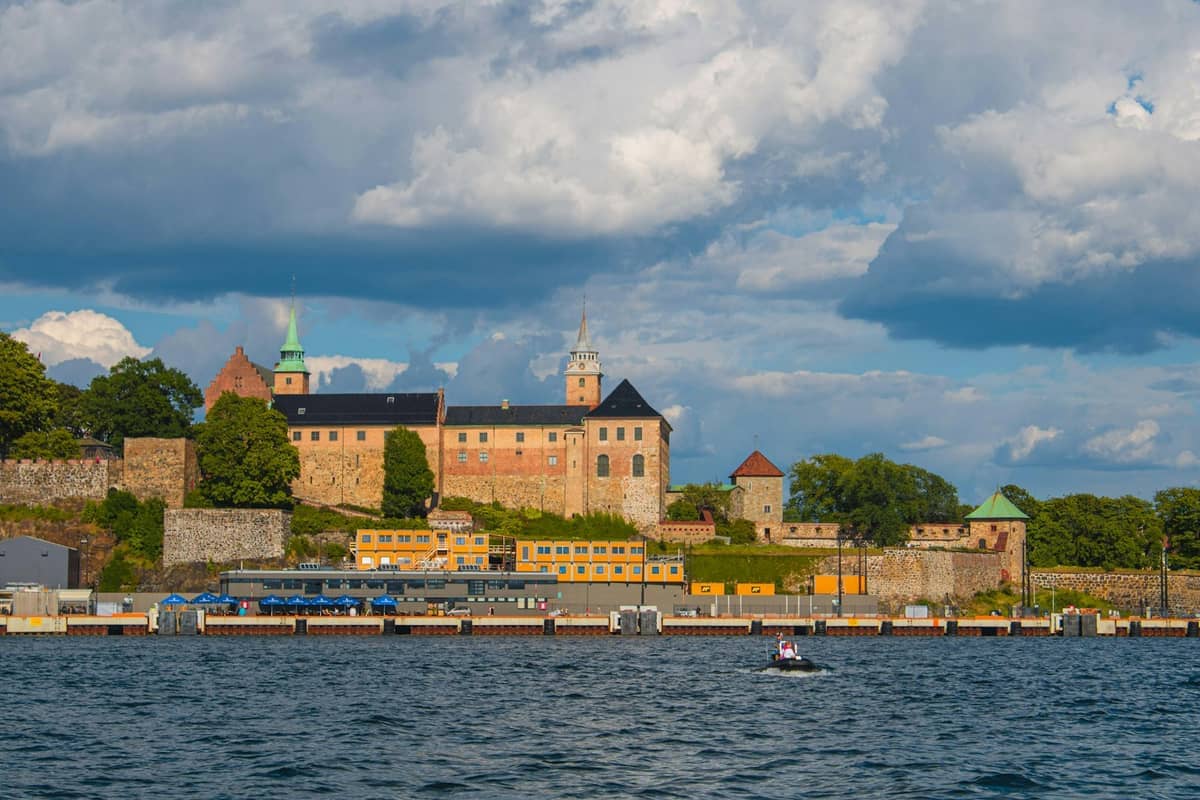
22. Roam the Free Grounds of Akershus Castle and Fortress
The medieval fortress grounds are free to enter and offer some of Oslo's best harbor panoramas. Inside the walls you'll find the Resistance Museum and royal crypts. The rampart walk with fjord views alone justifies the visit.
Explore22. Roam the Free Grounds of Akershus Castle and Fortress
The medieval fortress grounds are free to enter and offer some of Oslo's best harbor panoramas. Inside the walls you'll find the Resistance Museum and royal crypts. The rampart walk with fjord views alone justifies the visit.
Explore✨ Pro tip
MUNCH offers free entry every Wednesday from 18:00 to 21:00, except in July and August. The Oslo Museum (at Frogner) admits everyone free on the first Thursday of each month. Verify both policies on official websites before visiting, as they are subject to change.
FAQ
Is the Viking Ship Museum open in 2026 and 2026?
No. The Viking Ship Museum on Bygdøy has been closed for a full rebuild as the Museum of the Viking Age. The target reopening year is 2027, but no confirmed exact date has been published. For Viking-age artefacts, the Historical Museum near the Royal Palace is the best alternative.
Does the Oslo Pass cover entry to the main museums?
The Oslo Pass covers entry to many museums including the Fram, Kon-Tiki, Norwegian Folk Museum, Maritime Museum, Resistance Museum, MUNCH, and several others. Oslo Pass details should still be verified on the official Oslo Pass or museum websites before your visit, as policies can change.
Which Oslo museum is best for families with young children?
The Fram Museum (boarding a real polar ship) and the Norwegian Folk Museum (open-air, outdoor space, costumed guides) are the most engaging for children. The Natural History Museum at Tøyen with its dinosaur skeletons is also a reliable choice, especially combined with the free Botanical Garden.
How many Bygdøy museums can you visit in one day?
Realistically three, spending roughly 1.5 hours in each: the Fram Museum, Kon-Tiki Museum, and Norwegian Folk Museum make a natural trio. The Maritime Museum and Holocaust Center are also on the peninsula. In summer, a boat from the City Hall (Rådhuset) ferry pier makes the journey more enjoyable.
What are the best free museums in Oslo?
The Vigeland Sculpture Park and Ekebergparken Sculpture Park are free open-air cultural destinations with genuine artistic depth. Akershus Fortress grounds are free. The National Museum and MUNCH have paid entry, but MUNCH is free on Wednesday evenings from 18:00, except in July and August. Popsenteret in Grünerløkka closed permanently in January 2025. MUNCH is currently included as a free attraction with the Oslo Pass.
Tickets & tours
Live prices and dates from our booking partner. If you book, we may earn a commission at no extra cost to you.
Planning a trip? Discover personalized activities with the Nomado app.