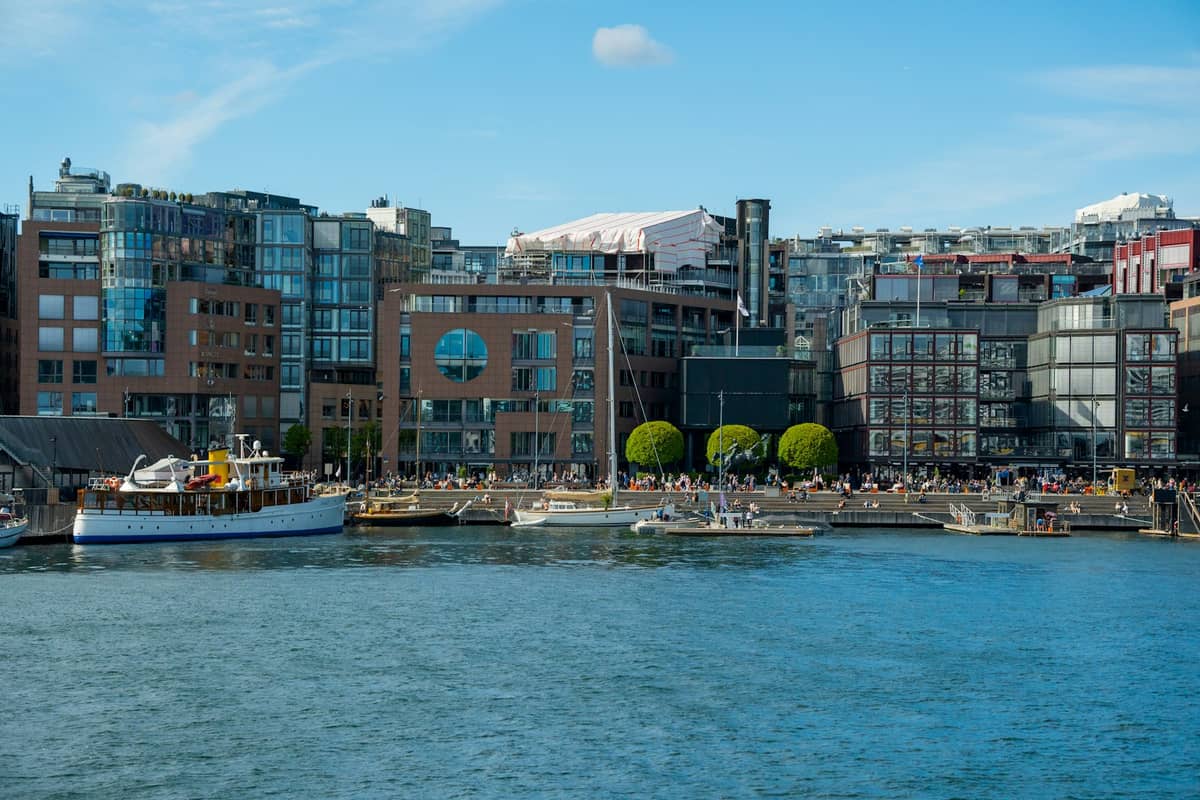
Aker Brygge and Tjuvholmen together form Oslo's most polished waterfront district, stretching west of Oslo City Hall along the inner Oslofjord. A former industrial shipyard reinvented as a hub for restaurants, galleries, and public art, it draws both locals and visitors looking for fjord views without leaving the city center.
Aker Brygge and Tjuvholmen sit at the meeting point of Oslo's urban core and the Oslofjord, where old shipyard cranes have given way to glass-fronted restaurants, sculpture-lined promenades, and one of Scandinavia's most talked-about contemporary art museums. The area is polished, photogenic, and deliberately designed for leisure, which makes it both a pleasure to visit and worth understanding before you decide to base yourself here.
Orientation: Finding Your Place on the Water
Aker Brygge occupies the western edge of Oslo's inner harbor, immediately west of Oslo City Hall and roughly 800 meters southwest of Oslo Central Station (Oslo S). Tjuvholmen extends south from Aker Brygge as a narrow peninsula jutting into the Oslofjord, with water on three sides and a sculpture park and open bathing area at its tip. Together they form a continuous waterfront zone you can walk end to end in about fifteen minutes.
To the north, Aker Brygge borders Vika, one of Oslo's older commercial districts, and sits within a short walk of the Nationaltheatret area. To the east, the promenade connects to the piers in front of Oslo City Hall, where fjord sightseeing boats and the Bygdøy ferry depart. To the west, Tjuvholmen backs up against Filipstad, a still-developing harbor zone that is gradually being folded into the city fabric. The entire area is flat, walkable, and unusually well signposted for Oslo.
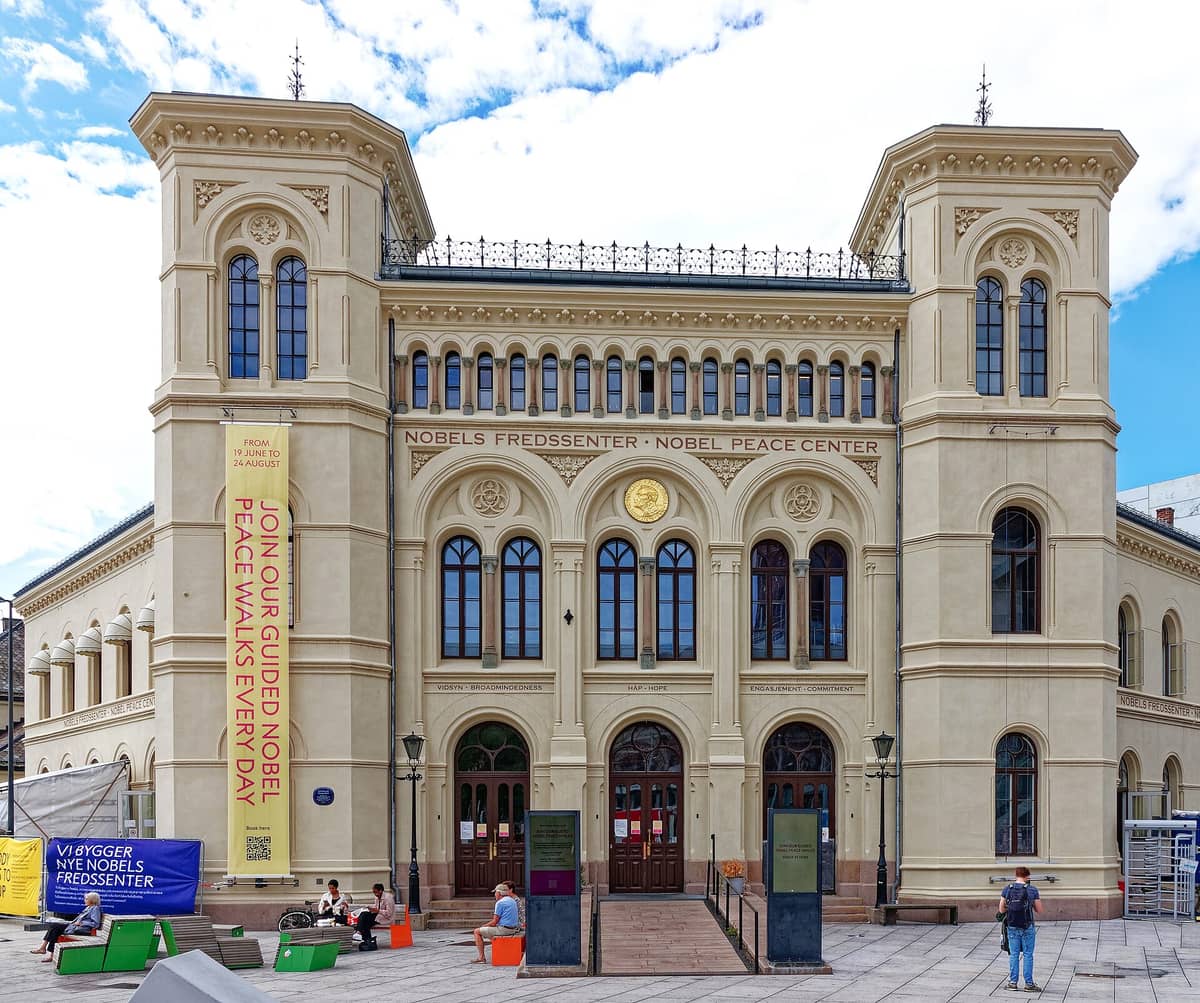
Knowing this geography matters because the area connects naturally to several other key parts of Oslo. Walking east along the waterfront for ten minutes brings you to Oslo City Hall and the Nobel Peace Center. Continue further and you reach Bjørvika, home to the Opera House and the new Munch Museum. West by ferry or bike path leads to the Bygdøy peninsula and its cluster of national museums.
Character & Atmosphere: What the Area Actually Feels Like
Aker Brygge was once the site of Akers Mekaniske Verksteder, a major shipbuilding and engineering yard that operated from the mid-19th century until the 1980s. When the yard closed, the site was redeveloped through the late 1980s and 1990s into what stands today: a mix of converted industrial buildings, modern residential towers, and commercial frontages arranged along a broad waterfront promenade. Some original structural elements survive, giving the older section of Aker Brygge a grittier, warehouse-influenced character that contrasts with Tjuvholmen's entirely contemporary architecture.
On a weekday morning, the promenade is quiet. Dog walkers pass along the water's edge, the fjord reflects the sky in flat silver or grey depending on the season, and the outdoor restaurant terraces are empty and stacked with upturned chairs. By late morning, workers from the surrounding offices fill the cafes. By midday in summer, the area shifts entirely: tourists arrive from the City Hall pier area, the terraces fill up, and the smell of grilled seafood drifts across the water. On warm summer evenings, Aker Brygge becomes genuinely lively, with crowds spilling between bars and the golden late light catching the water until well past 9pm.
Tjuvholmen has a quieter, more curated feel. The architecture here is entirely 21st-century, the result of a planned urban development that began in the mid-2000s. Streets are wider, the residential buildings are high-end, and the pace slows as you move toward the peninsula's tip. The sculpture park at the southern end draws a steady stream of visitors during the day but rarely feels crowded. In winter, with snow on the sculpture plinths and ice occasionally forming at the harbor edges, the area takes on an almost cinematic bleakness that is not without appeal.
⚠️ What to skip
Aker Brygge's outdoor restaurant terraces are among the most expensive places to eat in Oslo. A glass of wine and a plate of shrimp here will cost noticeably more than the same meal a kilometer away. The views come at a premium, and the area knows it.
In terms of who you will encounter: the mix skews toward tourists in summer, office workers at lunch, and affluent Oslo residents in the evenings. It is not a neighborhood where you stumble into much everyday local life. The supermarkets, laundromats, and corner shops that characterize places like Grünerløkka or Grønland are largely absent. This is a leisure and consumption district, and it makes no apologies for that.
What to See & Do
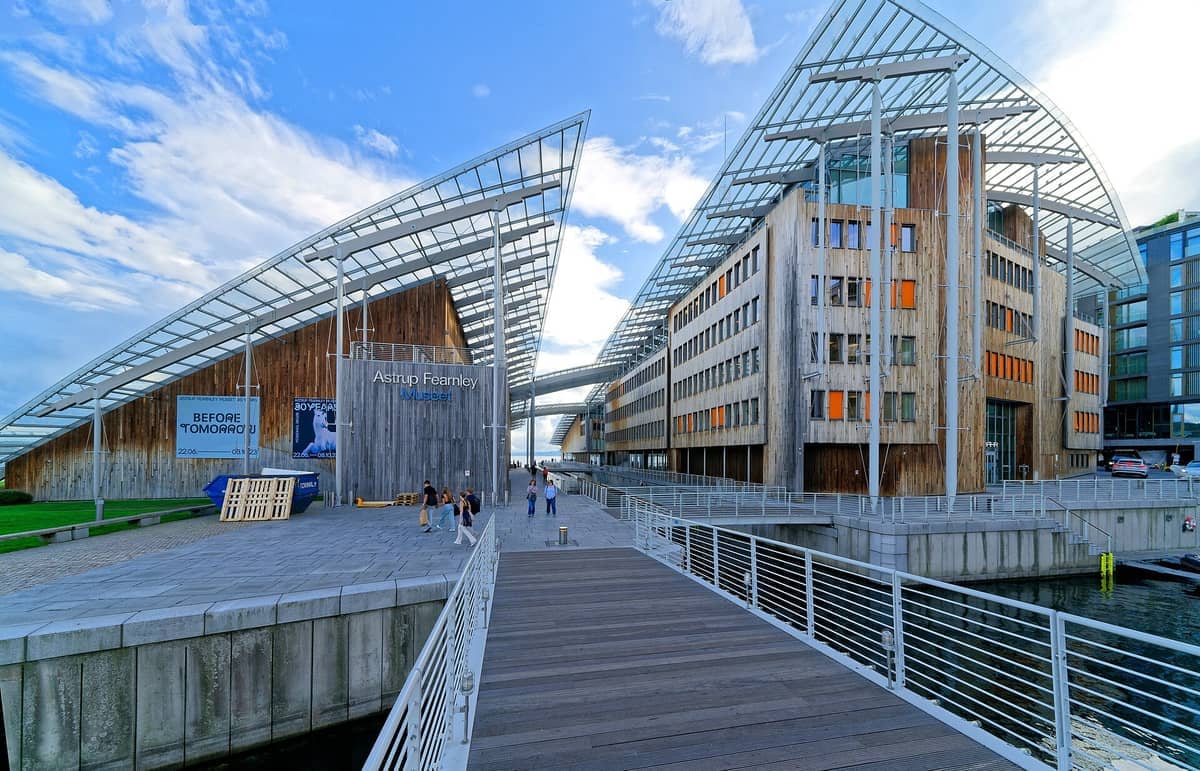
The single most compelling reason to visit Tjuvholmen specifically is the Astrup Fearnley Museum of Modern ArtAstrup Fearnley Museum of Modern Art, designed by Renzo Piano and opened in 2012. The building itself, split across two volumes connected by a glass roof and separated by a canal, is worth seeing regardless of what is showing. The museum's collection focuses on international contemporary art from the 1960s and 1980s onward, with works by Jeff Koons, Cindy Sherman, Damien Hirst, and Takashi Murakami among the permanent holdings. It is not a free attraction, but it is one of the best contemporary art institutions in Norway.
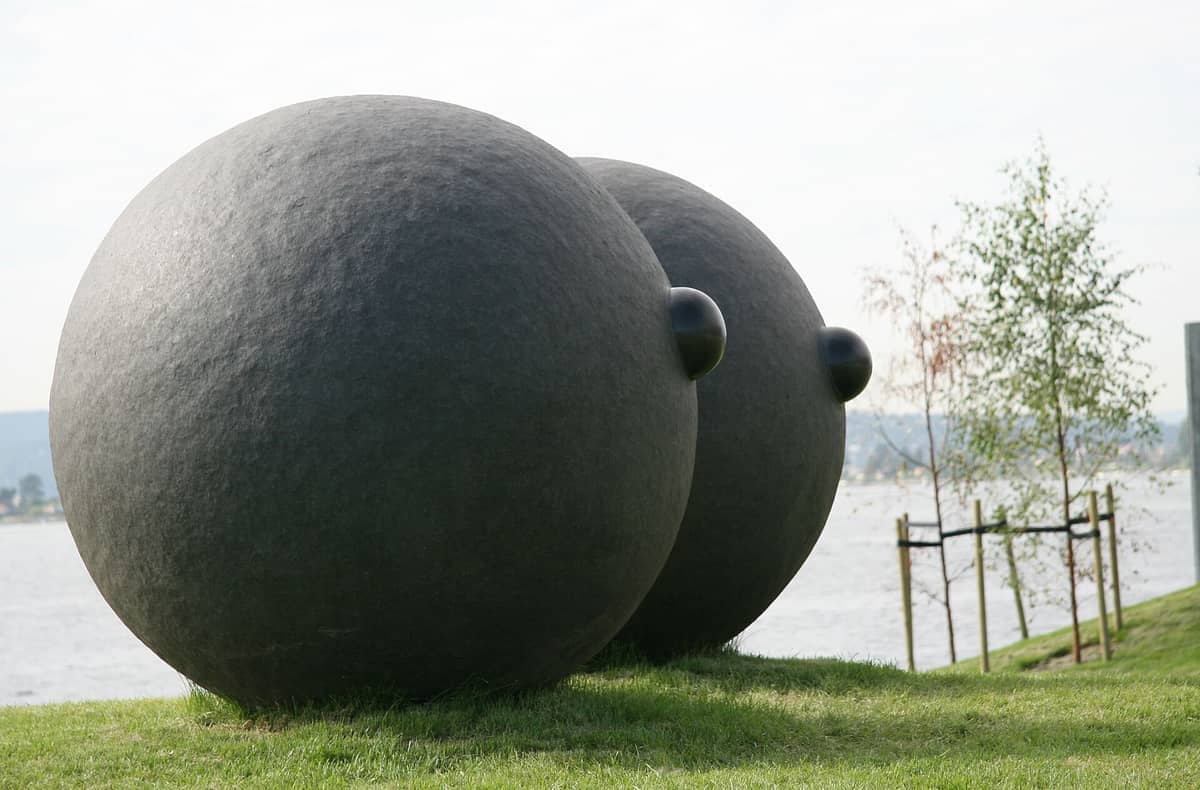
At the southern tip of Tjuvholmen, the Tjuvholmen Sculpture Park runs along the waterfront as a free, open-air extension of the Astrup Fearnley's public program. Works by international artists are installed on the promenade and grassy areas facing the fjord. On a clear afternoon, with the water visible in three directions and the city skyline framing the view, it is one of the more atmospheric spots in central Oslo.
From the Aker Brygge ferry terminal, regular boat services operate to the Oslofjord islands and to the Nesodden peninsula. In summer, these ferries are a quick way to reach the Oslofjord islands for swimming and hiking, or to catch a boat to Bygdøy for the peninsula's museums. Ferry tickets are covered by the standard Ruter transit pass.
Astrup Fearnley Museum of Modern Art (Tjuvholmen): Renzo Piano-designed contemporary art museum, one of Oslo's architectural highlights
Tjuvholmen Sculpture Park: free waterfront outdoor art space at the tip of the peninsula
Aker Brygge promenade: the main waterfront walkway, good for an early morning or evening stroll
Ferry terminal: departures to the Oslofjord islands, Nesodden, and seasonal Bygdøy connections
Oslo City Hall: a five-minute walk east along the waterfront, home to the Nobel Peace Prize ceremony and notable murals inside
Nobel Peace Center: immediately adjacent to City Hall, permanent and temporary exhibitions on peace and the Nobel Prize
💡 Local tip
The Oslo Pass covers entry to the Astrup Fearnley Museum as well as many other city attractions and unlimited public transport within the covered zones. If you are planning to visit several museums across Oslo, it is worth calculating whether the pass saves you money before buying individual tickets.
Eating & Drinking
Aker Brygge has more than 60 restaurants and bars along its main promenade and in the surrounding streets. The concentration is high enough that it can be overwhelming, and the quality is uneven. Many of the waterfront-facing terraces are optimized for location rather than cuisine, serving reliable but unremarkable versions of Norwegian seafood classics: shrimp platters, fish and chips, fish soup. Prices reflect the real estate rather than the cooking.
That said, there are genuinely good options in the area if you look slightly away from the main promenade. The streets running north into Vika and the lower blocks of Aker Brygge's commercial section contain a more varied mix of restaurants, including some that attract Oslo residents rather than just passing tourists. Sushi, modern Nordic, and international cuisine all have a presence here. In the evenings, the bar scene runs across a range from relaxed wine bars to louder venues with DJ sets on weekends.
For a more local food experience within easy reach, Mathallen Oslo is located in Vulkan, the Akerselva riverfront area north of the city center, about 20 minutes by tram. It is Oslo's main indoor food market, with a better range of Norwegian artisan producers and more honest pricing than anything on the Aker Brygge strip.
Coffee culture in the area is well served. Several Scandinavian specialty coffee roasters have outlets either in Aker Brygge itself or within a short walk toward the National Theatre. These are worth seeking out over the generic café chains that also populate the promenade.
ℹ️ Good to know
Oslo is one of Europe's more expensive cities for eating and drinking out. Tipping is not mandatory, and service charges are generally included in Norwegian restaurant pricing. Rounding up or leaving a 5-10% gratuity for good service is appreciated but not expected.
Getting There & Around
Aker Brygge is well connected for a waterfront area. The tram stop named Aker brygge is served by tram line 12, which connects westward toward Majorstuen and eastward through the city center. The National Theatre station (Nationaltheatret), served by both metro (T-bane) and regional rail, is roughly a five-minute walk north, making this one of the most transit-accessible points on the Oslo waterfront. Several bus lines also stop nearby.
From Oslo Central Station (Oslo S), the walk to Aker Brygge takes around 15-20 minutes along the waterfront promenade through Bjørvika and past the Opera House. This is one of the more rewarding walks in central Oslo, passing the Oslo Opera House and the Barcode Project on the way. Alternatively, the tram or a short metro ride from Nationaltheatret covers the distance in under five minutes.
Within the area itself, everything is on foot. Aker Brygge and Tjuvholmen are compact and pedestrian-focused. Cycling is easy along the waterfront path, and Oslo's city bike scheme (Bysykkel) has docking stations nearby. There is paid underground parking for those arriving by car, but driving to this part of Oslo adds little and the area is not designed around vehicle access.
For the Oslofjord islands and Nesodden, the Aker Brygge ferry terminal is the departure point. Ferries to Bygdøy's museum peninsula run seasonally from a nearby pier. Ruter's standard transit tickets and the Oslo Pass cover these ferry routes. Full details on getting around Oslo, including T-bane lines and tram coverage, are in the getting around Oslo guide.
Where to Stay
The accommodation options directly in Aker Brygge and Tjuvholmen tend toward the higher end of the price spectrum. Several international hotel brands have properties within the district or immediately adjacent, offering fjord-facing rooms, proximity to the Nobel Peace Center and City Hall, and easy walking access to the opera house waterfront. For visitors who want to be close to Oslo's main cultural institutions and are willing to pay a premium for a waterfront location, the area delivers.
The trade-off is that the area lacks the neighborhood texture that makes staying in places like Grünerløkka or Frogner more interesting for longer stays. There are no local bakeries opening at 7am, no street markets, no sense of residential rhythms. If you are spending more than three nights in Oslo, you may find a base slightly further from the waterfront but closer to actual neighborhood life gives you a better experience of the city overall.
For a broader overview of accommodation choices across Oslo, including which neighborhoods suit different types of travelers, see the where to stay in Oslo guide.
💡 Local tip
If you are visiting Oslo in summer, a hotel in this area puts you within easy reach of the evening waterfront atmosphere, which is genuinely one of Oslo's pleasures in June and July when daylight extends past 10pm and the terraces stay open late.
Clear Assessment: Who This Area Is For
Aker Brygge and Tjuvholmen represent one version of what Oslo is trying to be: a Scandinavian waterfront city that is stylish, walkable, and outward-facing toward the fjord. That vision is largely realized here. The promenade is well maintained, the public art is serious and well curated, the Astrup Fearnley Museum is worth any architecture or contemporary art enthusiast's time, and the ferry connections make the area a natural transit hub for fjord exploration.
What it is not is a window into everyday Oslo. For that, you need to head to Grønland for multicultural city life, or walk along the Akerselva River Walk for a sense of how the city has layered its industrial past and present-day culture. Aker Brygge is best approached as a destination for a specific afternoon or evening rather than as a base from which to understand the city.
TL;DR
Aker Brygge and Tjuvholmen form Oslo's main waterfront leisure district, converted from a former shipyard and extending as a peninsula into the Oslofjord.
The Astrup Fearnley Museum of Modern Art in Tjuvholmen is one of the best contemporary art institutions in Norway and one of the architectural highlights of the area.
Eating and drinking here is expensive even by Oslo standards; the waterfront terraces prioritize location, so shop around and look beyond the main promenade for better value.
Transit connections are excellent: tram line 12 stops at Aker brygge, Nationaltheatret metro and rail station is a five-minute walk, and the ferry terminal connects to the Oslofjord islands.
Best suited to visitors who want fjord views, contemporary culture, and easy access to Oslo's central institutions; less suited to those seeking residential neighborhood atmosphere or budget-friendly dining.
Oslo's weather, daylight hours, and crowd levels shift dramatically across the year. This guide breaks down every season so you can pick the right time based on what you actually want to do, not just the warmest month.
Oslo sits at the centre of one of Europe's most rewarding day-trip networks. Within two hours you can reach a medieval fortified town, a world-class sculpture park in the forest, a 13th-century stave church, or an island fortress in the fjord. This guide covers the best day trips from Oslo, from quick ferry hops to full-day rail journeys.
Oslo has a reputation for being expensive, but the city's best experiences often cost nothing. From a marble opera house roof you can walk across to one of the world's great sculpture parks, here are 20 free things to do that locals actually love.
Oslo has one of the most integrated public transport networks in Scandinavia, but the ticket system trips up a surprising number of visitors. This guide covers everything from navigating the T-bane metro to getting from Oslo Airport (OSL) to the city center without overpaying — with real prices, journey times, and practical advice on what to skip.
Oslo is Norway's capital and one of Scandinavia's most complete city destinations, but it comes with a high price tag and sharp seasonal swings. This guide breaks down exactly what you get for your money, when to go, and whether the city lives up to its reputation.
Oslo holds the world's largest collection of Edvard Munch's work, split across two major institutions. This guide tells you exactly where The Scream is displayed, how to buy tickets, and what else to see beyond the famous painting.
Oslo's architectural story spans 800 years, from Akershus Fortress rising above the harbour to the tilted glass tower of the Munch Museum. This guide takes you through the city's most significant buildings, organised by era and theme, so you can trace how Norway's capital has reinvented itself across centuries.
Oslo transforms from late November through December into one of Scandinavia's most atmospheric winter cities. From the free central market at Spikersuppa to the traditional fair at Norsk Folkemuseum, this guide covers every Christmas experience worth your time, with practical advice on costs, crowds, and what to skip.
Norway's Constitution Day is the country's biggest national celebration, and Oslo is the place to be. This guide covers the parade route, crowd logistics, public transport disruptions, what stays open, and how to watch the Royal Palace balcony moment without getting trapped in the crowds.
The Oslofjord is Oslo's backyard playground: a 100-km stretch of water dotted with islands, beaches, and historic forts; the inner islands are all reachable in under 30 minutes from the city centre by public ferry. This guide covers public ferries, sightseeing cruises, the best swimming spots, and practical details on timing, pricing, and what to skip.
Oslo's floating saunas are one of Norway's most distinctive experiences, combining intense heat with cold fjord dips right in the heart of the city. This guide covers every major operator, realistic pricing, booking logistics, safety rules, and the best time to go.
Oslo rewards the curious traveler who ventures beyond the Opera House and Vigeland Park. From a barrel-vaulted mausoleum open only on Sundays to medieval ruins in a residential neighborhood, these are the experiences that most visitors completely miss.
Oslo is one of the few European capitals where you can step off a metro and be deep in forest within 30 minutes. This guide covers the best hiking trails in and around the city, from urban river walks to full-day routes in Nordmarka.
Summer transforms Oslo into one of Scandinavia's most enjoyable cities, with nearly 19 hours of daylight, warm fjord beaches, and a packed festival calendar. This guide covers what to expect from June through August, including the truth about the 'midnight sun', when each season peaks, and which events are worth planning around.
Oslo in winter is cold, short on daylight, and genuinely rewarding for travelers who come prepared. This guide covers the real temperatures, the best winter activities, how to get around, and what most visitors get wrong about visiting Norway's capital between December and February.
The Oslofjord islands are one of Oslo's best-kept open secrets: reachable on a standard public transport ticket, dotted with beaches, ruins, and free camping spots. This guide covers every ferry route, the best islands for each type of visit, and exactly how to plan a day on the water.
Three days is enough to cover Oslo's highlights without rushing. This itinerary covers the waterfront, Bygdøy peninsula, Vigeland sculpture park, and the city's best neighborhoods, with practical advice on transport passes, seasonal timing, and where to skip the tourist traps.
Oslo offers more than its size suggests when it comes to museums. Whether you're drawn to Edvard Munch's raw canvases, the story of Norway's WWII resistance, or the world's most ambitious open-air folk museum, this guide covers every essential collection in the city.
Oslo's nightlife scene is smaller than Berlin or London, but it's more focused and genuinely good. This guide covers the best bars, clubs, and live music venues by neighborhood, what drinks actually cost, when to go, and what first-timers consistently get wrong.
Oslo has a reputation as one of Europe's most expensive capitals, but that reputation is only half the story. With the right approach to transport, attractions, and timing, you can experience Norway's capital without the wallet damage most travelers fear.
The Oslo Pass bundles free museum entry and unlimited public transport into one time-based card. But at up to around 995 NOK for 72 hours, it only pays off under specific conditions. This guide breaks down exactly who should buy it, who should skip it, and how to calculate your own value.
Oslo's shopping scene rewards those who explore beyond the main drag. This guide covers the city's best streets, department stores, weekend markets, and where locals actually shop, with practical hours, neighborhood breakdowns, and practical advice on what to skip.
The Oslo to Bergen train is one of the great railway journeys in Europe, crossing high mountain plateaus and deep fjord valleys across 492 km of Norwegian landscape. This guide covers tickets, prices, timetables, seat choices, seasonal tips, and how to avoid the most common booking mistakes.
The journey from Oslo to Stockholm is one of Scandinavia's most popular intercity routes. This guide breaks down every transport option, from the direct SJ/Vy train to FlixBus, with practical advice on cost, comfort, and convenience.
The journey from Oslo to Tromsø covers roughly 1,700 km and takes under two hours by air, but knowing when to go and what to expect in Norway's Arctic capital makes all the difference. This guide covers every transport option, seasonal highlights, and key activities so you can plan confidently.
Oslo rewards those who look up, out, and across. From a marble rooftop you can walk into the fjord to a forested hilltop that inspired The Scream, the city offers an extraordinary range of panoramas. This guide covers the best viewpoints in Oslo, whether you want sweeping city skylines, fjord horizons, or intimate harbour scenes.
Oslo is one of Europe's most walkable capitals, and you don't need a guided group to explore it properly. This guide covers the best self-guided walking routes, top apps, free city maps, seasonal advice, and practical tips on what to skip.
Oslo offers more than its size suggests when it comes to family travel. From hands-on science museums and polar-exploration ships to free sculpture parks and island beaches, Norway's capital keeps children genuinely engaged. This guide covers the best family-friendly activities in Oslo, with real pricing, transport details, and practical advice on what's worth your time.
Oslo packs an extraordinary range of experiences into a compact, walkable city: world-class museums, a working fjord right at the city's edge, serious hiking terrain, and a food scene that has grown well beyond smørbrød. This guide covers the top things to do in Oslo, organized by category, with practical advice on what lives up to the hype and what you can skip.
Oslo sits at the heart of Viking history, but the famous ship museum is closed until 2027. This guide tells you exactly where to experience Viking Age Norway right now, from the Bygdøy peninsula to the city centre's best alternatives.
Oslo's food scene runs deeper than open-faced sandwiches and cinnamon rolls. This guide covers the essential Norwegian dishes to try, the best food halls and restaurants to find them, seasonal specialties, and honest price expectations for 2025.
Oslo's neighborhoods each offer a distinct experience, from the architectural showpiece of Bjørvika to the indie-café culture of Grünerløkka. This guide breaks down exactly where to stay in Oslo based on your travel style, budget, and priorities, with honest assessments of each district and what you'll actually pay.