Where to Stay in Oslo: Best Neighborhoods & Hotels (2026 Guide)
Oslo's neighborhoods each offer a distinct experience, from the architectural showpiece of Bjørvika to the indie-café culture of Grünerløkka. This guide breaks down exactly where to stay in Oslo based on your travel style, budget, and priorities, with honest assessments of each district and what you'll actually pay.
Tickets & tours
Live prices and dates from our booking partner. If you book, we may earn a commission at no extra cost to you.
TL;DR
- Sentrum (downtown) is the most practical base for first-timers: central, well-connected, and within walking distance of the main attractions.
- Mid-range Oslo hotels typically cost NOK 1,500–2,500 (roughly US$140–240) per night; expect to pay significantly more for waterfront properties in Bjørvika and Aker Brygge.
- Hotel prices peak June–August; winter stays are cheaper unless you're visiting around Christmas or the Holmenkollen ski events.
- Budget travelers shouldn't assume they need to stay far out: Grønland, Tøyen, and parts of Grønland offer cheaper rates within easy T-bane reach of the center.
- Oslo's T-bane (metro) and tram network make nearly every neighborhood viable, so your decision really comes down to atmosphere and budget.
Understanding Oslo's Layout Before You Book
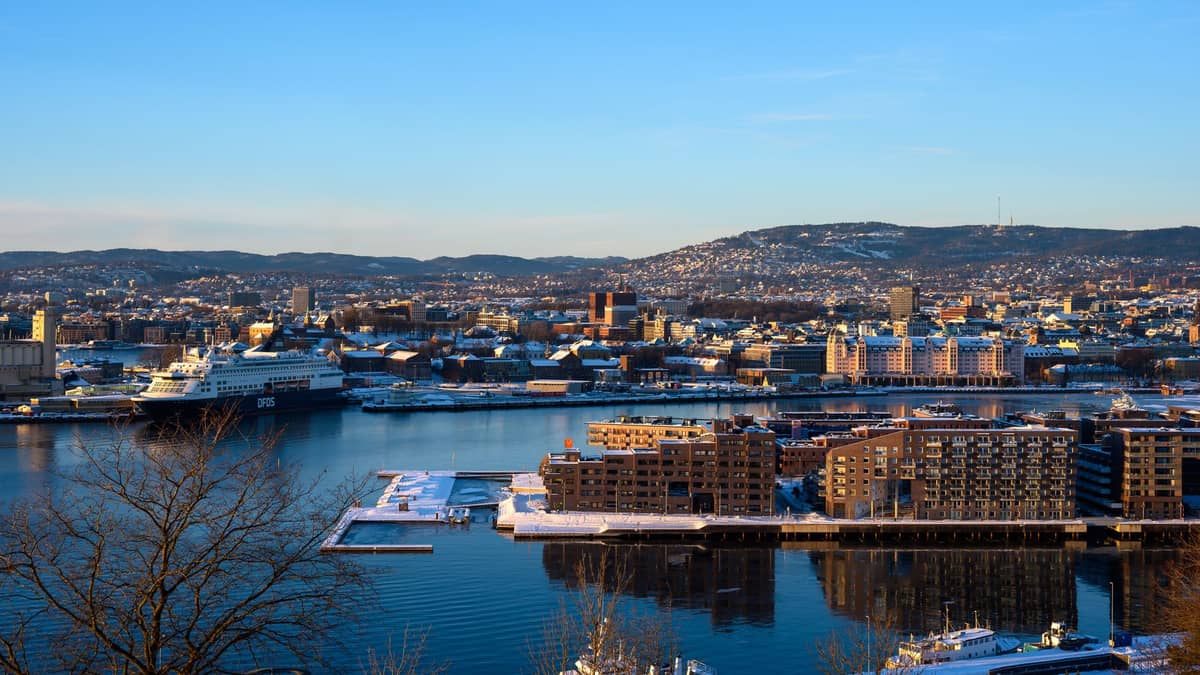
Oslo sits at the northern tip of the Oslofjord and covers 454 km² of land, including forests, fjord shoreline, and dense urban neighborhoods. The city center is compact and walkable, but Oslo's distinctive feature is how quickly the urban fabric gives way to nature: the Nordmarka forest starts practically at the city's northern edge. For visitors, this means your hotel location determines not just convenience to museums but also how easily you can access hiking trails, beaches, or the fjord.
The city's public transport system, run by Ruter, is excellent. The T-bane (metro) has five lines converging in the center, with trams covering inner neighborhoods not on metro lines. Zone 1 tickets cover all metro lines and most inner-city tram routes, but some trips to outlying attractions require additional zones. This means the location premium you pay in central Oslo hotels buys you atmosphere and walkability, not just transport convenience.
ℹ️ Good to know
Oslo uses Norwegian krone (NOK). At the time of writing, 1 USD is roughly equivalent to 10–11 NOK, but exchange rates fluctuate. All price estimates in this guide use both currencies for reference; verify current rates before booking.
The Best Neighborhoods to Stay in Oslo
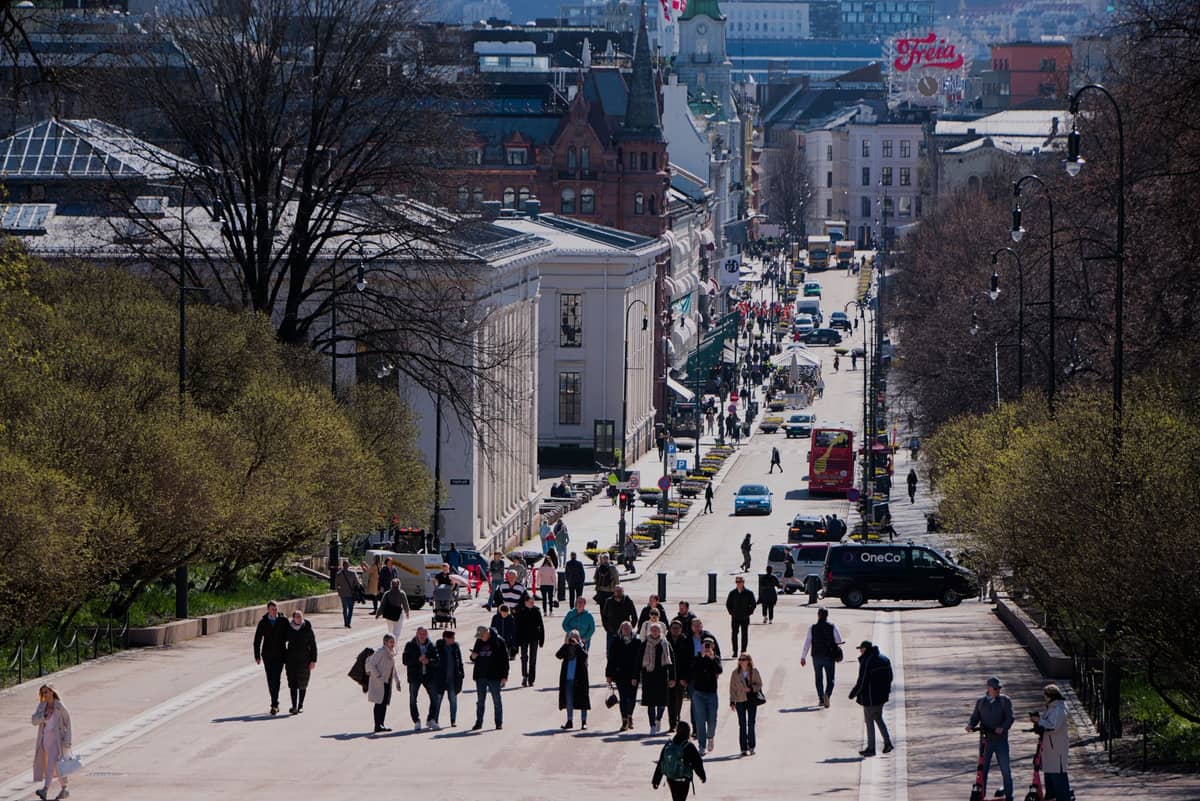
Oslo has four neighborhoods that consistently make sense for visitors: Sentrum, Bjørvika, Grünerløkka, and Frogner/Majorstuen. Each has a genuinely different character. A fifth option, Grønland/Tøyen, deserves mention for budget-focused travelers. Here's how to choose.
- Sentrum (City Centre) Best for: first-time visitors, short trips, business travelers. Oslo's downtown core runs along Karl Johans gate from Oslo Central Station (Oslo S) up to the Royal Palace. Most hotels here are 3-4 star business properties. You're within walking distance of the National Theatre, Oslo Cathedral, and the waterfront. Transport links are unbeatable. The downside: it's the least characterful area to actually be in after dark.
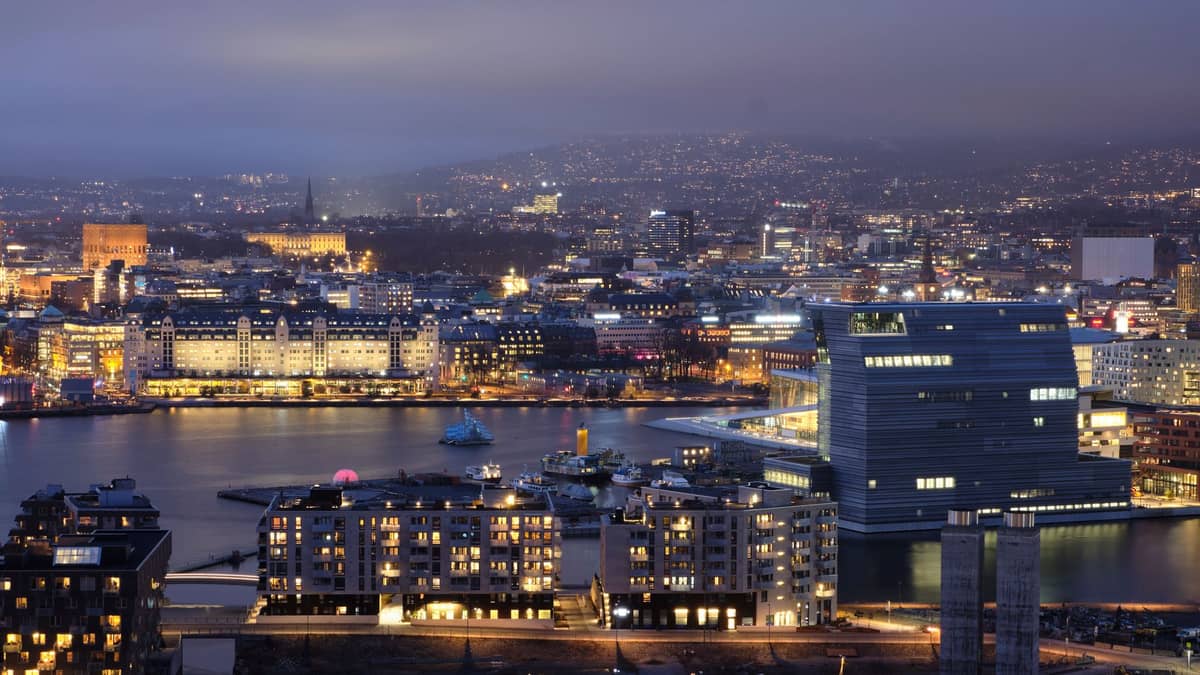
- Bjørvika & Aker Brygge / Tjuvholmen Best for: design and architecture lovers, couples, splurge stays. Bjørvika is Oslo's showcase waterfront district, home to the Opera House, the Munch Museum, and the Deichman library. Aker Brygge and Tjuvholmen, just west, offer gallery spaces, waterfront restaurants, and ferry connections to fjord islands. Hotels here lean premium. If the Oslo fjord view is your priority, this is where to pay for it.
- Grünerløkka Best for: travelers who want neighborhood character, good coffee, and independent restaurants. Located northeast of the center, Grünerløkka is dense with 19th-century brick apartment blocks, vintage shops, and small breweries. Hotels are fewer here than in Sentrum; many visitors use guesthouses or apartments. A 20-minute walk or short tram ride connects you to downtown.
- Frogner / Majorstuen Best for: families, longer stays, travelers who want a quieter residential feel. Frogner is west of the center, anchored by Vigeland Sculpture Park. Bogstadveien is one of Oslo's main shopping streets. Hotels here tend to be smaller boutique properties or converted apartment buildings. Majorstuen metro station puts you three stops from the center and gives access to the Holmenkollen line.
- Grønland / Tøyen Best for: budget travelers, repeat visitors, anyone who wants lower rates with easy central access. Grønland sits east of Sentrum and is one of Oslo's most multicultural neighborhoods, with excellent affordable food options and a growing number of solid mid-range hotels. The area is completely safe for travelers and just two T-bane stops from Oslo S. It's often overlooked, which is exactly why prices stay lower.
What You'll Actually Pay for Oslo Hotels
Oslo is expensive, and there's no point pretending otherwise. It ranks among Europe's pricier capitals for accommodation. That said, prices vary considerably by neighborhood, season, and how far in advance you book.
For mid-range properties in central Oslo, budget around NOK 1,500–2,500 (approximately US$140–240) per night. Three-star hotels average closer to US$180 per night on major booking platforms, while four-star properties run US$230–340. Five-star options, particularly those with fjord views or waterfront addresses, start around US$400 and can climb considerably higher during peak season.
💡 Local tip
Booking well in advance (6–8 weeks or more) for summer visits makes a real difference in Oslo. Hotel inventory in the center fills quickly in July, and last-minute rates in peak season can be 40–60% higher than early-bird prices. For winter visits outside major events, you can often book closer to the date and find solid deals.
The cheapest legitimate options within Oslo proper are hostels and budget hotels in Grønland and Tøyen, where dorm beds start around NOK 300–400 and private rooms can be found from NOK 800–1,100. These areas are particularly useful if you're on a tight budget but still want to take advantage of the Oslo Pass, which covers public transport and museum entry and is best used from a central base.
- Budget (hostels, basic guesthouses): NOK 300–900 per night (Grønland, Tøyen, occasional Grünerløkka options)
- Mid-range (3-star, chain hotels): NOK 1,200–2,000 per night (Sentrum, Grünerløkka, Majorstuen)
- Upper mid-range (4-star): NOK 2,000–3,200 per night (Sentrum, Bjørvika, Frogner)
- Premium / design hotels: NOK 3,500–5,500+ per night (Aker Brygge, Tjuvholmen waterfront, Bjørvika)
- Note: Prices above are indicative for 2024–2025. Always verify current rates on booking platforms before traveling.
Seasonal Timing and When to Book
Summer (June–August) is peak season for Oslo hotels. The weather is mild to warm (average highs 21–23°C in July), daylight stretches past 10pm, and the Bygdøy peninsula beaches, fjord islands, and outdoor terraces are all in use. Expect the highest prices and greatest competition for rooms, especially in July when Norwegian domestic vacationers also travel.
May and early June offer a good balance: the city is lively, Constitution Day celebrations on 17 May fill Karl Johans gate (see the Oslo Constitution Day guide), and hotel rates are typically 15–25% below peak summer pricing. September is another strong choice: crowds thin out, the Nordmarka forests turn gold, and accommodation prices drop noticeably.
Winter stays (November–February) are often the cheapest, with two notable exceptions: the Christmas and New Year period, when Oslo's Christmas markets and seasonal events drive prices back up, and the Holmenkollen ski festival in March, which fills hotels across the city. Outside these windows, winter weeknight rates can be surprisingly affordable, particularly in Sentrum business hotels that see lower leisure occupancy.
⚠️ What to skip
Avoid booking airport-area hotels (near Oslo Airport, Gardermoen, about 47–50 km north of center) unless you have an early morning departure or late arrival. They look cheaper at first glance, but the Flytoget express train costs extra on top of your hotel rate, and you'll spend time commuting into the city every day. For short stays, a central hotel almost always works out better value.
Getting Around From Your Hotel
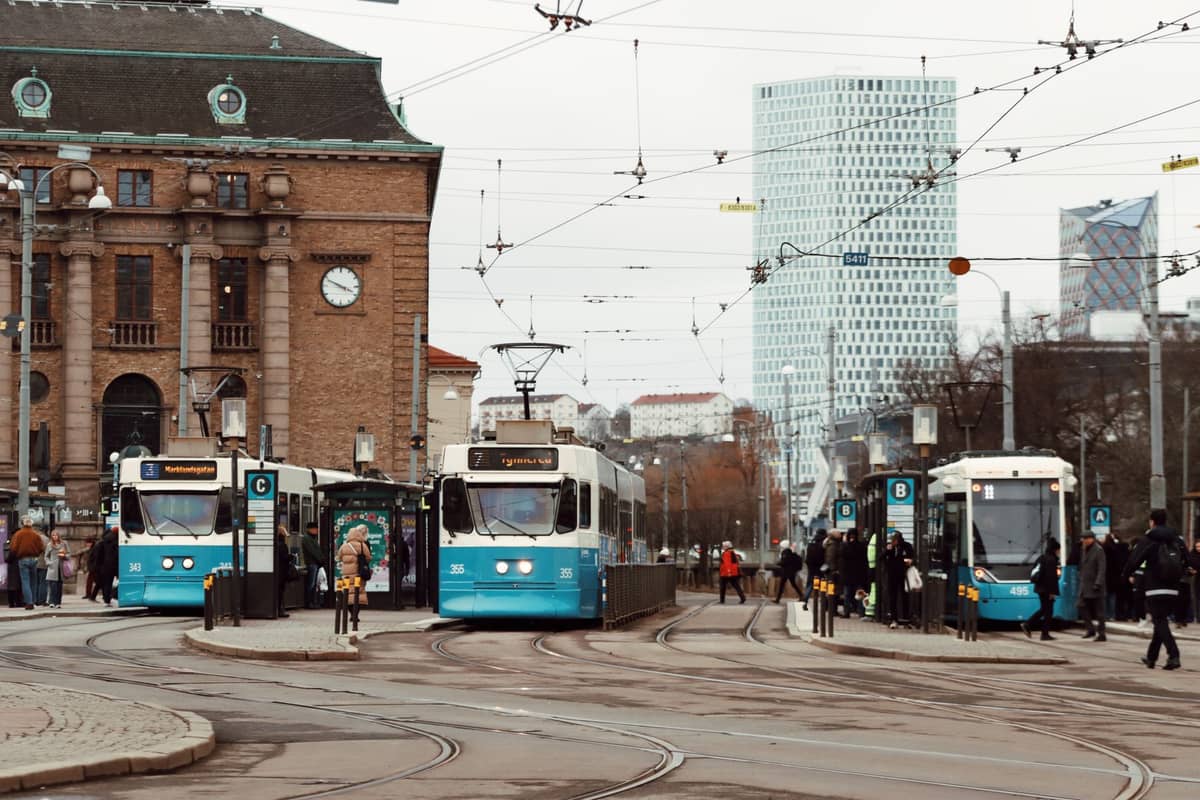
Oslo's T-bane and tram system makes most neighborhoods workable. If you stay in Sentrum, Bjørvika, or Grünerløkka, you can walk to the majority of central attractions. If you stay in Frogner or Majorstuen, tram line 12 and the Majorstuen metro hub connect you to the center in under 15 minutes. Grønland is two metro stops east of Oslo S.
From Oslo Airport (Gardermoen, code OSL), the Flytoget express train reaches Oslo Central Station in about 19–22 minutes at a premium fare. Regular Vy regional trains take approximately 23–30 minutes and cost less. Taxis and app-based cars cover the 47 km route in 40–50 minutes depending on traffic. For everything you need to know about moving around the city once you've arrived, the Oslo transport guide covers it in detail.
Practical Tips Before You Book
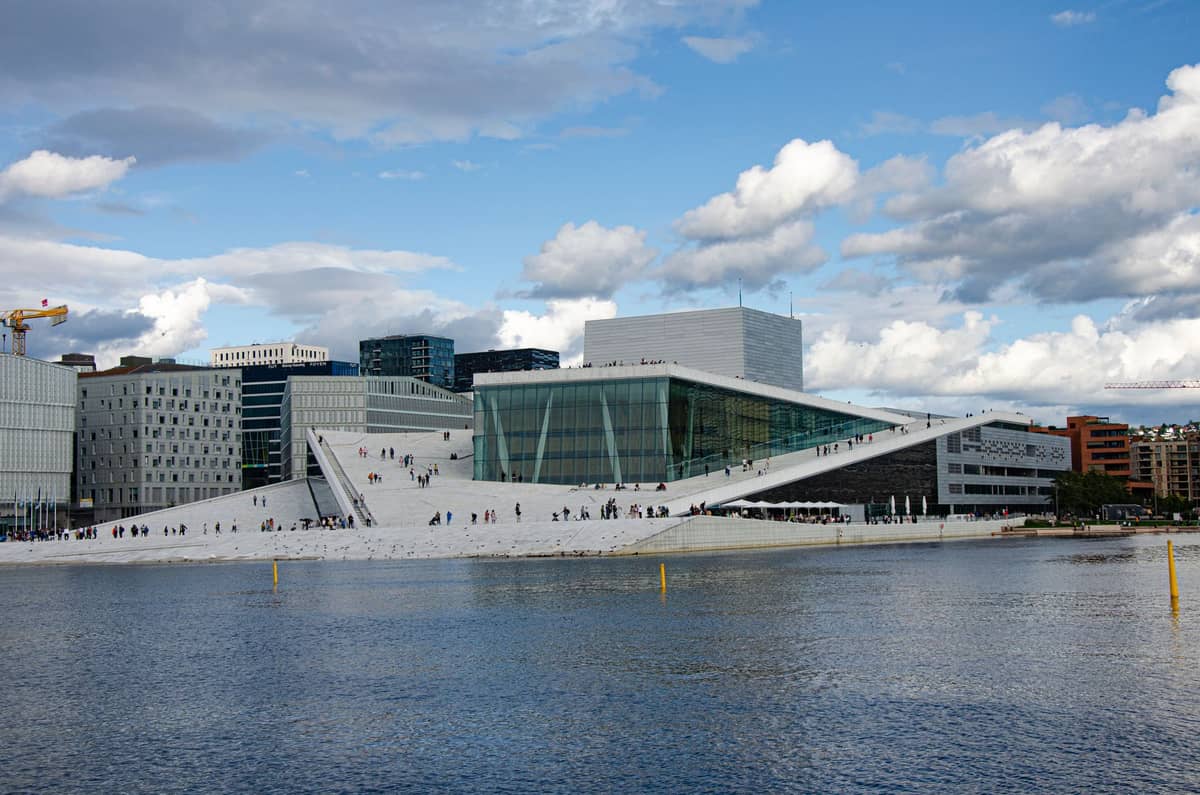
If this is your first trip and you plan to cover the main museums and attractions, staying in Sentrum or Bjørvika gives the most logical base. The 3-day Oslo itinerary pairs naturally with a central hotel: you can walk between the Opera House, National Museum, and Aker Brygge waterfront without needing to think about transport.
If you're traveling with children, Frogner is worth prioritizing: Vigeland Sculpture Park is literally in the neighborhood, the streets are quieter, and the area feels more residential and spacious than Sentrum. For families wanting more space, apartment rentals in Grünerløkka or Frogner can offer better value than hotel rooms.
Tipping in Oslo is not mandatory. A service charge is generally built into restaurant bills; rounding up or adding 5–10% for excellent service is appreciated but not expected. Tap water across Oslo is of excellent quality and safe to drink. Norway uses Type C and F plugs at 230V/50Hz. English is spoken fluently across all tourist-facing businesses. For a broader sense of costs across your entire trip, the Oslo on a budget guide covers everything from free attractions to affordable eating.
✨ Pro tip
Hotels in Oslo typically include breakfast in the rate, especially in the mid-range and above category. A Norwegian hotel breakfast is substantial: cold cuts, cheeses, smoked salmon, bread, eggs, and coffee. If breakfast is included, factor it into your daily food budget, as café breakfasts in Oslo can easily cost NOK 150–250 per person.
FAQ
What is the best area to stay in Oslo for first-time visitors?
Sentrum (the city center) is the most practical choice for a first visit. It puts you within walking distance of Karl Johans gate, Oslo Central Station, the waterfront, and the main museums. It has the widest range of hotel options at various price points and the best transport connections for day trips.
How much does a hotel in Oslo cost per night?
Mid-range hotels in central Oslo typically cost NOK 1,500–2,500 (roughly US$140–240) per night. Budget options in neighborhoods like Grønland start from around NOK 800–1,100 for a private room. Premium waterfront hotels in Bjørvika and Aker Brygge regularly exceed NOK 3,500–5,000 per night in peak season. Prices are highest June–August and around major events.
Is it cheaper to stay near Oslo Airport?
Airport-area hotels near Gardermoen can appear cheaper, but Oslo Airport is 47–50 km north of the city center. Once you add the cost of the Flytoget train or a taxi each day, plus the time spent commuting, a central Oslo hotel typically works out better value for stays longer than one night. Airport hotels make sense only for very early flights or very late arrivals.
Is Grünerløkka a good place to stay in Oslo?
Yes, particularly if you want neighborhood character over convenience. Grünerløkka has excellent independent cafés, restaurants, and a lively street scene. The hotel selection is smaller than in Sentrum, so many visitors use apartments or guesthouses. It's a 20-minute walk or short tram ride to downtown, which is fine for longer stays but can feel inconvenient on a tight 2-day schedule.
When is the cheapest time to book a hotel in Oslo?
November through February (excluding Christmas/New Year and March's Holmenkollen ski festival) generally offers the lowest hotel rates in Oslo. For summer travel, booking 6–8 weeks or more in advance significantly reduces costs compared to last-minute bookings. Shoulder seasons in May and September offer a good balance of reasonable prices and decent weather.
Tickets & tours
Live prices and dates from our booking partner. If you book, we may earn a commission at no extra cost to you.
Planning a trip? Discover personalized activities with the Nomado app.