Oslo Architecture Guide: From Medieval to Modern
Oslo's architectural story spans 800 years, from Akershus Fortress rising above the harbour to the tilted glass tower of the Munch Museum. This guide takes you through the city's most significant buildings, organised by era and theme, so you can trace how Norway's capital has reinvented itself across centuries.
Tickets & tours
Live prices and dates from our booking partner. If you book, we may earn a commission at no extra cost to you.
Few European capitals compress so many architectural eras into such a walkable core. In a single afternoon in Bjørvika you can stand on a medieval fortress rampart, walk across a marble opera house roof, and look up at a leaning contemporary art tower. Oslo rewards anyone who pays attention to buildings. This guide selects the city's most architecturally compelling attractions across six themes, from fortresses and stave churches to 21st-century public institutions that have redefined what civic architecture can be. For a broader picture of what to do alongside these visits, see our complete Oslo guide.
💡 Local tip
The Oslo Pass covers entry to several buildings on this list, including the National Museum and Oslo City Hall. If you plan to visit three or more paid attractions in a day, it usually pays for itself.
Medieval Foundations
Oslo's medieval layer is thinner than many European capitals but no less significant. The fortifications and ruins concentrated in Sentrum and the Gamlebyen district tell the story of a city that was effectively rebuilt multiple times after fire and plague, leaving only fragments of the original settlement. These fragments are worth seeking out.
1. Walk the Ramparts of Akershus Fortress
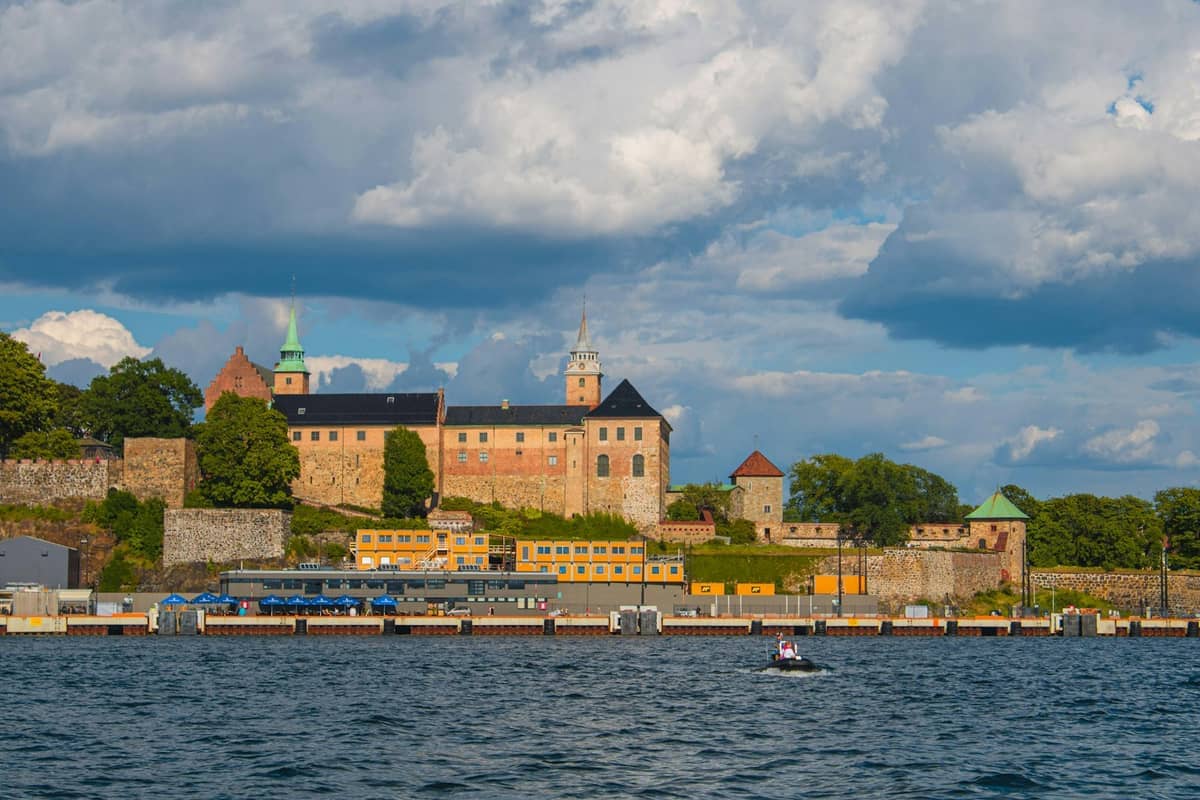
Built around 1290 and expanded over centuries, Akershus is the most complete medieval structure in Oslo. The fortress walls, towers, and royal crypt reward a slow 90-minute walk. Free to enter, with fjord views from every rampart.
Explore1. Walk the Ramparts of Akershus Fortress
Built around 1290 and expanded over centuries, Akershus is the most complete medieval structure in Oslo. The fortress walls, towers, and royal crypt reward a slow 90-minute walk. Free to enter, with fjord views from every rampart.
Explore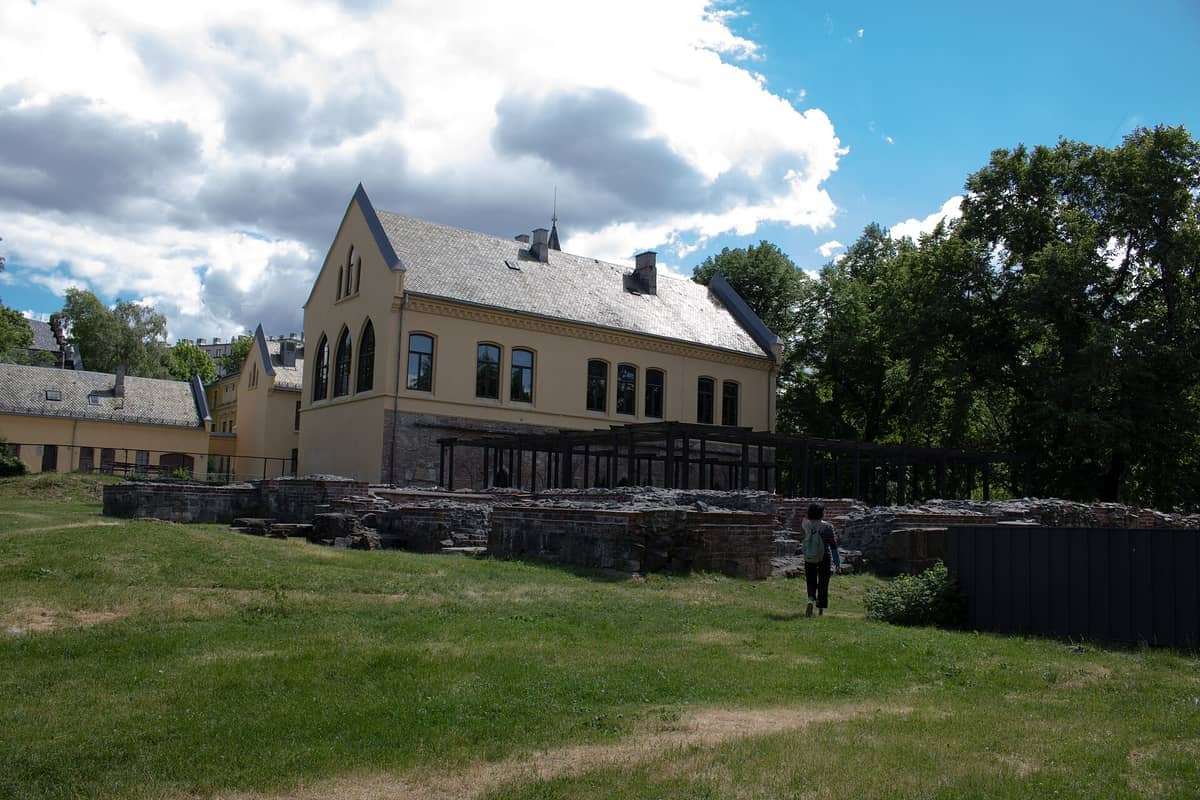
2. Explore the Medieval Ruins at Gamlebyen
Oslo's least-visited historically rich district contains excavated ruins of St. Hallvard's Cathedral and the original medieval city. The quiet Ruins Park feels a world away from the modern centre, just 15 minutes' walk east of Oslo S station.
Explore2. Explore the Medieval Ruins at Gamlebyen
Oslo's least-visited historically rich district contains excavated ruins of St. Hallvard's Cathedral and the original medieval city. The quiet Ruins Park feels a world away from the modern centre, just 15 minutes' walk east of Oslo S station.
Explore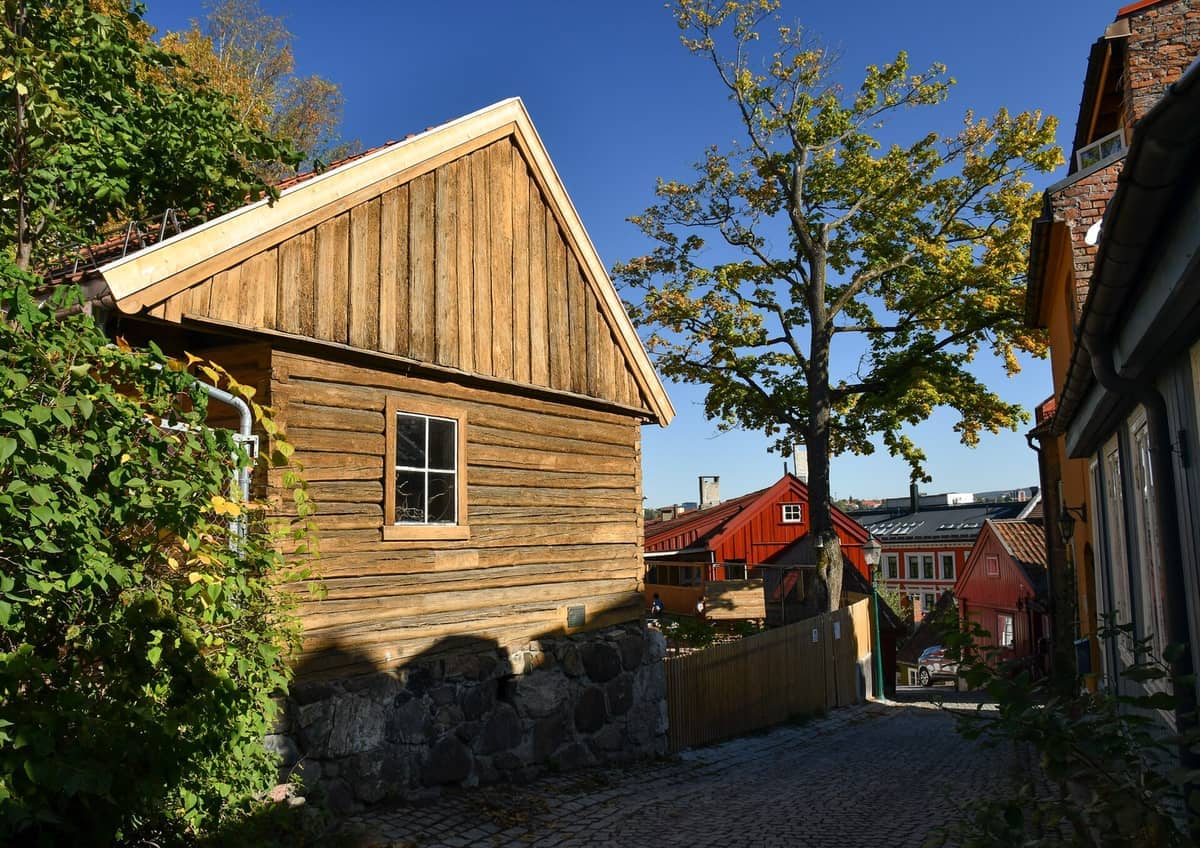
3. Photograph Oslo's Last Wooden Street Houses
Damstredet and Telthusbakken preserve 18th and 19th-century wooden houses that survived the fires reshaping Oslo. These cobbled lanes show what the pre-industrial city looked like before brick and concrete took over.
Explore3. Photograph Oslo's Last Wooden Street Houses
Damstredet and Telthusbakken preserve 18th and 19th-century wooden houses that survived the fires reshaping Oslo. These cobbled lanes show what the pre-industrial city looked like before brick and concrete took over.
Explore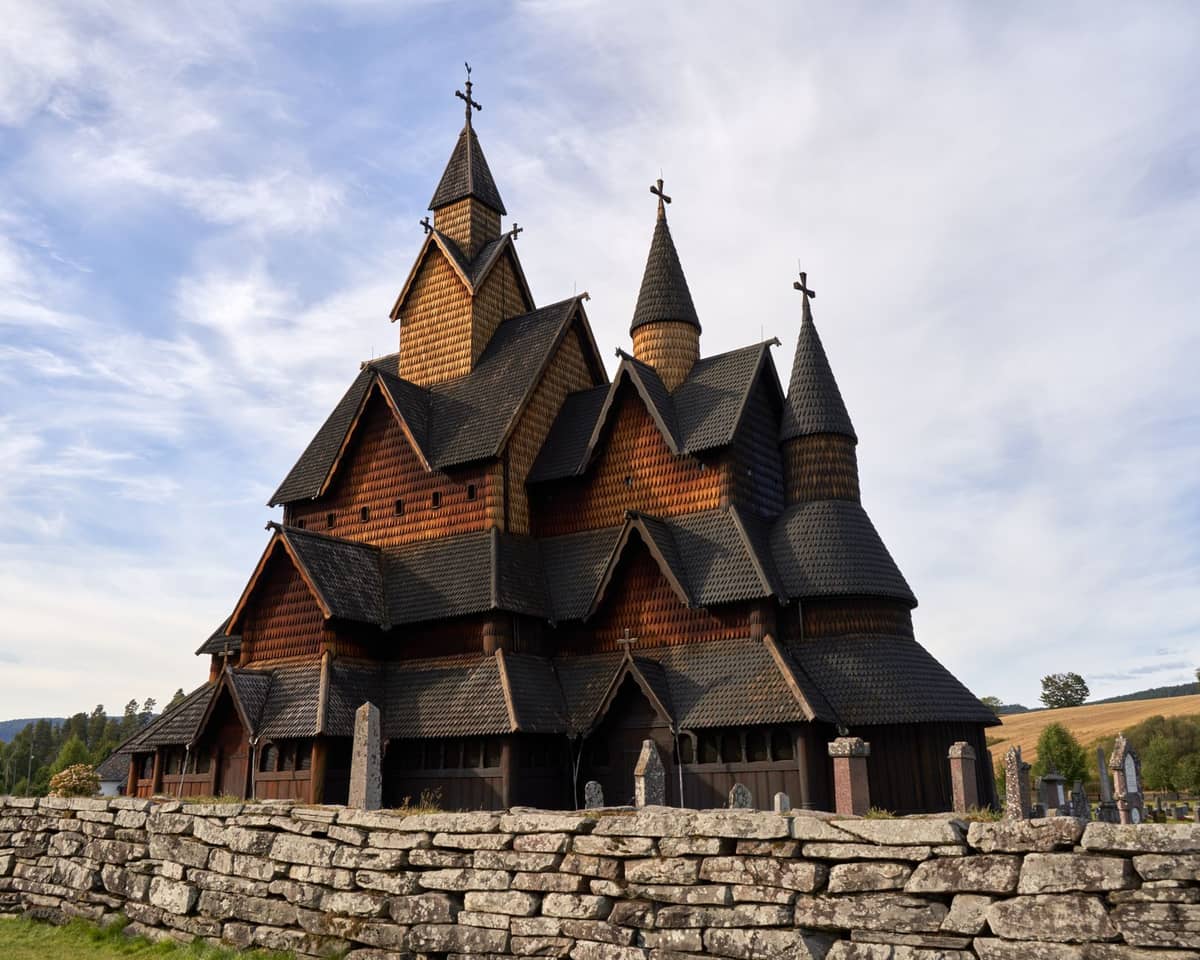
4. See Norway's Greatest Medieval Wooden Architecture at Heddal
Norway's largest surviving stave church, built in the 13th century, sits 2.5 hours from Oslo in Telemark. The intricately carved portals and a bishop's chair from 1150 make the journey worthwhile for anyone serious about medieval Norwegian building.
Explore4. See Norway's Greatest Medieval Wooden Architecture at Heddal
Norway's largest surviving stave church, built in the 13th century, sits 2.5 hours from Oslo in Telemark. The intricately carved portals and a bishop's chair from 1150 make the journey worthwhile for anyone serious about medieval Norwegian building.
ExploreNational Romantic & Historic Civic Buildings
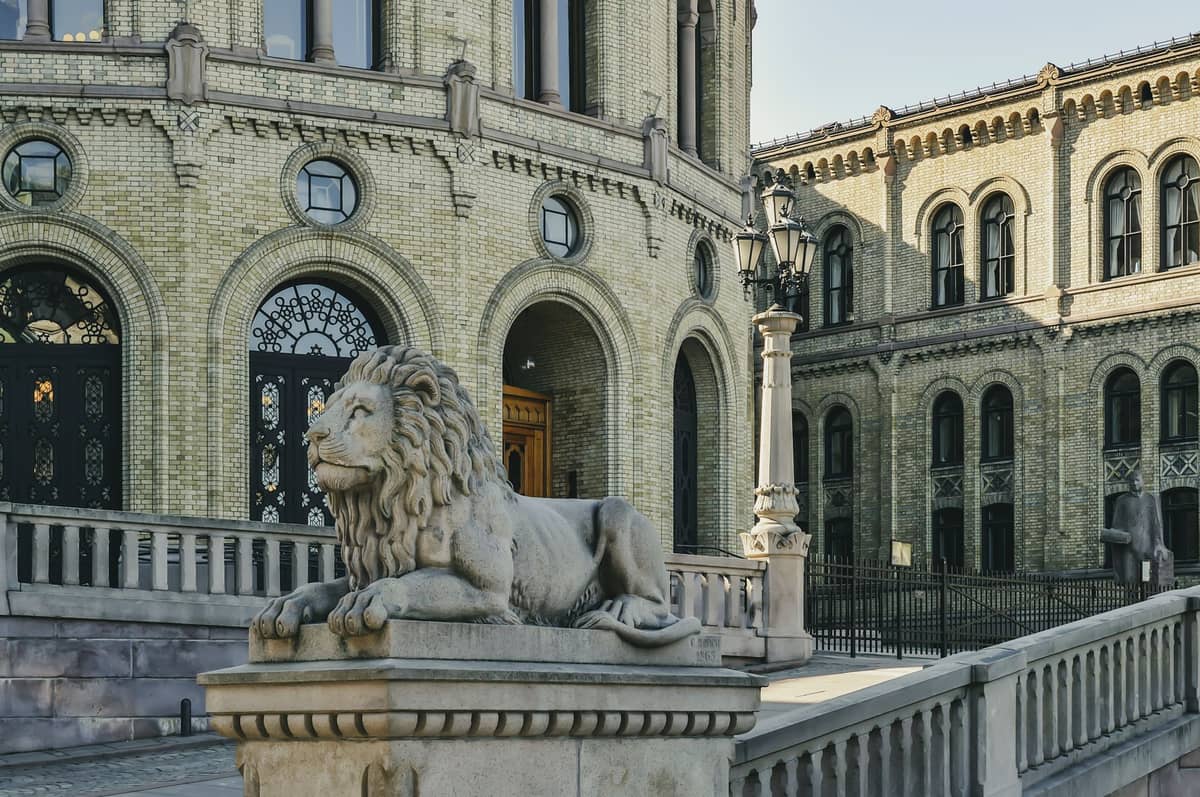
The 19th and early 20th centuries produced some of Oslo's most photogenic public architecture, as Norwegian architects sought a national style to match the country's growing independence. The results range from neoclassical grandeur along Karl Johans gate to the dragon-style timber romanticism of Holmenkollen. For context on this era's artistic output alongside its buildings, the Oslo museums guide covers the collections that grew from the same nationalist impulse.

5. Admire the Neoclassical Royal Palace on Karl Johans Gate
Completed in 1849, the Royal Palace anchors Oslo's ceremonial axis with clean neoclassical lines. The surrounding park is open year-round, the daily 1:30pm Guard Change is worth timing your visit around, and summer interior tours reveal state rooms rarely seen.
Explore5. Admire the Neoclassical Royal Palace on Karl Johans Gate
Completed in 1849, the Royal Palace anchors Oslo's ceremonial axis with clean neoclassical lines. The surrounding park is open year-round, the daily 1:30pm Guard Change is worth timing your visit around, and summer interior tours reveal state rooms rarely seen.
Explore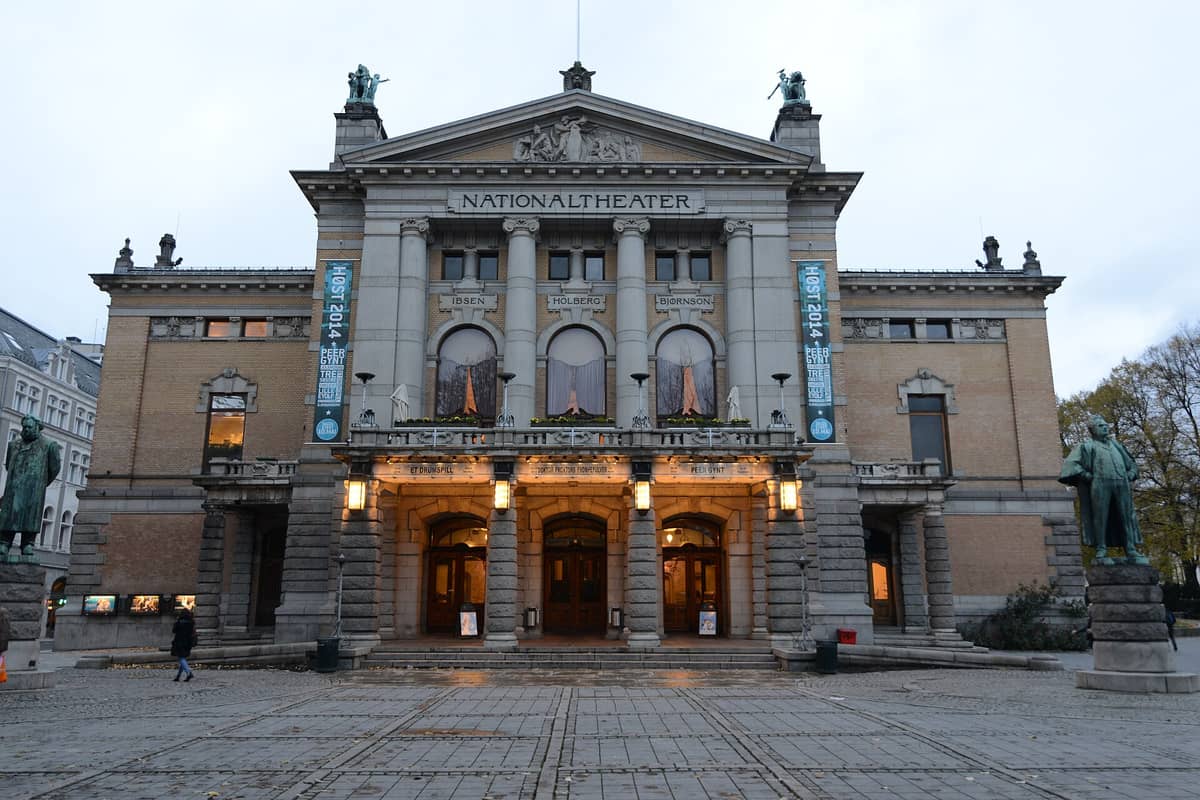
6. Stand Before the National Theatre's Grand Facade
Opened in 1899, this neoclassical building flanked by statues of Ibsen and Bjørnson is one of central Oslo's finest streetscapes. Even without attending a performance, the Karl Johans gate facade and the elaborately decorated metro station below are worth seeing.
Explore6. Stand Before the National Theatre's Grand Facade
Opened in 1899, this neoclassical building flanked by statues of Ibsen and Bjørnson is one of central Oslo's finest streetscapes. Even without attending a performance, the Karl Johans gate facade and the elaborately decorated metro station below are worth seeing.
Explore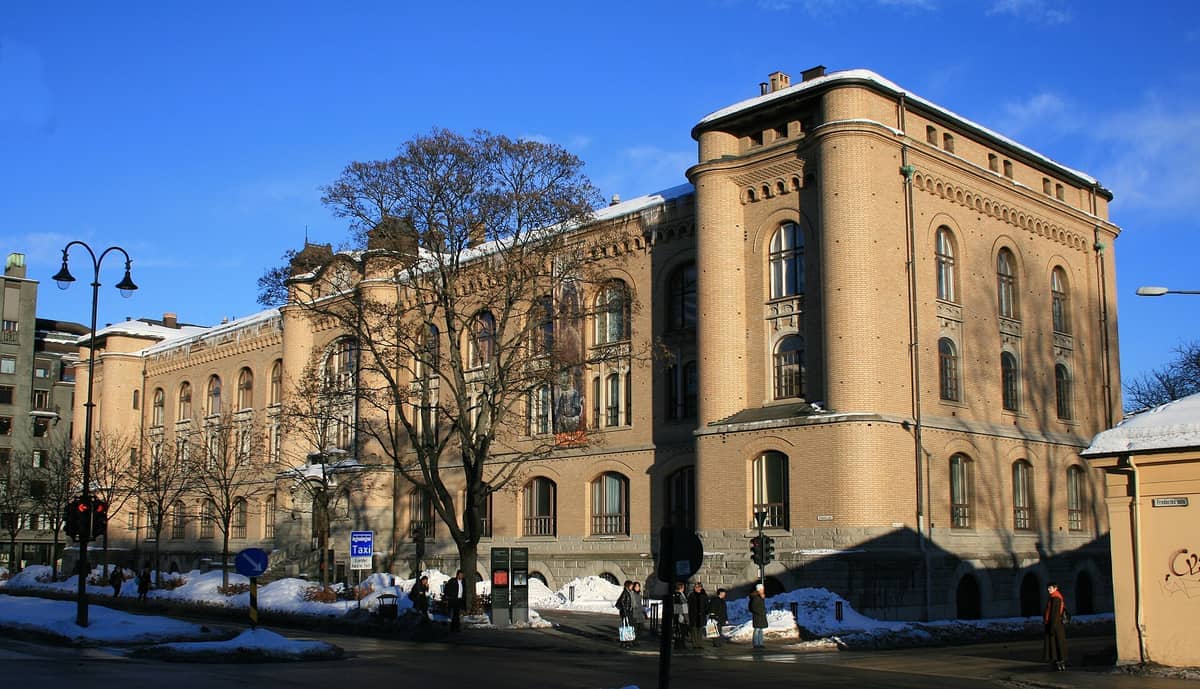
7. Visit the Art Nouveau Historical Museum Near the Palace
The 1902 Art Nouveau building housing Norway's national archaeology collection is itself an architectural highlight. The facade's carved stone ornament and interior detailing reward attention before you even reach the Viking gold displays inside.
Explore7. Visit the Art Nouveau Historical Museum Near the Palace
The 1902 Art Nouveau building housing Norway's national archaeology collection is itself an architectural highlight. The facade's carved stone ornament and interior detailing reward attention before you even reach the Viking gold displays inside.
Explore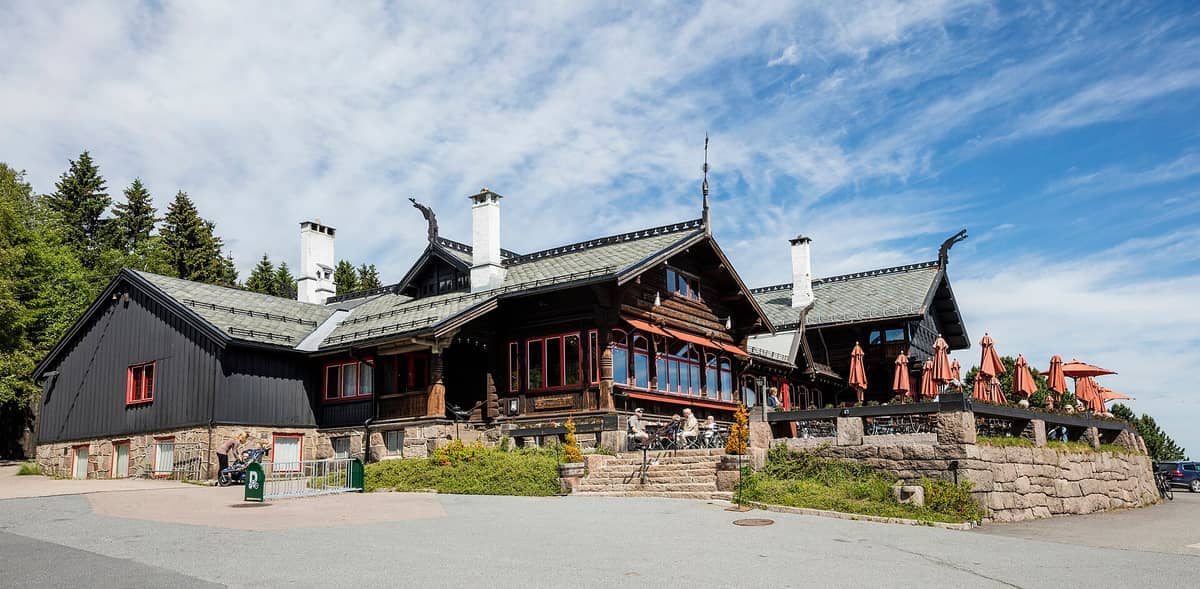
8. Discover Dragon-Style Architecture at Frognerseteren
Built in 1891 in the distinctive Norwegian dragon style, Frognerseteren's carved timber lodge at the top of the Holmenkollen metro line is a prime example of National Romantic architecture. The hilltop setting above Oslo adds genuine drama to the building's form.
Explore8. Discover Dragon-Style Architecture at Frognerseteren
Built in 1891 in the distinctive Norwegian dragon style, Frognerseteren's carved timber lodge at the top of the Holmenkollen metro line is a prime example of National Romantic architecture. The hilltop setting above Oslo adds genuine drama to the building's form.
Explore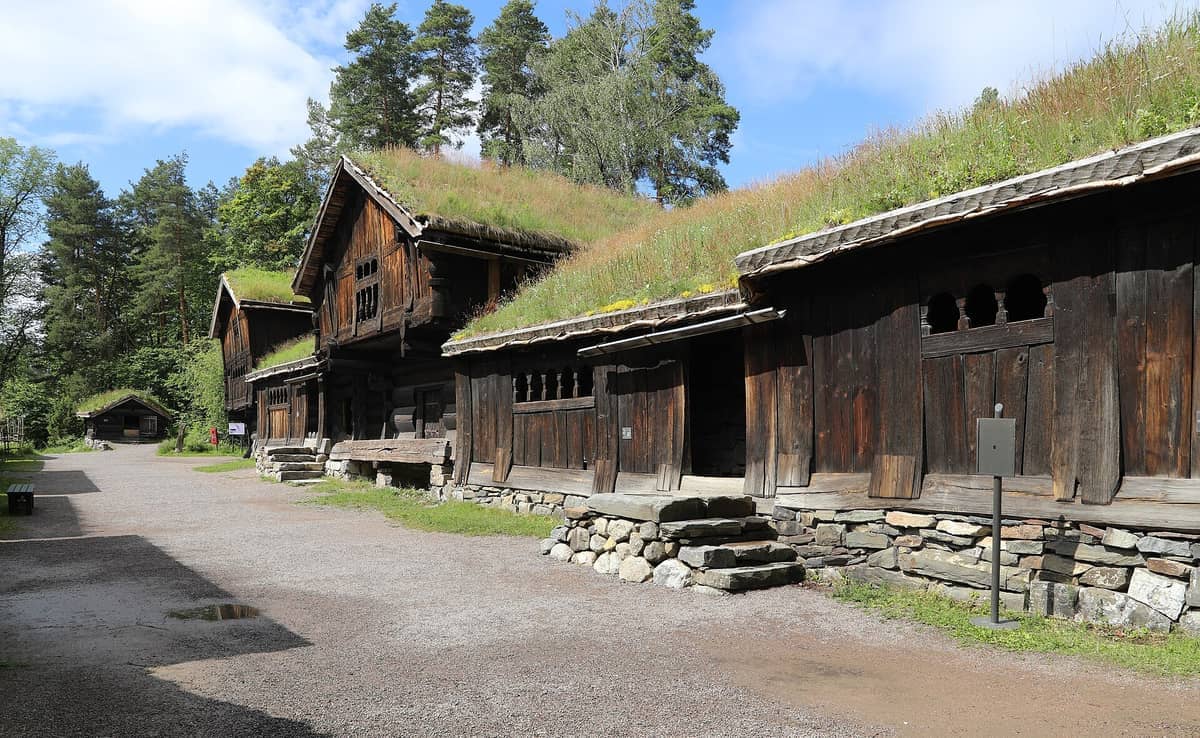
9. Survey 160 Historic Norwegian Buildings at Norsk Folkemuseum
Scandinavia's largest open-air museum assembled over 160 structures from across Norway, including a 13th-century stave church. For architectural context across centuries and regions, nothing in Oslo comes close to this Bygdøy collection in a single visit.
Explore9. Survey 160 Historic Norwegian Buildings at Norsk Folkemuseum
Scandinavia's largest open-air museum assembled over 160 structures from across Norway, including a 13th-century stave church. For architectural context across centuries and regions, nothing in Oslo comes close to this Bygdøy collection in a single visit.
Explore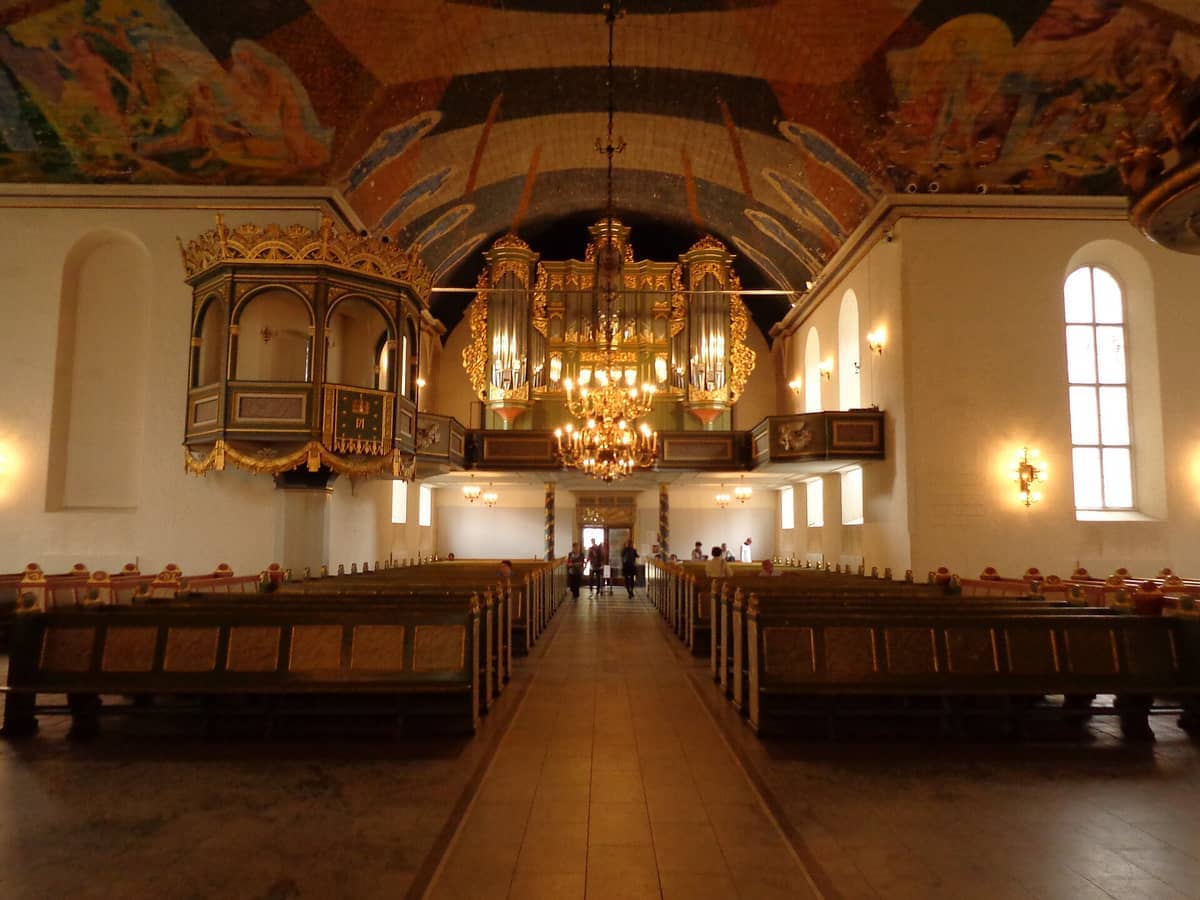
10. Step Inside Oslo Cathedral's Baroque Interior
Dating from 1697, Oslo's main cathedral is a restrained baroque landmark at the heart of Stortorvet square. The painted ceiling and stained glass windows by Emanuel Vigeland reward a quiet 20-minute visit. Entry is free.
Explore10. Step Inside Oslo Cathedral's Baroque Interior
Dating from 1697, Oslo's main cathedral is a restrained baroque landmark at the heart of Stortorvet square. The painted ceiling and stained glass windows by Emanuel Vigeland reward a quiet 20-minute visit. Entry is free.
Explore20th-Century Civic Ambition
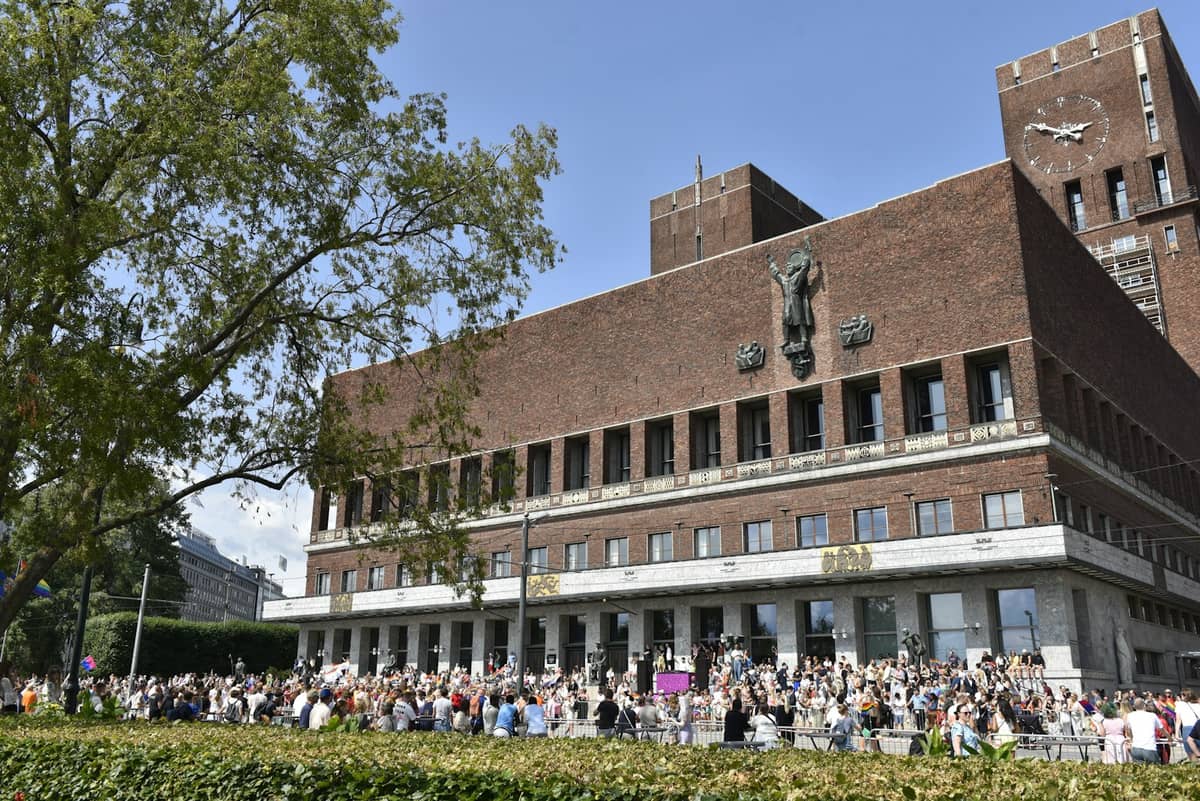
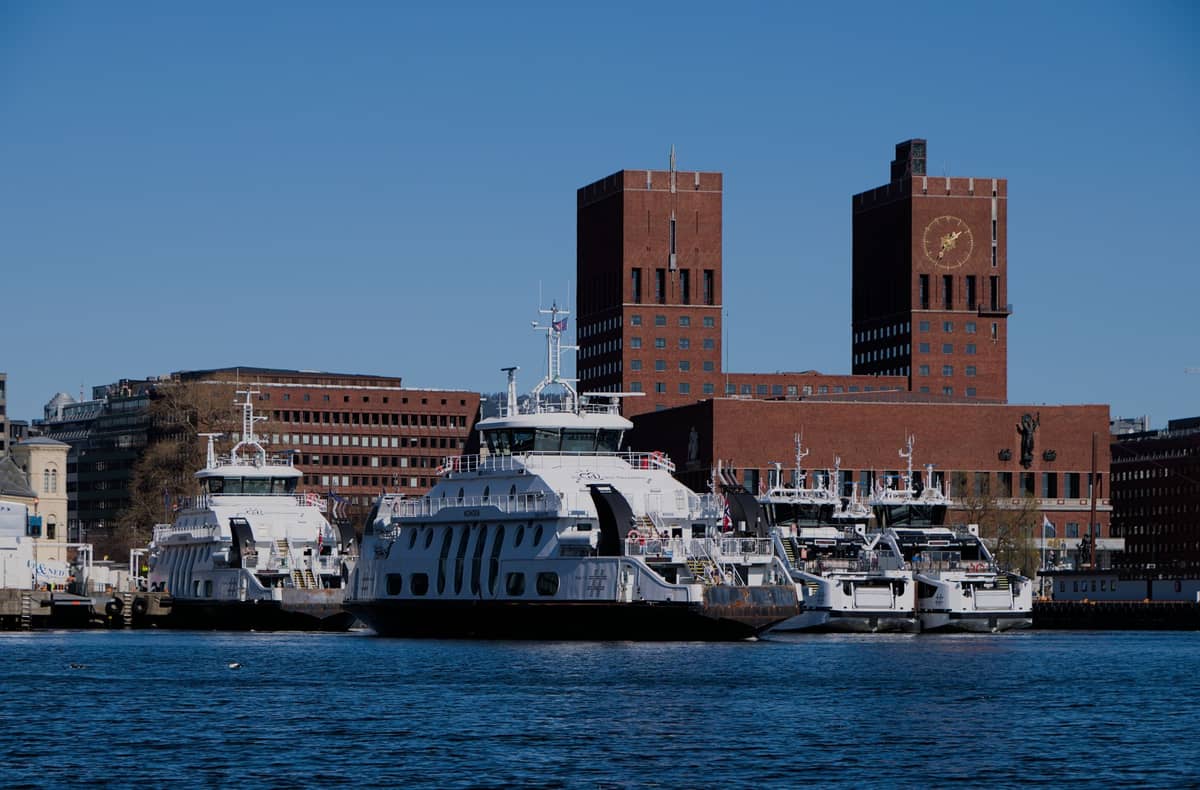
Oslo's mid-20th century produced one genuinely monumental civic project: the City Hall. Completed in 1950 after decades of construction, it remains one of the most interior-rich public buildings in Scandinavia and is consistently underrated by visitors who judge it only from the outside.
11. Step Inside the Nobel Peace Prize Venue at Oslo City Hall
The red-brick exterior divides opinion, but the interior is extraordinary: vast murals covering every wall depict Norwegian history and working life. Entry is free daily 09:00-16:00. This is where the Nobel Peace Prize is awarded each December.
Explore11. Step Inside the Nobel Peace Prize Venue at Oslo City Hall
The red-brick exterior divides opinion, but the interior is extraordinary: vast murals covering every wall depict Norwegian history and working life. Entry is free daily 09:00-16:00. This is where the Nobel Peace Prize is awarded each December.
Explore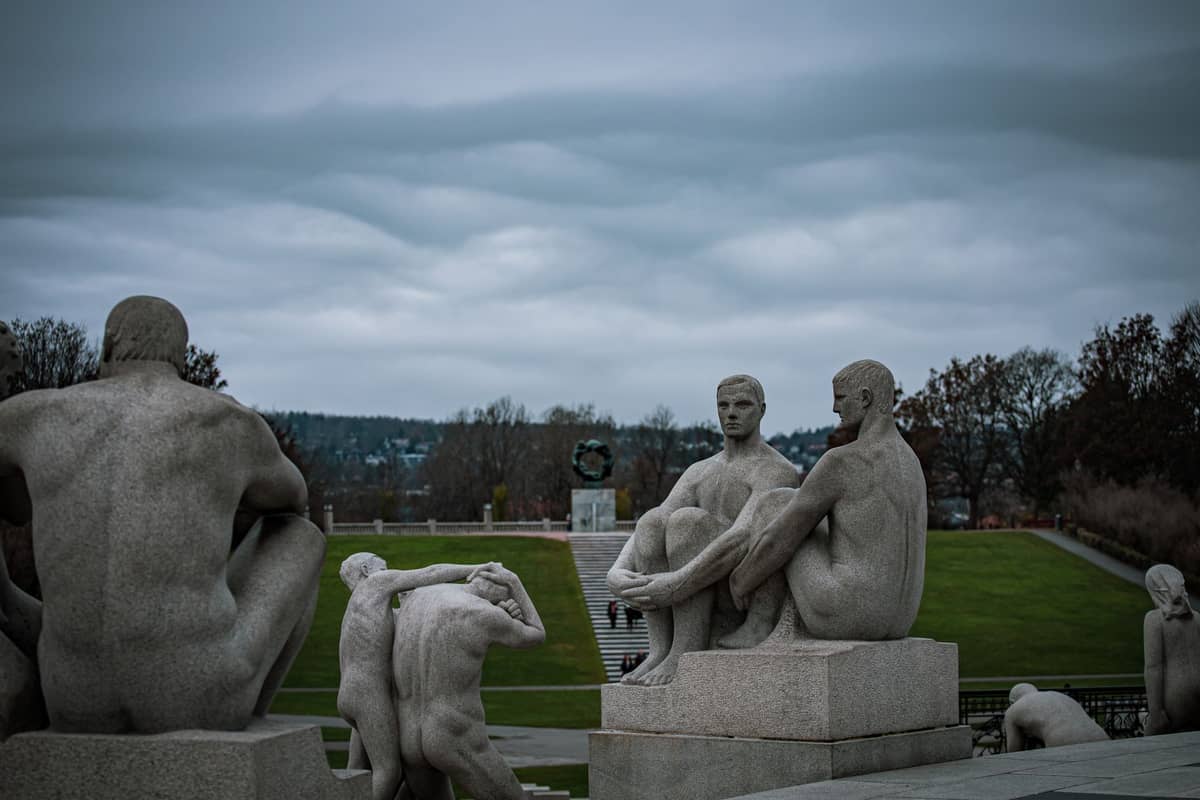
12. Experience Vigeland's Monumental Open-Air Vision in Frogner Park
Gustav Vigeland's life's work, completed between 1907 and 1942, is as much urban planning as sculpture. The axial layout, bridge, fountain, and 14-metre Monolith column form a unified architectural and artistic statement across Frogner Park. Free and open 24 hours.
Explore12. Experience Vigeland's Monumental Open-Air Vision in Frogner Park
Gustav Vigeland's life's work, completed between 1907 and 1942, is as much urban planning as sculpture. The axial layout, bridge, fountain, and 14-metre Monolith column form a unified architectural and artistic statement across Frogner Park. Free and open 24 hours.
Explore
13. Ascend Holmenkollen's Dramatic Steel Ski Jump Tower
The current steel structure, rebuilt in 2010 for the Nordic World Ski Championships, is a feat of structural engineering as much as sports infrastructure. The glass-floored observation deck 60 metres above the takeoff gives the best panoramic views in the Holmenkollen hills.
Explore13. Ascend Holmenkollen's Dramatic Steel Ski Jump Tower
The current steel structure, rebuilt in 2010 for the Nordic World Ski Championships, is a feat of structural engineering as much as sports infrastructure. The glass-floored observation deck 60 metres above the takeoff gives the best panoramic views in the Holmenkollen hills.
ExploreContemporary Landmarks: The Bjørvika Waterfront
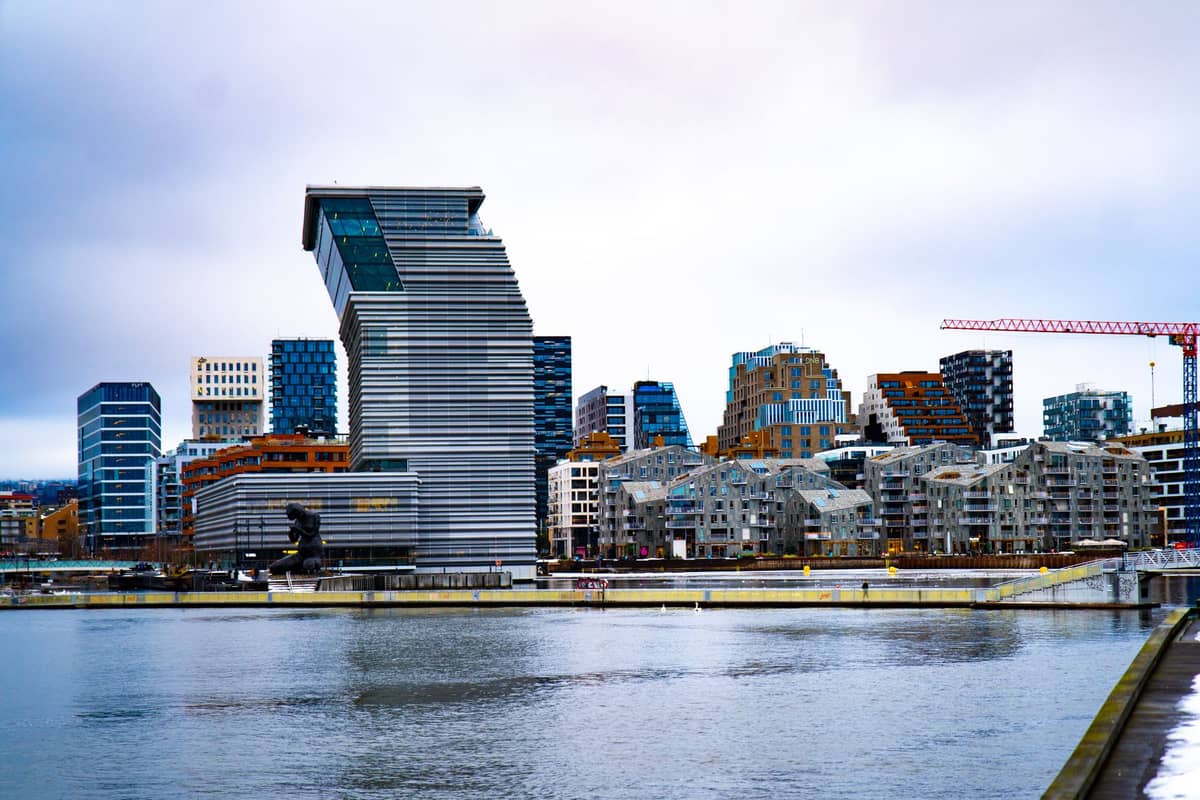
Oslo's most concentrated cluster of contemporary architecture sits along the Bjørvika waterfront, where the city has rebuilt its relationship with the fjord since the early 2000s. The best viewpoints in Oslo includes several spots along this stretch that show how dramatically the skyline has changed. Plan two to three hours to walk from the Opera House east to Sørenga, taking in buildings at ground level and from above.
14. Walk the Roof of Snøhetta's Iconic Opera House
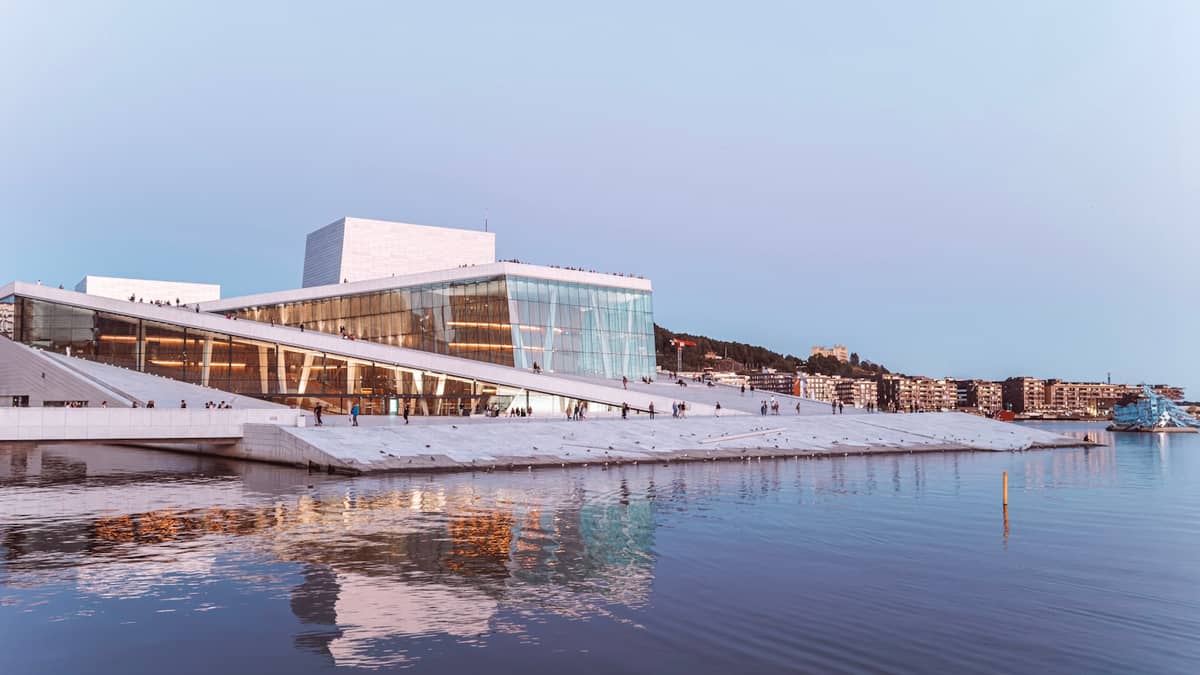
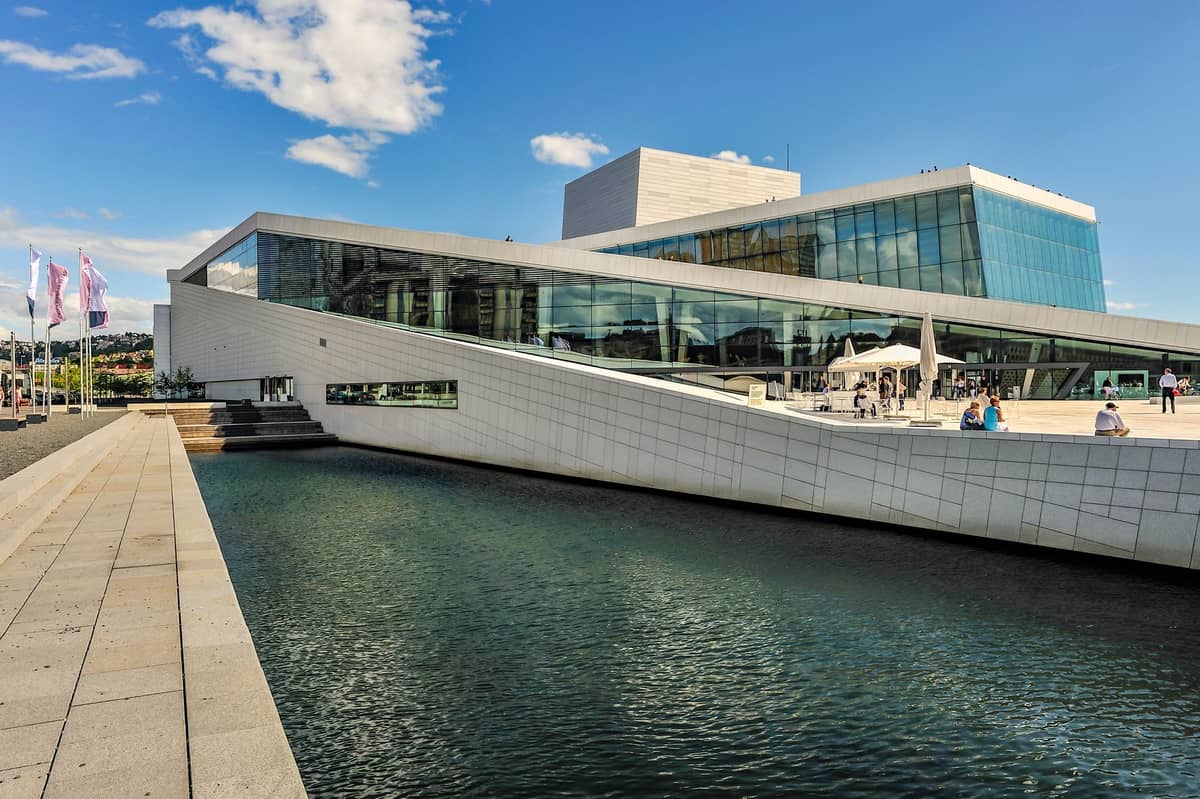
Completed in 2008 and winner of the Mies van der Rohe Award, the Opera House is Oslo's most celebrated contemporary building. The sloping marble and granite roof is a public plaza. Walking to the top takes 10 minutes and costs nothing. Guided architecture tours run most days.
Explore14. Walk the Roof of Snøhetta's Iconic Opera House
Completed in 2008 and winner of the Mies van der Rohe Award, the Opera House is Oslo's most celebrated contemporary building. The sloping marble and granite roof is a public plaza. Walking to the top takes 10 minutes and costs nothing. Guided architecture tours run most days.
Explore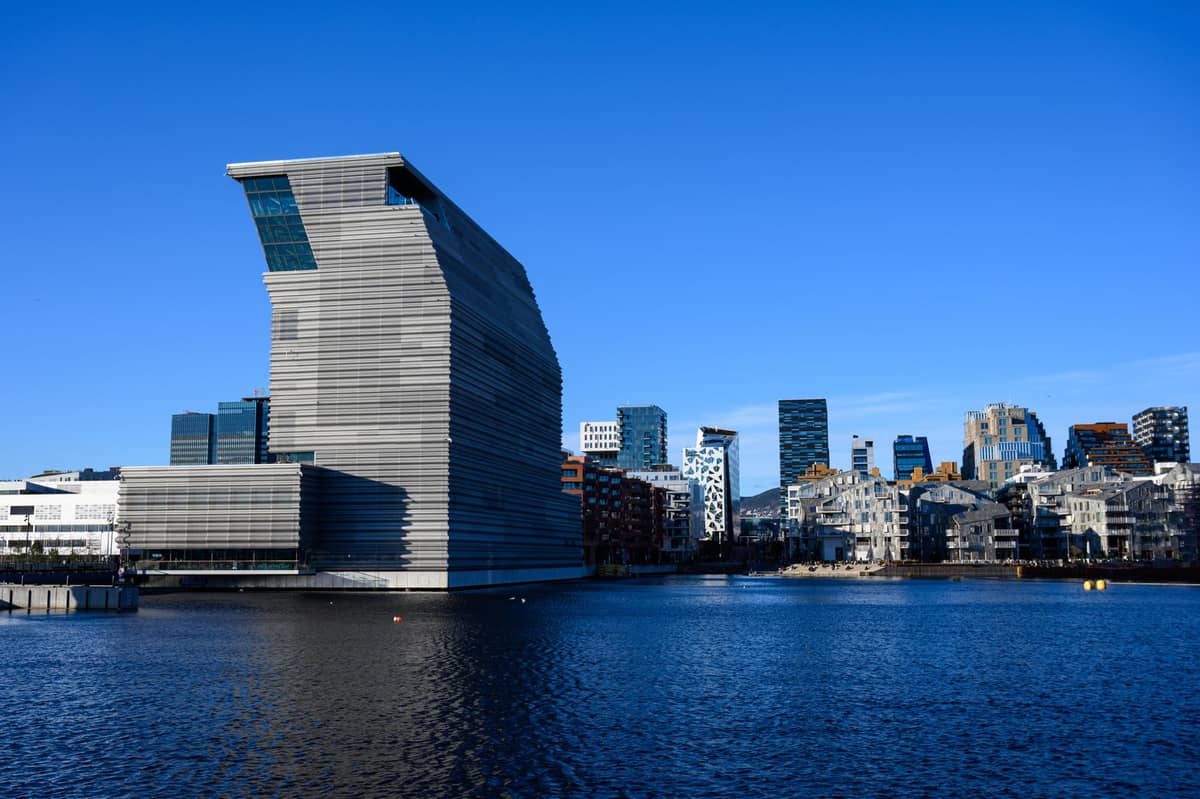
15. Look Up at the Leaning MUNCH Tower on the Waterfront
Opened in 2021 and designed by Estudio Herreros, the 13-storey MUNCH Museum leans visibly over the fjord, its perforated aluminium facade creating a lantern effect at night. The building is as much an architectural statement as a cultural institution housing 26,000 works.
Explore15. Look Up at the Leaning MUNCH Tower on the Waterfront
Opened in 2021 and designed by Estudio Herreros, the 13-storey MUNCH Museum leans visibly over the fjord, its perforated aluminium facade creating a lantern effect at night. The building is as much an architectural statement as a cultural institution housing 26,000 works.
Explore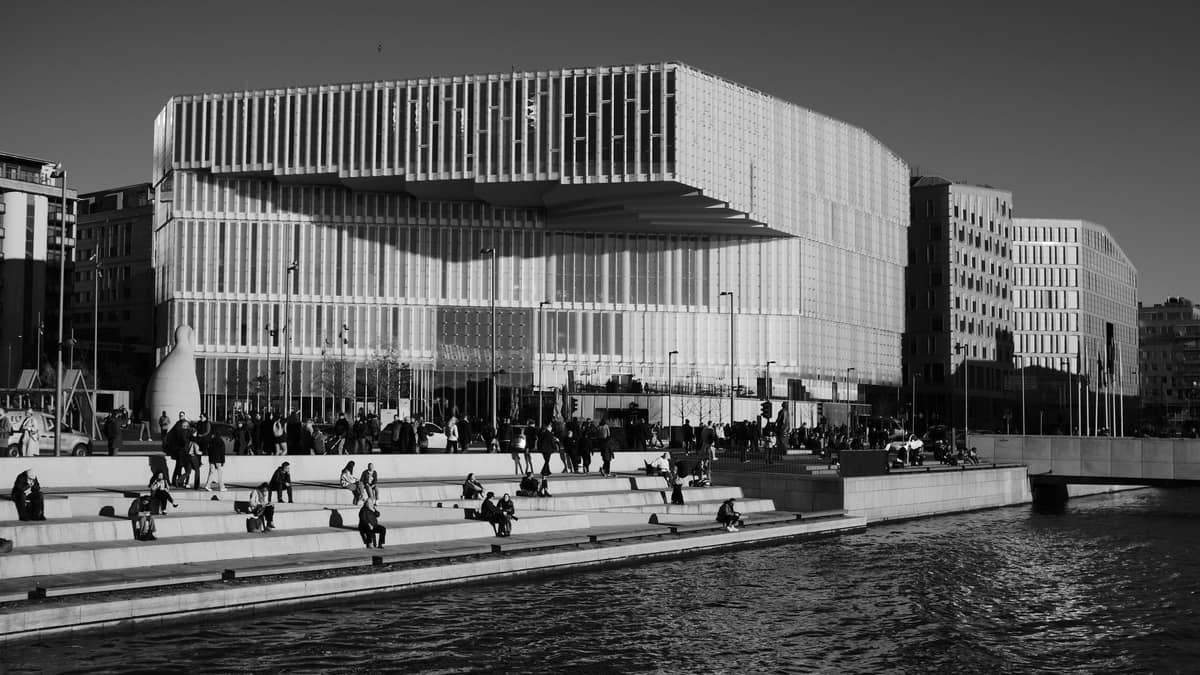
16. Explore the Glass and Steel Public Library at Deichman Bjørvika
Opened in 2020 and designed by Atelier Oslo and Lund Hagem, this public library has become a benchmark for 21st-century civic architecture. Free to enter, with rooftop terraces overlooking the fjord, maker spaces, and a strikingly open interior that prioritises human movement over shelving.
Explore16. Explore the Glass and Steel Public Library at Deichman Bjørvika
Opened in 2020 and designed by Atelier Oslo and Lund Hagem, this public library has become a benchmark for 21st-century civic architecture. Free to enter, with rooftop terraces overlooking the fjord, maker spaces, and a strikingly open interior that prioritises human movement over shelving.
Explore
17. View the Controversial Barcode Skyline from Sørenga
The row of high-rises of varying heights along the Bjørvika waterfront has reshaped Oslo's profile since the 2010s. The debate it sparked about density and waterfront access makes it as interesting architecturally as it is visually. Best viewed from the Sørenga promenade or the Opera House roof.
Explore17. View the Controversial Barcode Skyline from Sørenga
The row of high-rises of varying heights along the Bjørvika waterfront has reshaped Oslo's profile since the 2010s. The debate it sparked about density and waterfront access makes it as interesting architecturally as it is visually. Best viewed from the Sørenga promenade or the Opera House roof.
ExploreContemporary Architecture Beyond the Centre

Some of Oslo's most architecturally adventurous buildings sit outside the Bjørvika cluster. Tjuvholmen, a short walk west along the waterfront, concentrates international gallery architecture in a compact harbour island setting. And for something truly unlike anything else in Norway, the Kistefos Museum is worth the 90-minute drive from the city.
18. See Renzo Piano's Glass-Sail Museum on Tjuvholmen
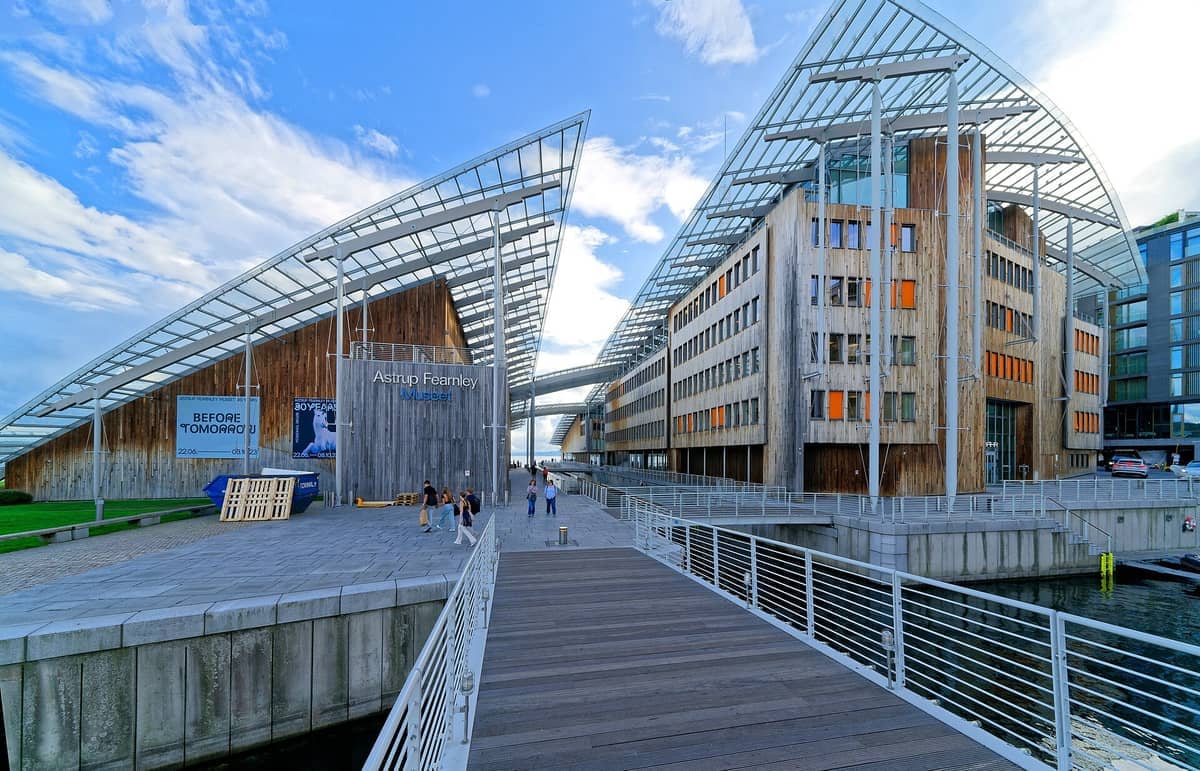
Renzo Piano's 2012 design for the Astrup Fearnley Museum splits a contemporary art institution across two buildings linked by a glass sail roof spanning a canal. The building's relationship with the water and the surrounding sculpture park makes it one of the finest pieces of harbour architecture in Oslo.
Explore18. See Renzo Piano's Glass-Sail Museum on Tjuvholmen
Renzo Piano's 2012 design for the Astrup Fearnley Museum splits a contemporary art institution across two buildings linked by a glass sail roof spanning a canal. The building's relationship with the water and the surrounding sculpture park makes it one of the finest pieces of harbour architecture in Oslo.
Explore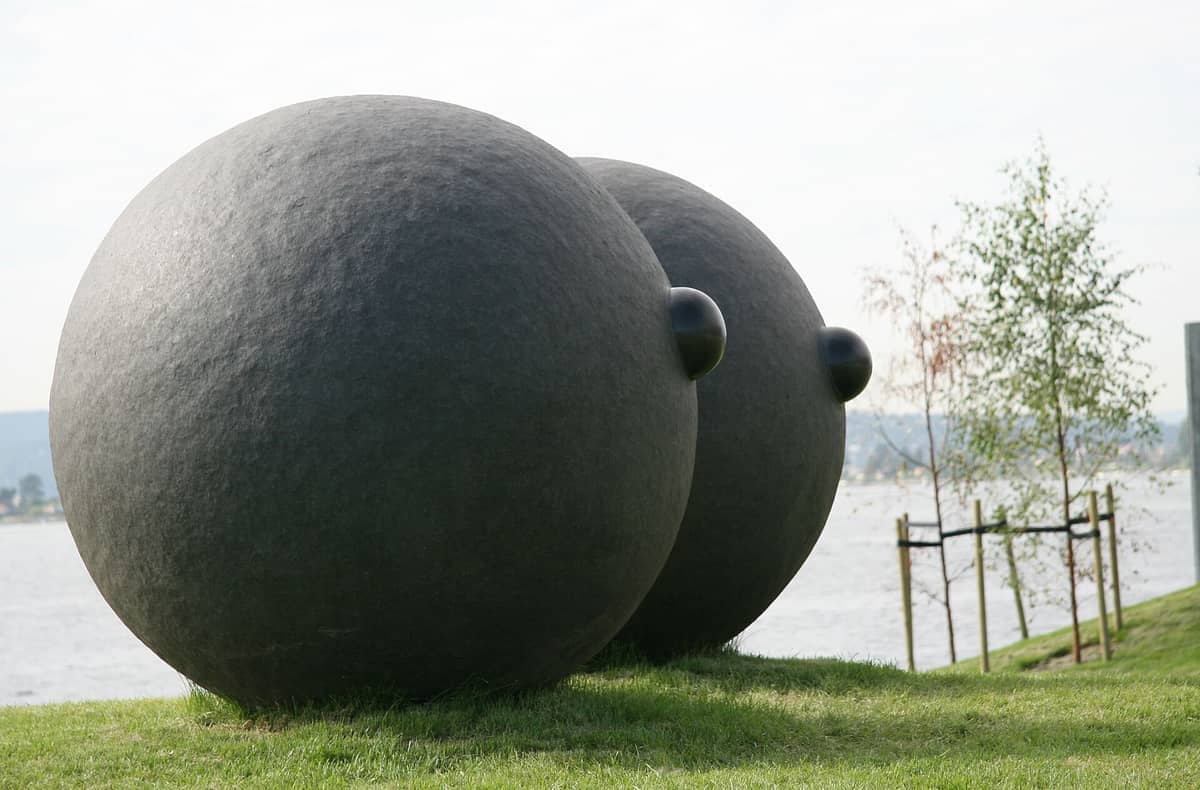
19. Walk the Tjuvholmen Waterfront Sculpture and Architecture Circuit
The free promenade around Tjuvholmen puts you in close contact with the Astrup Fearnley Museum's exterior, residential towers by international architects, and sculpture by Louise Bourgeois and others. Budget 45 minutes for the full loop. Entry to the sculpture park is free.
Explore19. Walk the Tjuvholmen Waterfront Sculpture and Architecture Circuit
The free promenade around Tjuvholmen puts you in close contact with the Astrup Fearnley Museum's exterior, residential towers by international architects, and sculpture by Louise Bourgeois and others. Budget 45 minutes for the full loop. Entry to the sculpture park is free.
Explore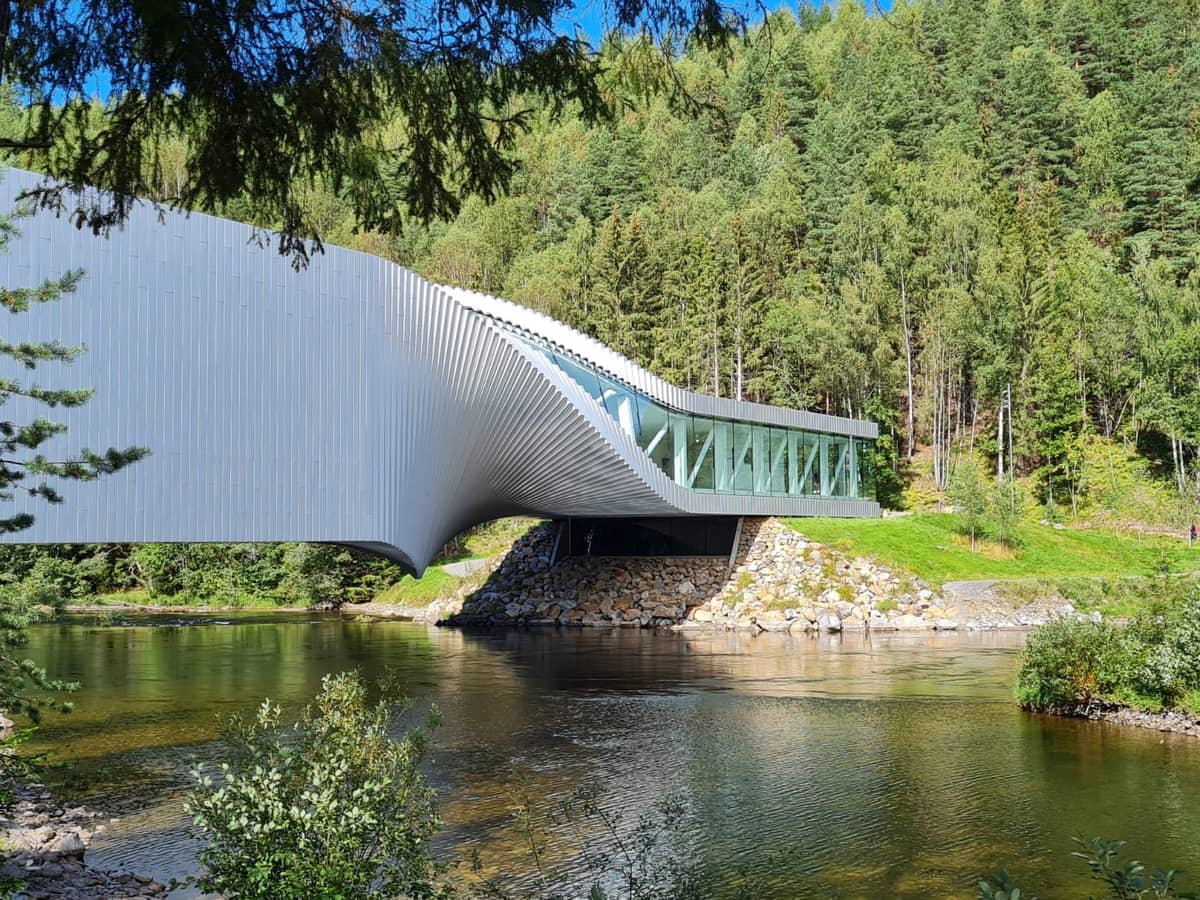
20. Drive to The Twist: BIG's Bridge-Building in the Forest
BIG's 2019 structure at Kistefos rotates 90 degrees as it bridges a river, functioning simultaneously as gallery, bridge, and sculpture. Set in a forest landscape 90 minutes from Oslo, it is the most architecturally original building accessible as a day trip from the capital.
Explore20. Drive to The Twist: BIG's Bridge-Building in the Forest
BIG's 2019 structure at Kistefos rotates 90 degrees as it bridges a river, functioning simultaneously as gallery, bridge, and sculpture. Set in a forest landscape 90 minutes from Oslo, it is the most architecturally original building accessible as a day trip from the capital.
Explore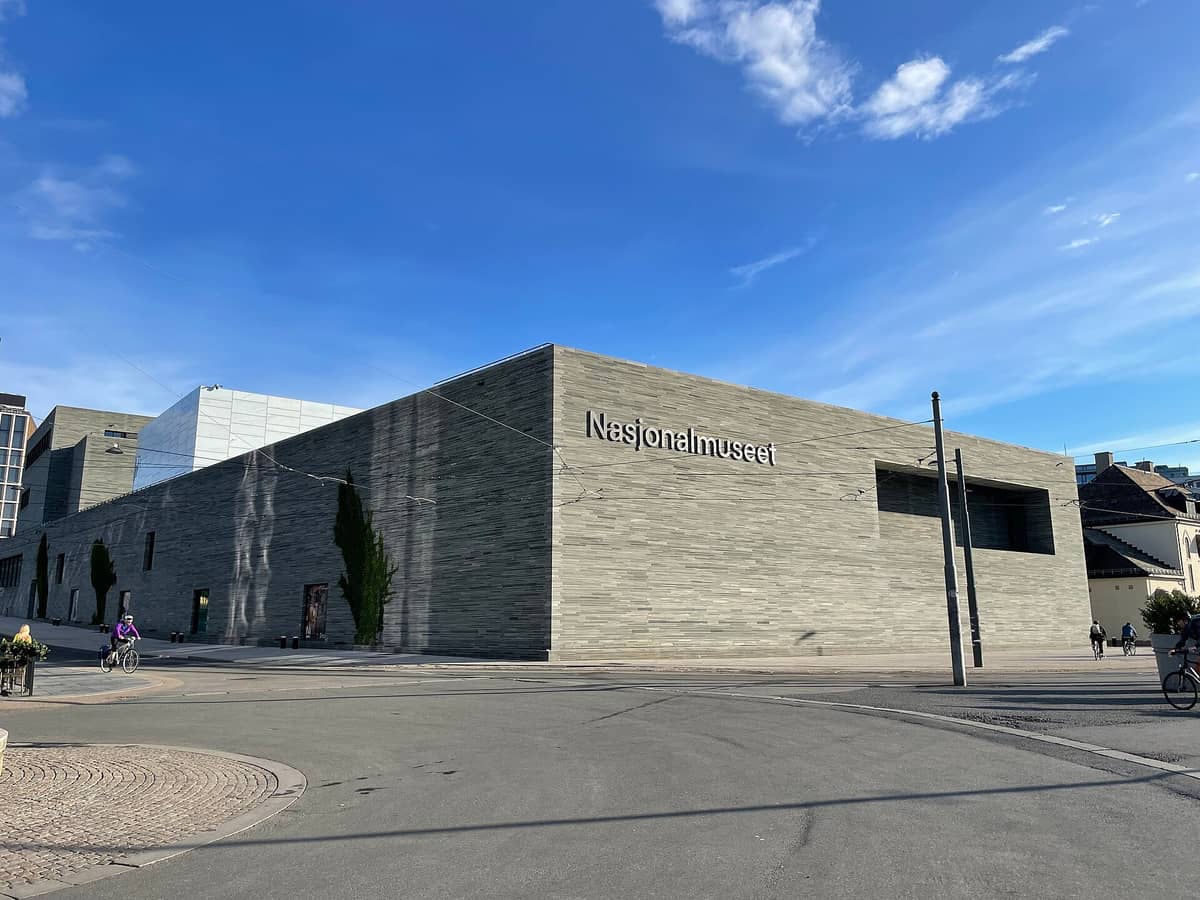
21. Tour the Nordic Countries' Largest Art and Architecture Museum
Reopened in 2022 in a vast new building designed by Kleihues + Schuwerk, the National Museum is itself a statement of contemporary Norwegian civic ambition. The light hall alone, clad in hand-made glass bricks, justifies a visit beyond the collections inside.
Explore21. Tour the Nordic Countries' Largest Art and Architecture Museum
Reopened in 2022 in a vast new building designed by Kleihues + Schuwerk, the National Museum is itself a statement of contemporary Norwegian civic ambition. The light hall alone, clad in hand-made glass bricks, justifies a visit beyond the collections inside.
Explore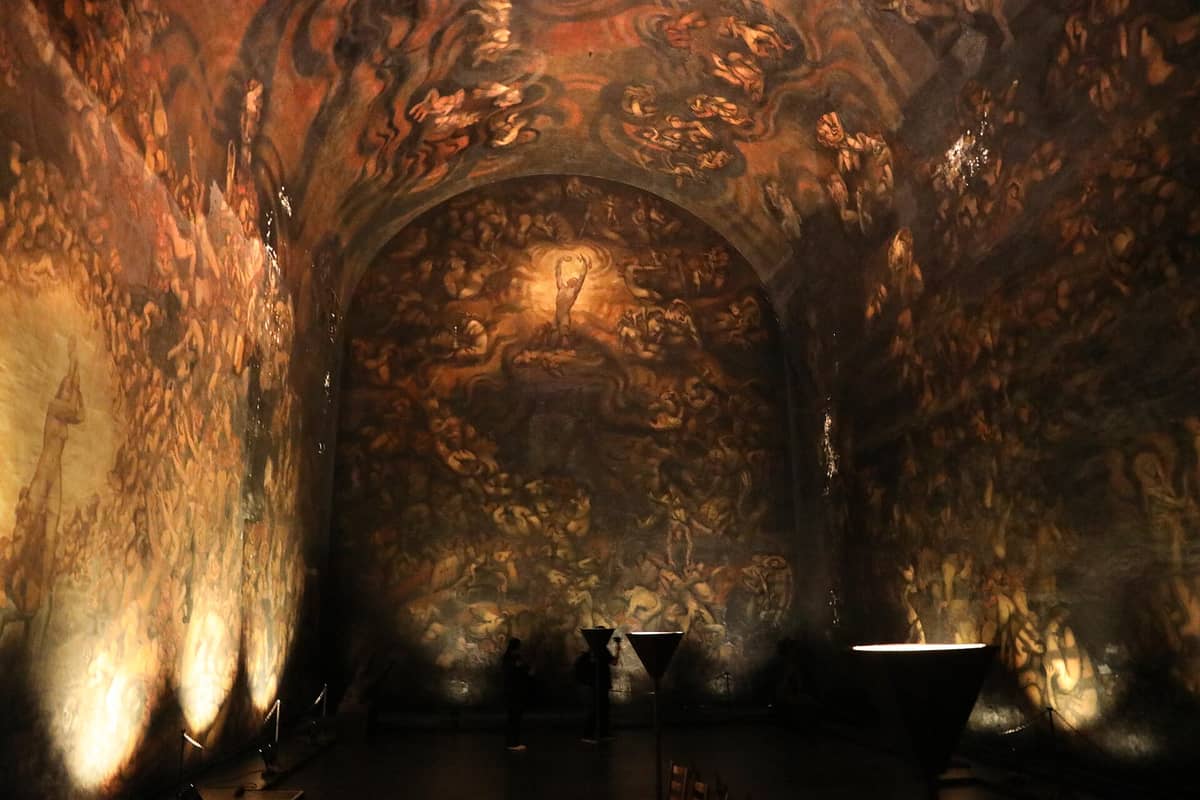
22. Enter Emanuel Vigeland's Extraordinary Self-Built Tomb
This barrel-vaulted mausoleum, designed by sculptor Emanuel Vigeland as his own tomb, is covered floor-to-ceiling in frescoes. The near-darkness, silence rule, and overwhelming figurative painting make it one of the most unusual architectural interiors accessible in any European city.
Explore22. Enter Emanuel Vigeland's Extraordinary Self-Built Tomb
This barrel-vaulted mausoleum, designed by sculptor Emanuel Vigeland as his own tomb, is covered floor-to-ceiling in frescoes. The near-darkness, silence rule, and overwhelming figurative painting make it one of the most unusual architectural interiors accessible in any European city.
ExploreFortified Architecture: Beyond the City
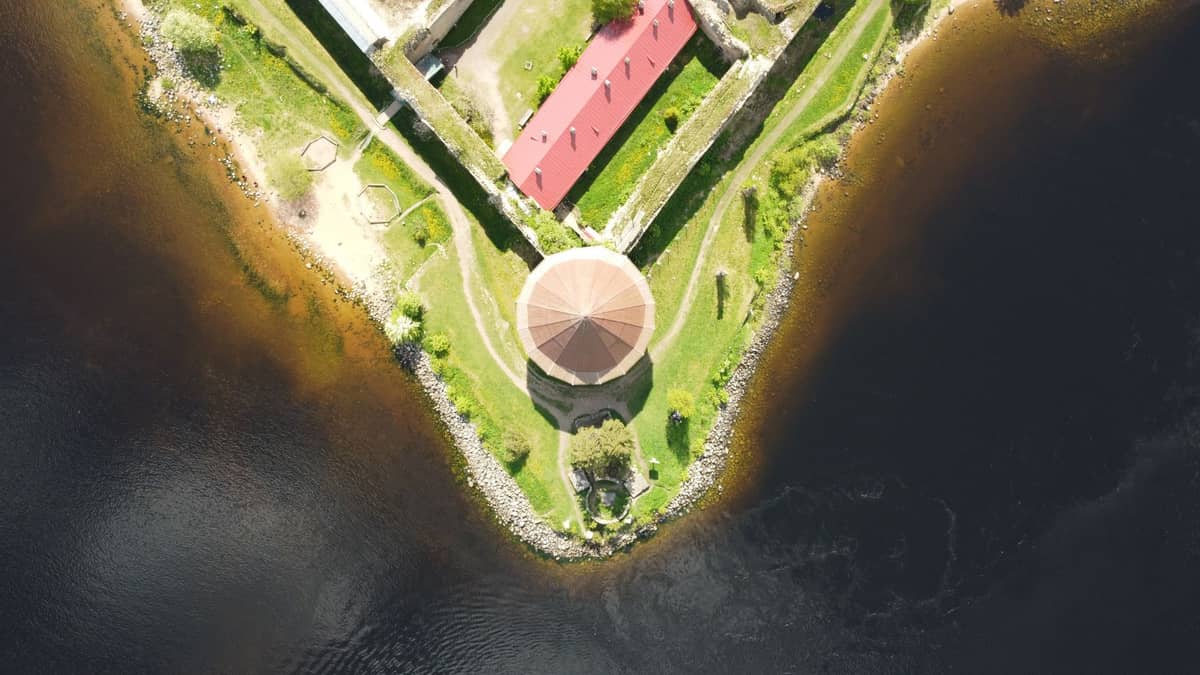
Oslo sits at the northern end of the Oslofjord, a strategic waterway that demanded defensive architecture for centuries. Two sites within day-trip range extend the architectural story into military and fortified building, and both are worth combining with an Oslofjord excursion.
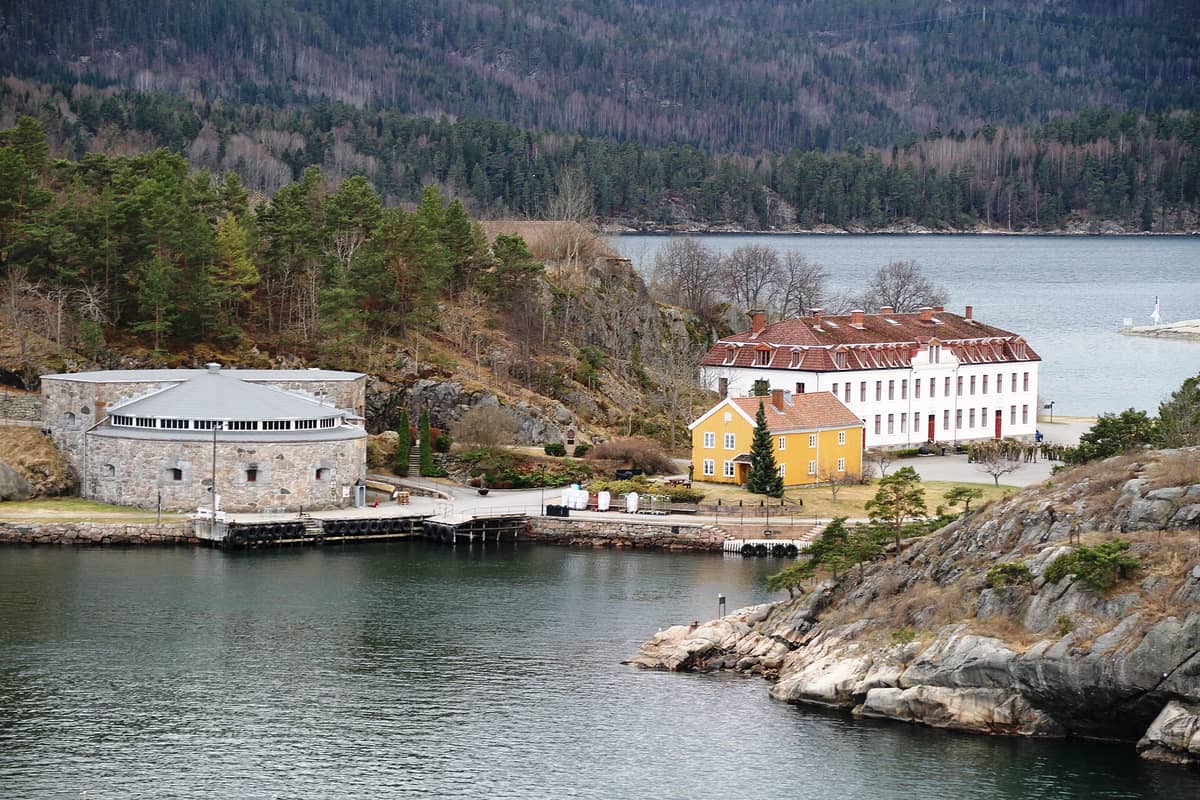
23. Cross the Fjord to 19th-Century Oscarsborg Island Fortress
Built in the 1840s on two islands in the Oslofjord, Oscarsborg is famous for sinking the German cruiser Blücher in 1940. The round towers, casemates, and dramatic fjord setting make it one of the most visually compelling 19th-century military complexes in Norway.
Explore23. Cross the Fjord to 19th-Century Oscarsborg Island Fortress
Built in the 1840s on two islands in the Oslofjord, Oscarsborg is famous for sinking the German cruiser Blücher in 1940. The round towers, casemates, and dramatic fjord setting make it one of the most visually compelling 19th-century military complexes in Norway.
Explore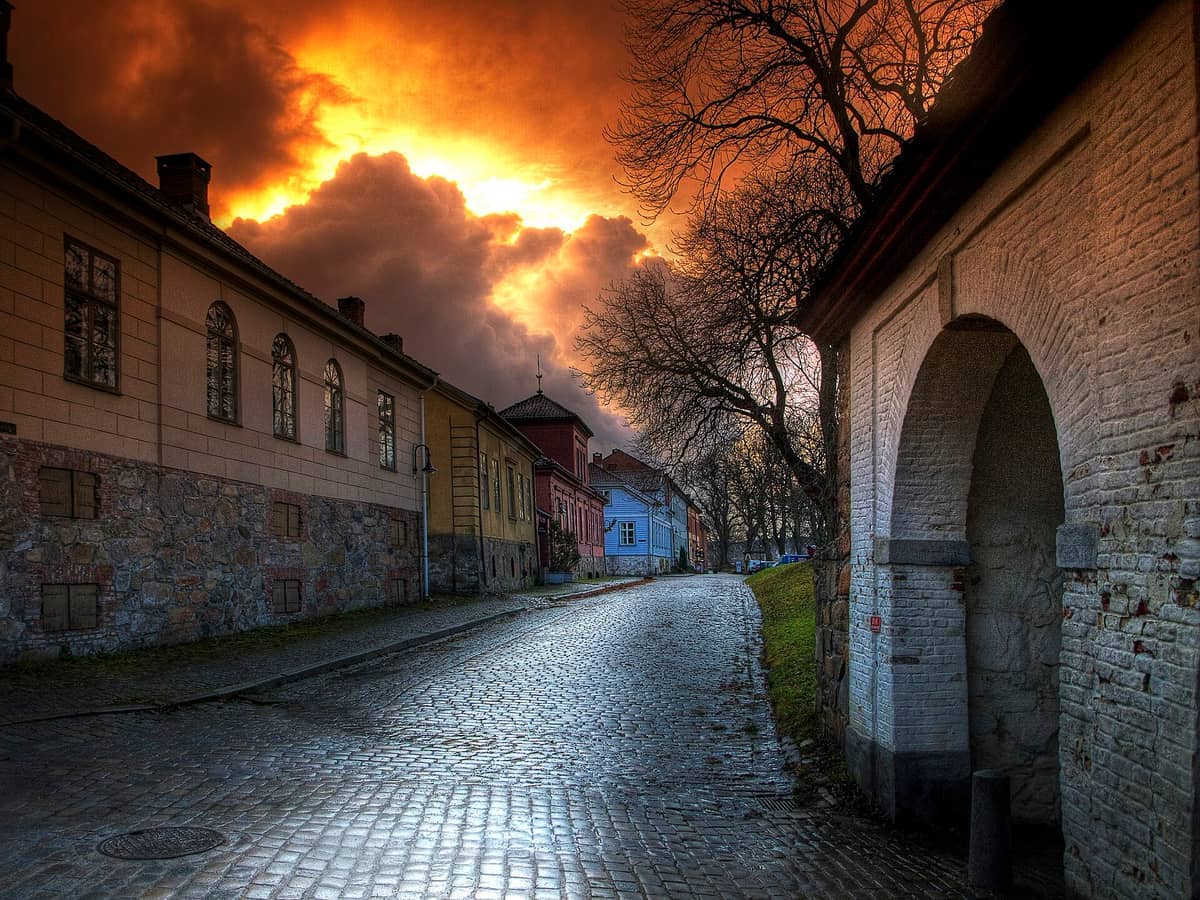
24. Walk Inside the Best-Preserved Fortified Town in Scandinavia
Fredrikstad's 17th-century walled town, 90 minutes from Oslo, is the most complete example of star-fort urban planning in Scandinavia. The pentagon bastions, moat, drawbridge, and grid of cobbled streets inside remain almost entirely intact. An essential visit for anyone serious about fortified architecture.
Explore24. Walk Inside the Best-Preserved Fortified Town in Scandinavia
Fredrikstad's 17th-century walled town, 90 minutes from Oslo, is the most complete example of star-fort urban planning in Scandinavia. The pentagon bastions, moat, drawbridge, and grid of cobbled streets inside remain almost entirely intact. An essential visit for anyone serious about fortified architecture.
Explore✨ Pro tip
The Bjørvika waterfront walk from the Opera House to Sørenga (about 3 km there and back) gives you close access to the Opera House, MUNCH Museum, Deichman Library, and Barcode Project in sequence. Do it in the evening when the buildings are lit and the crowds have thinned.
FAQ
Is it free to walk on the roof of the Oslo Opera House?
Yes. The sloping marble roof is part of the building's design as public urban space and is free to access at any time. Guided architecture tours of the interior cost around NOK 180 and must be booked via the Opera House website. Check current availability before visiting as tours are occasionally suspended for maintenance.
Can you enter Oslo City Hall without paying?
Yes. Oslo City Hall is free to enter daily from 09:00 to 16:00. The interior murals and painted halls are among the most impressive public art interiors in Scandinavia. Guided group tours are available to book through the City of Oslo website for an additional fee.
What is the best single walk to see Oslo's contemporary architecture?
The Bjørvika waterfront walk is the most concentrated route. Start at the Oslo Opera House, walk east past the MUNCH Museum and Deichman Library, and continue to the Sørenga promenade for views back across the Barcode skyline. The full route takes about two hours at a relaxed pace.
How do I get to Kistefos Museum and The Twist from Oslo?
Kistefos is about an hour from Oslo by car, located near Jevnaker in Innlandet. There is no direct public transport; the most practical option is to drive or join an organised tour. Check the Kistefos website for current opening seasons, as the museum typically operates from spring through autumn.
Which Oslo architecture sites are included in the Oslo Pass?
The Oslo Pass covers entry to the National Museum, the Munch Museum, the Norwegian Museum of Cultural History (Norsk Folkemuseum), and the Holmenkollen Ski Museum, among others. Oslo City Hall has free entry regardless of whether you hold the pass. The Opera House roof and Tjuvholmen sculpture park are free regardless of whether you hold the pass.
Tickets & tours
Live prices and dates from our booking partner. If you book, we may earn a commission at no extra cost to you.
Planning a trip? Discover personalized activities with the Nomado app.