Is Oslo Worth Visiting? A Clear Assessment
Oslo is Norway's capital and one of Scandinavia's most complete city destinations, but it comes with a high price tag and sharp seasonal swings. This guide breaks down exactly what you get for your money, when to go, and whether the city lives up to its reputation.
Tickets & tours
Live prices and dates from our booking partner. If you book, we may earn a commission at no extra cost to you.
TL;DR
- Oslo is absolutely worth visiting if you plan around its costs: a single Zone 1 transit ticket runs around 46 NOK, and a 24-hour pass is roughly 137-155 NOK.
- Summer (June-August) delivers long daylight hours and fjord access; winter offers museums, ski culture, and snow. See our best time to visit Oslo guide for a full seasonal breakdown.
- The Oslo Pass bundles public transport and museum entry and genuinely pays off if you visit 3-4 major attractions in 24-48 hours.
- English is spoken universally across the city, tap water is safe to drink, and the metro (T-bane) reaches most visitor sites.
- The main honest drawback: restaurant and bar bills are among the highest in Europe. Budget around 200-350 NOK for a sit-down lunch without alcohol.
What Kind of City Is Oslo, Really?
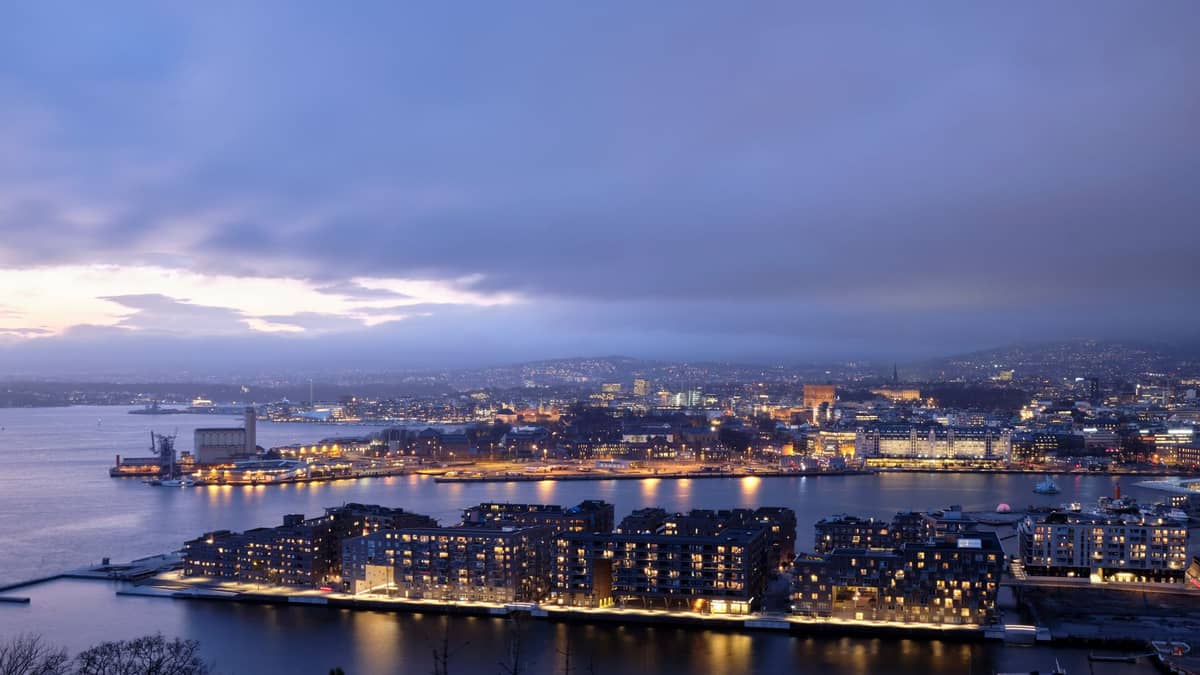
Oslo sits at the northern end of the Oslofjord and covers 480 km², making it geographically large for a city of around 700,000 residents. That low density is part of the appeal: forests, hiking trails, and beaches are inside the city boundary, not a two-hour drive away. The greater metropolitan area exceeds one million people, but central Oslo feels calm and walkable compared to most European capitals of equivalent size.
The city is Norway's political, economic, and cultural center. That means you get a concentrated mix of world-class museums, waterfront architecture, strong local food culture, and meaningful historical sites within a compact core. The range of things to do in Oslo spans Viking ship archaeology, contemporary art, fjord swimming, and ski jumping, all within city limits or a short transit ride. Few European capitals offer that kind of geographic variety.
What Oslo is not: a chaotic, round-the-clock party city, a budget-friendly backpacker hub, or a place drowning in medieval streetscapes. If those are your priorities, you will be disappointed. But if you value efficiency, outdoor access, cultural depth, and a city that actually functions smoothly, Oslo consistently delivers.
The Cost Question: Expensive, But Not Irrational
Oslo's reputation for expense is well-earned but often overstated by people who did not plan carefully. Yes, a beer in a central bar costs around 100-120 NOK (roughly 9-11 USD), a sit-down dinner for two with wine will typically run 800-1,200 NOK, and a taxi from Oslo Airport (OSL) at Gardermoen, about 47-50 km north of the city center, can cost 800-1,100 NOK depending on traffic and time of day. These prices are real.
The counterpoint is that Oslo has more genuinely free or low-cost cultural options than most visitors expect. The Vigeland Sculpture Park in Frogner is free and open year-round. Akershus Fortress grounds are free to walk. The Oslo Museum offers free admission on the first Thursday of every month. Children and young people up to age 25 get free entry to many municipal museums. With planning, a family or budget traveler can experience a significant chunk of the city's cultural offer at minimal cost.
✨ Pro tip
The Oslo Pass (available as 24-hour, 48-hour, or 72-hour versions) includes public transport and entry to most major museums. It pays off if you visit 3-4 paid attractions per day. Run the numbers before buying: if you plan mainly free sights and parks, skip it. The 24-hour adult pass typically costs above 500 NOK, so you need to extract that value within a single day.
For transport, the Ruter system (T-bane metro, trams, buses, and local ferries) is unified under one ticket. A single Zone 1 ticket valid for 60–90 minutes with transfers costs around 46 NOK when bought via the Ruter app, more at ticket machines. A 7-day pass runs roughly 360-379 NOK. If you are staying a month, a monthly pass was reduced to around 655 NOK in 2026 following local subsidies. For a detailed breakdown of how to keep transport costs down, the getting around Oslo guide covers zone rules, night tickets, and airport connections.
What Oslo Does Exceptionally Well
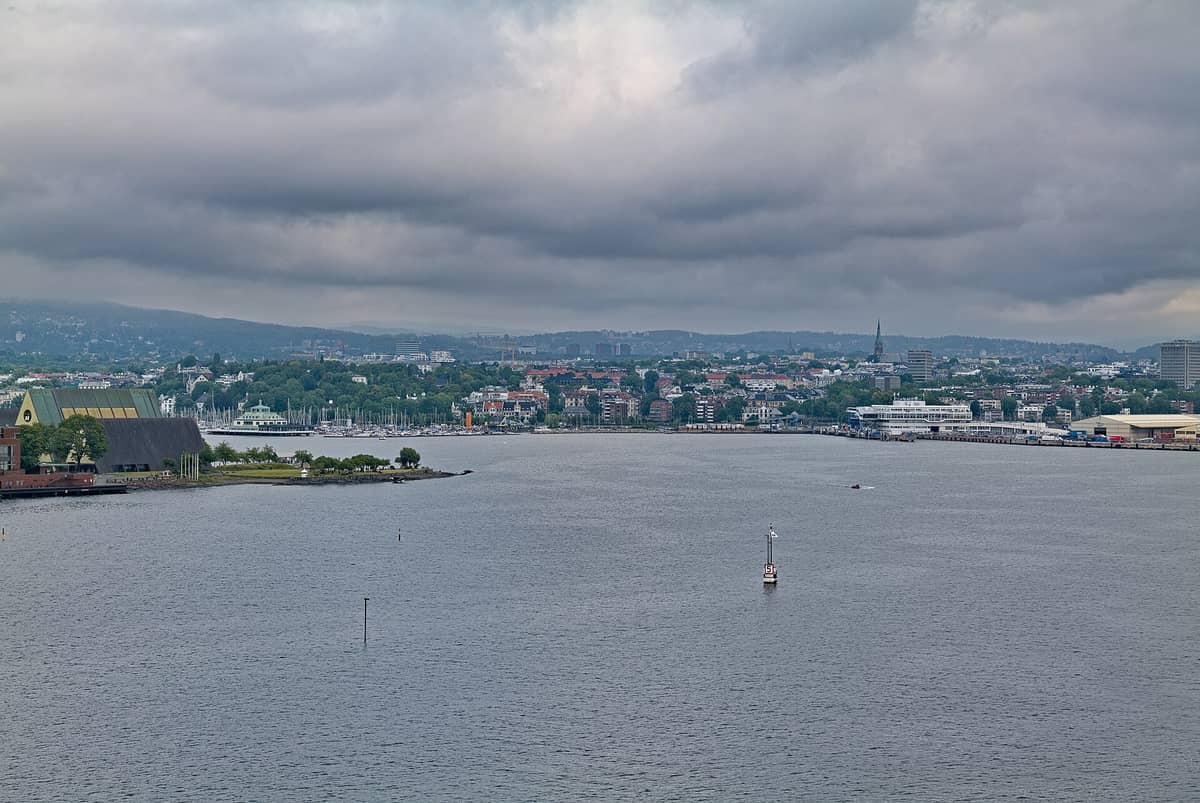
The museum offering is genuinely strong and unusually concentrated. The Bygdøy peninsula alone holds the Viking Ship Museum (currently being redeveloped as a larger facility), the Fram Museum dedicated to polar exploration, the Kon-Tiki Museum, and the Norsk Folkemuseum open-air folk museum. These are not average tourist traps: the collections are world-class, the curation is thoughtful, and they are spaced close enough that you can visit two or three in a morning.
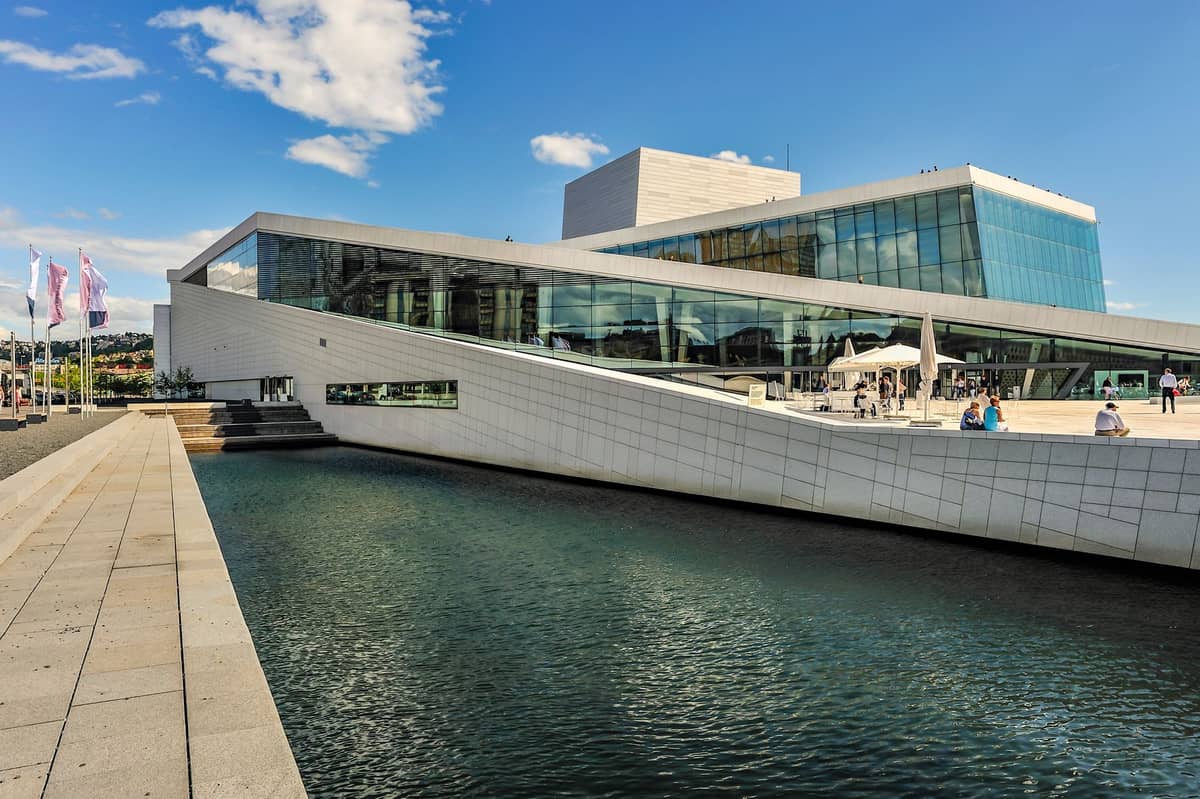
- Architecture and public space The Oslo Opera House, designed by Snøhetta and opened in 2008, is free to walk on the roof. The Deichman Bjørvika public library opened in 2020 and is one of the most impressive public buildings in Scandinavia. The Barcode Project skyline and waterfront development at Bjørvika show a city genuinely investing in its urban fabric.
- Outdoor access Nordmarka, the forested highland north of the city, is accessible by metro. In summer you can swim at Sorenga Sjøbad or on the Oslofjord islands via a short ferry. In winter, Holmenkollen and local ski areas are metro-reachable. No other Scandinavian capital integrates wilderness access this directly into city life.
- Food scene Oslo's food scene has improved dramatically. Mathallen Oslo in Vulkan is a covered food hall with Norwegian producers, imported cheeses, craft beer, and prepared food stalls. The Grünerløkka neighborhood is dense with independent cafes, natural wine bars, and international restaurants. It is not cheap, but the quality-to-disappointment ratio is low.
- Functioning city infrastructure Oslo is clean, well-maintained, and easy to navigate. Street signs are in Norwegian but logical, English is spoken by essentially everyone under 60, and the transit system runs on time. Visitors with mobility limitations will find Oslo significantly more accessible than older European capitals.
Honest Drawbacks and Overrated Options
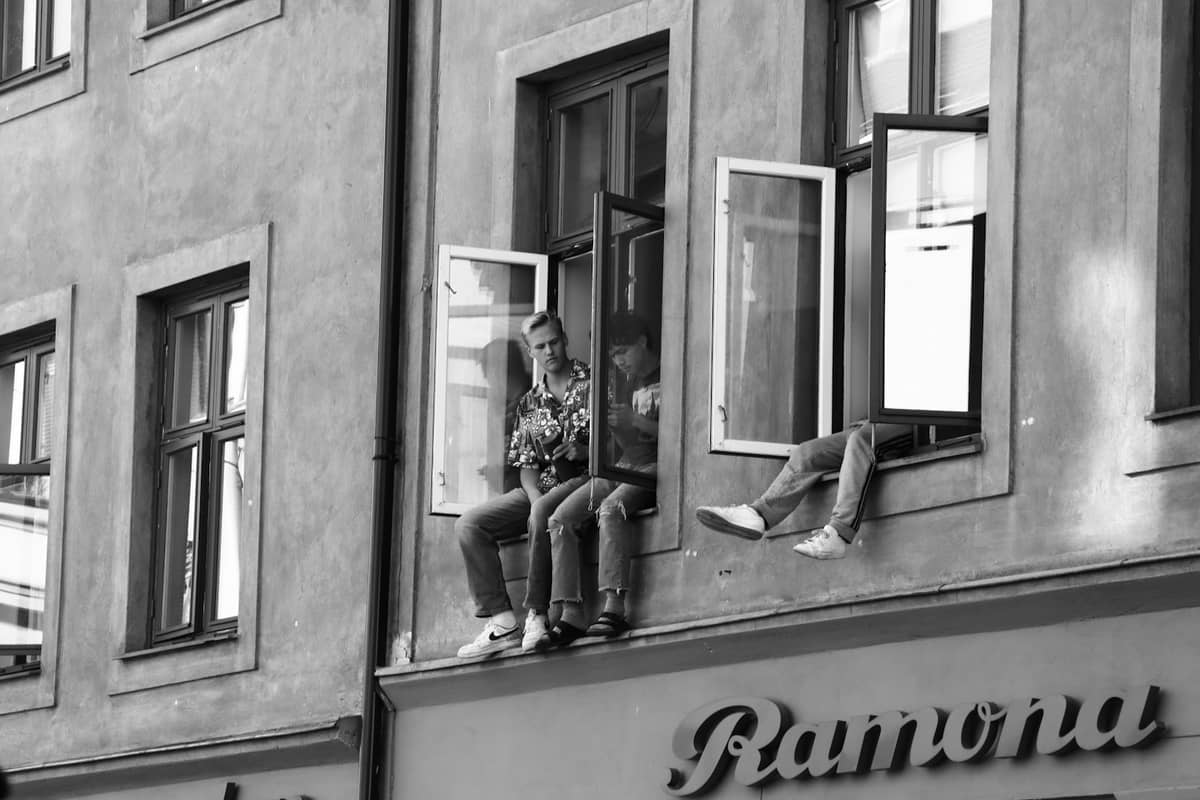
Oslo's nightlife is not a main event. The city has a competent bar and club scene, particularly in Grünerløkka and around Youngstorget, but it closes relatively early by Southern European standards and the cover charges and drink prices make a big night out expensive fast. If nightlife is a primary travel motivator, Oslo will underwhelm.
The waterfront at Aker Brygge draws enormous summer crowds and is often the first place guidebooks send visitors. The restaurants there are mediocre relative to their prices, and the atmosphere is pure tourist-zone. It is fine for a walk, but do not base a dinner reservation there when Vulkan, Grünerløkka, or Mathallen offer better value and more interesting food within a short tram ride.
⚠️ What to skip
Sandefjord Airport Torp (TRF) is marketed by some low-cost carriers as 'Oslo Torp.' It is approximately 110-120 km from central Oslo, not a practical city airport. If you see a cheap flight to 'Oslo' on a budget airline, check the airport code carefully. Factor in around 1.5–2 hours of ground transport each way before celebrating the fare savings.
Winter in Oslo is genuinely cold, averaging around -4 to -1°C in January with lows reaching -6 to -9°C. The city handles snow well, but November and early December can be gray, wet, and short on daylight without the charm of full winter. If you are visiting for the Christmas markets and atmosphere, late November through mid-December works. If you want winter sports, January through March is the right window. The Oslo in winter guide covers what the season actually offers in practical terms.
Seasonal Reality: When to Go and Why It Matters
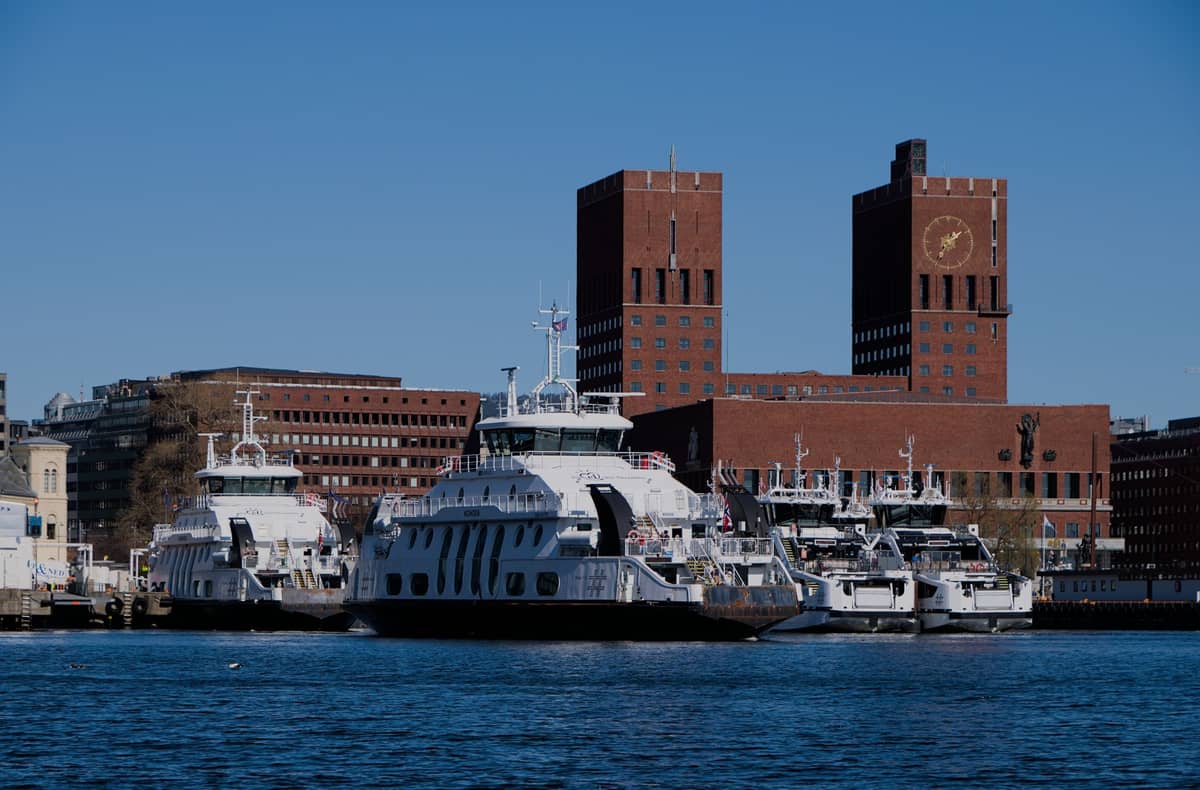
Oslo's seasons are sharp enough that timing genuinely changes the experience. Summer, June through August, is the clearest case for most international visitors: temperatures reach around 21-23°C, daylight extends well past 10pm in June, the fjord islands are accessible by ferry, outdoor swimming spots like Sorenga Sjøbad are open, and the city's cafe and outdoor dining culture comes alive. This is high season with corresponding crowds and peak accommodation prices.
May and September are strong shoulder-season options: fewer tourists, lower hotel rates, and weather that is still reasonable (May averages around 10-11°C, September around 12-13°C). May also brings Constitution Day on May 17, one of the most visually impressive public celebrations in Scandinavia, with the national day parade along Karl Johans gate. If you can time a visit around that date, it is worth building an itinerary around.
- June-August: Best weather, outdoor activities, fjord access, festivals. Book accommodation early as prices peak.
- May and September: Shoulder season balance of good weather and lower prices. May 17 Constitution Day is exceptional.
- January-March: Ideal for winter sports, Holmenkollen events, and a quieter museum circuit. Cold but reliably snowy.
- October-November: The least compelling window. Wet, increasingly dark, and between seasons. Worth avoiding unless you have specific reasons to go.
💡 Local tip
October is Oslo's wettest month, averaging around 140-145 mm of rain. Pack accordingly if autumn travel is unavoidable, and front-load your outdoor plans for the first half of the day when conditions tend to be more stable.
Practical Logistics: Getting There and Getting Around
Oslo Airport Gardermoen (OSL) is the primary international airport, located about 47-50 km north of the city center. The Flytoget airport express train covers the distance to Oslo Central Station (Oslo S) in around 19-22 minutes and is the fastest option, though it carries a premium fare. The regular Vy regional train takes roughly 23-30 minutes at a lower cost. Both depart from the airport's underground station. Verify current fares on operator websites before booking, as they change periodically.
Once in the city, the T-bane metro is the backbone of transit, with lines radiating from central stations to neighborhoods and outer suburbs. Trams cover the inner city well, particularly the route through Frogner and down to Bjørvika. The system is run by Ruter and uses unified ticketing, so one ticket or pass covers metro, tram, bus, and local harbor ferries. For context on using the ferry to reach the Oslofjord islands, the Oslo island hopping guide has the practical details on routes and timing.
Tipping in Oslo is not obligatory. Norway's service industry operates with full wages built into pricing, so rounding up the bill or adding 5-10% for genuinely good service is appreciated but never expected. Electricity runs at 230V/50Hz using Type C and F plugs (standard continental European). Tap water throughout Oslo is safe to drink and sourced from protected reservoirs. The country dialing code is +47, and emergency numbers are 112 (police), 113 (ambulance), and 110 (fire).
FAQ
Is Oslo worth visiting for a short 2-3 day trip?
Yes, 2-3 days is enough to cover the core highlights: a half-day at the Bygdøy museums that are currently open (such as Fram and Kon-Tiki), the Opera House and Bjørvika waterfront, Vigeland Sculpture Park, and the Grünerløkka neighborhood. Use an Oslo Pass if you plan multiple museum entries, as it typically pays off within that time frame. A 3-day itinerary guide can help structure the days efficiently.
How expensive is Oslo compared to other European capitals?
Oslo is among the most expensive cities in Europe, comparable to Zurich and London at the high end. A sit-down lunch runs 180-280 NOK per person, a pint of beer around 100-120 NOK, and a one-way transit ticket about 46 NOK. However, free parks, free museum days, youth discounts, and the Oslo Pass for heavy museum visitors bring per-day costs down significantly with planning. Budget travelers should target 600-900 NOK per day for food and activities, excluding accommodation.
Is Oslo safe for tourists?
Oslo is generally considered one of the safer European capitals. Standard urban precautions apply around Oslo Central Station (Oslo S) and in the Grønland area after dark, but serious crime affecting tourists is uncommon. The city is well-lit, transit runs reliably late into the night, and the police presence at major tourist sites is consistent.
What is the best area to stay in Oslo as a first-time visitor?
Sentrum (the city center) and Frogner give the most central base with walkable access to major attractions and good transit connections. Grünerløkka is a strong option if you want a more neighborhood feel with independent cafes and restaurants nearby. Avoid staying near Aker Brygge if value matters: the hotel rates are high relative to what the immediate area offers.
Can you visit Oslo without speaking Norwegian?
Completely. English is near-universally spoken in Oslo, including at museums, restaurants, hotels, and on public transport. All major transit apps and ticket machines offer English interfaces. Menus in tourist-frequented areas are standardly bilingual. Norwegian is useful for reading street signs and some local supermarket packaging, but it is not needed for a successful visit.
Tickets & tours
Live prices and dates from our booking partner. If you book, we may earn a commission at no extra cost to you.
Planning a trip? Discover personalized activities with the Nomado app.