Oslo Nightlife: Best Bars, Clubs & Live Music (2026 Guide)
Oslo's nightlife scene is smaller than Berlin or London, but it's more focused and genuinely good. This guide covers the best bars, clubs, and live music venues by neighborhood, what drinks actually cost, when to go, and what first-timers consistently get wrong.
Tickets & tours
Live prices and dates from our booking partner. If you book, we may earn a commission at no extra cost to you.
TL;DR
- Oslo nightlife centers on Grünerløkka, Youngstorget/Torggata, and the Akerselva riverbank — most action runs Wednesday through Saturday.
- Expect to pay 100–140 NOK for a draft beer; a night out with 3–4 drinks will run 500–800 NOK per person, easily.
- Blå, Rockefeller Music Hall, and Jaeger are the anchor venues — see the full breakdown below, and check our Oslo on a budget guide if drink prices are a concern.
- Norwegian law cuts alcohol service at 03:00, so nights end earlier than in many European capitals.
- Summer (June–August) is the best season for nightlife: riverside terraces open up and the long daylight hours extend the social energy well into the evening.
Oslo Nightlife by Neighborhood
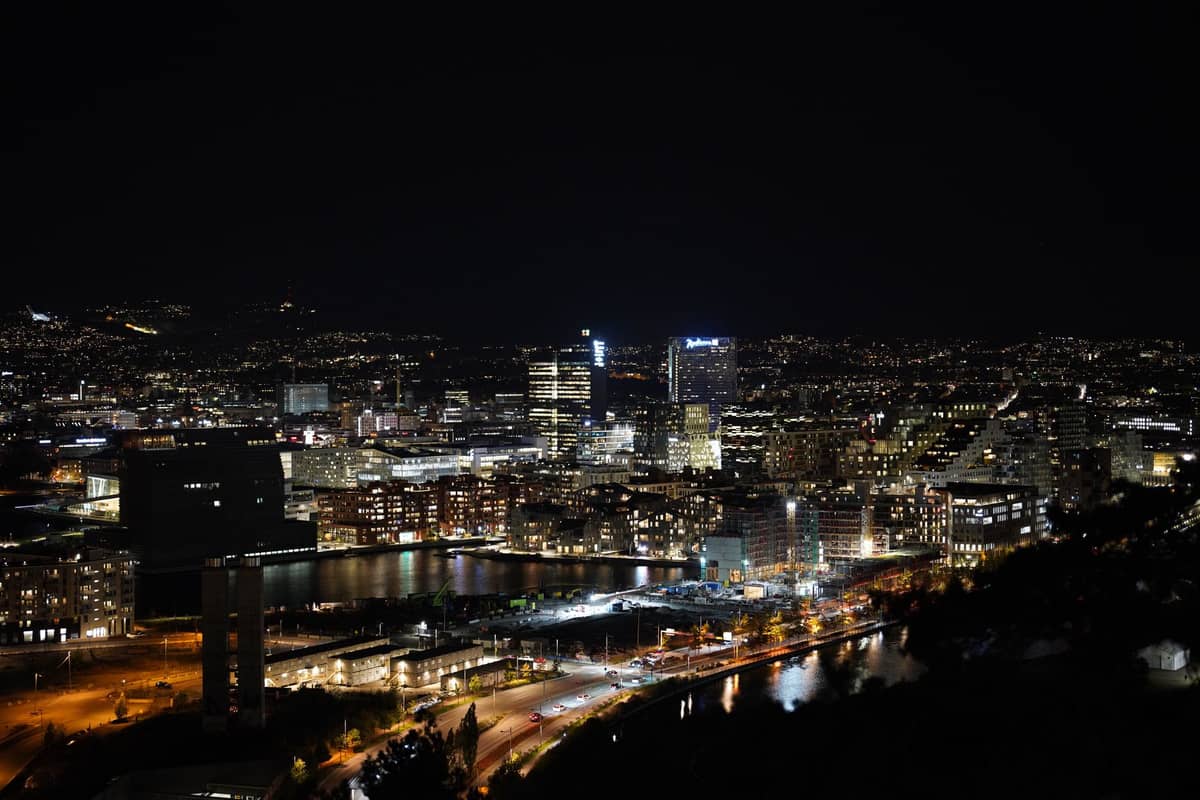
Oslo's after-dark geography is fairly compact. The main nightlife clusters are in Grünerløkka, the Youngstorget/Torggata corridor in central Oslo, and along the Akerselva river. The waterfront districts of Aker Brygge and Tjuvholmen skew toward cocktail bars and a slightly older crowd, while Sentrum has the highest concentration of clubs and venues for big nights out.
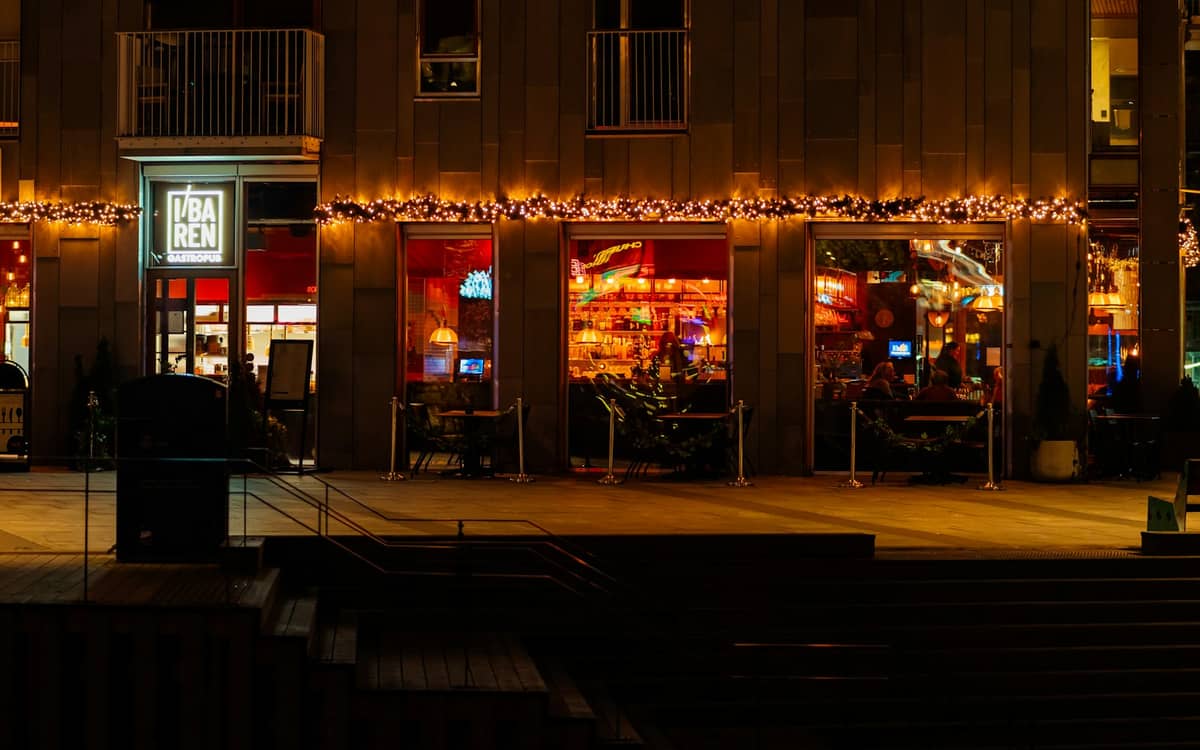
- Grünerløkka The neighborhood with the most independent bars, craft beer spots, and low-key live music. Relaxed, local-heavy, and best for early-evening drinks that stretch into late nights. The streets around Thorvald Meyers gate and Markveien are the epicenter.
- Youngstorget / Torggata The highest density of clubs and late-night venues in Oslo. Torggata in particular has a strip of bars and clubs within a few minutes' walk of each other — practical for bar-hopping without burning through taxi money.
- Akerselva Riverbank The stretch around Blå and the old industrial buildings at Brenneriveien is Oslo's answer to East London's warehouse scene. Outdoor terraces in summer, riverside events, and a mix of electronic, jazz, and indie programming.
- Aker Brygge / Tjuvholmen More expensive, more polished. Good cocktail bars and wine spots, but not the place for cheap pints or sweaty dance floors. Suits a pre-dinner drink or a civilized late-evening drink after a show.
- Sentrum (City Centre) Home to Rockefeller and several larger clubs. A functional rather than atmospheric neighborhood for nightlife — you come here for specific events rather than to wander.
The Best Bars and Clubs in Oslo
Oslo has a smaller but surprisingly well-curated nightlife scene. The venues below are consistently cited by locals and have genuine programming — not just expensive drinks in a generic space.
- Blå (Brenneriveien 9C) The most important music venue on the Akerselva. An old industrial building converted into a riverside club with outdoor terraces and a strong booking policy covering jazz, electronic, hip-hop, and indie. Cover charges typically run 100–200 NOK for club nights, higher for concerts. Hugely popular in summer when the outdoor area fills up.
- Rockefeller Music Hall Oslo's main mid-size concert venue for touring international and Norwegian acts. Also hosts club nights between shows. Entry ranges from around 50 NOK for smaller club nights up to 300 NOK for in-demand concerts. Check the schedule before visiting — it books up quickly for popular acts.
- Jaeger (Grensen 9) A music bar and club with a serious focus on electronic and experimental music. Multiple floors, a good sound system, and bookings that lean toward credible DJs rather than mainstream acts. One of the better options if you care about what's actually playing.
- Internasjonalen A Youngstorget institution with a large outdoor terrace in summer, multiple bars inside, and a mixed crowd that skews younger. Concerts and club nights share the calendar. Good value relative to Oslo's average prices.
- Sentralen A cultural center in a beautifully restored bank building in central Oslo, with a programme that mixes concerts, club events, and arts happenings. Worth checking if you want something more curated than a straightforward club night.
- Crowbar Grünerløkka's go-to for metal, punk, and harder rock. Unpretentious, loud, and genuine — not the place for everyone, but exactly the right place if that's your thing.
- Tilt (Arcade Bar) A Torggata bar built around arcade machines and pinball. Casual, fun, and much cheaper to spend an evening at than a club with a cover charge. Good for warming up earlier in the evening.
💡 Local tip
Check venue websites and the VisitOSLO events calendar before you go. Oslo's best nights are often tied to specific bookings — showing up without checking the programme means you might arrive at a quiet bar night when the same venue would have been packed the following weekend for a major DJ or band.
What Drinks Actually Cost in Oslo
Oslo is consistently ranked among the most expensive cities in Europe for alcohol, and the prices are not a myth. A 0.4–0.5 litre draft beer in a standard bar runs 100–140 NOK, with many central venues charging at the top of that range or above it. Cocktails typically start at 170–190 NOK and rise quickly. A night out with 3–4 drinks per person will cost 450–700 NOK before any food, and that's without factoring in cover charges.
The reasons are structural: Norwegian alcohol taxes are among the highest in the world, wages for bar staff are significantly higher than EU averages, and premises costs in central Oslo are steep. This is not a city where you'll stumble on cheap happy hours that undercut the norm by much. Budget accordingly.
⚠️ What to skip
Duty-free alcohol from Oslo Airport (OSL) is genuinely cheaper than bar prices — if you're flying in, picking up a bottle on arrival is a legitimate way to reduce costs if you're planning a pre-drinks evening. Norwegian Vinmonopolet (the state alcohol monopoly) stores also sell at lower prices than bars, though still not cheap by European standards.
- Draft beer (0.4–0.5L): 100–140 NOK
- Bottled beer: 80–110 NOK
- Cocktail: 170–230 NOK
- House wine (glass): 100–160 NOK
- Non-alcoholic beer or soft drink: 40–70 NOK
- Club entry (Friday/Saturday): 100–250 NOK; major DJ events up to 300 NOK
Live Music in Oslo: What to Expect
Oslo offers more than first impressions suggest for live music relative to its size. Beyond Rockefeller, the city has a healthy ecosystem of smaller venues that genuinely book interesting acts. Grünerløkka in particular has a concentration of bars with regular live programming — jazz, indie, folk, and electronic — spread across venues like Blå, John Dee (attached to Rockefeller), and several smaller spots on Thorvald Meyers gate.
Jazz is well-represented in Oslo and deserves a mention: the city has a strong jazz tradition, and Blå's jazz programming in particular is worth checking even if you wouldn't normally seek it out. The Oslo Jazz Festival runs in August and draws international acts to a range of venues across the city.
Live music in bars typically starts between 20:00 and 23:00, with support acts often earlier. Club nights get going later — arriving before midnight on a Friday or Saturday will often mean a quiet room. Most serious nights don't find their footing until 01:00 or later, which makes the 03:00 last orders cut-off feel abrupt if you arrive late.
✨ Pro tip
Oslo Mekaniske Verksted (OMV) near Grünerløkka is worth knowing about for electronic music specifically. It's less well-known to tourists than Blå but has a more focused electronic programme and often better sound. Local knowledge counts here.
Practical Notes: Hours, Rules, and Getting Around
Norwegian law prohibits the sale of alcohol after 03:00, and most venues wind down around that time. This is a hard stop — unlike in some countries where last orders are loosely enforced. Plan around it. The practical consequence is that nights in Oslo tend to start later than in southern Europe but end at a fixed point, which can feel abrupt compared to cities where clubs run until 06:00 or 07:00.
Getting home after a night out is manageable. The Oslo T-bane (metro) runs until around midnight on weekdays; on weekends only selected lines have night services, so check the Ruter app for current schedules. Night buses (Nattbuss) fill the gaps. Taxis are available but expensive; a central Oslo ride at 02:00 on a Saturday will cost significantly more than a daytime fare. For more on getting around the city, see the getting around Oslo guide.
Dress codes in Oslo are relaxed by European capital standards. Most bars and clubs have no formal dress requirement, though some central clubs will turn away people who look visibly drunk or are dressed in sportswear. Bouncers are generally professional and consistent. Age limits are typically 18 for most bars, 20 or 23 for some clubs — this is enforced and ID is checked, so carry identification.
Tipping in Oslo bars is not mandatory. Service staff earn proper wages, and most locals round up or leave small amounts for table service. You will not be judged for not tipping at a bar where you order at the counter.
Seasonal Differences: Summer vs. Winter Nights
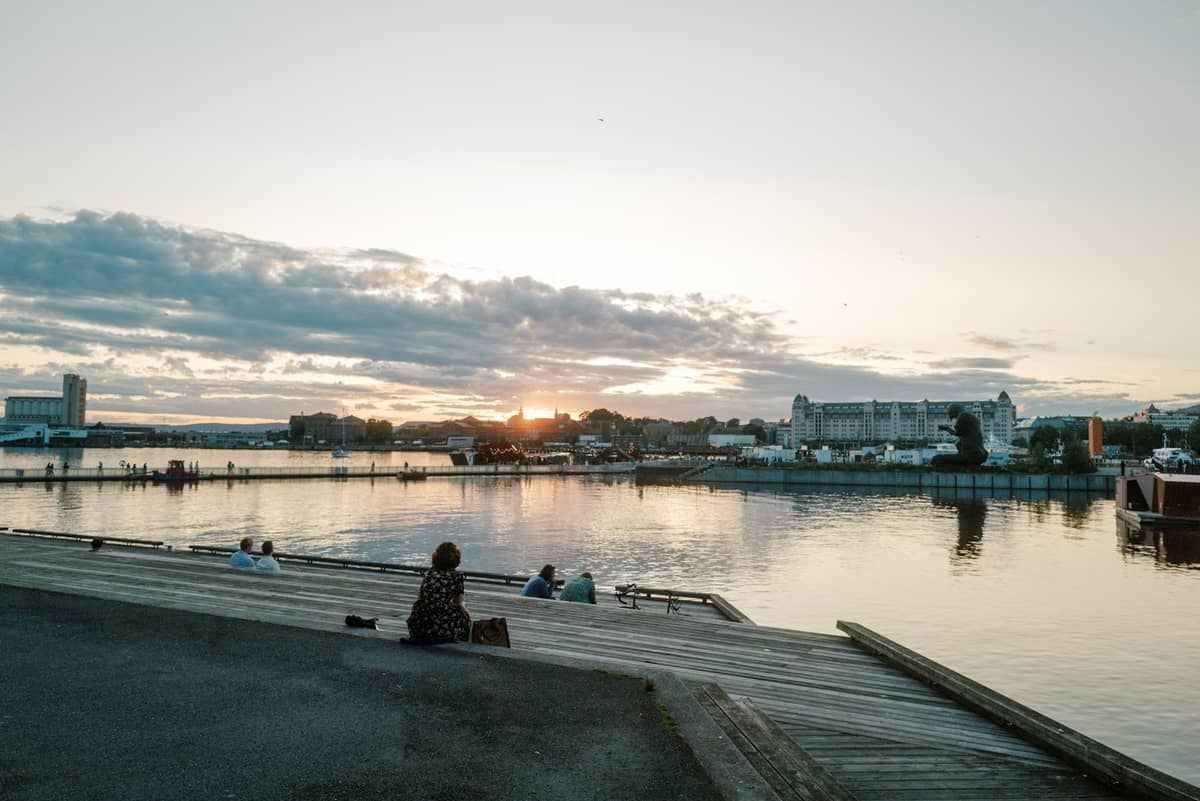
Oslo in summer is a different city after dark. From June through August, the long daylight hours mean outdoor terraces at venues like Blå and Internasjonalen are packed well before midnight. The Oslo summer scene draws a younger, more international crowd, and several venues run outdoor events and festivals along the Akerselva and around the fjord. If you're visiting specifically for nightlife, June to August offers the best combination of atmosphere, outdoor options, and event programming.
Winter is a different proposition. Cold temperatures and darkness push everything indoors, and queues for coat check become a notable part of the experience at busier venues. The scene doesn't disappear — Oslo's indoor venues run full programmes year-round — but the spontaneous, outdoor social energy of summer is absent. On the positive side, winter weekend nights often have a concentrated, intense atmosphere precisely because everyone is inside. For more on what the city is like in the colder months, see the Oslo in winter guide.
FAQ
Is Oslo nightlife expensive?
Yes, Oslo is one of the most expensive cities in Europe for a night out. Draft beers typically cost 100–140 NOK (roughly 9–13 EUR), cocktails start at 170–190 NOK, and a night with 3–4 drinks per person will run 500–800 NOK before entry fees. Budget accordingly, and consider buying drinks from Vinmonopolet for pre-drinks to reduce costs.
What time do clubs close in Oslo?
Norwegian law requires venues to stop serving alcohol by 03:00. Most clubs and bars wind down around that time. Unlike some European cities, this is a firm cutoff. Night buses and taxis are available afterwards, but plan your last round early.
What is the best area for nightlife in Oslo?
Grünerløkka and the Youngstorget/Torggata corridor are the two main nightlife hubs. Grünerløkka is better for a relaxed, bar-hopping evening with a local crowd. Torggata has more clubs and higher-energy venues in close proximity, making it practical for late nights. The Akerselva riverside area, especially around Blå, is the best for live music and outdoor events in summer.
What is the best live music venue in Oslo?
Blå at Brenneriveien 9C is the most celebrated live music and club venue for independent and alternative programming — jazz, electronic, hip-hop, and indie. Rockefeller Music Hall is the main option for touring international acts and bigger Norwegian artists. Jaeger focuses specifically on electronic and experimental music with a more specialist crowd.
Do Oslo bars and clubs have a dress code?
Most do not have a strict formal dress code. Smart casual is fine for the majority of venues. Some central clubs enforce a minimum standard and will turn away sportswear or people who appear very drunk. Age restrictions are enforced seriously — most venues require 18+, some 20 or 23+, and ID is regularly checked.
Tickets & tours
Live prices and dates from our booking partner. If you book, we may earn a commission at no extra cost to you.
Planning a trip? Discover personalized activities with the Nomado app.