Oslo Hidden Gems: 20 Off the Beaten Path Experiences Worth Seeking Out
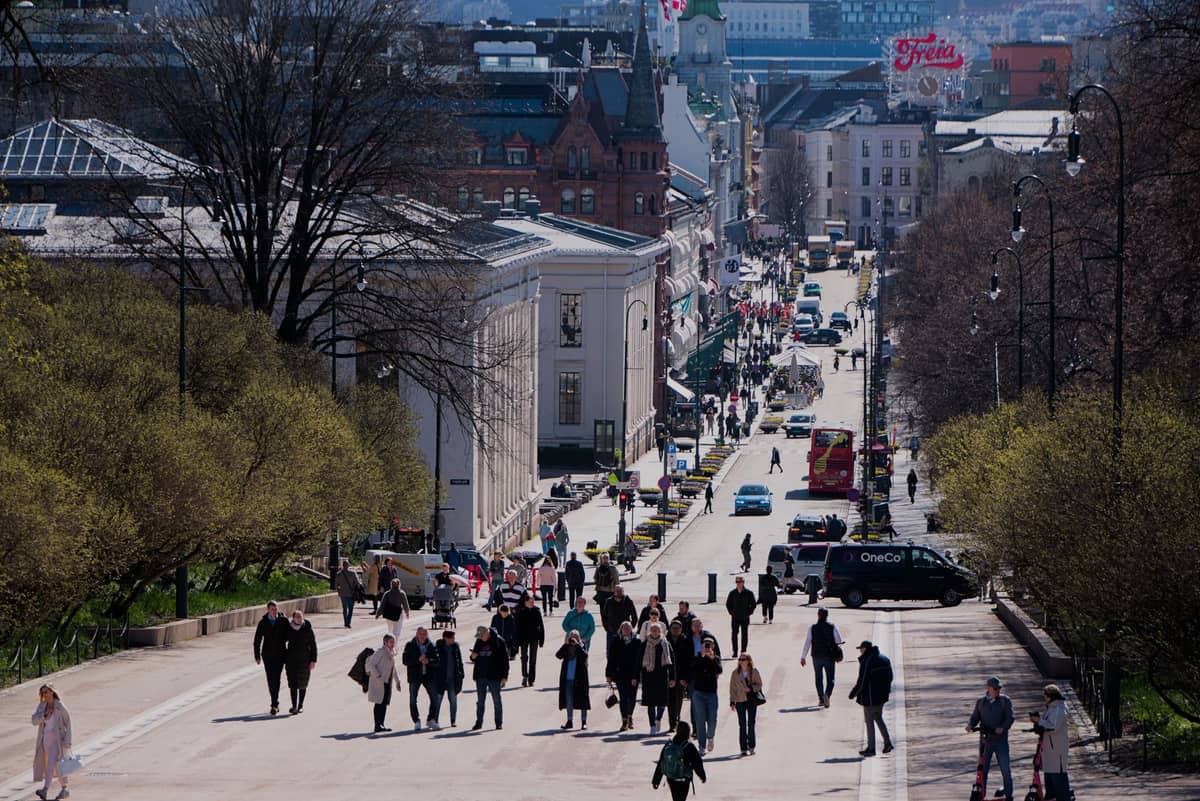
Oslo rewards the curious traveler who ventures beyond the Opera House and Vigeland Park. From a barrel-vaulted mausoleum open only on Sundays to medieval ruins in a residential neighborhood, these are the experiences that most visitors completely miss.
Tickets & tours
Live prices and dates from our booking partner. If you book, we may earn a commission at no extra cost to you.
Oslo is a city that looks straightforward on paper but reveals itself slowly. The famous landmarks are genuinely good, but once you've walked the Opera House roof and visited Frogner Park, a different city starts to emerge: quieter streets, stranger art, wilder coastline. This guide focuses on the experiences that take a little more intention to find. Some are free, some require advance booking, and a few demand a short journey out of the city. All of them are worth the effort. If you're still planning the basics, the Oslo 3-day itinerary is a good starting point before diving into these deeper cuts. And if budget is a concern, the free things to do in Oslo guide pairs well with several entries below.
Unusual Art & Architecture
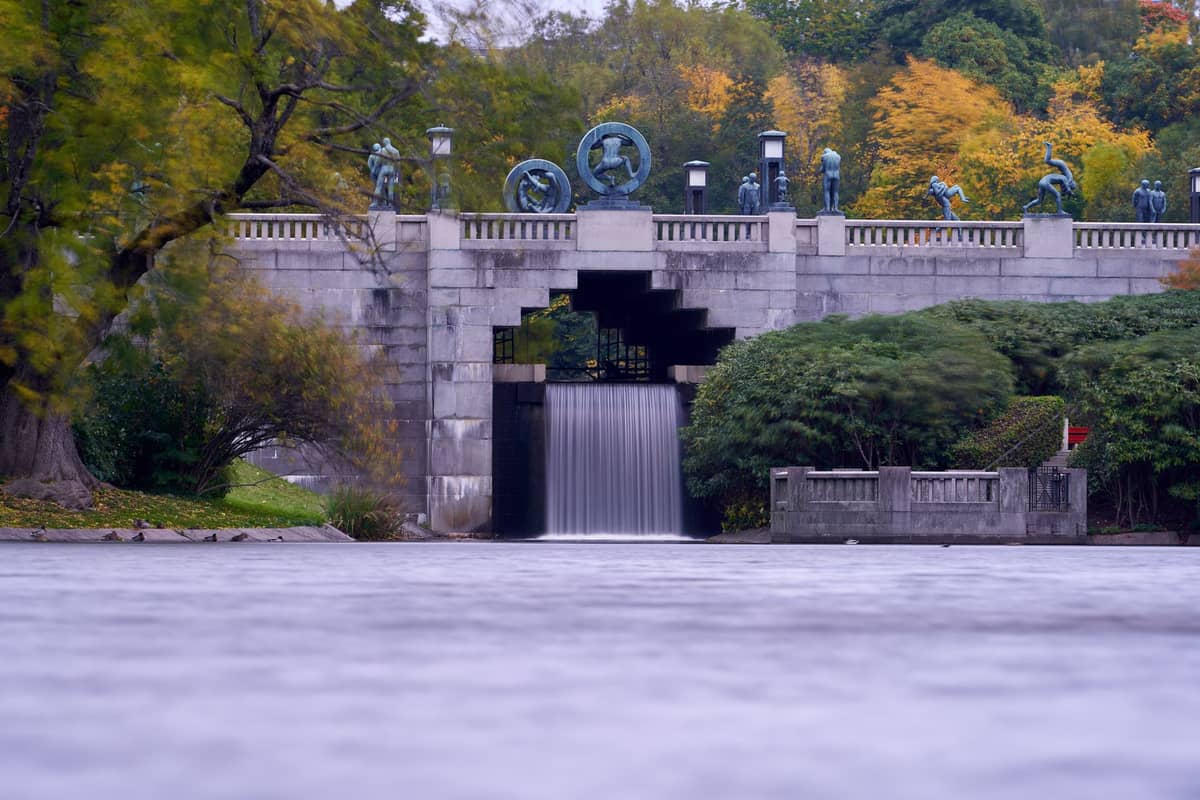
Oslo's art scene extends well beyond the National Museum and the MUNCH tower. The city has a tradition of bold, sometimes eccentric artistic vision, from a sculptor who turned his entire studio into a monument to himself, to a mausoleum designed to disorient anyone who enters. The Oslo architecture guide covers the city's built environment in more depth, but the entries below are the ones that tend to surprise even return visitors.
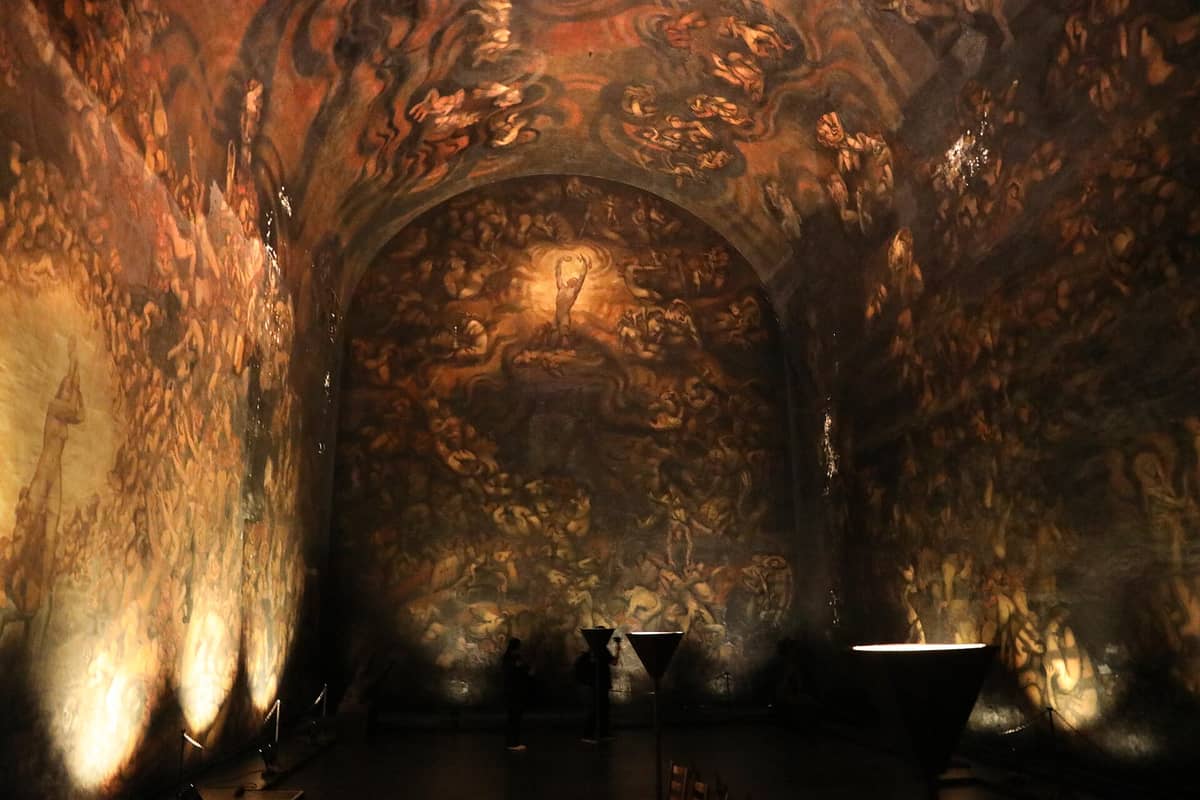
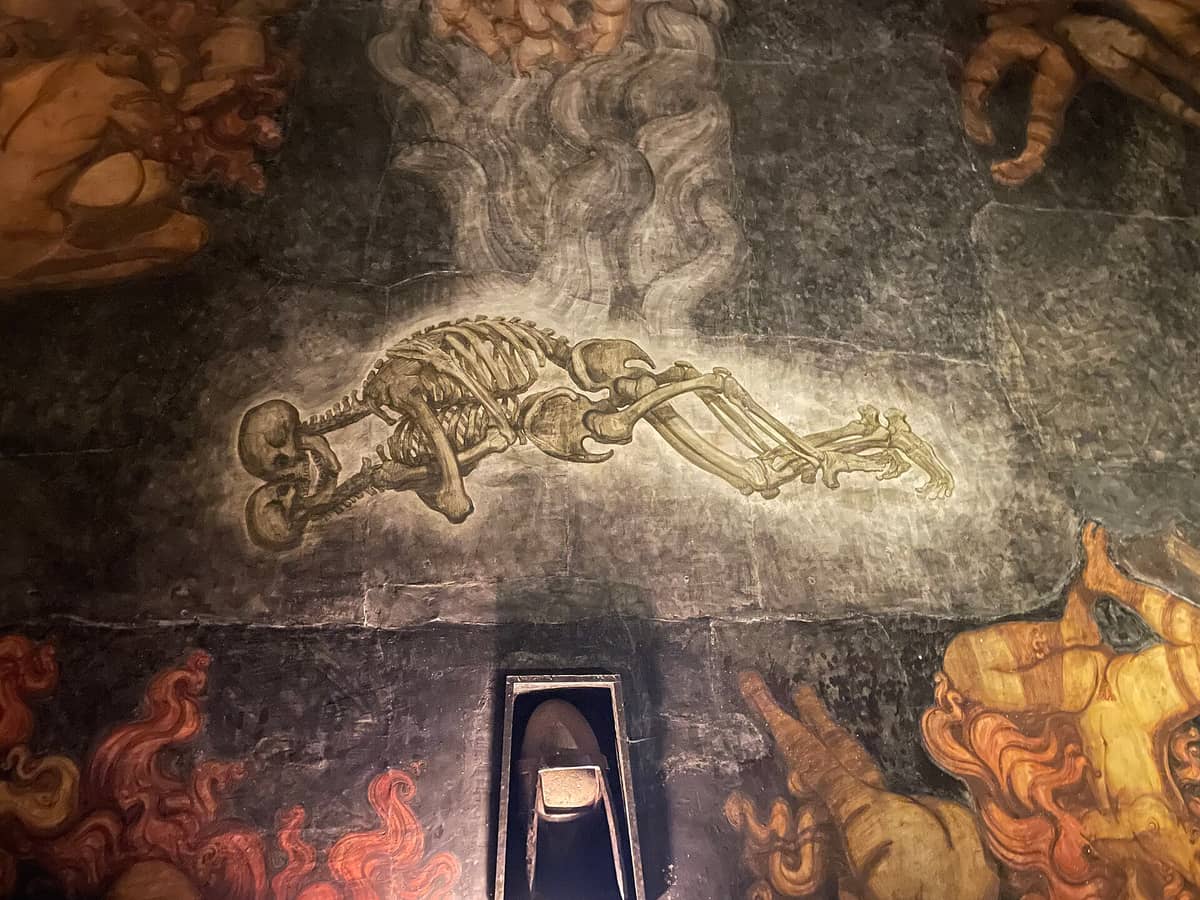
1. Step Inside the Frescoed Chamber of the Emanuel Vigeland Mausoleum
Oslo's strangest art experience: a barrel-vaulted room in Slemdal covered floor-to-ceiling in life-cycle frescoes, with 20-second acoustic echoes. Open Sundays only, timed entry, advance booking essential. Gustav's lesser-known brother built this for himself.
Explore1. Step Inside the Frescoed Chamber of the Emanuel Vigeland Mausoleum
Oslo's strangest art experience: a barrel-vaulted room in Slemdal covered floor-to-ceiling in life-cycle frescoes, with 20-second acoustic echoes. Open Sundays only, timed entry, advance booking essential. Gustav's lesser-known brother built this for himself.
Explore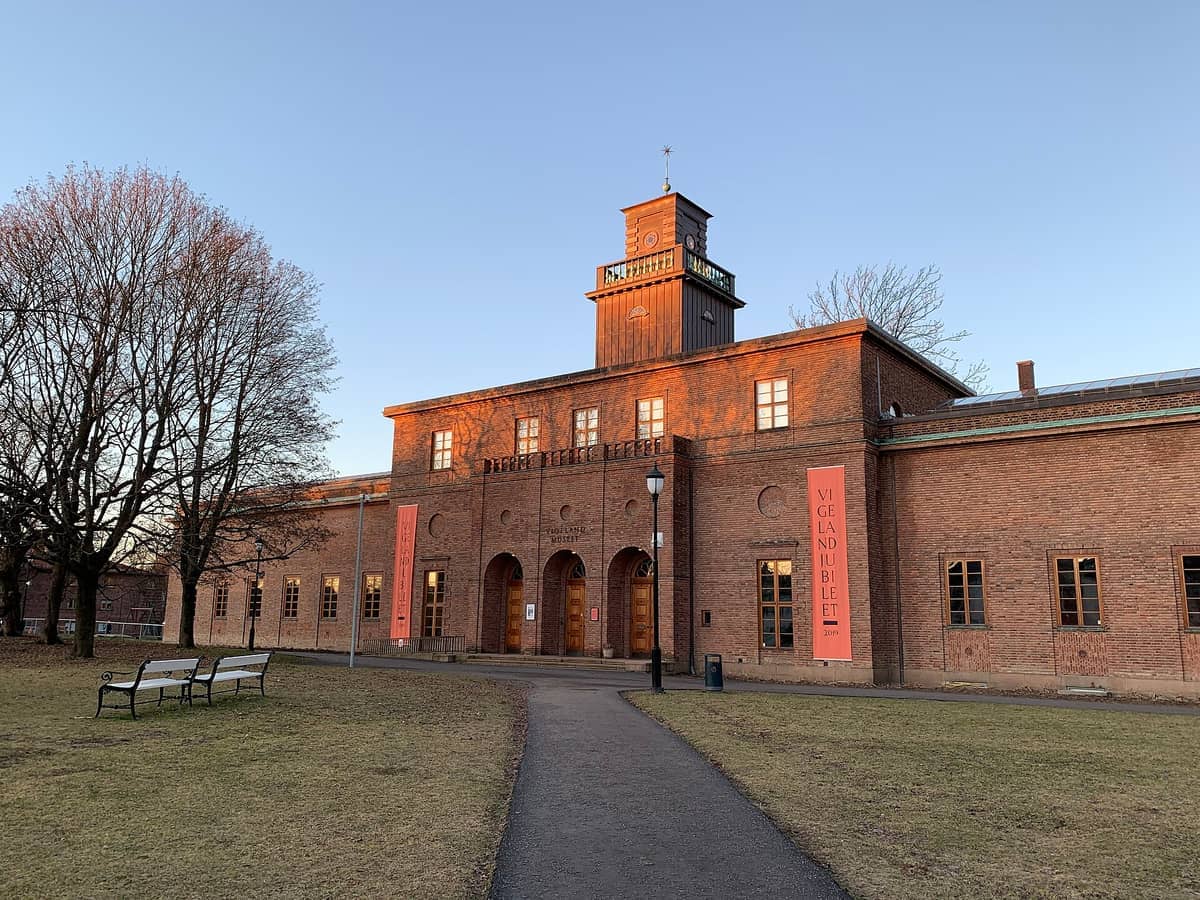
2. See Gustav Vigeland's Workshop Preserved Exactly as He Left It
Just outside Frogner Park, Vigeland's former studio holds plaster models, drawings, and the creative process behind 200-plus sculptures. Far quieter than the park itself, and essential context for anyone who wants to understand what they're actually looking at outside.
Explore2. See Gustav Vigeland's Workshop Preserved Exactly as He Left It
Just outside Frogner Park, Vigeland's former studio holds plaster models, drawings, and the creative process behind 200-plus sculptures. Far quieter than the park itself, and essential context for anyone who wants to understand what they're actually looking at outside.
Explore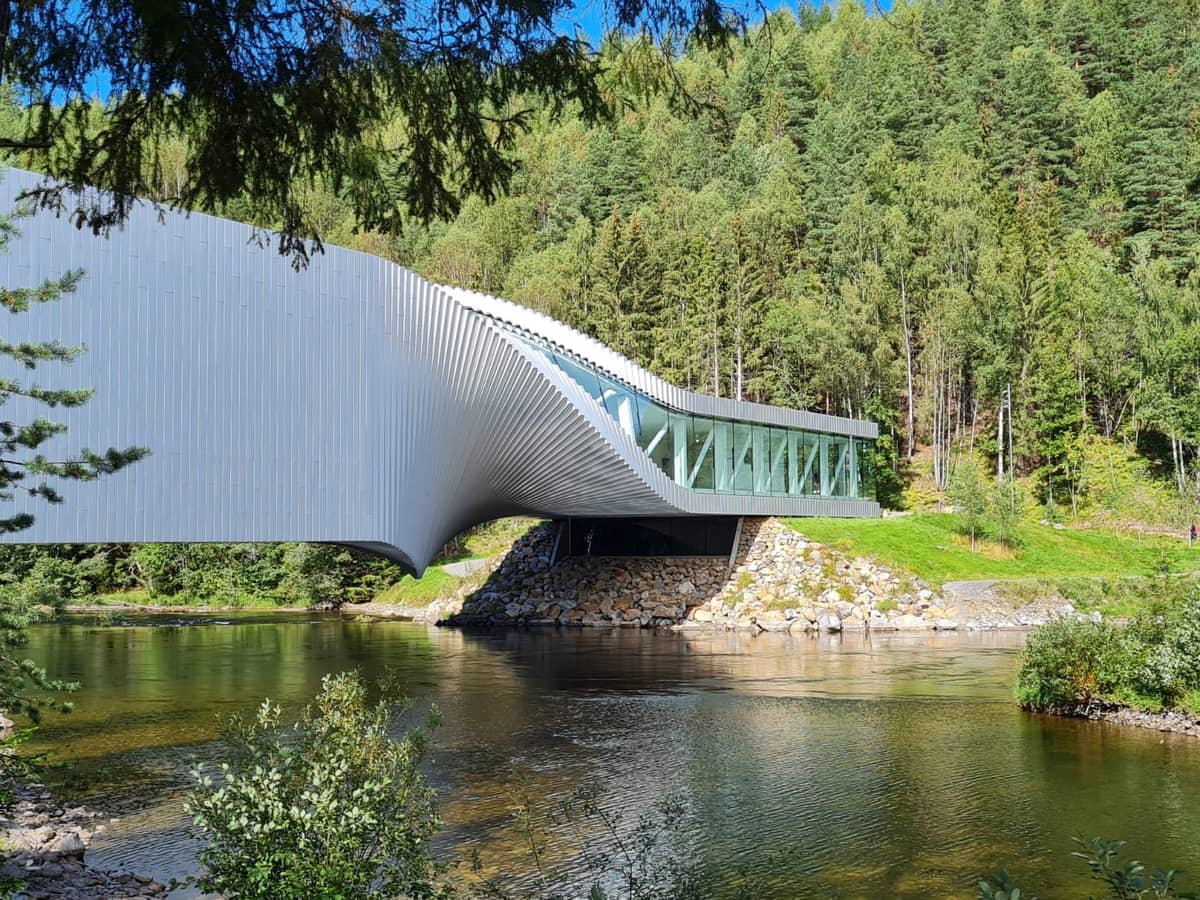
3. Visit The Twist Gallery Where Art and Architecture Become One
An hour from Oslo, Kistefos combines a 19th-century pulp mill, a world-class sculpture park, and The Twist, a BIG-designed gallery that literally bridges the Randselva river. One of Scandinavia's most inventive art destinations, and still well under the tourist radar.
Explore3. Visit The Twist Gallery Where Art and Architecture Become One
An hour from Oslo, Kistefos combines a 19th-century pulp mill, a world-class sculpture park, and The Twist, a BIG-designed gallery that literally bridges the Randselva river. One of Scandinavia's most inventive art destinations, and still well under the tourist radar.
Explore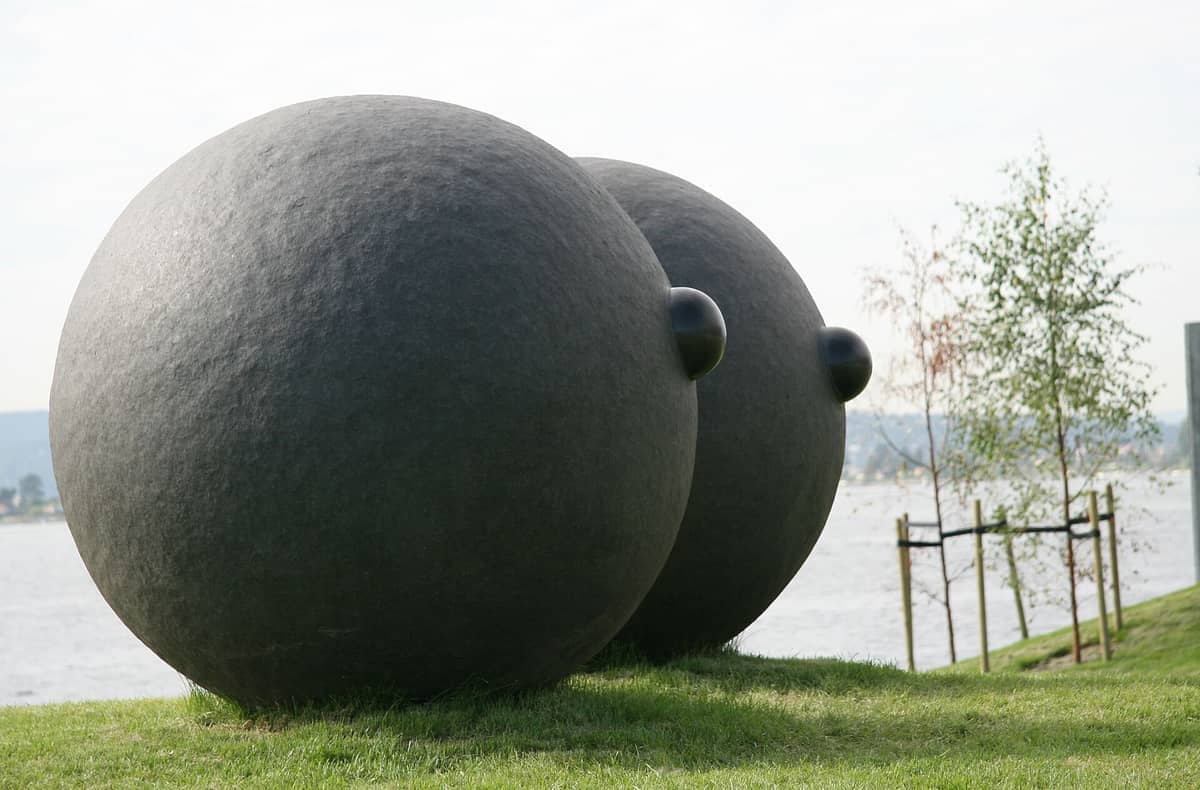
4. Walk the Waterfront Sculpture Park at Tjuvholmen for Free
Alongside the Astrup Fearnley Museum, this free harbor-front sculpture park puts international contemporary art in an outdoor setting with fjord views. Most visitors rush past to Aker Brygge. Slow down here and you'll find it's one of Oslo's most pleasant free cultural spaces.
Explore4. Walk the Waterfront Sculpture Park at Tjuvholmen for Free
Alongside the Astrup Fearnley Museum, this free harbor-front sculpture park puts international contemporary art in an outdoor setting with fjord views. Most visitors rush past to Aker Brygge. Slow down here and you'll find it's one of Oslo's most pleasant free cultural spaces.
Explore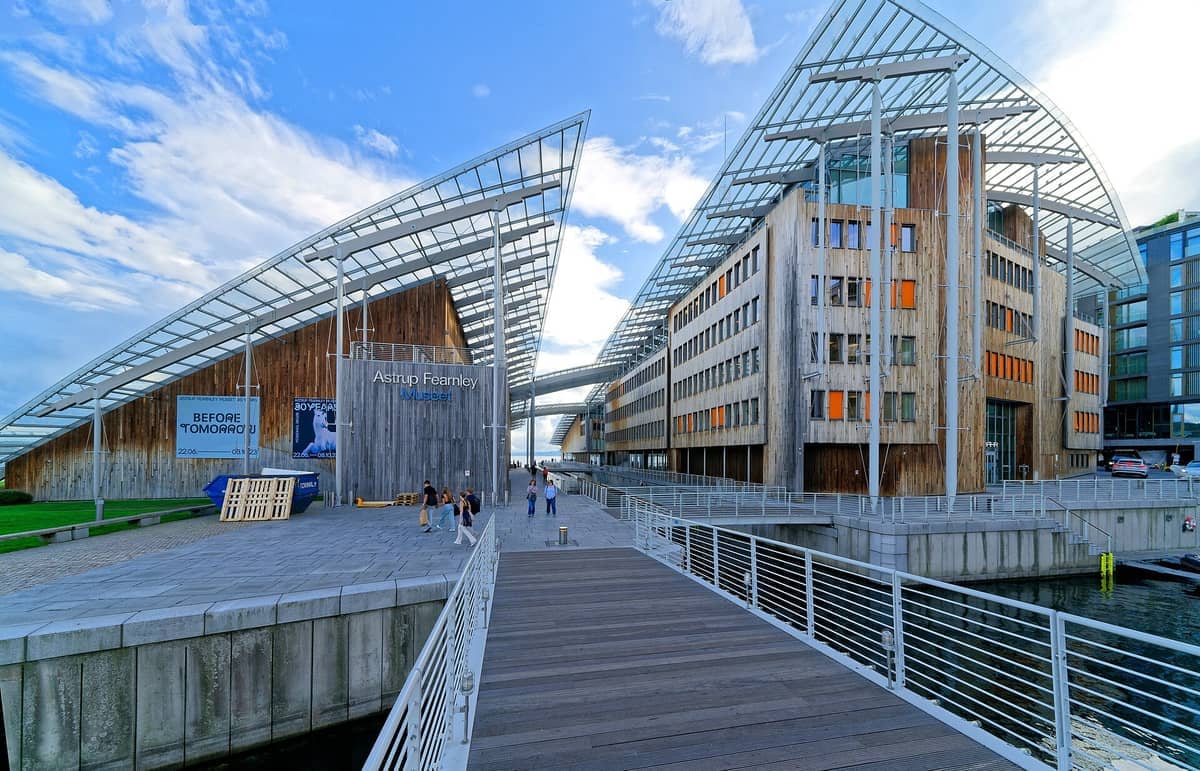
5. Explore Contemporary Art in Renzo Piano's Striking Tjuvholmen Building
Oslo's best contemporary art museum sits in a Renzo Piano-designed building where the architecture is as compelling as the collection. The harborfront setting and sculpture-lined waterfront make it worth the entry fee even before you get inside. Plan 2 hours minimum.
Explore5. Explore Contemporary Art in Renzo Piano's Striking Tjuvholmen Building
Oslo's best contemporary art museum sits in a Renzo Piano-designed building where the architecture is as compelling as the collection. The harborfront setting and sculpture-lined waterfront make it worth the entry fee even before you get inside. Plan 2 hours minimum.
ExploreHistoric Streets & Quiet Neighborhoods

Much of pre-industrial Oslo was lost to fire, redevelopment, and the relentless march of modernization. A few fragments survived, and they're worth tracking down. The Grønland and Tøyen neighborhoods on Oslo's east side also reward aimless exploration, with fewer tourists and a more genuinely mixed character than the western districts.
6. Walk Oslo's Last Surviving Timber-House Streets at Damstredet
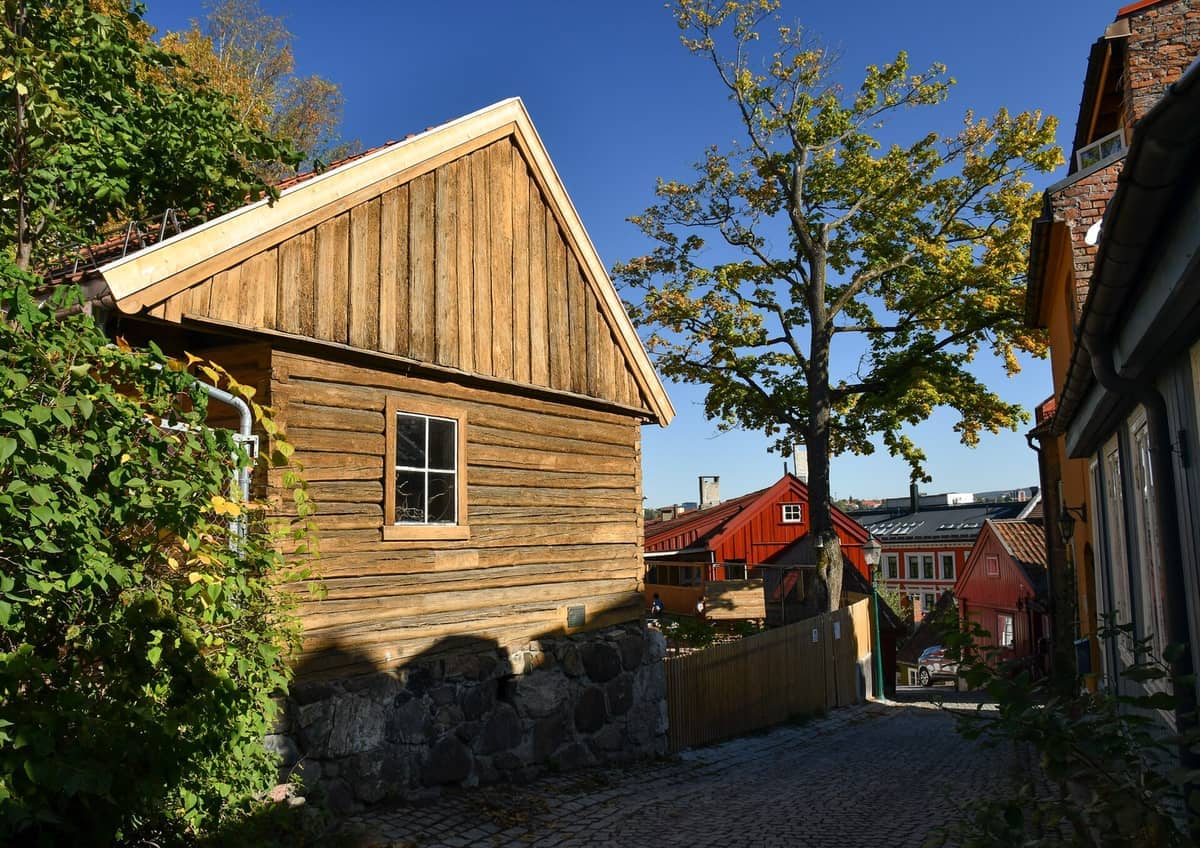
Two short cobblestone streets in central Oslo preserve wooden houses from the late 1700s and early 1800s, still inhabited today. Five minutes from the parliament building, yet almost completely unknown to visitors. The contrast with modern Oslo is quietly startling.
Explore6. Walk Oslo's Last Surviving Timber-House Streets at Damstredet
Two short cobblestone streets in central Oslo preserve wooden houses from the late 1700s and early 1800s, still inhabited today. Five minutes from the parliament building, yet almost completely unknown to visitors. The contrast with modern Oslo is quietly startling.
Explore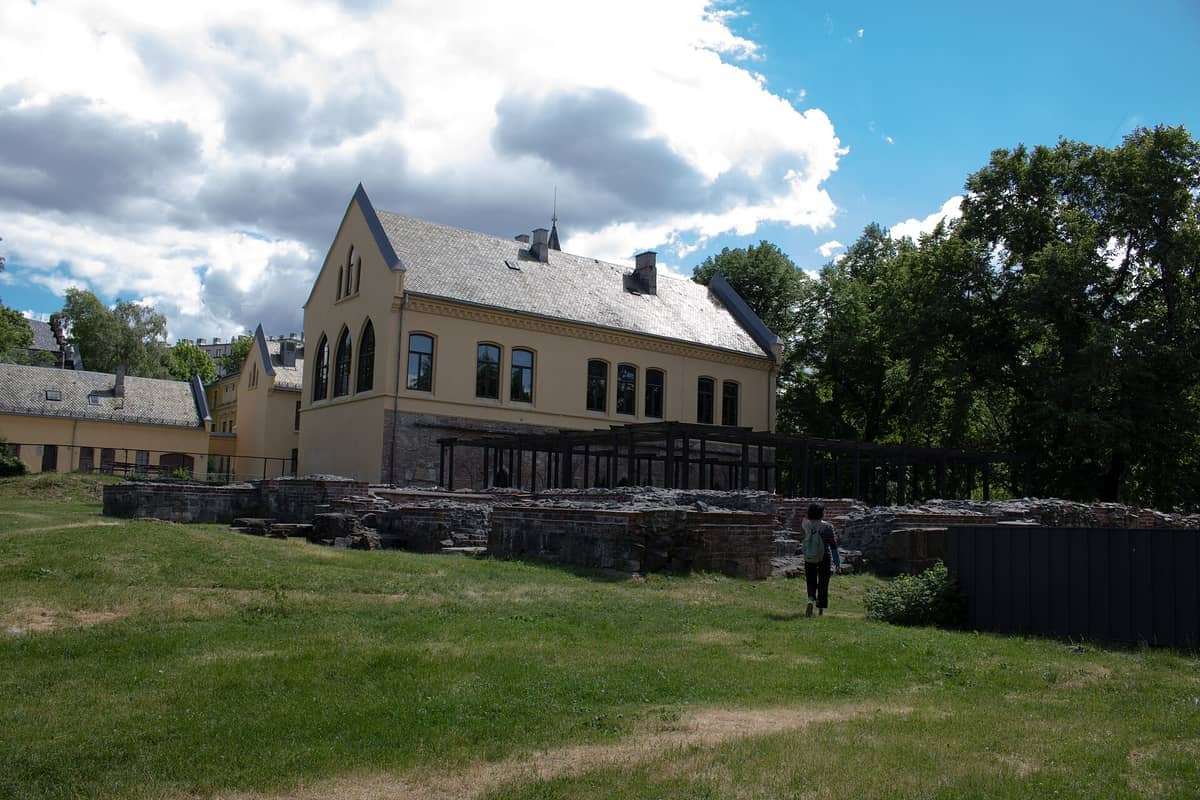
7. Find Medieval Church Ruins in the Residential Streets of Gamlebyen
Oslo's oldest settled area has medieval ruins, a historic cemetery, and quiet streets on the city's east side. Admission is free, crowds are minimal, and it feels nothing like the tourist-facing centre just a kilometre away. Best visited on a weekday morning.
Explore7. Find Medieval Church Ruins in the Residential Streets of Gamlebyen
Oslo's oldest settled area has medieval ruins, a historic cemetery, and quiet streets on the city's east side. Admission is free, crowds are minimal, and it feels nothing like the tourist-facing centre just a kilometre away. Best visited on a weekday morning.
Explore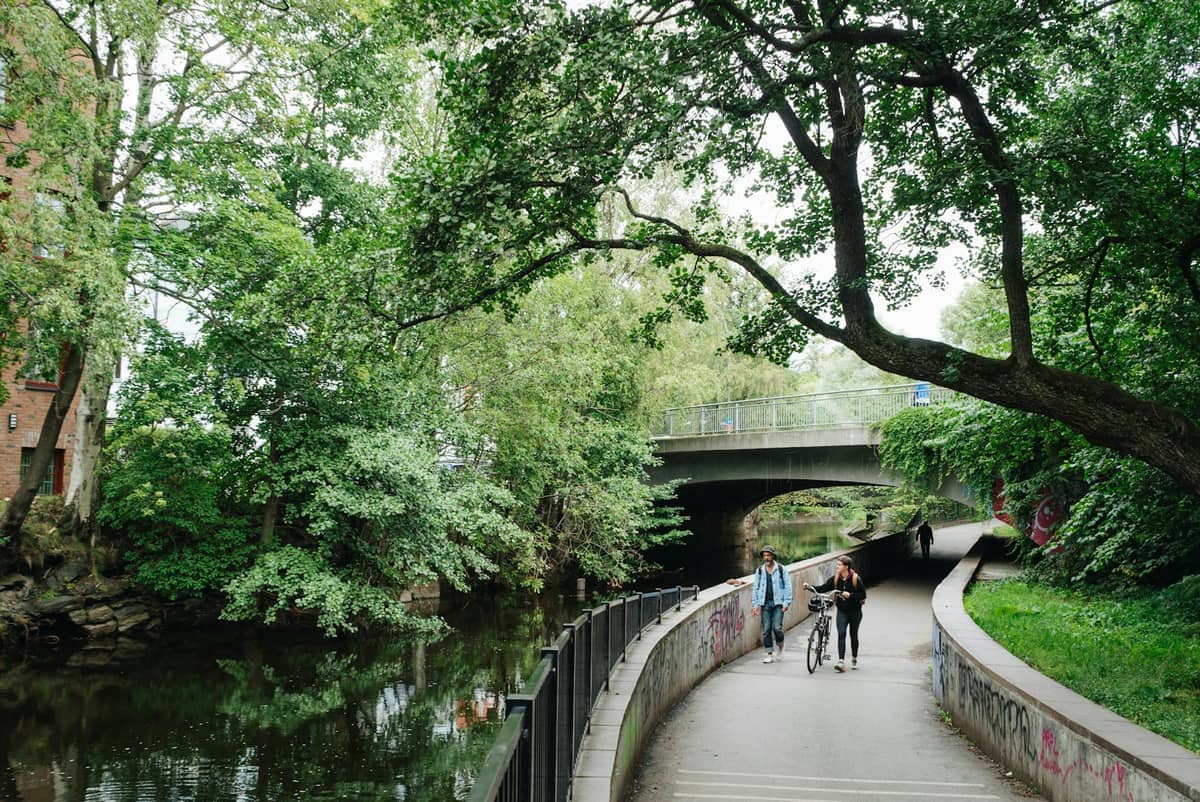
8. Follow the Akerselva River Through Oslo's Industrial Past
An 8-kilometre free walk from Maridalsvannet lake through Grünerløkka, past waterfalls, converted mills, and riverside parks. It costs nothing and gives a more honest picture of Oslo's character than almost any paid attraction. Start at the top for a gentle downhill route.
Explore8. Follow the Akerselva River Through Oslo's Industrial Past
An 8-kilometre free walk from Maridalsvannet lake through Grünerløkka, past waterfalls, converted mills, and riverside parks. It costs nothing and gives a more honest picture of Oslo's character than almost any paid attraction. Start at the top for a gentle downhill route.
Explore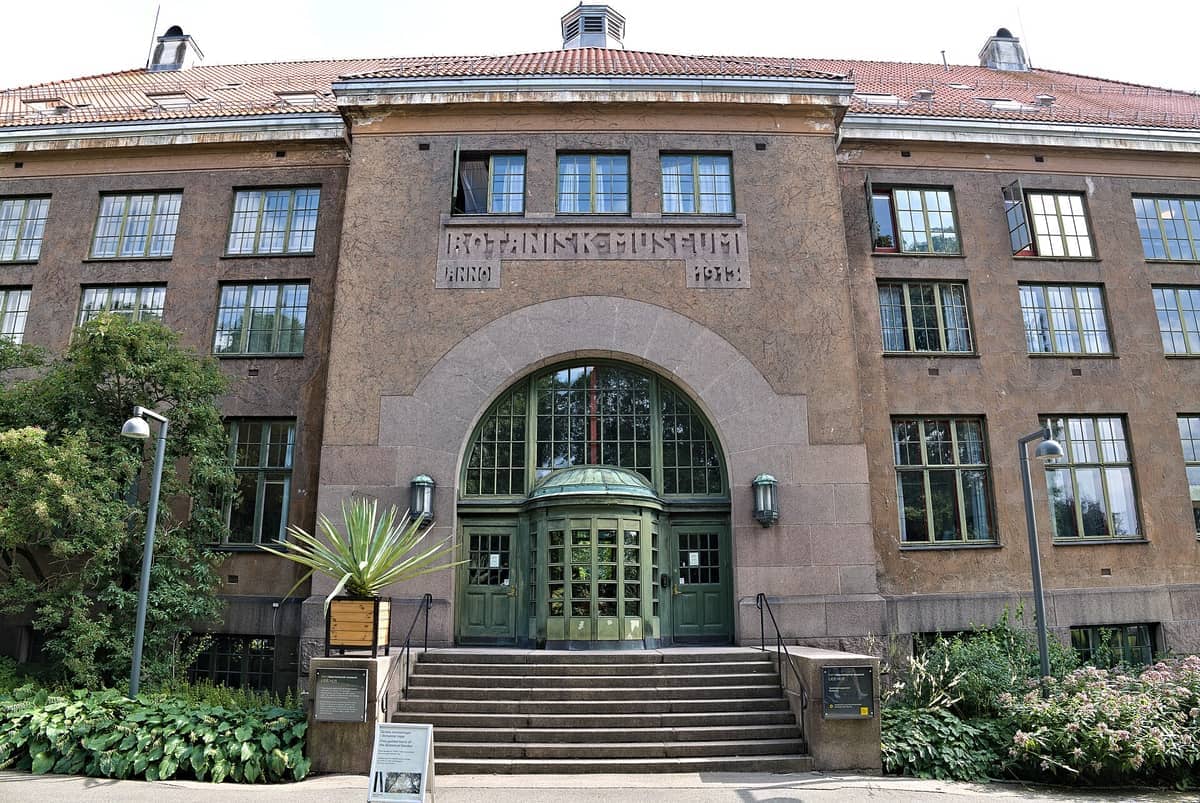
9. Find Genuine Quiet at the Tøyen Botanical Garden
Free entry, 4,500 plant species, and a level of calm that central Oslo rarely offers. The garden at Tøyen rewards visits in any season: cherry blossoms in April, lush overgrowth in July, frost-sharpened structures in January. Combine it with the adjacent Natural History Museum.
Explore9. Find Genuine Quiet at the Tøyen Botanical Garden
Free entry, 4,500 plant species, and a level of calm that central Oslo rarely offers. The garden at Tøyen rewards visits in any season: cherry blossoms in April, lush overgrowth in July, frost-sharpened structures in January. Combine it with the adjacent Natural History Museum.
ExploreFjord, Coast & Island Escapes
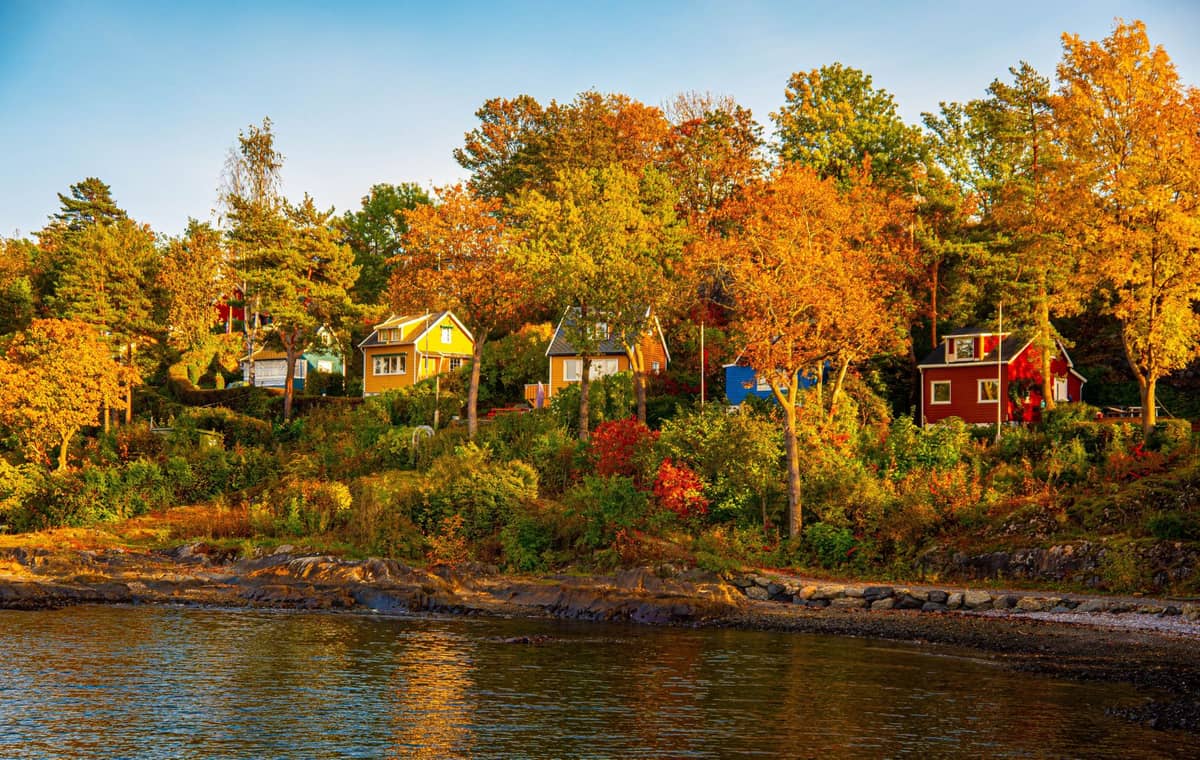
The Oslofjord is Oslo's greatest underused resource. Visitors often admire it from the waterfront but never actually get on or into it. The islands, coastal paths, and swimming spots below are all reachable on public transport, and several are covered in more detail in the Oslo island hopping guide and the Oslo fjord guide.
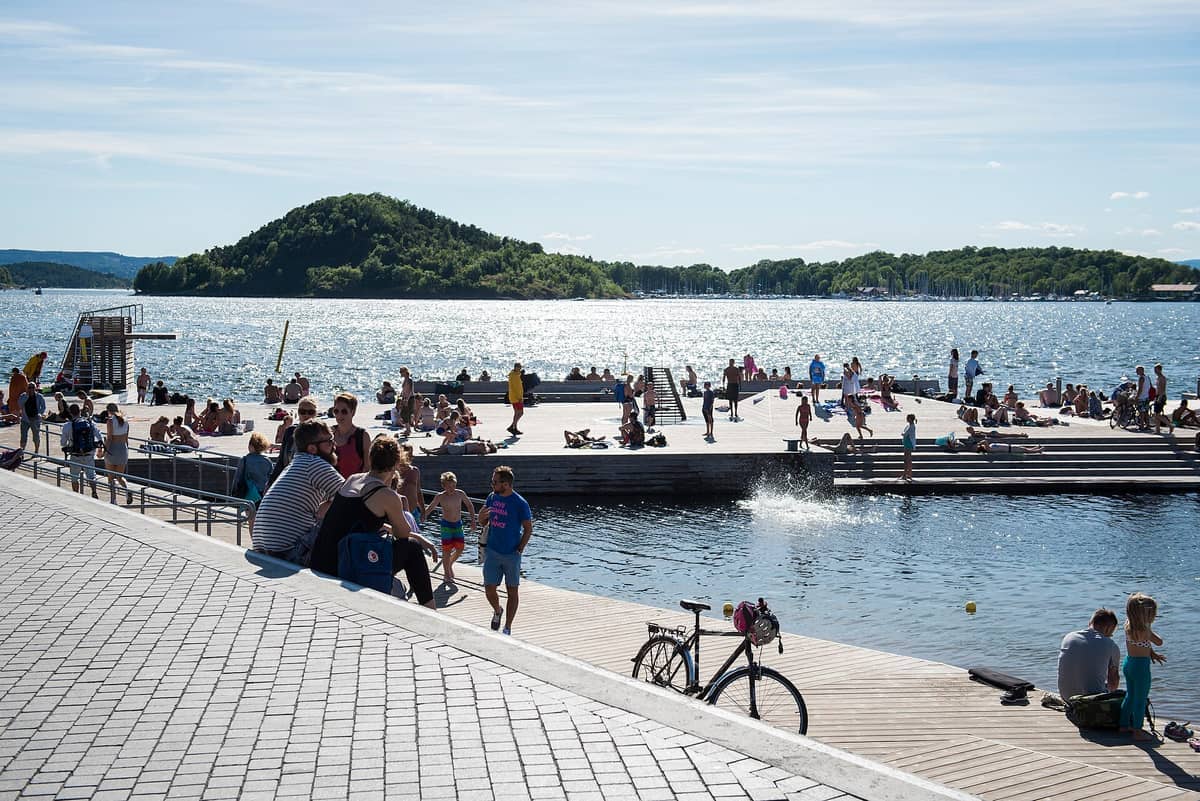
10. Take the Public Ferry to the Oslofjord Islands Using Your Transit Ticket
Hovedøya, Gressholmen, and Lindøya are reachable in 10-20 minutes from Aker Brygge on a standard Ruter transit ticket. Cistercian monastery ruins, swimming coves, nature trails, and almost no tourists. One of the most underrated free experiences in any European capital.
Explore10. Take the Public Ferry to the Oslofjord Islands Using Your Transit Ticket
Hovedøya, Gressholmen, and Lindøya are reachable in 10-20 minutes from Aker Brygge on a standard Ruter transit ticket. Cistercian monastery ruins, swimming coves, nature trails, and almost no tourists. One of the most underrated free experiences in any European capital.
Explore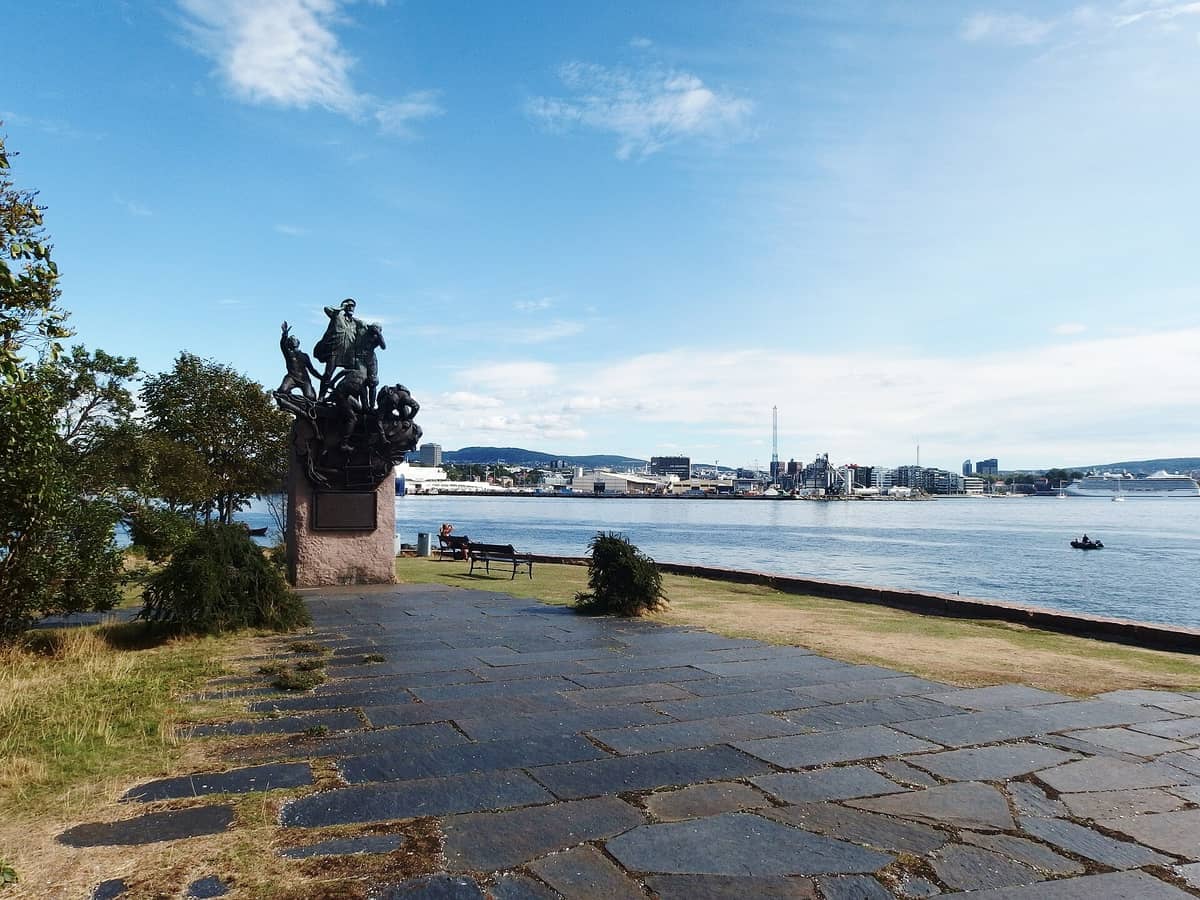
11. Walk the Bygdøy Coastal Path Where the City Completely Disappears
Ten kilometres of shoreline around Bygdøy peninsula, connecting fjord beaches, royal farmland, and quiet coves. Free year-round, served by bus or seasonal ferry. The city vanishes behind the treeline within minutes. Best in early morning or late afternoon when the light hits the water.
Explore11. Walk the Bygdøy Coastal Path Where the City Completely Disappears
Ten kilometres of shoreline around Bygdøy peninsula, connecting fjord beaches, royal farmland, and quiet coves. Free year-round, served by bus or seasonal ferry. The city vanishes behind the treeline within minutes. Best in early morning or late afternoon when the light hits the water.
Explore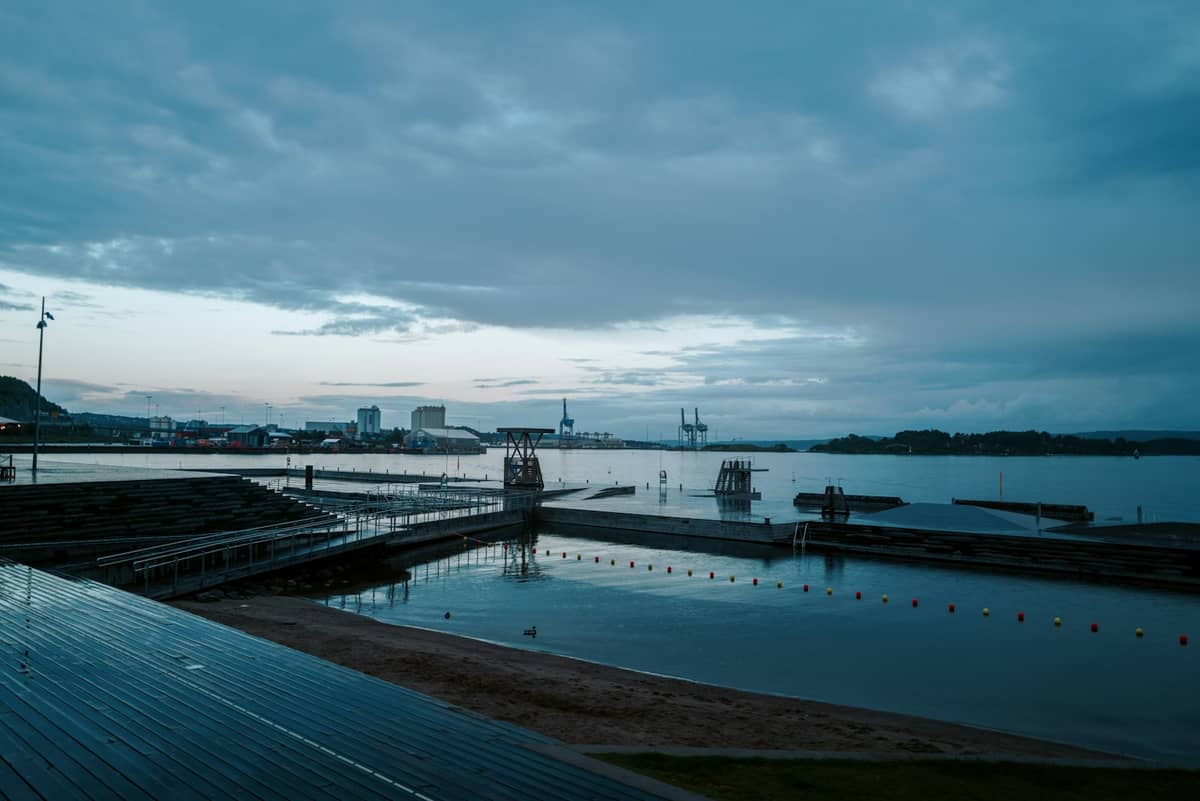
12. Swim in the Oslofjord at the Free Sørenga Seawater Pool
A free outdoor seawater pool complex on the Sørenga peninsula with multiple pools, diving platforms, and a sandy beach, all with Opera House views. Packed with locals on warm days precisely because it's free and central. Arrive before 11am or after 6pm to avoid peak crowds.
Explore12. Swim in the Oslofjord at the Free Sørenga Seawater Pool
A free outdoor seawater pool complex on the Sørenga peninsula with multiple pools, diving platforms, and a sandy beach, all with Opera House views. Packed with locals on warm days precisely because it's free and central. Arrive before 11am or after 6pm to avoid peak crowds.
Explore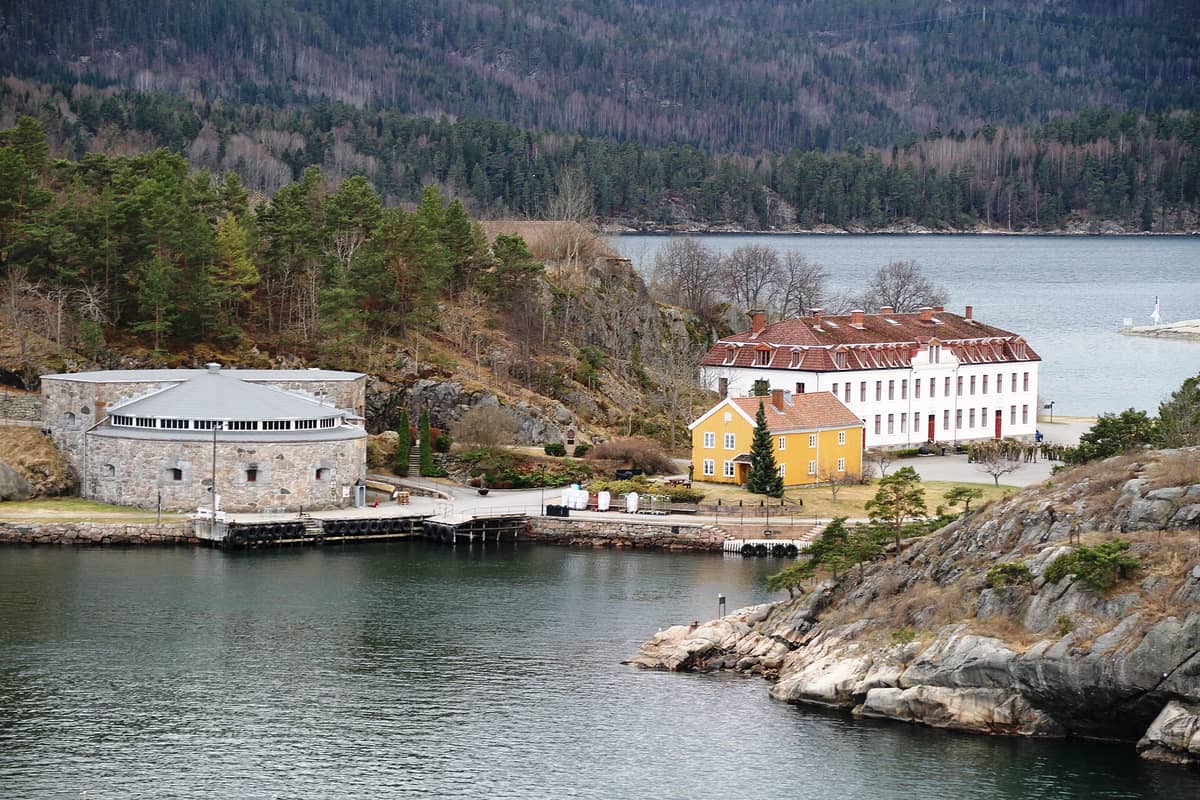
13. Visit the Island Fortress That Changed the Course of World War Two
Oscarsborg Fortress sits in the Oslofjord south of Oslo. Its guns sank the German cruiser Blücher on 9 April 1940, buying Norway's government hours to escape. Free to explore year-round, accessible by ferry from Drøbak. One of the most historically charged sites in Norway.
Explore13. Visit the Island Fortress That Changed the Course of World War Two
Oscarsborg Fortress sits in the Oslofjord south of Oslo. Its guns sank the German cruiser Blücher on 9 April 1940, buying Norway's government hours to escape. Free to explore year-round, accessible by ferry from Drøbak. One of the most historically charged sites in Norway.
Explore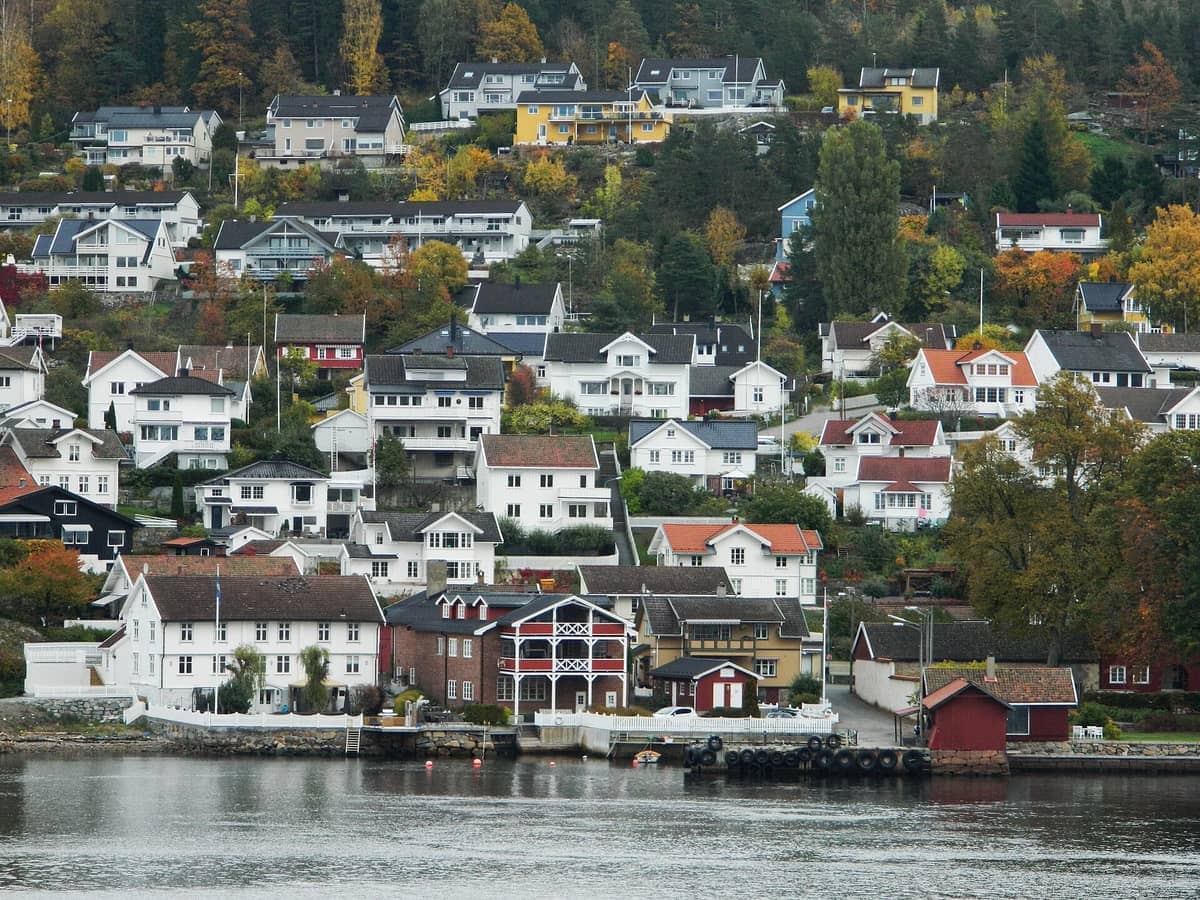
14. Day Trip to Drøbak, the Fjord Town an Hour from Oslo by Bus
Well-preserved wooden architecture, an Oscarsborg Fortress ferry crossing, and Sunday shopping on the eastern Oslofjord shore. About an hour south of Oslo by bus. A genuine change of pace from the capital that requires no overnight stay and repays a leisurely few hours.
Explore14. Day Trip to Drøbak, the Fjord Town an Hour from Oslo by Bus
Well-preserved wooden architecture, an Oscarsborg Fortress ferry crossing, and Sunday shopping on the eastern Oslofjord shore. About an hour south of Oslo by bus. A genuine change of pace from the capital that requires no overnight stay and repays a leisurely few hours.
ExploreParks, Forests & Viewpoints
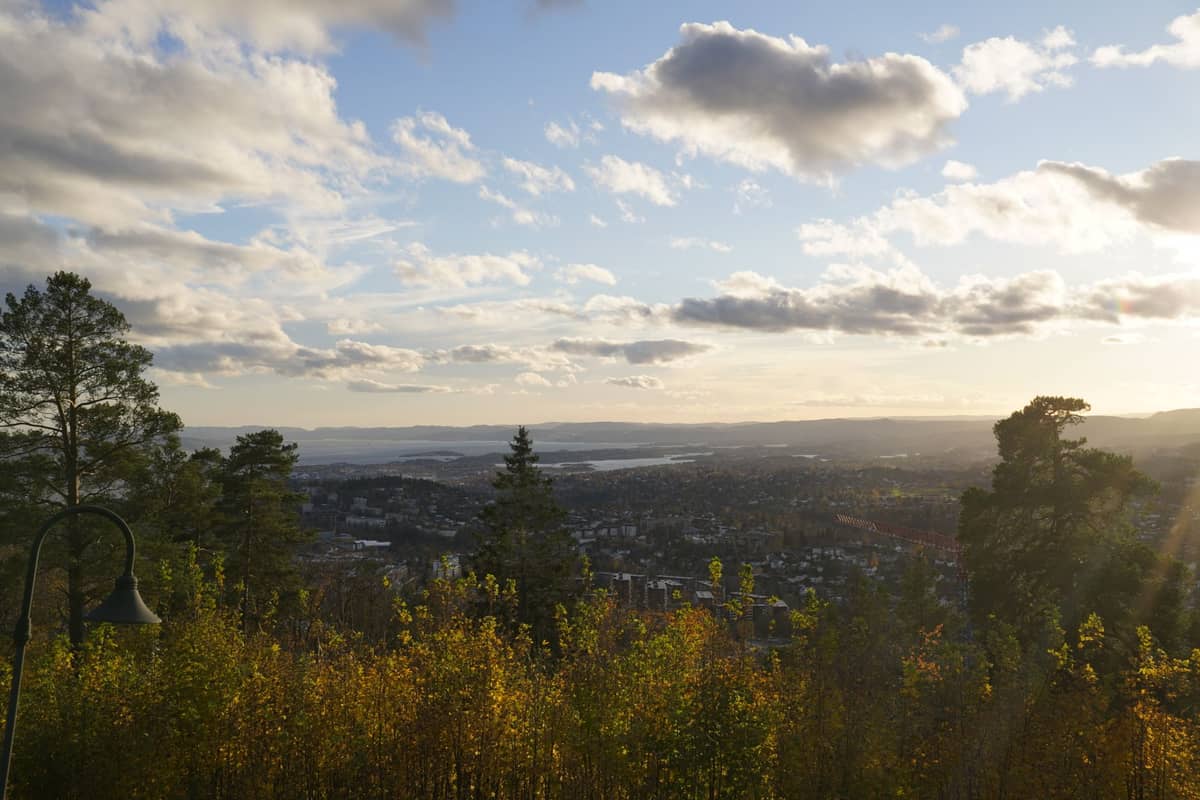
Oslo is surrounded by forest on three sides, and most visitors barely scratch the surface. The city's viewpoints are genuinely spectacular, and several are almost entirely crowd-free outside of peak summer weekends. For more on getting into the hills, the Oslo hiking guide and the Oslo viewpoints guide go deeper into both.
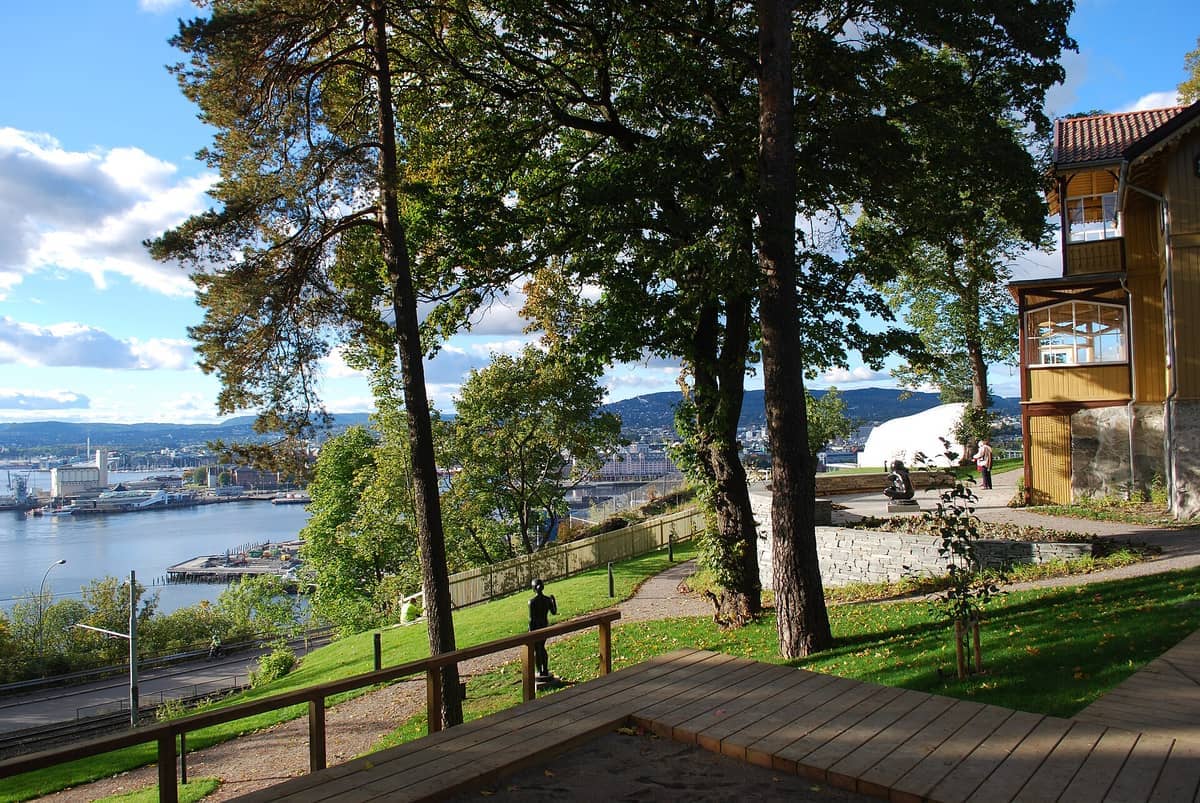
15. Wander Ekebergparken Where Sculpture Meets Rock Carvings and Fjord Views
A forested hillside southeast of Oslo with 40-plus contemporary sculptures, ancient rock carvings, sweeping Oslofjord views, and zero entry fee. Open 24 hours. Far less visited than Frogner Park, and the combination of art, nature, and history is genuinely harder to find elsewhere in Oslo.
Explore15. Wander Ekebergparken Where Sculpture Meets Rock Carvings and Fjord Views
A forested hillside southeast of Oslo with 40-plus contemporary sculptures, ancient rock carvings, sweeping Oslofjord views, and zero entry fee. Open 24 hours. Far less visited than Frogner Park, and the combination of art, nature, and history is genuinely harder to find elsewhere in Oslo.
Explore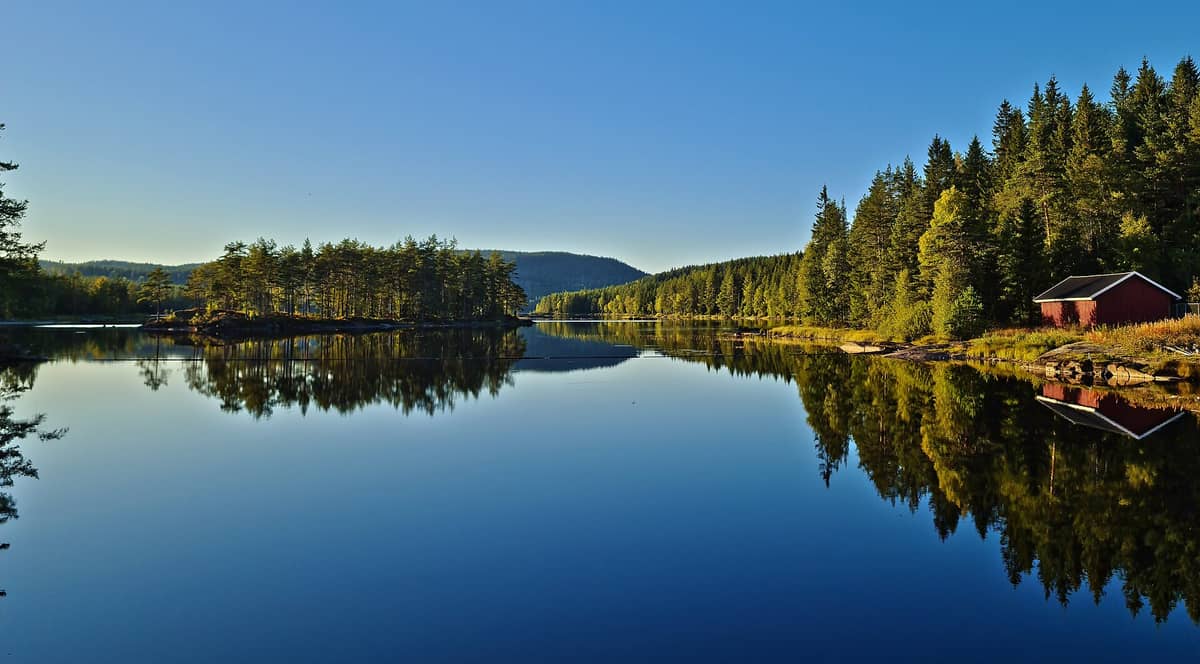
16. Enter Nordmarka Forest, Oslo's Vast Backyard Wilderness, by Metro
A freely accessible woodland stretching north from Oslo's city limits, reachable in 25 minutes by T-bane. Hiking, lake swimming, and cross-country skiing with no entrance fee. The fact that you can leave a European capital by metro and be in genuine wilderness within half an hour never gets old.
Explore16. Enter Nordmarka Forest, Oslo's Vast Backyard Wilderness, by Metro
A freely accessible woodland stretching north from Oslo's city limits, reachable in 25 minutes by T-bane. Hiking, lake swimming, and cross-country skiing with no entrance fee. The fact that you can leave a European capital by metro and be in genuine wilderness within half an hour never gets old.
Explore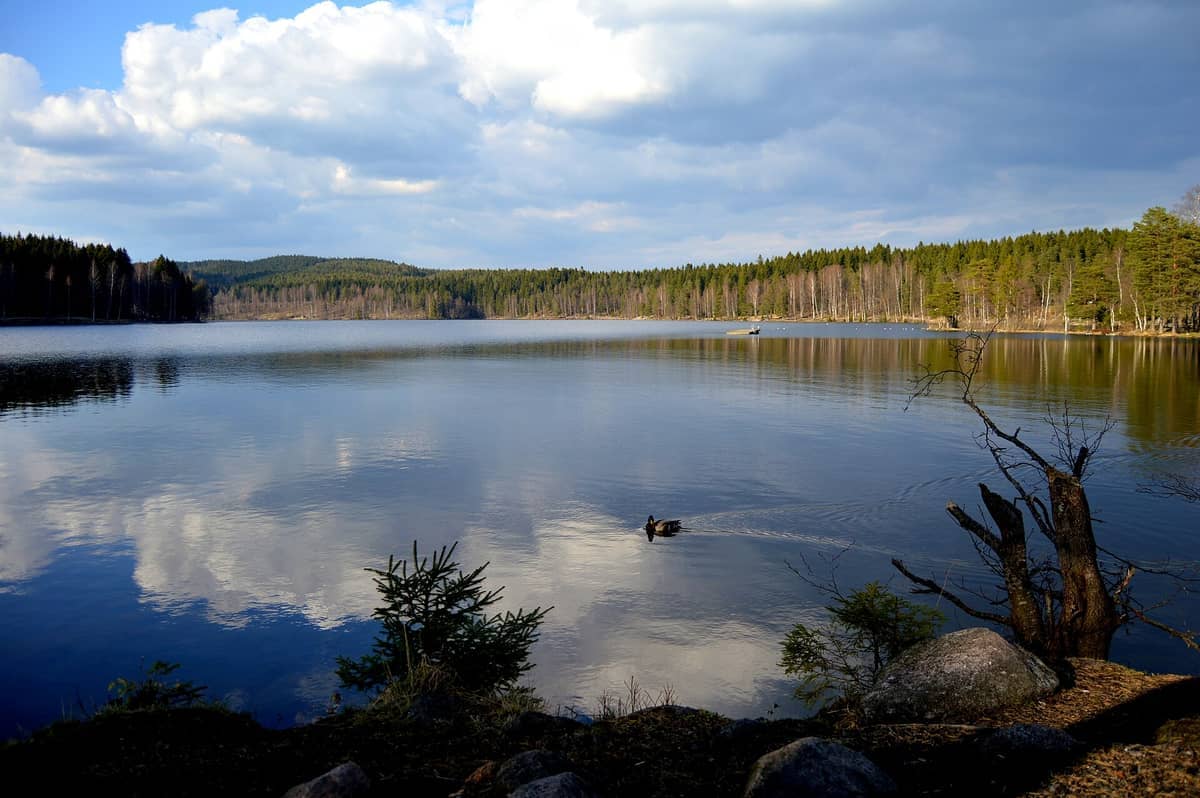
17. Circle Sognsvann Lake on the T-Bane's Final Stop
A glacial lake at the edge of Nordmarka, 25 minutes from central Oslo on Line 5. The 3.4km lakeside loop is popular but never overwhelming, with swimming spots in summer and cross-country skiing in winter. The café at the end of the metro line is the reward after either season.
Explore17. Circle Sognsvann Lake on the T-Bane's Final Stop
A glacial lake at the edge of Nordmarka, 25 minutes from central Oslo on Line 5. The 3.4km lakeside loop is popular but never overwhelming, with swimming spots in summer and cross-country skiing in winter. The café at the end of the metro line is the reward after either season.
Explore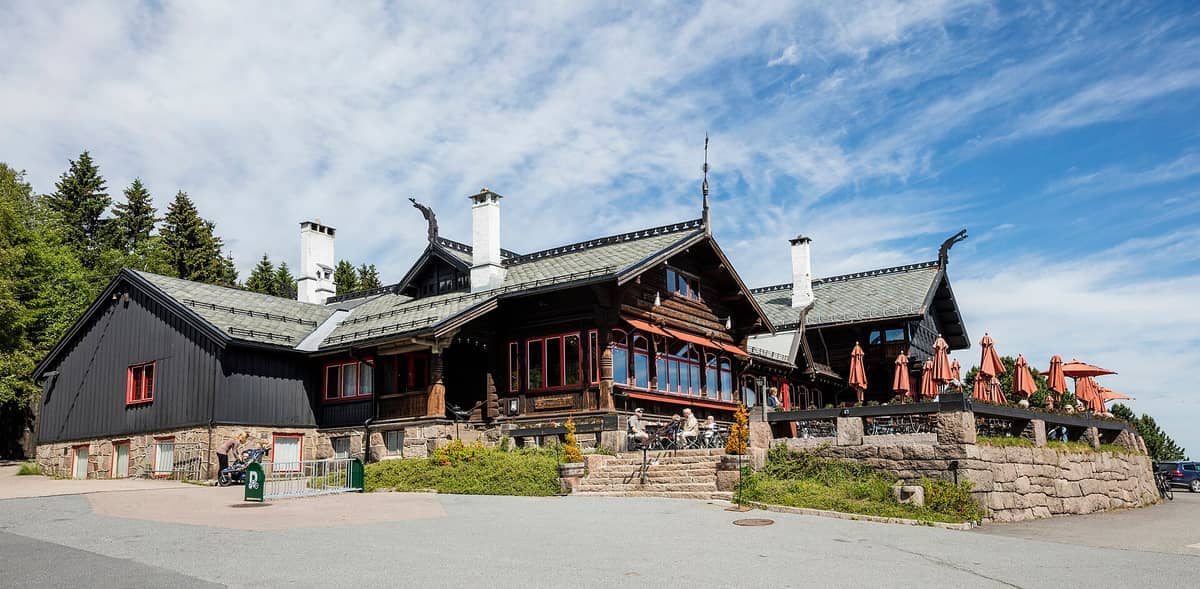
18. Eat Hot Apple Cake at Frognerseteren With Oslo at Your Feet
A dragon-style timber restaurant from 1891 at the top of the Holmenkollen ridge, with panoramic views over the city and fjord. Arrive by T-bane for lunch, post-hike warmth, or winter afternoon cake. The architecture alone justifies the trip even if you don't stop to eat.
Explore18. Eat Hot Apple Cake at Frognerseteren With Oslo at Your Feet
A dragon-style timber restaurant from 1891 at the top of the Holmenkollen ridge, with panoramic views over the city and fjord. Arrive by T-bane for lunch, post-hike warmth, or winter afternoon cake. The architecture alone justifies the trip even if you don't stop to eat.
ExploreHistory You Won't Find in the Guidebooks
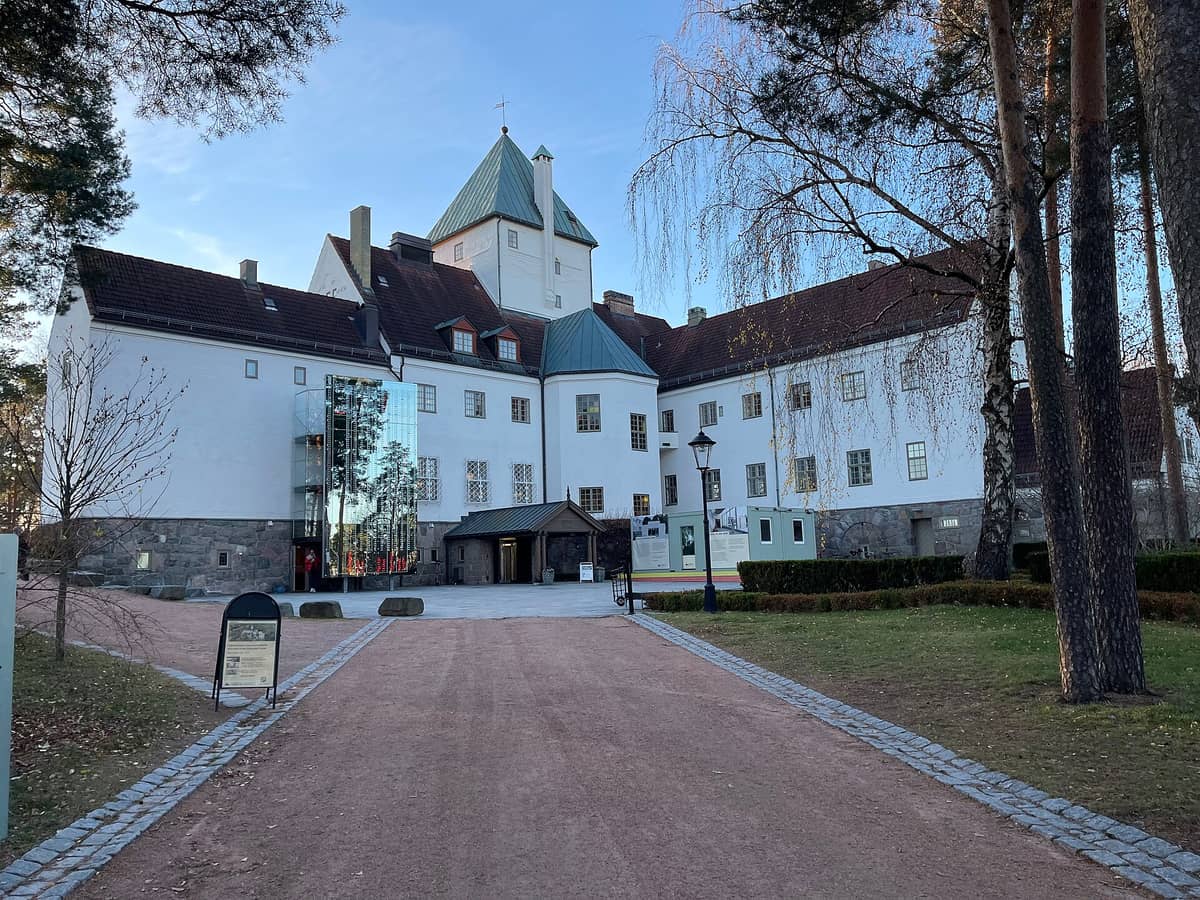
19. Confront Norway's Wartime Role at Quisling's Former Villa on Bygdøy
The HL-senteret sits in the former wartime residence of Nazi collaborator Vidkun Quisling and confronts Norway's role in the Holocaust with clarity and care. Bypassed by most Bygdøy museum-hoppers, it is among the most historically serious experiences in the city.
Explore19. Confront Norway's Wartime Role at Quisling's Former Villa on Bygdøy
The HL-senteret sits in the former wartime residence of Nazi collaborator Vidkun Quisling and confronts Norway's role in the Holocaust with clarity and care. Bypassed by most Bygdøy museum-hoppers, it is among the most historically serious experiences in the city.
Explore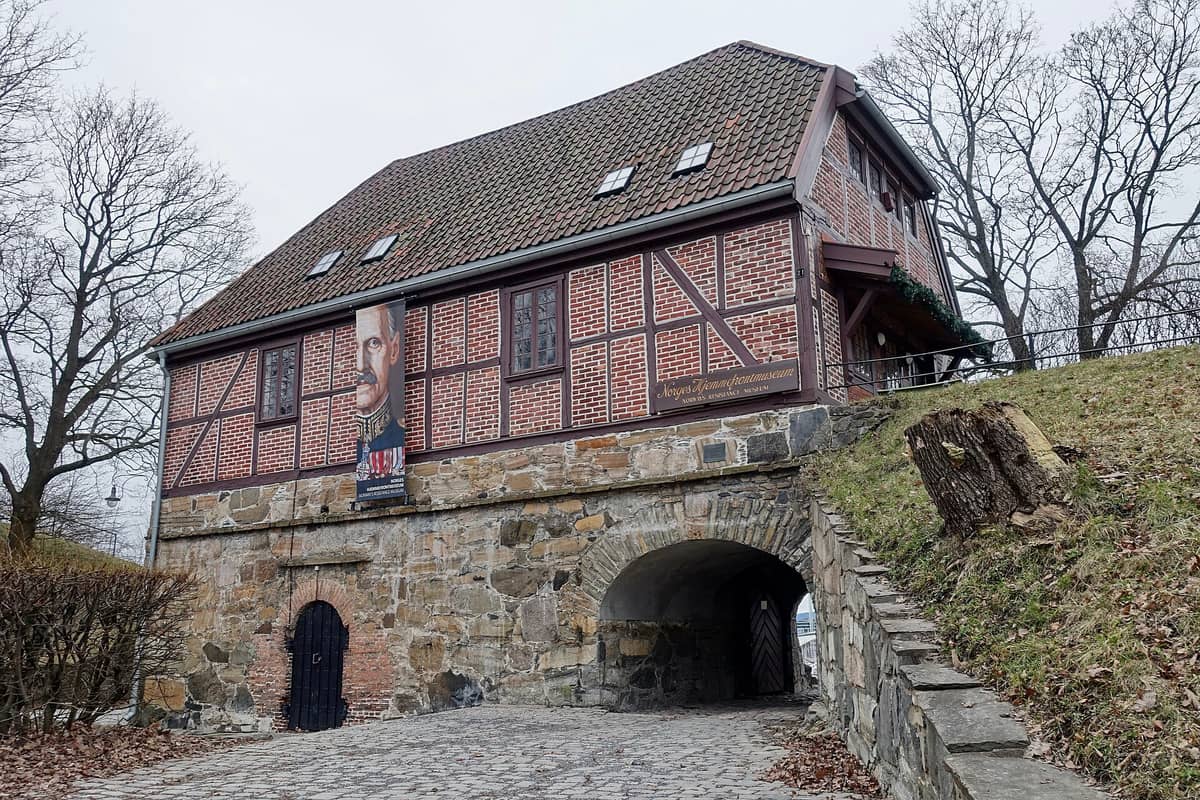
20. Trace Five Years of Occupation at the Resistance Museum Inside Akershus
A compact, carefully curated museum at the top of Akershus Fortress tracing German occupation and Norwegian defiance through documents, photographs, and personal objects. More affecting than its modest footprint suggests. Combine it with a free walk around the fortress grounds.
Explore20. Trace Five Years of Occupation at the Resistance Museum Inside Akershus
A compact, carefully curated museum at the top of Akershus Fortress tracing German occupation and Norwegian defiance through documents, photographs, and personal objects. More affecting than its modest footprint suggests. Combine it with a free walk around the fortress grounds.
Explore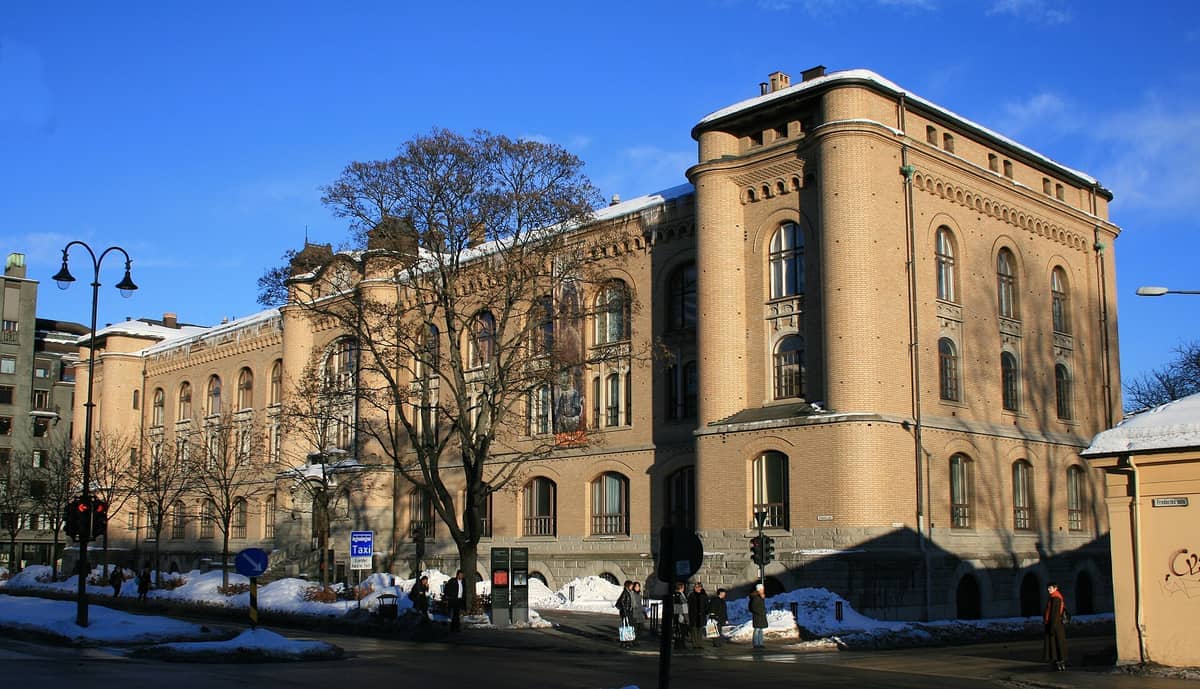
21. See Viking Gold and Egyptian Mummies at the Undervisited Historical Museum
A grand Edwardian building on Tullinløkka holding Viking gold jewelry, Arctic indigenous artifacts, and Egyptian mummies. Substantive, unhurried, and consistently overlooked in favour of the National Museum next door. Budget 1.5 to 2 hours to do it justice.
Explore21. See Viking Gold and Egyptian Mummies at the Undervisited Historical Museum
A grand Edwardian building on Tullinløkka holding Viking gold jewelry, Arctic indigenous artifacts, and Egyptian mummies. Substantive, unhurried, and consistently overlooked in favour of the National Museum next door. Budget 1.5 to 2 hours to do it justice.
Explore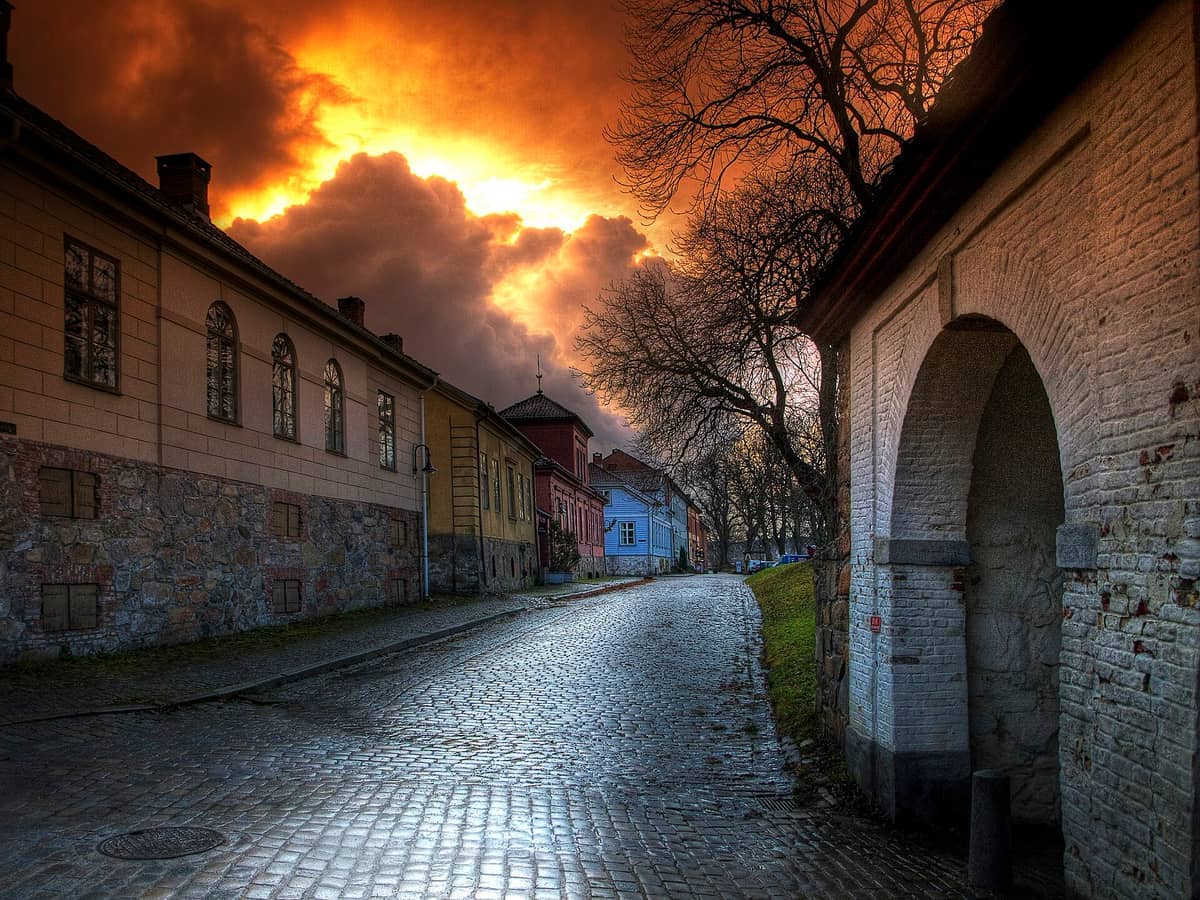
22. Step Inside the Best-Preserved Fortress Town in the Nordic Region
Fredrikstad Gamlebyen, an hour south by train, is still encircled by its 16th-century star-shaped ramparts, with cobblestone lanes, artist studios, and a free river ferry. Entry to the fortress area is free. More intact than anything in Oslo itself and worth a full day trip.
Explore22. Step Inside the Best-Preserved Fortress Town in the Nordic Region
Fredrikstad Gamlebyen, an hour south by train, is still encircled by its 16th-century star-shaped ramparts, with cobblestone lanes, artist studios, and a free river ferry. Entry to the fortress area is free. More intact than anything in Oslo itself and worth a full day trip.
Explore💡 Local tip
The Emanuel Vigeland Mausoleum opens to the public only on Sundays and entry is managed through timed tickets with limited capacity. Book in advance through the official website and arrive a few minutes early. It is one of the few Oslo experiences that genuinely cannot be replicated anywhere else.
FAQ
What are the most overlooked free things to do in Oslo?
Damstredet's timber-house streets, Gamlebyen's medieval ruins, the Tjuvholmen Sculpture Park, the Botanical Garden in Tøyen, and the Ekebergparken Sculpture Park are all free and far less visited than Oslo's headline attractions. The Oslofjord islands are also free with a standard Ruter transit ticket.
Can you reach the Oslofjord islands without a special boat ticket?
Yes. The seasonal public ferries from Aker Brygge to Hovedøya, Gressholmen, and Lindøya are covered by a standard Ruter public transport ticket, the same ticket you'd use on the metro or tram. Service runs more frequently in summer and reduces significantly in winter.
Is the Emanuel Vigeland Mausoleum worth visiting and how do you book?
It is one of Oslo's most singular experiences: a frescoed barrel-vaulted chamber with extraordinary acoustics open Sundays only. Advance booking is strongly recommended as entry is timed and capacity is limited. Check the official Emanuel Vigeland Museum website for current opening times and booking details.
What is the best day trip from Oslo for something off the beaten path?
Fredrikstad's fortified old town is the most underrated day trip from Oslo, about an hour south by train and largely missed by international visitors. Kistefos Museum and The Twist gallery, about an hour by car or bus, is also exceptional for art and architecture fans. Drøbak combines a coastal town atmosphere with the nearby Oscarsborg Fortress.
Are Oslo's hidden gems accessible without a car?
Most are. Nordmarka, Sognsvann, Frognerseteren, Ekebergparken, and the Holmenkollen area are all reachable by T-bane metro. The Oslofjord islands use public ferries covered by Ruter transit tickets. Fredrikstad and Drøbak are served by trains and buses from Oslo Central Station. Kistefos requires more planning but is reachable by regional bus in about 1½ hours from Oslo.
Tickets & tours
Live prices and dates from our booking partner. If you book, we may earn a commission at no extra cost to you.
Planning a trip? Discover personalized activities with the Nomado app.