Drøbak: The Oslofjord Town Worth the Bus Ride from Oslo
Drøbak is a compact coastal town on the eastern shore of the Oslofjord, about an hour south of Oslo by bus. Known for its well-preserved wooden architecture, Sunday shopping tradition, and proximity to the historic Oscarsborg Fortress, it offers a genuine change of pace from the capital without requiring an overnight stay.
Quick Facts
- Location
- Frogn municipality, eastern Oslofjord shore, approx. 40 km south of Oslo
- Getting There
- Bus 500 from Oslo Bus Terminal (near Grønland) — verify current zone and fare with Ruter before travel
- Time Needed
- 3–5 hours for a comfortable day trip including Oscarsborg ferry
- Cost
- Town entry free; Drøbak Aquarium NOK 120 adults, NOK 60 children (under 4 free; companions free) — 2026 prices
- Best for
- Slow walks, maritime history, families, and anyone wanting the fjord without a long journey
- Official website
- visitgreateroslo.com/en/drobak-and-oscarsborg
What Drøbak Actually Is
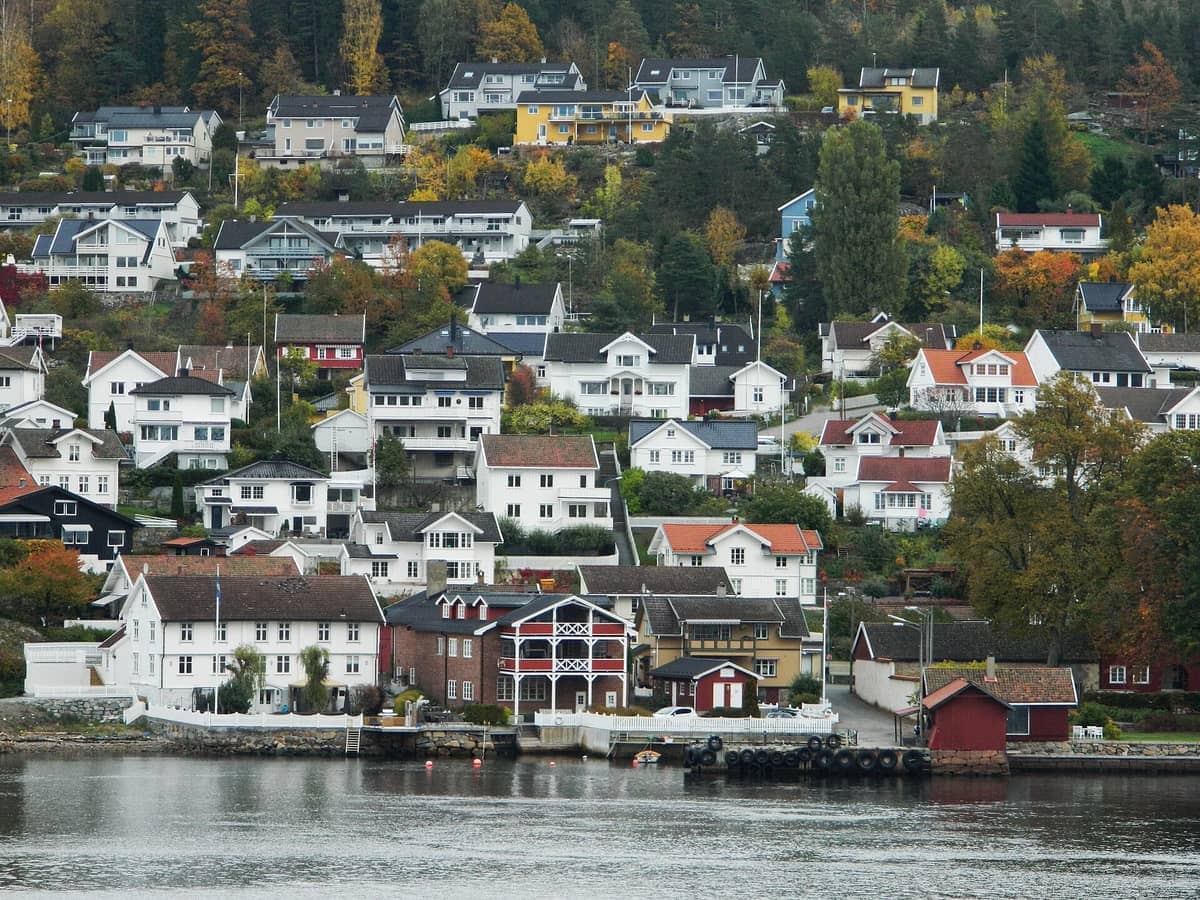
Drøbak is not a single attraction with a ticket gate. It is a small, walkable coastal town of wooden houses, a working harbor, and streets that feel genuinely unhurried compared to Oslo. Sitting on the eastern shore of the Oslofjord in Frogn municipality, the town is compact enough to cover on foot in a few hours, yet layered enough to reward a full day if you add the ferry out to Oscarsborg Fortress.
The town has earned a reputation as a place where the pace slows down noticeably. Local shops here are open every Sunday throughout the year, which is unusual by Norwegian standards, and this has given it the informal nickname 'The Sunday Town.' That small distinction hints at something real: Drøbak functions on its own calendar, not Oslo's.
💡 Local tip
Bus 500 departs from Oslo Bus Terminal, which sits adjacent to Grønland metro station. Confirm the current zone classification and fare with Ruter before you travel, as ticketing zones are periodically revised.
The Waterfront and Wooden Town Center
The heart of Drøbak is the harbor area. On a clear day, the fjord here is a deep, still grey-blue, with the silhouette of Oscarsborg Fortress visible on the island roughly 500 meters offshore. The smell of salt water and the soft creak of boats in their moorings sets the tone as soon as you step off the bus.
The old town streets running back from the harbor are lined with 18th and 19th century timber houses painted in ochre, cream, and muted red. The architecture is characteristic of southern Norwegian coastal towns: two-storey wooden buildings with narrow lots, small front gardens, and modest ornamental details around window frames. Walking these streets in the morning, when light is flat and few visitors have arrived, gives a clear sense of the town's original scale. It was a pilot station and trading post before it became a weekend destination.
By early afternoon on summer weekends, the main street and harbor fill with Oslo families. Cafes put chairs outside, the aquarium queues form, and the town takes on a distinctly busier character. If you prefer quiet, arrive by 10:00 on a weekday or come in late spring before school holidays begin.
Tickets & tours
Live prices and dates from our booking partner. If you book, we may earn a commission at no extra cost to you.
Oslo Fjord sightseeing audio-guided electrical boat tour
From 35 €Instant confirmationFree cancellationFjord cruise with live jazz music
From 64 €Instant confirmationFree cancellationLuggage Storage in Oslo
From 6 €Instant confirmationFree cancellationPicturesque dinner cruise in Oslo
From 137 €Instant confirmationFree cancellation
Drøbak Aquarium: Small but Honest
The Drøbak Aquarium (Drøbak Akvarium) occupies a building right on the harbor at Havnegata 4, sharing the address with the Tourist Information Center. It is not a large facility by international standards, but it focuses specifically on species found in the Oslofjord and Norwegian coastal waters, which gives it a coherence that bigger aquariums sometimes lack. Tanks display local fish, crustaceans, and invertebrates in conditions that resemble their actual fjord habitat.
Opening hours run 10:00 to 18:30 daily from 1 May to 1 September, and 10:00 to 16:00 daily the rest of the year. Admission in 2026 is NOK 120 for adults and NOK 60 for children; children under four and companions enter free. Verify current prices directly with the aquarium before your visit, as these figures are subject to change.
ℹ️ Good to know
The aquarium and Tourist Information Center share the same harbor building. If you need maps, ferry schedules to Oscarsborg, or any local advice, stop in here first. The tourist office is open Monday to Friday 10:00–16:00, with daily hours during school holidays.
Oscarsborg Fortress: The Main Historical Draw
The most significant reason to make the journey to Drøbak, beyond the town itself, is the short ferry crossing to Oscarsborg Fortress on the island of Kaholmen. The fortress is where Norwegian coastal artillery sank the German heavy cruiser Blücher on the night of 9 April 1940, during the German invasion of Norway. That action delayed the German advance long enough for the Norwegian government and royal family to escape Oslo, and it has a real claim to being one of the most consequential military engagements in Norwegian history.
The fortress is accessible by a short public ferry from Drøbak harbor. It now operates partly as a hotel and conference venue, but the fortifications, cannons, and historical exhibitions are open to visitors. For full details on Oscarsborg's history and how to plan your visit, see the dedicated Oscarsborg Fortress guide.
Standing on the ferry crossing, the fortress looks exactly as it would have in 1940: low stone walls hugging the island's shoreline, artillery emplacements still in place, surrounded by the same grey water the Blücher tried to navigate in darkness. The crossing takes only a few minutes, but it is worth pausing on deck for the view back toward Drøbak. From the water, the wooden town, the fjord headlands, and the open sky form a panorama that is difficult to appreciate from shore.
How the Town Changes Through the Day
Early morning in Drøbak, before 09:30, belongs to locals. Bakeries open, dog walkers move through the harbor streets, and the ferry pier is quiet. This is the best window for photography: the light on the fjord is soft, wooden house facades catch the morning colour, and there are no crowds framing your shots.
Midday brings the bulk of day-trippers from Oslo, concentrated between roughly 11:00 and 15:00. The harbor area, the aquarium entrance, and the main street fill noticeably. Cafes become difficult without a wait on sunny summer Saturdays. If you are visiting in July or August, either plan to arrive early or accept that the town will feel busier than its size suggests.
Late afternoon sees the town empty quickly as Oslo families catch return buses. After about 16:00 on weekdays, Drøbak reverts to its quieter self. The harbor in evening light, especially in June when the sun stays high until past 22:00, is genuinely worth lingering for if you can manage a later return.
Getting There and Practical Considerations
The most practical way to reach Drøbak from Oslo is Bus 500 from Oslo Bus Terminal, which sits next to Grønland metro station in central Oslo. The journey takes roughly one hour depending on traffic. Confirm zone classification and current fares with Ruter before you travel. For broader context on moving around the Oslo region, the guide to getting around Oslo covers public transport options in detail.
By car, Drøbak is approximately 40 kilometres south of central Oslo via the E6 and local roads. Parking is available near the harbor, though spaces fill quickly on summer weekends. Arriving before 10:00 usually avoids parking difficulties.
For weather: Drøbak follows the same Baltic semi-continental climate pattern as Oslo. Summer visits between June and August offer the best combination of warmth and long daylight. The town is pleasant in autumn as well, with fewer visitors and the fjord taking on a colder, clearer quality. Winter visits are quiet and atmospheric, though some smaller cafes and shops reduce their hours outside peak season. Wear layers regardless of the season: the fjord creates its own breeze.
If Drøbak fits into a broader exploration of the Oslo region by water, it connects naturally to a wider programme of fjord experiences. The Oslofjord guide covers the full range of fjord-based activities accessible from the capital.
⚠️ What to skip
Drøbak is a genuine small town, not a theme park. In low season (November to March), several smaller cafes and boutiques close or operate reduced hours. Call ahead or check locally if you are planning around a specific shop or restaurant.
Who Should Consider Skipping Drøbak
Travelers with only one or two days in Oslo and a full list of major museums, the opera house, and Vigeland Park will likely find Drøbak difficult to justify. The town does not have a single landmark that competes on scale with Oslo's flagship attractions. It rewards those who appreciate unhurried walks, modest architecture, and the particular quality of light and air that comes with being next to open water.
If you are deciding how to allocate limited time in the Oslo region, the day trips from Oslo guide lays out all the main options side by side so you can weigh Drøbak against alternatives like Fredrikstad or a Nordmarka hike.
Visitors who dislike travel by bus or who find small-town street wandering unfulfilling will not get sufficient return from the journey. Drøbak is genuinely for people who find pleasure in a harbor, old wooden houses, and a short ferry ride to a historically significant island.
Insider Tips
- The ferry to Oscarsborg runs from Drøbak harbor but schedules vary by season. Check the current timetable at the Tourist Information Center in the harbor building (Havnegata 4) as soon as you arrive, before you walk the town, so you can build your day around the crossings.
- Drøbak's shops are legally open on Sundays year-round, which makes it a practical destination when Oslo's city center retail is closed. The Sunday-opening tradition is a genuine local characteristic, not just a marketing line.
- For the best photographs of the wooden town, walk up the hill streets behind the harbor rather than staying on the main street. The elevated lanes give unobstructed views over the rooflines to the fjord, especially effective in morning light.
- If you want a meal before the midday rush, aim to arrive by 11:00 and eat early. By 12:30 on summer weekends, the small number of harbor-facing cafes fills quickly and waits become long.
- The return bus from Drøbak runs less frequently in the evening. Check the last bus time before you go out to Oscarsborg on the ferry, or you may find yourself waiting longer than expected for a return to Oslo.
Who Is Drøbak For?
- Families with children who want a manageable half-day outing with a small aquarium and ferry crossing
- Travelers interested in Norwegian World War II history, specifically the sinking of the Blücher at Oscarsborg
- Anyone wanting the experience of the Oslofjord without a multi-day itinerary
- Visitors looking for a quiet Sunday when Oslo's central shopping areas are closed
- Photographers drawn to 18th and 19th century timber architecture in a coastal setting
Nearby Attractions
Combine your visit with:
- Ekeberg Viewpoint
Perched on Ekebergåsen hill southeast of central Oslo, Ekebergparken combines one of the city's most sweeping viewpoints with an open-air sculpture park, ancient rock carvings, and forested walking trails. It is free to enter, open around the clock, and far less crowded than most Oslo attractions.
- Ekebergparken Sculpture Park
Ekebergparken Sculpture Park sits on a wooded hillside southeast of Oslo's city center, combining a rotating collection of contemporary sculpture with sweeping views over the Oslofjord. Entry is free, the park is open around the clock, and the experience shifts dramatically depending on what time of day and season you visit.
- Emanuel Vigeland Mausoleum
Tucked into a quiet residential street in the Slemdal neighborhood, the Emanuel Vigeland Mausoleum is one of Oslo's most singular and least-visited art experiences. A barrel-vaulted chamber covered floor-to-ceiling in frescoes depicting the human life cycle, with acoustics so extreme that a whisper lingers for twenty seconds. Open Sundays only, with timed entry slots and advance booking recommended.
- Fredrikstad Old Town (Gamlebyen)
Fredrikstad Gamlebyen is one of the best-preserved fortified towns in the Nordic region, founded in 1567 and still encircled by its original star-shaped ramparts. Just about an hour south of Oslo by train, it offers cobblestone lanes, working artist studios, waterfront cafés, and a ferry crossing that costs nothing. Entrance to the fortress area is free.
Planning a trip? Discover personalized activities with the Nomado app.