Oslo with Kids: The Best Family-Friendly Activities
Oslo offers more than its size suggests when it comes to family travel. From hands-on science museums and polar-exploration ships to free sculpture parks and island beaches, Norway's capital keeps children genuinely engaged. This guide covers the best family-friendly activities in Oslo, with real pricing, transport details, and practical advice on what's worth your time.
Tickets & tours
Live prices and dates from our booking partner. If you book, we may earn a commission at no extra cost to you.
TL;DR
- Oslo with kids works best in summer (late June to mid-August): extended museum hours, warm fjord swimming, and long daylight hours make logistics much easier.
- The Oslo Pass (NOK 550/275 adult/child for 24 hrs) covers free entry to many family museums and unlimited public transport, making it worth buying for active days.
- The Norwegian Museum of Science and Technology is Oslo's single best indoor stop for kids: interactive, spacious, and well-priced at NOK 590 for a family of up to six.
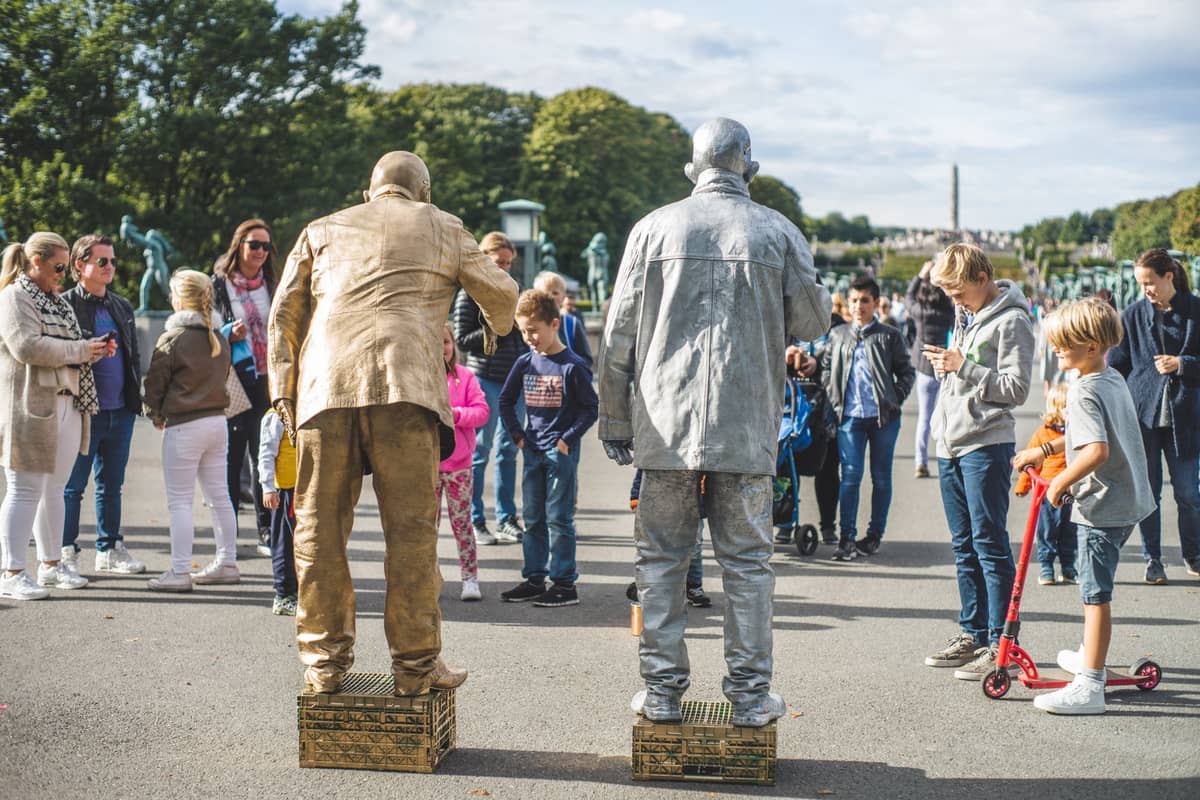
- Vigeland Sculpture Park in Frogner is free, open around the clock, and reliably entertaining for children of all ages — no planning required.
- The Oslo Pass does not cover every family attraction automatically — always verify individual venues before relying on it.
Why Oslo Works Well for Families
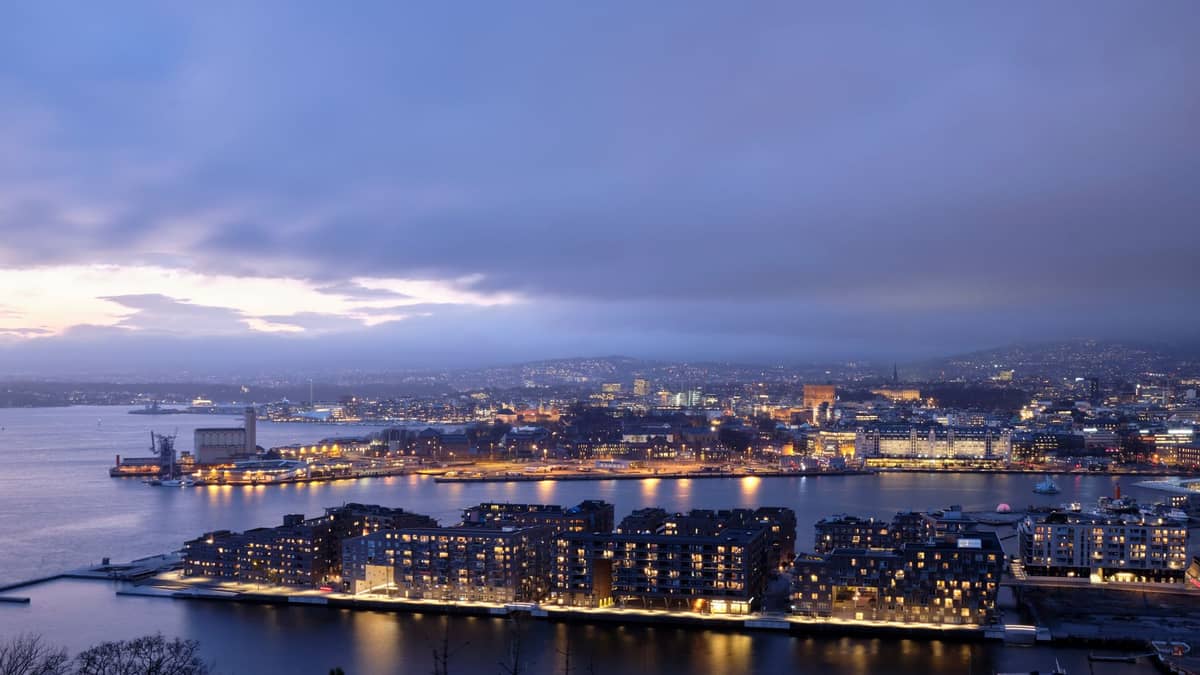
Oslo is Norway's capital and largest city, home to around 720,000 people within the municipality and over 1.1 million in the wider urban area. It sits at the northern end of the Oslofjord, which means that sea, forest, and city coexist within short distances of each other. For families, that geography is a genuine advantage: you can do a major museum in the morning and reach a fjord island beach in the afternoon, all on public transport. The city's T-bane (metro), trams, and buses are run by Ruter and are clean, reliable, and child-friendly.
Practical expectations: Oslo is expensive by most international standards, so budgeting carefully matters. Many of the best family experiences are either free (Vigeland Park, most beaches, the Akerselva riverside path) or covered by the Oslo Pass. English is spoken widely across the city, service staff in museums are accustomed to international visitors, and most major attractions have stroller-accessible entrances and family toilets. The city is compact enough that a well-planned day rarely requires more than two metro stops.
💡 Local tip
If you're visiting with children under 4, many Oslo museums offer free admission for that age group. Always check the venue's ticketing page directly, as policies vary and prices are updated seasonally.
Top Indoor Attractions for Kids in Oslo
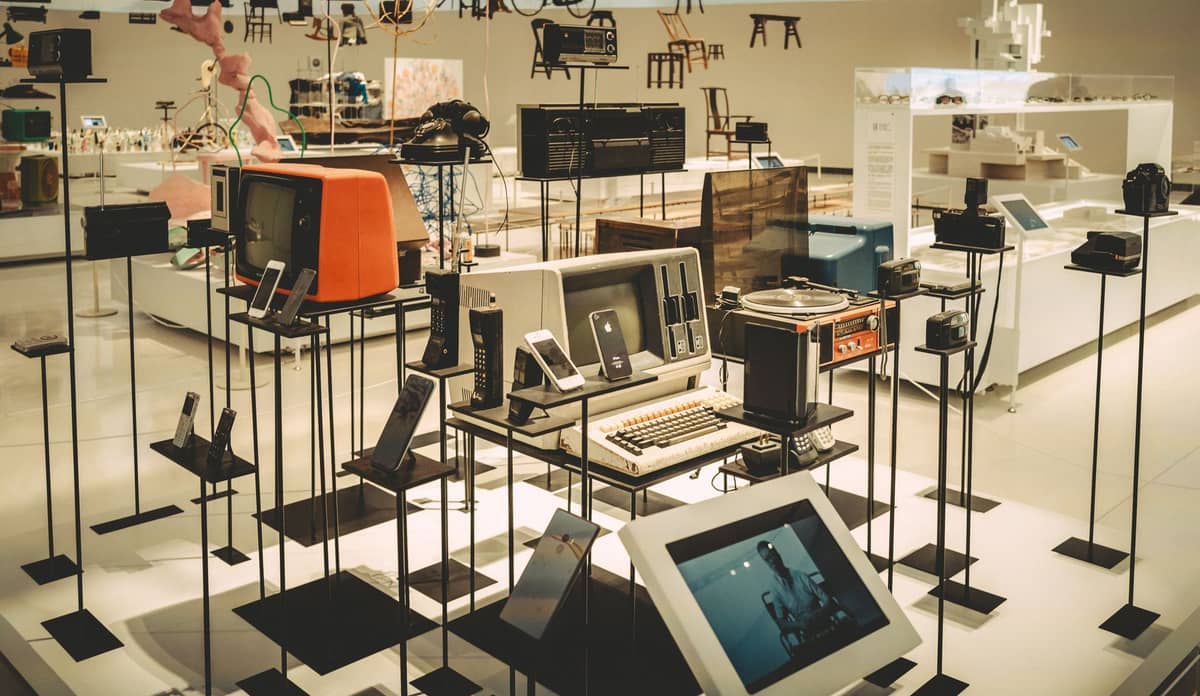
The Norwegian Museum of Science and Technology (Teknisk Museum) is the standout indoor destination for families. Located in the Kjelsås area, it combines the Oslo Science Centre and the National Medical Museum under one ticket. Pricing as of the most recent official figures: around NOK 165–190 for adults, around NOK 110–135 for children aged 4 to 17, and around NOK 490–550 for a family ticket covering two adults and up to four children. That family rate is one of the better-value deals in Oslo. The museum runs interactive exhibits on energy, industry, transport, and the human body — children can sit in cockpits, watch demonstrations, and work through hands-on science stations. Regular hours are roughly Tuesday to Friday 09:00–16:00 (with extended evening opening on Thursdays) and Saturday to Sunday 10:00–17:00; always verify the current schedule before visiting. In summer the museum generally opens daily 10:00–17:00, with specific dates published each year on its website. It is closed on 24–25 December, 31 December, and 1 January. Getting there: take bus 25 or 54 to Kjelsås, tram 11 or 12 to Kjelsås, or the regional train to Kjelsås station.
On the Bygdøy peninsula, the Norwegian Maritime Museum is a strong secondary stop, particularly for children fascinated by ships and the sea. Entry is free for anyone under 18, and adults pay NOK 180. Oslo Pass holders enter free. From 1 April to 4 October the museum is open daily 10:00–17:00; from 5 October to 31 March it runs Tuesday to Sunday 11:00–16:00. Bygdøy is roughly a 10-minute ferry or bus ride from central Oslo, and clustering multiple Bygdøy museums into one day is a practical way to manage the journey. The nearby Fram Museum and Kon-Tiki Museum add significant value for kids who want to see real polar expedition ships at close range.
- Norwegian Museum of Science and Technology Best for ages 5–14. Interactive exhibits, family ticket NOK 590. Reach via bus 25/54 or tram 11/12 to Kjelsås.
- Norwegian Maritime Museum (Bygdøy) Free for under-18s. Real boats, maritime history, great views over the fjord. Open daily April–October.
- Fram Museum (Bygdøy) The world's strongest wooden ship, preserved in full. Children can walk the decks. Check current admission prices directly.
- Munch Museum (Bjørvika) Family programs and workshops available; the building itself is architecturally dramatic. Not all exhibits suit young children, but the family floor is genuinely engaging.
- Natural History Museum (Botanical Garden) Dinosaur skeletons and geology exhibits. Free or low-cost entry, and the adjacent Botanical Garden adds outdoor space.
⚠️ What to skip
The Oslo Pass does not automatically cover every family attraction. Always verify the current list of included venues on the official Visit Oslo website before purchasing, as the partner list changes, even though major family museums like the Norwegian Museum of Science and Technology are currently included.
Outdoor Activities and Green Spaces for Families
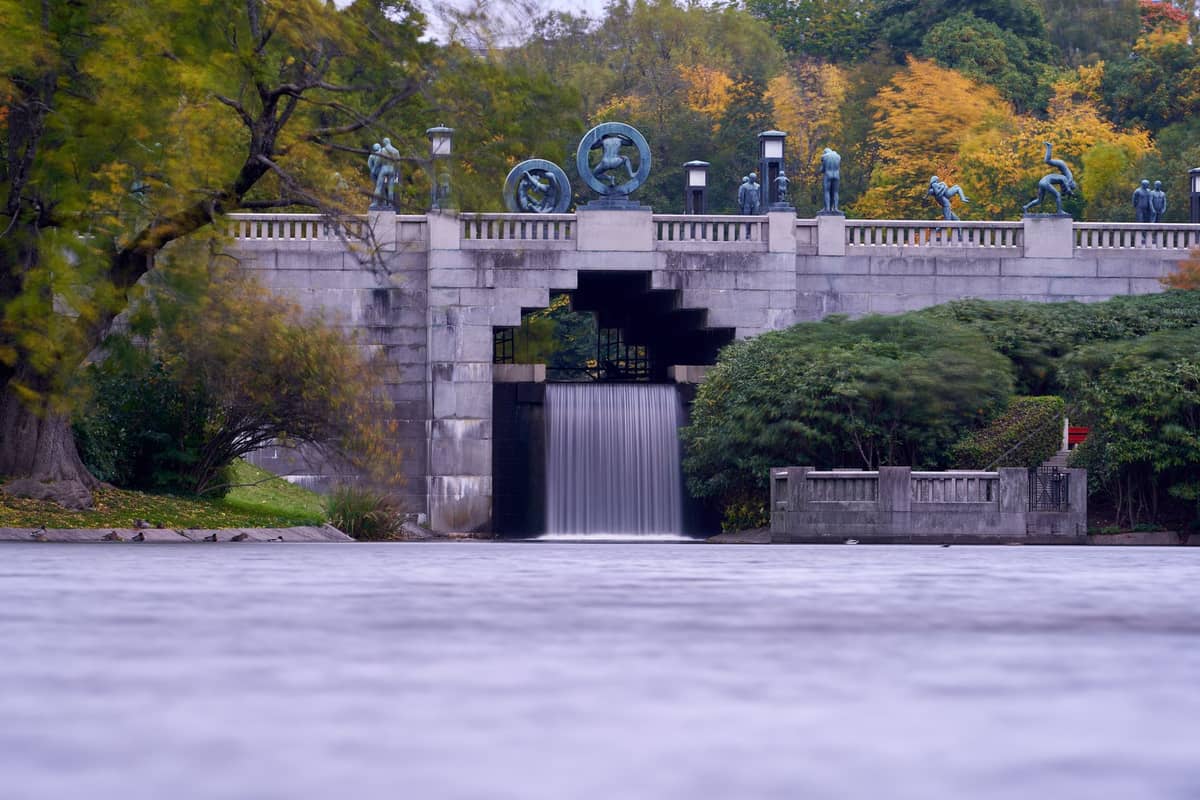
The Vigeland Sculpture Park in Frogner is Oslo's most reliably family-friendly outdoor space. Entry is free, it is open all year round 24 hours a day, and its 200-plus sculptures spread across a large landscaped park give children enormous freedom to run, climb, and explore. The famous Monolith — a 14-metre column of intertwined human figures — draws genuine curiosity from kids without any adult prompting. The park works in any season: covered in snow in January, filled with families picnicking in July. There are no queues, no tickets, and no closing time.
For active families, the Akerselva river walk threads through the city from Grunerlokka down toward the fjord, passing waterfalls, old industrial buildings, and playgrounds. It is flat enough for strollers and interesting enough to hold older children's attention. In summer, the Sorenga Sjøbad sea baths just east of the Opera House offer supervised saltwater swimming with shallow areas suitable for children. Oslo's fjord islands — reachable by public ferry from Aker Brygge — are another strong summer option: sandy beaches, open swimming, and minimal infrastructure make them feel genuinely wild despite being 15 minutes from the city center.
Older children and teenagers with energy to burn should consider Holmenkollen even outside ski season. The ski jump tower offers panoramic views over Oslo, and the adjacent Ski Museum runs year-round. In winter, the toboggan run at Korketrekkeren (the Corkscrew) is one of Oslo's genuine highlights for families: a natural bobsled track that anyone can ride with a rented sled, open when conditions allow from around December to March.
Using the Oslo Pass with Kids
The Oslo Pass is sold in 24-hour, 48-hour, and 72-hour versions. Recent official prices have been in the region of NOK 580–600 / 840–870 / 990–1,045 for adults and roughly half that for children, so always check the latest figures before buying. It covers free entry to a significant number of Oslo museums and attractions, plus unlimited travel on Ruter public transport including metro, trams, and buses within the city zones. For families doing two or more paid attractions in a day plus several public transport trips, the math usually works out in your favour.
The pass works best when you cluster visits tightly. A smart family day might run: morning at the National Museum or Munch Museum, ferry across to Bygdøy for the Maritime Museum and Fram Museum, then tram back into the city to Vigeland Park before dinner. That itinerary would cost significantly more without the pass, and the included transport removes the per-trip calculation entirely. The children's pass price is halved relative to adults, which helps when travelling with multiple children.
✨ Pro tip
Activate your Oslo Pass on the morning of your heaviest museum day, not the day you arrive. If you land in the afternoon or evening, a 24-hour pass that activates at 4pm is partly wasted. Time it to start at around 9am on your busiest day for maximum value.
Seasonal Advice for Family Visits
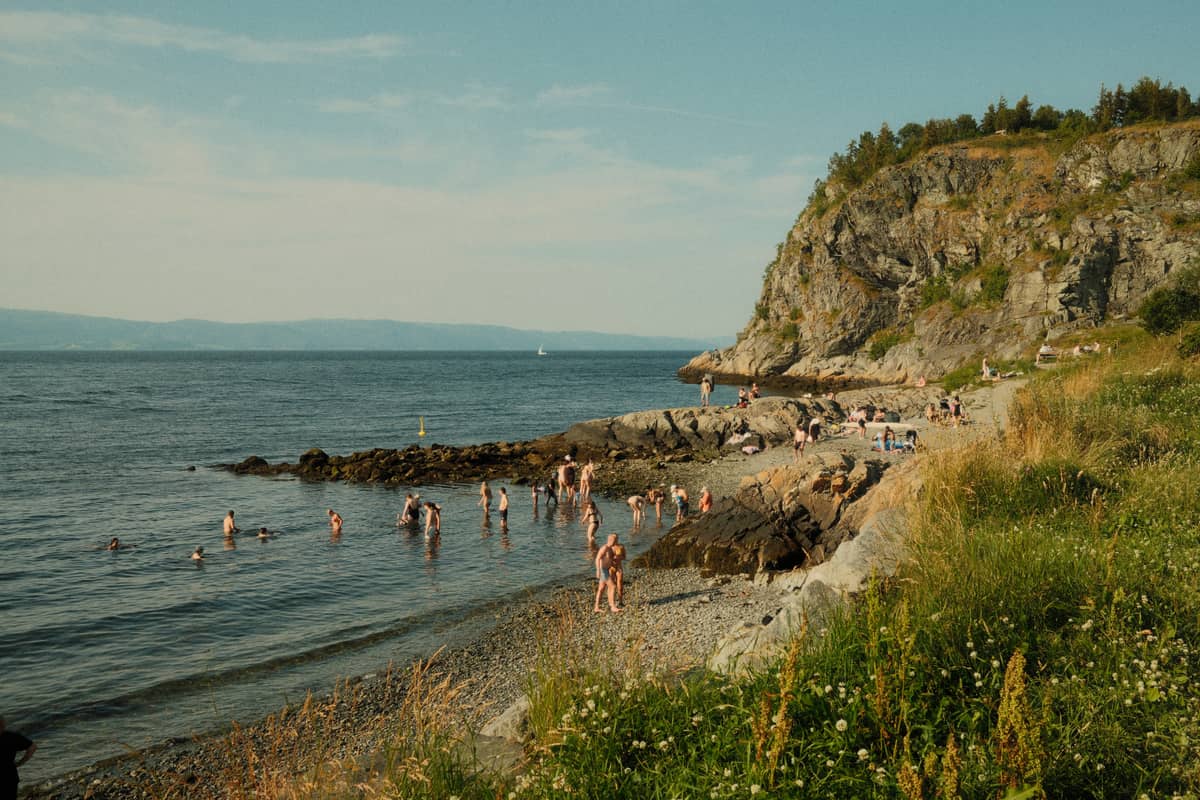
Summer (late June to mid-August) is the easiest time to visit Oslo with children. Average daytime temperatures sit around 20–22°C, daylight extends past 10pm, most museums run extended hours, and outdoor swimming at the fjord beaches is genuinely warm. The Norwegian Museum of Science and Technology switches to daily opening in late June, which removes the midweek limitation. The ferries to the Oslofjord islands run frequently, and Bygdøy's coastal path is at its best. The downside: Oslo's summer is increasingly popular with European tourists, so popular museum mornings can get crowded by 11am. Arrive at opening time for indoor venues.
Winter brings different but legitimate appeal for families. The toboggan run at Korketrekkeren, cross-country skiing trails in Nordmarka (accessible by metro line 1), and ice skating rinks around the city give children structured outdoor activity. Most major indoor museums maintain their normal hours through winter. December adds Christmas markets and festive lighting, which can make the city feel genuinely atmospheric for younger children. Temperatures typically sit close to freezing, often between -4°C and 2°C from December to February, so layering adequately is non-negotiable.
Spring (April to May) and autumn (September to October) are the shoulder seasons: fewer crowds, lower accommodation prices, and still-reasonable weather. April can be unpredictable, but May is particularly pleasant, with temperatures rising toward 12°C and the city's parks coming to life. Oslo's Constitution Day on 17 May (Syttende mai) is one of the most visually spectacular public celebrations in Scandinavia, with children's parades passing the Royal Palace. Families with older children who enjoy cultural spectacle will find it memorable, though note that the Science Museum is closed that day.
- Summer (Jun–Aug): Best for beaches, island ferries, extended museum hours, and outdoor dining. Book accommodation early.
- Winter (Dec–Mar): Best for sledding at Korketrekkeren, Nordmarka skiing, and Christmas markets in December. Pack serious cold-weather gear.
- May: Constitution Day parades on 17 May are spectacular for families. Parks are beautiful, crowds are manageable.
- Avoid: Easter week, when many Norwegians travel and some Oslo venues have reduced hours. Verify before planning museum days.
Practical Logistics for Families
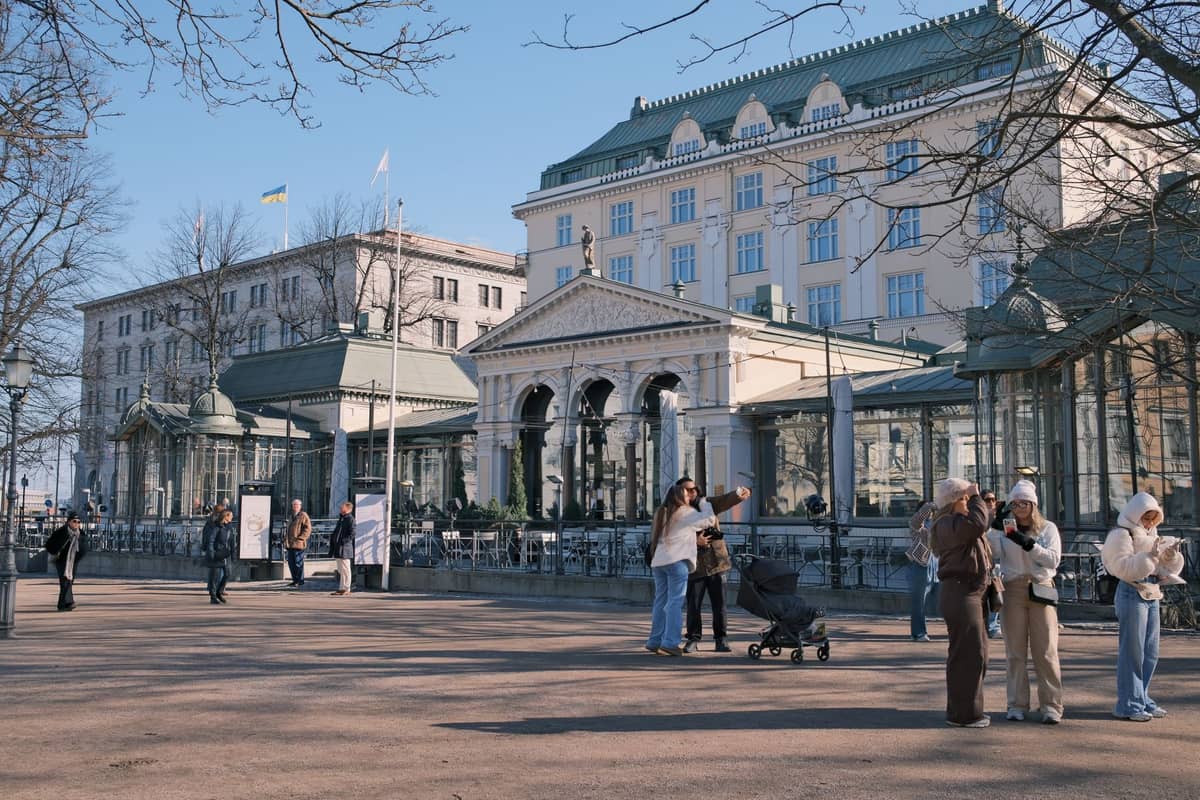
Getting around Oslo with children is straightforward. The T-bane metro covers most key family destinations, trams run through the inner city, and buses fill the gaps. Children under 6 travel free on Ruter services, while those aged 6–17 use discounted children’s tickets, and strollers are accommodated on all public transport. Ruter's app (Ruter) allows digital ticketing; the Oslo Pass handles transport automatically once activated.
Oslo's airport, Gardermoen (OSL), is about 47–50 km north of the city center. The Flytoget express train reaches Oslo Central Station in about 19 minutes. The standard Vy regional train takes slightly longer (around 23–30 minutes) but costs less. With young children and luggage, the express train is usually worth the premium for the reduced travel time. From Oslo Central Station (Oslo S), the metro and tram network branches out across the city. For accommodation, families with young children often find Frogner or central Sentrum most convenient — both put Vigeland Park, major museums, and the fjord within easy reach.
Oslo's tap water is excellent and safe to drink straight from the tap, sourced from protected mountain reservoirs. This is genuinely useful for families who would otherwise be buying bottled water constantly. Restaurants are child-friendly by norm, and Norwegian food culture is not precious about accommodating children's tastes. Tipping is not mandatory but rounding up a bill or adding 5–10% for good service is common practice.
FAQ
How much does it cost for a family of 4 to visit Oslo's museums?
Costs vary significantly by venue. The Norwegian Museum of Science and Technology charges around NOK 500 for a family ticket (2 adults + up to 4 children). The Norwegian Maritime Museum is free for under-18s with adults paying NOK 180. Many Bygdøy museums charge separately, each around NOK 180–200 per adult. The Oslo Pass (with recent 24-hour prices around NOK 580–600 adult / NOK 290–300 child) bundles multiple entries and public transport, and is often the most cost-effective option for families doing two or more paid attractions per day.
Is Oslo safe and easy to navigate with young children?
Oslo is a practical city for families. Public transport is stroller-accessible, staff at major attractions speak English, and the city is pedestrian-friendly in the center. Vigeland Park and fjord beaches are open access with no traffic concerns. As with any city, keep standard awareness in crowded areas. Tap water is safe to drink, and pharmacies are well-stocked if children need medication.
What is the best area in Oslo to stay with kids?
Frogner gives quick access to Vigeland Park and good transport links westward to Bygdøy. Central Sentrum puts you closest to the waterfront and Opera House area, with easy metro access everywhere. Both areas have supermarkets, restaurants with children's menus, and direct transport to the main family attractions. Grünerløkka is lively and has more budget-friendly accommodation, with the Akerselva river walk and Botanical Garden nearby.
Are the Oslofjord islands worth visiting with children?
Yes, particularly in summer. Islands like Hovedøya and Gressholmen are reachable by public ferry from the central harbour area (currently covered by the Oslo Pass within Ruter zone 1), and offer sandy beaches, safe shallow swimming, and open green space. The ferries run frequently from late May to September. There are minimal facilities on most islands — bring food, water, and sun protection. Children find the short ferry journey itself part of the appeal.
What can families do in Oslo in winter or bad weather?
Indoor options are strong year-round: the Science and Technology Museum, Maritime Museum, Fram Museum, and Munch Museum all operate through winter. On snow days, Korketrekkeren toboggan run in Voksenkollen is the standout family activity — a natural downhill sled track reachable by metro line 1. Nordmarka, Oslo's northern forest, has lit cross-country ski trails suitable for children. December brings Christmas markets near City Hall and at various points in the city center.
Tickets & tours
Live prices and dates from our booking partner. If you book, we may earn a commission at no extra cost to you.
Planning a trip? Discover personalized activities with the Nomado app.