What to Eat in Oslo: Norwegian Food & Local Dishes
Oslo's food scene runs deeper than open-faced sandwiches and cinnamon rolls. This guide covers the essential Norwegian dishes to try, the best food halls and restaurants to find them, seasonal specialties, and honest price expectations for 2025.
Tickets & tours
Live prices and dates from our booking partner. If you book, we may earn a commission at no extra cost to you.
TL;DR
- Norwegian cuisine in Oslo covers far more than fish: lamb stews, potato dumplings, reindeer, and sour cream porridge are equally central to the local table.
- Casual restaurant mains typically cost NOK 250–400; mid-range venues run NOK 500–800 for a main course.
- For the most concentrated sampling in one visit, Mathallen Oslo is the city's premier food hall, with Nordic producers and hot food stalls under one roof.
- Seasonal dishes matter: rakfisk (fermented trout) and lutefisk appear mainly in autumn and winter, while smalahove is a Christmas-period rarity.
- Tipping is not required in Oslo, but rounding up the bill by 5–10% is appreciated for good service.
The Core Norwegian Dishes You Should Actually Try
Norwegian food has a reputation for being bland or exclusively seafood-focused. Neither is accurate. The cuisine developed around preservation and hearty farming traditions, which means it leans on fermented, salted, and slow-cooked ingredients. In Oslo, you can access the full range, from everyday staples to old-fashioned regional specialties that rarely leave their home counties.
- Fårikål Norway's official national dish: lamb slow-cooked with whole cabbage and black peppercorns. Simple, filling, and deeply savory. It appears on menus from late summer through autumn, peaking in September when Fårikålens Dag (Fårikål Day) is celebrated.
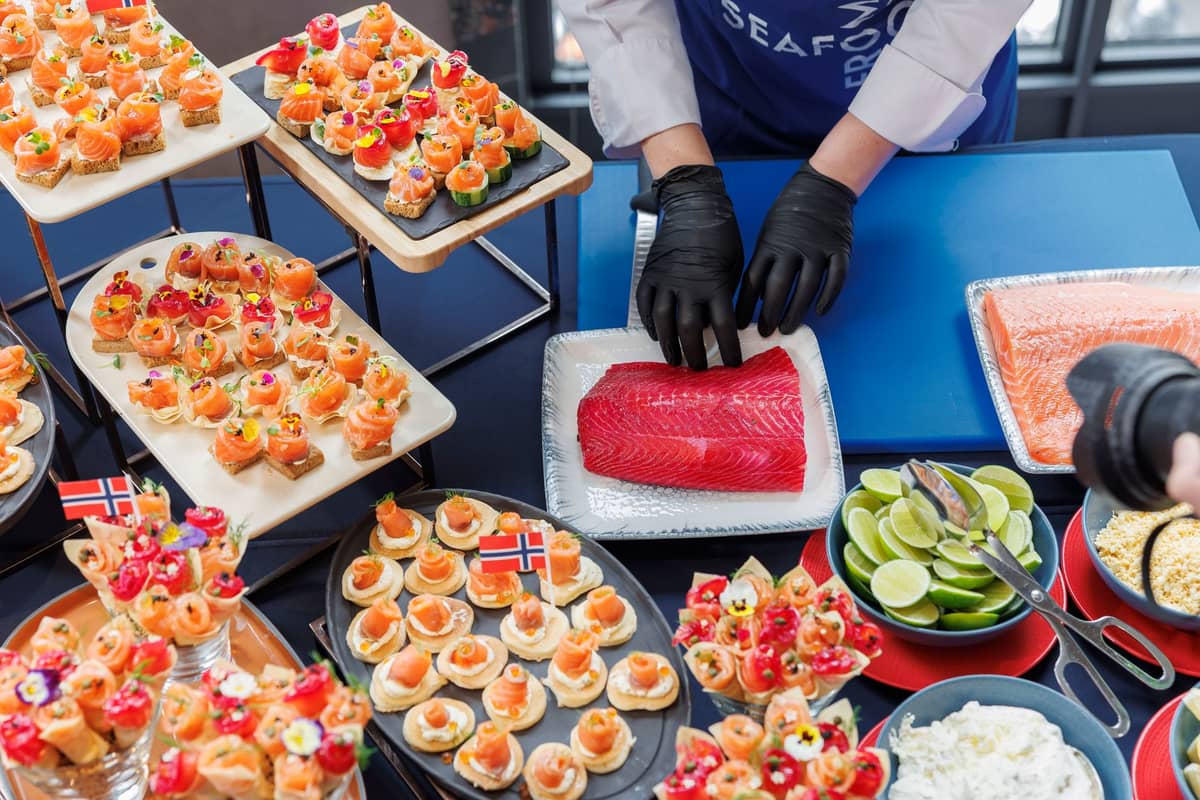
- Gravlaks Cured salmon with dill, mustard sauce, and rye bread. Found everywhere from upscale restaurants to airport cafés. The quality varies enormously: seek out versions using Norwegian Atlantic salmon rather than farmed alternatives.
- Kjøttkaker Norwegian meatballs in brown gravy, served with boiled potatoes and lingonberry jam. The everyday equivalent of comfort food. Often offered as 'dagens rett' (dish of the day) at lunch for around NOK 190–320, making it one of the most affordable traditional options.
- Raspeballer / Kompe Potato dumplings, sometimes called klubb depending on the region. Dense, filling, and polarizing for visitors unfamiliar with the texture. Typically served with salted lamb or pork and swede.
- Rømmegrøt Sour cream porridge served warm, topped with butter, sugar, and cinnamon. Historically a celebratory dish. In Oslo, it appears at traditional Norwegian restaurants and at food events; it is not common café fare.
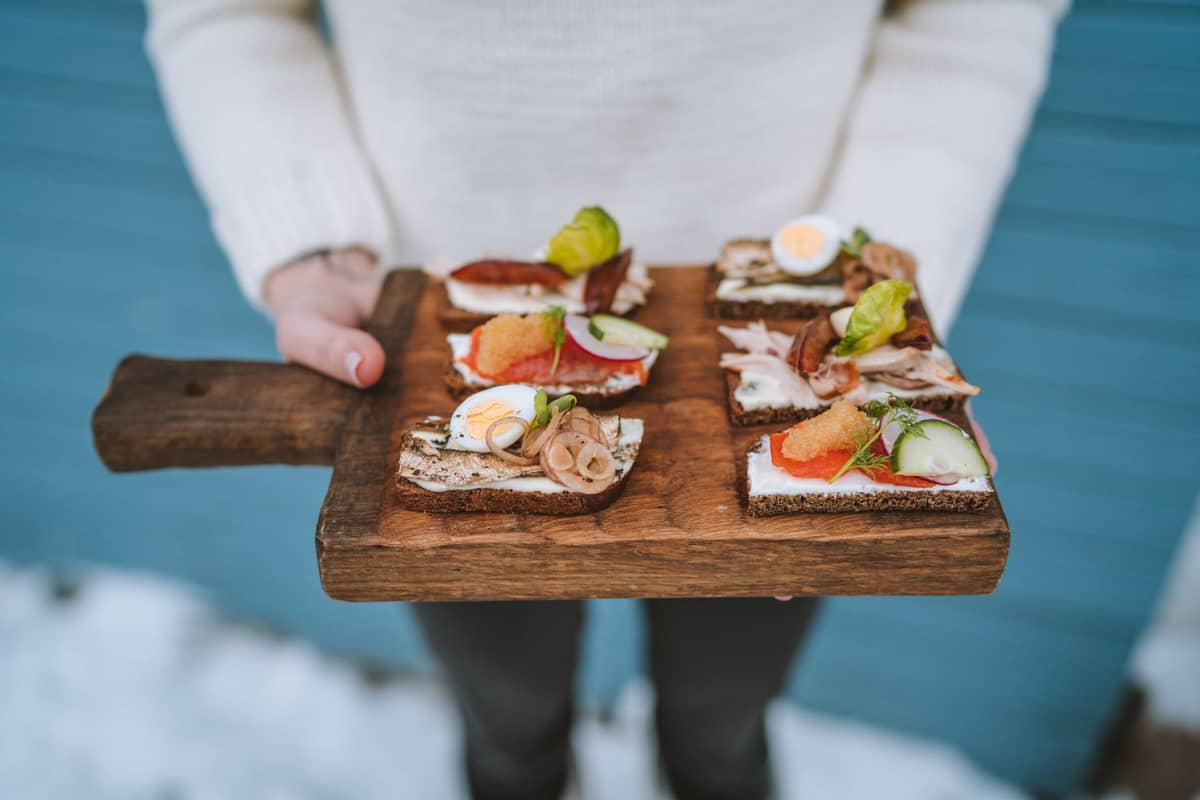
- Smørbrød Open-faced sandwiches on dense rye or sourdough bread. The toppings range from simple (butter and cheese) to elaborate (shrimp, egg, smoked salmon). A lunch staple across the city.
- Fiskesuppe Creamy fish soup, typically with salmon, cod, root vegetables, and herbs. Expect to pay NOK 180–320 for a bowl as a main course. A reliable option at seafood-focused restaurants near the waterfront.
- Reindeer dishes Finnbiff (reindeer stew with mushrooms and sour cream) and pan-fried reindeer fillet appear regularly on Oslo menus. Expect to pay NOK 320–520 for a main. The flavor is gamey and lean, closer to venison than beef.
ℹ️ Good to know
The Norwegian mains listed above represent everyday restaurant fare, not tourist recreations. Fårikål, kjøttkaker, and smørbrød are what locals actually eat. The more exotic items — rakfisk, lutefisk, smalahove — are seasonal and require some deliberate searching.
Seasonal Specialties: What to Eat and When
Several Norwegian dishes are genuinely seasonal and either disappear from menus or become impossible to find outside their traditional window. Planning around these can significantly improve your eating experience.
Rakfisk, fermented trout cured for months in salt and traditionally eaten around November, is the most pungent of the seasonal dishes. It is served cold on flatbread with sour cream, red onion, and lefse (soft flatbread). It is an acquired taste that many Norwegians either love or firmly avoid. Autumn and winter are your best window for finding it on Oslo menus.
Lutefisk, dried cod reconstituted with lye, is a December institution. The texture is gelatinous and the flavor mild, but the tradition is significant: many Norwegians eat it at least once during Christmas. Some restaurants serve it during the Christmas season. Outside that window, it essentially vanishes. Smalahove (sheep's head, often smoked and slow-cooked) is even more restricted: it is a pre-Christmas Vestland specialty that a handful of Oslo restaurants offer in December but is not available year-round.
For summer eating, the focus shifts to fresh seafood, outdoor grilling, and lighter fare. The Sørenga seafront and Aker Brygge waterfront are particularly good areas to find shrimp, oysters, and fish dishes during warmer months, when outdoor seating opens up along the fjord.
⚠️ What to skip
Lutefisk and smalahove are sometimes described as everyday Norwegian staples in travel content. They are not. Treating them as common fare will mislead visitors. Both are seasonal, occasional, and actively disliked by a portion of the Norwegian population.
Where to Eat: Food Halls, Markets, and Traditional Restaurants

Mathallen Oslo in Vulkan, on the banks of the Akerselva river in Grünerløkka, is the city's most important food hall. It brings together around 30 producers and vendors under one roof: Norwegian cheesemakers, charcuterie specialists, wine merchants, fishmongers, and hot food stalls. It is a genuine market rather than a tourist showcase, and prices are in line with quality-focused retailers rather than tourist-trap premium rates. Open Tuesday through Sunday, it is best visited for lunch on a weekday when crowds are manageable.
For traditional sit-down Norwegian food, the Sentrum area and the neighborhoods around Aker Brygge have the densest concentration of restaurants serving classic menus. Prices at dedicated traditional Norwegian restaurants tend to be higher than casual spots: starters around NOK 200–245, mains NOK 300–450, and set menus in the NOK 755–925 range per person. The quality justifies the price at the better establishments, but there are also some places near the waterfront that rely on location rather than cooking.
The Torggata and Grønland neighborhoods offer a different angle on eating in Oslo: a dense cluster of international restaurants and food shops that also stock Norwegian pantry staples alongside imported ingredients. If you want to buy kaviar (the iconic Norwegian spreadable fish roe in a tube), brunost (brown whey cheese), or knekkebrød (crispbread) to take home, these areas and local supermarkets are your best bets.
✨ Pro tip
Dagens rett (dish of the day) at lunch is how locals eat affordably in Oslo. Most traditional restaurants and cafés offer a daily special, typically a hot main with bread and sometimes a drink, for roughly NOK 180–280. It is almost always better value than ordering à la carte.
Norwegian Baked Goods and Café Culture

Oslo takes its café culture seriously, and the baked goods deserve their own category. Kanelboller (cinnamon rolls, often called skillingsbolle or kanelsnurr depending on the bakery) are the most iconic: soft, cardamom-scented, and filled with cinnamon butter. A good one costs roughly NOK 35–60 and can serve as a full breakfast. The quality varies considerably between generic chain bakeries and dedicated artisan spots.
Independent coffee roasters and bakeries are concentrated in Grünerløkka and around the Frogner and Majorstuen areas. These neighborhoods have the strongest café culture in the city, with several internationally recognized specialty roasters alongside bakeries producing Nordic-style pastries, rye breads, and seasonal buns. A standard café lunch of an open-faced sandwich and coffee runs roughly NOK 140–240.
- Kanelbolle / skillingsbolle: cinnamon roll, NOK 35–60
- Lefse: soft flatbread, eaten plain or with butter and sugar
- Knekkebrød: Norwegian crispbread, typically served with cheese or cured fish
- Brunost: brown whey cheese with a sweet, caramel-like flavor, served on bread
- Multekrem: cloudberry cream, often served as a dessert in autumn
Honest Price Guide: What Norwegian Food Costs in Oslo
Oslo is one of Europe's more expensive cities for eating out, but the gap between a poor-value meal and a good-value one is significant depending on how you approach it. The key variables are where you eat, when (lunch is consistently cheaper), and whether you order drinks, which add up quickly.
- Budget lunch (dagens rett) NOK 180–280 at casual restaurants and cafés. This is the most affordable way to eat a proper hot meal in Oslo.
- Café sandwich + coffee NOK 140–240 depending on the establishment and neighborhood.
- Casual dinner main NOK 250–400 at mid-market restaurants. A full meal with a starter, main, and non-alcoholic drink will typically reach NOK 500–600 per person.
- Traditional Norwegian restaurant (mid-range) Starters around NOK 200–245, mains NOK 300–450. Set menus NOK 755–925 per person.
- Fiskesuppe (fish soup) NOK 180–320 as a main course.
- Reindeer main course NOK 320–520 at traditional and upscale restaurants.
- Fine dining tasting menu NOK 1,500–3,000 per person at Oslo's top-end restaurants, excluding wine pairings.
- Cinnamon roll NOK 35–60 at independent bakeries; cheaper at chains.
For visitors watching costs, the Oslo on a budget guide covers broader strategies, but for food specifically: shop at supermarkets (Rema 1000, Kiwi, and Coop are the most affordable chains), use the Oslo Pass for museum access and redirect that savings to one quality dinner, and lean on daily specials at lunch rather than dinner menus.
Food Tours and Guided Tastings
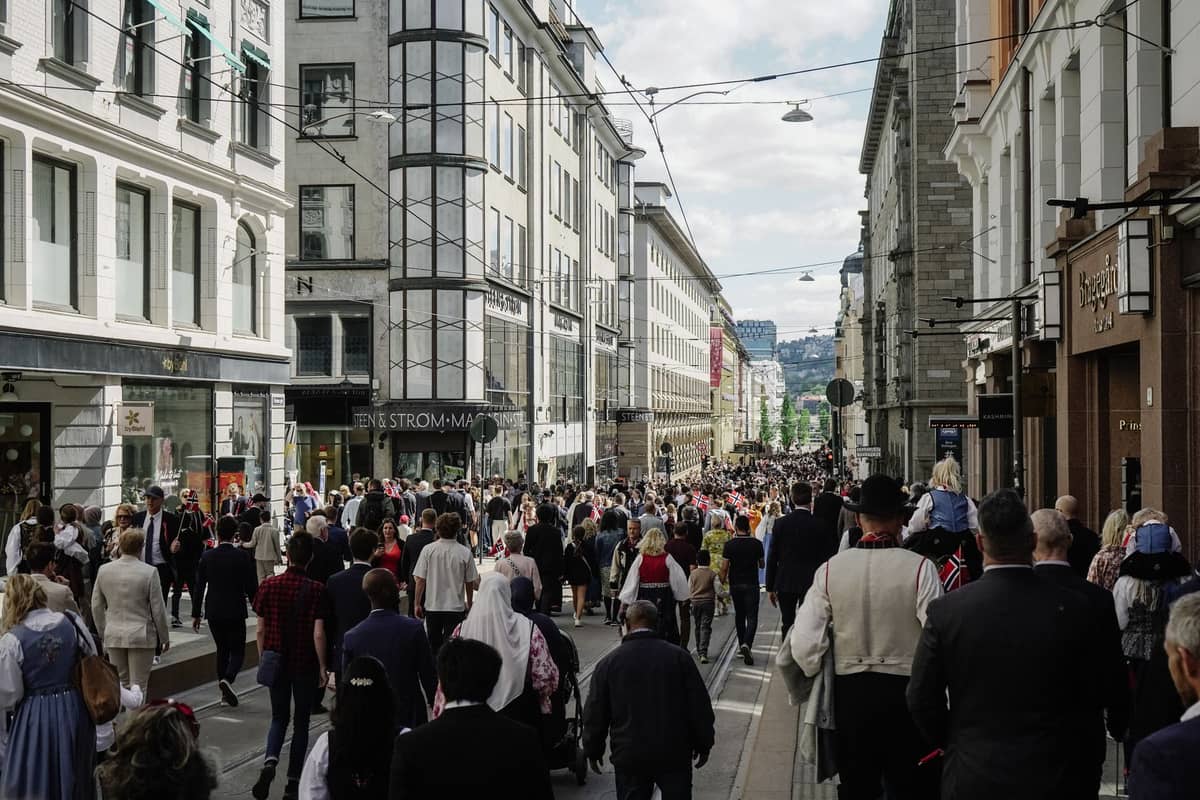
A guided food tour can be a genuinely useful way to orient yourself to Oslo's culinary landscape, particularly if you have limited time or want someone else to curate which restaurants are worth the price. One option includes tastings at several Norwegian restaurants and a local guide, with bookings made through standard online platforms.
Self-guided alternatives work well in Oslo because the food geography is reasonably walkable. A half-day route combining a stop at Mathallen Oslo for Nordic producers, a smørbrød lunch at a Grünerløkka café, and an afternoon walk along the Akerselva river toward Sentrum gives a decent cross-section of Oslo's food culture without a tour premium.
FAQ
What is the most traditional Norwegian food to try in Oslo?
Fårikål (lamb and cabbage stew) is Norway's national dish and worth seeking out in autumn. For everyday traditional food, kjøttkaker (Norwegian meatballs with brown gravy and lingonberries) and smørbrød (open-faced rye sandwiches) are more consistently available year-round and genuinely reflect how Norwegians eat.
Is Oslo food expensive for tourists?
Yes, relative to most of Europe. A casual dinner main runs NOK 250–400, and a full evening meal with drinks can easily reach NOK 700–900 per person. The most effective strategy is to eat your main meal at lunch using the dagens rett (daily special) for NOK 180–280, and save evenings for a single quality dinner rather than multiple restaurant stops.
Where is the best food market or food hall in Oslo?
Mathallen Oslo in the Vulkan area of Grünerløkka is the city's premier indoor food market, with around 30 vendors covering Norwegian cheeses, charcuterie, seafood, specialty produce, and hot food. It's open Tuesday to Sunday and is worth a dedicated visit rather than a quick pass-through.
Can I find Norwegian food that isn't seafood?
Absolutely. A significant portion of traditional Norwegian cuisine is meat-based: fårikål uses lamb, finnbiff is reindeer stew, kjøttkaker are meatballs with brown gravy, and raspeballer (potato dumplings) are typically served with salted lamb or pork. Visitors who don't eat fish will find plenty of options at traditional Norwegian restaurants.
What Norwegian foods are only available in winter?
Rakfisk (fermented trout) peaks in November and through winter. Lutefisk (lye-cured dried cod) appears mainly in December and early January. Smalahove (smoked sheep's head) is a pre-Christmas specialty found at a handful of Oslo restaurants in December but not at other times of year. Rømmegrøt (sour cream porridge) is available more broadly but is most common at winter and Christmas markets.
Tickets & tours
Live prices and dates from our booking partner. If you book, we may earn a commission at no extra cost to you.
Planning a trip? Discover personalized activities with the Nomado app.