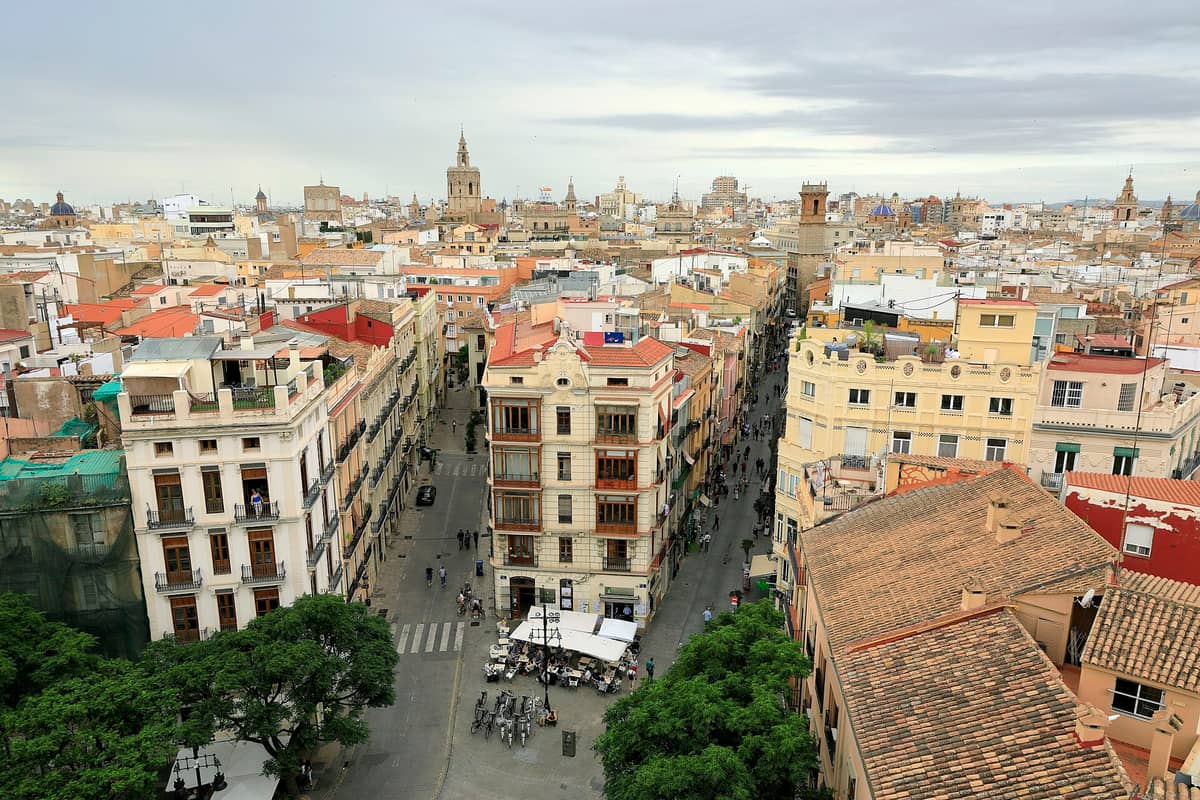
Valencia's Centro Histórico, officially the district of Ciutat Vella, is the medieval heart of the city. Largely following the footprint of the 14th-century city wall, it holds the cathedral, the Silk Exchange, two surviving Gothic gates, and six distinct barrios that each carry their own personality.
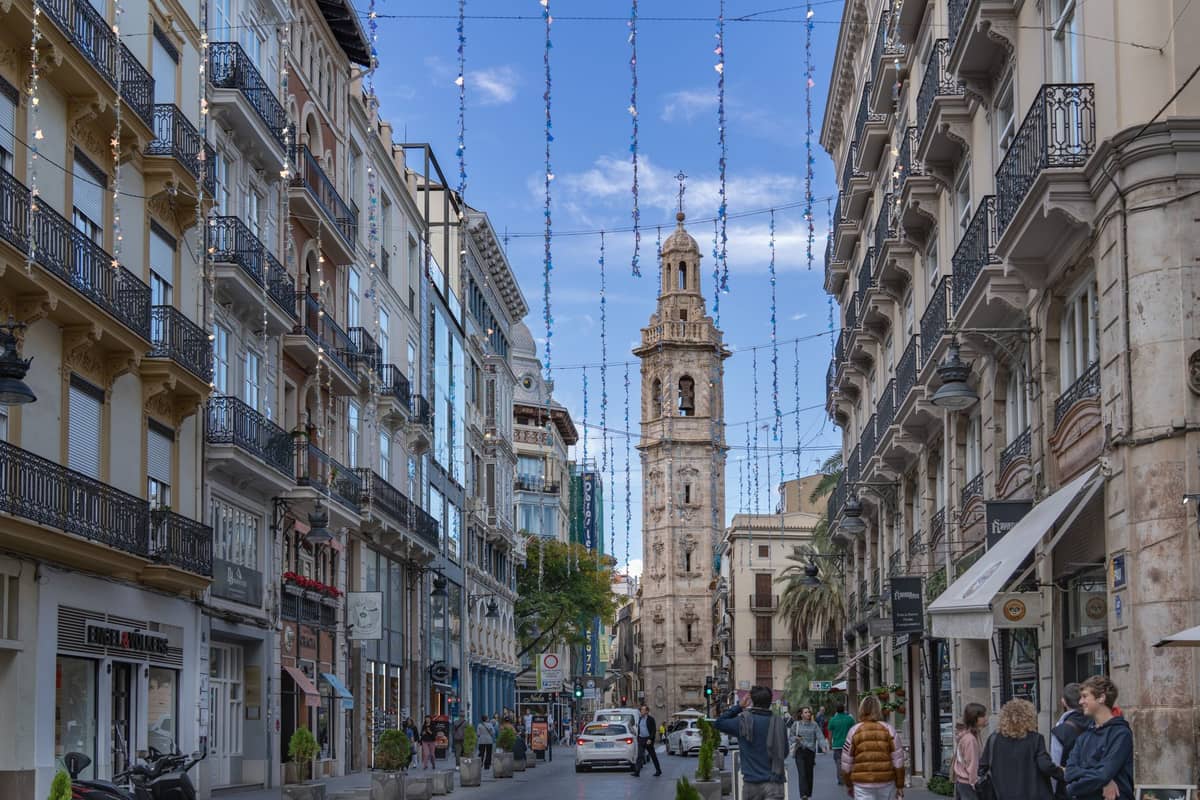
Valencia's Centro Histórico is where the city began, and the medieval street plan still dictates the way you move through it. Narrow lanes open without warning onto stone plazas, Gothic towers mark the skyline, and the weight of two thousand years of history sits right alongside a café terrace or a student bar. This is the neighborhood that most first-time visitors come to see, and it earns the attention.
Orientation
The Centro Histórico corresponds to the municipal district of Ciutat Vella, which translates literally as 'old city.' It occupies the ground enclosed by Valencia's 14th-century defensive wall, and that footprint still defines its shape today. The district is not large: you can walk its longest axis, from the Torres de Serranos in the north to the Plaza del Ayuntamiento in the south, in under twenty minutes.
The boundary streets form a rough oval. To the south and south-east, Calle Xàtiva and Calle Colón act as a modern ring road. To the west, Calle Guillem de Castro runs alongside what was once the wall's defensive ditch. To the north and north-east, the old Turia riverbed, now the Jardí del Túria park, separates Ciutat Vella from the Extramurs and Benimaclet districts. These boundary streets are where you will find the main metro stations and bus corridors that feed the historic centre.
Inside this oval, Ciutat Vella divides into six official barrios: El Carmen in the north-west, La Seu and La Xerea in the centre and east, El Mercat around the central market, El Pilar to the north, and Sant Francesc in the south anchored by the Plaza del Ayuntamiento. Each has a subtly different character, and understanding which part of the centre you are in helps enormously with navigation. The main arteries are Calle Caballeros running east-west through El Carmen, Calle San Vicente Mártir cutting south from the cathedral toward the town hall square, and Calle de la Paz connecting the historic core to the modern Eixample district to the east.
The Centro Histórico sits centrally within Valencia's wider geography. The beach neighbourhood of El Cabanyal lies roughly 4 kilometres to the east. The creative barrio of Ruzafa begins just south of Calle Xàtiva. The Jardí del Túria park, one of the city's best assets for walking and cycling, borders the district to the north and connects directly to the Ciudad de las Artes y las Ciencias complex further downstream.
Character & Atmosphere
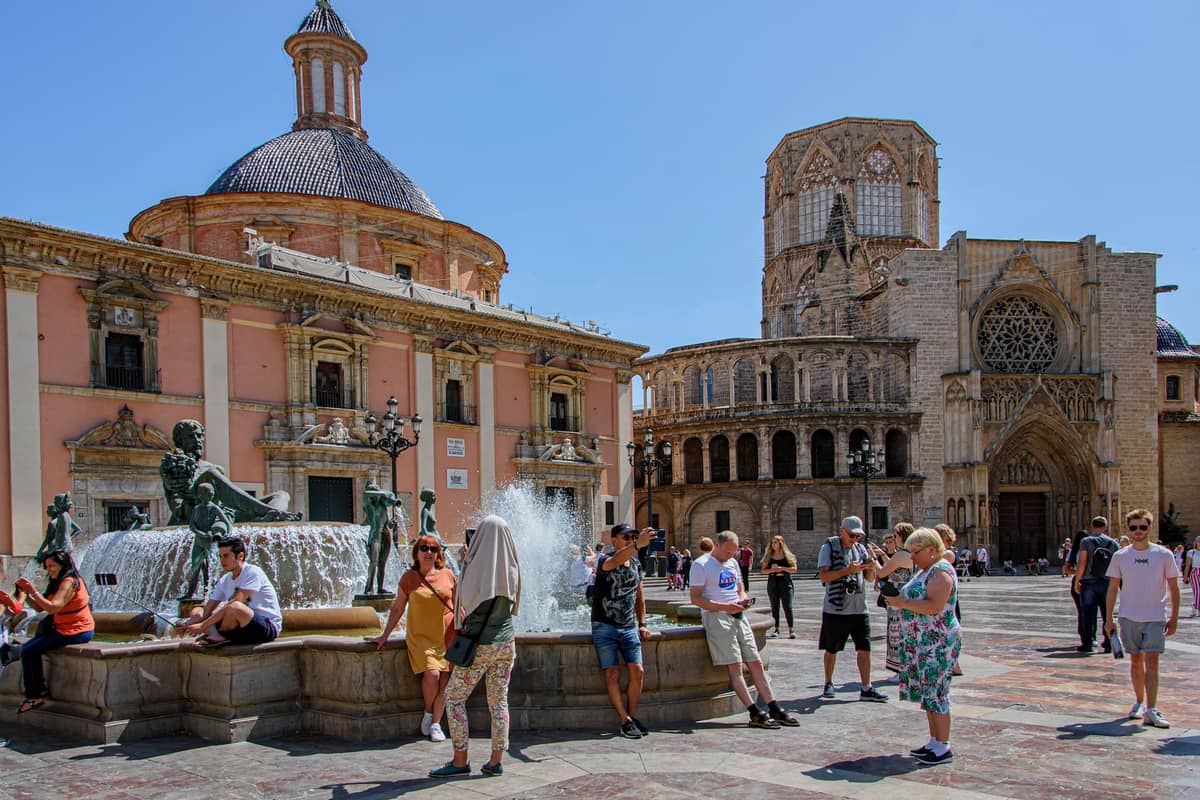
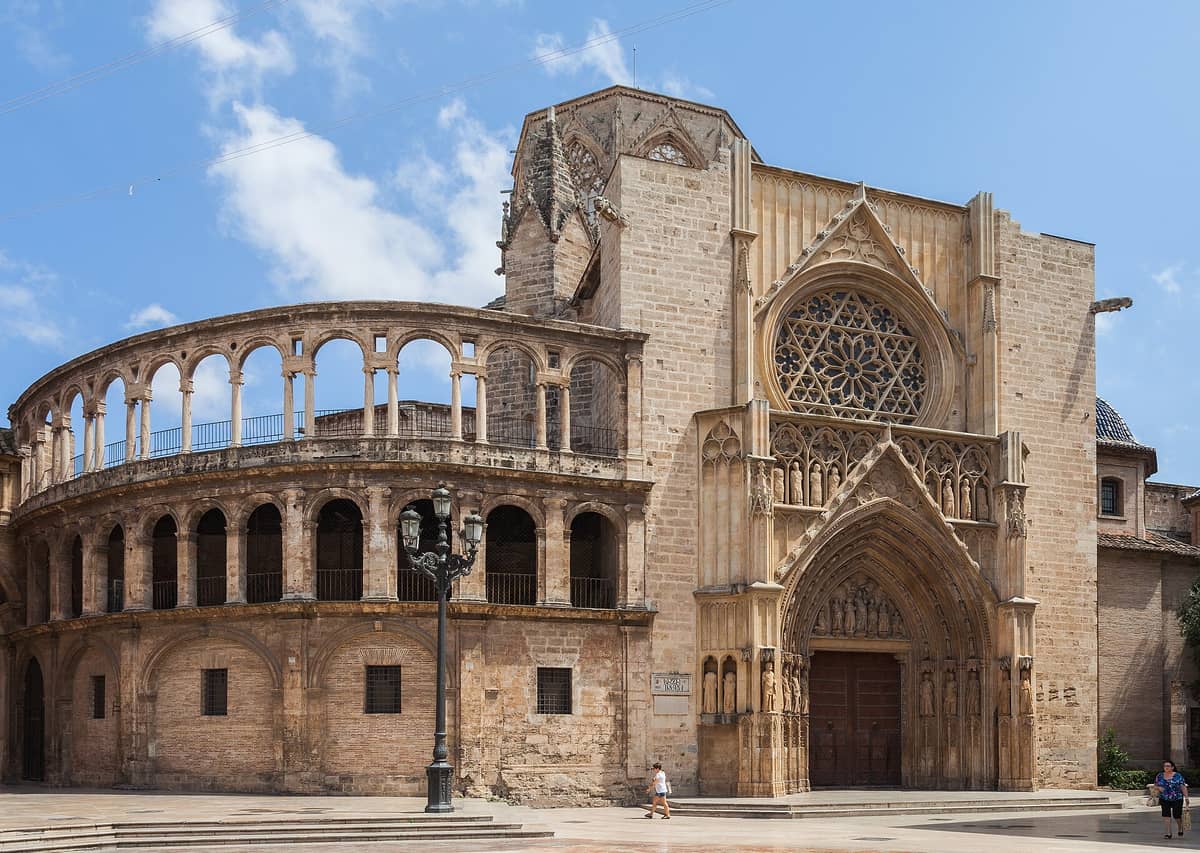
Mornings in the Centro Histórico belong to locals. By eight o'clock, the streets around the Mercat Central are already purposeful: delivery crates stacked by side doors, market vendors arranging produce under the iron arches, pensioners on the benches of the Plaza de la Virgen with a coffee. The light at this hour comes in low from the east, catching the pale stone of the cathedral facade and the carved portal of La Lonja. It is probably the best time to be in this part of the city, before the tour groups arrive and when the spaces feel proportionate to the people in them.
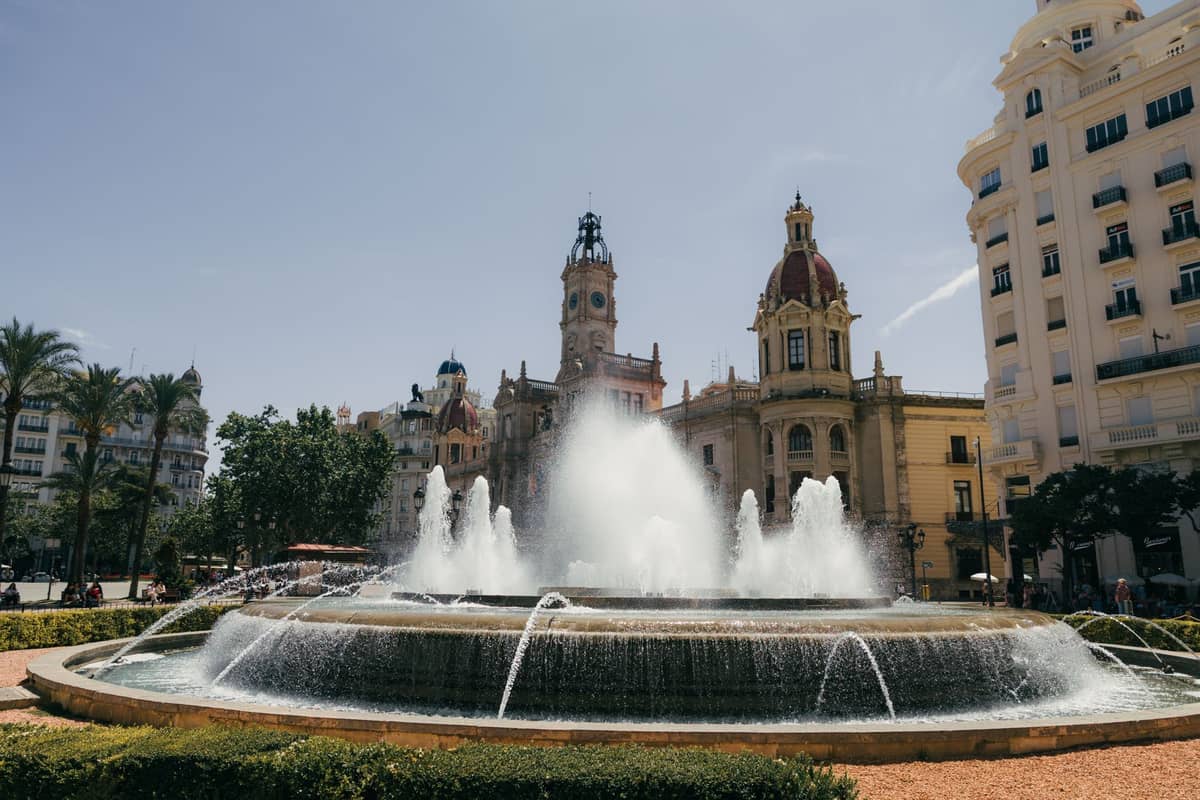
By mid-morning the tempo shifts. The main squares, Plaza de la Reina and Plaza del Ayuntamiento, fill with visitors. Calle San Vicente becomes a stream of people moving between the cathedral and the market. The tourist pressure is real and concentrated along a fairly predictable axis: cathedral, market, silk exchange. Stray one street off this corridor, into the lanes of El Carmen or down toward the Plaza de Manises, and you immediately find a quieter version of the same city.
El Carmen, the north-western barrio, has the most layered atmosphere. It went through decades of neglect and then gradual gentrification, and the result is a neighbourhood where a Baroque church wall might back up against a small gallery or a bar playing electronic music after midnight. The streets here, particularly around Calle Alta and Calle Baja, are narrow enough that two cars cannot pass, and they stay relatively cool even in July. Student life, independent shops, and a genuine bar culture coexist in a way that feels less manufactured than in some other European old towns.
After dark, the character of the Centro Histórico splits by sub-neighbourhood. The area around Plaza de la Virgen and La Seu is largely quiet by ten at night, the tour buses gone and the illuminated Gothic facades looking almost theatrical in the floodlights. El Carmen, by contrast, is reliably animated on weekends until the early hours. The streets between Calle Caballeros and the Torres de Quart concentrate a lot of bars, and the noise levels on Friday and Saturday nights are significant. Light sleepers staying in this specific part of the district should factor this in.
💡 Local tip
To see the Centro Histórico at its best, arrive at the Mercat Central before 9am on a weekday. The market is at full activity, the plaza is uncrowded, and the morning light on La Lonja de la Seda directly opposite is exceptional.
What to See & Do
The density of significant architecture in Ciutat Vella is genuinely unusual for a city of this size. Within a ten-minute walk you can move from a Roman archaeological site to a Gothic cathedral to a Renaissance palace to a Baroque church. The challenge is not finding things to see, it is pacing yourself across them.
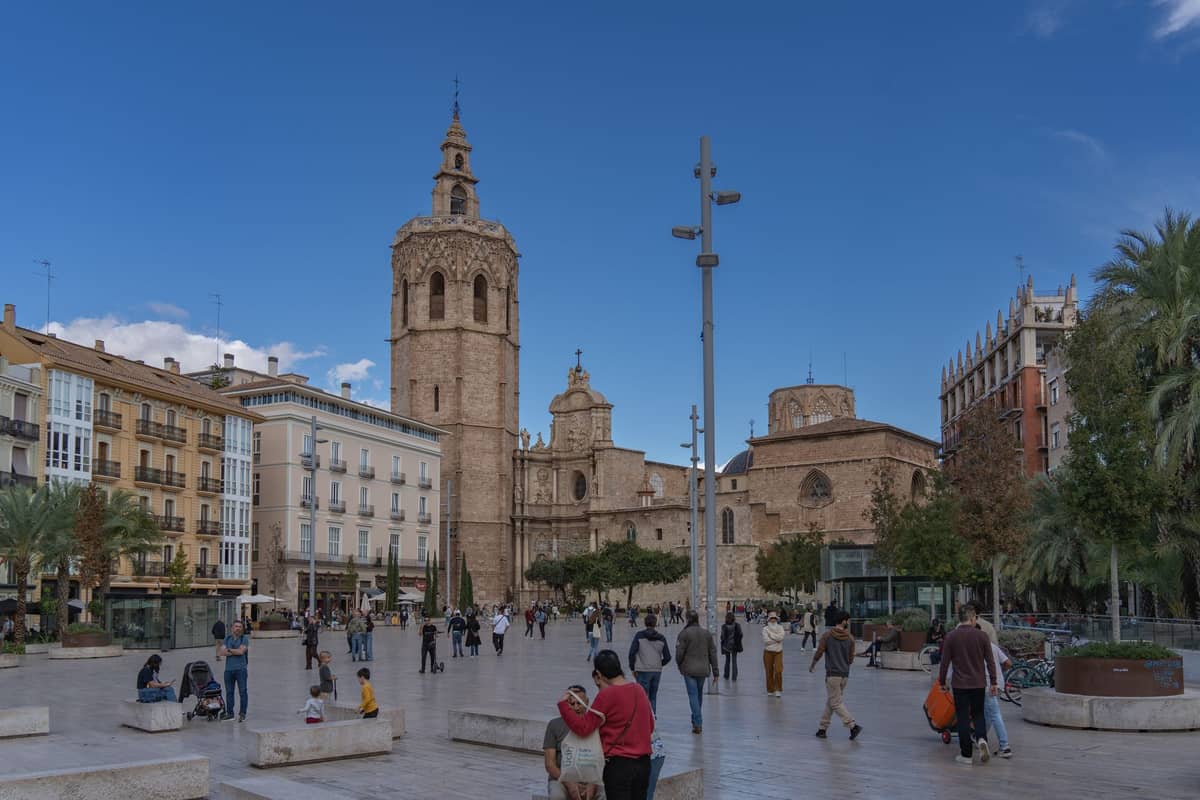
The Catedral de Valencia is the obvious starting point and genuinely worth the time. Built between the 13th and 15th centuries on the site of a mosque (which itself stood on a Visigothic church), it is an architectural record of successive periods rather than a unified design. The octagonal bell tower, El Micalet, offers the best elevated view of the old city roofline and is climbable for a modest fee. The cathedral also claims to hold the Holy Grail, displayed in a side chapel, which makes it a pilgrimage site as well as an architectural one.
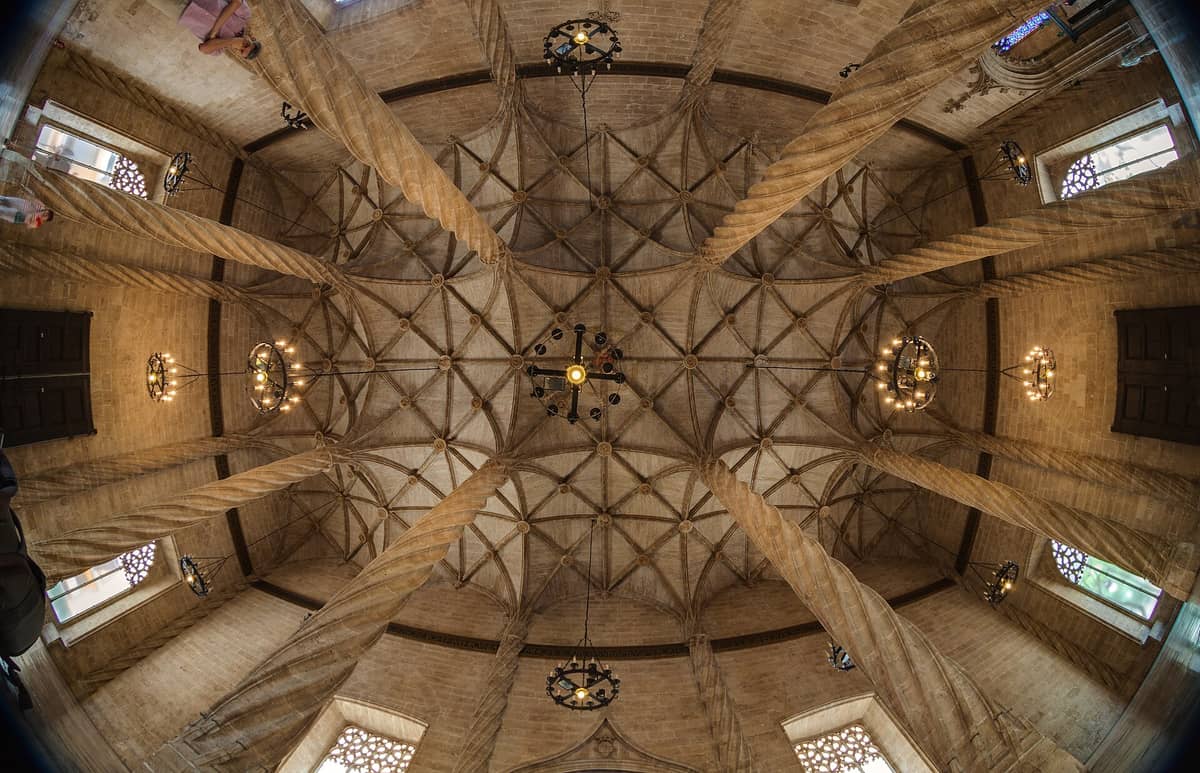
A short walk south-west from the cathedral brings you to La Lonja de la Seda, the 15th-century silk exchange and a UNESCO World Heritage Site. The interior of the trading hall, with its twisted helical columns rising to the vaulted ceiling, is one of the most impressive Gothic spaces in Spain. It is often less crowded than the cathedral and arguably more architecturally refined.
The two surviving gates of the medieval wall provide the northern bookends of the old city. The Torres de Serranos face the Turia park and were once the city's ceremonial entrance from the north. The Torres de Quart on the western edge still bear the impact marks of French artillery from the Napoleonic siege of 1808. Both are open to visitors and offer elevated views over the surrounding streets.
Centro del Carme Cultura Contemporània: a contemporary art centre housed in a former convent in El Carmen, with a Gothic cloister and rotating exhibition spaces
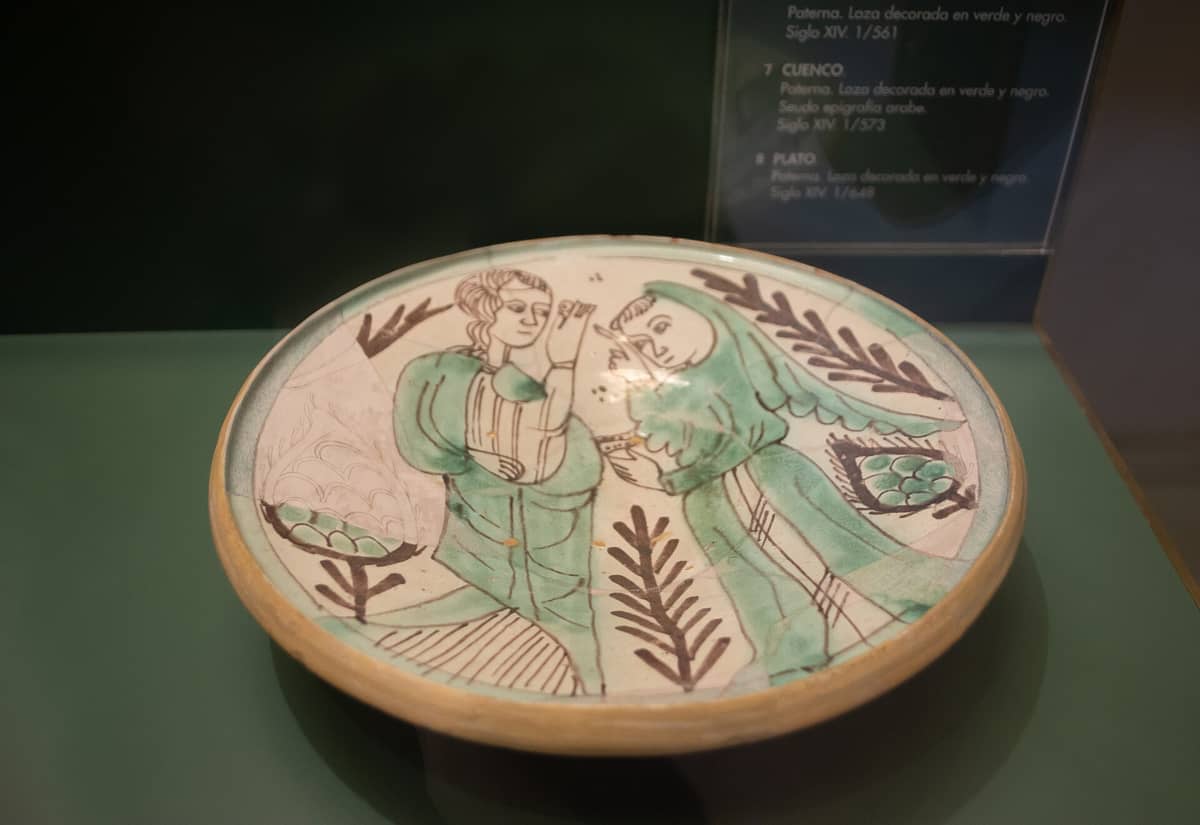
Museo Nacional de Cerámica: the extraordinary 18th-century Palacio del Marqués de Dos Aguas, with a wildly ornate alabaster portal, houses Valencia's national ceramics collection
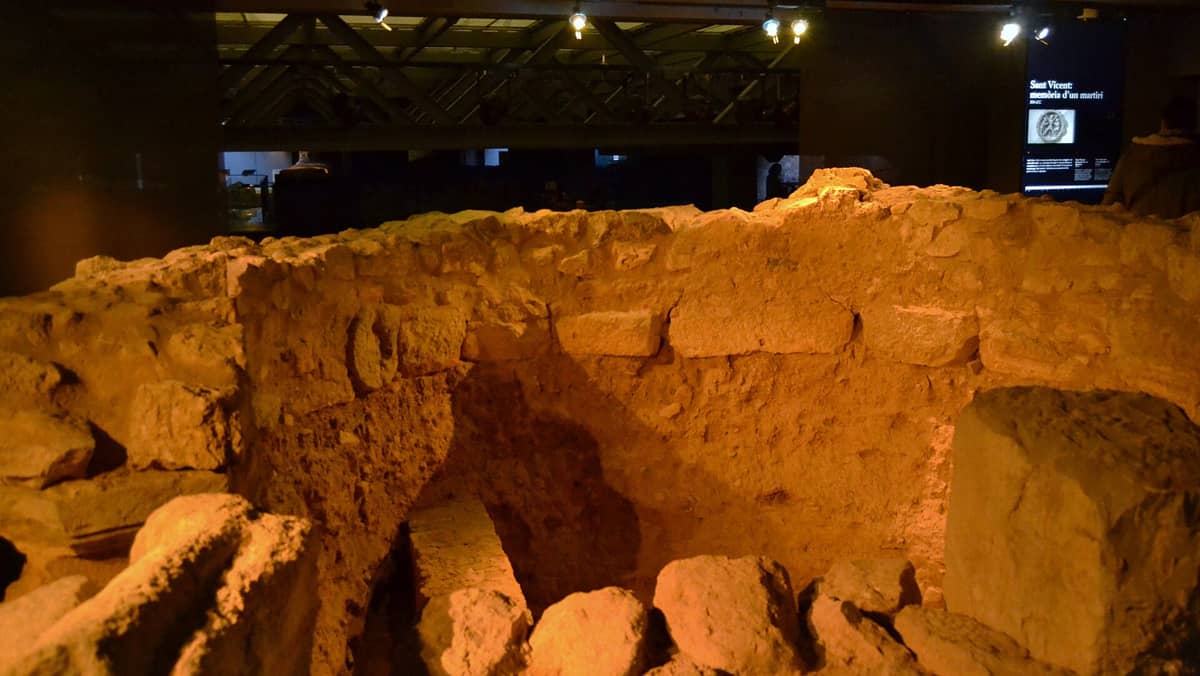
Centro Arqueológico de l'Almoina: underground archaeology beneath the Plaza de la Almoina, revealing Roman, Visigothic and Islamic remains
Basílica de la Virgen de los Desamparados: adjacent to the cathedral on Plaza de la Virgen, holds the city's most venerated religious image
Iglesia de San Nicolás: a Gothic church interior almost entirely covered in trompe-l'oeil frescoes, sometimes called the Sistine Chapel of Valencia
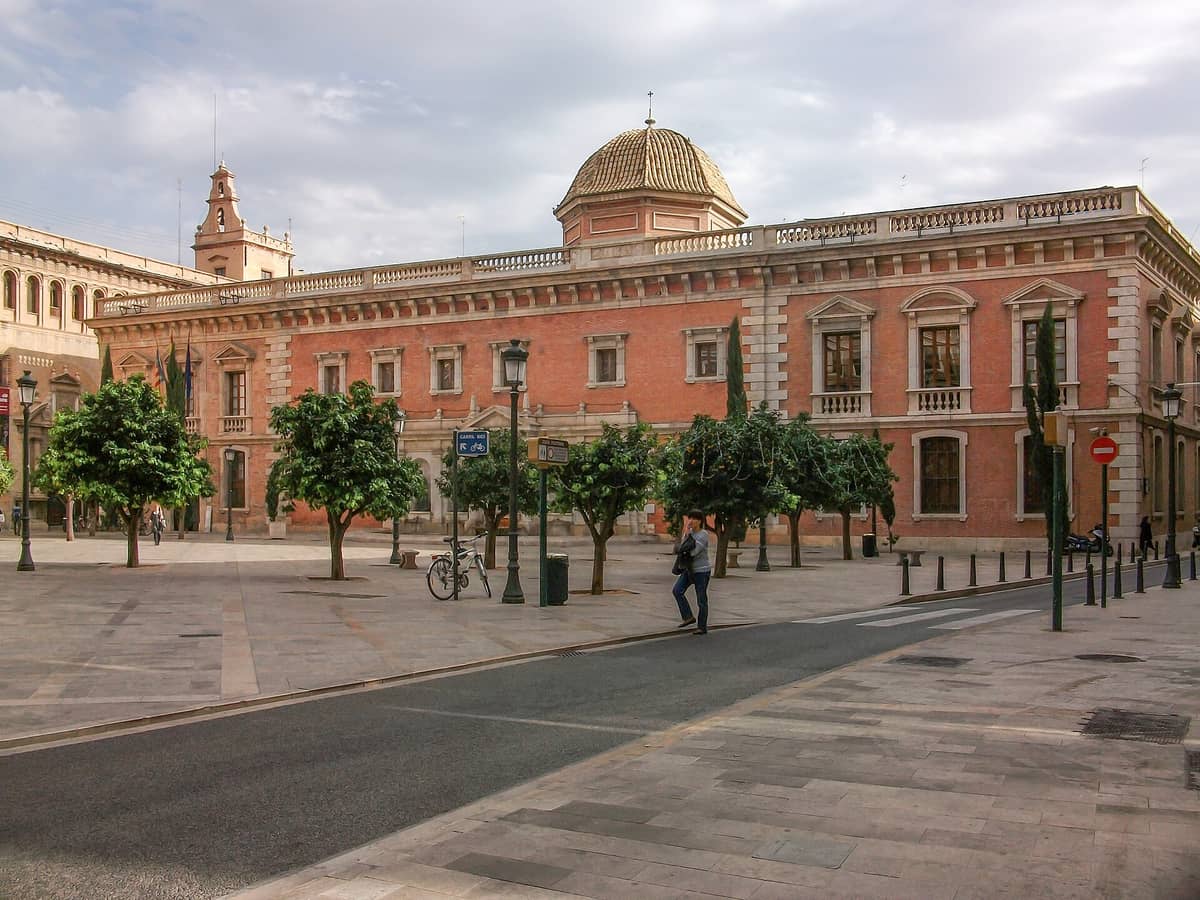
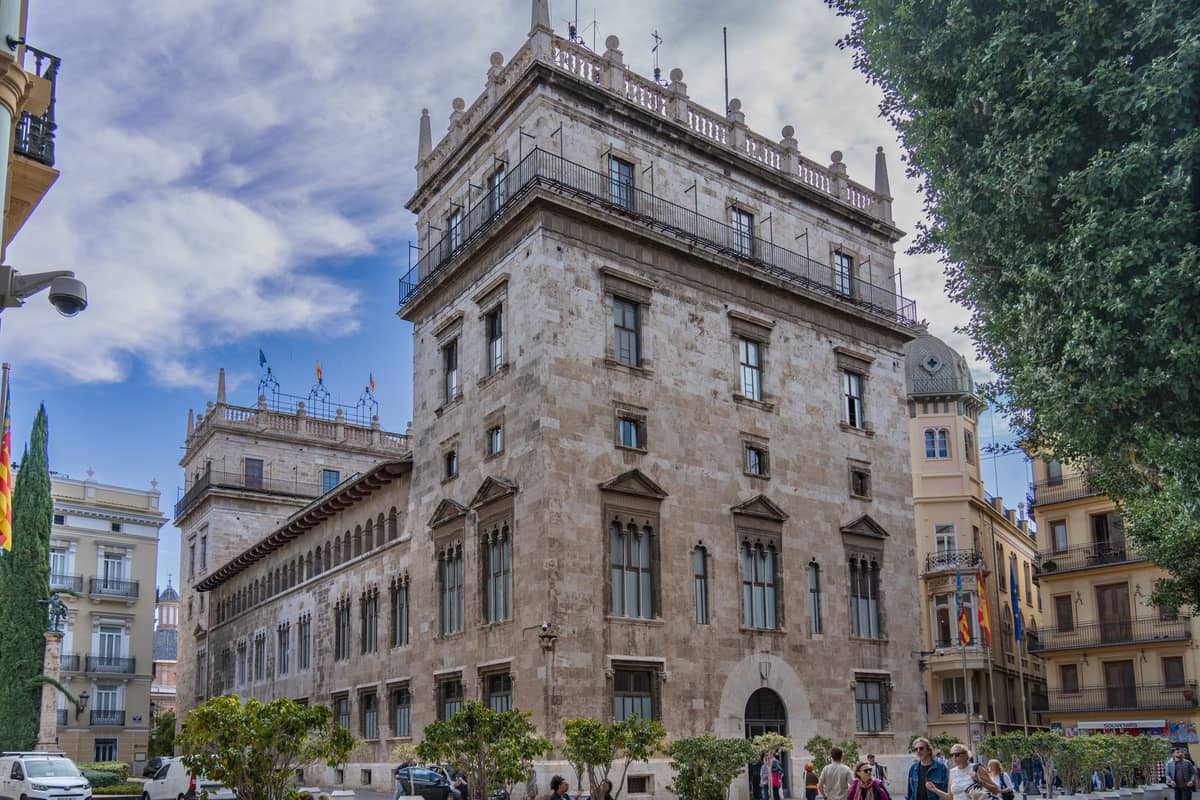
Palacio de la Generalitat: the 15th-century seat of the Valencian government, one of the finest Gothic civic buildings in the region
For those wanting a structured route through all of this, a walking tour of Valencia's old city is the most efficient way to connect the major sites without missing the connecting tissue between them.
Eating & Drinking
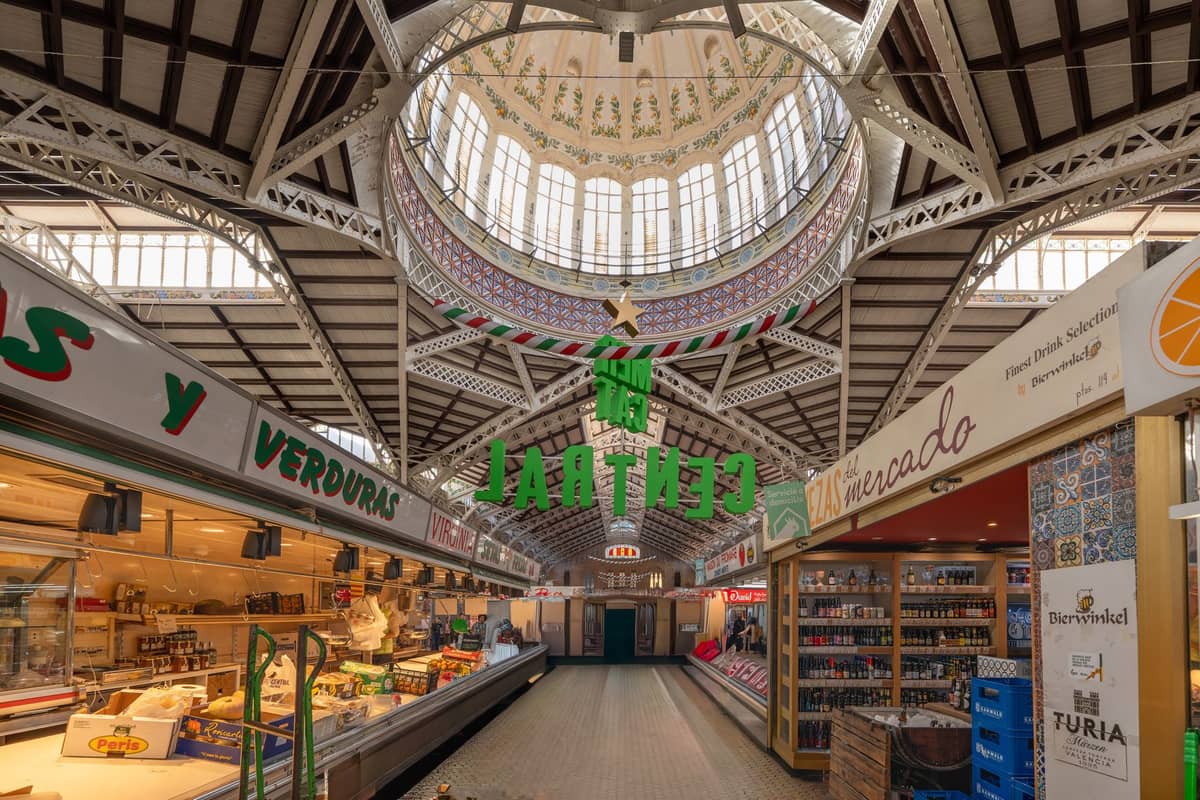
The Mercat Central is the single most important food institution in the Centro Histórico, and arguably in the whole city. Built in the early 20th century in a Modernista style with a domed central hall and elaborate tile and ironwork, it sells fresh produce, meat, fish, cheese, spices and prepared foods across nearly 400 stalls. For visitors, the ground floor bars inside the market serve espresso and fresh juice to the market workers from early morning, and this is a considerably more authentic breakfast experience than the tourist cafés clustered around the adjacent plaza.
The streets immediately around the market, particularly in El Mercat barrio, support a dense cluster of restaurants aimed at both market workers and lunch-hour office crowds. These tend to offer good-value menú del día lunches from around 12 euros, typically three courses with wine. The quality is honest rather than destination-level: these are places where people eat every day. Calle Mosén Femades and the streets behind the market toward the Torres de Quart are worth exploring for this kind of straightforward Valencian cooking.
For paella specifically, the Centro Histórico is not the best neighbourhood in Valencia. Most restaurants serving paella in the tourist squares around Plaza de la Reina and Plaza de la Virgen are oriented toward visitors rather than locals, and the quality is variable at best. Serious paella in Valencia is eaten at lunchtime, traditionally on Sundays, and often better found in the Albufera coastal villages or in restaurants that specifically specialise in rice dishes. The guide on finding the best paella in Valencia covers this in more detail.
El Carmen has the most interesting bar and café scene within the Centro Histórico. The neighbourhood around Calle Caballeros and the streets connecting it to the Torres de Quart supports a mix of old-school neighbourhood bars, craft beer venues, and cocktail bars that fill from around 9pm on weekends. The density of options means this strip can get loud and crowded, but it is also genuinely local in a way that the areas immediately around the main tourist squares are not.
ℹ️ Good to know
Valencia's horchata, a cold drink made from tiger nuts (chufa), is a local specialty worth trying. Several traditional horchaterías operate in and around the Centro Histórico and serve it with fartons, an elongated sweet bread for dipping.
Getting There & Around
The Centro Histórico is served by two Metrovalencia stations on its southern edge: Xàtiva and Colón, named after the boundary streets they sit on. Both are within comfortable walking distance of all the main landmarks. Xàtiva station, at the south-western corner of Ciutat Vella, is the more useful entry point if you are arriving from the train station at Joaquín Sorolla or from the Eixample. Colón station, on the south-eastern edge, is better if you are coming from the city's modern commercial centre or from Ruzafa.
Metro lines 3 and 5 serve both stations and connect the historic centre to Valencia Airport (approximately 20 minutes from the airport station). The journey from the airport to Xàtiva or Colón costs a modest fare on a standard zone ticket; current prices should be confirmed on the Metrovalencia website before travel. The metro runs from roughly 05:00 to 00:30 at weekends, slightly shorter hours on weekdays.
The interior of the Centro Histórico itself is largely pedestrianised or traffic-restricted, which makes it genuinely pleasant to navigate on foot. The medieval street grid does not follow a logical pattern, and even with a map it is easy to take a wrong turning, but the district is compact enough that disorientation is never serious. Most visitors find the best approach is to orient by the two landmarks visible above the roofline: El Micalet tower near the cathedral and the twin towers of the Torres de Serranos to the north.
Cycling into the Centro Histórico is possible but requires attention to restricted zones and the narrow medieval lanes. The Jardí del Túria park, which runs along the northern edge of Ciutat Vella, is an excellent cycling route connecting the historic centre to the Ciudad de las Artes y las Ciencias and beyond. The guide to cycling the Turia Garden explains how to make the most of this route.
⚠️ What to skip
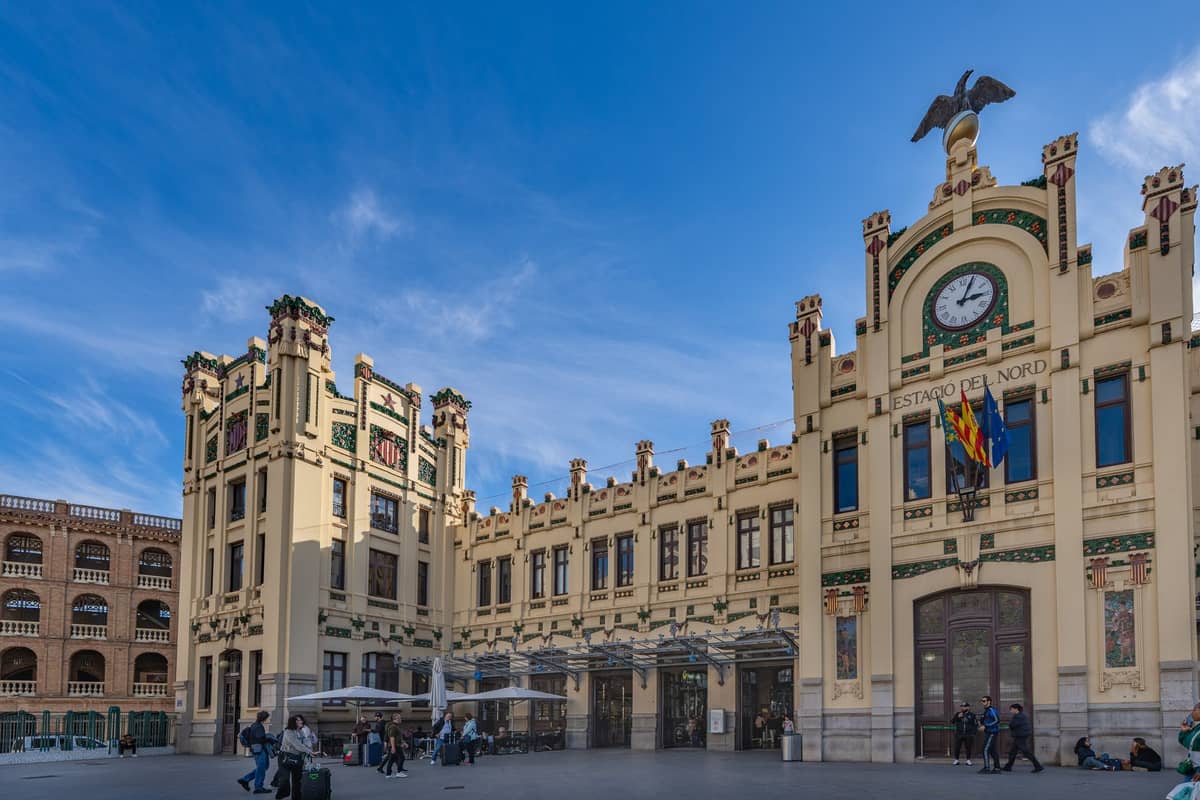
Vehicle traffic in the Centro Histórico is heavily restricted but not eliminated, and the southern boundary streets (Xàtiva and Colón) carry fast-moving city traffic. Use the designated pedestrian crossings, particularly when arriving from the train station at Estació del Nord, where multiple lanes of traffic separate you from the old city entrance.
Where to Stay
Staying in the Centro Histórico puts you within walking distance of the city's principal monuments and within reach of the metro for day trips further afield. The trade-off is noise, primarily in El Carmen on weekend nights, and the fact that the neighbourhood is significantly more tourist-oriented than, say, Ruzafa or the Eixample.
The best location for most visitors within Ciutat Vella is around La Seu or La Xerea, the central and eastern barrios. These areas are quiet enough at night, close to both the cathedral and the market, and within a few minutes walk of the Colón metro. Hotels and apartments in El Carmen are well-positioned for the bar scene but will not suit light sleepers on Friday or Saturday nights.
Accommodation options range from budget hostels aimed at backpackers (concentrated in El Carmen) through mid-range hotels in converted historic buildings to a small number of boutique properties in the La Seu barrio. There are very few large international chain hotels inside the historic perimeter; the area's narrow streets and listed buildings limit new construction. For a full comparison of where to stay across Valencia's different neighbourhoods, the guide on the best areas covers the trade-offs in detail.
For a wider view of how the Centro Histórico fits into Valencia's accommodation landscape, see the guide on where to stay in Valencia which weighs the historic centre against Ruzafa, the Eixample, and the beachfront neighbourhoods.
Practical Notes
The Centro Histórico is Valencia's primary tourist district, which means it is also where most petty theft occurs, consistent with any major European historic centre. Standard precautions apply: use a front-facing bag in crowds around the main market and cathedral, and be alert in the busy tourist squares. This is not a dangerous neighbourhood by any reasonable measure, but it is worth noting that the mix of tourists, busy streets and casual visitor behaviour creates the conditions where pickpockets operate.
Most of the major monuments charge entry fees, though some have free hours. The IVAM contemporary art museum, just outside the western boundary of Ciutat Vella on Calle Guillem de Castro, offers free entry on certain evenings. For a full list of free and low-cost options across the city, the guide on free things to do in Valencia is the most useful starting point.
During Las Fallas in March, the Centro Histórico becomes the epicentre of Valencia's most significant annual festival. The noise level is extraordinary, the streets are packed at all hours, and it is an experience unlike anything else in Spain. If you are visiting during this period, the dedicated guide to Las Fallas in Valencia will tell you exactly what to expect.
TL;DR
The Centro Histórico (Ciutat Vella) is Valencia's medieval core, enclosed within the footprint of the 14th-century city wall, and holds the greatest concentration of historic monuments in the city.
Key landmarks include the Cathedral and El Micalet tower, La Lonja de la Seda (UNESCO), the Mercat Central, Torres de Serranos, Torres de Quart, and the Museo Nacional de Cerámica.
The neighbourhood divides into six barrios with distinct characters: El Carmen is the most atmospheric for bars and independent culture; La Seu and La Xerea are quietest and best for accommodation.
Best for: first-time visitors to Valencia, architecture and history enthusiasts, and anyone wanting to be within walking distance of the main monuments.
Be aware: the main tourist corridor around the cathedral and market is heavily visited and not representative of the wider neighbourhood; weekend nights in El Carmen are noisy; paella quality around the tourist squares is unreliable.
Three days is enough time to cover Valencia's historic core, its futuristic waterfront district, and the natural lagoon on its doorstep. This day-by-day itinerary gives you a realistic, logistically sound plan built around walking, cycling, and public transit.
Spain's largest natural lake sits just 10-15 km south of Valencia, and it's one of the most rewarding half-day escapes in the country. This guide covers exactly how to get there independently, what to do once you arrive, where to eat authentic paella, and when to go for the best experience.
Valencia's Art Nouveau heritage, locally known as Modernismo Valenciano, produced some of Spain's most distinctive early-20th-century architecture. This guide covers the key buildings, the architects behind them, the best routes to follow, and what to know before you visit.
Valencia sits on the Mediterranean with over three kilometres of urban beach on its doorstep and wilder, pine-backed shores just minutes south. This guide covers every beach worth knowing, from the classic city strips to the natural shorelines of the Albufera.
Valencia delivers more than its reputation suggests for museum culture. From a world-class fine art collection rivalling Madrid's to an underground Roman city and a science museum inside a whale skeleton, this guide covers the best museums in Valencia across every interest and budget.
Valencia is the birthplace of paella, and eating it here is a serious affair. This guide covers where locals go, what authentic paella actually contains, how much to pay, and the mistakes that send tourists home disappointed.
Valencia enjoys a Mediterranean climate with over 300 sunny days a year, but the best time to visit depends entirely on what you want from the trip. This guide breaks down every season by weather, crowd levels, prices, and key events so you can plan with confidence.
Valencia rewards those who look up and climb. From medieval towers rising above terracotta rooftops to waterfront terraces overlooking the Mediterranean, these are the city's finest vantage points, ranked and described so you know exactly where to go and when.
The Jardí del Túria is Valencia's greatest urban cycling route: a free, 9km green corridor running through the city's former riverbed. This guide covers the full route from Parque de Cabecera to the City of Arts and Sciences, with practical advice on bike rentals, seasonal timing, and the best stops along the way.
Valencia sits at the centre of one of Spain's most varied regions. Within two hours, you can reach a medieval hill town with a castle above the rooftops, thermal pools in an inland gorge, a dramatic coastal castle, and a lagoon that inspired the original paella. This guide covers the best day trips from Valencia with honest travel times, transport breakdowns, and seasonal advice.
Valencia rewards budget travellers more than almost any other Spanish city. World-class museums with free entry, a 9-kilometre riverside park, Gothic towers, contemporary art, and urban beaches are all yours without buying a single ticket.
Valencia is one of Spain's most navigable cities, with an integrated metro, bus, tram and bike network covering everything from the airport to the beaches. This guide breaks down every transport option, current fares, ticket types, and the honest trade-offs between them.
Valencia's horchata de chufa is one of the most misunderstood drinks in Spain. This guide explains what it really is, where to find the best versions, how to tell authentic from commercial, and why making the trip to Alboraya is worth your time.
Valencia is Spain's third-largest city, the birthplace of paella, and home to UNESCO-listed heritage, futuristic architecture, and 300+ days of sunshine a year. This guide cuts through the hype to tell you exactly what Valencia offers, what it costs, and whether it belongs on your itinerary.
Las Fallas is Valencia's most spectacular annual event, a UNESCO-recognised festival of fire, sculpture, and pyrotechnics that transforms the entire city each March. This guide covers the full schedule, key events, neighbourhood highlights, and practical advice to help you experience it properly.
Valencia delivers more than its reputation suggests in the luxury travel market. From intimate boutique hotels inside medieval palaces to world-class fine dining and the architectural spectacle of the Ciudad de las Artes y las Ciencias, this guide covers everything you need to plan a genuinely high-end visit to Spain's third-largest city.
Seven days is the ideal amount of time to see Valencia properly. This itinerary covers the medieval Old Town, Calatrava's futuristic City of Arts and Sciences, Albufera Natural Park, the best beaches, and Ruzafa's food scene — with practical logistics, honest timing, and no filler.
Valencia rewards couples with a rare mix of Mediterranean light, historic streets, and outdoor spectacle. This guide covers the best romantic experiences in the city, from golden-hour boat trips on Albufera to twilight strolls through Turia Gardens, with honest advice on timing, costs, and what to skip.
Valencia is Spain's third-largest city and one of its most rewarding to explore. This guide covers the best things to do in Valencia — from UNESCO-listed medieval architecture and futuristic science complexes to rice-field wetlands and urban beaches — with practical details on prices, timing, and how to avoid the crowds.
Valencia holds one of Europe's most complete architectural timelines, from Roman foundations and Valencian Gothic civic buildings to Modernista markets and Santiago Calatrava's white concrete landmark complex. This guide breaks down each era, where to find it, and how to see it without wasting a day.
Valencia's churches span eight centuries of architecture, from Romanesque foundations to extravagant Baroque ceilings. This guide covers the essential churches in the historic centre and beyond, with practical details on what to see, what to pay, and when to go.
Summer in Valencia, Spain runs hot and busy from June through August. This guide covers everything from actual temperatures and beach conditions to crowd patterns, seasonal pricing, and how to make the most of the city without melting in the midday sun.
Valencia runs later than almost any city in Europe. This guide covers every major nightlife district, the best bars and clubs by area, realistic timing advice, and honest warnings about what not to waste your night on.
Valencia is one of Spain's most affordable big cities, and with the right approach you can see almost everything that matters for well under €80 a day. This guide covers accommodation, food, transport, free attractions, and the common spending traps to avoid.
Valencia ranks among Spain's safer major cities, Valencia ranks among Spain's safer major cities, with low violent crime. But pickpockets target specific areas, festivals bring elevated risk, and autumn flooding is a genuine concern. This guide gives you the honest picture.
Valencia rewards shoppers at every level — centuries-old food markets, independent boutiques in converted Art Nouveau buildings, dedicated high-street corridors, and modern malls. This guide covers every format, with honest assessments of what's worth your time and what to skip.
Valencia, Spain delivers an exceptional range of family activities beyond the beach: a world-class aquarium, an immersive zoo, a 9-km park built in a riverbed, and free playgrounds that keep kids occupied for hours. This guide covers the best options by age, budget, and season — with honest assessments of what works and what to skip.
Valencia's Ciutat Vella packs over 2,100 years of history into just 1.5 square kilometres. This guide gives you a practical, well-sequenced route through the old city's best monuments, markets, and medieval streets, with practical notes on what to skip, what to pay for, and how long everything actually takes.
Valencia is the birthplace of paella, but its food culture runs far deeper than a single dish. This guide covers everything from traditional rice dishes and seafood stews to mid-morning snacks and the city's iconic tigernut drink — with real prices, meal timing, and honest advice on what to skip.
Choosing where to stay in Valencia depends on more than price. This guide breaks down every major neighbourhood by atmosphere, location, transport links, and honest drawbacks, so you can pick the right base for your trip.