Is Valencia Safe? A Practical Safety Guide for Visitors
Valencia ranks among Spain's safer major cities, Valencia ranks among Spain's safer major cities, with low violent crime. But pickpockets target specific areas, festivals bring elevated risk, and autumn flooding is a genuine concern. This guide gives you the honest picture.

Plan and book this trip
Tools from our partner Travelpayouts help you compare flights and hotels. If you book through them, we may earn a commission at no extra cost to you.
Flights
Hotels map
TL;DR
- Valencia is generally safe for tourists — lower crime than many large European cities.
- Violent crime against tourists is rare; the real risk is opportunistic petty theft in crowded squares, markets, metro stations, and beaches.
- Pickpocket risk spikes sharply during Las Fallas in March and summer beach season at Malvarrosa.
- The emergency number in Spain is 112. For theft reports, use the Policía Nacional online portal at policia.es or visit a Policía Nacional office.
- October 2024 flooding in suburban Valencia killed over 220 people — always monitor weather alerts during the autumn rainy season.
How Safe Is Valencia, Really?
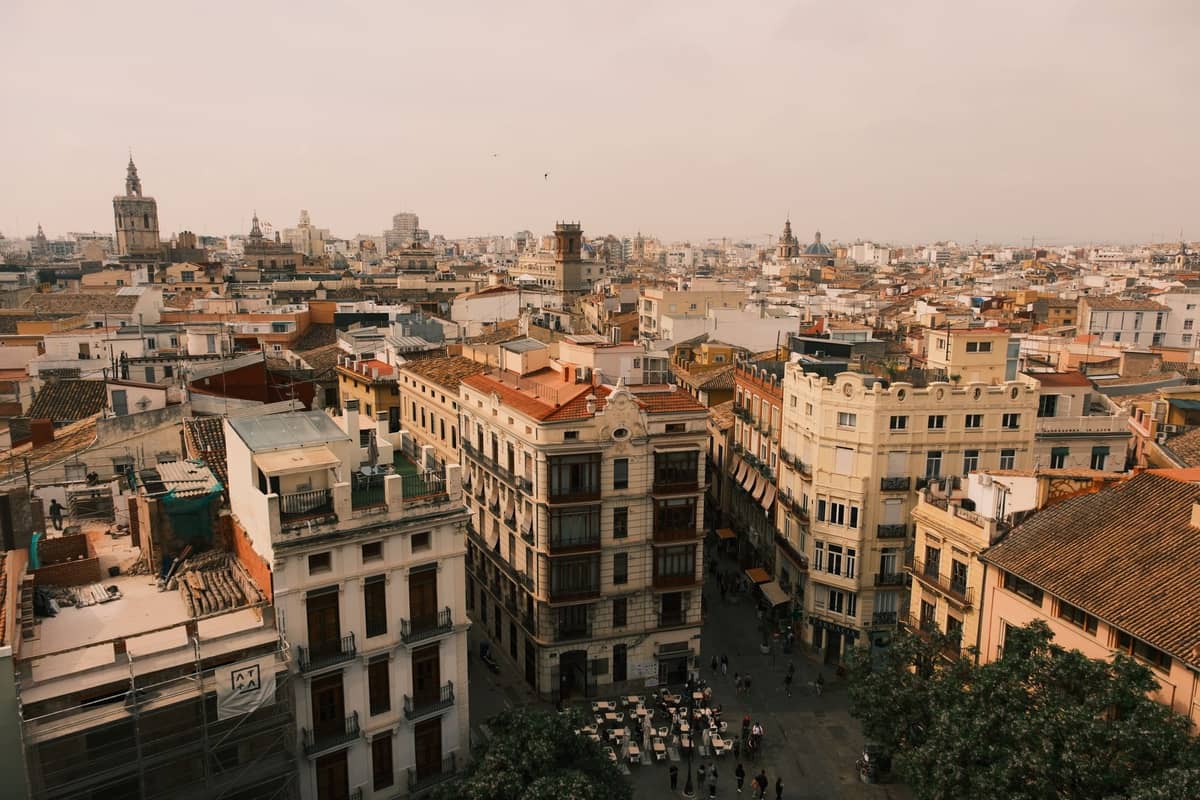
Valencia is a city of around 800,000 people Valencia is a city of around 800,000 people and one of Spain's largest cities. For tourists, the honest answer to the safety question is: quite safe, with a specific caveat. Violent crime targeting visitors is genuinely rare. The threat that actually affects travellers is petty theft, concentrated in predictable places and largely avoidable with basic awareness.
The numbers back this up. Valencia's 2024 crime index is low, with a corresponding high safety rating — figures that place it comfortably in the 'low crime' bracket by European standards. Multiple independent safety assessments rank it safer than Barcelona and Madrid. That doesn't mean you can leave your phone face-up on a café table and walk away, but it does mean the overall environment is relaxed and visitor-friendly.
ℹ️ Good to know
Spain's national emergency number is 112, which connects to police, fire, and medical services. You can also call the National Police directly on 091, or the Local Police (Policía Local) on 092.
Where Petty Theft Actually Happens
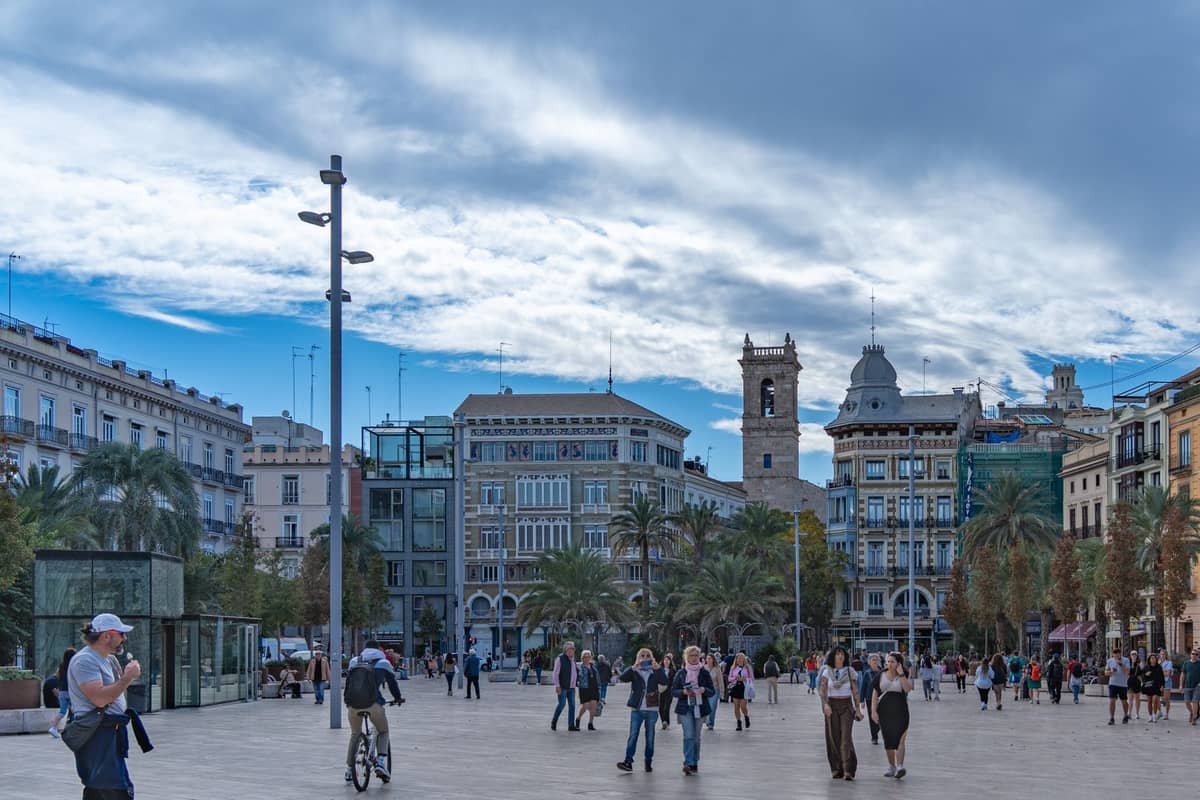
Theft risk in Valencia is not spread evenly across the city. It clusters in high-footfall tourist zones where crowding, distraction, and anonymity combine. Knowing these spots means you can adjust your behaviour without avoiding them entirely.
The highest-risk areas for tourists overlap almost exactly with the most-visited sights. Mercado Central is a prime pickpocket location: narrow aisles, dense crowds, and tourists distracted by stalls. The same applies to Plaza del Ayuntamiento, Plaza de la Reina, and the area around Estación del Norte. On the metro, lines serving the city centre during peak hours are the most common setting for bag dips.
Beaches require a different kind of caution. Playa de la Malvarrosa and Playa de las Arenas see beach-bag theft in summer, typically when one person in a group swims while bags are left unattended on the sand. The promenade after dark also attracts opportunistic bag-snatchers on scooters, though incidents are not frequent.
- Mercado Central and surroundings Dense crowds and distracted tourists make this the top theft hotspot in the city.
- Plaza de la Reina and Cathedral area Heavily visited, with street performers and informal vendors used as cover for pickpockets.
- Estación del Norte Busy transport hub with high pedestrian turnover — keep bags secure at ticket machines and waiting areas.
- Metro lines 3, 5, and 7 during peak hours Crowded carriages during rush hour and events are standard pickpocket environments.
- Malvarrosa beach in summer Unattended bags on the sand are the main risk. Never leave valuables without supervision.
- El Cabanyal at night Generally improving neighbourhood, but some blocks still feel unsettled after dark. Stay on the main streets.
⚠️ What to skip
A handful of outer neighbourhoods — including parts of Benicalap, Casitas Roses, and Nazaret — have a rougher reputation at night. These are not tourist areas, and most visitors will never have reason to visit them. If you do, stay alert and avoid isolated streets after midnight.
Seasonal Safety: When Risk Increases
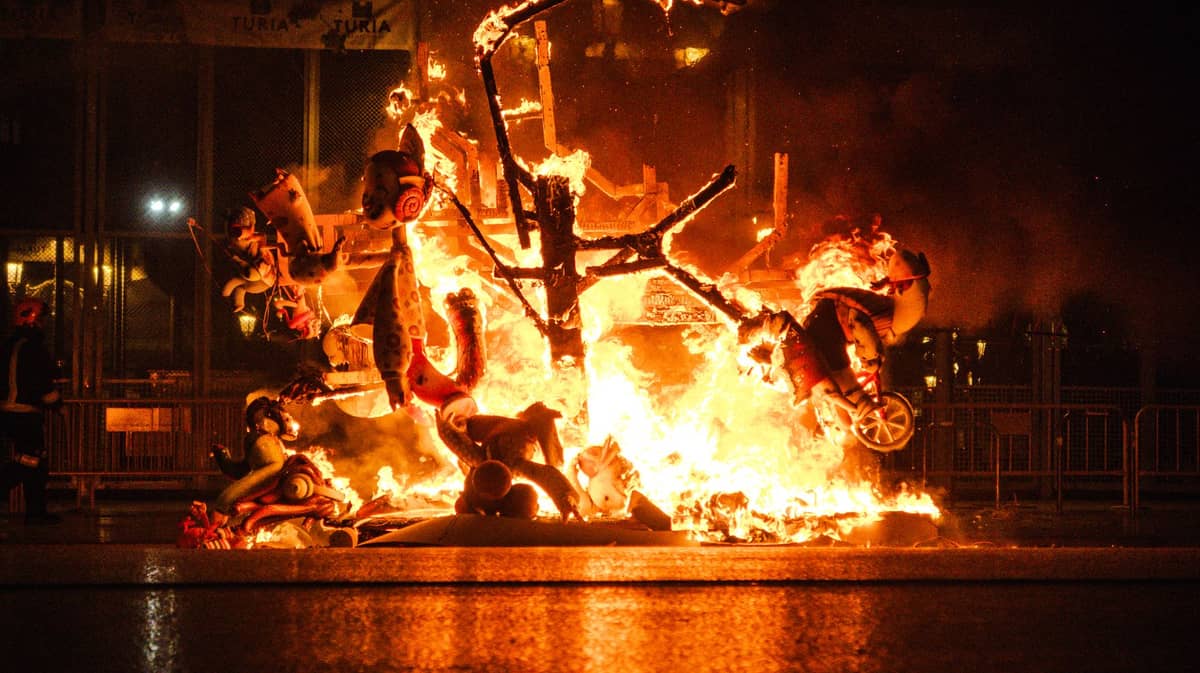
Valencia's safety profile is not static across the year. Two periods stand out as requiring extra vigilance: the Las Fallas festival in March, and the Mediterranean autumn rainy season, which occasionally turns severe.
Las FallasLas Fallas runs from 1 to 19 March and brings hundreds of thousands of visitors into the city centre. The metro, the streets around major fallas monuments, and late-night concert areas become extremely crowded. Pickpocket teams operate specifically during this festival, working in groups in metro carriages and on packed streets. Keep cards and phones in front trouser pockets or use a money belt. Zipped crossbody bags are noticeably more secure than open-top totes in this context.
Summer (July to September) is the beach season, and theft on the sand and promenade is a known pattern. The solution is simple: don't leave valuables unattended. Rent a beach locker if available, take turns swimming, or bring only what you can keep on your person.
The autumn flooding risk deserves serious attention. In October 2024, catastrophic flash flooding struck suburban Valencia and surrounding towns, including Paiporta, resulting in more than 220 deaths. While the city centre itself sits at around 15 metres above sea level and was less severely affected than lower-lying suburbs, the event was a stark reminder that autumn rain events in this region can be extreme and fast-moving. The regional alert system (ES-Alert) sends warnings to mobile phones. Keep your phone charged and notifications on between September and December.
✨ Pro tip
If you receive a red weather alert (aviso rojo) on your phone or see it on local news, take it seriously. Head to your accommodation, avoid underpasses and low-lying streets, and check the Agencia Estatal de Meteorología (AEMET) website or app for updates. Do not attempt to drive through flooded roads.
Practical Safety Habits That Actually Work
The gap between tourists who get robbed and those who don't in Valencia almost always comes down to a few consistent habits. None of them require paranoia or a change in itinerary.
- Use a zipped crossbody bag worn in front, not a backpack worn on your back in crowded areas.
- Keep your phone in a front trouser pocket or inside a zipped bag — not on café tables or dangling from your hand.
- Store your passport and backup cards in your hotel safe. Carry only one payment card when out.
- Be alert when someone approaches you with a distraction (a question, a 'found' item, a petition). This is a classic cover for a companion picking your pocket.
- On the metro, stand against a wall rather than in the middle of a carriage during peak hours.
- At the beach, keep valuables in a dry bag tucked into the bottom of your beach bag, and never leave it unattended.
- Report non-violent theft online at policia.es to get a crime report (denuncia) for insurance purposes without visiting a station.
For context on how the city is laid out and which neighbourhoods you'll be moving through, the guide to getting around Valencia is worth reading before you arrive. Understanding the metro network and key interchange points reduces the disorientation that makes tourists easier targets.
Neighbourhood Safety at a Glance
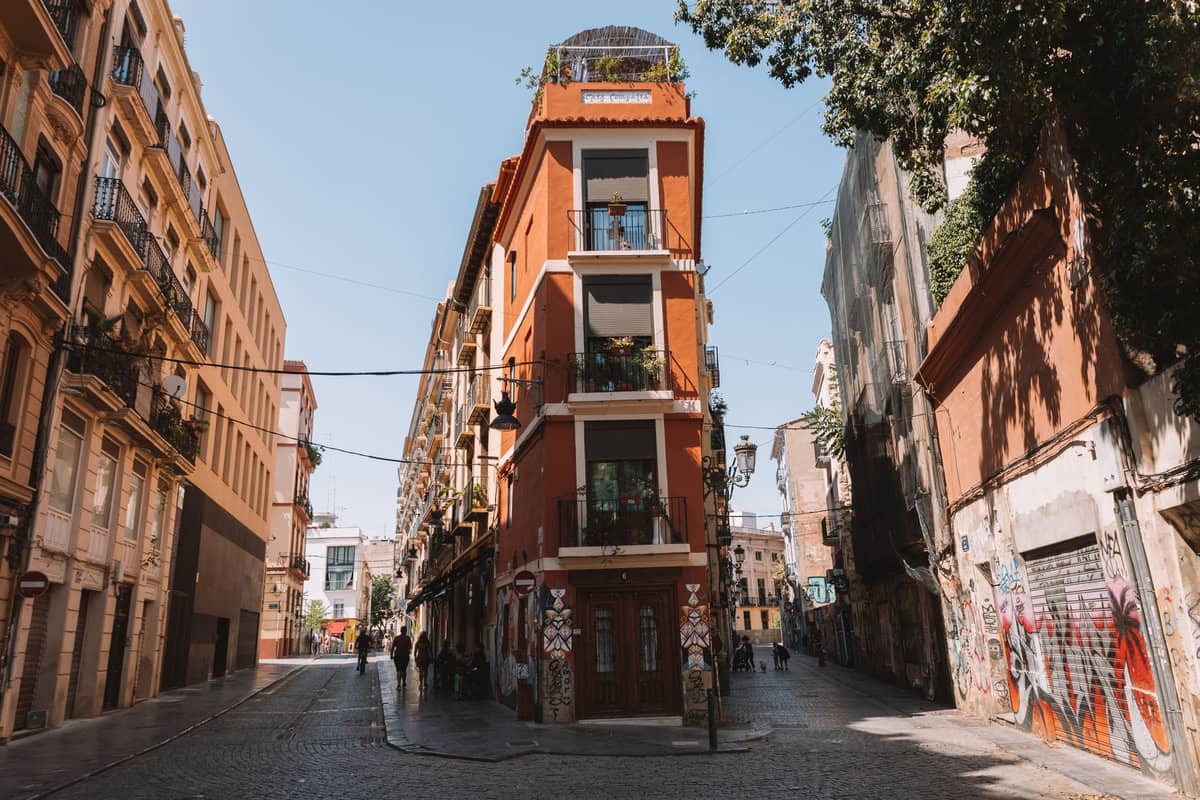
The historic centre is where most visitors spend most of their time, and it's perfectly walkable day and night. The streets around the cathedral, La Lonja, and the main squares are active until late, well-lit, and patrolled. The same applies to Ruzafa, the neighbourhood south of the city centre that has become the main hub for restaurants and nightlife. It's safe, lively, and has a strong local presence.
El Carmen, the oldest quarter within the historic centre, is more atmospheric and slightly edgier at night, but not dangerous. Stay aware on the quieter back streets after 2am when bars close and foot traffic drops. El Cabanyal, the fishing neighbourhood near the beach, has improved significantly over the past decade but still has pockets that feel rougher. Stick to the main commercial streets and the beachfront promenade and you'll have no issues.
The Ciudad de las Artes y las Ciencias area and the Jardín del Turia park corridor are calm and safe during the day. The park itself gets quieter after dark, and isolated stretches at night are best avoided when alone, as with any large urban park in Europe.
Emergency Contacts and Reporting Theft
Spain's single emergency number, 112, covers police, fire, and medical emergencies Spain's single emergency number, 112, covers police, fire, and medical emergencies. For police matters specifically, the National Police (Policía Nacional) handles serious crimes and theft reports; the Local Police (Policía Local) handles traffic incidents and minor disturbances.
If you're the victim of pickpocketing or bag theft, you'll need to file a formal complaint (denuncia) to claim on travel insurance. The quickest way to do this is online at denuncias.policia.es, which offers an English-language option and generates a reference number immediately. If you need an in-person report, use the Policía Nacional complaints office network. Bring ID and a list of what was taken. Most insurance claims require this document, so don't skip it even if you're not expecting to recover the items.
- 112 — General emergency (police, fire, ambulance)
- 091 — National Police (Policía Nacional)
- 092 — Local Police (Policía Local)
- denuncias.policia.es — Online theft reporting in English (for insurance denuncias)
- Policía Nacional complaints office — In-person reports
FAQ
Is Valencia safe for solo female travellers?
Yes, Valencia is considered safe for solo female travellers by European standards. Street harassment exists, as it does in most large cities, but serious incidents are uncommon. The main precautions are the same as anywhere: stick to busy streets late at night, use taxis or rideshares after dark rather than walking alone through quiet areas, and trust your instincts. Ruzafa, the historic centre, and the beachfront are all comfortable areas to move around independently.
Is it safe to walk around Valencia at night?
Most of the city centre, Ruzafa, and the main tourist areas are safe to walk at night. The streets around the cathedral, Plaza de la Reina, and Ruzafa bars stay busy until 2am or later. El Carmen has a few quiet back streets that feel isolated late at night. Outer suburbs with rougher reputations (Benicalap, Nazaret) are not tourist destinations and unlikely to be on your route.
What is the most common crime against tourists in Valencia?
Pickpocketing and bag theft, overwhelmingly. These are concentrated in the Mercado Central, Plaza de la Reina, Estación del Norte, and the metro. Beach bag theft is common in summer at Malvarrosa and Las Arenas. Violent crime against tourists is rare and not a characteristic risk of the city.
Is Valencia safe to visit after the 2024 floods?
The city of Valencia itself was not as severely damaged as surrounding suburban areas. However, the flooding highlighted a real seasonal risk. If you visit between October and December, monitor weather alerts via the AEMET app and the ES-Alert emergency notification system on your phone. Avoid driving through any standing water and follow local authority guidance during red weather warnings.
Do I need travel insurance for Valencia?
Travel insurance is always worth having in Spain, and Valencia is no exception. EU citizens with a European Health Insurance Card (EHIC) are covered for medical emergencies under the public health system. Non-EU visitors should ensure their policy covers medical treatment and evacuation. For theft, insurance is only useful if you file a police denuncia — do this at policia.es online or in person at the Policía Nacional station on Gran Via de les Germanies 46.