Barrio del Carmen is Valencia's oldest neighbourhood, a dense tangle of medieval streets in the heart of Ciutat Vella. It packs in Gothic city gates, contemporary art museums, Baroque church ceilings, and one of the city's most intense nightlife strips into an area you can walk end to end in fifteen minutes. By day it belongs to history and culture; after dark, it belongs to everyone else.
Barrio del Carmen, known locally as El Carme, is the oldest and most layered part of Valencia's historic centre, where Roman foundations lie beneath medieval street plans that now host street art, independent galleries, and some of the loudest bars in the city. It is the neighbourhood that most clearly shows Valencia's contradictions: crumbling grandeur next to carefully restored monuments, families pushing strollers past club-goers at midnight, and world-class art institutions sharing blocks with half-derelict palaces.
Orientation: Where El Carme Sits in the City
Barrio del Carmen occupies the northwest corner of Ciutat Vella, Valencia's historic core, and forms the oldest inhabited section of the city. Its boundaries follow the line of the old medieval walls with reasonable clarity. To the north, the neighbourhood runs up against the Turia riverbed, now converted into the Jardín del Turia, the long linear park that acts as a green belt separating the old city from the university district. To the west, Carrer de Guillem de Castro marks the edge, with the IVAM contemporary art museum sitting right on this boundary. To the south, the neighbourhood dissolves into the wider Ciutat Vella along the Calle Caballeros–Carrer de Quart axis, which leads down toward the Mercado Central. To the east, the streets open out toward the cathedral quarter around the Plaza de la Virgen and Torres de Serranos.
Understanding El Carme's position helps you plan movement through the old city. From the neighbourhood's southern edge, it is a five-minute walk to the Mercado Central and La Lonja de la Seda. From the northern edge along the Turia park, you can pick up cycling and walking routes that stretch west toward Bioparc or east toward the Ciudad de las Artes y las Ciencias. The neighbourhood is not an isolated enclave; it is the starting point or endpoint of almost every walking itinerary through Valencia's historic centre.
For a broader overview of how El Carme fits within the larger historic district, the Centro Histórico neighbourhood guide covers the surrounding areas in detail. If you are planning a full day on foot, the walking tour of Valencia's old city passes through El Carme's main streets and landmarks.
Character and Atmosphere: What It Actually Feels Like
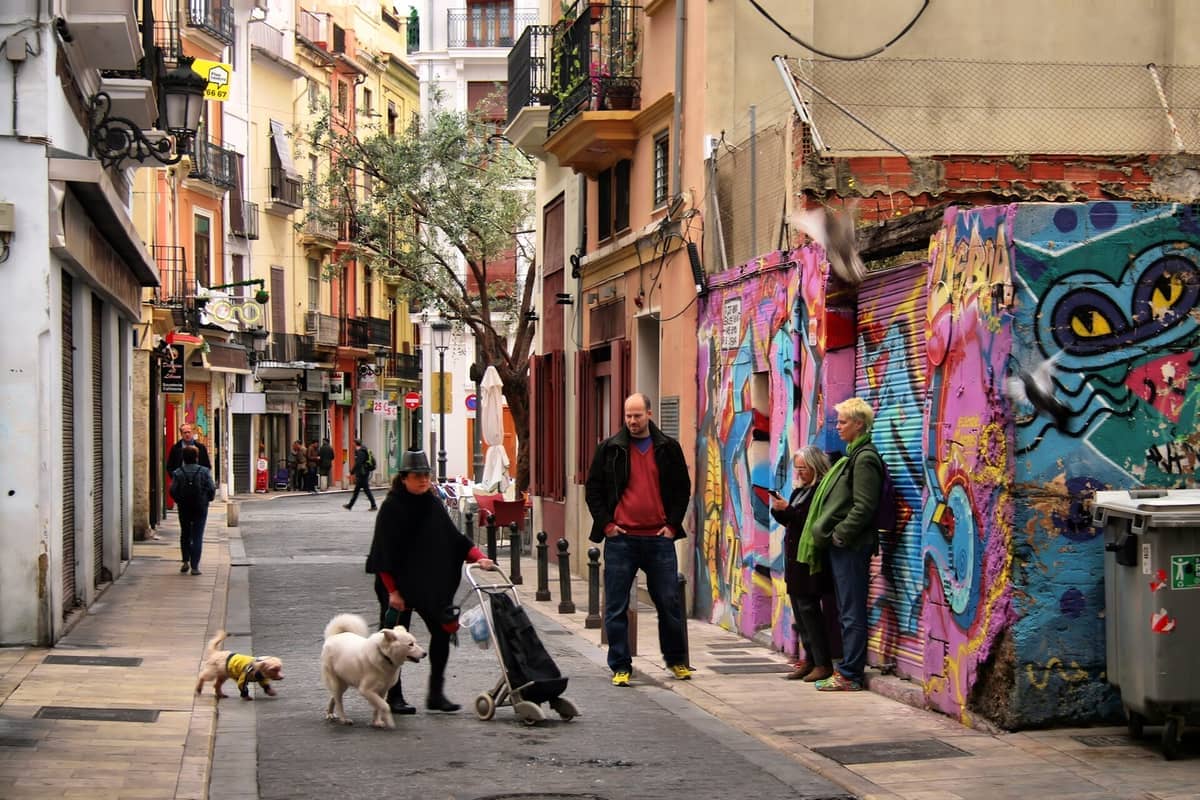
Morning in El Carme is the calmest version of a neighbourhood that barely sleeps. Before ten o'clock, the streets between Plaza del Tossal and Calle Alta are quiet enough to hear pigeons. The light falls in narrow shafts between four- and five-storey buildings whose facades range from lovingly restored to spectacularly weathered. Local residents carry shopping bags, cafés put out chairs, and the smell of bread and coffee fills the ground-floor passages. At this hour, the medieval street plan is easiest to read: the lanes are too narrow for most cars, they curve without logic, and they open suddenly into small squares that appear with no warning.
By midday, the tourist presence builds noticeably. Groups form outside the Torres de Serranos and the queue for San Nicolás church appears. The streets connecting the cathedral quarter to the IVAM fill with a mixture of locals heading to lunch and visitors consulting maps. The afternoon light, especially in summer, turns the ochre and terracotta facades golden, and the streets leading north toward the Turia park feel genuinely photogenic in a way that requires no filter or special effort.
After ten at night, El Carme transforms in ways that surprise first-time visitors who know it only from daytime. Calle Alta and Calle Baja, the two main streets that give the neighbourhood much of its nightlife identity, fill with people moving between bars. The noise levels are significant enough that the Generalitat Valenciana has officially designated multiple streets in El Carme as 'zonas acústicamente saturadas,' meaning zones of excessive acoustic saturation, a formal recognition that nightlife noise here exceeds acceptable environmental limits. This is not a neighbourhood for light sleepers staying on or near these streets.
⚠️ What to skip
If you are sensitive to noise, avoid accommodation on Calle Alta, Calle Baja, or the immediate surroundings of Plaza del Tossal. These streets are officially designated noise-saturated zones due to nightlife activity. Streets closer to the Turia park boundary are noticeably quieter.
The street art concentrated between Calle Caballeros and Plaza del Tossal adds a layer of visual texture that is unlike anything else in Valencia's old city. Large-scale murals cover the sides of buildings that might otherwise look purely historical, and the combination of Gothic stonework and contemporary spray-painted imagery defines the neighbourhood's aesthetic identity better than any single monument.
What to See and Do
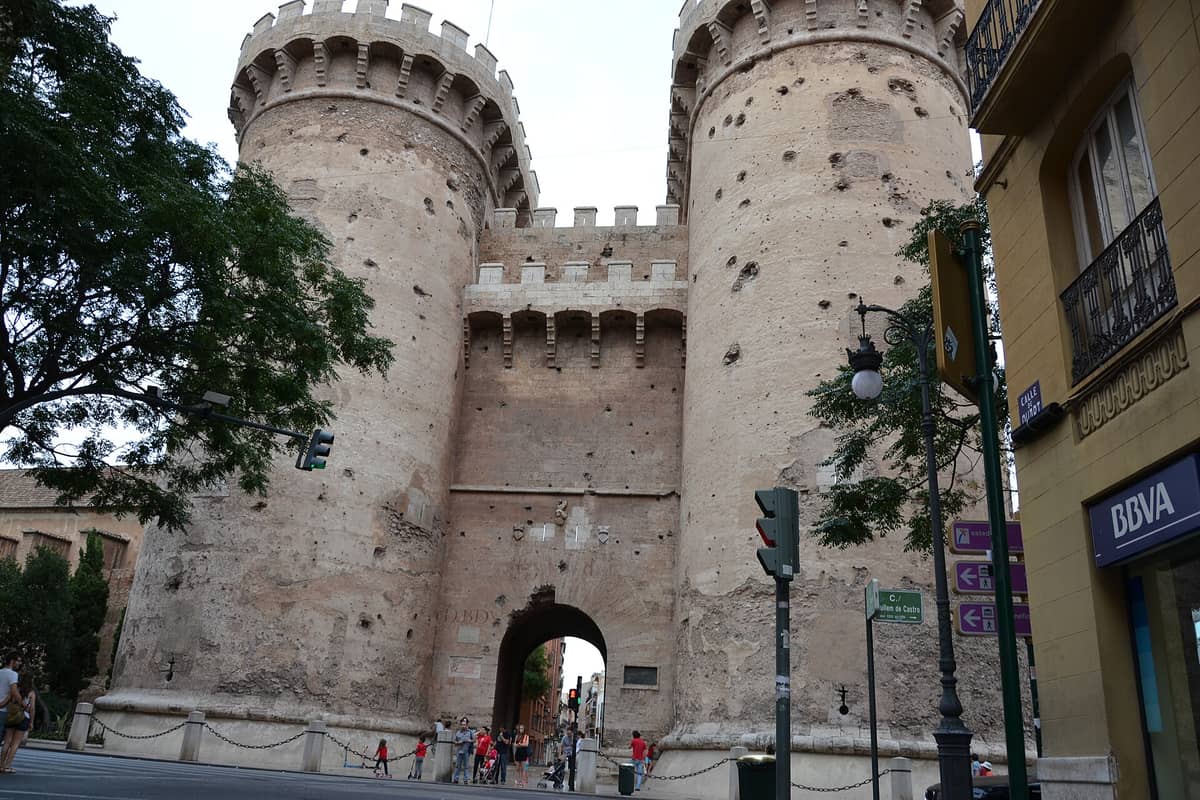
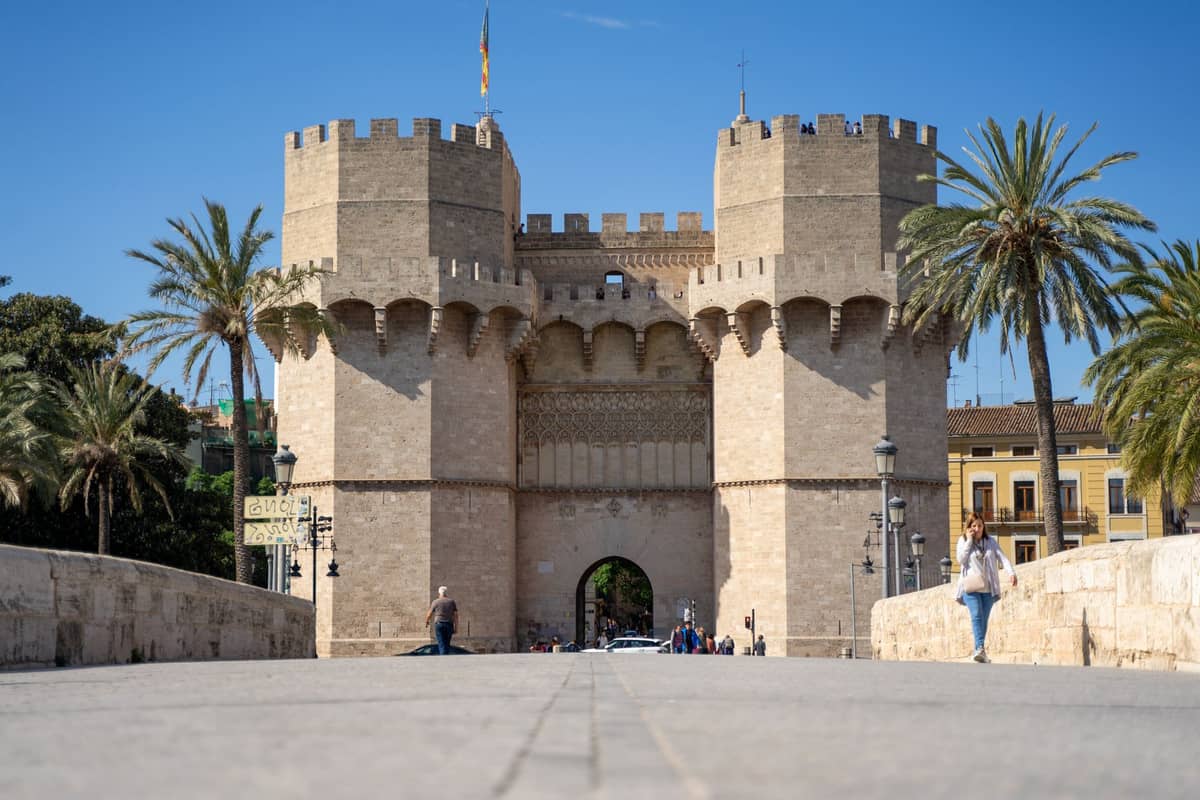
The two medieval towers that anchor the neighbourhood are its most visible landmarks. The Torres de Serranos stand at the northern edge of El Carme, directly facing the Turia park, and formed the main gate in the 14th-century city walls. Climbing to the top gives one of the better elevated views over the old city's rooftops. On the western side, the Torres de Quart are equally impressive and still bear visible cannon-ball marks from a 19th-century siege, a detail that tends to stop visitors in their tracks once they notice it.
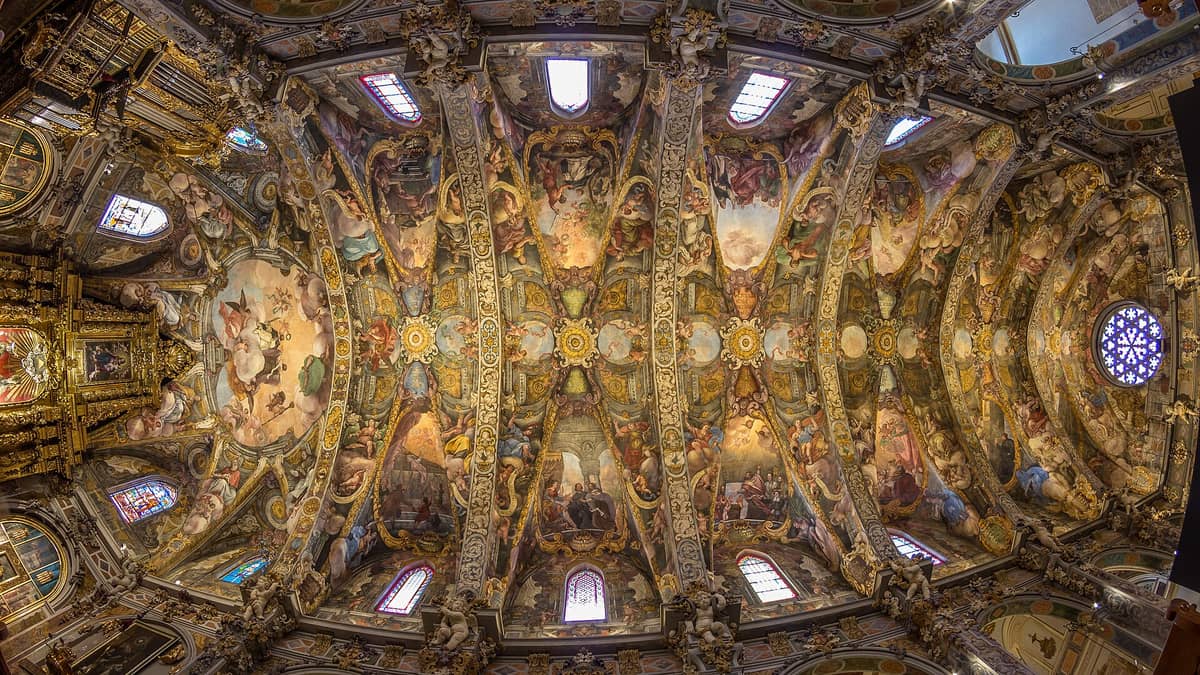
The Iglesia de San Nicolás has become one of Valencia's most visited churches since its fresco restoration was completed. The interior ceiling is covered in trompe-l'oeil Baroque paintings that cover every surface from the nave to the apse, and the contrast with the church's plain Gothic exterior is genuinely startling. Queues form during peak hours; arriving before ten in the morning or after five in the afternoon reduces waiting times considerably.
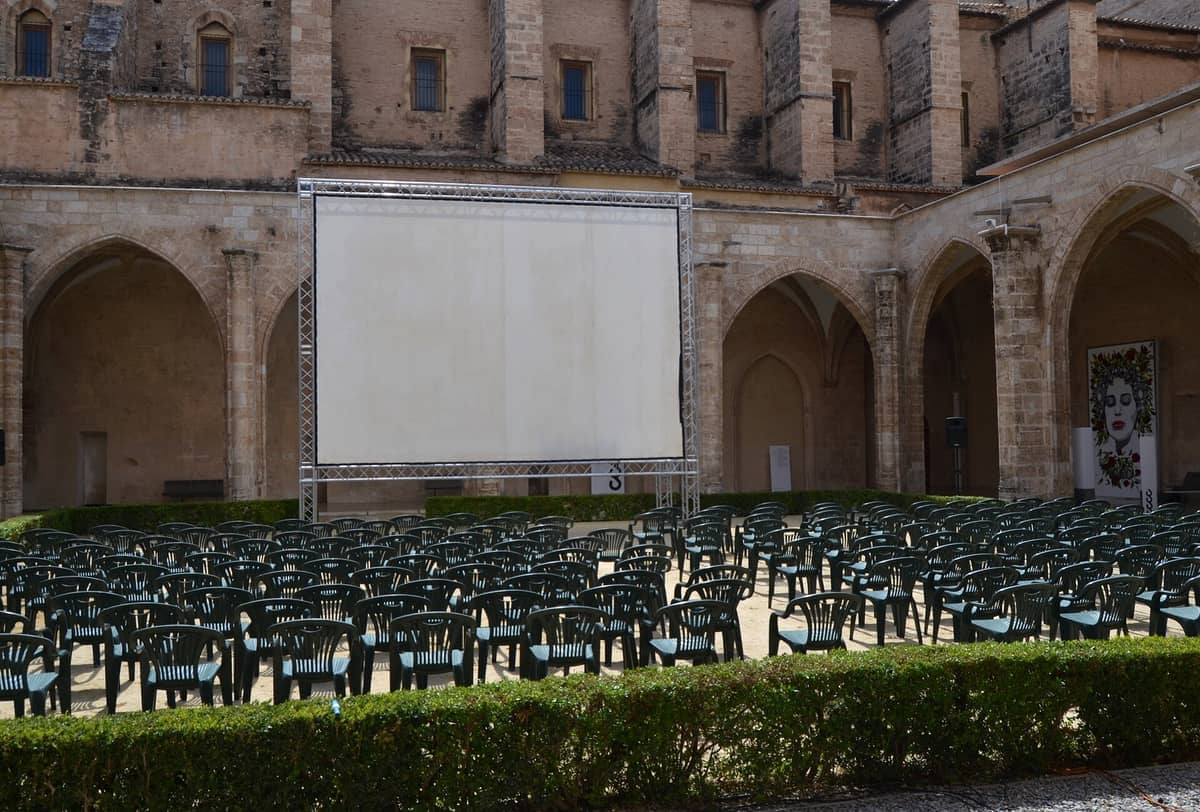
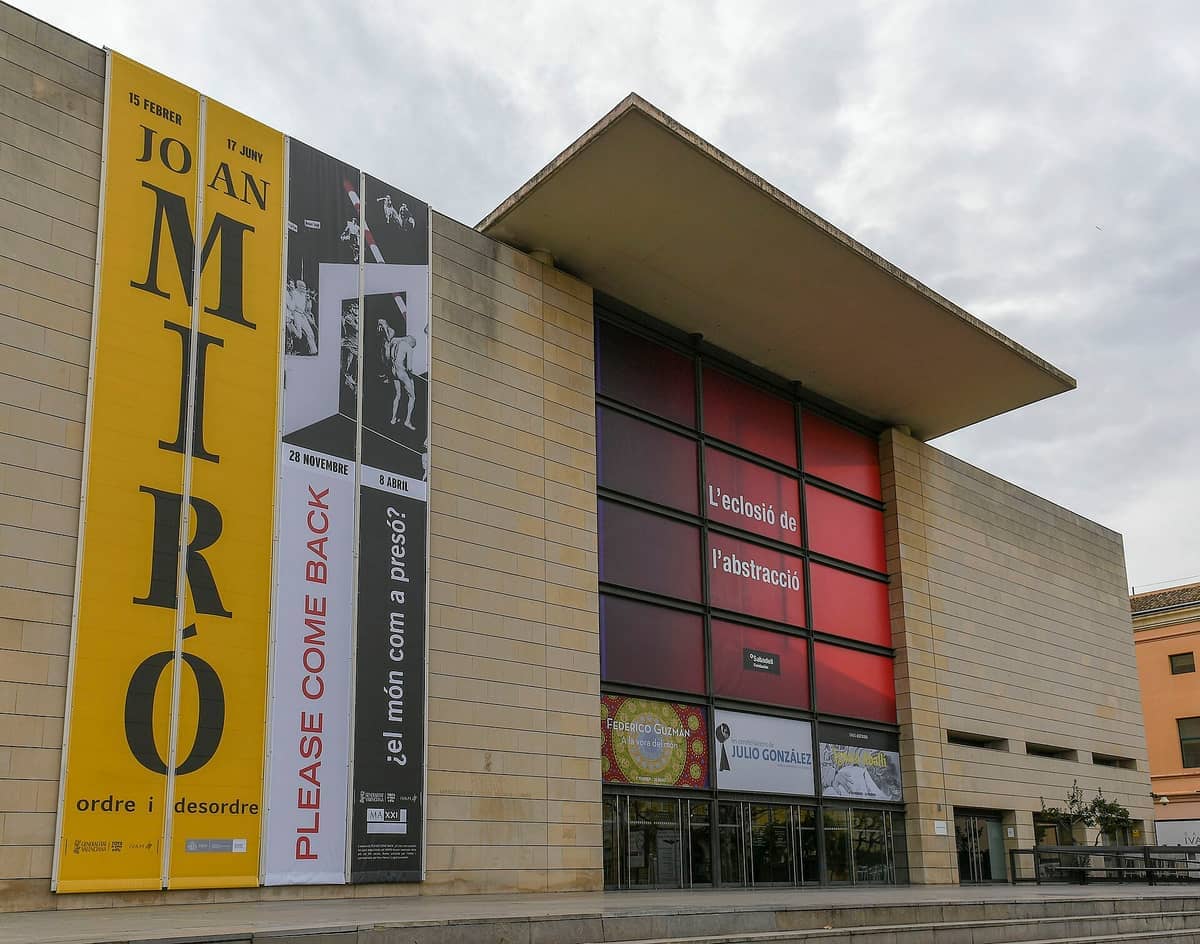
On Carrer de Guillem de Castro, the IVAM (Institut Valencià d'Art Modern) is one of Spain's leading contemporary art museums and sits right on the neighbourhood's western boundary. Its permanent collection focuses on 20th-century avant-garde work, and the rotating exhibitions cover contemporary Spanish and international artists. Entry is free on Sundays. Near the university quarter just east of El Carme, the Centre Cultural La Nau and the Centre del Carme Cultura Contemporània offer further exhibition space in a former convent complex whose Gothic cloister alone is worth the visit.
Torres de Serranos: 14th-century city gate with rooftop views over the old city
Torres de Quart: western gate with intact cannon-ball damage from the Napoleonic siege of 1808
Iglesia de San Nicolás: Baroque frescoed ceiling across a Gothic structure
IVAM: contemporary and modern art museum at the Guillem de Castro boundary
Centre del Carme Cultura Contemporània: contemporary exhibitions in a Gothic convent
Street art circuit between Calle Caballeros, Plaza del Tossal, and the surrounding lanes
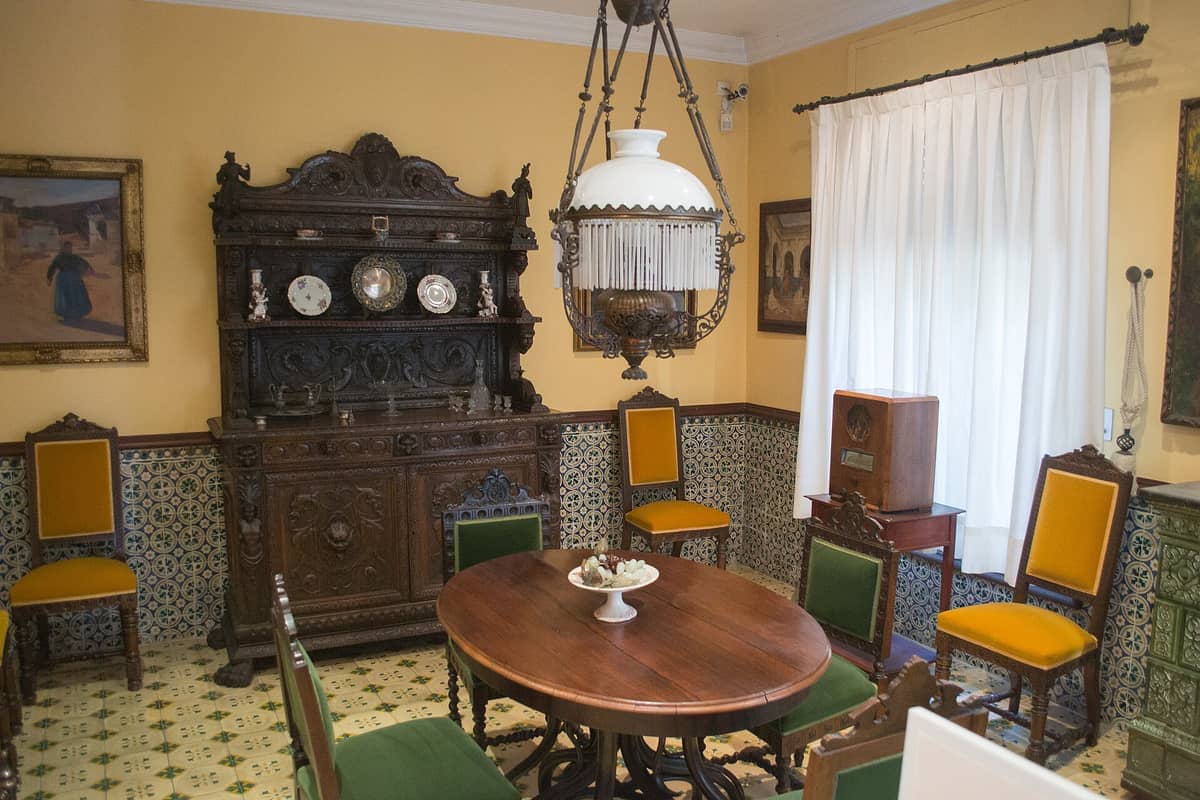
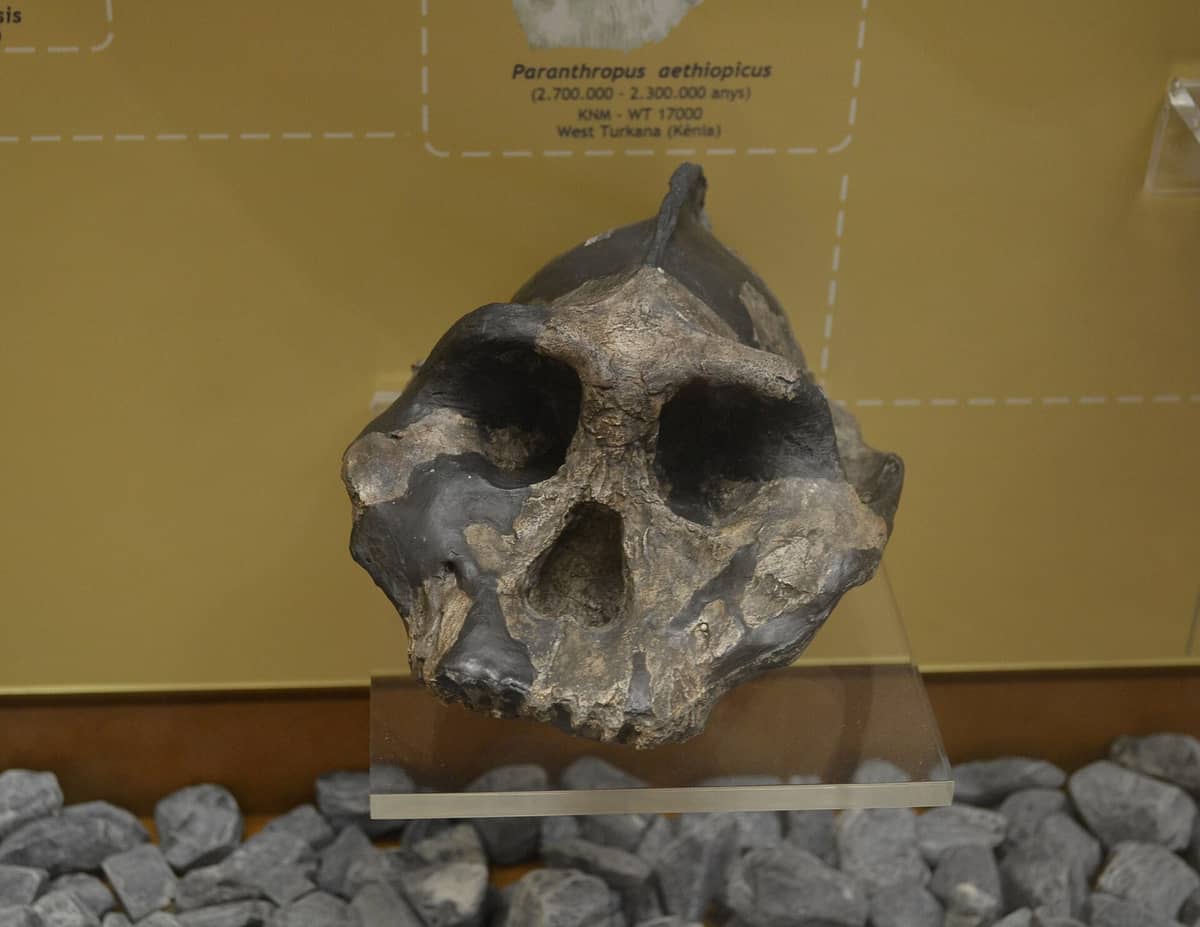
La Beneficència cultural centre: houses the Museu de Prehistòria de València and ethnology collections
For a broader picture of what Valencia's museums offer across the city, the guide to Valencia's best museums covers institutions well beyond El Carme. Architecture enthusiasts should also read the Valencia architecture guide for context on the building styles concentrated in this neighbourhood.
Eating and Drinking
The food and drink landscape in El Carme splits cleanly between two registers. The streets immediately around the tourist circuit, particularly near Torres de Serranos and the Plaza de la Virgen end of the neighbourhood, have their share of places that optimise for foot traffic rather than quality. Identifying the better options means moving one or two streets away from the main sight-to-sight routes.
Calle Caballeros is the neighbourhood's best-known bar street and worth visiting for the atmosphere alone, though prices reflect the location. The streets radiating off Plaza del Tossal tend to offer better value for sit-down eating. The neighbourhood has a genuine concentration of independent bars, small wine-focused spots, and craft beer venues that cater to a local crowd in their twenties and thirties alongside visitors. This is not Valencia's best area for traditional Valencian food; for that, the streets around the Mercado Central to the south, or the restaurants of Ruzafa, serve the city better.
💡 Local tip
For a morning visit to El Carme, combine it with a stop at the Mercado Central, about a ten-minute walk south. It is one of Europe's finest covered markets and the ideal place to understand Valencian food culture before exploring the neighbourhood's eating options.
The café culture in El Carme skews younger and more artsy than the grand café tradition found around the Plaza del Ayuntamiento. Expect exposed brick, natural wine lists, and menus that change by season. If you want a broader survey of where to eat across the city, the guide to what to eat in Valencia covers the full range of local specialities, including where to find genuinely good paella away from the tourist circuit. Horchata, Valencia's native tigernut drink, is easiest to find in traditional form a short walk east toward the Cathedral area.
In terms of price range, El Carme covers the full spectrum. A coffee and pastry in a non-touristy café runs around three euros. A sit-down lunch at a mid-range restaurant on a side street off Calle Caballeros costs twelve to eighteen euros per person. Rooftop bars and cocktail venues on the main nightlife strips charge significantly more for atmosphere.
Getting There and Around
Barrio del Carmen has no metro station directly inside it, which shapes how you arrive. The nearest metro stops are Àngel Guimerà, served by lines 1, 2, 3, 5, and 9, which sits southwest of the neighbourhood near the Mercado Central area, and Xàtiva, served by lines 3, 5, and 9 near the Estació del Nord. From either stop, El Carme is a ten to twelve-minute walk heading northwest into the old city. The walk from Xàtiva takes you past the Mercado Central and through the heart of the historic centre, which is itself worth doing slowly.
EMT bus lines 1, 5, 28, 79, 80, and 95 serve streets on or near the neighbourhood boundary. The most practical bus approach is along Carrer de Guillem de Castro on the western edge, which connects to wider parts of the city and runs close to the IVAM. Near the university quarter just east of El Carme, the streets are too narrow and irregular for most vehicles, so once you are in, you are on foot.
Valencia's cycling infrastructure connects well with El Carme via the Jardín del Turia along the northern boundary. The Turia park path is completely flat and well-maintained, making it an ideal approach route from the east or west. The city's Valenbisi bike-share scheme has docking stations at the park's edges. For full information on cycling routes through the park, the cycling guide for the Turia Garden covers the most useful routes and entry points.
ℹ️ Good to know
El Carme is fully walkable from Valencia's main rail terminals. From Estació del Nord (Xàtiva metro stop), allow fifteen minutes on foot. From Joaquín Sorolla station, used for high-speed trains, the walk is slightly longer at around twenty minutes, or take the metro one stop to Xàtiva.
For comprehensive transit information covering the entire city, including metro maps, bus routes, and airport connections, the guide to getting around Valencia is the most practical reference.
Where to Stay in El Carme
Staying in Barrio del Carmen puts you as close to Valencia's historic core as is possible. The trade-off is noise. The streets between Plaza del Tossal and Calle Alta function as a nightlife corridor, and if your accommodation faces one of the designated noise-saturated streets, expect significant sound levels until the early hours, particularly on weekends. This is not theoretical; it is the reason the Ayuntamiento de València has issued formal acoustic saturation designations for specific streets in the neighbourhood.
The quieter zone for accommodation is the northern section of El Carme, where streets approach the Turia park boundary. Here the density of bars decreases and the buildings are largely residential rather than commercial. Small boutique hotels and converted apartment rentals in this area offer the best balance of historic atmosphere and sleep quality. For visitors who prioritise a central location for daytime sightseeing and plan to return to their accommodation late anyway, the southern and central parts of El Carme are well placed and the noise becomes less of an issue.
El Carme is not the only option for staying in or near Valencia's historic centre. The full accommodation guide for Valencia compares El Carme against neighbouring areas including Ruzafa, the Eixample, and the beachfront districts, and is worth reading before booking if you are deciding between central historic options and quieter alternatives.
Honest Assessment: Who El Carme Is For
El Carme is the kind of neighbourhood that rewards visitors who come with some knowledge of what they are looking at. The medieval street plan, the Gothic church interiors, the repurposed convent complexes turned cultural centres: none of these announce themselves loudly or come with obvious interpretation. At the same time, the concentration of things to do, see, and eat in a small area is genuinely high, and the neighbourhood rewards slow walking more than most.
It is not for everyone. Visitors who want a peaceful base away from noise should look elsewhere. Those who find heavy tourist presence off-putting will want to time visits carefully, arriving early in the morning or on weekday afternoons. Families with young children will find the neighbourhood interesting by day but awkward to navigate by night, when the streets narrow further with crowds.
For nightlife-focused visitors, El Carme is a strong option and connects naturally to the wider Valencia nightlife scene. For those interested in the city's full cultural offering, combining a morning in El Carme with an afternoon in Ciudad de las Artes y las Ciencias makes for one of Valencia's best full-day itineraries.
TL;DR
El Carme is Valencia's oldest neighbourhood and packs more historic, cultural, and artistic weight per square metre than anywhere else in the city.
Key draws include Torres de Serranos, Torres de Quart, the IVAM modern art museum, the Centre del Carme, and the extraordinary frescoed interior of San Nicolás church.
The nightlife on Calle Alta and Calle Baja is intense; multiple streets carry official acoustic saturation designations, making this a poor choice for light sleepers in those areas.
Best suited to: architecture and art enthusiasts, nightlife visitors, travellers who want to be at the centre of the historic city on foot.
Not ideal for: families seeking a quiet base, visitors sensitive to noise, or those who want easy metro access from their accommodation.
Three days is enough time to cover Valencia's historic core, its futuristic waterfront district, and the natural lagoon on its doorstep. This day-by-day itinerary gives you a realistic, logistically sound plan built around walking, cycling, and public transit.
Spain's largest natural lake sits just 10-15 km south of Valencia, and it's one of the most rewarding half-day escapes in the country. This guide covers exactly how to get there independently, what to do once you arrive, where to eat authentic paella, and when to go for the best experience.
Valencia's Art Nouveau heritage, locally known as Modernismo Valenciano, produced some of Spain's most distinctive early-20th-century architecture. This guide covers the key buildings, the architects behind them, the best routes to follow, and what to know before you visit.
Valencia sits on the Mediterranean with over three kilometres of urban beach on its doorstep and wilder, pine-backed shores just minutes south. This guide covers every beach worth knowing, from the classic city strips to the natural shorelines of the Albufera.
Valencia delivers more than its reputation suggests for museum culture. From a world-class fine art collection rivalling Madrid's to an underground Roman city and a science museum inside a whale skeleton, this guide covers the best museums in Valencia across every interest and budget.
Valencia is the birthplace of paella, and eating it here is a serious affair. This guide covers where locals go, what authentic paella actually contains, how much to pay, and the mistakes that send tourists home disappointed.
Valencia enjoys a Mediterranean climate with over 300 sunny days a year, but the best time to visit depends entirely on what you want from the trip. This guide breaks down every season by weather, crowd levels, prices, and key events so you can plan with confidence.
Valencia rewards those who look up and climb. From medieval towers rising above terracotta rooftops to waterfront terraces overlooking the Mediterranean, these are the city's finest vantage points, ranked and described so you know exactly where to go and when.
The Jardí del Túria is Valencia's greatest urban cycling route: a free, 9km green corridor running through the city's former riverbed. This guide covers the full route from Parque de Cabecera to the City of Arts and Sciences, with practical advice on bike rentals, seasonal timing, and the best stops along the way.
Valencia sits at the centre of one of Spain's most varied regions. Within two hours, you can reach a medieval hill town with a castle above the rooftops, thermal pools in an inland gorge, a dramatic coastal castle, and a lagoon that inspired the original paella. This guide covers the best day trips from Valencia with honest travel times, transport breakdowns, and seasonal advice.
Valencia rewards budget travellers more than almost any other Spanish city. World-class museums with free entry, a 9-kilometre riverside park, Gothic towers, contemporary art, and urban beaches are all yours without buying a single ticket.
Valencia is one of Spain's most navigable cities, with an integrated metro, bus, tram and bike network covering everything from the airport to the beaches. This guide breaks down every transport option, current fares, ticket types, and the honest trade-offs between them.
Valencia's horchata de chufa is one of the most misunderstood drinks in Spain. This guide explains what it really is, where to find the best versions, how to tell authentic from commercial, and why making the trip to Alboraya is worth your time.
Valencia is Spain's third-largest city, the birthplace of paella, and home to UNESCO-listed heritage, futuristic architecture, and 300+ days of sunshine a year. This guide cuts through the hype to tell you exactly what Valencia offers, what it costs, and whether it belongs on your itinerary.
Las Fallas is Valencia's most spectacular annual event, a UNESCO-recognised festival of fire, sculpture, and pyrotechnics that transforms the entire city each March. This guide covers the full schedule, key events, neighbourhood highlights, and practical advice to help you experience it properly.
Valencia delivers more than its reputation suggests in the luxury travel market. From intimate boutique hotels inside medieval palaces to world-class fine dining and the architectural spectacle of the Ciudad de las Artes y las Ciencias, this guide covers everything you need to plan a genuinely high-end visit to Spain's third-largest city.
Seven days is the ideal amount of time to see Valencia properly. This itinerary covers the medieval Old Town, Calatrava's futuristic City of Arts and Sciences, Albufera Natural Park, the best beaches, and Ruzafa's food scene — with practical logistics, honest timing, and no filler.
Valencia rewards couples with a rare mix of Mediterranean light, historic streets, and outdoor spectacle. This guide covers the best romantic experiences in the city, from golden-hour boat trips on Albufera to twilight strolls through Turia Gardens, with honest advice on timing, costs, and what to skip.
Valencia is Spain's third-largest city and one of its most rewarding to explore. This guide covers the best things to do in Valencia — from UNESCO-listed medieval architecture and futuristic science complexes to rice-field wetlands and urban beaches — with practical details on prices, timing, and how to avoid the crowds.
Valencia holds one of Europe's most complete architectural timelines, from Roman foundations and Valencian Gothic civic buildings to Modernista markets and Santiago Calatrava's white concrete landmark complex. This guide breaks down each era, where to find it, and how to see it without wasting a day.
Valencia's churches span eight centuries of architecture, from Romanesque foundations to extravagant Baroque ceilings. This guide covers the essential churches in the historic centre and beyond, with practical details on what to see, what to pay, and when to go.
Summer in Valencia, Spain runs hot and busy from June through August. This guide covers everything from actual temperatures and beach conditions to crowd patterns, seasonal pricing, and how to make the most of the city without melting in the midday sun.
Valencia runs later than almost any city in Europe. This guide covers every major nightlife district, the best bars and clubs by area, realistic timing advice, and honest warnings about what not to waste your night on.
Valencia is one of Spain's most affordable big cities, and with the right approach you can see almost everything that matters for well under €80 a day. This guide covers accommodation, food, transport, free attractions, and the common spending traps to avoid.
Valencia ranks among Spain's safer major cities, Valencia ranks among Spain's safer major cities, with low violent crime. But pickpockets target specific areas, festivals bring elevated risk, and autumn flooding is a genuine concern. This guide gives you the honest picture.
Valencia rewards shoppers at every level — centuries-old food markets, independent boutiques in converted Art Nouveau buildings, dedicated high-street corridors, and modern malls. This guide covers every format, with honest assessments of what's worth your time and what to skip.
Valencia, Spain delivers an exceptional range of family activities beyond the beach: a world-class aquarium, an immersive zoo, a 9-km park built in a riverbed, and free playgrounds that keep kids occupied for hours. This guide covers the best options by age, budget, and season — with honest assessments of what works and what to skip.
Valencia's Ciutat Vella packs over 2,100 years of history into just 1.5 square kilometres. This guide gives you a practical, well-sequenced route through the old city's best monuments, markets, and medieval streets, with practical notes on what to skip, what to pay for, and how long everything actually takes.
Valencia is the birthplace of paella, but its food culture runs far deeper than a single dish. This guide covers everything from traditional rice dishes and seafood stews to mid-morning snacks and the city's iconic tigernut drink — with real prices, meal timing, and honest advice on what to skip.
Choosing where to stay in Valencia depends on more than price. This guide breaks down every major neighbourhood by atmosphere, location, transport links, and honest drawbacks, so you can pick the right base for your trip.