Valencia on a Budget: How to Visit Valencia, Spain for Less
Valencia is one of Spain's most affordable big cities, and with the right approach you can see almost everything that matters for well under €80 a day. This guide covers accommodation, food, transport, free attractions, and the common spending traps to avoid.
Plan and book this trip
Tools from our partner Travelpayouts help you compare flights and hotels. If you book through them, we may earn a commission at no extra cost to you.
Flights
Hotels map
TL;DR
- A careful budget traveler can get by on roughly €55-80 per day in Valencia, covering a hostel dorm, three meals, transport, and a paid attraction or two.
- The airport metro (Lines 3 or 5) costs around €2 versus €22-25 for a taxi — always take the metro from Manises Airport into the city.
- The menú del día is the single best tool in a budget traveler's kit: a full three-course lunch with wine runs €12-16 at most restaurants outside the tourist core.
- Many of Valencia's best attractions are free or free on specific days — the Turia Gardens, beaches, the Mercado Central exterior, and several major museums on Sundays.
- Visit in spring or autumn. Summer brings higher accommodation prices and bigger crowds with no added benefit for a budget traveler — see our best time to visit Valencia breakdown.
Is Valencia Actually Affordable? Setting Realistic Expectations
Valencia consistently ranks as one of the most affordable major cities in Western Europe. It has the food culture, the architecture, and the coastline of a world-class destination without the price tags of Barcelona or Madrid. That said, it is not dirt-cheap. Accommodation in the historic centre in high summer can be surprisingly expensive, and tourist-facing restaurants around the Cathedral charge Barcelona prices for mediocre food. The difference between a €55 day and a €120 day in Valencia is mostly about choices: where you eat, when you visit, and how you move around.
The city is compact and largely flat, which makes it unusually walkable for its size. Valencia has a population of around 824,000 within the city limits and over 1.6 million in the urban area, but the sights most travelers care about sit within a relatively tight radius. Most of the historic centre and the Ciudad de las Artes y las Ciencias are reachable on foot or by bike in under 30 minutes from central accommodation. That alone saves money.
ℹ️ Good to know
Valencia uses the Euro (EUR). Spain is in the Schengen Area, so EU/EEA/Swiss citizens need no visa. Most non-EU visitors require a Schengen Type C visa — check current requirements with your country's Spanish consulate before booking.
Budget Accommodation: What You'll Actually Pay
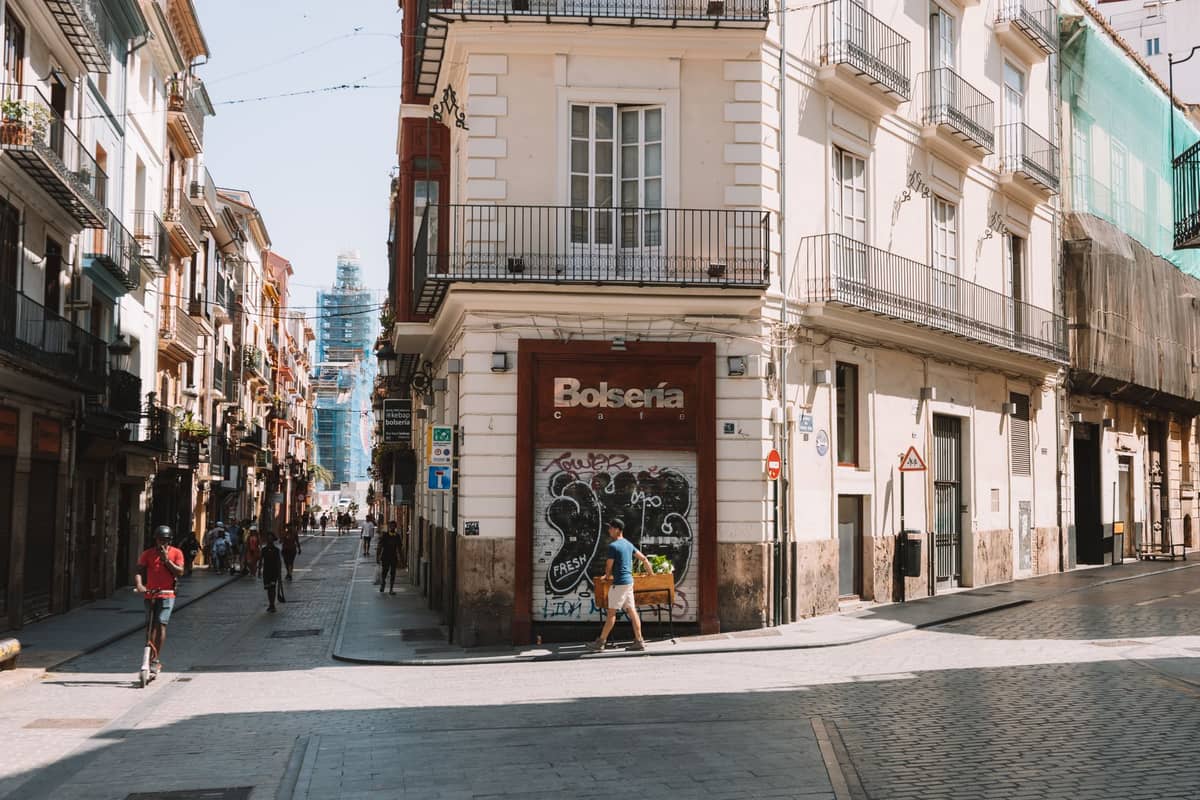
Hostel dorm beds in Valencia typically range from €15 to €28 per night depending on season, location, and facilities. The best-value options tend to sit in or just outside the Barrio del Carmen, close to the main sights but not in the most tourist-saturated streets. Private rooms in budget guesthouses and pensiones start at around €45-65 in low season and climb steeply in July and August and during Las Fallas in March.
For solo travelers, a hostel dorm is the obvious move. For couples or pairs, a private room at a pension often works out comparable in price to two dorm beds and gives you far more comfort. The neighborhood of Ruzafa is worth considering for accommodation: it sits south of the historic center, has excellent restaurants, and tends to have slightly lower room rates than Carmen. El Cabanyal, the old fishermen's quarter near the beach, is another solid option if you prioritize beach access over central location.
- Hostel dorm (shared room) €15-28/night. Best for solo travelers and short stays. Book well ahead for spring and summer.
- Budget guesthouse / pensión (private room) €45-75/night. Good value for two people. Look beyond the Cathedral square for better rates.
- Apartment rental (3+ nights) €60-100/night for a basic one-bedroom. Cost-effective for groups of 3-4 or longer stays, especially with kitchen access for self-catering breakfasts.
⚠️ What to skip
Avoid booking accommodation directly on the Plaza de la Reina or Plaza del Ayuntamiento unless you find an exceptional deal. Prices in those two squares are inflated and you'll be surrounded by mediocre tourist restaurants. A 10-minute walk from either plaza saves noticeably on both accommodation and food.
Eating in Valencia Without Spending Like a Tourist
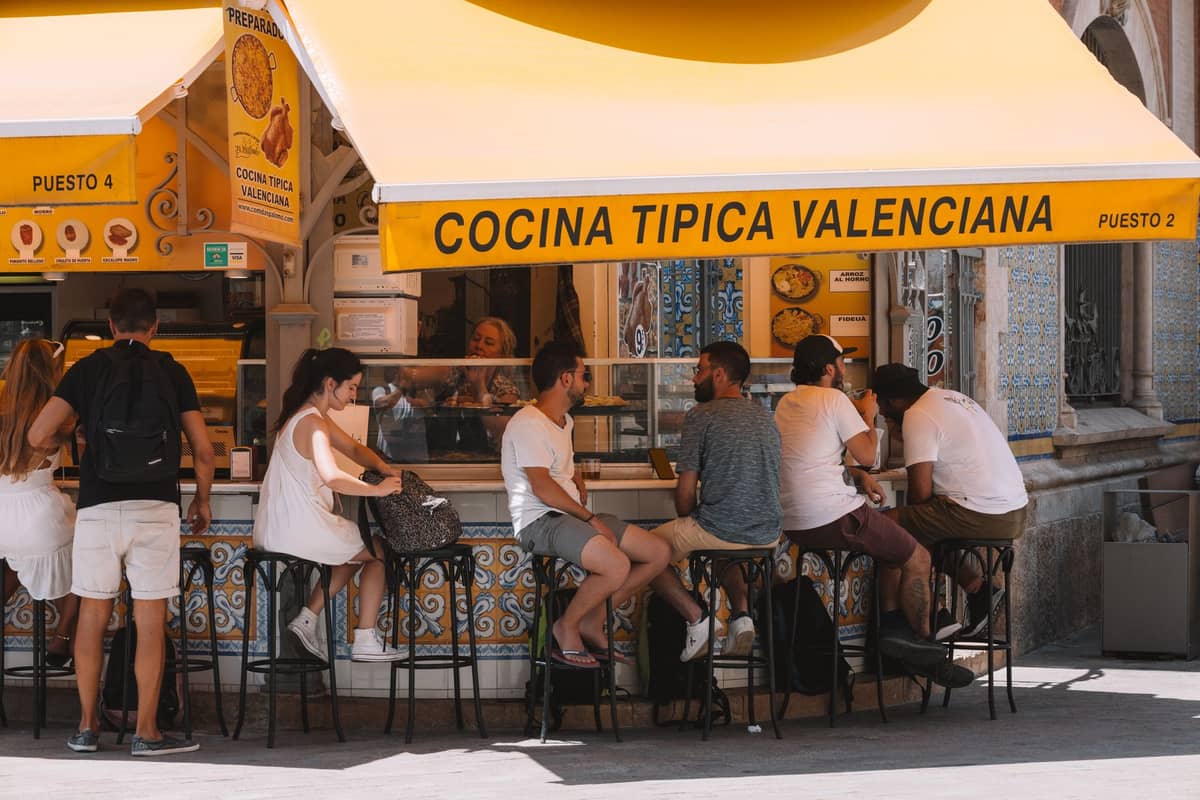
Food is where Valencia most rewards budget travelers who pay attention. The city has a serious food culture, and locals eat well without spending much. The key is following local patterns rather than tourist ones.
The menú del día is the cornerstone of budget eating in Spain, and Valencia's version is particularly good. For €12-16 you get a first course, a second course, dessert or coffee, bread, and usually a glass of wine or water. Quality varies, but in neighborhoods like Ruzafa, Benimaclet, and the streets around the Mercado Central, you'll find genuinely excellent three-course lunches at these prices. Order the menú del día for lunch, treat it as your main meal, and keep dinner light.
Breakfast at a local café or bar costs €2-4: a coffee and a toast with tomato (tostada con tomate) is standard. Skip hotel breakfasts unless they're genuinely included. For snacks and self-catering, the Mercado Central sells fresh produce, cheese, and cured meats at market prices. Valencia's own horchata, the sweet tiger nut drink, costs around €1.50-2.50 at a proper horchatería — far less than at tourist cafés. Read more about this local staple in our horchata guide.
- Café breakfast (coffee + toast): €2-4
- Market lunch or bakery sandwich: €4-8
- Menú del día (three-course lunch with drink): €12-16
- Supermarket dinner (bread, cheese, fruit, wine): €6-10
- Sit-down dinner at a local restaurant: €15-25 per person
- Paella at a tourist-facing restaurant near the beach: €15-25 per person — often poor quality, check reviews first
💡 Local tip
For paella, the real thing is typically eaten at lunch, not dinner. Restaurants that serve paella at dinner are often catering to tourists and charging premium prices for a dish they don't take seriously. For the best value paella, head to the Albufera area or look for restaurants in Ruzafa that specialize in it. Our guide to the best paella in Valencia covers the most reliable options.
Getting Around Valencia Cheaply
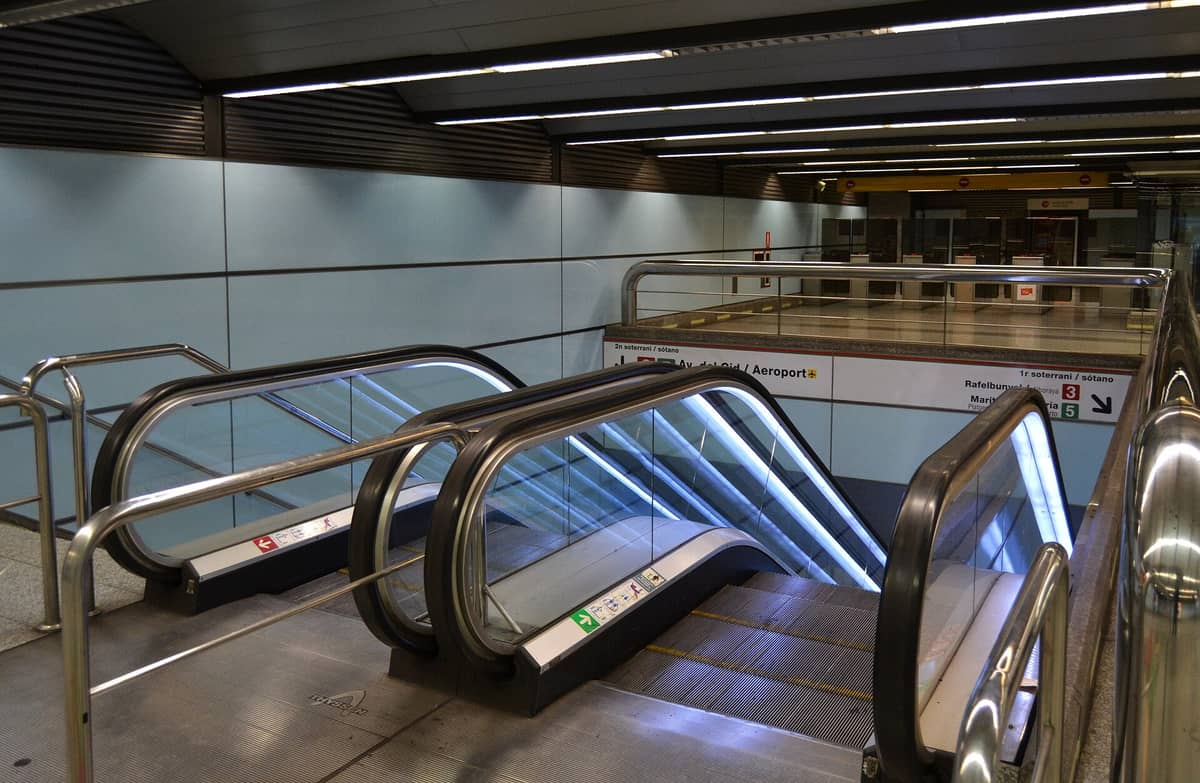
The single best transport decision in Valencia is taking the metro from the airport instead of a taxi. Lines 3 and 5 connect Manises Airport (VLC) directly to the city center in around 20 minutes, and the fare is a fraction of the taxi rate. Taxis from the airport typically cost €22-25; the metro is approximately €5 depending on your zone fare and card type. That difference alone covers a good lunch.
Within the city, walking covers most of what you need if you're based centrally. Valencia's metro (Metrovalencia) runs roughly 04:00-23:30 on weekdays and extended hours on weekends. Over 40 bus routes serve every neighborhood, with night buses running from 22:00. For slightly longer distances, the Valenbisi bike-share system is well-suited to the city's flat terrain. The Turia Gardens — the old riverbed converted to a 9km linear park — runs from the historic centre toward the City of Arts and Sciences and is a genuinely pleasant cycling route. Our Turia cycling guide has the full route breakdown.
If you plan to use public transport heavily over multiple days, check whether a travel card or the Valencia Tourist Card offers savings versus single-journey tickets. The Tourist Card also includes discounts at some paid attractions, which can offset the cost if you plan to visit several on a short trip. For a fuller overview of how to move around the city, see our guide to getting around Valencia.
Free and Low-Cost Sightseeing: Where the Real Value Is
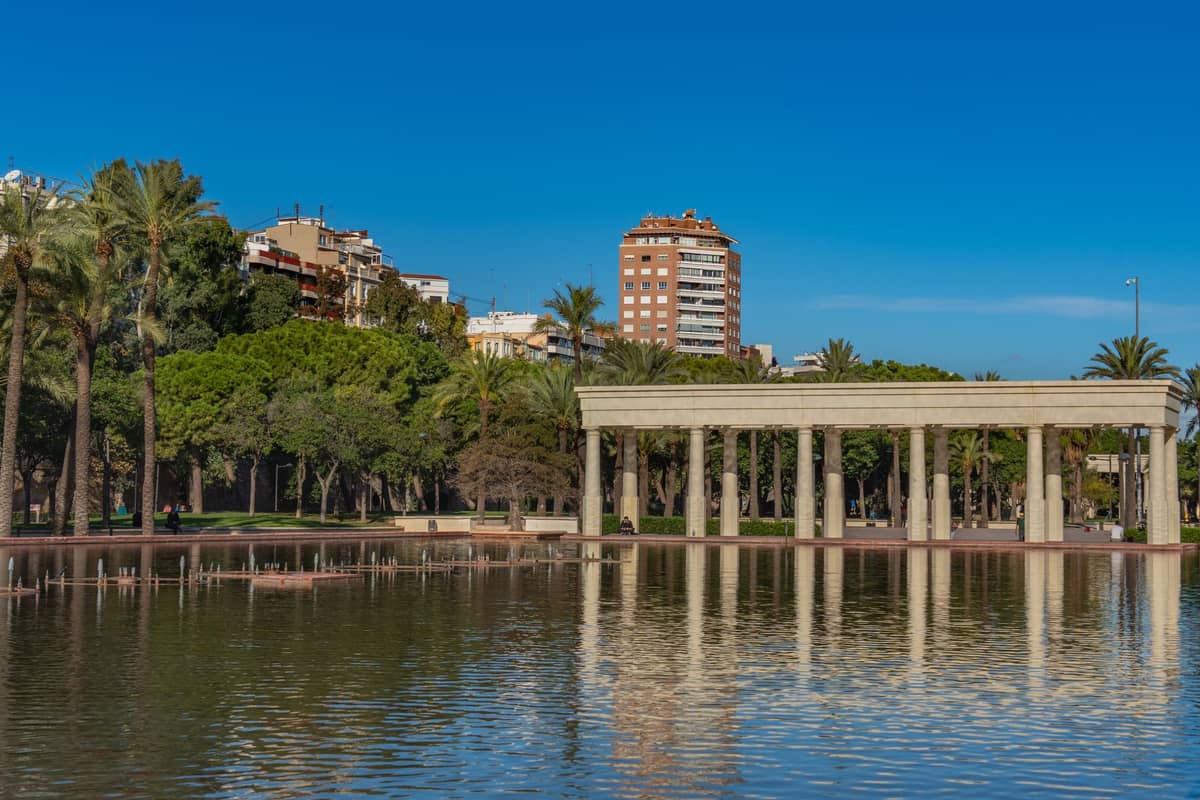
Valencia's free attractions are genuinely good — this is not a consolation prize for travelers who can't afford the real thing. The Turia Gardens alone is one of the best urban green spaces in Europe: 9 kilometers of park, cycling paths, sports areas, and gardens running through the heart of the city at zero cost. The nearby Gulliver Park is a beloved playground for families but worth seeing regardless of age.
The beaches are free, obviously, but worth stating: Playa de la Malvarrosa and Playa de las Arenas are accessible by bus or bike from the center and are genuinely good urban beaches. The Mercado Central is free to walk through (even if you buy nothing), and the building itself is an extraordinary piece of early 20th-century modernist architecture. Wandering through the old town — the Barrio del Carmen, the Cathedral square, the Torres de Serranos — costs nothing and can occupy a full half-day.
For museum access, Sunday is the key day: the Museo de Bellas Artes is free all week, while other institutions offer free Sunday entry or reduced rates. The IVAM (Institut Valencià d'Art Modern) offers free Sunday afternoon entry. The Centre del Carme regularly has free exhibitions. Check current schedules on official museum websites before visiting, as free-entry policies can change seasonally.
- Turia Gardens (Jardí del Túria) Free. 9km park running across the city. Best explored by bike or on foot over a morning.
- Museo de Bellas Artes Free, all week. One of the best fine art collections in Spain. Undervisited and genuinely impressive.
- Mercado Central Free to enter. Arrive before noon on weekdays for the full market atmosphere.
- Torres de Serranos and Torres de Quart Low entry fee (around €2-3 per tower). Excellent city views from the medieval gates.
- Beaches (Malvarrosa, Las Arenas) Free. Accessible by bus or bike. Quieter early mornings and in shoulder season.
- Barrio del Carmen street art and architecture Free. One of Spain's oldest urban neighborhoods — the streets themselves are the attraction.
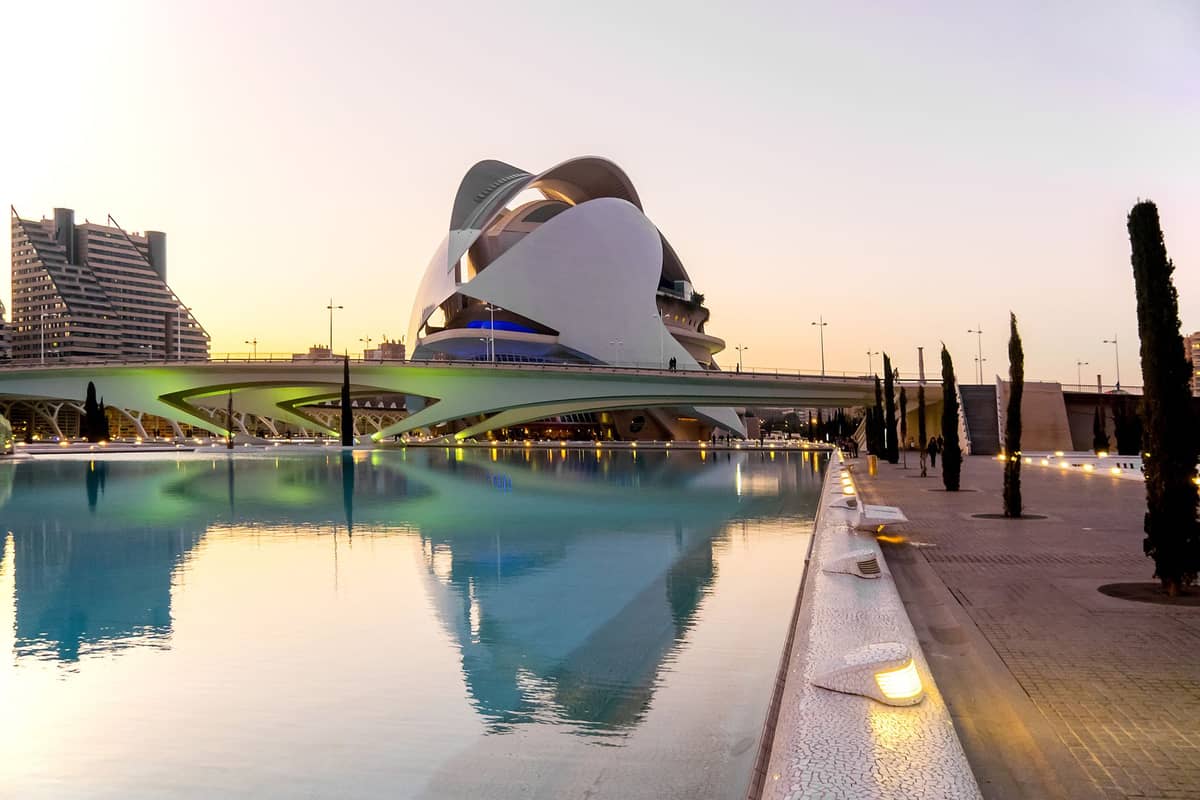
- Ciudad de las Artes y las Ciencias exterior Free to walk around and photograph. The buildings (Hemisfèric, Palau de les Arts) are architecturally spectacular from outside. Paid entry for interiors.
Timing Your Visit to Spend Less
Season makes a real difference to what you'll pay in Valencia. July and August are the most expensive months for accommodation: demand from Spanish domestic tourists and international visitors pushes hostel and hotel prices up considerably. The summer heat can also be intense, which makes walking-heavy sightseeing less comfortable. Budget travelers generally get better value in March-May (outside Las Fallas week) and September-November.
Las Fallas in March is the city's major festival and worth experiencing — but it is the single most expensive week of the year for accommodation. Book months in advance if you plan to attend, or plan your budget accordingly. The festival itself has plenty of free content (the street monuments are free to view), but prices for food, drink, and rooms spike sharply. Our Las Fallas guide covers how to navigate it.
Valencia's Mediterranean climate means mild winters (rarely below 10°C) and dry summers. The rainiest periods are autumn and late winter. A January or February visit can be remarkably affordable with very few crowds, comfortable walking temperatures, and full access to museums and restaurants. The beaches won't be swim-ready, but everything else is.
✨ Pro tip
If your travel dates are flexible, aim for late September to early November. The sea is still warm enough to swim, summer crowds have thinned, and accommodation rates drop by 20-40% compared to August peaks. The light is also excellent for photography of the architecture and the Turia gardens in autumn color.
FAQ
How much does a day in Valencia cost on a budget?
A realistic budget for a careful traveler is €55-80 per day. This covers a hostel dorm (€15-28), a café breakfast (€3-4), a menú del día lunch (€12-16), a light dinner or supermarket meal (€8-14), local transport (€3-6), and one or two low-cost or free attractions. Alcohol, paid museum entry, or a restaurant dinner will push this toward the higher end.
Is Valencia cheaper than Barcelona or Madrid?
Yes, generally. Accommodation and restaurant prices in Valencia are consistently lower than in Barcelona and comparable to or cheaper than Madrid for most categories. Street food, market lunches, and café prices are similar across Spain, but Valencia's hostel and mid-range hotel market tends to offer better value per euro.
What is the cheapest way to get from Valencia airport to the city center?
Take metro Lines 3 or 5 from the airport station (located on the ground floor of the regional flights terminal). The journey takes around 20 minutes into the city center and costs approximately €5, compared to €22-25 for a taxi. Bus Line 150 is also an option at around 35 minutes and similarly cheap (about €1.50).
Are there free museums in Valencia?
Yes. The Museo de Bellas Artes is free every day of the week and is one of the best art museums in Spain. The IVAM offers free Sunday afternoon admission. The Centre del Carme frequently has free exhibitions. The Museo de Prehistoria de Valencia is free on Sundays. Always confirm current free-entry days on official museum websites before visiting, as policies can change.
What is the menú del día and how does it save money?
The menú del día is a fixed-price lunch menu offered by most Spanish restaurants on weekdays, typically from 13:30 to 16:00. For €12-16 in Valencia, you get a starter, main course, dessert or coffee, bread, and a drink (usually wine or water). It's the most cost-effective way to eat a full, quality restaurant meal. Outside tourist-heavy areas, quality is often high and portions generous.