Valencia in Summer: What to Know Before You Go
Summer in Valencia, Spain runs hot and busy from June through August. This guide covers everything from actual temperatures and beach conditions to crowd patterns, seasonal pricing, and how to make the most of the city without melting in the midday sun.
Plan and book this trip
Tools from our partner Travelpayouts help you compare flights and hotels. If you book through them, we may earn a commission at no extra cost to you.
Flights
Hotels map
TL;DR
- July and August are the hottest months, with daytime highs regularly hitting 32–35°C and humidity that pushes the feels-like temperature even higher.
- Valencia's Mediterranean beaches are genuinely excellent in summer, with sea temperatures around 25–28°C, but Malvarrosa and Las Arenas get crowded from mid-June onward.
- Summer is peak season: hotels cost more, fill up faster, and some local restaurants close in August. Book accommodation at least 3–4 months out. See our best time to visit Valencia guide for a full seasonal comparison.
- The heat is real — do not underestimate it. Midday in July is not the time to be touring outdoor monuments. Adjust your schedule accordingly.
- Despite the heat, summer has genuine upsides: long days, outdoor dining, lively beach neighborhoods, and easy day trips from Valencia to cooler inland areas or Albufera at dusk.
What the Weather Is Actually Like
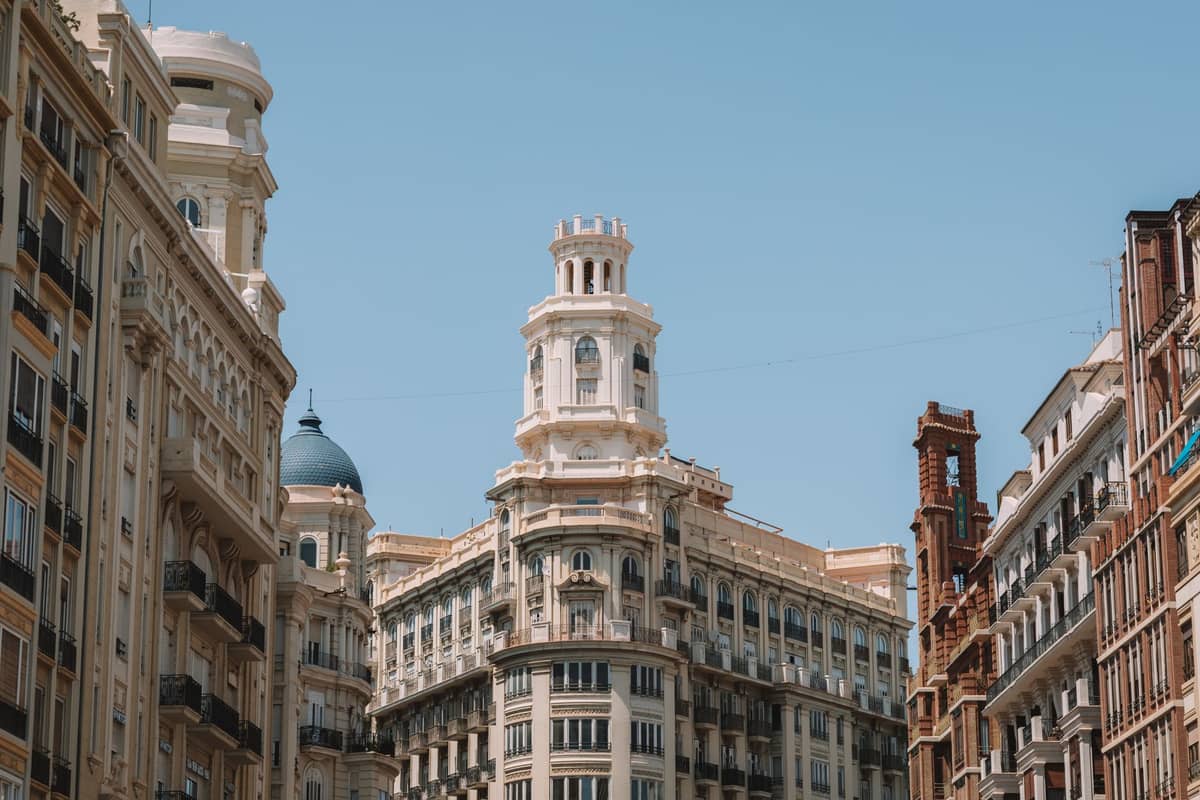
Valencia in summer is not the breezy Mediterranean fantasy some travel sites suggest. June is manageable — daytime temperatures average 27–29°C with low humidity and long evenings — but July and August are a different proposition. Expect highs of 32–35°C on a regular basis, and on peak heat days the combined effect of humidity from the Mediterranean and heat radiated off stone pavements makes conditions feel significantly more intense than the thermometer reads.
The saving grace is the coast. A sea breeze tends to kick in during the afternoon along the beach promenades, which makes El Cabanyal, Malvarrosa, and the marina area noticeably cooler than the historic centre. If you are spending time in the old city during a July heatwave, plan indoor activities between noon and 4pm. Air conditioning is standard in hotels and most restaurants, but the narrow streets of the Barrio del Carmen trap heat.
- June 27–29°C average highs, low humidity, comfortable evenings. The best summer month for sightseeing.
- July 32–34°C average highs, humidity rising. Still manageable with early starts and afternoon rest.
- August 34–35°C with peak humidity. The hardest month for touring. Sea temperature peaks at around 27–28°C.
- Rain Summer is Valencia's driest season. Rainfall is rare but can arrive as brief, intense afternoon thunderstorms, especially in August.
⚠️ What to skip
Do not assume Valencia will be 'warm but pleasant' in August. Multiple travel sources describe it as the most demanding month, with heat and humidity combining to exhaust visitors who stick to a normal sightseeing schedule. Adjust your itinerary: beaches and shaded parks in the afternoon, monuments and markets in the morning before 11am.
The Beaches: What to Expect and Where to Go
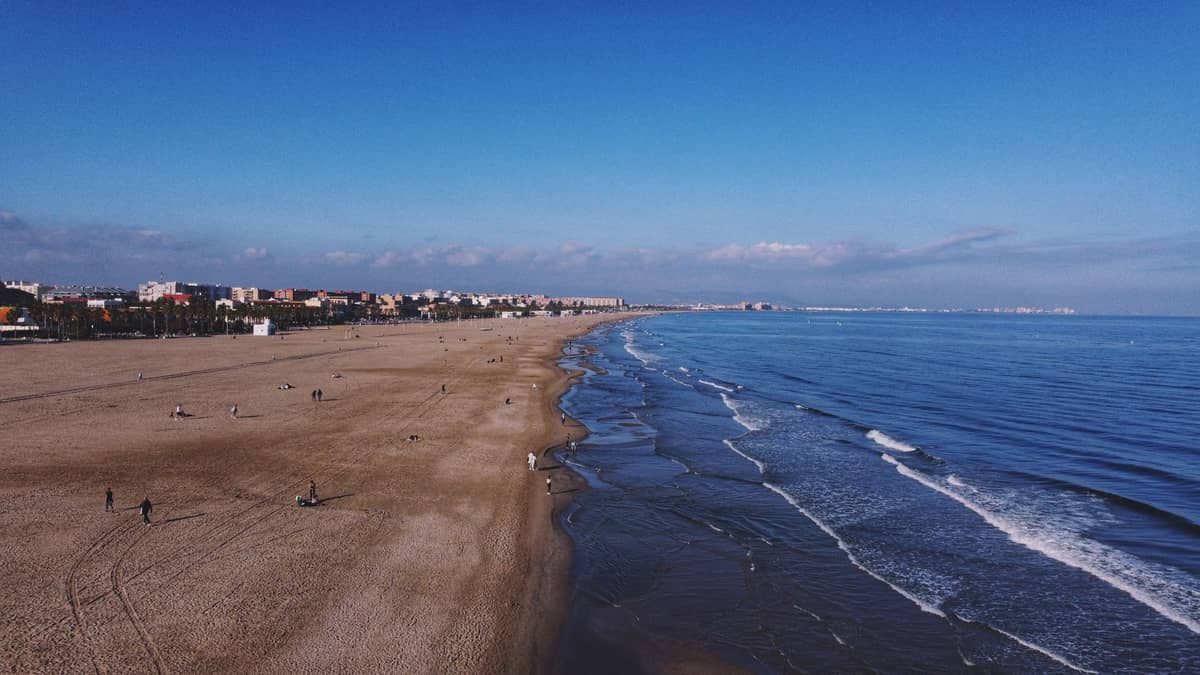
Valencia's city beaches are a genuine asset in summer. Playa de la Malvarrosa and Playa de las Arenas are the most central and most photographed, lined with restaurants and easily reached by bus or bike from the city centre. The sea temperature climbs to around 23–26°C by mid-July, warm enough for long afternoon swims without discomfort.
The trade-off is crowds. From mid-June through early September, Malvarrosa and Las Arenas fill up on weekends and public holidays. If you want space, head slightly further south to Playa de Pinedo, which is quieter and less developed, or continue to the Devesa del Saler — a long stretch of sand backed by pine forest that locals consider one of the best beaches near the city. The Saler beach is around 10km south of the centre, accessible by bus (line 25 runs from the city towards El Saler and El Palmar).
✨ Pro tip
Arrive at Valencia's city beaches before 10am or after 6pm in July and August. The midday crush between noon and 5pm is intense, and finding a spot on Malvarrosa without advance positioning is frustrating on weekends. Evenings on the beach promenade, when the heat drops and the restaurants come alive, are often the highlight of a summer visit.
Crowds, Pricing, and the August Closure Problem
Summer is unambiguously high season in Valencia. Hotel rates increase significantly from mid-June, and July-August pricing can be 30–50% higher than spring or autumn equivalents in the same properties. Booking 3–4 months out is the minimum for summer travel; in August, popular hotels near the beach or city centre often sell out entirely.
There is a specific complication with August that catches visitors off guard: the local closure period. A significant number of family-run restaurants, independent shops, and neighbourhood bars close for 2–4 weeks during August as Valencian residents take their own summer holidays. This is not universal — tourist-facing businesses in the centre and along the beach strip stay open — but if you are keen to eat at a specific local restaurant or explore a particular neighbourhood market, check in advance. The Ruzafa neighbourhood, which has a strong independent dining scene, sees more closures than the historic centre.
- Book accommodation at least 3–4 months ahead for July and August.
- Confirm specific restaurants are open before making plans — email or phone ahead in August.
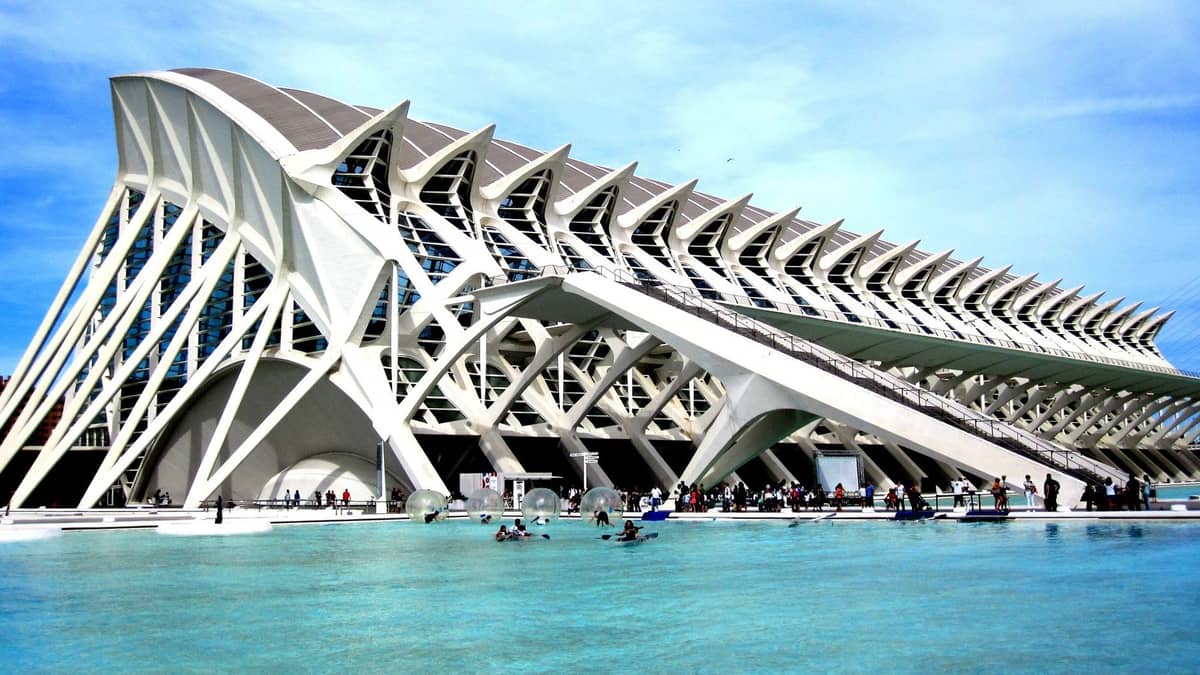
- Attractions at the Ciudad de las Artes y las Ciencias stay open in summer but get busy; book timed tickets online.
- Short-term apartment rentals can be better value than hotels for families or longer stays in peak season.
- Prices drop noticeably in early June and from mid-September — these shoulder periods give better value with minimal compromise on weather.
What to Do in Valencia in Summer
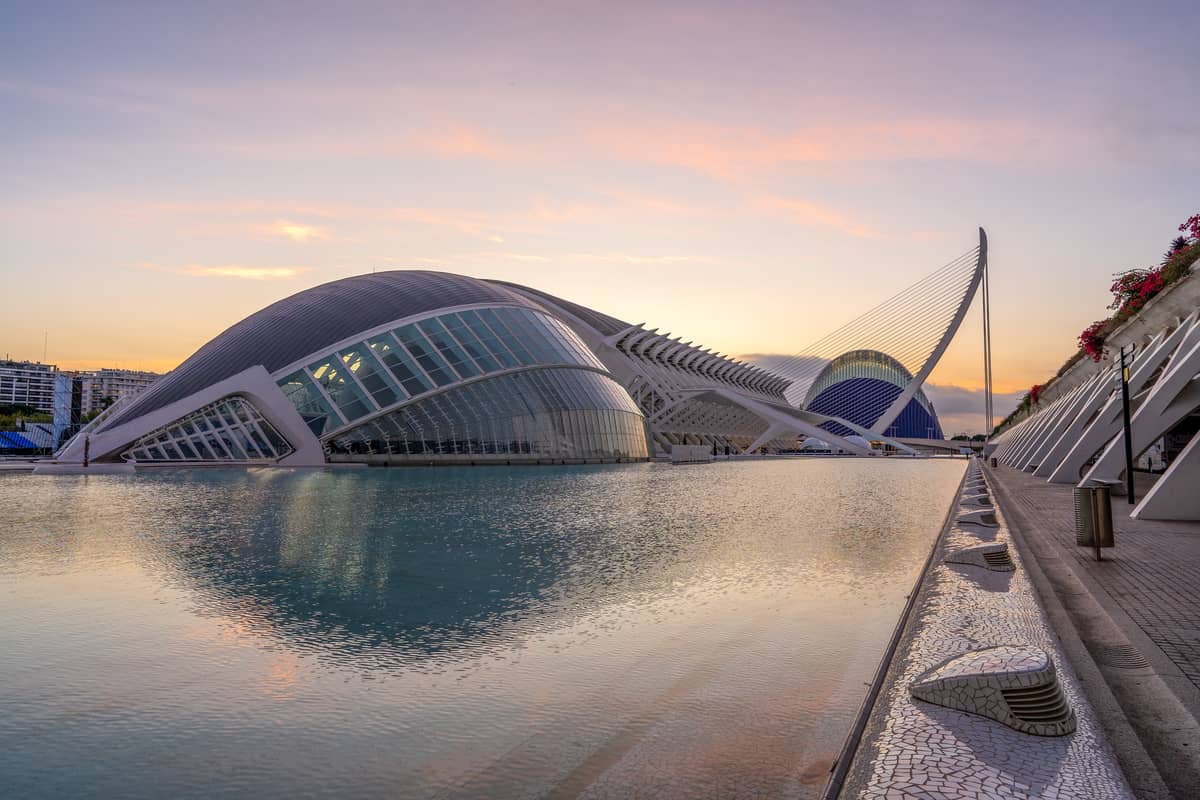
The heat forces a shift in rhythm that actually suits Valencia well. The city is built for long evenings: outdoor dining, late markets, beach bars, and the kind of slow promenade culture that makes the seafront genuinely enjoyable after 7pm. The Jardín del Turia, the 9km linear park running through the city along the old Turia riverbed, is ideal for early morning or early evening activity — cycling, running, or simply walking in the shade of mature trees — and connects the historic centre all the way to the Ciudad de las Artes y las Ciencias.
For indoor culture during the hottest hours, the Mercado Central is best visited at opening time (around 7:30–8am) before the heat and the tour groups arrive. The IVAM (Institut Valencià d'Art Modern) and the Museo de Bellas Artes both provide air-conditioned respite with serious collections — the Bellas Artes is free and houses one of the best collections of Valencian and Spanish art in the country.
A half-day trip to Albufera Natural Park is particularly well-suited to summer. The lagoon is beautiful at sunset, the rice paddies are in full growth, and the restaurants in the village of El Palmar serve proper paella prepared with locally grown rice. Go late afternoon to avoid the midday heat and stay for the evening light on the water.
💡 Local tip
Valencia's summer nightlife runs late, even by Spanish standards. Restaurants rarely fill before 9:30pm, beach bars stay open until midnight or later, and the Barrio del Carmen stays animated well past 1am on weekends. If the heat during the day is a problem, leaning into the evening schedule is not just culturally appropriate — it is genuinely the more comfortable way to experience the city in July and August.
Getting Around Valencia in Summer
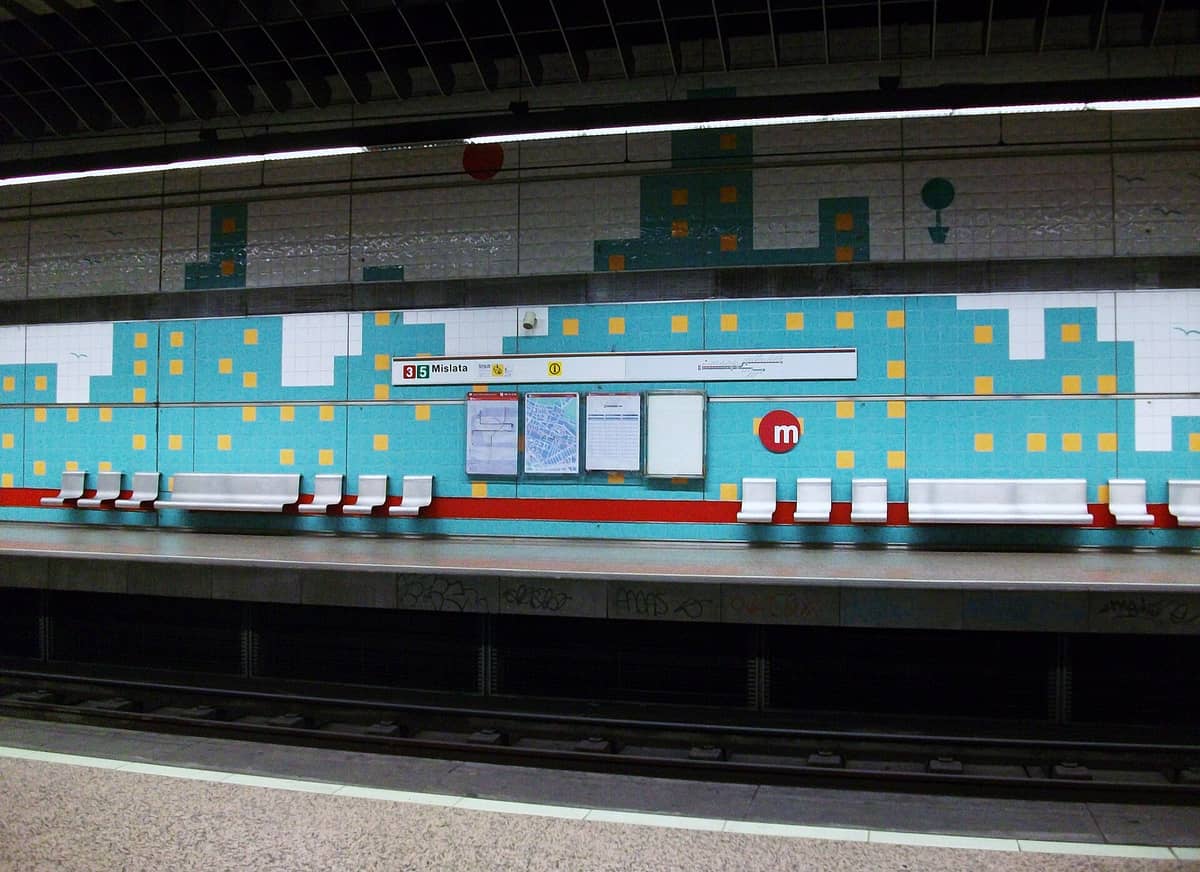
Valencia in summer rewards visitors who plan transport thoughtfully. The metro (Metrovalencia) is air-conditioned and the most comfortable way to move across the city during peak heat. Lines 3 and 5 connect Valencia Airport (VLC, about 8–9km from the city centre) to the city in around 25 minutes. City buses cover over 40 routes, though buses can get warm during the middle of the day. Cycling is popular in Valencia thanks to the Turia garden cycle path, but time it carefully — cycling at midday in August is not advisable. The city's Valenbisi bike-share system has stations throughout the centre and seafront. For full transport logistics, the getting around Valencia guide covers all options including pricing and route planning.
If you are arriving from Barcelona, the high-speed AVE train from Barcelona Sants to Valencia's Joaquín Sorolla station takes around 1 hour 40 minutes to 3 hours depending on the service. This is consistently the most practical option — the journey is comfortable, punctual, and drops you close to the city centre. Bus services on the Valencia to Barcelona corridor are cheaper but significantly slower.
Honest Advice: Is Summer the Right Time to Visit?
Summer in Valencia is genuinely enjoyable if you go in with accurate expectations. It is not the most comfortable season for intensive sightseeing — the heat in July and August is real, and it demands adjustments to your daily schedule. But the beaches are excellent, the evenings are long and atmospheric, the food is at its freshest, and the city has an energy in summer that other seasons do not match.
For families with school-age children, summer is often the only option, and Valencia handles it well — the beaches are safe and well-served, attractions like L'Oceanogràfic and Bioparc Valencia are genuinely excellent, and the city is compact enough that young children can manage it with careful planning. See our dedicated Valencia with kids guide for specific advice.
If you have flexibility on timing, late May and early June or September are worth serious consideration. The weather is still warm and sunny, the sea is perfectly swimmable, crowds are thinner, and prices are lower. But if summer is your window, go — Valencia rewards those who plan around the heat rather than ignoring it. For a broader look at timing, our best time to visit Valencia guide compares all seasons in detail.
FAQ
How hot does Valencia get in summer?
June averages around 27–29°C, while July and August regularly see highs of 32–35°C. Humidity from the Mediterranean can make these temperatures feel significantly hotter, particularly in inland areas of the city away from the sea breeze. Early morning and evening are the most comfortable times to be outdoors.
Is Valencia beach good in summer?
Yes — Valencia's beaches are a genuine highlight in summer. Sea temperatures reach around 25–28°C in July and August, making swimming comfortable. Playa de la Malvarrosa and Playa de las Arenas are the most central options, but they get crowded. For more space, Playa de Pinedo and Devesa del Saler to the south are better choices on busy weekends.
Is August a bad time to visit Valencia?
Not necessarily, but it requires preparation. August is the hottest and most expensive month, and some local restaurants and shops close as residents take their own holidays. That said, the city remains fully functional for tourists, beaches are at their best, and evenings are spectacular. Book accommodation early, adjust your daytime schedule to avoid the worst heat, and check that specific venues you want to visit are open.
What should I pack for Valencia in summer?
Light, breathable clothing in natural fabrics, good walking sandals, high-SPF sunscreen (SPF 50 is standard in local pharmacies), a refillable water bottle, and a hat for outdoor time. A light layer for air-conditioned restaurants and the metro is useful. If you plan to visit any churches or cathedrals, bring a scarf or light jacket to cover shoulders.
Is summer in Valencia expensive?
Compared to spring or autumn, yes. Hotels and apartments cost significantly more from mid-June through August, and booking last-minute is risky. However, many of the city's best attractions — the Jardín del Turia, Museo de Bellas Artes, the old city architecture — are free or low-cost year-round. Budget carefully and book accommodation 3–4 months out to avoid the worst of the premium pricing.