Top Things to Do in Barcelona: The Definitive Guide
Barcelona packs extraordinary architecture, world-class food markets, sun-soaked beaches, and centuries of history into 101 square kilometres. This guide cuts through the hype to tell you what's genuinely worth your time, what to skip, and how to do it all without wasting a day.
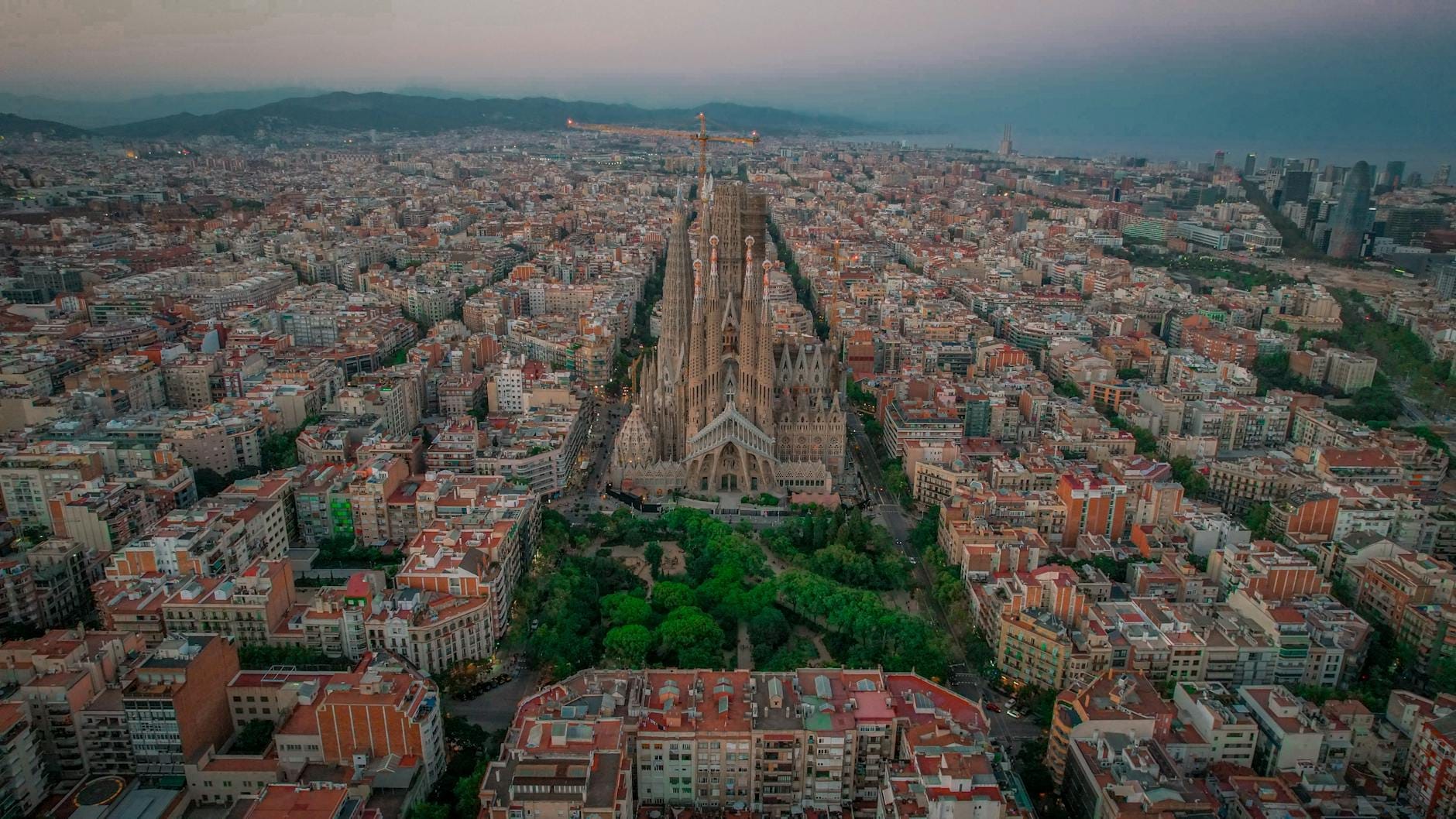
Tickets & tours
Live prices and dates from our booking partner. If you book, we may earn a commission at no extra cost to you.
TL;DR
- Book Sagrada Família and Park Güell tickets weeks in advance — both sell out regularly, especially in summer.
- May-June and September-October offer the best balance of weather, manageable crowds, and shorter queues at major sites.
- La Rambla is worth a walk, but Mercat de Santa Caterina is a better market than La Boqueria for actual shopping and fewer tourists.
- Montjuïc alone can fill an entire day: a castle, two world-class museums, an Olympic stadium, and the Magic Fountain.
- Use the TMB metro and bus network — it's cheap, extensive, and far faster than taxis in peak hours. See our full getting around Barcelona guide for route tips.
Gaudí's Barcelona: The Architecture You Actually Need to See
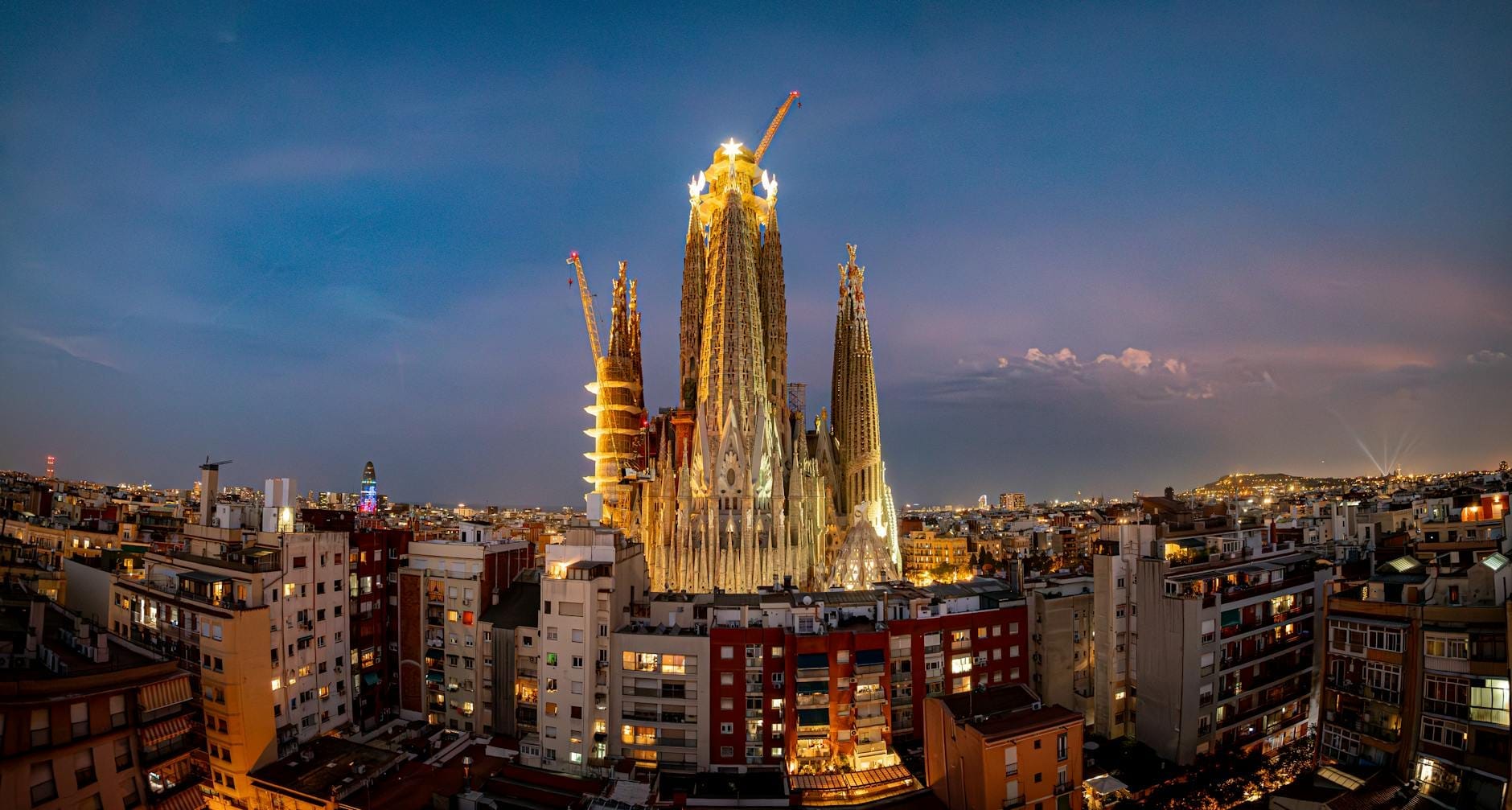
No honest guide to Barcelona starts anywhere other than Antoni Gaudí. His buildings are not tourist attractions bolted onto a city — they are the reason millions of people visit in the first place. The centrepiece is the Sagrada Família, a basilica under continuous construction since 1882 and still genuinely unfinished. With a completion target around 2026 (verify the latest status before visiting), the building is in a constant state of scaffolding and surprise. That's part of what makes it compelling.
Tickets cost roughly €30-€40 depending on what you include: the basic entry covers the interior, but adding the tower lifts gives you elevated views across the Eixample grid and is worth the extra cost. Buy timed-entry tickets directly from sagradafamilia.org as far in advance as possible. Turning up at the door is not a realistic option in summer — expect to be turned away or wait hours.
✨ Pro tip
Visit Sagrada Família right at opening time (9am) on a weekday. The light through the stained-glass windows on the Nativity facade is extraordinary in the morning, and the interior is significantly quieter than at midday.
Beyond the Sagrada Família, Gaudí's domestic works on Passeig de Gràcia deserve serious time. Casa Batlló and Casa Milà (La Pedrera) sit within a few hundred metres of each other. If you only enter one, make it Casa Batlló — the interior is more theatrical, and the rooftop terrace with its dragon-spine silhouette is unlike anything else in the city. La Pedrera's rooftop is famous for a reason, but the building's interior is less dramatic than its exterior suggests.
Park Güell, up on the hill in the Gràcia district, is a UNESCO World Heritage site and one of Gaudí's most imaginative projects. The free areas around the park are perfectly pleasant, but the Monumental Zone — the famous mosaic terrace, the hypostyle room, the Gaudí House Museum — requires a timed ticket (€12). Book at parkguell.barcelona. Crowds peak between 11am and 3pm; an early morning or late afternoon slot is noticeably quieter. For a broader look at Gaudí's full body of work across the city, the complete Gaudí Barcelona guide covers every major site with logistics.
Montjuïc: One Hill, a Full Day's Worth of Things to Do
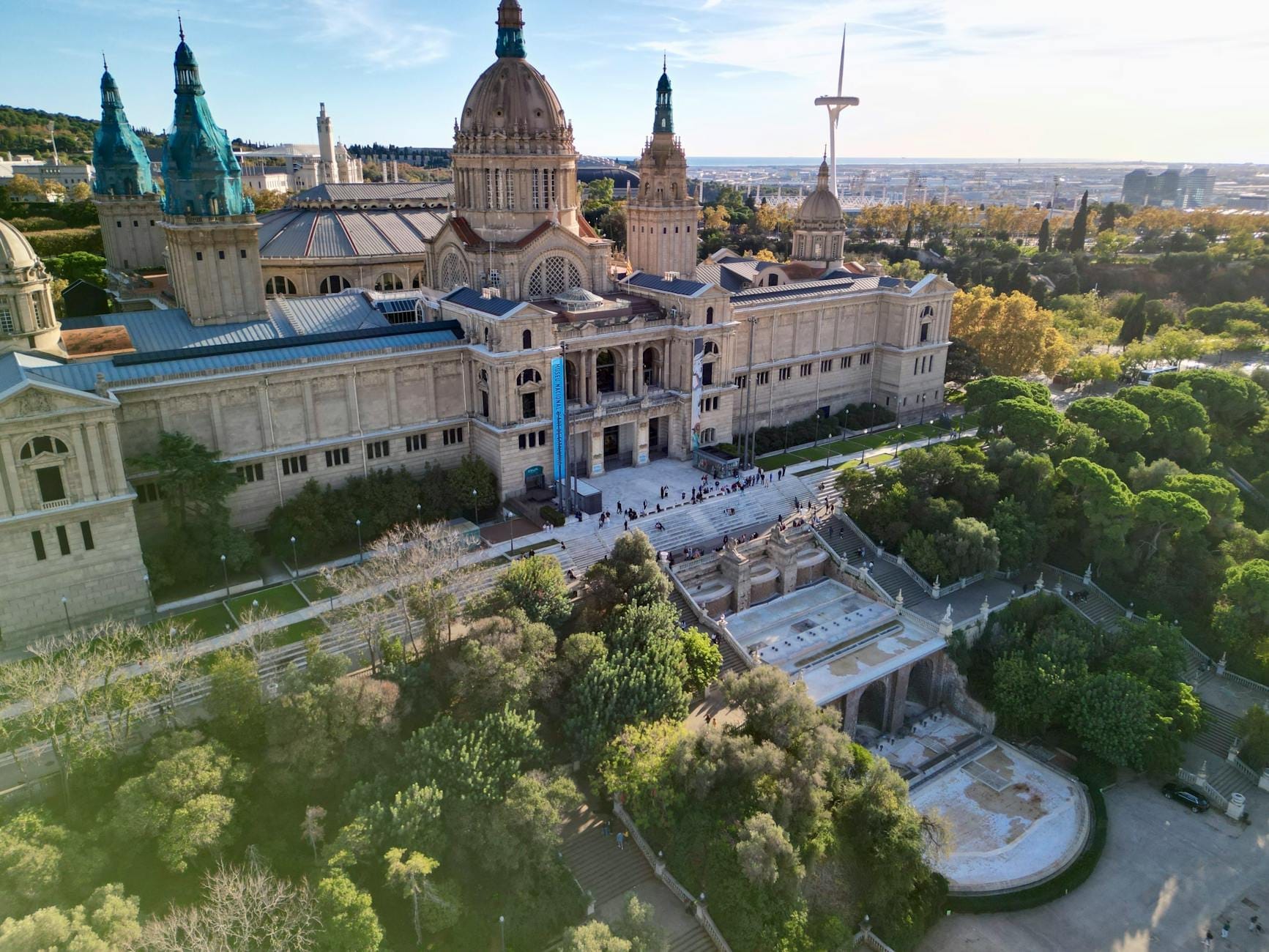
Montjuïc is consistently underestimated by first-time visitors who treat it as a single attraction. In reality, it's an entire district stacked on a hill above the port. At its summit sits Montjuïc Castle, an 18th-century military fortress with commanding views of the Mediterranean. The walk up through the gardens takes around 40 minutes from the base; the Montjuïc cable car cuts that to about 10.
Midway up the hill, the Museu Nacional d'Art de Catalunya (MNAC) houses one of the finest collections of Romanesque art in the world. The building itself — the Palau Nacional — is worth seeing even from the outside. Nearby, the Fundació Joan Miró is an outstanding modern art museum with a permanent collection that justifies a two-hour visit. Budget travellers: entry to both is free or discounted on the first Sunday of each month.
In the evenings, the Magic Fountain of Montjuïc runs light and music shows, typically Thursday to Sunday from around 8pm (schedule varies significantly by season — check bcn.cat before visiting). The fountain itself is free. Crowds gather early; arrive 20-30 minutes ahead if you want a clear sightline. It's genuinely spectacular once and perfectly skippable if you've seen it before.
💡 Local tip
Combine MNAC and the Magic Fountain into a single evening: visit the museum in the afternoon (it's open late on Thursdays), then walk down to the fountain after dark. You'll cover both without backtracking.
The Gothic Quarter, El Born, and the Old City
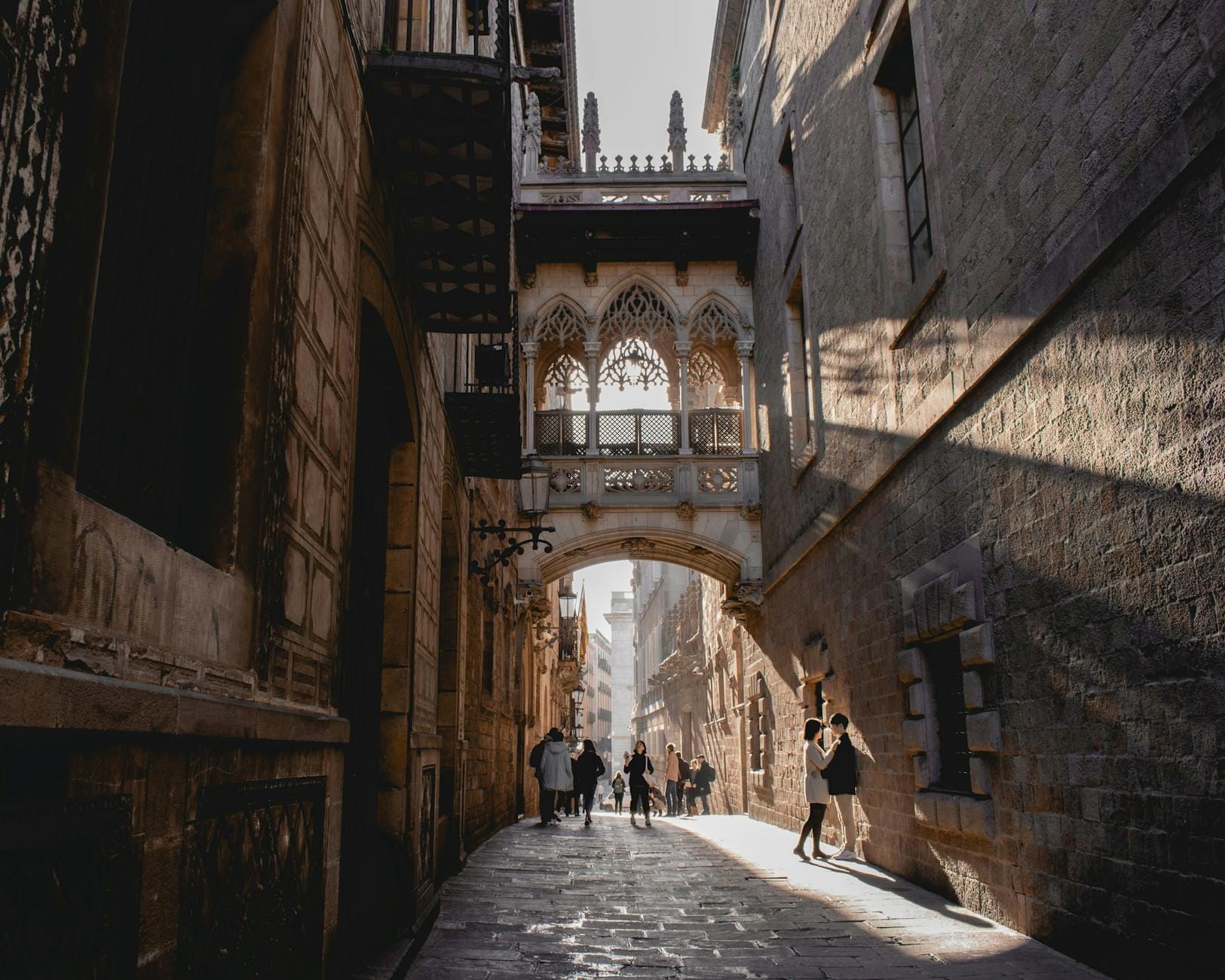
Barcelona's oldest neighbourhoods reward slow exploration. The Gothic Quarter is built on top of the Roman city of Barcino, and if you look carefully, you'll find sections of Roman wall embedded into medieval buildings. The Barcelona Cathedral anchors the neighbourhood — it's free to enter in the mornings and evenings, with a charge during the middle of the day. The rooftop is accessible by lift for a modest fee and gives an unusual perspective over the tangle of the old city.
A few streets away, Carrer del Bisbe features a neo-Gothic bridge connecting two government buildings — it looks medieval but dates from 1928, which tells you something about how Barcelona's old city plays with historical aesthetics. The nearby El Born neighbourhood is the sharper, more local alternative to the Gothic Quarter. The Museu Picasso (book online) is here, as is the Basilica de Santa Maria del Mar, a 14th-century church built by the people of the Ribera district and widely considered the finest example of Catalan Gothic architecture. Entry is free in the mornings.
⚠️ What to skip
La Rambla sees a high volume of pickpocketing, particularly between Plaça de Catalunya and Plaça Reial. Keep bags in front of you and avoid the shell-game operators who set up near the central flower stalls. The street is worth walking once, but it's not a place to linger with your attention elsewhere.
La Boqueria market, technically the Mercat de Sant Josep, is a 19th-century market hall that has become almost entirely tourist-oriented. Many of the stalls now sell overpriced cut fruit and jamón portions aimed at visitors rather than locals doing their weekly shopping. It's visually impressive but not where Barcelonans actually buy food. For a functioning neighbourhood market with extraordinary produce and far fewer crowds, Mercat de Santa Caterina in El Born — designed by Enric Miralles with a dramatic undulating mosaic roof — is significantly better.
Parks, Beaches, and Time Outdoors
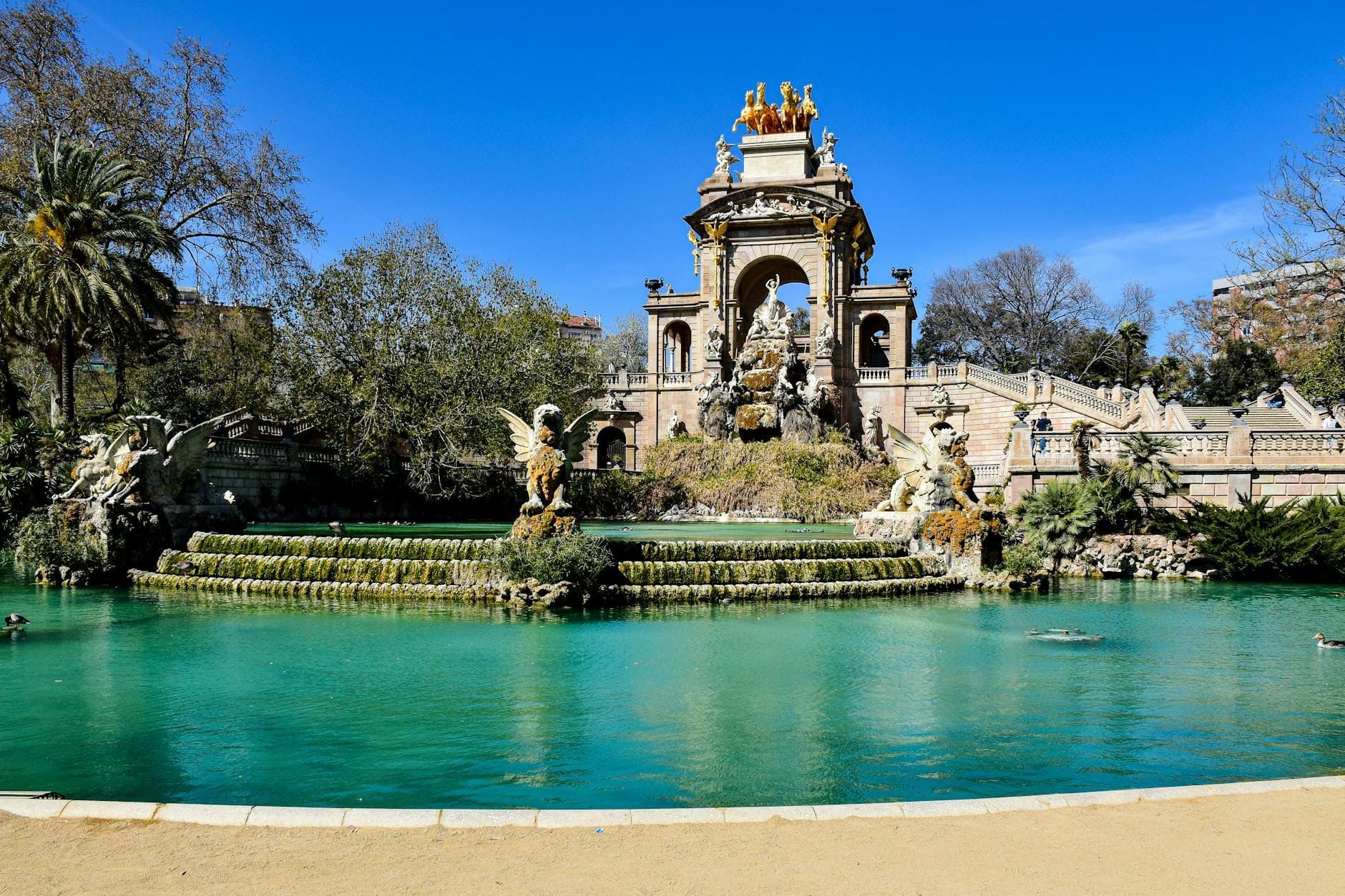
Parc de la Ciutadella is Barcelona's main green lung, built on the site of a citadel demolished after the 1888 Universal Exhibition. It's where locals come to sit, cycle, row boats on the lake, and escape the density of the old city. The Cascada Monumental at the park's northeast end is an elaborate waterfall fountain that a young Gaudí reportedly helped design. The park is free, open daily, and genuinely pleasant at any time of year.
Barcelona's beaches are accessible and well-serviced, but not equally good. Barceloneta beach is the closest to the city centre and the most crowded, especially in July and August when it's essentially wall-to-wall sunbeds from 10am onward. Beaches further northeast along the coast, such as those in Poblenou or beyond the Forum, are quieter and cleaner. For the full picture on where to swim and when, the Barcelona beaches guide covers water quality, facilities, and crowd levels beach by beach.
- Parc de la Ciutadella Best for a slow morning with a book, a picnic, or a boat rental on the lake. Free entry, central location, open all year.
- Park Güell Monumental Zone requires a timed ticket (~€10). Best visited early morning or late afternoon. Expect uphill walking from public transport stops.
- Montjuïc Gardens The Jardí Botànic and Jardins de Laribal are free or low-cost and almost completely overlooked by visitors heading straight to the castle.
- Barceloneta Beach Convenient but crowded in summer. Water quality is generally good. Arrive before 10am in peak season to secure space.
- Bunkers del Carmel Former anti-aircraft battery on a hill above the El Carmel neighbourhood. No entry fee, no ticket required, arguably the best 360° panoramic view of the city.
Culture, Music, and Art Beyond the Big Names
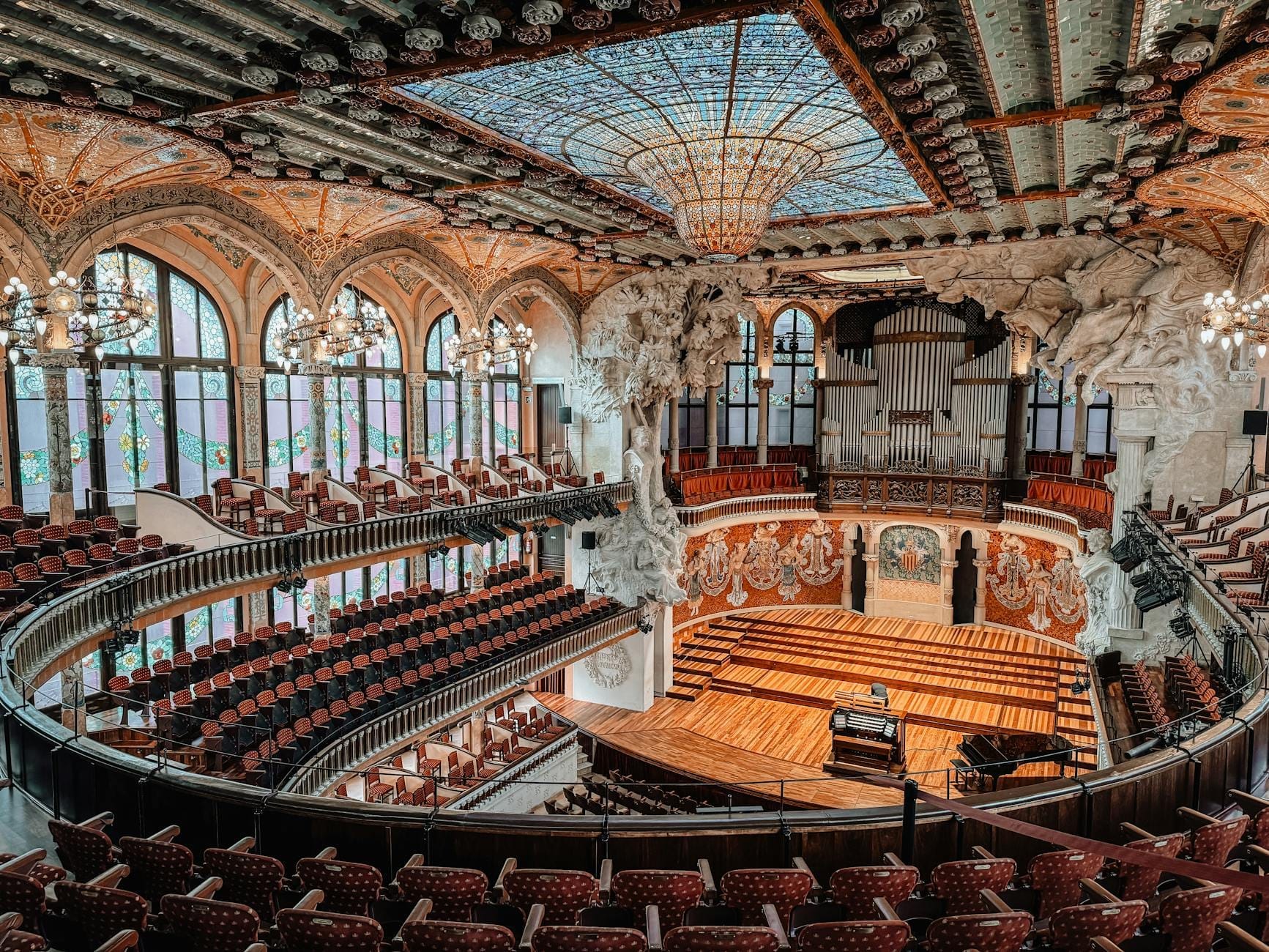
The Palau de la Música Catalana is a UNESCO-listed concert hall designed by Lluís Domènech i Montaner, Gaudí's great rival in Catalan Modernisme. Unlike Gaudí's work, this building is rarely seen by visitors who don't know to look for it. Guided tours run daily (book ahead); attending an actual concert is the better experience if schedules align. The stained-glass ceiling that floods the main auditorium with natural light during daytime performances is extraordinary.
For contemporary art, the MACBA (Museu d'Art Contemporani de Barcelona) in El Raval has a strong permanent collection and regularly updated temporary exhibitions. The plaza in front of MACBA is one of the city's best skateboarding spots — which tells you something about the neighbourhood's character. Nearby, CaixaForum occupies a converted Modernista factory and hosts high-quality travelling exhibitions, often with affordable entry or discounts for under-25s.
For a completely different kind of cultural experience, the Hospital de Sant Pau is a UNESCO-listed Modernista complex designed by Domènech i Montaner and completed over several decades from 1902. It functioned as a working hospital until 2009 and is now open to the public. It receives a fraction of the visitors that Sagrada Família does, despite being architecturally comparable and considerably more peaceful.
Practical Notes: Timing, Money, and Getting It Right
The best months to visit Barcelona for outdoor sightseeing without the worst of the crowds are May, June, September, and October. July and August are hot (regularly above 30°C), expensive, and extremely crowded at every major attraction. December through February is mild by European standards (8-15°C), with shorter queues at Sagrada Família and Park Güell — though the Magic Fountain may suspend shows. For a detailed seasonal breakdown, the best time to visit Barcelona guide covers month-by-month conditions.
- Book Sagrada Família and Park Güell tickets the moment your trip dates are confirmed — weeks or months ahead in summer.
- The T-Casual (10-trip metro/bus card, €13) offers significantly better value than single tickets. Each card is personal and non-transferable — each traveller needs their own.
- Many major museums offer free entry on the first Sunday of each month, and some are free every Sunday afternoon.
- Tipping is optional in Barcelona: 5-10% in restaurants if service isn't included, rounding up in taxis. Never feel obligated.
- Catalan is co-official with Spanish in Barcelona — a simple 'gràcies' (thank you) or 'bon dia' (good morning) is well received and not considered tourist performance.
- Tap water is safe to drink throughout the city, saving you money on bottled water across a full trip.
ℹ️ Good to know
The Barcelona Card (available for 3, 4, or 5 days) covers unlimited public transport and discounts or free entry at dozens of museums. It's worth the cost if you plan to visit multiple paid attractions in a short window — run the numbers against your itinerary before buying.
For travellers watching their budget, Barcelona has more free content than most comparable European cities. The Gothic Quarter and El Born are free to walk, the Ciutadella is free, the Bunkers del Carmel have no entry charge, and beach access costs nothing. Barcelona on a budget maps out a realistic low-cost itinerary that still hits the major highlights.
FAQ
How many days do you need to see the best of Barcelona?
Three full days covers the essential attractions without feeling rushed: one day for Gaudí architecture (Sagrada Família, Passeig de Gràcia), one for the old city (Gothic Quarter, El Born, Barceloneta), and one for Montjuïc plus whichever museums interest you most. Five days allows for day trips, beach time, and neighbourhoods like Gràcia or Poblenou.
Do you need to book Sagrada Família tickets in advance?
Yes, without exception in spring and summer. The basilica sells timed-entry tickets that frequently sell out days or weeks in advance between April and October. Book directly at sagradafamilia.org. In winter, same-week booking is usually possible, but advance purchase is still recommended.
Is La Rambla worth visiting?
La Rambla is worth one walk along its 1.2 km length, ideally in the morning before the crowds build. But it's not where you should spend significant time — it's heavily tourist-oriented, and pickpocketing is a real issue. The parallel streets of El Raval and the Gothic Quarter are far more interesting for longer exploration.
What's the best way to get around Barcelona?
The TMB metro covers most major attractions efficiently. Lines 2, 3, and 5 handle the bulk of tourist-relevant stops. The T-Casual 10-trip card is the most economical option. Walking is realistic between the Gothic Quarter, El Born, Barceloneta, and Barceloneta beach. Taxis and ride-hailing apps (Uber, Bolt, Cabify) are useful for Montjuïc or late-night returns.
Are Barcelona's beaches clean and safe to swim in?
Generally yes — Barcelona's beaches meet EU Blue Flag water quality standards most years. Barceloneta is safe but very crowded in summer. The beaches north of the Forum area tend to have cleaner water and fewer people. Watch for jellyfish advisories in late summer, which are posted on beach information boards.
Tickets & tours
Live prices and dates from our booking partner. If you book, we may earn a commission at no extra cost to you.
Planning a trip? Discover personalized activities with the Nomado app.