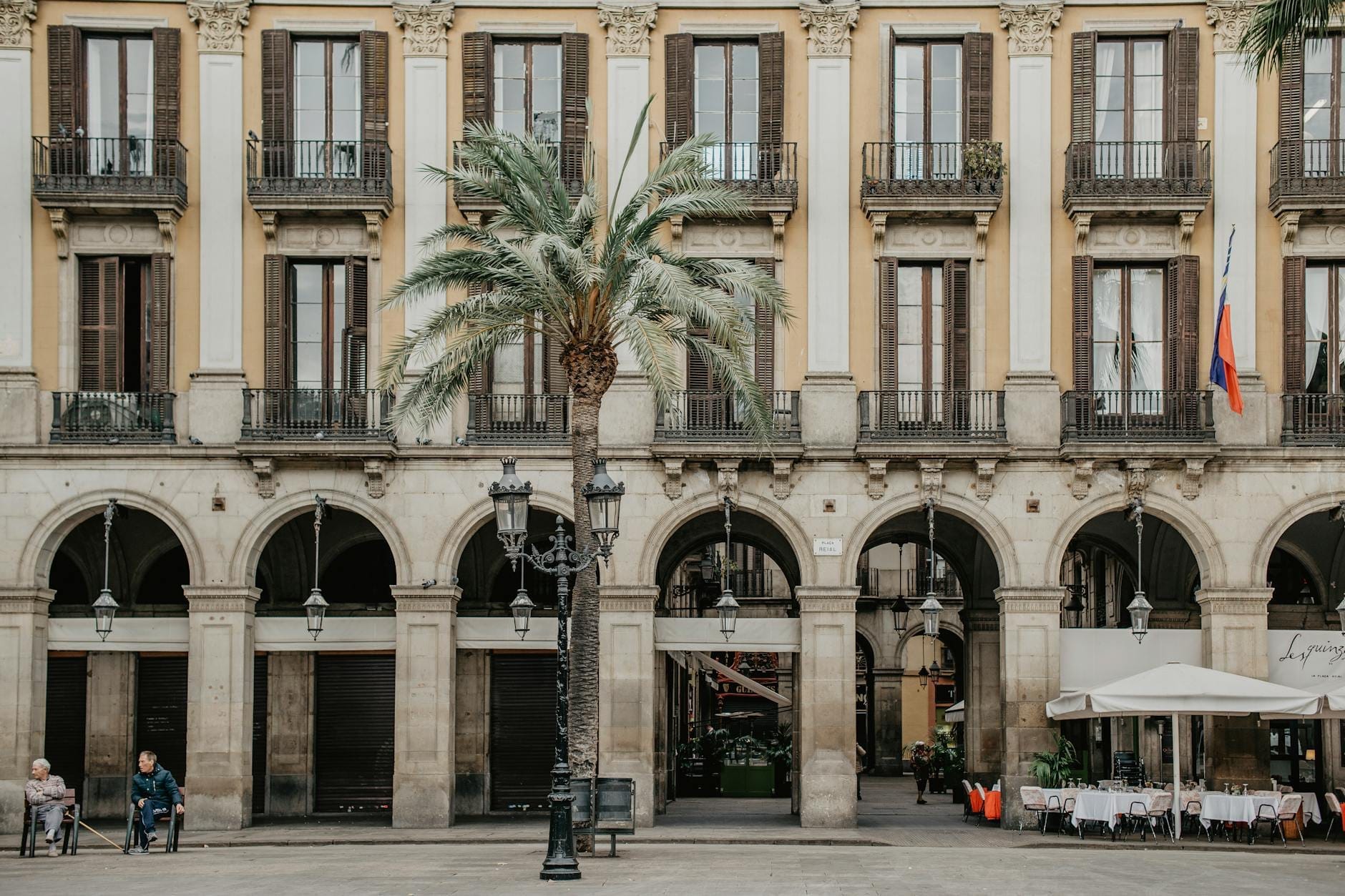
The Gothic Quarter is Barcelona's oldest and most historically layered neighborhood, where Roman foundations literally sit beneath medieval churches and 21st-century café tables. Spread across a compact grid of narrow lanes in the heart of the old city, the Barri Gòtic rewards slow exploration, revealing hidden courtyards, ancient stone columns, and some of the city's most atmospheric squares.
The Gothic Quarter, or Barri Gòtic, is the ancient core of Barcelona: a dense, atmospheric maze of medieval streets built on top of the Roman settlement of Barcino, where 2,000-year-old walls still stand steps from lively tapas bars and independent boutiques. More than any other neighborhood in the city, it layers history visibly and unapologetically, making every wrong turn feel deliberate.
Orientation
The Gothic Quarter occupies the heart of Barcelona's Ciutat Vella (Old City), a roughly rectangular area wedged between four natural boundaries. To the west, Las Ramblas marks the edge where the Barri Gòtic meets El Raval. To the north, Plaça de Catalunya anchors the top of the neighborhood and connects it to the Eixample grid above. The eastern edge blurs into El Born (officially El Barri de la Ribera), roughly at Carrer de la Princesa and Via Laietana, though locals debate exactly where one ends and the other begins. To the south, the neighborhood opens toward the waterfront via the Barri del Gòtic's lower reaches near Port Vell.
Within those boundaries, the layout is deceptive. The streets follow an ancient Roman grid at the core, but centuries of construction, demolition, and organic growth mean the lanes twist unpredictably. The neighborhood's backbone is the Carrer del Bisbe, which connects the Barcelona Cathedral complex to the old government buildings at Plaça Sant Jaume. Walking south from the Cathedral toward the port, you pass through distinct micro-zones: the civic, cathedral-dominated upper section; the more commercial middle around Plaça Reial; and the quieter, more residential lower pocket near Carrer d'Ataülf.
The Gothic Quarter sits at the geographic and symbolic center of Barcelona. Plaça de Catalunya is the main transit hub immediately to the north, and from there, virtually every part of the city is reachable. The neighborhood itself is largely walkable, with many streets limited to local and delivery traffic, which means you navigate it on foot regardless of where you arrive from.
Character & Atmosphere
The Gothic Quarter operates on a rhythm that shifts dramatically across the day. Early mornings, before 9am, the streets are almost entirely quiet. The stone pavements are wet from overnight cleaning, the light is cool and gray, and the neighborhood feels almost private. This is when you notice the architecture most clearly: the Roman wall sections near Plaça Nova with their embedded medieval towers, the carved cornices above shuttered doorways, the worn limestone of alleyways barely wide enough for two people to pass.
By mid-morning, the neighborhood shifts into its daytime mode. Café chairs appear on the small squares. The souvenir shops around the Cathedral open their shutters. Tour groups begin accumulating at Plaça Nova, following guides with umbrellas or tablets. The streets between Las Ramblas and Carrer del Bisbe fill steadily with tourists navigating by phone. By early afternoon, particularly in summer, the volume can feel overwhelming on the main arteries. The narrow lanes amplify noise: conversation, café music, the clatter of luggage wheels on cobblestones.
However, the Gothic Quarter has an interior that most visitors never reach. Move two or three blocks away from the Cathedral-to-Ramblas corridor and the character changes immediately. Plaça de Sant Felip Neri, a small square with a fountain and a church pockmarked by Civil War bullet holes, can be almost empty at midday. The lanes around Carrer de la Pietat and Carrer dels Comtes have a concentrated sense of depth and age that rewards wandering over having a destination.
After dark, the neighborhood splits into two very different experiences. The area around Plaça Reial and the streets feeding into Las Ramblas becomes loud and crowded late into the night, drawing a mix of tourists and a younger bar-going crowd. The zones closer to the Cathedral and around Plaça Sant Jaume go quieter and more atmospheric, the stone facades lit amber, the streets largely empty. Both versions of the Gothic Quarter are genuine; they just suit different temperaments.
💡 Local tip
The best time to photograph the Gothic Quarter's architecture is early morning or just after rainfall, when the streets are empty and the stone takes on a deep, saturated quality. The area around Plaça de Sant Felip Neri is particularly good in this light.
What to See & Do
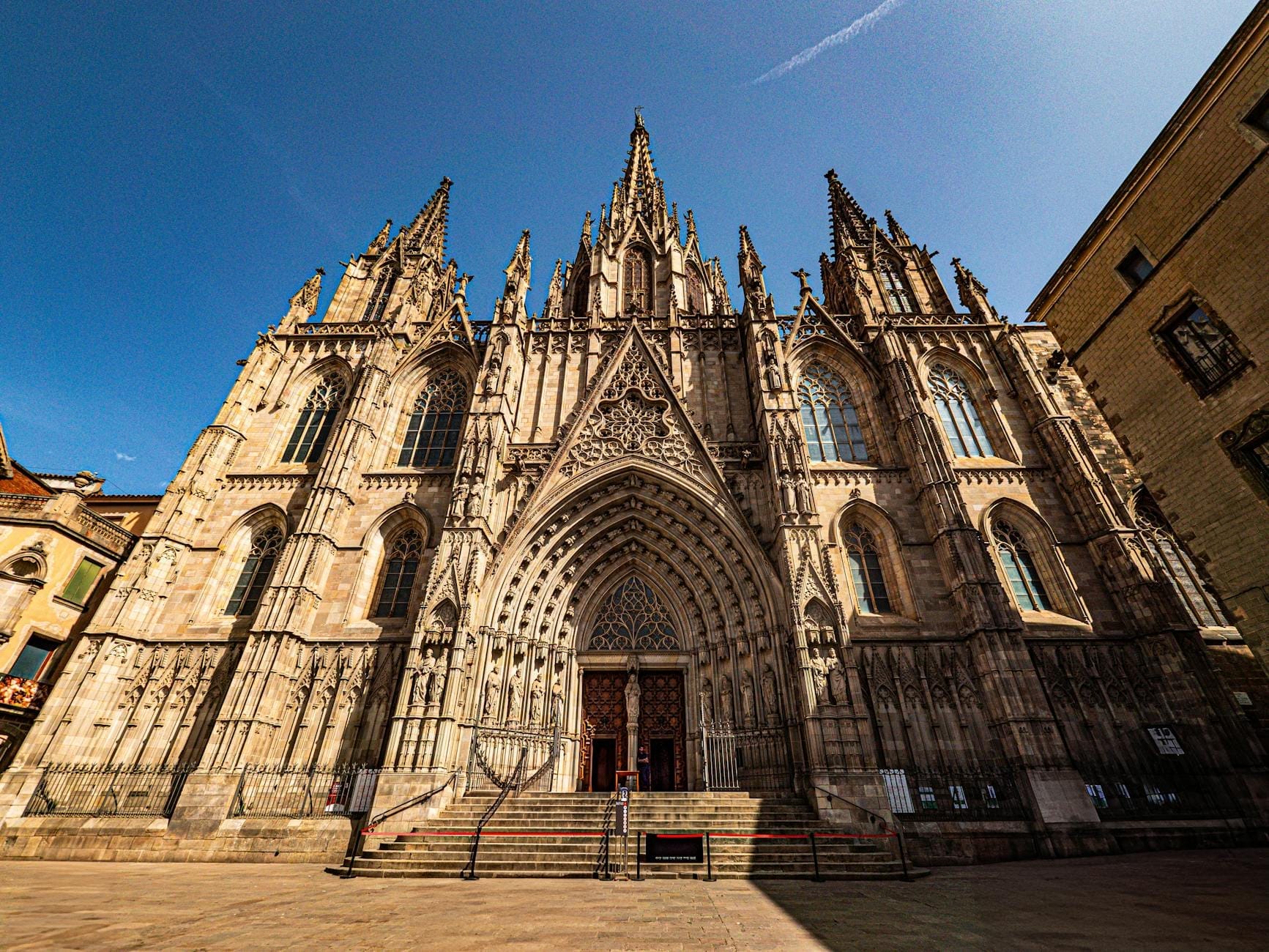
The Barcelona Cathedral is the neighborhood's gravitational center. The main façade on Plaça de la Seu dates to the late 19th century, but the interior and the cloister, where thirteen white geese live as an ancient tradition, are genuinely medieval, construction having begun in 1298. The rooftop terraces, accessible by elevator, offer one of the better elevated views of the old city's roofscape. Early morning is the best time to visit: lines are shorter and the light through the nave windows is exceptional.
The Temple of Augustus sits inside the Centre Excursionista de Catalunya building, reached through an unassuming doorway on Carrer del Paradís. Four intact Corinthian columns from the 1st-century Roman temple stand in an interior courtyard, free to enter during opening hours, and they rank among the most undervisited ancient Roman remains in any major European city. Standing beneath them with almost no other visitors present is an experience that puts the neighborhood's true timeline into perspective.
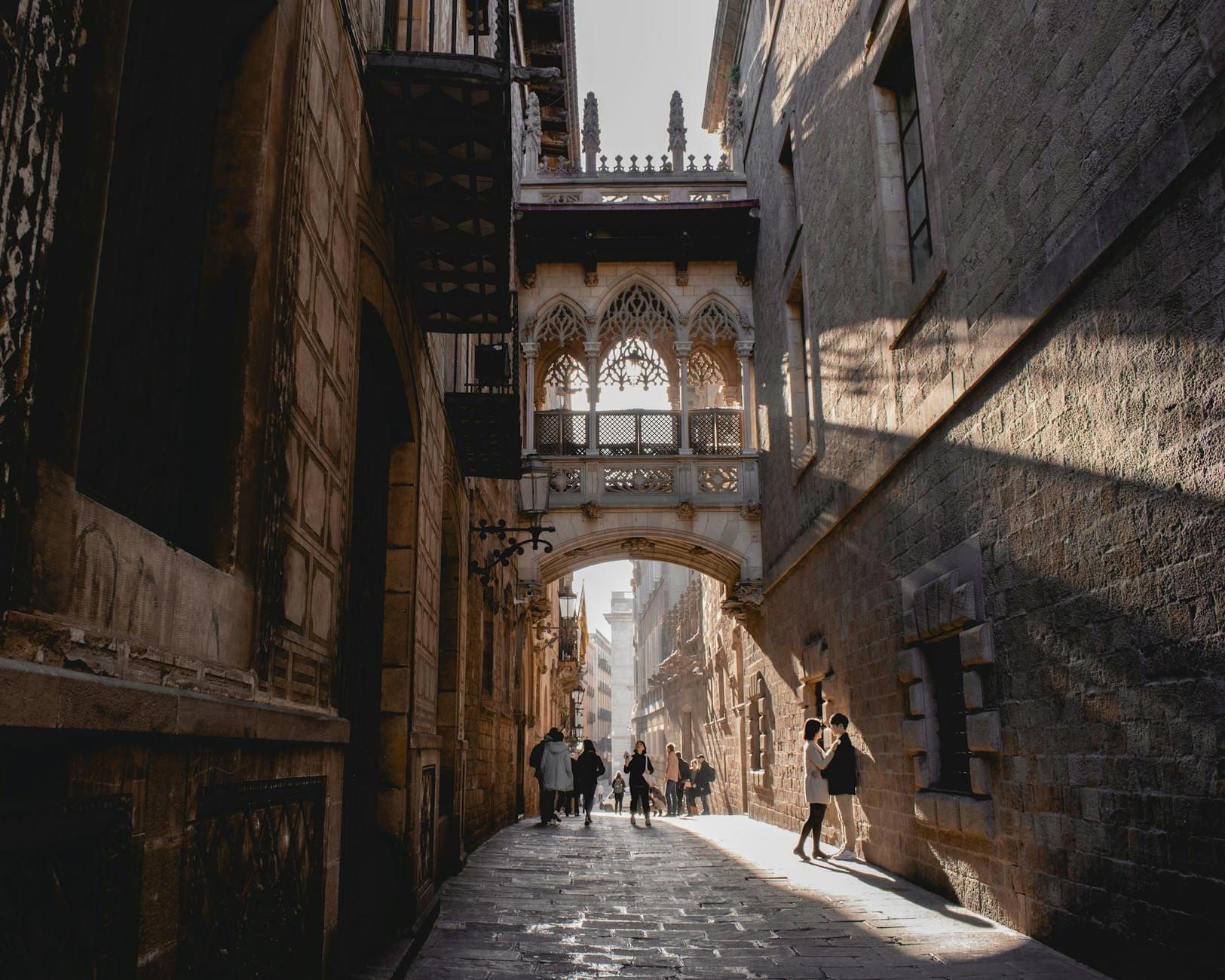
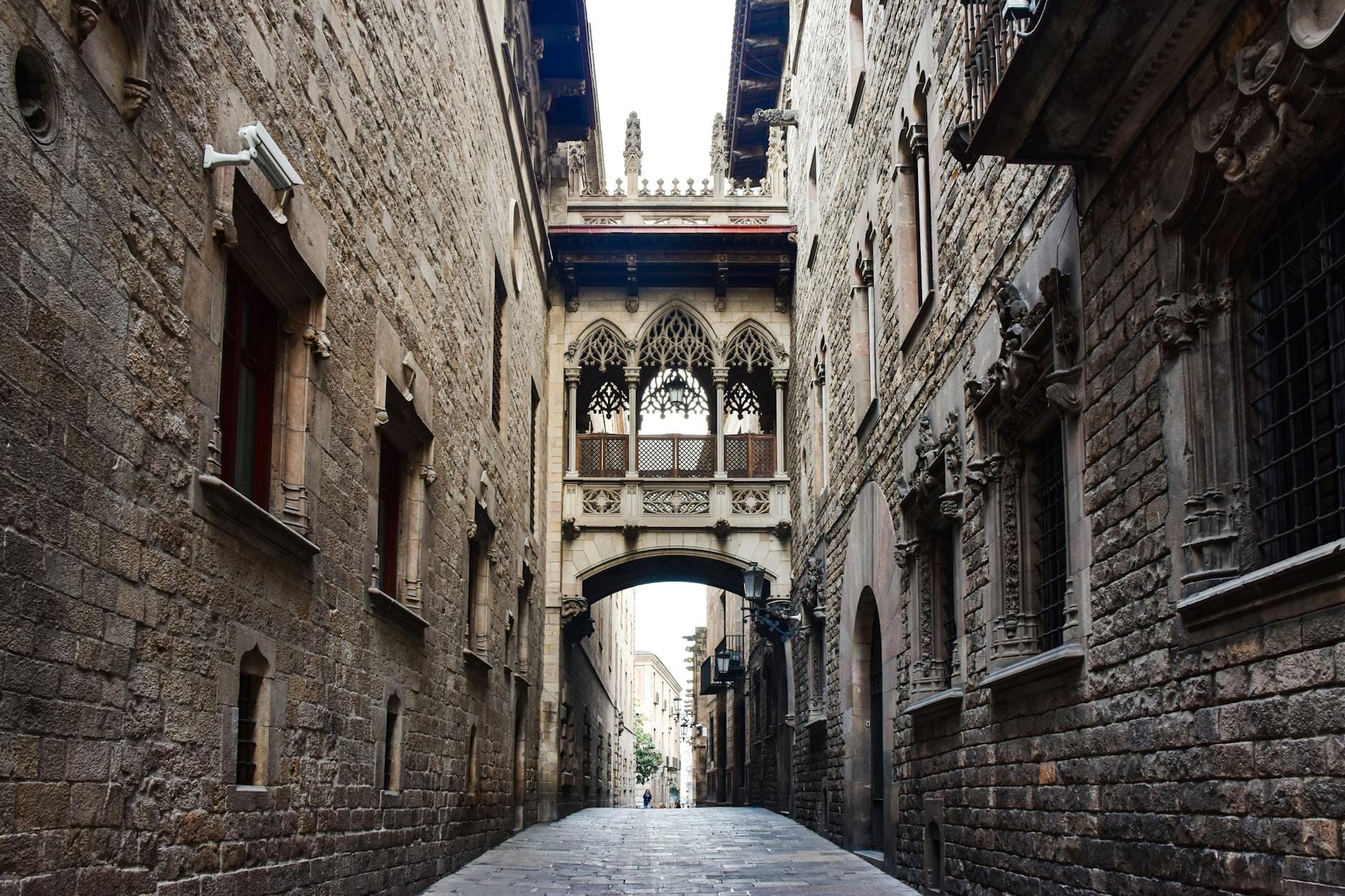
Plaça del Rei (King's Square) is arguably the most historically significant open space in the Gothic Quarter. The square is surrounded by the medieval Palau Reial Major, and it was here that Fernando and Isabella reportedly received Christopher Columbus after his return from the Americas in 1493. Below the square, the Museu d'Història de Barcelona (MUHBA) provides access to an extraordinary underground level of Roman ruins, including streets, mosaic floors, and a wine-making factory from ancient Barcino. Separately, the Carrer del Bisbe offers one of the neighborhood's most photographed views: a neo-Gothic bridge connecting two government buildings, built in 1928 but designed to feel medieval.
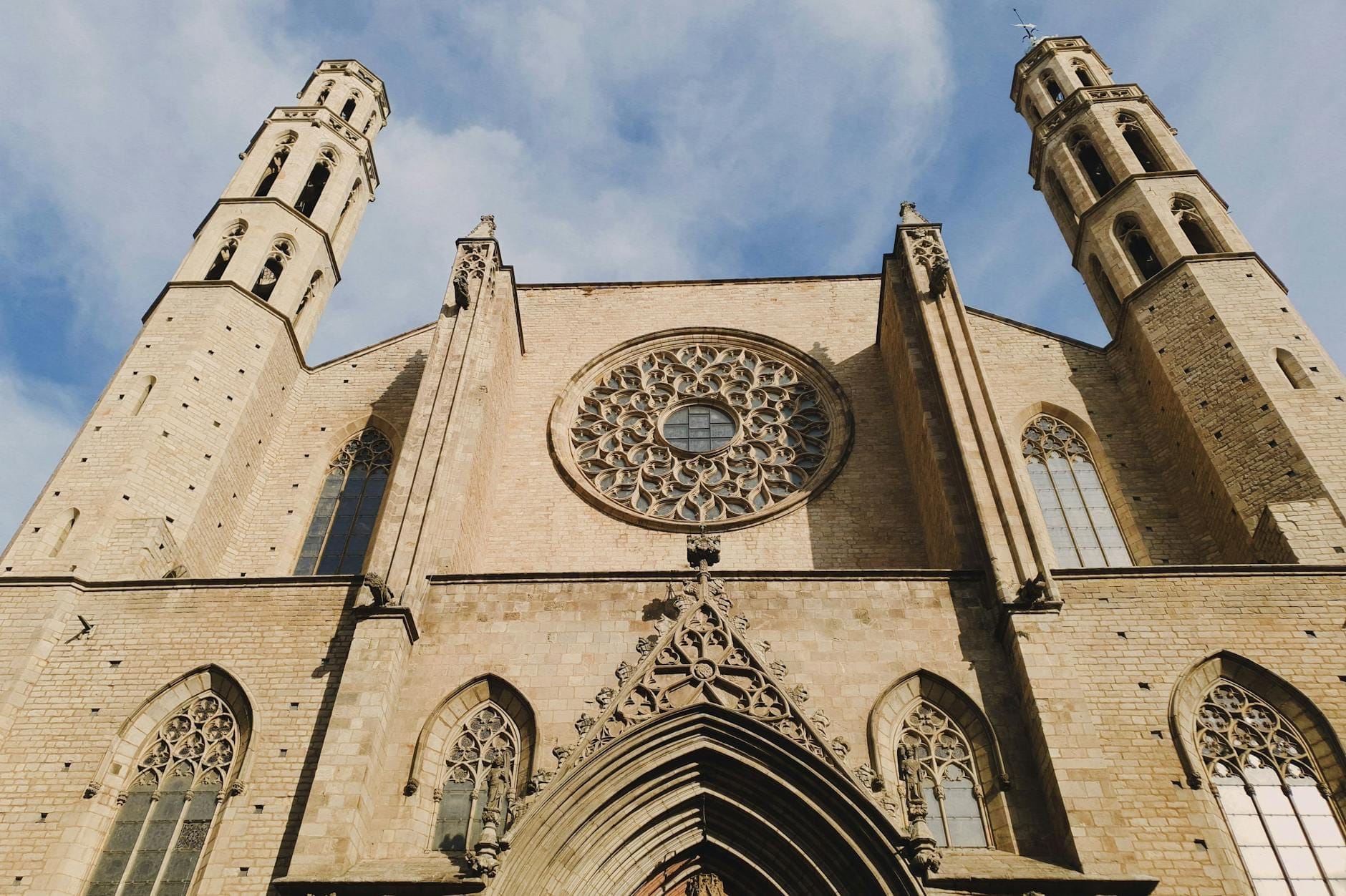
The church of Santa Maria del Pi on Plaça del Pi is quieter and more intimate than the Cathedral. Its single nave and massive rose window give it a different architectural energy, and the small squares around it, Plaça del Pi and Plaça de Sant Josep Oriol, are among the most pleasant places in the neighborhood to sit with a coffee. The Frederic Marès Museum, located in a wing of the Royal Palace complex, houses one of the most eccentric collections in Barcelona: the ground floors display medieval sculpture, while the upper floors contain a vast assemblage of everyday objects from the 19th and early 20th centuries, everything from fans and tobacco pipes to keys and calling cards.
Barcelona Cathedral and its cloister (including the resident geese)
Temple of Augustus, Carrer del Paradís (free entry, check opening hours)
Plaça del Rei and MUHBA underground Roman ruins
Plaça de Sant Felip Neri (small square with Civil War history)
Carrer del Bisbe bridge and the surrounding Gothic civic complex
Santa Maria del Pi church and its surrounding squares
Plaça Nova and the visible Roman wall sections
Frederic Marès Museum
Els Quatre Gats building, Carrer de Montsió (Picasso's early exhibition site)
ℹ️ Good to know
The MUHBA underground Roman ruins beneath Plaça del Rei require a ticket and can be combined with other MUHBA sites across the city. The ticket includes access to the Palau del Lloctinent and the Palau Reial Major. Book ahead in summer as timed entry slots fill quickly.
Eating & Drinking
The Gothic Quarter has a food scene that ranges from genuinely excellent to deeply tourist-oriented, and the gap between the two is often just one street's width. The area immediately around the Cathedral and the main pedestrian axes toward Las Ramblas is dense with menu-del-día boards in twelve languages and restaurants that seat 200 people. These are not where you want to eat. But walking even a few blocks into the quieter zones, particularly around Plaça de Sant Jaume and the streets below it, opens up a different category entirely. The neighborhood is also positioned well for accessing the broader food scene: Mercat de la Boqueria is just steps away on Las Ramblas, and the market culture of El Born is a short walk east.
For breakfast and coffee, the small squares around Santa Maria del Pi and the lanes of the lower Gothic Quarter have a cluster of independent cafés that open early and serve proper espresso drinks alongside croissants and pa amb tomàquet (bread rubbed with tomato and olive oil, the Catalan staple). Midday is the best time for the menú del día: a two or three-course set lunch, typically including wine, for 12-16 euros in neighborhood-facing restaurants, and a reliable way to eat well without spending much.
The bar scene around Plaça Reial is lively and convenient but caters heavily to tourists and to a pre-club crowd on weekends. The terraces on the square are pleasant for a late-afternoon drink, but prices are elevated and the atmosphere is more transient than local. For wine bars with a more local orientation, the streets between Carrer d'Avinyó and Carrer dels Escudellers have a denser concentration of spots that attract a mix of residents and knowledgeable visitors. Vermut culture, the tradition of drinking vermouth with olives or chips before lunch on Sundays, is alive in the Gothic Quarter, particularly in the calmer lower sections.
⚠️ What to skip
Restaurants with laminated photo menus and hosts actively recruiting pedestrians near Las Ramblas and Plaça Reial are almost universally overpriced relative to quality. A five-minute walk away from the main tourist corridors produces dramatically better value.
Getting There & Around
The Gothic Quarter is one of the most accessible neighborhoods in Barcelona by public transit. The northern boundary at Plaça de Catalunya is served by Metro Lines L1, L2, and L3, as well as regional FGC trains and dozens of bus lines, making it the effective transport hub of the entire city. From the airport, the Aerobus drops passengers directly at Plaça de Catalunya, putting you at the edge of the Gothic Quarter in 30-35 minutes. Metro Line L3 (green) has the most useful stops for the neighborhood: Catalunya at the north and Drassanes or Barceloneta for the southern end, the latter being the gateway point for anyone continuing to the waterfront and Barceloneta.
Once inside the Gothic Quarter, all movement is on foot. The streets are largely walkable, with many streets limited to local and delivery traffic, and the lane widths in much of the neighborhood make cycling impractical (though shared bikes from the Bicing network can be found at docking stations on the perimeter). There is no vehicular shortcut through the core: delivery vehicles and emergency services use a few designated corridors, but the general texture of the neighborhood is car-free, which makes getting lost both safe and pleasant.
For reaching other key parts of Barcelona from the Gothic Quarter, the logical routes are: north on foot or Metro to Eixample and Passeig de Gràcia; east on foot into El Born (roughly 10 minutes along Carrer de la Princesa); west across Las Ramblas into El Raval; and south via Drassanes toward Port Vell and the waterfront. The Arc de Triomf, gateway to the Ciutadella park, is about 15 minutes on foot heading northeast.
Where to Stay
The Gothic Quarter is one of the most popular accommodation zones in Barcelona, and for good reason: the central location is unmatched, with major sights, transit, and the city's best restaurant neighborhoods all within walking distance. For context on how it compares to other options across the city, the complete Barcelona accommodation guide covers all neighborhoods in detail.
Hotels in the Gothic Quarter range from small boutique properties in converted historic buildings to larger four-star hotels on the edges near Via Laietana and Plaça de Catalunya. The most desirable locations for most travelers are in the quieter central zones, away from the Ramblas-adjacent streets, where noise from bars and pedestrian traffic can be significant late at night. If you are a light sleeper, look specifically for properties on streets that are not on major pedestrian thoroughfares; the difference between a room facing a small interior courtyard and one facing a bar-dense lane is substantial at 1am on a Friday.
The Gothic Quarter suits travelers who want to be walking-distance from the main historic sights and who appreciate a neighborhood that has immediate character without needing to be explored first. It is less well-suited to visitors who prioritize quiet, residential atmosphere, large room sizes, or easy car access. Families with young children will find it workable given the pedestrianized streets, but the cobblestones and constant foot traffic on main lanes make stroller navigation genuinely tiring.
Practical Considerations
Pickpocketing is a genuine concern in the Gothic Quarter, particularly on the main pedestrian corridors, around the Cathedral, and at Plaça de Catalunya. The neighborhood receives enormous tourist foot traffic and dense crowds create the conditions that opportunistic theft thrives in. Use a front-facing bag or a zipped crossbody, keep phones in pockets when not in use, and be particularly alert at crowded entrances to Metro stations and at popular viewpoints where crowds press close together.
The Gothic Quarter is a worthwhile destination across all seasons, but the experience differs considerably. Summer (June to August) brings maximum crowds and temperatures that make the narrow, shaded streets feel airless in the afternoon. Spring (April to June) and autumn (September to October) are the most comfortable periods: mild temperatures, reasonable crowds, and the particular quality of afternoon light falling through narrow lanes that makes the stone architecture look its best. For a broader sense of when to plan your trip, the best time to visit Barcelona guide covers seasonal patterns across the city.
The Gothic Quarter also serves as a natural base for day explorations further afield. Day trips from Barcelona to destinations like Montserrat or the Costa Brava all depart from transport hubs within easy reach of the neighborhood.
TL;DR
The Gothic Quarter is Barcelona's oldest and most historically layered neighborhood, built on Roman foundations with medieval architecture above, and it delivers an experience no other part of the city can match for sheer density of history per square meter.
Best for: First-time visitors to Barcelona, travelers who want central access to sights, history and architecture enthusiasts, and anyone who enjoys getting lost in atmospheric urban environments.
Not ideal for: Visitors seeking a quiet or residential neighborhood experience, those sensitive to nighttime noise near Plaça Reial and Las Ramblas, or travelers who want large modern accommodation with easy car access.
Key practical note: Pickpocketing is a real issue on main tourist corridors; stay alert at busy Metro entrances and crowded squares.
Timing matters: Early mornings and the quieter interior lanes away from the Cathedral-Ramblas axis reveal a completely different neighborhood than the midday tourist crowds suggest. Give it at least half a day, and ideally return after dark to see both versions.
Barcelona transforms after sunset. Locals dine at 10 PM, the Magic Fountain draws crowds until midnight, and Gaudí's buildings glow in a way daylight simply cannot match. This guide covers the best ways to spend your evenings, from free spectacles to world-class performances.
Barcelona has nearly 5.5 kilometres of urban beaches stretching along the Mediterranean coast, all reachable by metro, bus, or bike. This guide covers every beach, what to do nearby, and how to make the most of the waterfront from the old port to the modern Diagonal Mar district.
Barcelona is an exceptional base for exploring Catalonia and beyond. These are the best day trips you can make from the city, from mountain monasteries and Roman ruins to Costa Brava beaches and Dalí's surrealist universe, most reachable by affordable public train.
Three days in Barcelona is enough to cover the city's greatest landmarks without rushing, if you plan smartly. This itinerary balances iconic Gaudí architecture, medieval streets, seafront walks, and local markets, with honest advice on what to skip, what to book ahead, and how to move between neighborhoods efficiently.
Barcelona is Spain's most expensive city, but it rewards smart travelers with free museums, cheap tapas, and world-class architecture you can admire for nothing. This guide breaks down exactly how to stretch your euros further without missing anything essential.
Barcelona rewards families with an extraordinary range of experiences: world-class science museums, a historic hilltop amusement park, beaches, Gaudí's fantastical architecture, and free fountain shows. This guide cuts through the noise to focus on what genuinely works with children in tow.
Choosing the best time to visit Barcelona depends on more than just sunshine. This guide breaks down every season by temperature, crowd levels, events, and value, so you can match your trip to your priorities rather than defaulting to peak summer.
Barcelona rewards those who look up and out. From hilltop ruins to Modernista rooftops, these are the city's best vantage points, ranked and described with practical detail so you can plan the perfect panorama.
Antoni Gaudí left seven UNESCO World Heritage Sites across Barcelona, each one a window into his obsessive genius. This guide covers every major work, from the soaring Sagrada Família to his earliest commission in Gràcia, with tips on booking, routing, and what to see inside each building.
Barcelona has one of Europe's most comprehensive urban transport networks, but knowing which option to use when can save hours and euros. This guide covers every mode of transport in the city, from the TMB metro and night buses to ride-hailing apps, cycling, and how to reach the airport.
Barcelona rewards those who look beyond the obvious. These 18 attractions reveal the city that locals actually love: Civil War ruins with unbeatable views, Gaudí buildings the tour buses miss, neighbourhood promenades, and market halls that outshine the famous ones.
Barcelona packs extraordinary architecture, world-class food markets, sun-soaked beaches, and centuries of history into 101 square kilometres. This guide cuts through the hype to tell you what's genuinely worth your time, what to skip, and how to do it all without wasting a day.
Barcelona's food scene runs far deeper than paella and tapas. This guide covers essential Catalan dishes, the best markets, standout restaurants by neighborhood, and the seasonal specialties most visitors miss entirely.
Choosing where to stay in Barcelona shapes your entire trip. This guide breaks down every major neighborhood by location, atmosphere, price range, and who it actually suits, so you can book with confidence.