Hidden Gems in Barcelona: 18 Local Secrets Worth Seeking Out
Barcelona rewards those who look beyond the obvious. These 18 attractions reveal the city that locals actually love: Civil War ruins with unbeatable views, Gaudí buildings the tour buses miss, neighbourhood promenades, and market halls that outshine the famous ones.
Tickets & tours
Live prices and dates from our booking partner. If you book, we may earn a commission at no extra cost to you.
Barcelona is one of Europe's most visited cities, and the crowds at the Sagrada Família or La Boqueria prove it. But a short walk in almost any direction leads somewhere quieter, stranger, and more rewarding. The city's real character lives in the hilltop battery ruins above the El Carmel neighbourhood, the iron-and-glass market hall of El Born, and the tiled streets of a neighbourhood most visitors never reach. This guide skips the greatest hits in favour of the places that make you feel like you've actually found Barcelona. For context on the city's layout and how to move between these spots, see our guide to getting around Barcelona.
Viewpoints & Hilltops Only Locals Know
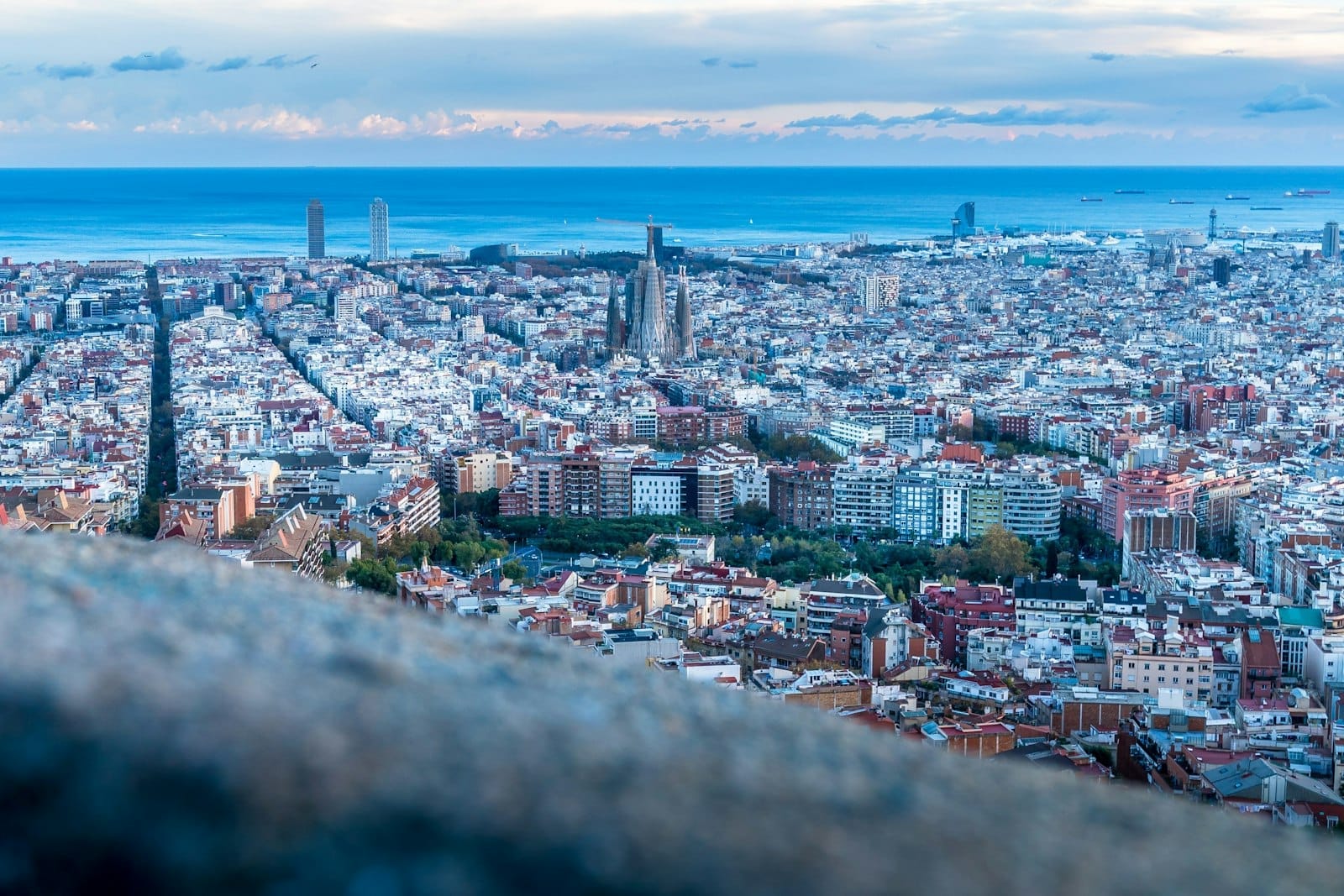
Barcelona has no shortage of panoramic viewpoints, but the famous ones are often heaving with tour groups. The spots below offer comparable or better views with a fraction of the visitors. For a full breakdown of the city's best vantage points, see our guide to the best views in Barcelona.
1. Climb the Bunkers del Carmel for Barcelona's Best 360° Panorama
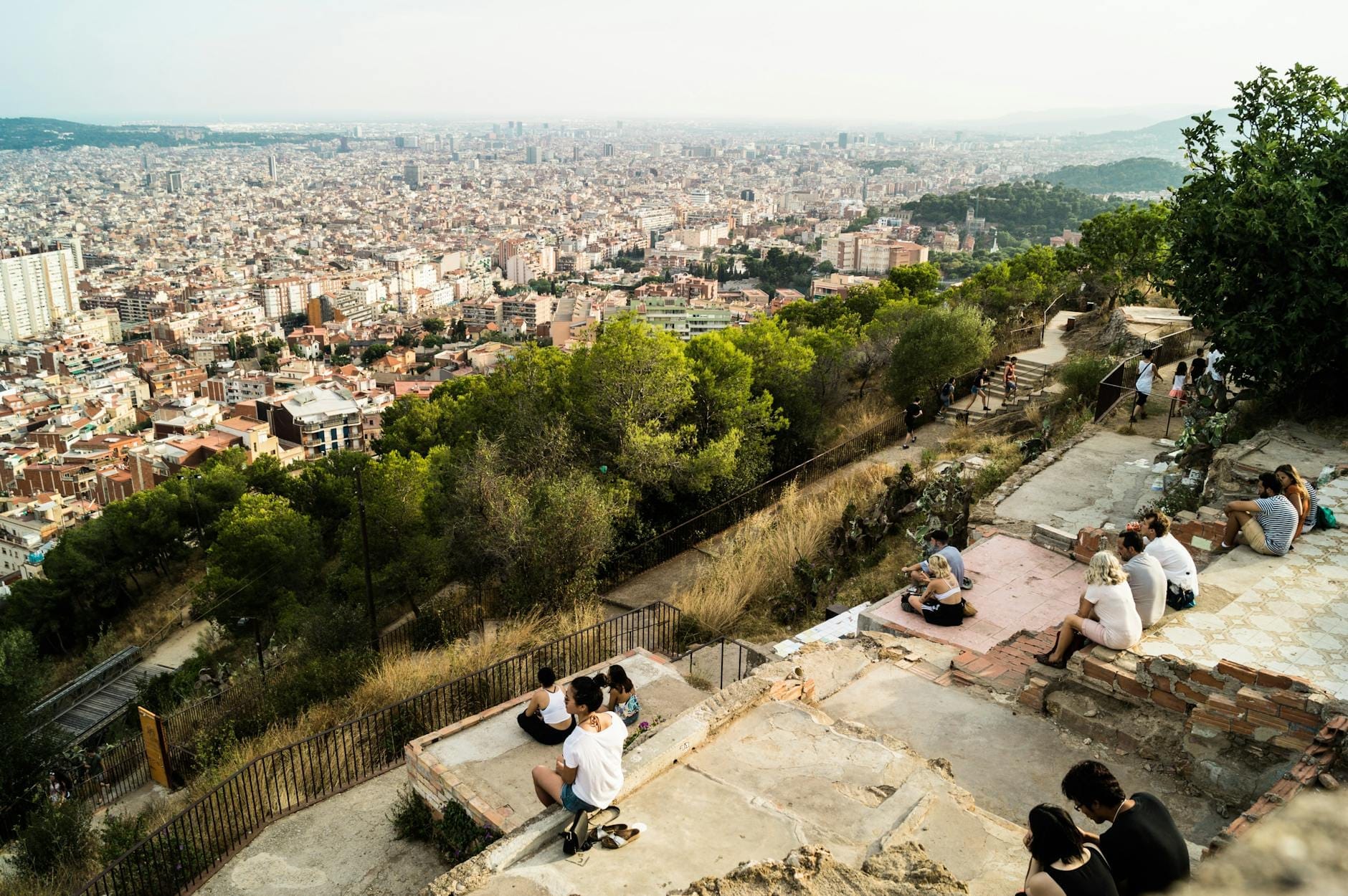
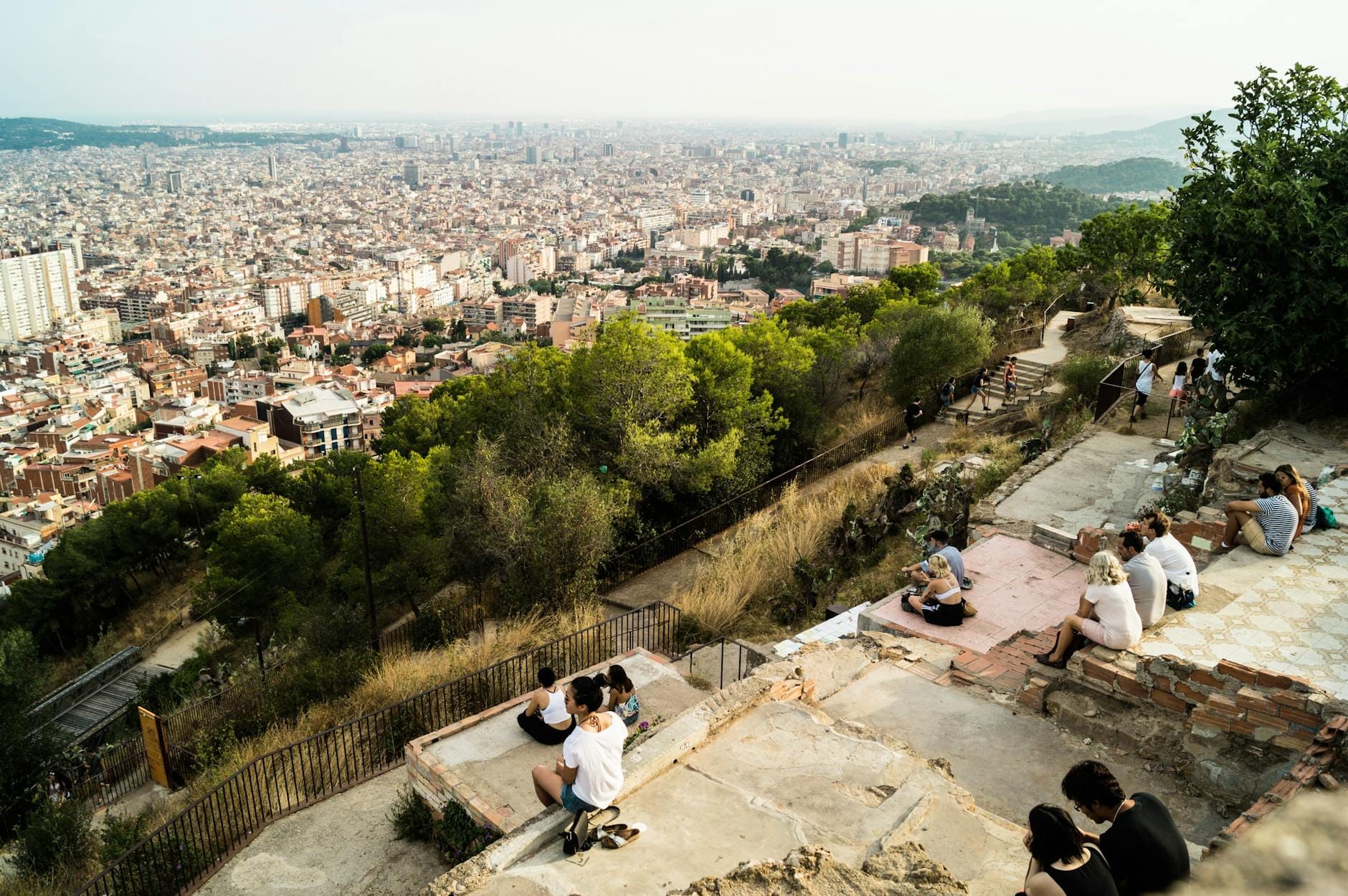
Civil War anti-aircraft battery ruins on a Carmel hilltop. The 360-degree view takes in the entire city skyline, Sagrada Família, the port, and the sea. Come at sunset with a beer and join the locals who rate this above any paid viewpoint.
Explore1. Climb the Bunkers del Carmel for Barcelona's Best 360° Panorama
Civil War anti-aircraft battery ruins on a Carmel hilltop. The 360-degree view takes in the entire city skyline, Sagrada Família, the port, and the sea. Come at sunset with a beer and join the locals who rate this above any paid viewpoint.
Explore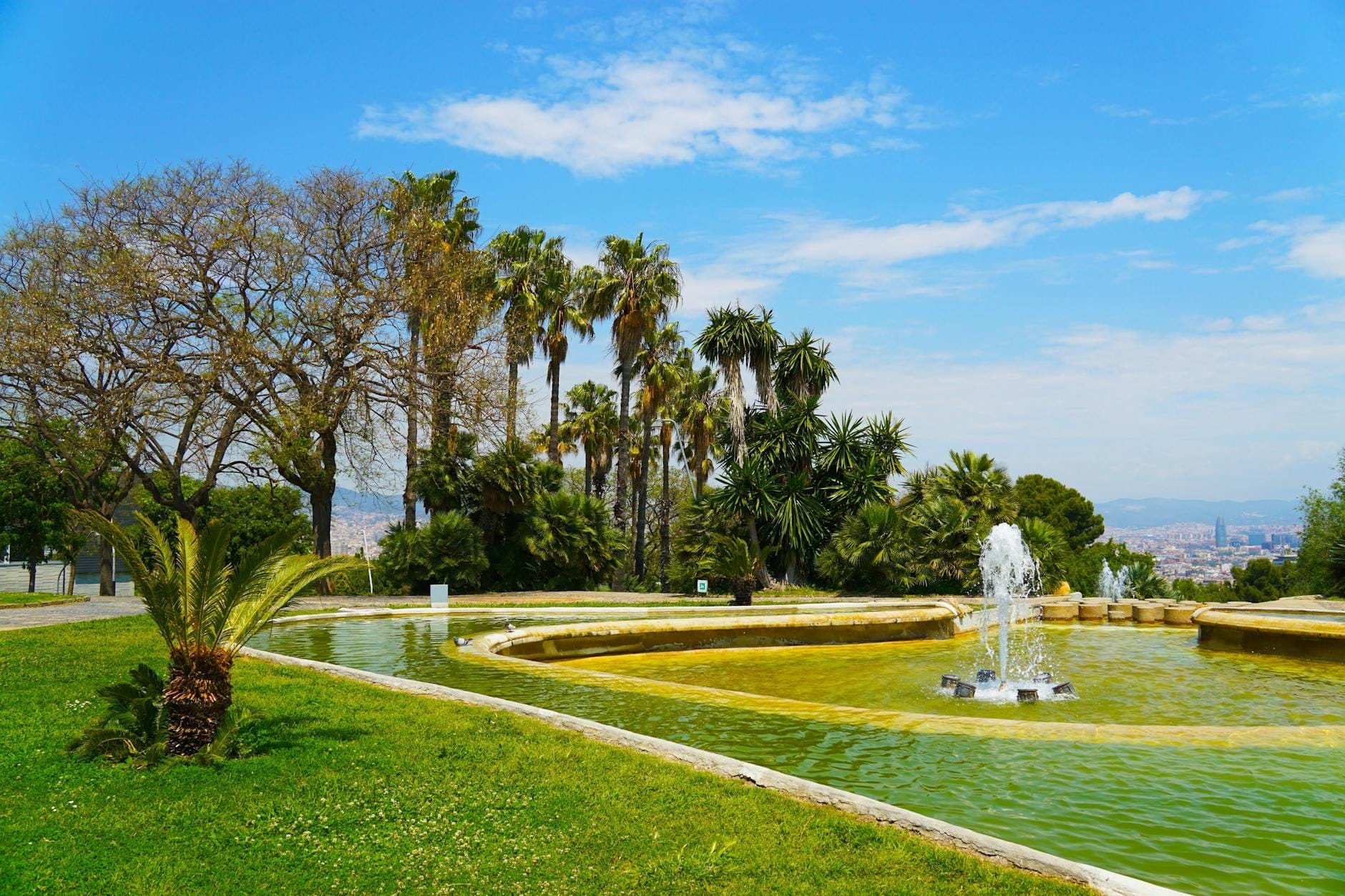
2. Escape the Crowds at the Jardí Botànic on Montjuïc's Quiet Side
Terraced gardens on Montjuïc's western slope, specialising in Mediterranean-climate plants from five continents. The dramatic hillside design and sweeping sea views attract gardeners and architects, but rarely tour groups. Entry costs under €5.
Explore2. Escape the Crowds at the Jardí Botànic on Montjuïc's Quiet Side
Terraced gardens on Montjuïc's western slope, specialising in Mediterranean-climate plants from five continents. The dramatic hillside design and sweeping sea views attract gardeners and architects, but rarely tour groups. Entry costs under €5.
Explore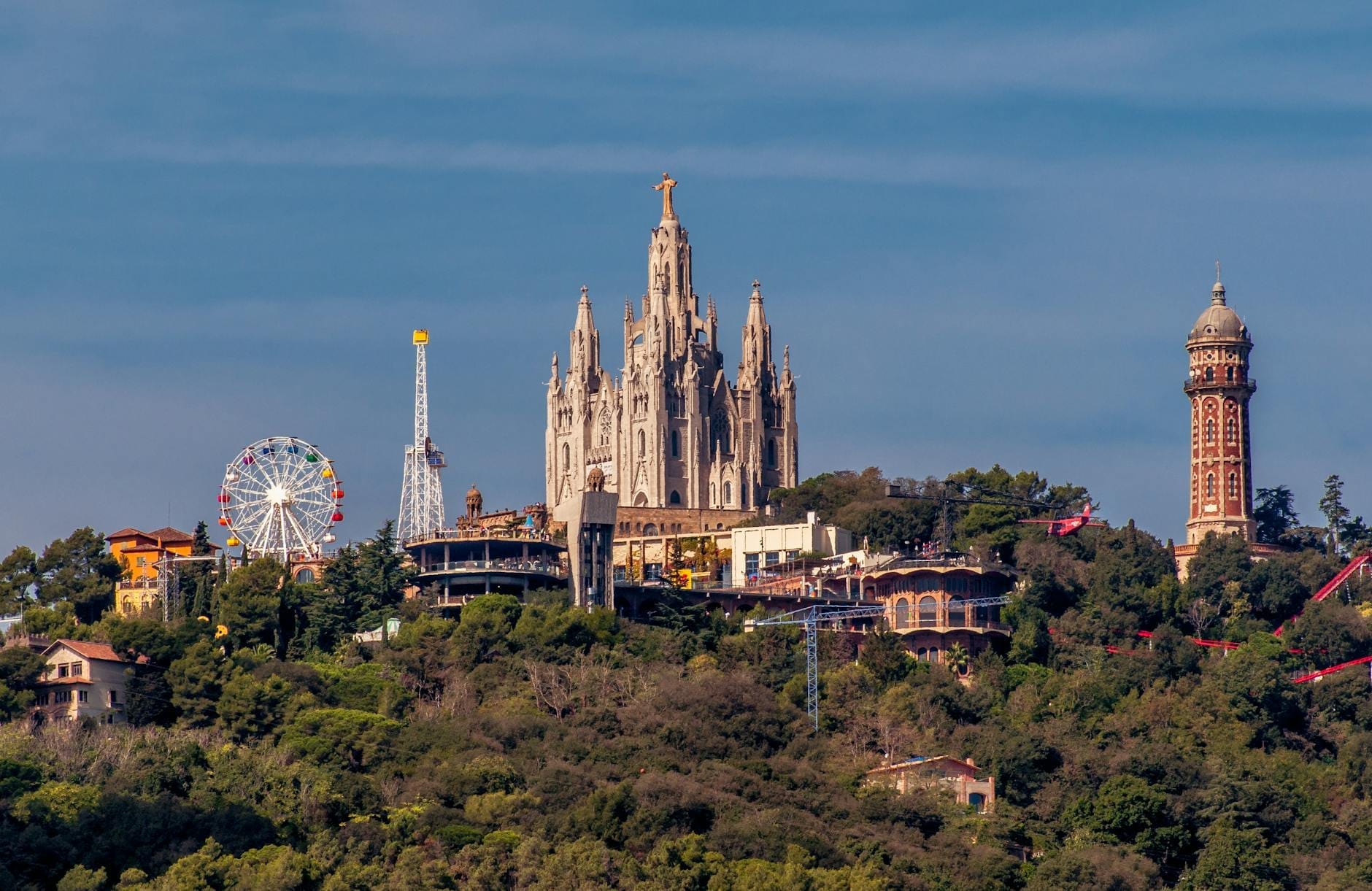
3. Ride the Funicular to Tibidabo for Views Over the Entire Coastline
At the top of the Collserola hills, Tibidabo combines a working vintage amusement park with the neo-Gothic Sagrat Cor church and the widest panorama in Barcelona. On clear days you can see the Pyrenees. The journey up by tram and funicular is half the experience.
Explore3. Ride the Funicular to Tibidabo for Views Over the Entire Coastline
At the top of the Collserola hills, Tibidabo combines a working vintage amusement park with the neo-Gothic Sagrat Cor church and the widest panorama in Barcelona. On clear days you can see the Pyrenees. The journey up by tram and funicular is half the experience.
ExploreGaudí Works the Tour Buses Miss
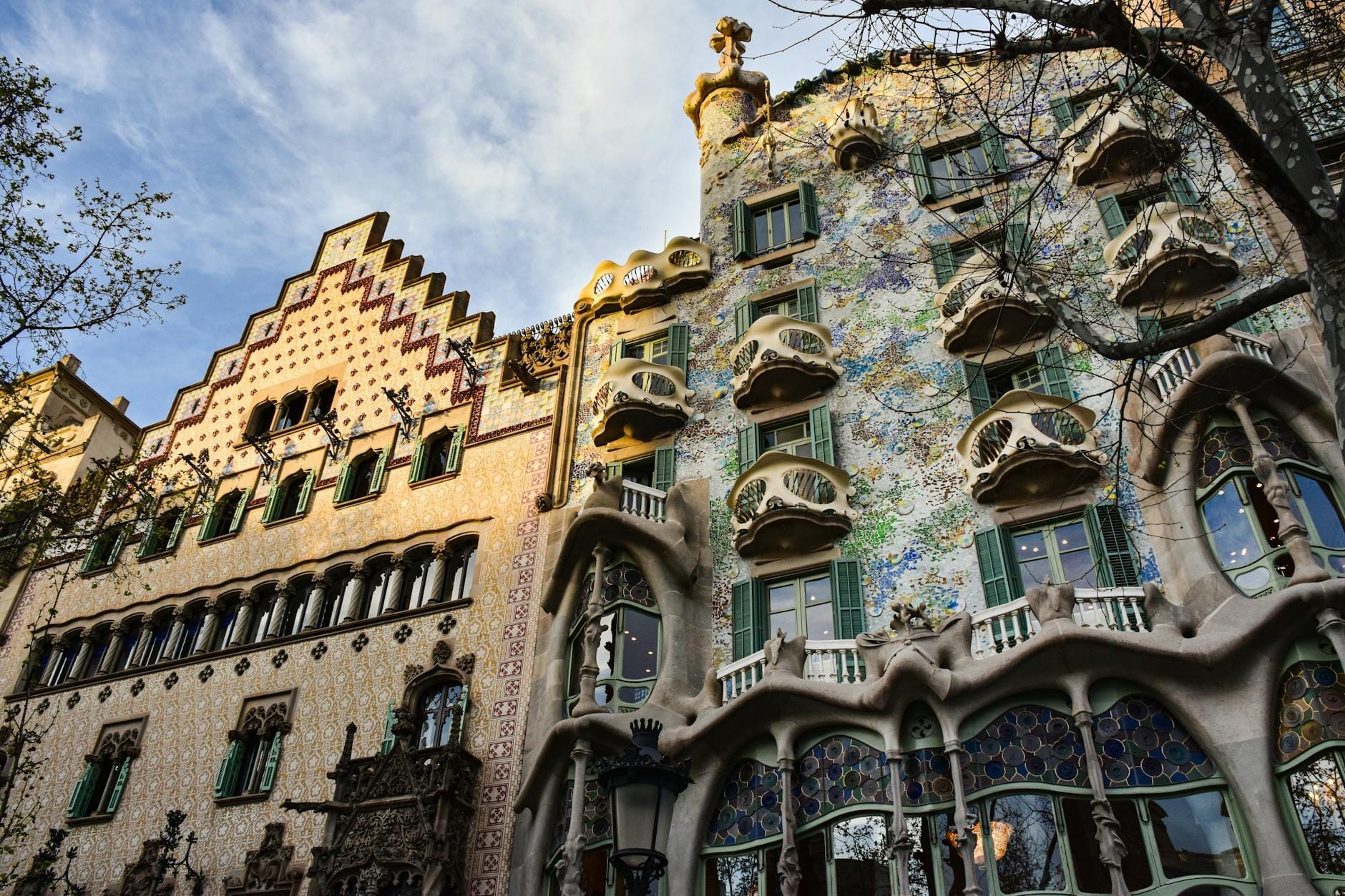
Most visitors see the Sagrada Família and maybe Park Güell, then move on. But Gaudí's career spans four decades and several buildings that receive a fraction of the attention they deserve. Our full Gaudí guide covers all his major works, but these two are the ones worth seeking out specifically.
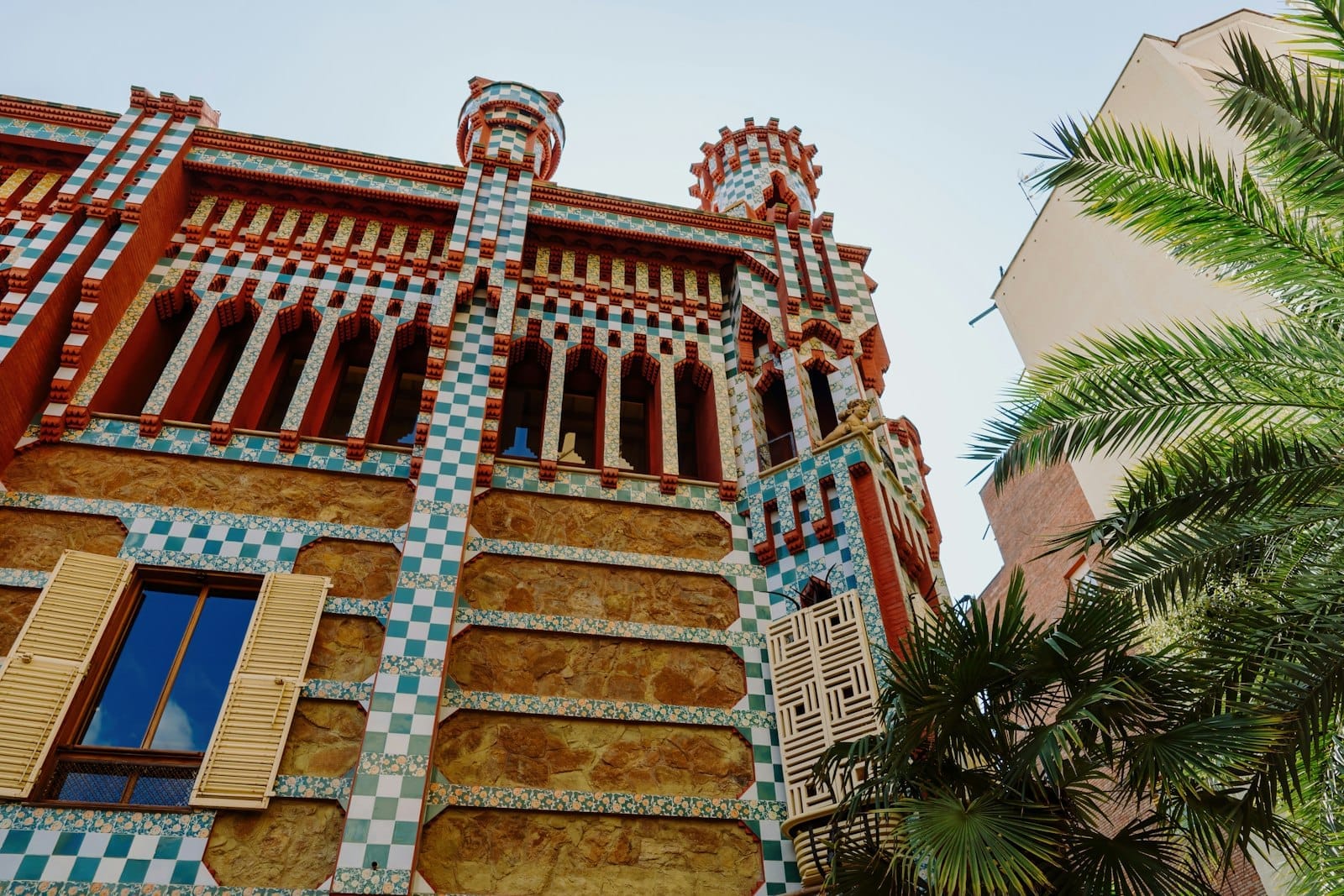
4. See Where Gaudí's Style Was Born at Casa Vicens in Gràcia
Gaudí's very first major commission, finished in 1888, is a UNESCO site hidden on a quiet Gràcia street. The Moorish tiles, green palm-leaf ironwork, and Orientalist tower reveal a young architect finding his voice. It was only opened to the public in 2017 and remains genuinely uncrowded.
Explore4. See Where Gaudí's Style Was Born at Casa Vicens in Gràcia
Gaudí's very first major commission, finished in 1888, is a UNESCO site hidden on a quiet Gràcia street. The Moorish tiles, green palm-leaf ironwork, and Orientalist tower reveal a young architect finding his voice. It was only opened to the public in 2017 and remains genuinely uncrowded.
Explore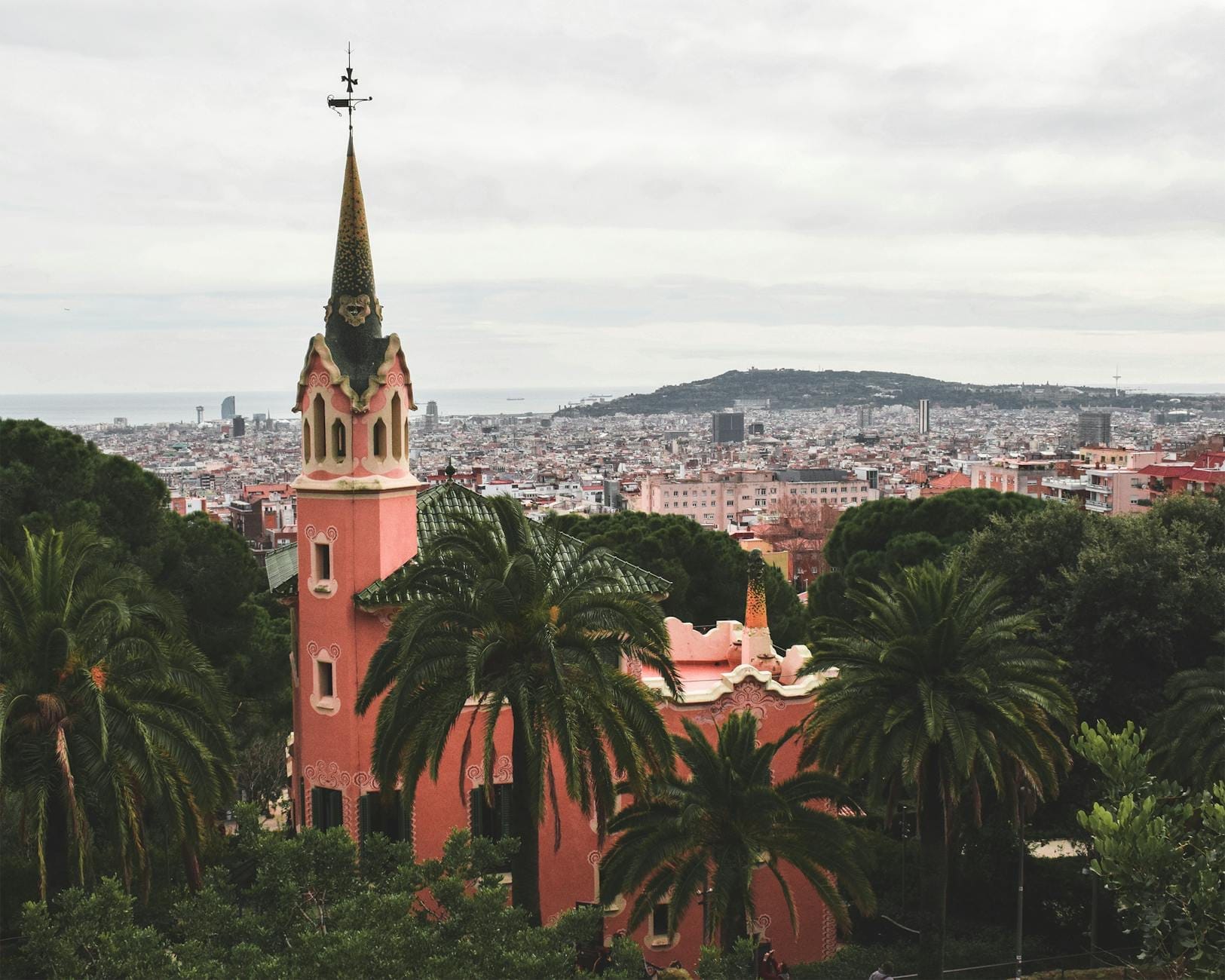
5. Visit the Modest House Where Gaudí Actually Lived Inside Park Güell
The small pink house inside Park Güell where Gaudí spent his last 20 years is easy to walk past, but the museum inside displays his original furniture, personal objects, and drawings. It is one of the most intimate architect's house museums in Europe, and rarely busy.
Explore5. Visit the Modest House Where Gaudí Actually Lived Inside Park Güell
The small pink house inside Park Güell where Gaudí spent his last 20 years is easy to walk past, but the museum inside displays his original furniture, personal objects, and drawings. It is one of the most intimate architect's house museums in Europe, and rarely busy.
Explore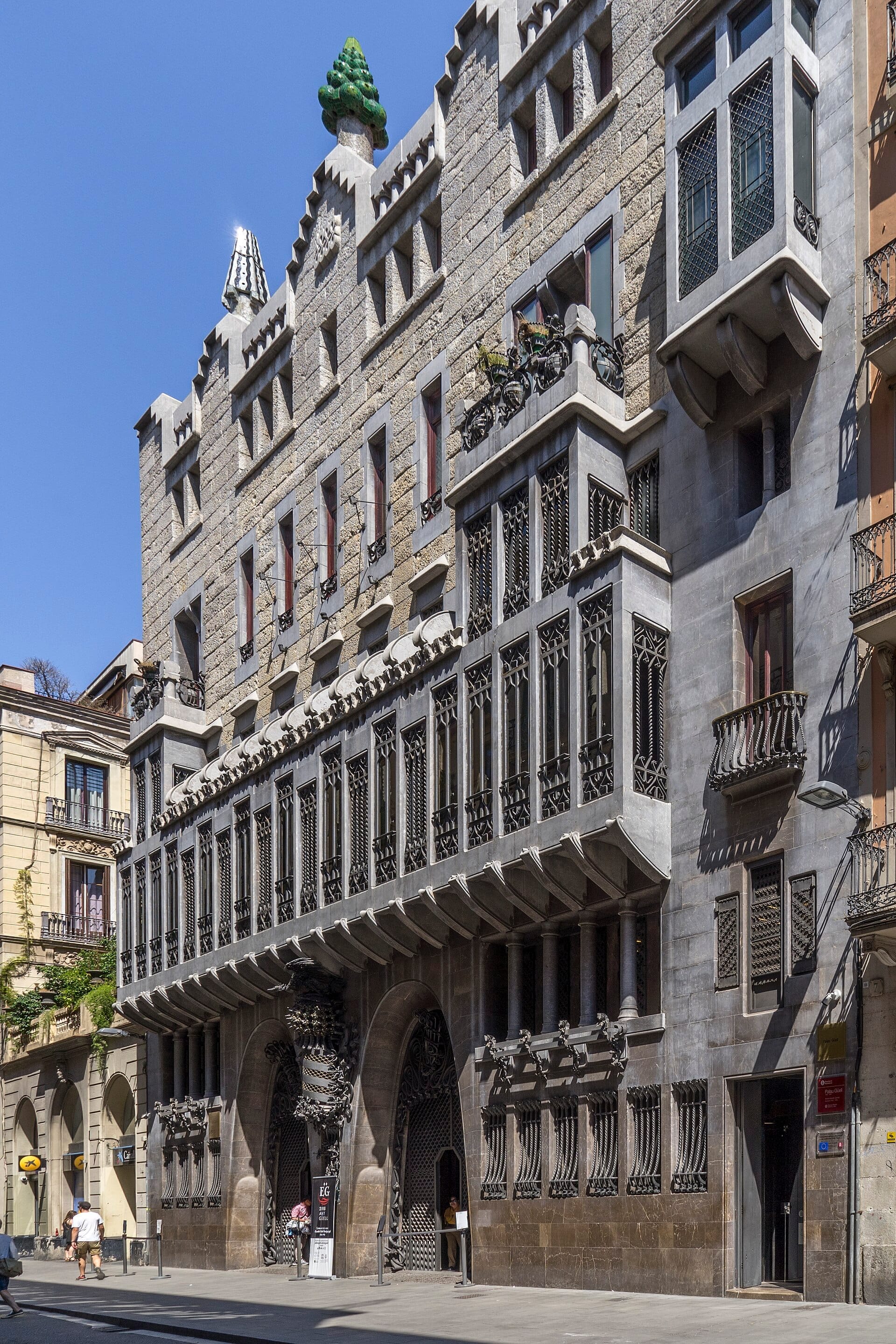
6. Explore Palau Güell: Gaudí's Dark, Dramatic Early Masterpiece
A UNESCO-listed private palace built in the 1880s just off Las Ramblas, Palau Güell predates Gaudí's organic style but hints at it in every rooftop chimney. The interior is theatrical and strange. Visitor numbers here are a tenth of those at Casa Batlló.
Explore6. Explore Palau Güell: Gaudí's Dark, Dramatic Early Masterpiece
A UNESCO-listed private palace built in the 1880s just off Las Ramblas, Palau Güell predates Gaudí's organic style but hints at it in every rooftop chimney. The interior is theatrical and strange. Visitor numbers here are a tenth of those at Casa Batlló.
Explore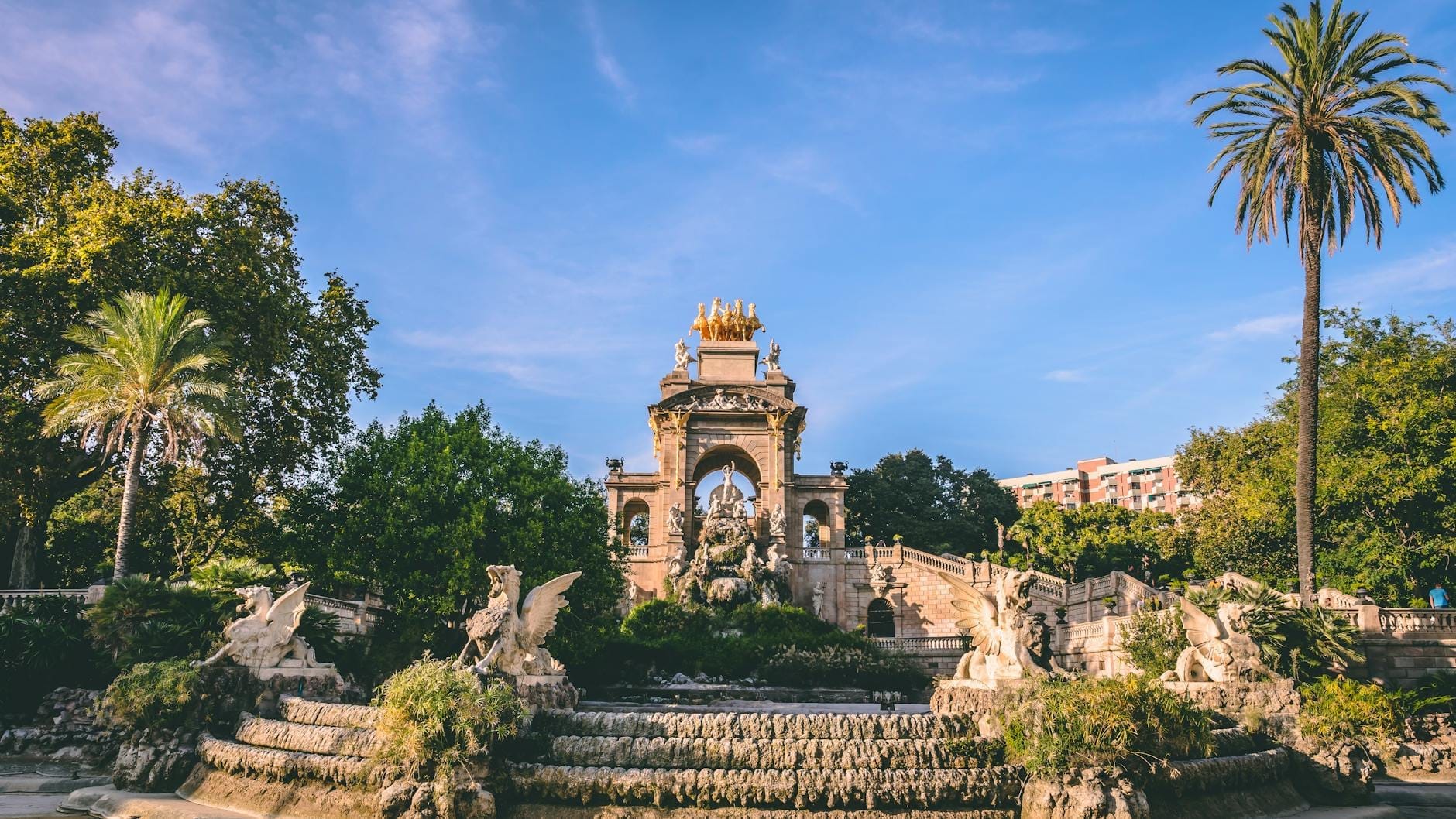
7. Find the Waterfall in Parc de la Ciutadella That a Young Gaudí Helped Design
The grand neo-baroque cascade at the northeast end of Parc de la Ciutadella was partly designed by Antoni Gaudí as a student project. Most visitors wander past without knowing. At dusk, when it is lit up, it is one of the most photogenic spots in the city.
Explore7. Find the Waterfall in Parc de la Ciutadella That a Young Gaudí Helped Design
The grand neo-baroque cascade at the northeast end of Parc de la Ciutadella was partly designed by Antoni Gaudí as a student project. Most visitors wander past without knowing. At dusk, when it is lit up, it is one of the most photogenic spots in the city.
ExploreNeighbourhood Discoveries Off the Tourist Trail
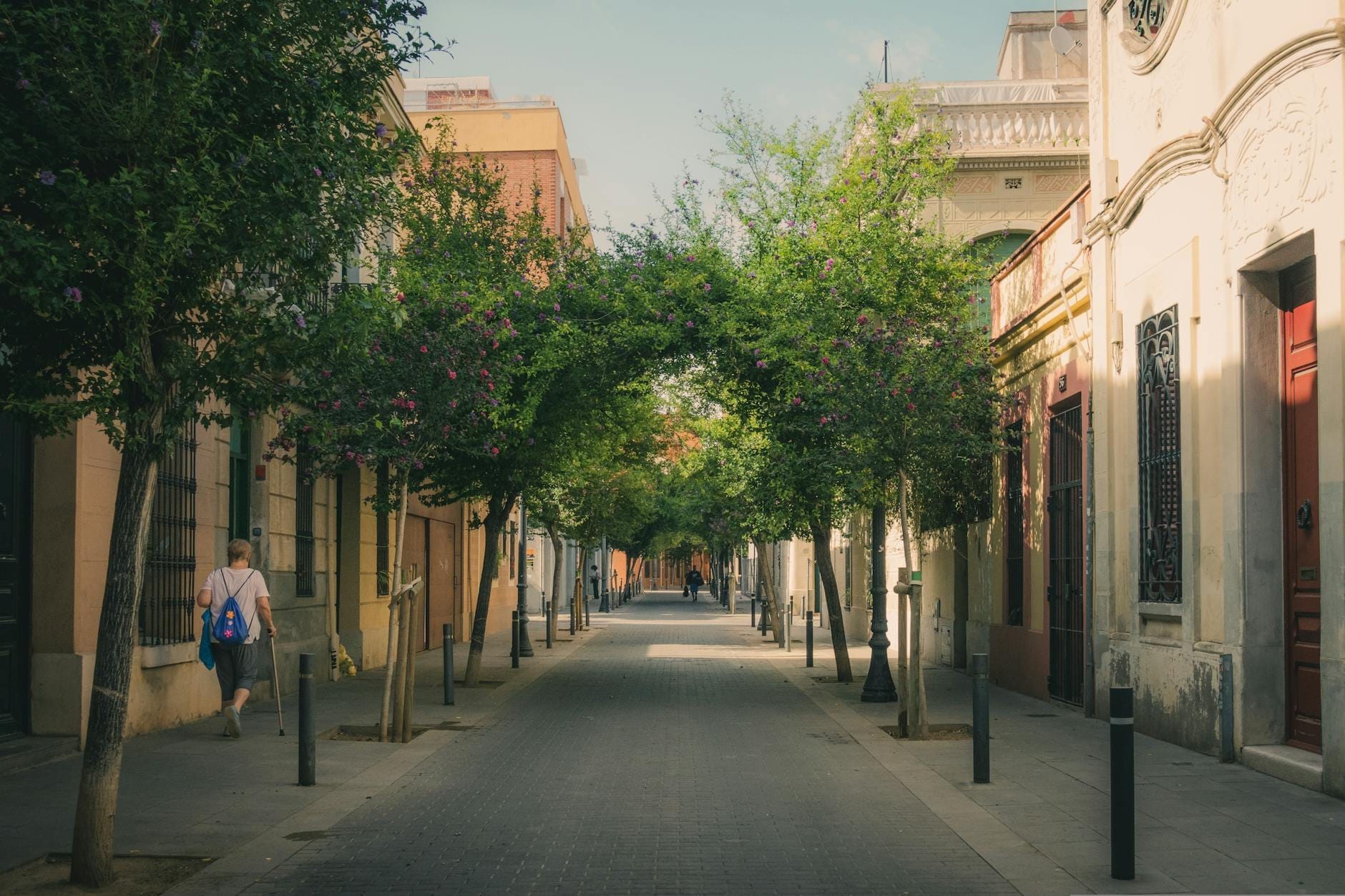
Some of Barcelona's best experiences are simply streets and squares where locals go about their day. The Poblenou district in particular has transformed from a post-industrial wasteland into one of the city's most interesting creative quarters, and most visitors never make it there.
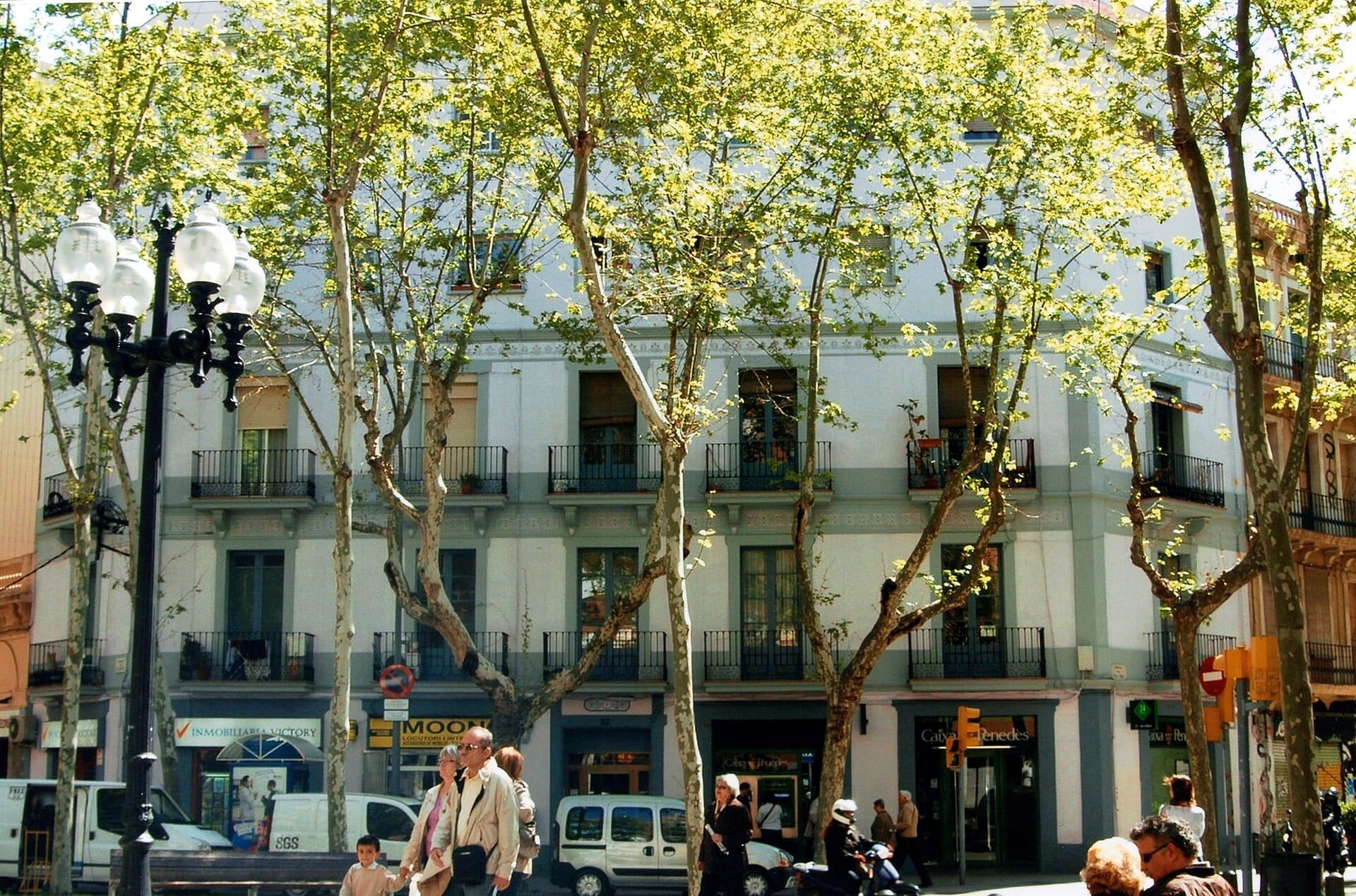
8. Stroll the Rambla del Poblenou: Barcelona's Quieter, More Local Boulevard
Poblenou has its own tree-lined promenade, a low-key mirror of Las Ramblas with neighbourhood bakeries, terrace bars, and zero tourist pressure. It anchors one of the city's fastest-changing districts, surrounded by converted factories and street art. A 20-minute walk from Barceloneta.
Explore8. Stroll the Rambla del Poblenou: Barcelona's Quieter, More Local Boulevard
Poblenou has its own tree-lined promenade, a low-key mirror of Las Ramblas with neighbourhood bakeries, terrace bars, and zero tourist pressure. It anchors one of the city's fastest-changing districts, surrounded by converted factories and street art. A 20-minute walk from Barceloneta.
Explore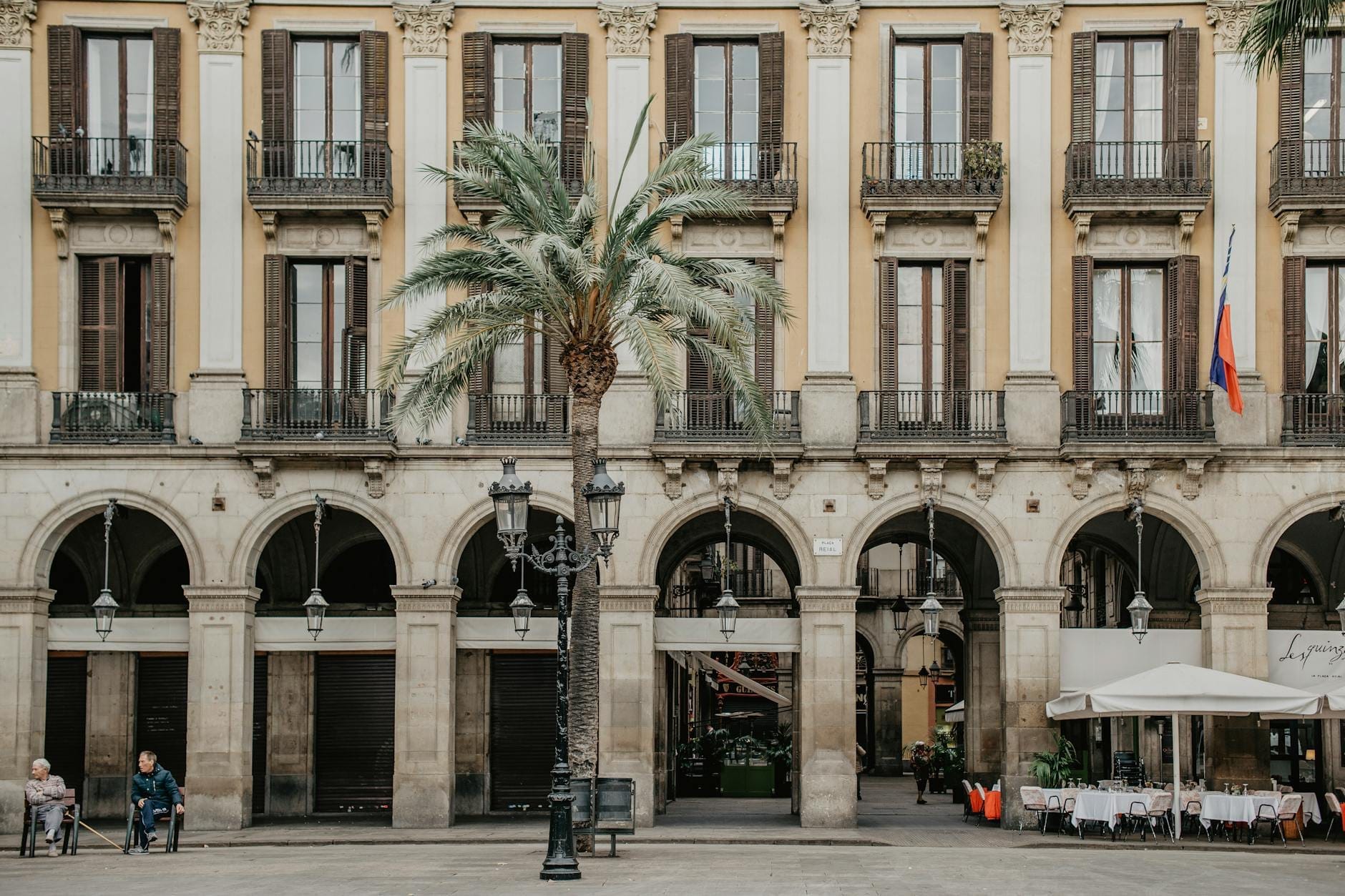
9. Find Gaudí's First Public Commission in the Arcaded Plaça Reial
This grand neoclassical square just off Las Ramblas is famous for its cafés and nightlife, but few people notice that its ornate street lamps were designed by a young Gaudí. Come on Sunday morning for the stamp and coin market and a coffee under the arches.
Explore9. Find Gaudí's First Public Commission in the Arcaded Plaça Reial
This grand neoclassical square just off Las Ramblas is famous for its cafés and nightlife, but few people notice that its ornate street lamps were designed by a young Gaudí. Come on Sunday morning for the stamp and coin market and a coffee under the arches.
Explore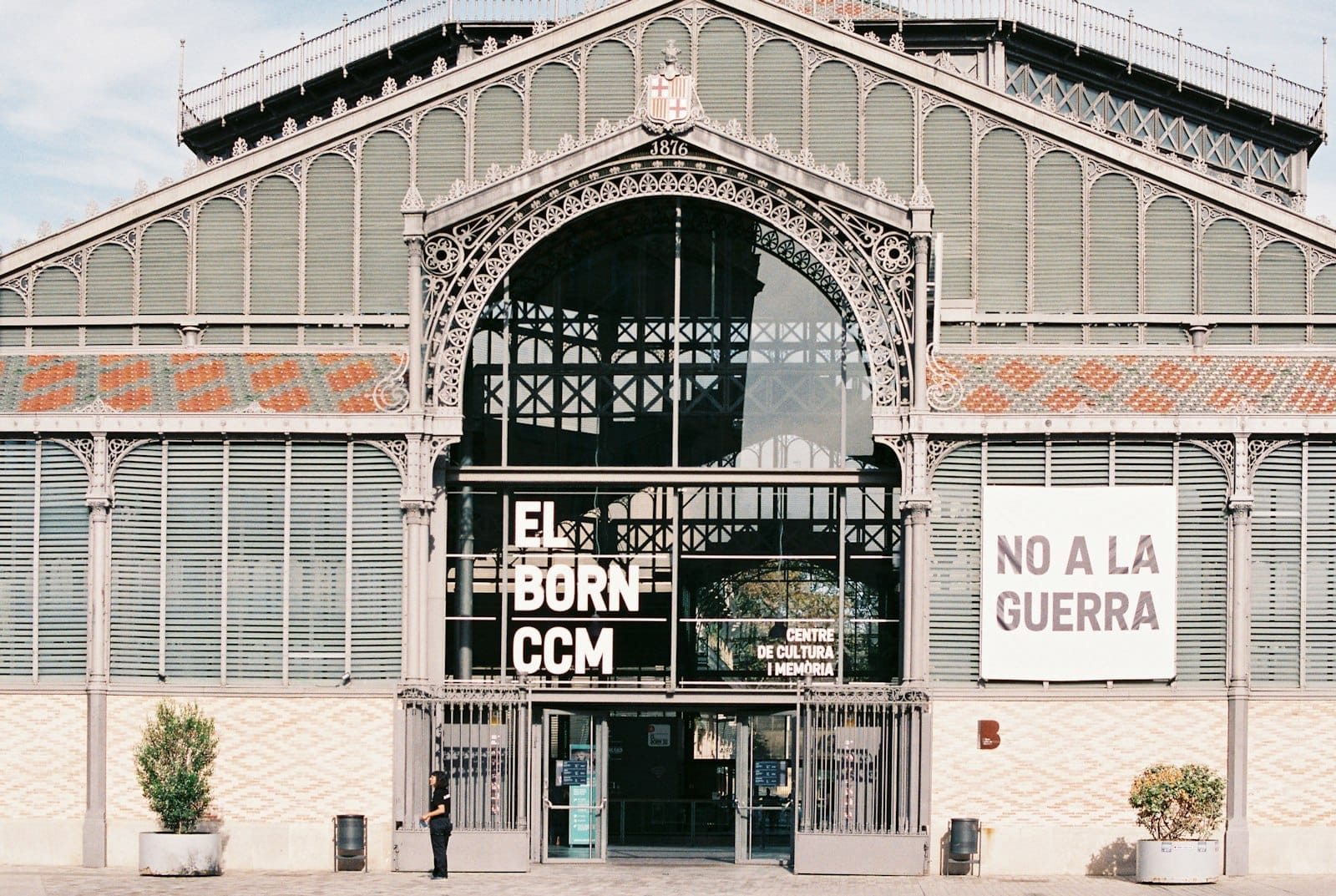
10. Walk Over the Ruins of 1714 Barcelona Inside El Born CCM
A 19th-century iron market hall was never demolished: instead, an excavation revealed entire streets from the 1714 Siege of Barcelona beneath the floor. You now walk on glass above the ruins. It is one of the most quietly powerful historical experiences in the city.
Explore10. Walk Over the Ruins of 1714 Barcelona Inside El Born CCM
A 19th-century iron market hall was never demolished: instead, an excavation revealed entire streets from the 1714 Siege of Barcelona beneath the floor. You now walk on glass above the ruins. It is one of the most quietly powerful historical experiences in the city.
Explore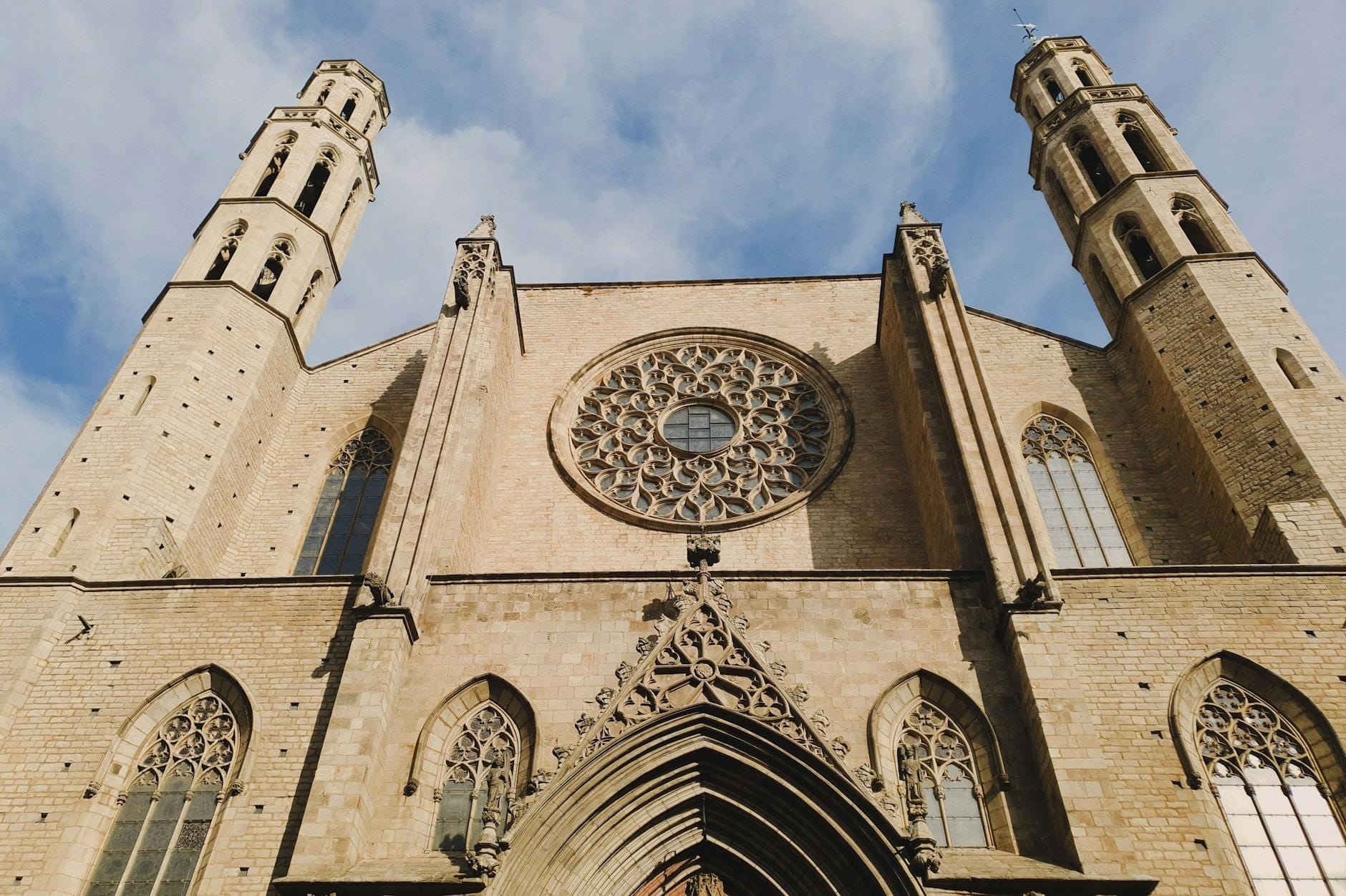
11. Step Inside Santa Maria del Mar: Gothic Architecture at Its Most Pure
Built in 55 years by the merchants and workers of the Ribera district, this 14th-century basilica is considered the purest Catalan Gothic building in existence. Its bare stone interior, free of later baroque additions, is breathtaking in its proportions. Entry is free on weekday mornings.
Explore11. Step Inside Santa Maria del Mar: Gothic Architecture at Its Most Pure
Built in 55 years by the merchants and workers of the Ribera district, this 14th-century basilica is considered the purest Catalan Gothic building in existence. Its bare stone interior, free of later baroque additions, is breathtaking in its proportions. Entry is free on weekday mornings.
Explore💡 Local tip
Santa Maria del Mar is free to enter on weekday mornings before 8am. Come early to experience the interior in near-silence before the day-trippers arrive.
Markets, Culture & Architecture Under the Radar
Several of Barcelona's most architecturally important buildings are overlooked simply because they sit in the shadow of more famous neighbours. The Modernista masterpieces below deserve as much attention as anything on Passeig de Gràcia, and the market hall listed here is where neighbourhood residents actually shop. For food beyond the markets, our guide to eating in Barcelona covers the best spots across every district.
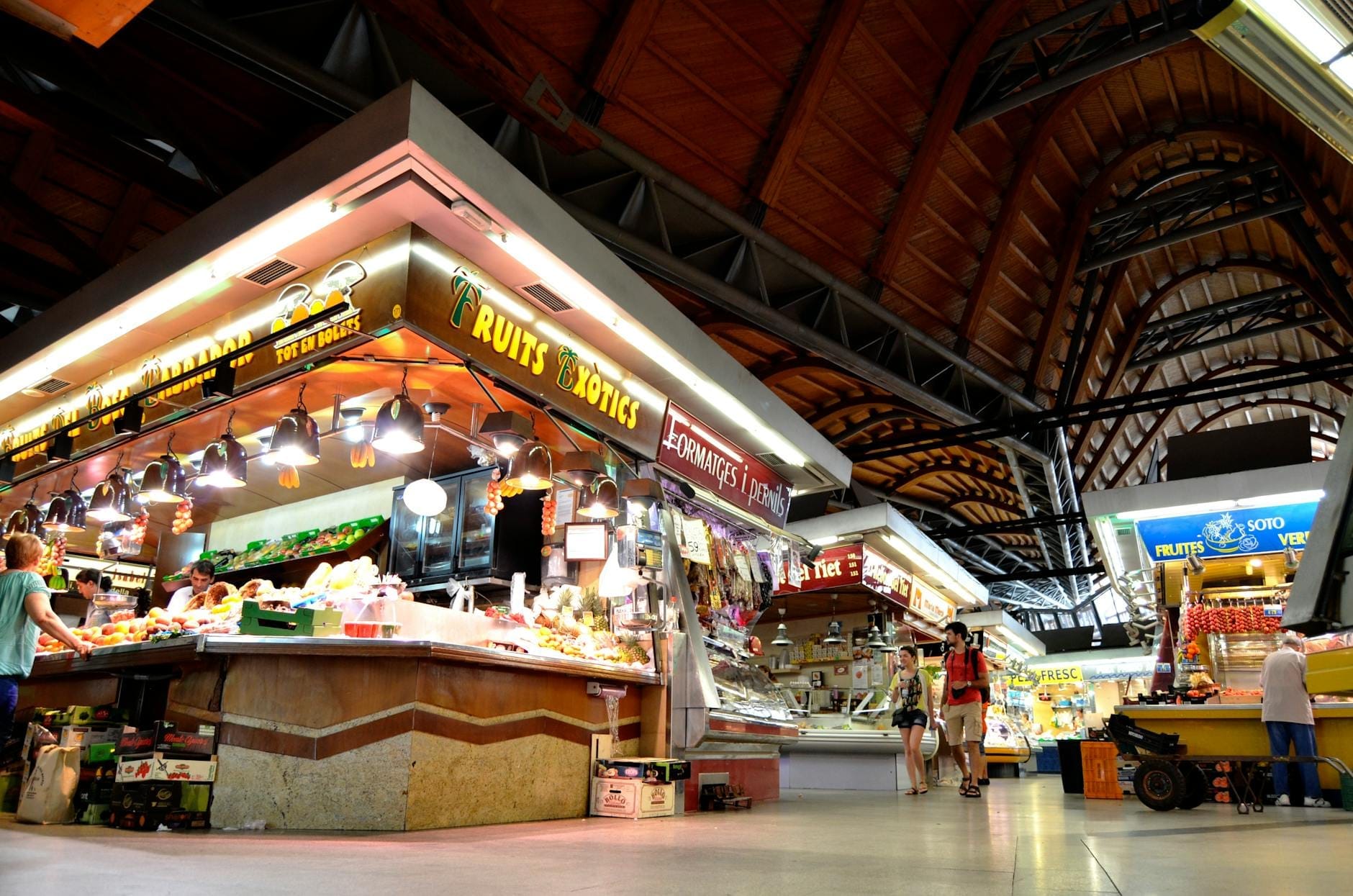
12. Shop at Mercat de Santa Caterina: El Born's Wave-Roofed Market Hall
Enric Miralles designed this market's undulating mosaic roof in the 1990s, and the result is one of Barcelona's most striking buildings. Less visited than La Boqueria but more genuine: residents actually buy their fish, cheese, and vegetables here. A great place for lunch at the market bar.
Explore12. Shop at Mercat de Santa Caterina: El Born's Wave-Roofed Market Hall
Enric Miralles designed this market's undulating mosaic roof in the 1990s, and the result is one of Barcelona's most striking buildings. Less visited than La Boqueria but more genuine: residents actually buy their fish, cheese, and vegetables here. A great place for lunch at the market bar.
Explore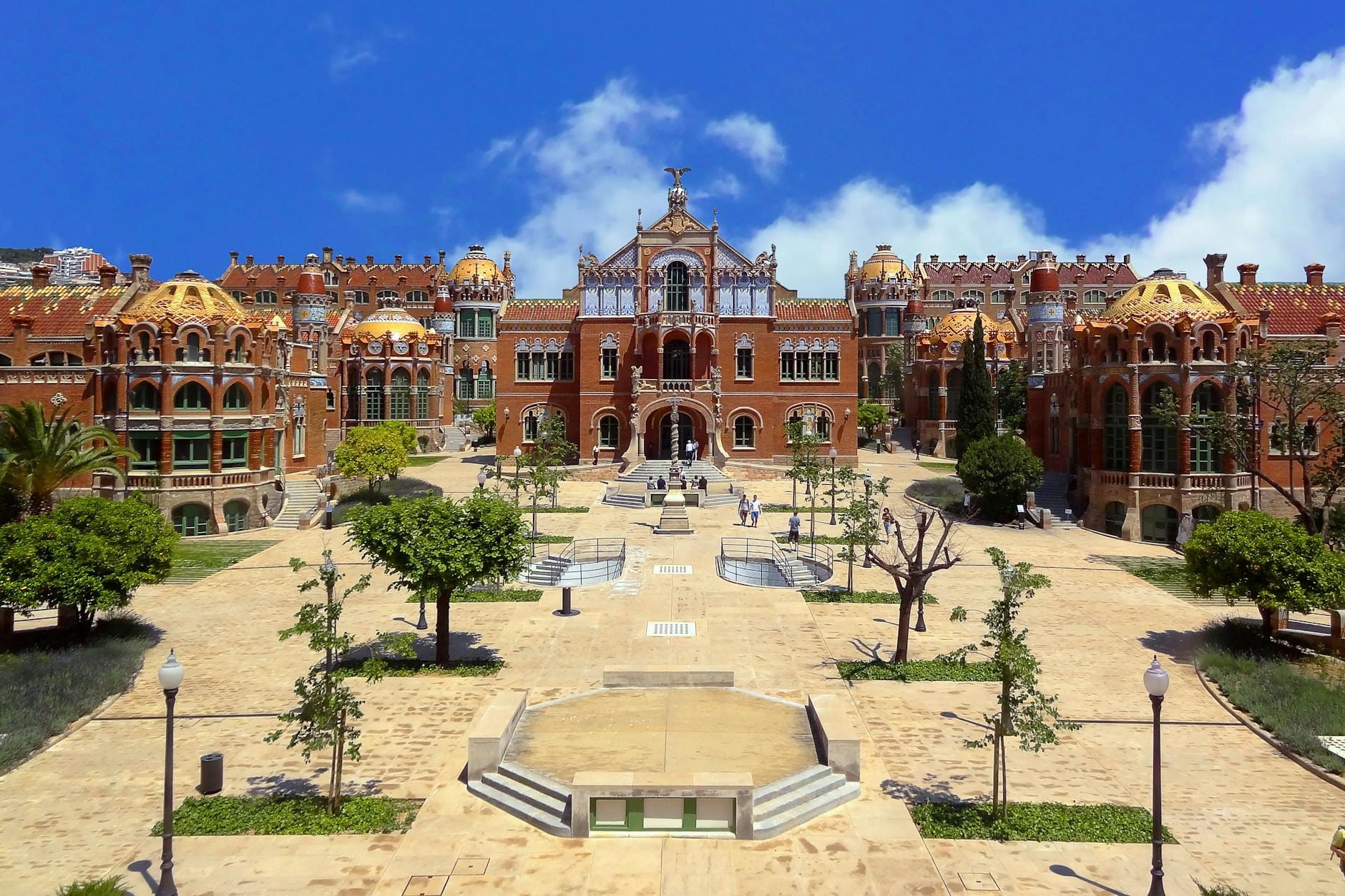
13. Walk Through the World's Largest Art Nouveau Complex at Hospital de Sant Pau
Lluís Domènech i Montaner's UNESCO-listed hospital campus is a rival to anything Gaudí built, a complex of mosaic-covered Modernista pavilions connected by underground tunnels. It sits just two blocks from Sagrada Família but receives a fraction of the visitors. Budget 90 minutes.
Explore13. Walk Through the World's Largest Art Nouveau Complex at Hospital de Sant Pau
Lluís Domènech i Montaner's UNESCO-listed hospital campus is a rival to anything Gaudí built, a complex of mosaic-covered Modernista pavilions connected by underground tunnels. It sits just two blocks from Sagrada Família but receives a fraction of the visitors. Budget 90 minutes.
Explore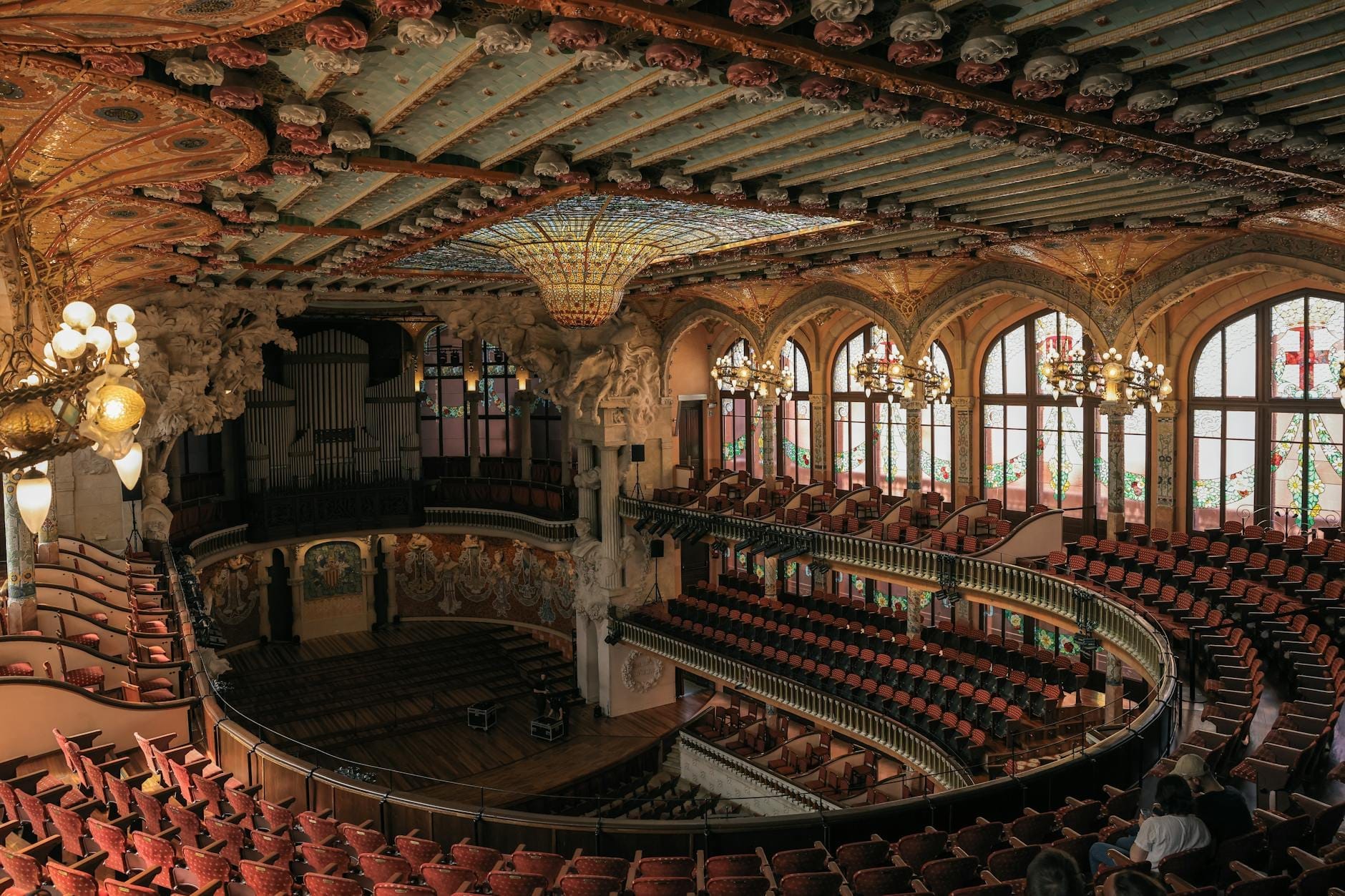
14. Hear a Concert at the Palau de la Música Catalana for an Unmissable Interior
The most exuberant Modernista interior in Barcelona: a concert hall where stained glass, mosaics, and sculpted stone erupt in every direction. Attending a live performance is the best way to see it, though guided tours also give access. Tickets sell out fast, so book ahead.
Explore14. Hear a Concert at the Palau de la Música Catalana for an Unmissable Interior
The most exuberant Modernista interior in Barcelona: a concert hall where stained glass, mosaics, and sculpted stone erupt in every direction. Attending a live performance is the best way to see it, though guided tours also give access. Tickets sell out fast, so book ahead.
Explore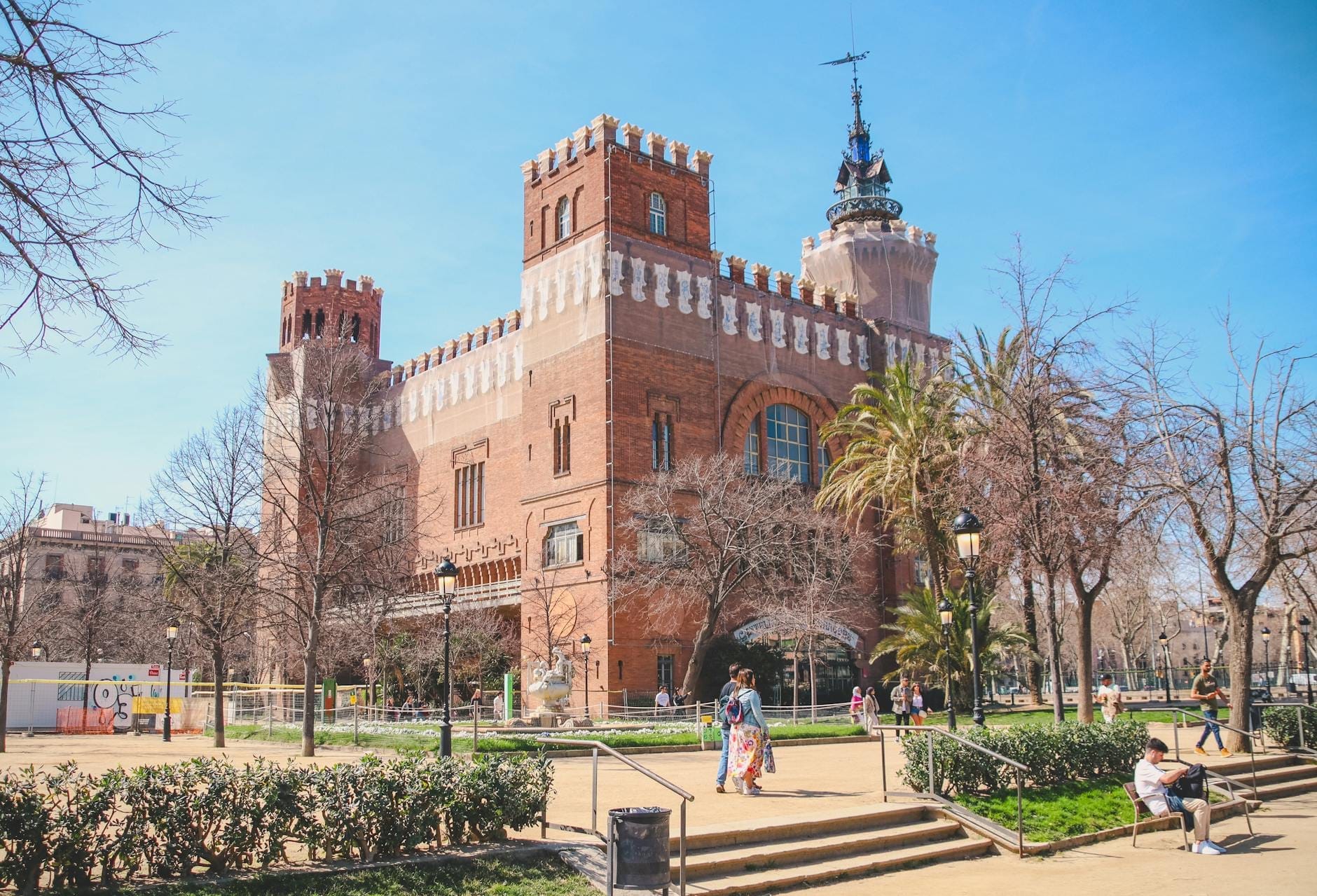
15. Visit CaixaForum for World-Class Exhibitions in a Free Modernista Building
A converted Modernista textile factory at the foot of Montjuïc hosts rotating world-class art and science exhibitions, and entry is free. The building's floating brick facade, lifted above street level with no visible support, is an architectural curiosity most people walk straight past.
Explore15. Visit CaixaForum for World-Class Exhibitions in a Free Modernista Building
A converted Modernista textile factory at the foot of Montjuïc hosts rotating world-class art and science exhibitions, and entry is free. The building's floating brick facade, lifted above street level with no visible support, is an architectural curiosity most people walk straight past.
Explore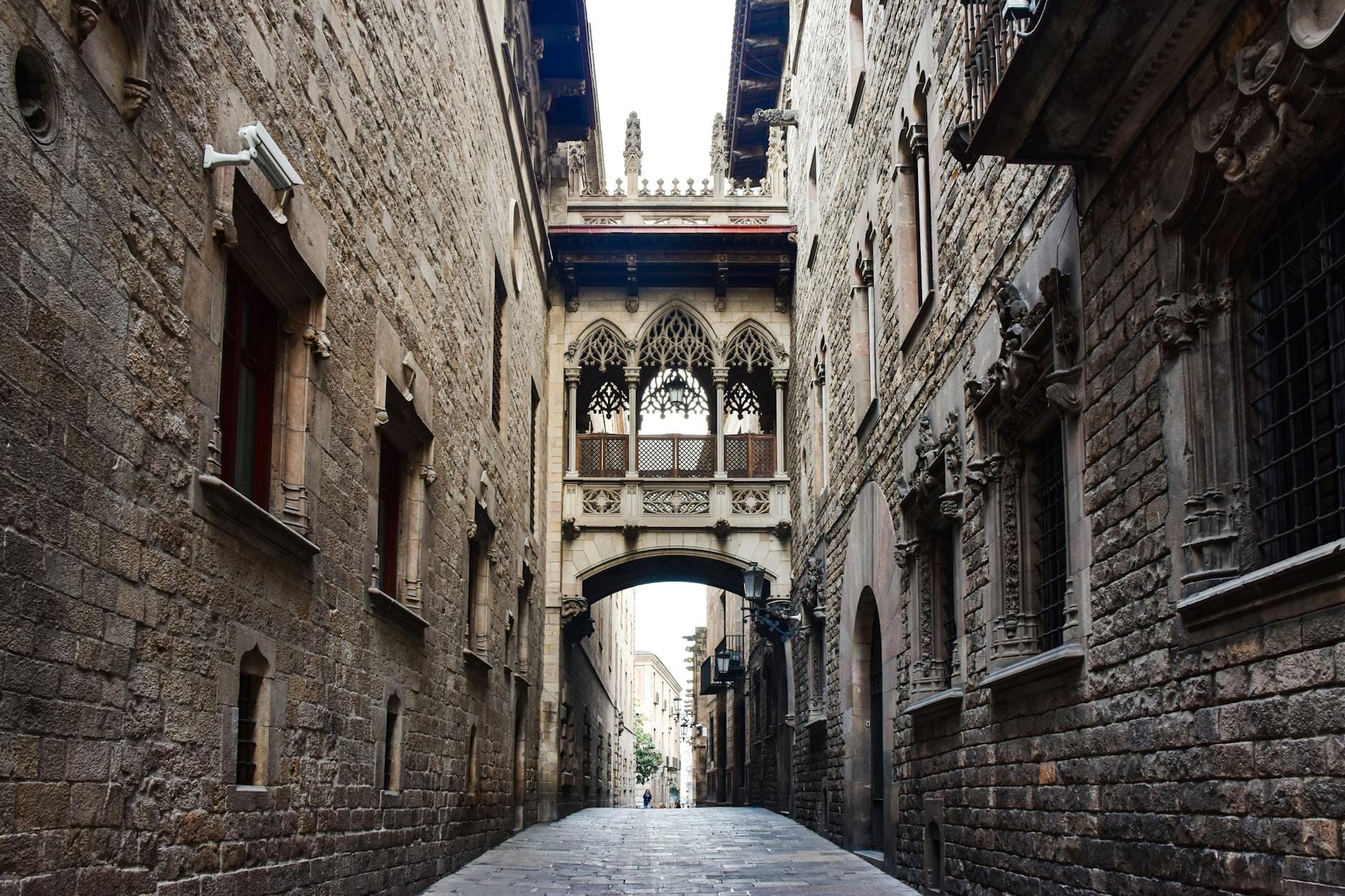
16. Spot the Gothic Quarter's Fake-Medieval Bridge on Carrer del Bisbe
The ornate neo-Gothic bridge connecting two buildings on this narrow Gothic Quarter lane was built in 1928 but looks convincingly medieval. Most visitors photograph it without knowing its age. The street itself, lined with historic facades, connects Plaça de Sant Jaume to the cathedral area.
Explore16. Spot the Gothic Quarter's Fake-Medieval Bridge on Carrer del Bisbe
The ornate neo-Gothic bridge connecting two buildings on this narrow Gothic Quarter lane was built in 1928 but looks convincingly medieval. Most visitors photograph it without knowing its age. The street itself, lined with historic facades, connects Plaça de Sant Jaume to the cathedral area.
ExploreFree & Overlooked Outdoor Spaces
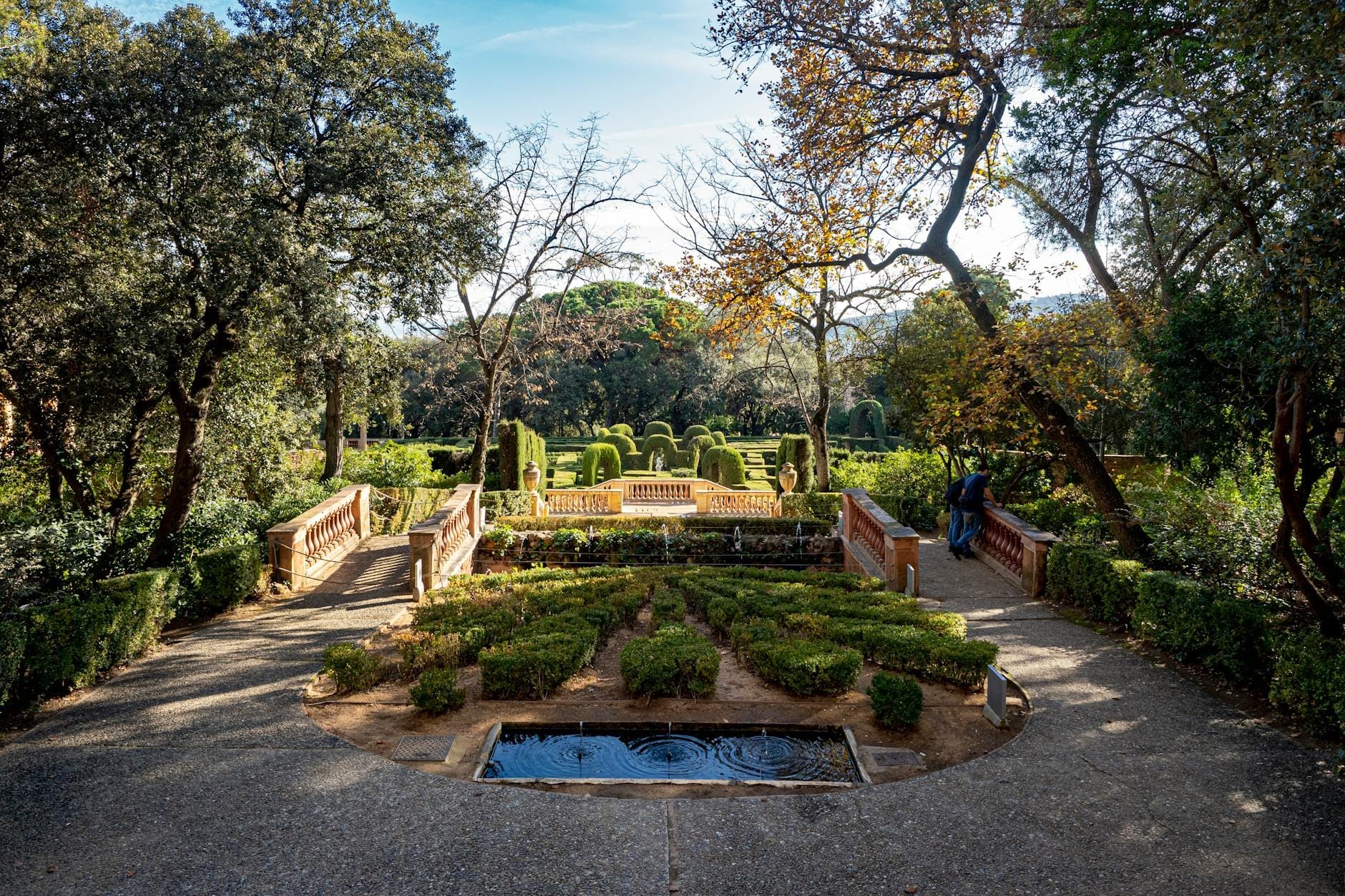
Barcelona's best free experiences are often its most overlooked. The city's parks and promenades away from the centre offer the daily rhythms of neighbourhood life that the tourist zones cannot. If you're looking for more ways to experience the city without spending much, our Barcelona on a budget guide has everything you need.
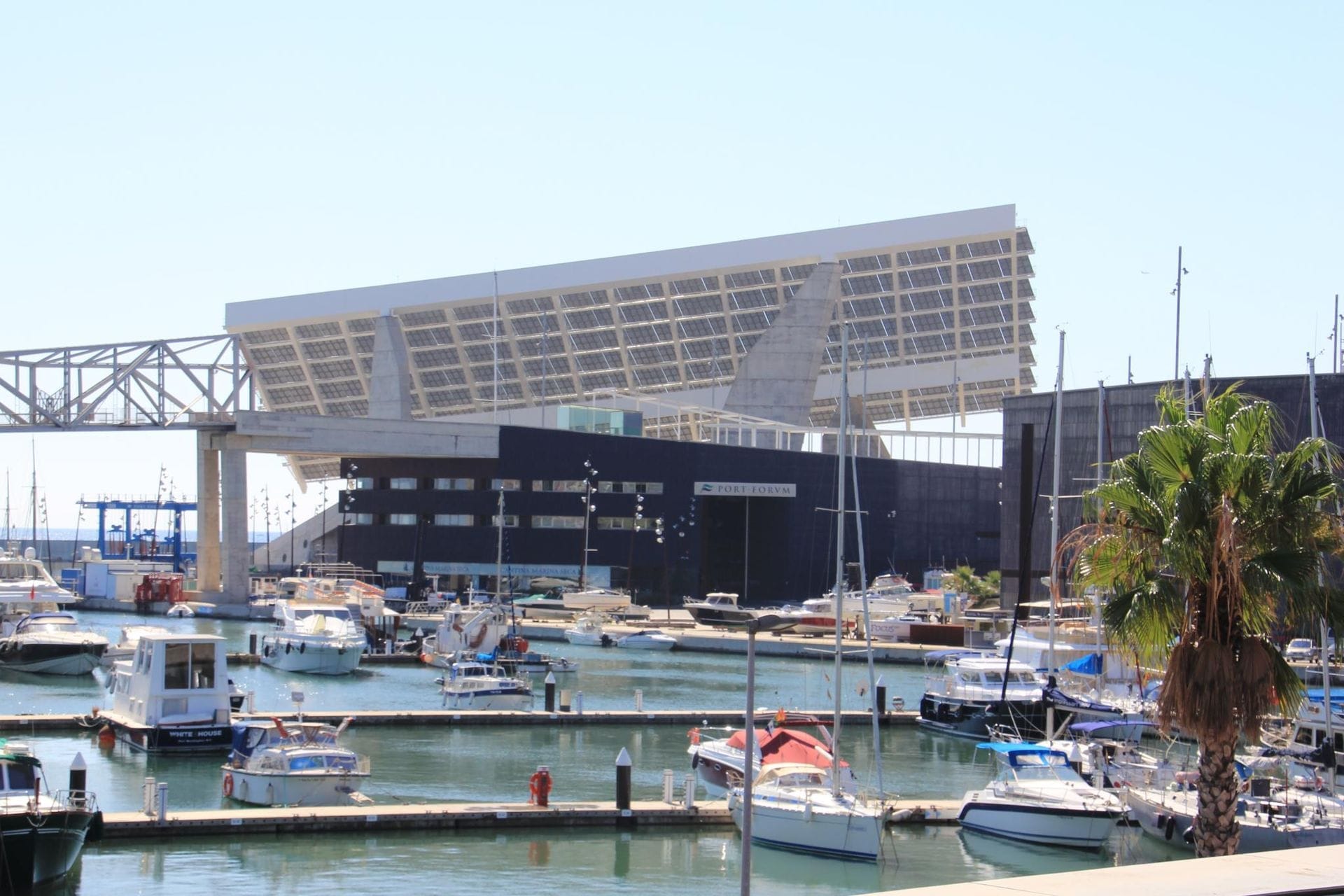
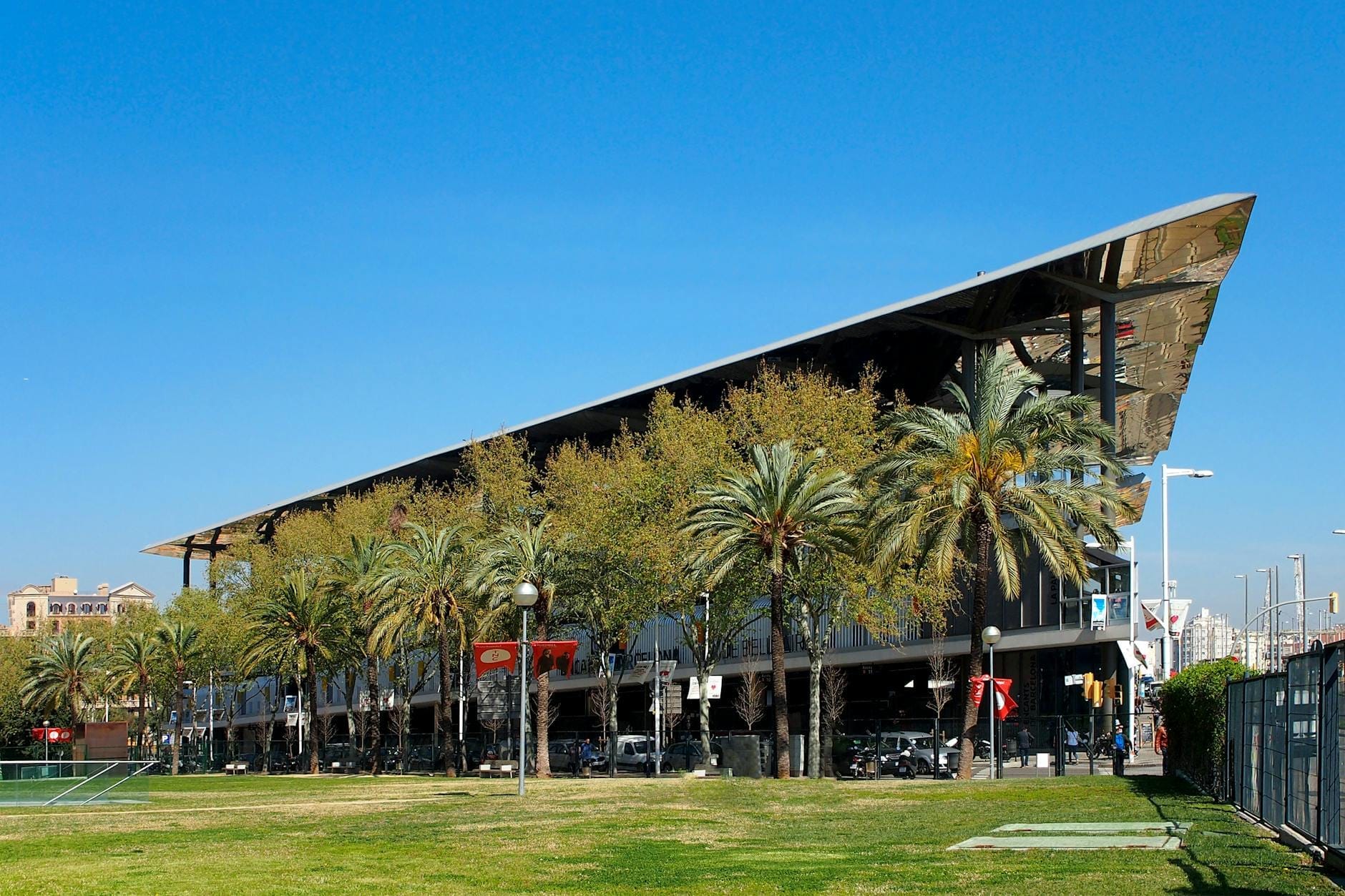
17. Discover Barcelona's Least Crowded Beach at Diagonal Mar
The vast esplanade around the 2004 Forum building anchors one of the city's longest and quietest beaches. The triangular Herzog & de Meuron structure and giant solar pergola make it worth the trip even without swimming. Locals come for the space that Barceloneta cannot offer.
Explore17. Discover Barcelona's Least Crowded Beach at Diagonal Mar
The vast esplanade around the 2004 Forum building anchors one of the city's longest and quietest beaches. The triangular Herzog & de Meuron structure and giant solar pergola make it worth the trip even without swimming. Locals come for the space that Barceloneta cannot offer.
Explore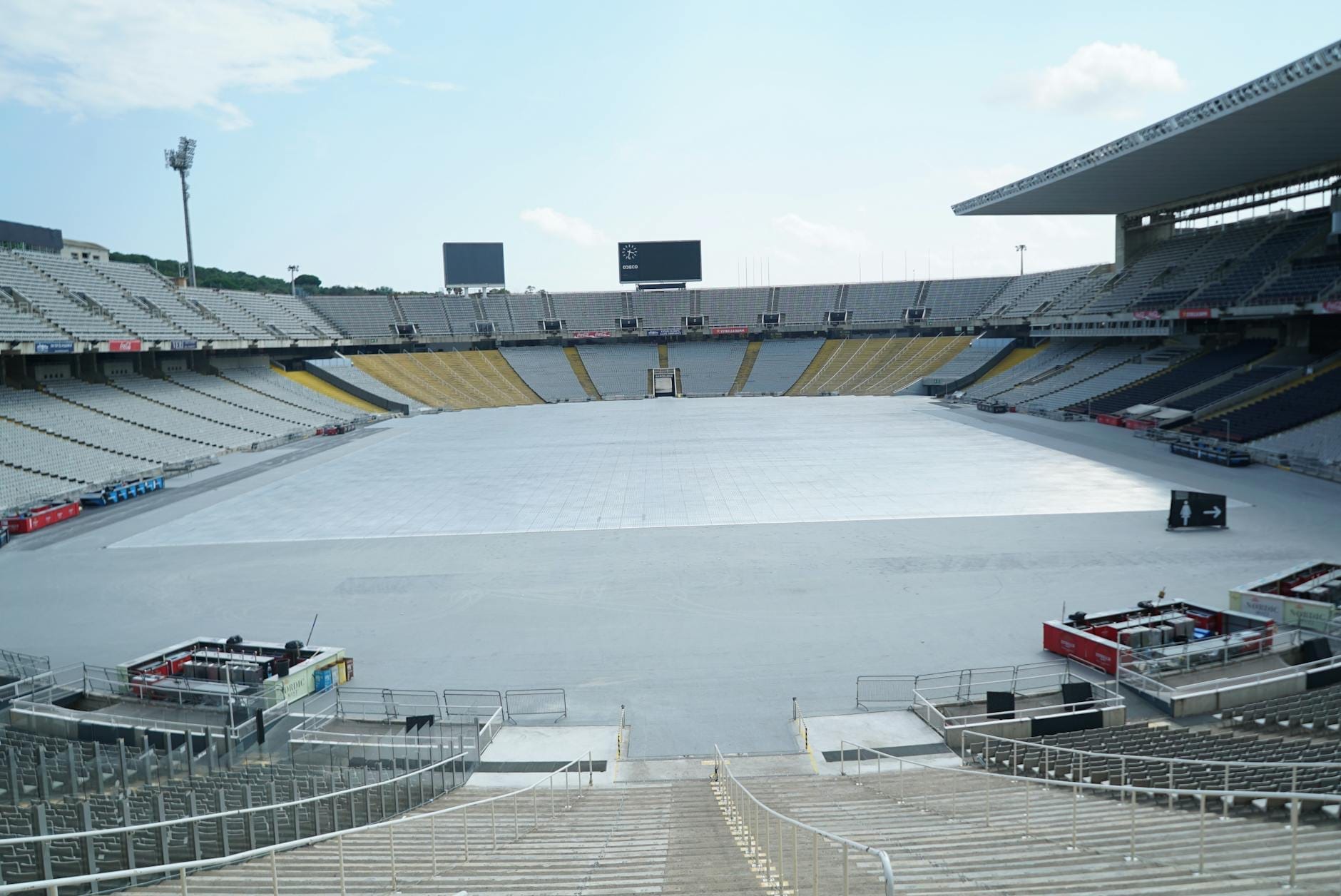
18. Walk Into the 1992 Olympic Stadium, Free and Almost Always Empty
The stadium that hosted the 1992 Barcelona Olympics is open to the public for free, with no queues and no entrance fee. Walking onto the running track and looking up at the empty stands is a surprisingly moving experience. The original 1929 facade adds an extra layer of history.
Explore18. Walk Into the 1992 Olympic Stadium, Free and Almost Always Empty
The stadium that hosted the 1992 Barcelona Olympics is open to the public for free, with no queues and no entrance fee. Walking onto the running track and looking up at the empty stands is a surprisingly moving experience. The original 1929 facade adds an extra layer of history.
Explore✨ Pro tip
The Olympic Stadium is genuinely free and open most days. Combine it with the Fundació Joan Miró and MNAC on the same Montjuïc visit for a full day that costs very little.
FAQ
What is the best hidden viewpoint in Barcelona?
The Turó de la Rovira is consistently rated by locals as the city's best viewpoint. The Civil War battery ruins on the Carmel hill offer a full 360-degree panorama including Sagrada Família, the port, and the sea. It is free, accessible by bus, and far less crowded than Park Güell or Tibidabo.
Which Gaudí building is the most underrated?
Casa Vicens in Gràcia is considered Gaudí's first important building and one of his most fascinating, but it attracts a fraction of the visitors that Casa Batlló or La Pedrera receive. Only opened to the public in 2017, its Moorish tiles and Orientalist design reveal the origins of his style. Book tickets online to guarantee entry.
Are there any free museums or cultural sites in Barcelona worth visiting?
Yes. CaixaForum at the foot of Montjuïc has free entry to its ground floor and rotating exhibitions in a striking Modernista building. The Olympic Stadium on Montjuïc is free and open to walk around. El Born CCM charges a small fee but is one of the most atmospheric historical sites in the city. Several major museums also offer free entry on the first Sunday of each month.
What neighbourhood should I explore to see local Barcelona life?
Poblenou is the best answer for most visitors. The former industrial district is being transformed by creative studios, street art, and design businesses, and its own tree-lined Rambla has neighbourhood cafés and terraces with none of the tourist pressure. Gràcia is another strong option for independent shops and lively neighbourhood squares.
How do I avoid the crowds at Barcelona's popular sites?
Arrive early, ideally before 9am. For paid attractions like Casa Batlló or Park Güell, book timed-entry tickets online in advance. For free sites like Bunkers del Carmel, weekday mornings are significantly quieter than weekend afternoons. The shoulder months of May and October offer better conditions than July and August across the board.
Tickets & tours
Live prices and dates from our booking partner. If you book, we may earn a commission at no extra cost to you.
Planning a trip? Discover personalized activities with the Nomado app.