Getting Around Barcelona: Metro, Buses, Taxis & More
Barcelona has one of Europe's most comprehensive urban transport networks, but knowing which option to use when can save hours and euros. This guide covers every mode of transport in the city, from the TMB metro and night buses to ride-hailing apps, cycling, and how to reach the airport.
Tickets & tours
Live prices and dates from our booking partner. If you book, we may earn a commission at no extra cost to you.
TL;DR
- The TMB metro is the fastest and cheapest way to cross the city: 12 lines, 180 stations, and trains every 1-2 minutes at peak hours.
- A T-Casual 10-trip card (€13) covers metro, bus, and tram in Zone 1 and is far better value than single tickets for any stay over two days. Each card is personal and non-transferable. Buy it before boarding the Eixample or any busy metro station.
- Line 9 Sud connects the airport to the metro network, but requires a separate supplement (around €5.50). The Aerobus (€7.45 one-way) is faster door-to-door for most central hotels.
- Taxis are metered, officially licensed, and honest: do not overpay for private transfers unless you genuinely need one.
- The compact historic core — Gothic Quarter, El Born, Barceloneta — is best explored on foot. Save transit for the longer hauls.
Barcelona's Public Transport Network at a Glance
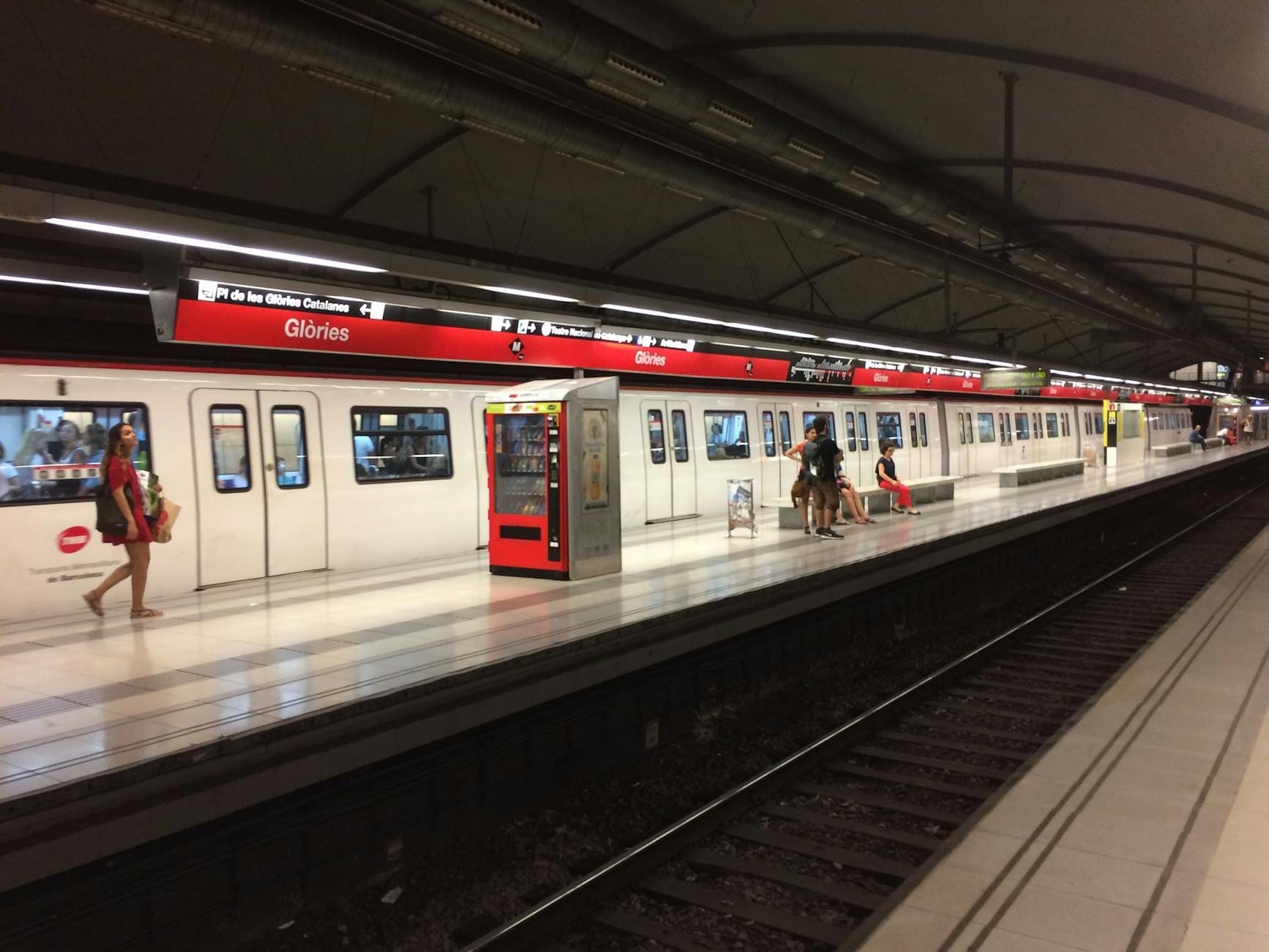
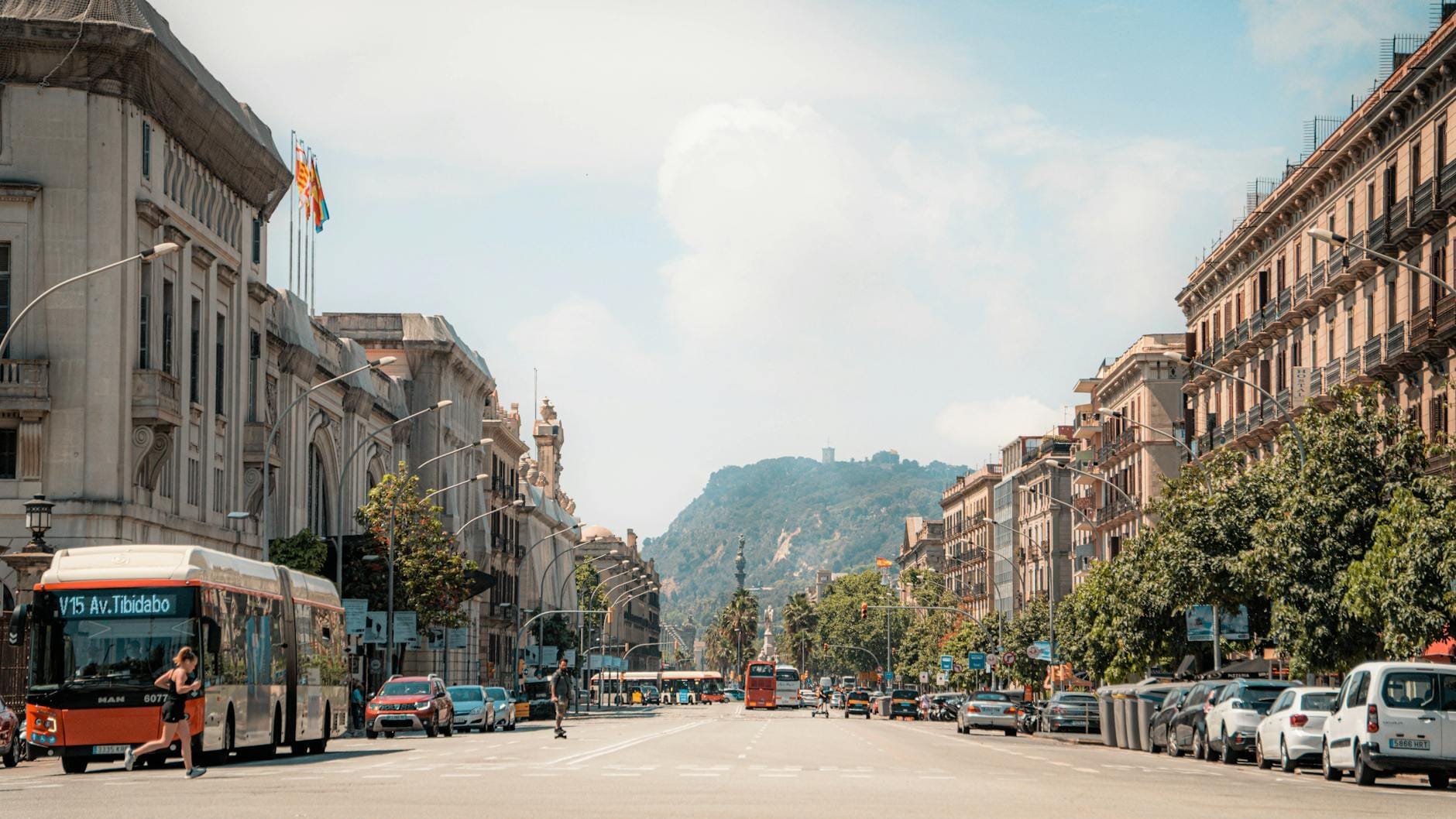
Barcelona's public transport is operated primarily by Transports Metropolitans de Barcelona (TMB). The network includes 12 metro lines serving 180 stations across roughly 146 km of track, more than 230 bus lines, 30 night buses (Nitbus), trams, funiculars, and cable cars. It handles over 400 million journeys per year and covers virtually every corner of Zone 1 (the city proper). For most tourists, the metro and buses are all they will ever need.
Metro hours: Monday to Thursday and Sunday, trains run from 5:00 AM to midnight. On Fridays the network extends to 2:00 AM. On Saturdays and public holidays it runs 24 hours. This matters in summer when the city's nightlife stretches well past midnight. Bus frequencies on most lines range from every 5 to 15 minutes depending on the time of day. Nitbus routes cover the gaps when the metro is closed.
💡 Local tip
You do not need to check a metro timetable. At peak hours trains arrive every 1-2 minutes on central lines. Off-peak, even late evenings, the wait rarely exceeds 6-8 minutes. Just show up and board.
Tickets, Cards, and What Actually Saves You Money
Single tickets cost around €2.55 and are valid for one journey on the metro, bus, or tram within Zone 1. They are not worth buying beyond your first trip into the city. The T-Casual card gives you 10 trips for €13 and the same Zone 1 coverage: metro, TMB buses, trams, FGC urban trains, and Renfe urban lines. Transfers within 75 minutes count as one trip (with certain restrictions on changing lines). For a 3-day visit you will likely use 3-4 trips per day, meaning one T-Casual card covers most of your stay.
- T-Casual (10 trips, Zone 1) €13. Personal and non-transferable — each traveller needs their own card. Best option for stays of 3-7 days with moderate transport use.
- Hola BCN! Travel Card Unlimited travel for 2, 3, 4, or 5 consecutive days (roughly €16-35 depending on duration). Includes the airport Line 9 Sur supplement, which the T-Casual does not. Worth it only if you plan to use public transport intensively every day.
- Barcelona Card Unlimited travel plus free or discounted entry to over 25 museums. The standard card runs €57-79 for adults (3-5 days), with a shorter Card Express option available at a lower price. Strong value if you're planning a culture-heavy itinerary.
- Contactless payment on buses TMB buses now accept contactless bank cards directly. Convenient for a single bus journey if you don't have a card loaded, though the per-trip cost is higher than a T-Casual.
⚠️ What to skip
The T-Casual card does NOT include the airport surcharge on Metro Line 9 Sud. If you use it to travel to or from El Prat Airport, you will be charged an additional supplement at the gate. The Hola BCN! card covers this supplement, so if you're arriving and departing by metro, it may tip the value calculation in its favour.
Metro Lines Worth Knowing
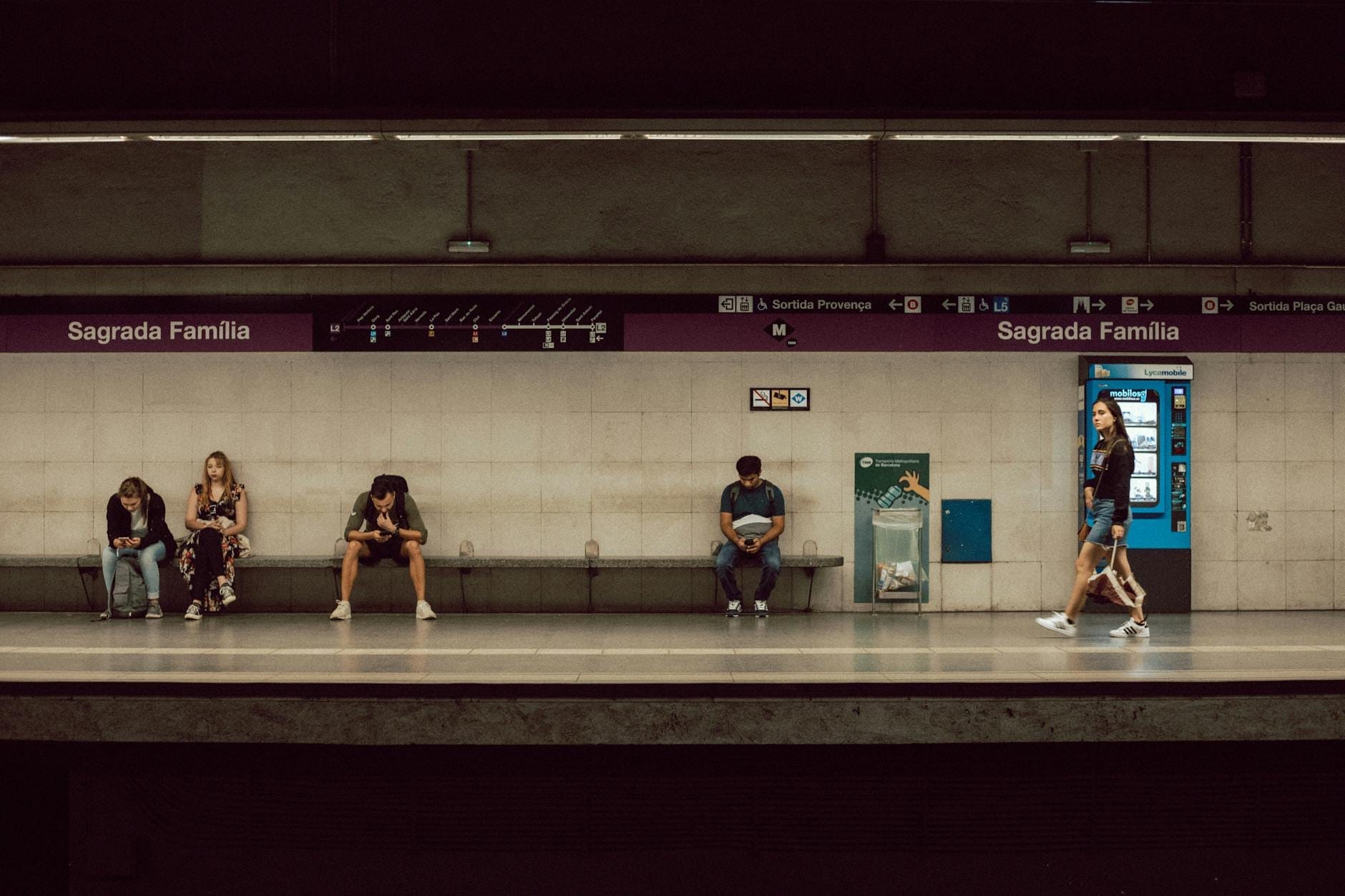
The metro is the backbone of getting around Barcelona. Line 1 (red) crosses the city east-west and connects directly to Arc de Triomf and the El Born neighbourhood. Line 2 (purple) hits Passeig de Gràcia for Modernista architecture and serves the Sagrada Família interchange. Line 3 (green) runs through the core of the city and stops at Diagonal, Passeig de Gràcia, and Liceu (the gateway to Las Ramblas and the Gothic Quarter). Line 5 (blue) takes you directly to Sagrada Família and the northern reaches of Eixample.
Line 9 is the longest in the network and is split into two sections. Line 9 Sud connects Barcelona El Prat Airport directly to the southern metro network, requiring the airport supplement. Line 9 Nord serves the northern suburbs. For getting to Park Güell from the city centre, take Line 3 to Lesseps or Vallcarca and walk up. For Montjuïc, take Line 2 or 3 to Paral·lel and then use the funicular.
Getting to and From the Airport
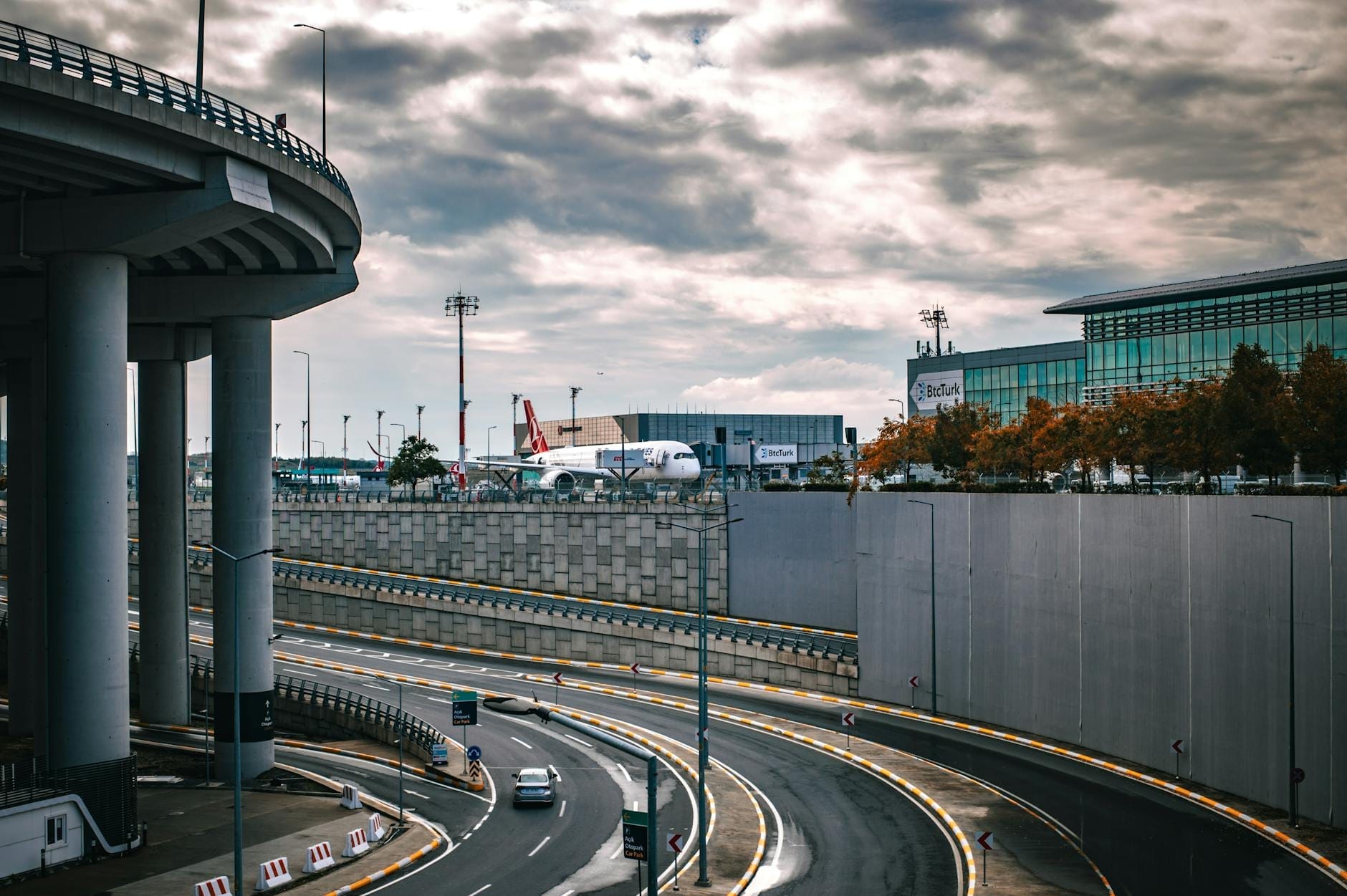
Josep Tarradellas Barcelona El Prat Airport (airport code: BCN) sits around 12-15 km southwest of the city centre. You have four practical options, and the right one depends on where you're staying and how much luggage you're carrying.
- Aerobus Runs 24/7 from both terminals to Plaça de Catalunya (and several stops along Gran Via). Journey time is 35 minutes under normal traffic, around 20 minutes late at night. Costs €7.45 one-way or €12.85 return. The most straightforward option if your accommodation is near Las Ramblas or Eixample.
- Metro Line 9 Sud Connects directly to the metro network at Aeroport T1 and Aeroport T2. Journey to city centre takes 25-40 minutes depending on your destination. Costs the standard single fare plus an airport supplement (around €5.50 total one way). No luggage limit, air-conditioned, frequent service. Covered by Hola BCN! pass.
- RENFE Cercanías (R2 Nord line) Connects Terminal 2 only (a free shuttle bus runs from T1 to T2). Journey to Passeig de Gràcia or Sants takes around 20 minutes. Cheaper than the metro supplement (around €4.60) and integrated into the rail network, making it useful if you're heading to Sants station or the upper Eixample.
- Taxi All official taxis are metered. Expect to pay €25-35 from the airport to the city centre, including the airport supplement added to the fare. Journey takes 20-40 minutes depending on traffic. Best option if you're arriving late at night with heavy bags and split between two or more people.
✨ Pro tip
Avoid private transfer services from the airport unless they are genuinely cheaper than a metered taxi for your group size. The official taxi queue at the airport moves quickly, drivers are professional, and meters are reliable. Uber and Cabify also operate from the airport but must be booked via app and collected from a designated area.
Taxis, Ride-Hailing, and When to Use Them
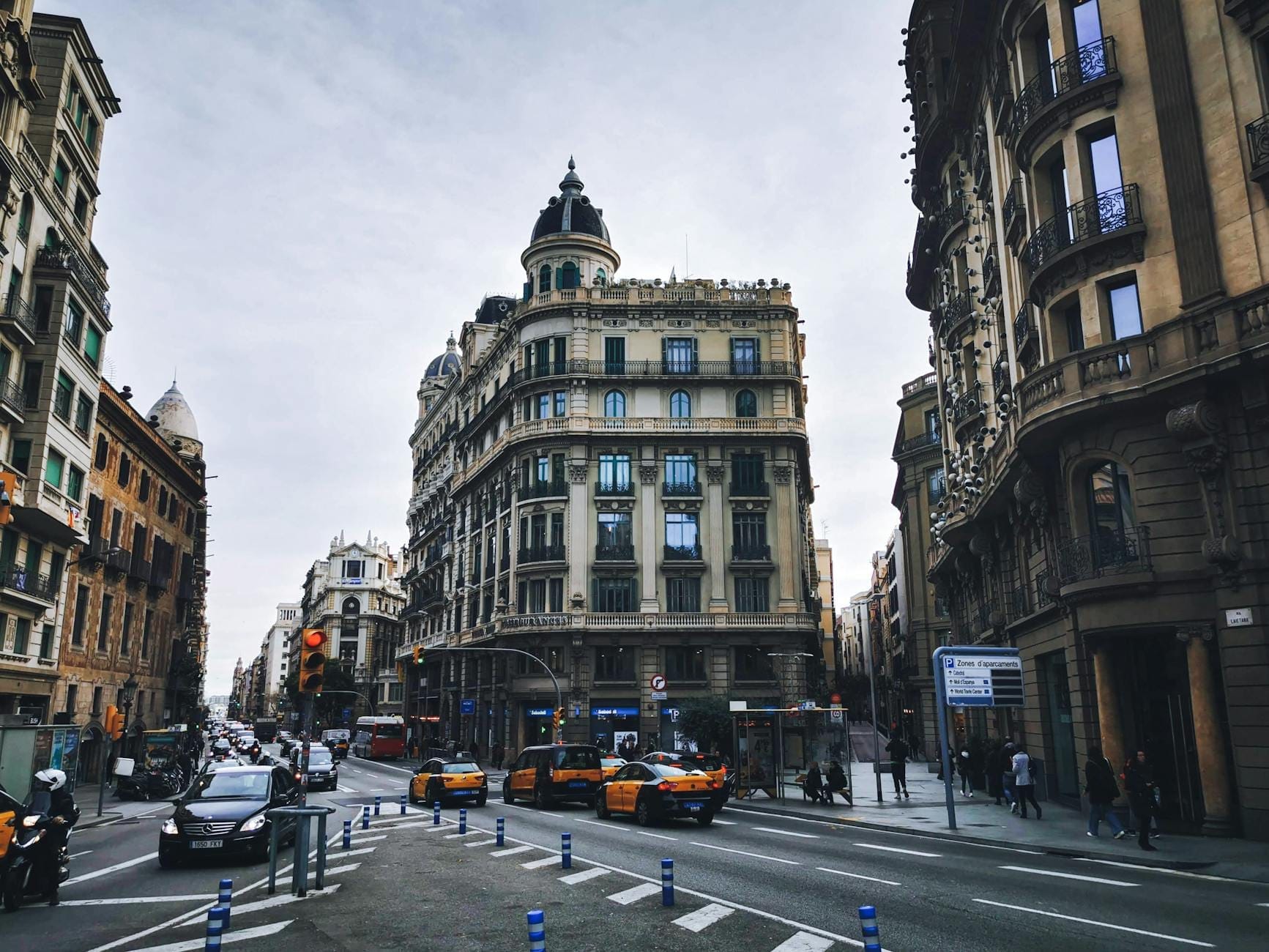
Barcelona's official taxis are black and yellow. They are metered, regulated, and generally honest. Flag one down on any major street or use the myTaxi (now FREE NOW) app to book one in advance. Uber, Bolt, and Cabify all operate in the city, though availability and pricing vary. For short in-city trips, the metro is almost always faster once you factor in app booking and pickup time. Ride-hailing makes more sense late at night when metro frequency drops, or for direct airport runs when travelling in a group.
The minimum taxi fare in Barcelona is around €2.40, with a rate of roughly €1.25 per km depending on the time of day and day of week. A cross-city journey from, say, Barceloneta to Park Güell would typically cost €12-18. Tipping is not expected but rounding up is common. Night fares and weekend surcharges apply from 8:00 PM to 8:00 AM and all day on Sundays and public holidays.
Walking, Cycling, and Getting Around Without Transit
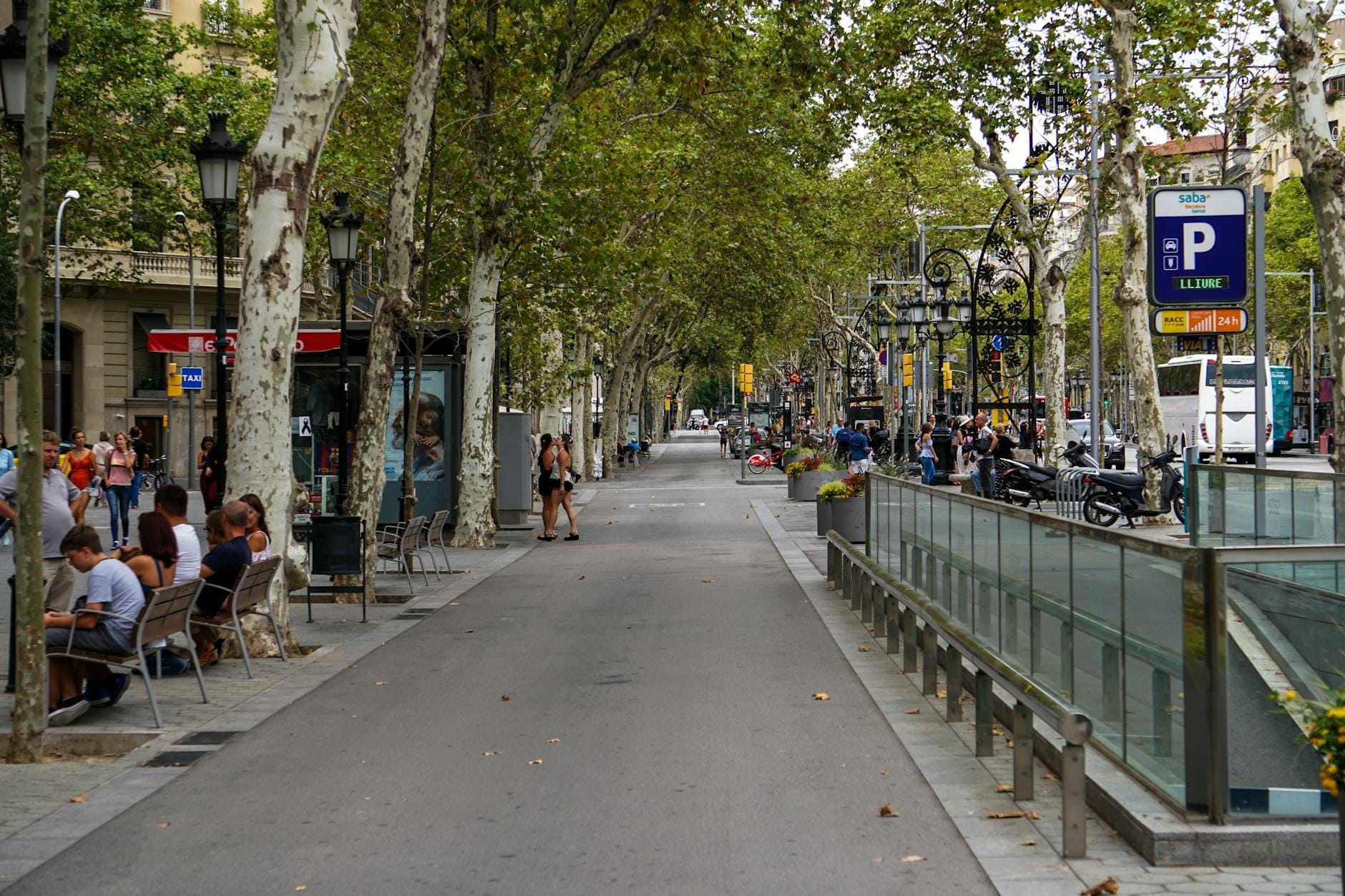
Barcelona is more walkable than most cities of its size. The historic districts — Gothic Quarter, El Born, and Barceloneta — are compact and largely pedestrianised. Walking between Barcelona Cathedral and the Basílica de Santa Maria del Mar takes under 10 minutes. Las Ramblas to Plaça de Catalunya is a 15-minute stroll. The Eixample grid is logical and easy to navigate on foot, though the blocks are wide and distances deceptive on a map.
Barcelona's Bicing bike-share scheme is designed for residents, not tourists: registration requires a local address and annual fee. For visitors, private bike rental shops are scattered throughout the city, typically charging €8-15 per day for a standard city bike. Barcelona has an extensive network of dedicated bike lanes (bici carril), particularly along the waterfront and through Eixample. The flat coastal areas and the Eixample grid suit cycling well. Avoid taking a rental bike up to Montjuïc or Park Güell unless you are comfortable with steep climbs.
ℹ️ Good to know
Electric scooter rental apps (including Lime and TIER) operate in Barcelona. They can be useful for short point-to-point trips in flat areas but are banned from certain pedestrian zones and the old town. Always check the app's map for restricted zones before riding.
If you are planning a full day of sightseeing across different neighbourhoods, a combination of metro and walking is the most time-efficient approach. For example, a well-structured Barcelona itinerary might take the metro from the Gothic Quarter to Sagrada Família in the morning (Line 2 or 5, around 15 minutes), walk through Eixample to Passeig de Gràcia, then use Line 3 to reach Montjuïc in the afternoon. That's two metro trips covering the whole day.
Practical Tips for Navigating Barcelona's Transport
- Validate your ticket every time you enter a metro station or board a bus. Inspectors do check, and the fine for travelling without a valid ticket starts at €120.
- The TMB app (free, iOS and Android) provides real-time metro and bus information, journey planning, and the ability to buy and load tickets digitally. Download it before you arrive.
- During morning rush hour (8:00-9:30 AM) on Lines 1, 3, and 5, trains can be very crowded. If you're travelling light and your destination is within 20 minutes on foot, walking is often quicker.
- Pickpocketing is a real concern on Las Ramblas and on crowded metro carriages, particularly Line 3 between Drassanes and Passeig de Gràcia. Keep bags in front of you and avoid displaying expensive equipment in obvious ways.
- Metro signage is in Catalan, though station names are clear and maps are easy to follow regardless of language. Google Maps and Citymapper both work well for real-time navigation in Barcelona.
- The Bus Turístic (tourist hop-on hop-off bus) covers key sights but runs slowly due to city traffic and is overpriced compared to using the regular metro and buses. It makes sense only if you have very limited mobility or want the commentary experience.
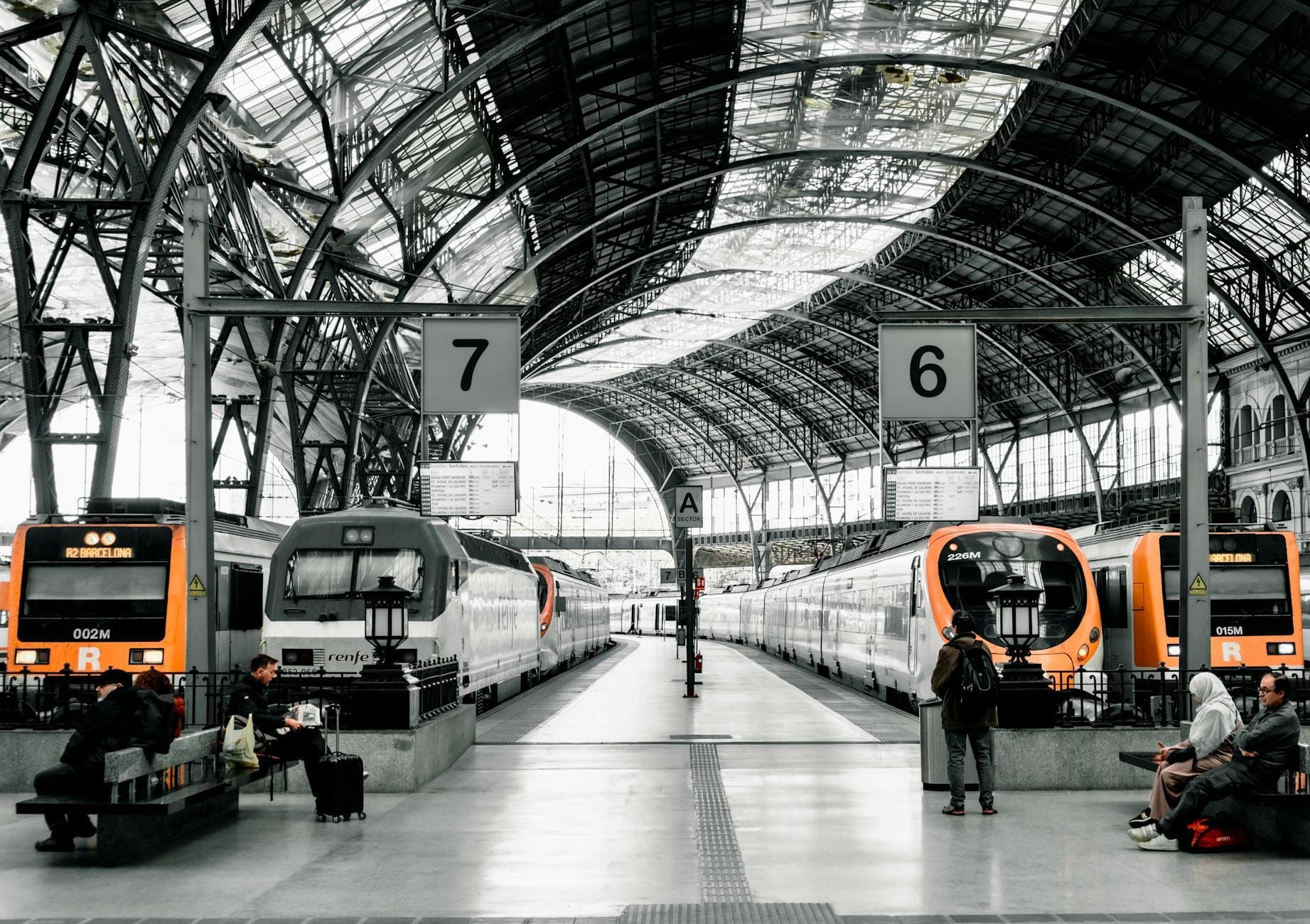
For day trips beyond the city, Barcelona's transport network connects to regional rail services. RENFE and FGC trains depart from Sants, Passeig de Gràcia, and Plaça de Catalunya, making it straightforward to reach places like Sitges (35 minutes), Montserrat (around 1 hour), or Tarragona (around 1 hour). Check the full options in our Barcelona day trips guide for route details and booking advice.
FAQ
What is the cheapest way to get from Barcelona airport to the city centre?
The RENFE Cercanías R2 Nord train (Terminal 2 only) costs around €4.60 and takes roughly 20 minutes to Passeig de Gràcia. If you're at Terminal 1, the Metro Line 9 Sud costs around €5.50 (airport supplement) and connects directly to the metro network. The Aerobus (€7.45 one-way, €12.85 return) is slightly more expensive but runs 24/7 and drops you at Plaça de Catalunya. A taxi costs €25-35 total and is better value for groups of three or four.
Is the Barcelona metro safe at night?
Yes, the metro is generally safe for most travellers at night. The main precaution is pickpocketing rather than personal safety: keep valuables secured on busy lines, particularly Line 3 and Line 1 through the tourist core. The 24-hour Saturday service is well-used and not isolated. Stick to well-lit stations and central lines, and you'll have no issues.
Can I use the same ticket on the metro and bus in Barcelona?
Yes. The T-Casual card and most multi-journey tickets are valid across the metro, TMB buses, trams, FGC urban trains, and Renfe urban lines within Zone 1. A transfer within 75 minutes using the same card counts as one trip under certain conditions. Single tickets bought for the metro are not transferable to buses.
Is it worth getting a Barcelona Card for transport?
It depends on your itinerary. The Barcelona Card includes unlimited transport plus museum discounts. If you're planning to visit the Museu Picasso, MNAC, Fundació Joan Miró, and other paid attractions, the card can easily pay for itself. If you only plan to visit one or two museums and use transport moderately, a T-Casual card is better value.
How do I get to Park Güell or Montjuïc by public transport?
For Park Güell, take Metro Line 3 to Lesseps or Vallcarca and walk uphill (around 10-15 minutes). A city bus (route H6 or V17) also stops closer to the main entrance. For Montjuïc, take Metro Line 2 or Line 3 to Paral·lel, then take the Montjuïc Funicular (included in the T-Casual card). From the funicular station you can walk or take the cable car to the castle.
Tickets & tours
Live prices and dates from our booking partner. If you book, we may earn a commission at no extra cost to you.
Planning a trip? Discover personalized activities with the Nomado app.