El Born is one of Barcelona's oldest and most characterful neighborhoods, occupying the southeastern section of the Sant Pere, Santa Caterina i la Ribera district in Ciutat Vella. Anchored by the Gothic church of Santa Maria del Mar and the repurposed iron market of El Born Centre de Cultura i Memòria, it mixes 13th-century stone streets with independent boutiques, serious cocktail bars, and some of the city's best museum culture.
El Born sits at the intersection of Barcelona's medieval past and its contemporary creative identity. The narrow lanes around Santa Maria del Mar have been fashionable for centuries, and that quality has never quite left, even as the neighborhood has opened itself up to visitors. It is both a living district where people buy groceries and read newspapers at cafe terraces, and one of the most concentrated zones of culture, design, and nightlife in the whole city.
Orientation
El Born forms the southeastern portion of the Sant Pere, Santa Caterina i la Ribera neighborhood, one of the four historic barrios that make up Ciutat Vella, Barcelona's old city. Its boundaries are roughly defined by Carrer de la Princesa to the north, Passeig del Born running east-west through its heart, and the seafront-adjacent edge that borders La Barceloneta to the south. The western edge merges fluidly with the Gothic Quarter along Carrer del Born and Via Laietana, while the eastern boundary opens onto the green expanse of Parc de la Ciutadella.
This positioning makes El Born one of Barcelona's best-connected neighborhoods on foot. Walk ten minutes west along Carrer de la Princesa and you arrive at the heart of the Gothic Quarter. Head southeast and you reach Barceloneta and the seafront in under fifteen minutes. The broad diagonal of La Rambla is less than a ten-minute walk to the west. This centrality is one of El Born's defining practical advantages.
Within El Born itself, the layout follows a medieval logic: streets are narrow, irregular, and named after the trades that once occupied them. Carrer dels Sombrerers (hatmakers), Carrer dels Espaseria (swordsmiths), Carrer del Rec (the canal that once ran through the area). The grid gives way entirely once you step off Passeig del Born, and orientation becomes a matter of following your instincts between stone walls and wrought-iron balconies.
Character & Atmosphere
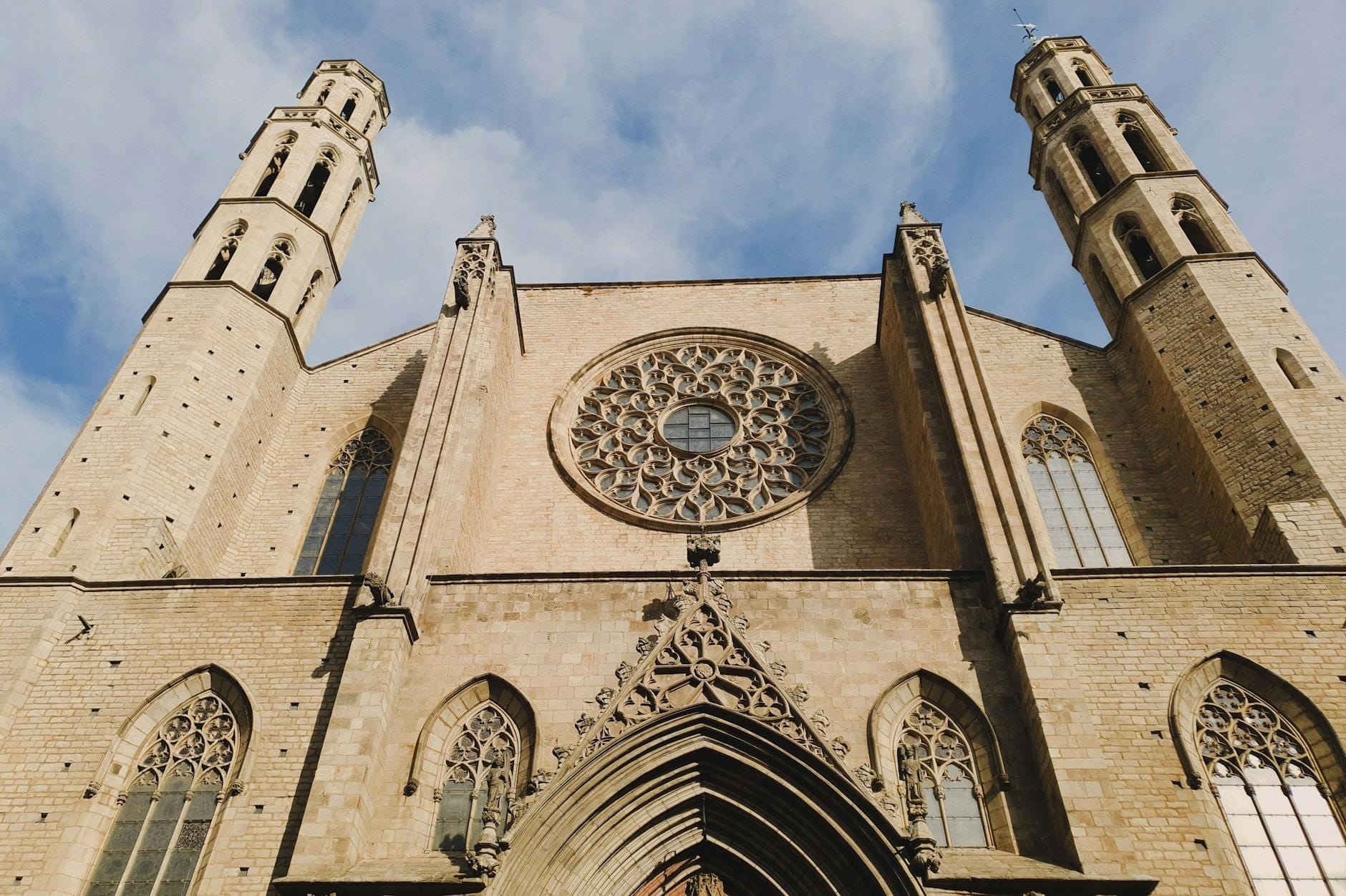
El Born is a neighborhood of clear contrasts across the hours of the day. Early mornings belong to residents. By 8am, the metal shutters are rolling up at the local colmados (grocery shops) on Carrer del Rec, older men carry paper bags from the bakery on Carrer dels Flassaders, and the espresso machines at the corner bars on Plaça de Santa Maria are already running at full steam. The great Gothic facade of Santa Maria del Mar catches the early light from the east, and the square in front of it is still quiet, unhurried.
By late morning, the first visitors appear. The lanes around the Picasso Museum fill steadily through midday, and the Passeig del Born, El Born's central promenade, transitions from dog-walkers to tourists consulting maps on their phones. This is where the neighborhood's dual identity is most visible: a terrace bar on the Passeig will have locals reading the newspaper at one table and a group of first-time visitors at the next.
Afternoons in summer can feel dense with visitors, particularly around the museum cluster near Carrer de Montcada. But step two streets back, into the lanes south of Carrer del Rec or toward the small squares tucked between Sant Pere Més Baix and Sant Pere Més Alt, and the crowds thin immediately. This is where the neighborhood reveals its residential backbone: laundry strung between balconies, children on scooters, the particular acoustic of a city block sealed off from traffic.
After dark, El Born becomes one of Barcelona's most active social zones. The bars along Carrer del Parlament, the cocktail spots on Carrer del Rec Comtal, and the wine bars clustered near the Born market fill steadily from 9pm onward. The crowd skews younger and international, but not exclusively so. On weekend nights, Passeig del Born can feel very loud and very crowded from midnight onward. For some travelers this is the appeal; for others, it is worth knowing before booking accommodation here.
💡 Local tip
Visit Santa Maria del Mar on a weekday morning, ideally just after it opens. The interior light in the early hours, filtered through the tall Gothic windows, is genuinely remarkable and the church is far quieter than it becomes by midday.
What to See & Do
The Basílica de Santa Maria del Mar is the architectural heart of El Born and one of the finest examples of Catalan Gothic anywhere in Spain. Built between 1329 and 1383, it was funded and constructed largely by the merchants and workers of the Ribera neighborhood, which gives it a democratic quality that the more aristocratic Gothic Quarter cathedral lacks. The interior is unusually spare and luminous, with slender octagonal columns and wide aisles that make the space feel genuinely open. Entry is free for the morning mass and paid at other times.
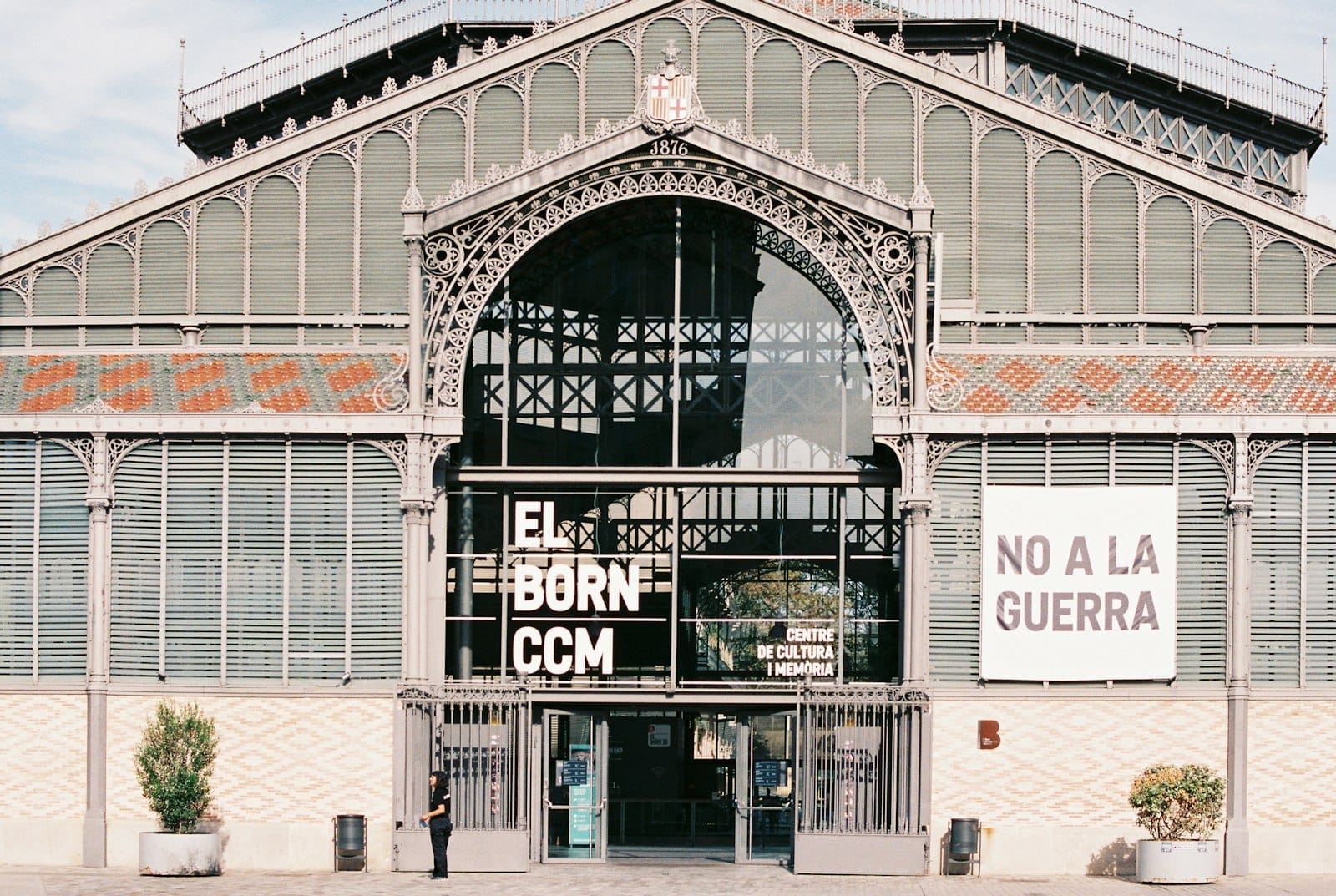
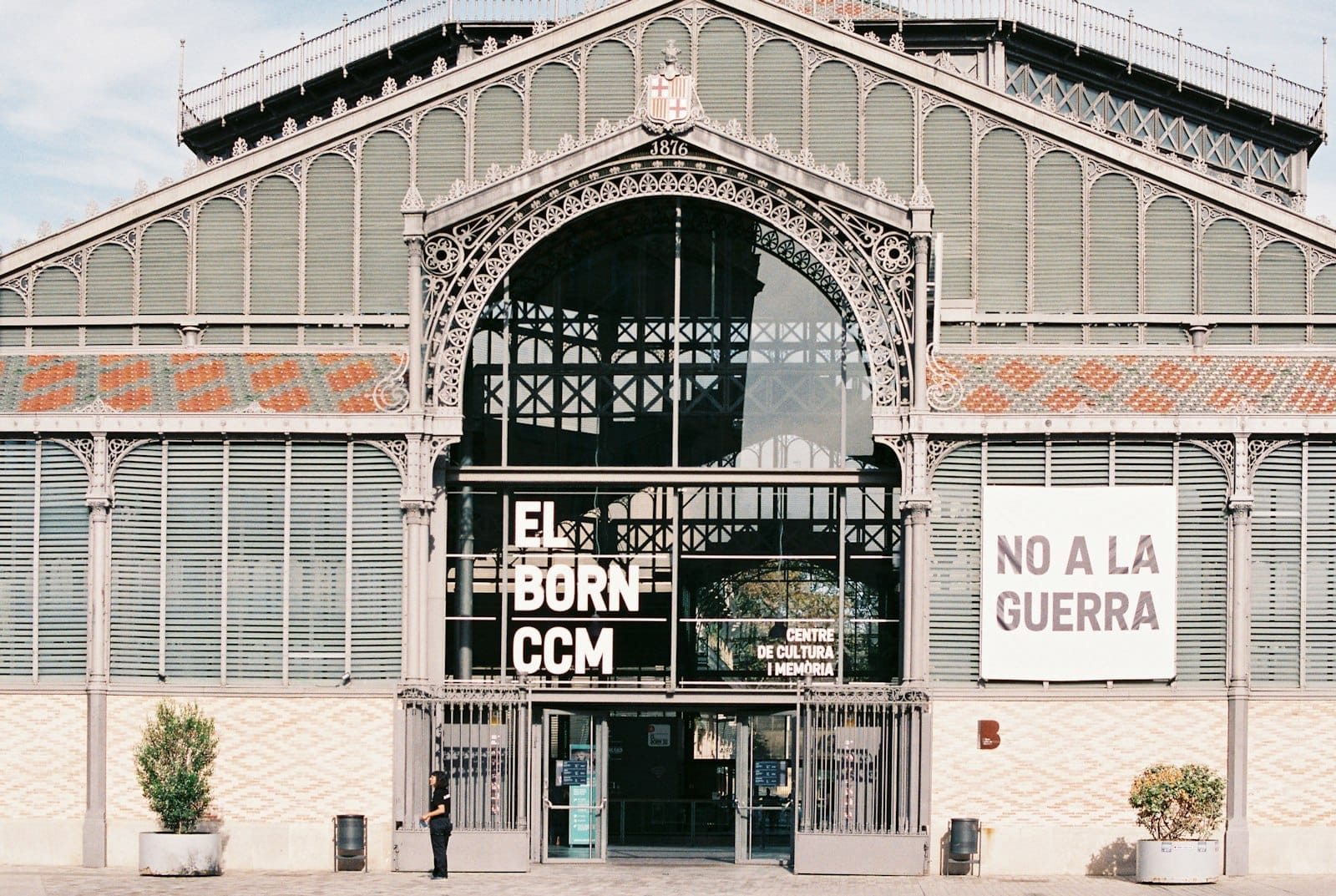
Just north of the church, the old iron market building now houses El Born Centre de Cultura i Memòria. When renovation work began in the early 2000s, workers uncovered the preserved ruins of an entire neighborhood destroyed during the 1714 siege of Barcelona. Rather than build over it, the city glassed over the excavation and turned the market into a cultural space built around the archaeological site. Walking across the glass floors above the ruins gives an unexpectedly moving sense of depth into Catalan history.
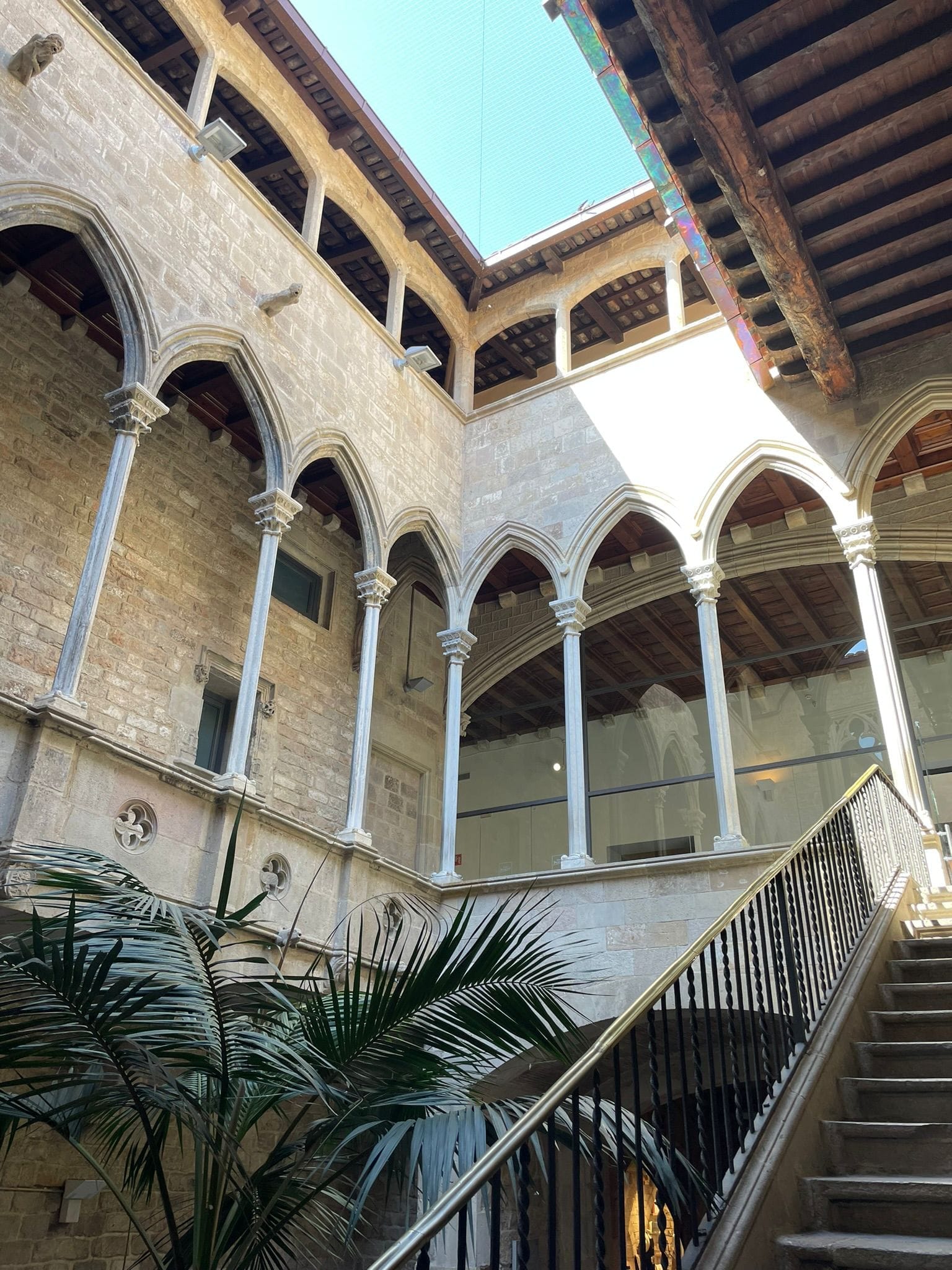
The Museu Picasso Barcelona occupies a series of five connected medieval palaces on Carrer de Montcada, one of the most beautiful streets in the city. The collection focuses on Picasso's formative years and his relationship with Barcelona, and includes his remarkable series of variations on Velázquez's Las Meninas. The museum is extremely popular and advance booking is strongly recommended. Carrer de Montcada itself, with its 15th-century courtyard entrances and preserved noble facades, is worth walking slowly even if you skip the museum.
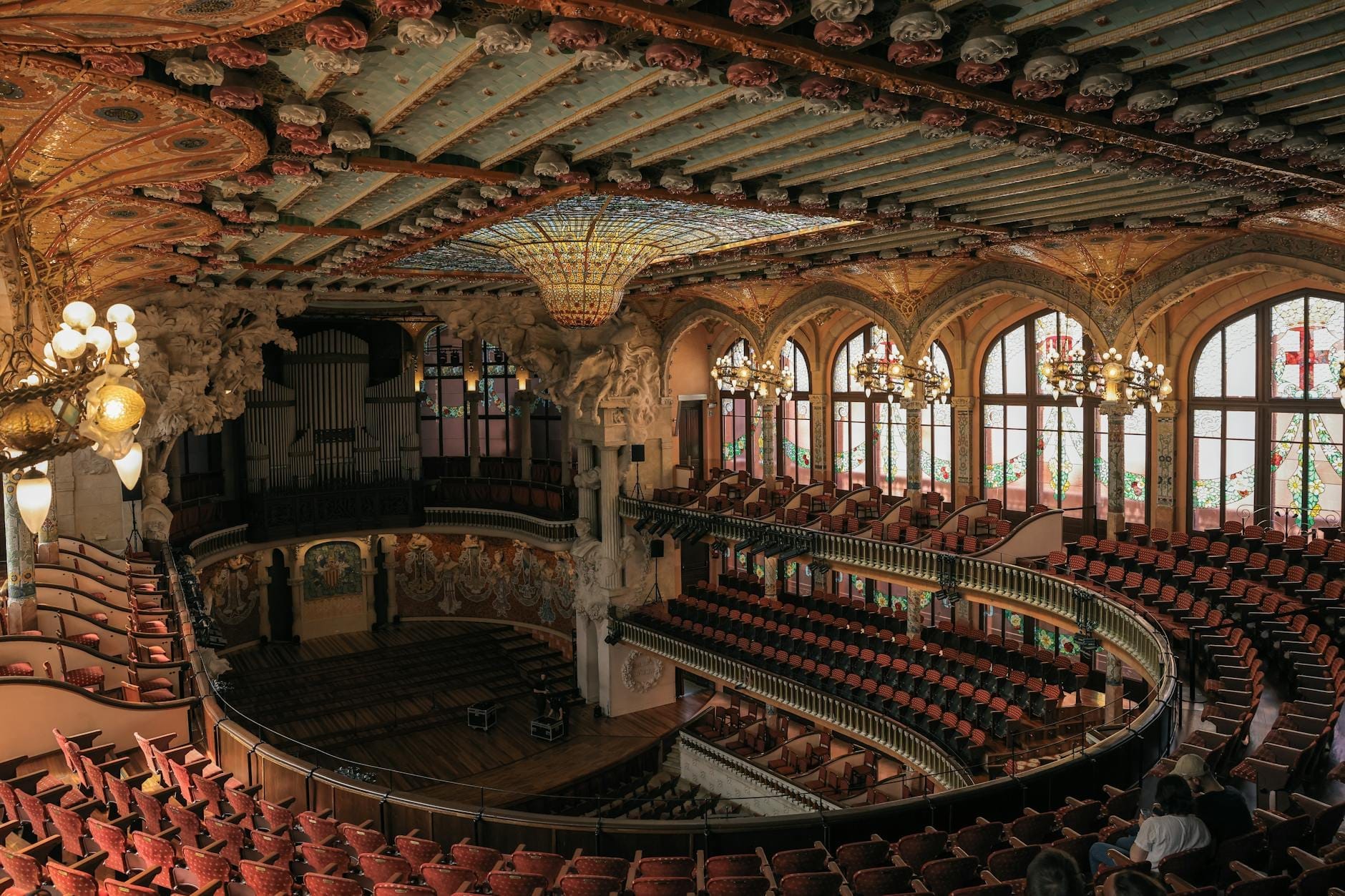
On the northern edge of El Born's territory, the Palau de la Música Catalana stands on Carrer Sant Pere Més Alt as one of the most extraordinary works of Modernista architecture in Barcelona. Designed by Lluís Domènech i Montaner and completed in 1908, the concert hall's interior is a structural glass ceiling that floods the auditorium with natural light during daytime performances. Guided tours run daily; attending a live concert here is one of the genuinely special experiences available in the city.
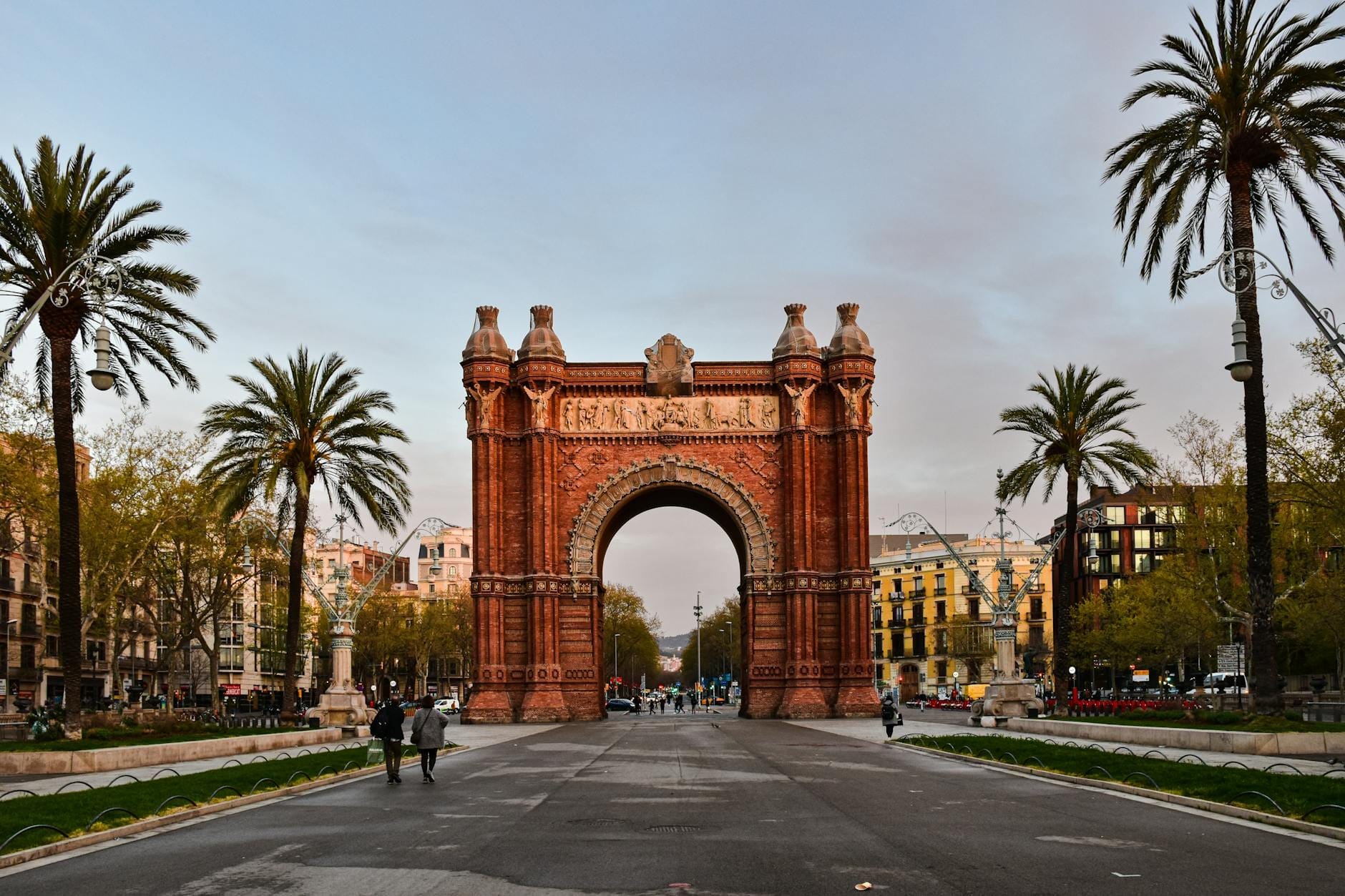
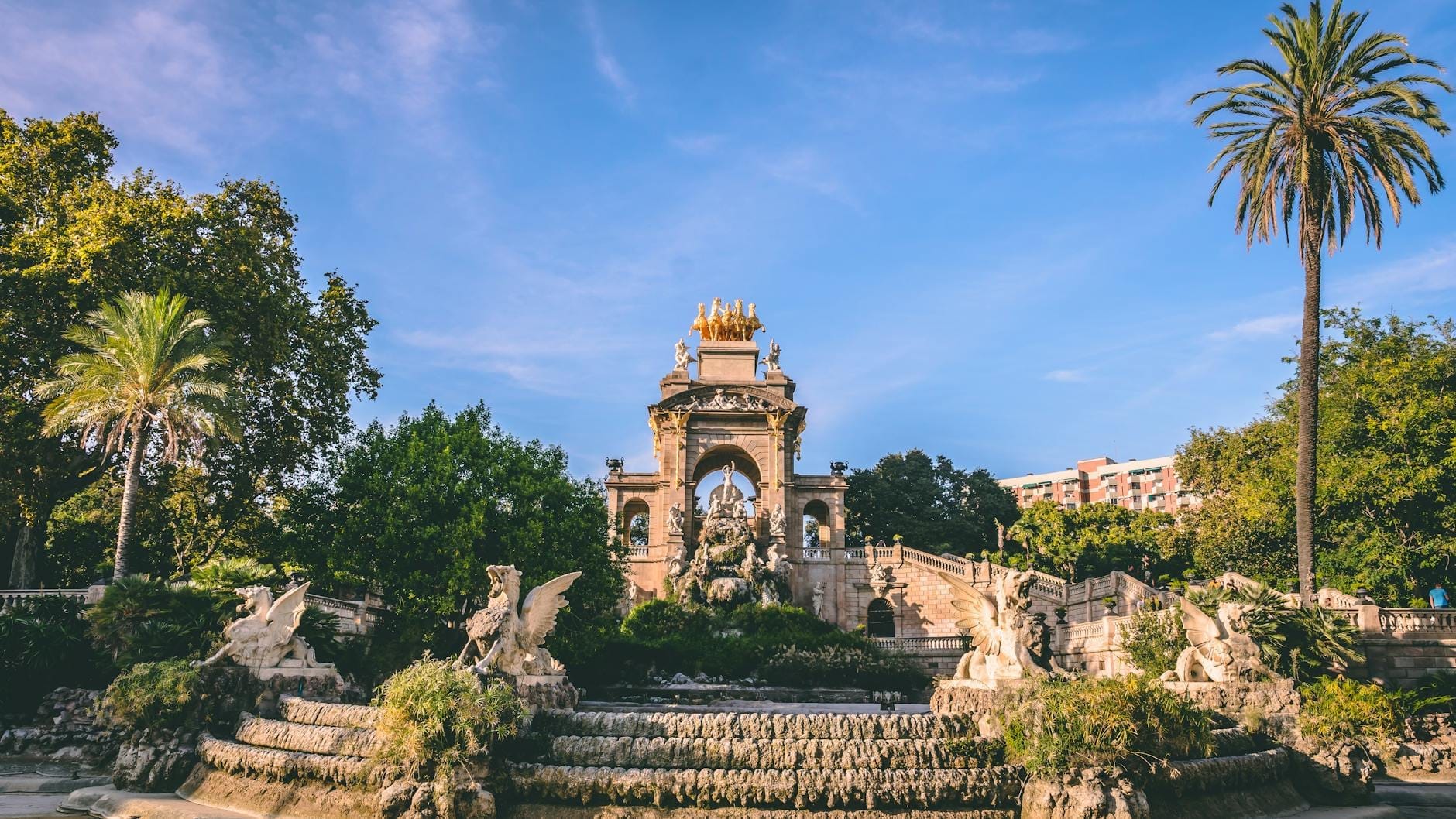
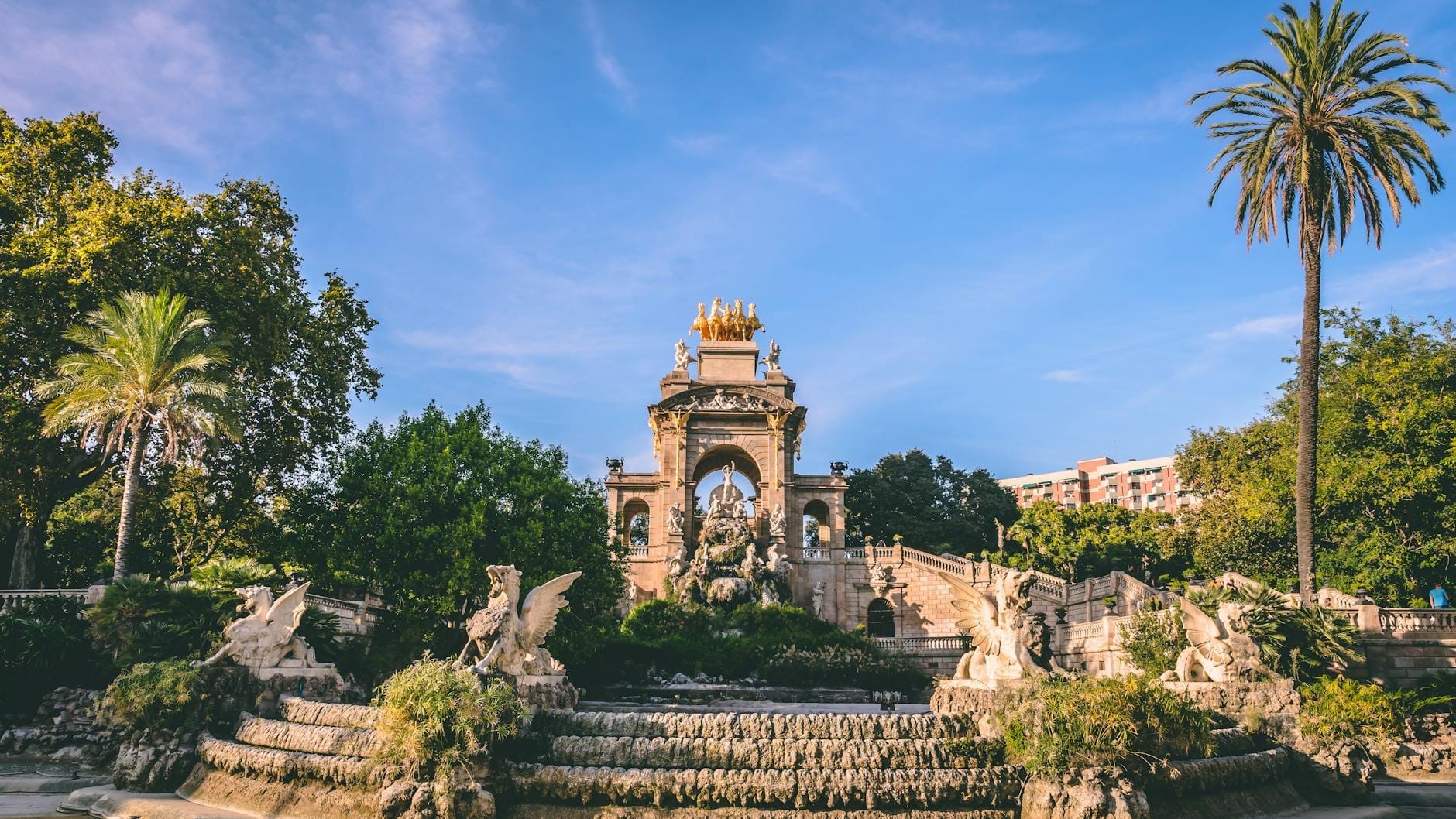
A short walk east, the Arc de Triomf marks the formal gateway to the Passeig de Lluís Companys promenade, which leads down to Parc de la Ciutadella. The park itself is one of the city's great green spaces: a 17-hectare expanse with a boating lake, the Cascada Monumental fountain (designed with input from the young Gaudí), and open lawns that fill with families and students on weekday afternoons.
Basílica de Santa Maria del Mar: Catalan Gothic masterpiece, 14th century, free morning entry
El Born Centre de Cultura i Memòria: glass-floored cultural centre above 1714 archaeological ruins
Museu Picasso Barcelona: five medieval palaces on Carrer de Montcada, advance tickets essential
Palau de la Música Catalana: Modernista concert hall, daily guided tours and live performances
Arc de Triomf and Passeig de Lluís Companys: ceremonial promenade leading to Parc de la Ciutadella
Parc de la Ciutadella: boating lake, the Cascada Monumental, and weekend open-air activities
Carrer de Montcada: the finest medieval street in Ciutat Vella, lined with 15th-century palace facades
Eating & Drinking
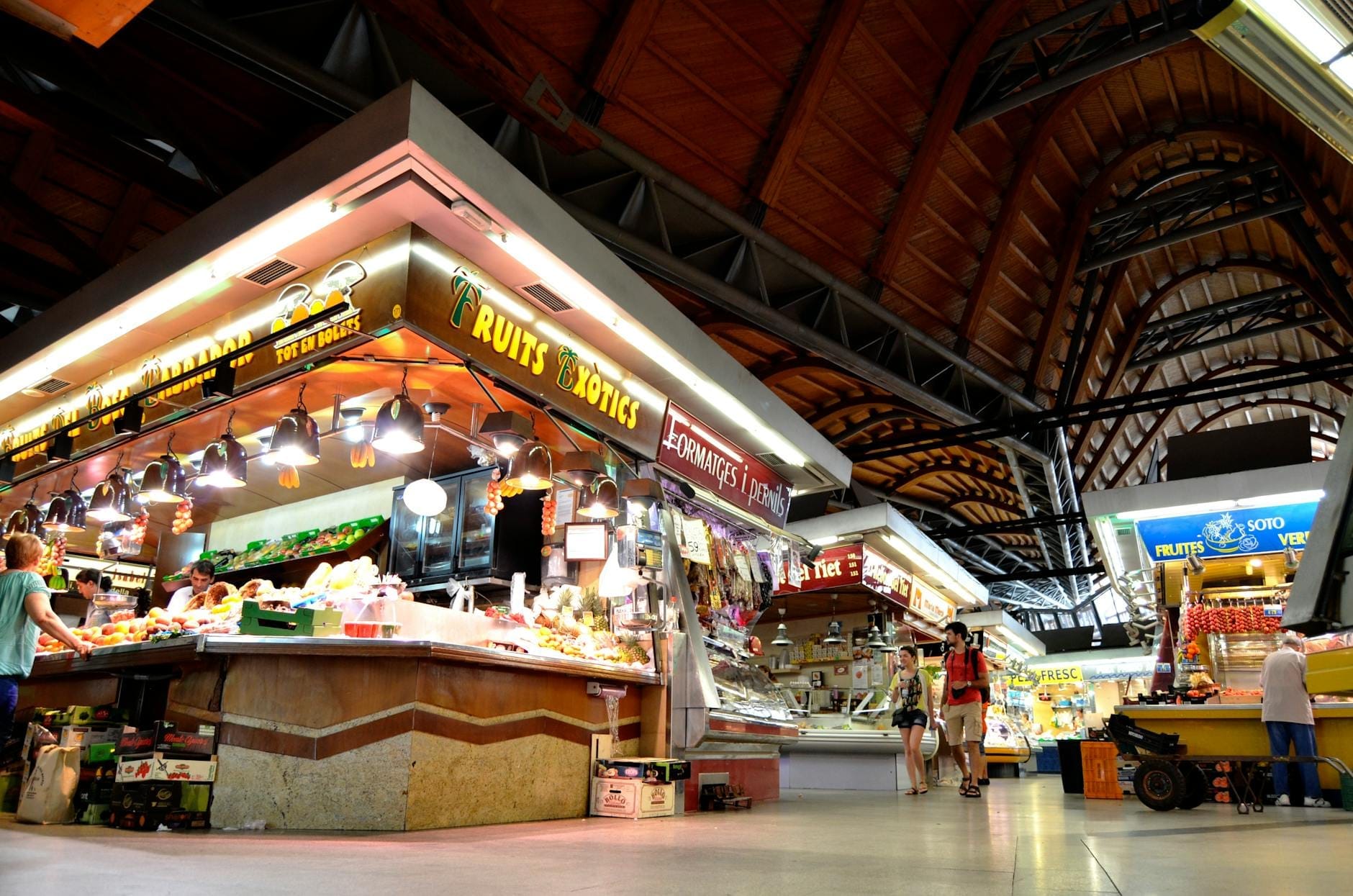
El Born's food scene is genuinely strong, though it requires some navigation. The streets immediately around the Picasso Museum and along Passeig del Born are heavily oriented toward tourists, with menus del día that rarely reflect the quality available a few streets away. For a more reliable experience, walk toward Carrer del Rec, Carrer dels Carders, or the smaller lanes between Sant Pere Més Baix and Carrer de la Princesa. The Mercat de Santa Caterina, just north of El Born proper on Avinguda de Francesc Cambó, is the local market of the wider Sant Pere neighborhood and far less crowded than La Boqueria, with excellent produce stalls and a popular bar area.
The neighborhood is particularly well-served for wine bars, natural wine shops with tables, and Catalan pintxos bars, especially in the blocks directly behind the Born market building. A number of seriously good cocktail bars have established themselves along Carrer del Rec Comtal and the adjacent lanes, catering to a late-night crowd but open from the early evening. Coffee culture is strong here too, with several specialty roasters operating small cafes in converted ground-floor spaces on streets like Carrer dels Mirallers and around Plaça de les Olles.
Seafood is a logical choice given the proximity to Barceloneta and the old fishing trade of the Ribera. Several restaurants around Plaça de les Olles and near the old port end of Carrer del Rec specialize in rice dishes and fresh fish, and quality is generally higher here than in the tourist-facing restaurants on the Passeig del Born terraces. Budget for around 15-25 euros per person for a proper sit-down lunch; dinner in the better spots will run closer to 35-50 euros with wine.
⚠️ What to skip
The terraces along Passeig del Born are atmospheric but often overpriced and inconsistent in quality. They work fine for a beer and people-watching, but if you want a proper meal, move off the main promenade and into the side streets.
Getting There & Around
The most convenient metro access is via Line 4 (yellow line), Jaume I station, which deposits you directly onto Carrer de la Princesa at El Born's northern border. From here, Basílica de Santa Maria del Mar is a four-minute walk south, the Picasso Museum is a two-minute walk, and Passeig del Born is five minutes on foot. Line 1 (red line) Arc de Triomf station covers the northeastern edge of the neighborhood, near the Palau de la Música Catalana and Parc de la Ciutadella.
El Born is at the center of Barcelona's most walkable zone. From Plaça de Catalunya, it is roughly a 15-minute walk southeast along Carrer de la Princesa. From La Barceloneta beach, the walk north takes about twelve minutes. The neighborhood connects naturally on foot to the Gothic Quarter to the west, the Sant Pere area to the north, and the park to the east. For a practical overview of navigating Barcelona's wider transit network, the city transit guide covers metro lines, bus routes, and the T-Casual travel card, which is the most cost-effective option for most visitors.
Within the neighborhood itself, everything is on foot. The streets are too narrow for cycling to be practical in most cases, and taxis and ride-hailing services (Uber, Bolt, Cabify all operate in Barcelona) can only drop off at the perimeter streets. Wear comfortable shoes: the paving stones are uneven in places and the lanes between Santa Maria del Mar and the market can feel tight when busy.
ℹ️ Good to know
The T-Casual card (10 trips, valid on metro, bus, and FGC rail within Zone 1) offers the best value for most short-stay visitors. Single metro tickets cost significantly more per journey. Cards are available at all metro station ticket machines.
Where to Stay
El Born is a legitimate choice for accommodation if you understand its rhythms. It places you within walking distance of nearly every major attraction in Ciutat Vella, and the street-level experience is more authentic than staying directly on Las Ramblas. For context on how it compares to other options, the Barcelona accommodation guide covers the full range of neighborhoods across the city.
The best-positioned hotels are those on or just off Carrer de la Princesa and around Plaça de Santa Maria, giving easy walking access to the neighborhood's core while staying close to the Jaume I metro exit. Boutique hotels converted from old palaces on streets like Carrer dels Carders and Carrer del Rec offer a genuinely characterful stay, though room sizes can be small given the historic building stock.
The honest caveat: noise. The streets around Passeig del Born do not quiet down until well past 2am on weekends, and in summer this extends to most nights of the week. If you are a light sleeper or traveling with young children, request a room facing a rear courtyard or consider a hotel on the quieter northern fringe near Carrer dels Carders. The southern edge closest to the Passeig del Born terrace bars is the loudest part of the neighborhood after midnight.
Practical Tips for Visiting El Born
Picasso Museum tickets sell out in advance, especially during peak summer months and school holidays. Book online at least a few days before your visit. Similarly, guided tours of the Palau de la Música Catalana fill quickly. If you are planning your time in Barcelona more broadly, the Barcelona itinerary guide can help sequence El Born alongside other neighborhoods to avoid doubling back across the city.
El Born rewards slow walking over efficient sightseeing. The neighborhood's character is in its details: a 15th-century archway half-covered in concert posters, a courtyard bar you can only find by walking through an unmarked passage, a view of the Santa Maria del Mar bell towers from an unexpected angle at the end of a dead-end lane. For travelers who want to go deeper into Barcelona's lesser-known corners, the city's hidden corners guide covers spots that extend beyond El Born's well-trodden main circuit.
Pickpocketing is a reality in any crowded tourist zone in Barcelona, and El Born is no exception, particularly around the Picasso Museum entrance, the Passeig del Born terraces, and Carrer de Montcada during peak hours. Use a front zip bag or money belt in crowds, and keep phones in a front pocket when you are consulting a map on the street. This is standard city-sense rather than cause for alarm, but worth stating clearly.
TL;DR
El Born is ideal for travelers who want medieval architecture, world-class museums, and a serious food and bar scene within a ten-minute walk of the seafront.
The Picasso Museum, Santa Maria del Mar church, El Born Centre de Cultura i Memòria, and Palau de la Música Catalana form one of the densest clusters of cultural attractions in Barcelona.
The neighborhood is loud at night, particularly around Passeig del Born on weekends. Verify room position before booking accommodation if noise is a concern.
Jaume I (Line 4) is the most convenient metro stop; the neighborhood is fully walkable and centrally positioned between the Gothic Quarter, Barceloneta, and Parc de la Ciutadella.
Best visited in the morning for monuments and museums, in the afternoon for the market and shops, and in the evening for one of Barcelona's most active concentrations of bars and wine spots.
Barcelona transforms after sunset. Locals dine at 10 PM, the Magic Fountain draws crowds until midnight, and Gaudí's buildings glow in a way daylight simply cannot match. This guide covers the best ways to spend your evenings, from free spectacles to world-class performances.
Barcelona has nearly 5.5 kilometres of urban beaches stretching along the Mediterranean coast, all reachable by metro, bus, or bike. This guide covers every beach, what to do nearby, and how to make the most of the waterfront from the old port to the modern Diagonal Mar district.
Barcelona is an exceptional base for exploring Catalonia and beyond. These are the best day trips you can make from the city, from mountain monasteries and Roman ruins to Costa Brava beaches and Dalí's surrealist universe, most reachable by affordable public train.
Three days in Barcelona is enough to cover the city's greatest landmarks without rushing, if you plan smartly. This itinerary balances iconic Gaudí architecture, medieval streets, seafront walks, and local markets, with honest advice on what to skip, what to book ahead, and how to move between neighborhoods efficiently.
Barcelona is Spain's most expensive city, but it rewards smart travelers with free museums, cheap tapas, and world-class architecture you can admire for nothing. This guide breaks down exactly how to stretch your euros further without missing anything essential.
Barcelona rewards families with an extraordinary range of experiences: world-class science museums, a historic hilltop amusement park, beaches, Gaudí's fantastical architecture, and free fountain shows. This guide cuts through the noise to focus on what genuinely works with children in tow.
Choosing the best time to visit Barcelona depends on more than just sunshine. This guide breaks down every season by temperature, crowd levels, events, and value, so you can match your trip to your priorities rather than defaulting to peak summer.
Barcelona rewards those who look up and out. From hilltop ruins to Modernista rooftops, these are the city's best vantage points, ranked and described with practical detail so you can plan the perfect panorama.
Antoni Gaudí left seven UNESCO World Heritage Sites across Barcelona, each one a window into his obsessive genius. This guide covers every major work, from the soaring Sagrada Família to his earliest commission in Gràcia, with tips on booking, routing, and what to see inside each building.
Barcelona has one of Europe's most comprehensive urban transport networks, but knowing which option to use when can save hours and euros. This guide covers every mode of transport in the city, from the TMB metro and night buses to ride-hailing apps, cycling, and how to reach the airport.
Barcelona rewards those who look beyond the obvious. These 18 attractions reveal the city that locals actually love: Civil War ruins with unbeatable views, Gaudí buildings the tour buses miss, neighbourhood promenades, and market halls that outshine the famous ones.
Barcelona packs extraordinary architecture, world-class food markets, sun-soaked beaches, and centuries of history into 101 square kilometres. This guide cuts through the hype to tell you what's genuinely worth your time, what to skip, and how to do it all without wasting a day.
Barcelona's food scene runs far deeper than paella and tapas. This guide covers essential Catalan dishes, the best markets, standout restaurants by neighborhood, and the seasonal specialties most visitors miss entirely.
Choosing where to stay in Barcelona shapes your entire trip. This guide breaks down every major neighborhood by location, atmosphere, price range, and who it actually suits, so you can book with confidence.