Barcelona on a Budget: How to See the City Without Overspending
Barcelona is Spain's most expensive city, but it rewards smart travelers with free museums, cheap tapas, and world-class architecture you can admire for nothing. This guide breaks down exactly how to stretch your euros further without missing anything essential.
Tickets & tours
Live prices and dates from our booking partner. If you book, we may earn a commission at no extra cost to you.
TL;DR
- Barcelona is pricey by Spanish standards, but dozens of museums offer free entry on specific days and times — plan around them.
- The Aerobus costs €7.45 one-way from the airport; skip the taxi (€35+) and take it or the metro instead. See our full guide to getting around Barcelona for transport options.
- Stay in Gràcia, Poble Sec, or Poblenou — you'll pay significantly less than in the Gothic Quarter or Eixample and still be well-connected.
- A coffee costs around €1.50, a beer €4, and a set lunch menu (menú del día) around €12-15 including a drink. Eating like a local is genuinely affordable.
- Visit Gaudí exteriors for free and save tickets for the interior of Sagrada Família — the one paid experience that genuinely justifies its cost.
The Honest Truth About Costs in Barcelona
Barcelona on a budget is absolutely achievable, but go in with realistic expectations. This is Spain's most expensive city, and it's not comparable to Lisbon or Porto for sheer cheapness. A hostel dorm bed runs around €30-55 per night depending on season and location; a basic double room in a mid-range hotel averages €120-180 in peak summer. Restaurant prices in tourist-heavy areas like Las Ramblas or the port can be two to three times what you'd pay two streets back.
The good news: the city's free and low-cost offerings are genuinely excellent. Barcelona's street life, architecture, beaches, and parks cost nothing. Several major museums have free windows every week. The public transport network is efficient and cheap. And if you time meals correctly — going for the menú del día at lunch rather than ordering à la carte at dinner — you eat well for €12-15 including bread, a drink, and dessert.
⚠️ What to skip
Avoid eating or drinking on Las Ramblas itself. A beer can cost €7-9 at the boulevard's café terraces — more than double what you'd pay in the Gothic Quarter or El Born one block away. The same applies to restaurants near the cruise port.
Getting Into the City Without Getting Ripped Off
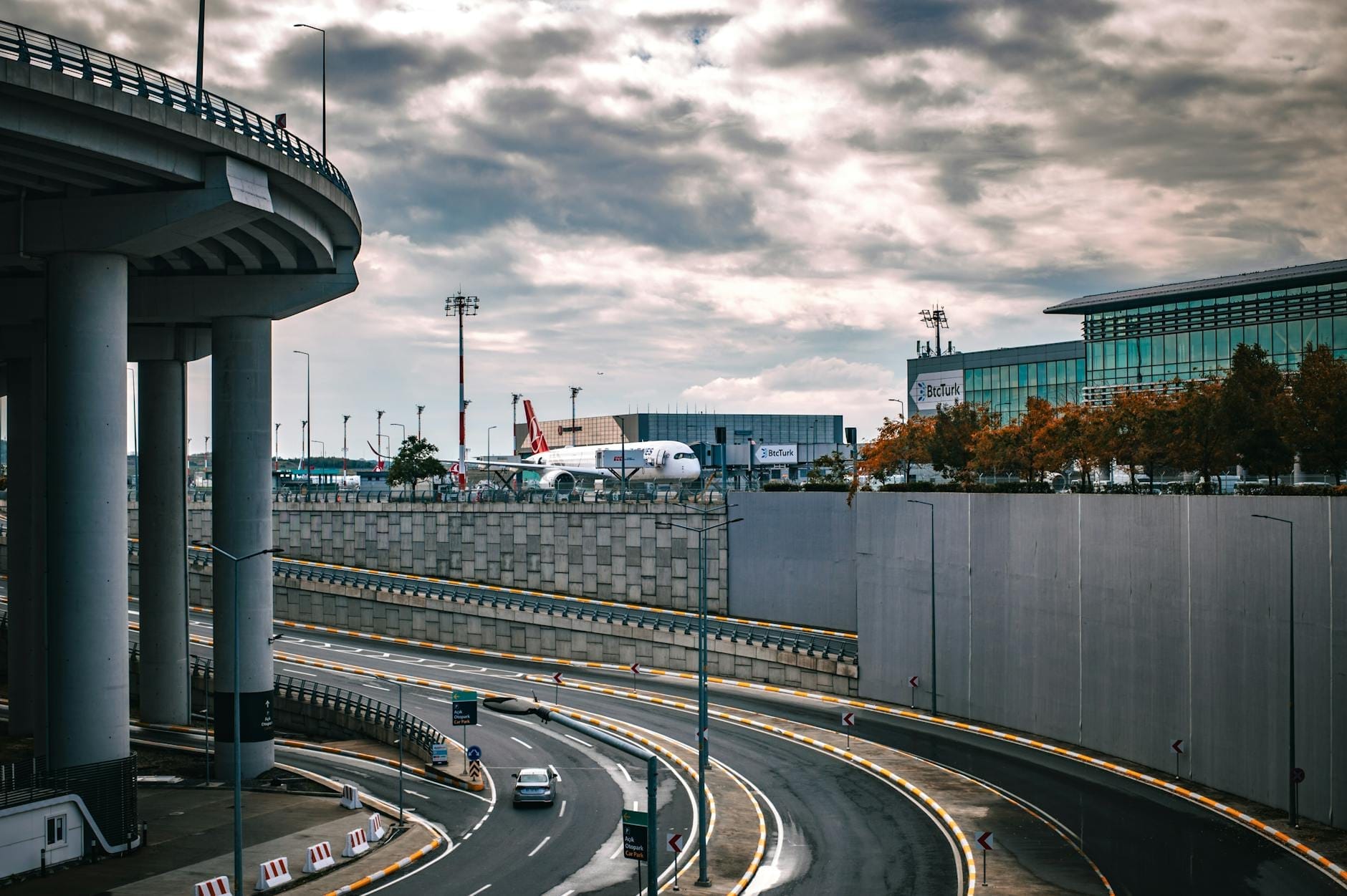
Josep Tarradellas Barcelona–El Prat Airport (BCN) sits about 12-15 km southwest of the city. The Aerobus is the most popular option: it runs every 5-10 minutes, takes 20-35 minutes to Plaça de Catalunya, and costs €7.45 one-way or €12.85 return. Buy online in advance to save time at the bus stop.
The metro alternative is Metro Line 9 Sud, which connects the airport to the city network for around €5.50 (airport supplement). It's slower and involves a transfer, but if you're already buying a multi-day transport pass, it can make sense logistically. A taxi costs €25-35 for the same journey and only makes sense if you're in a group of three or four splitting the fare. Ride-hailing apps including Uber, Bolt, and Cabify operate in Barcelona and are sometimes marginally cheaper than metered taxis.
💡 Local tip
The T-Casual card gives you 10 trips on Barcelona's metro, buses, and trams for €13. It's personal and non-transferable — each traveller needs their own card. If you're staying 4+ days and moving around the city regularly, it's the most cost-effective transport option by far.
Free and Cheap Attractions Worth Your Time
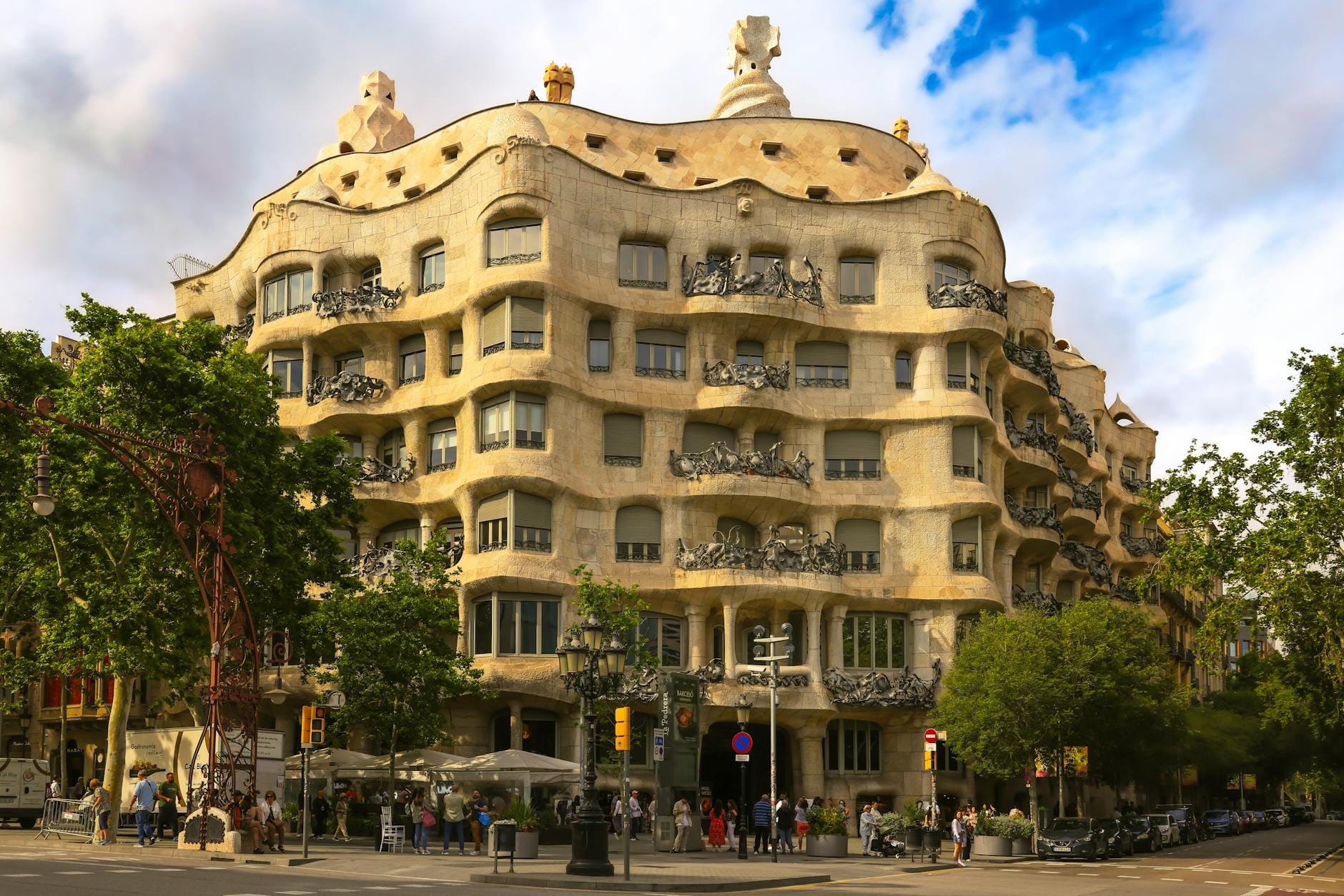
Barcelona's architecture is its greatest free attraction. The exteriors of Casa Batlló and Casa Milà (La Pedrera) along Passeig de Gràcia are extraordinary from the street. Entry to Casa Batlló runs €39-45 and La Pedrera around €28-34 depending on the time slot — both are worth considering, but neither is essential if the budget is tight. Walking Passeig de Gràcia takes 15 minutes and costs nothing.
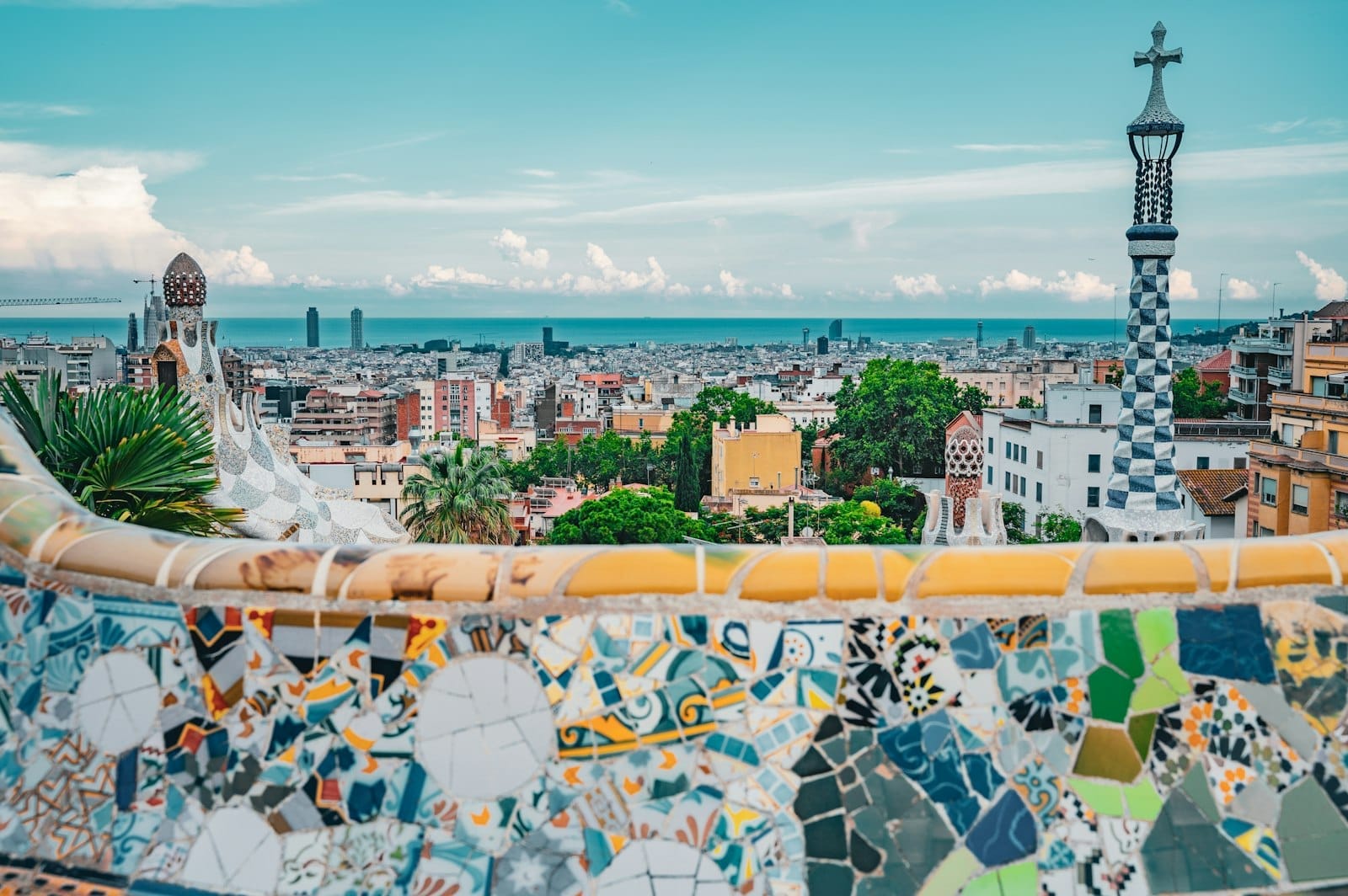
Park Güell is partially free: the monumental zone (the famous mosaic terrace and colonnaded hall) requires a ticket around €11.50, but the rest of the park is open at no cost and offers excellent views over the city. For truly panoramic vistas without any entry fee, Bunkers del Carmel is the best viewpoint in Barcelona. It's a 20-minute walk from the Guinardó metro station and has a near-360-degree view across the entire city.
- MACBA (Museum of Contemporary Art) Free on Saturdays after 4pm (€11 otherwise). The building itself, designed by Richard Meier, is worth seeing from the plaza.
- MUHBA (Barcelona City History Museum) Free on the first Sunday of the month and every Sunday after 3pm (€7 general admission). Covers Roman Barcino underground.
- Museu Marítim (Maritime Museum) Free on Sundays after 3pm. Housed in the 14th-century Gothic shipyards — one of the best medieval structures in the city.
- Barceloneta Beach Free year-round. Best in May-June or September when crowds thin and the water is still warm.
- Parc de la Ciutadella Free daily. The Cascada Monumental fountain, the lake, and the park grounds are accessible to everyone.
The one paid site that consistently justifies its price is Sagrada Família. Entry ranges from €27 (basic) to €46 (with towers), and the interior — the nave flooded with colored light from Gaudí's calculated stained glass — is genuinely unlike anything else in Europe. Book well in advance; slots fill weeks ahead in summer. Check the Gaudí Barcelona guide for a full breakdown of which paid sites are worth it and which you can skip.
✨ Pro tip
The Barcelona Card (from €57 for 3 days, up to €79 for 5 days) gives unlimited public transport and free or discounted entry to over 25 museums. It pays off if you plan to visit 3+ paid museums in a short trip. Check barcelonaturisme.com for current pricing before committing.
Eating Well Without Spending Much
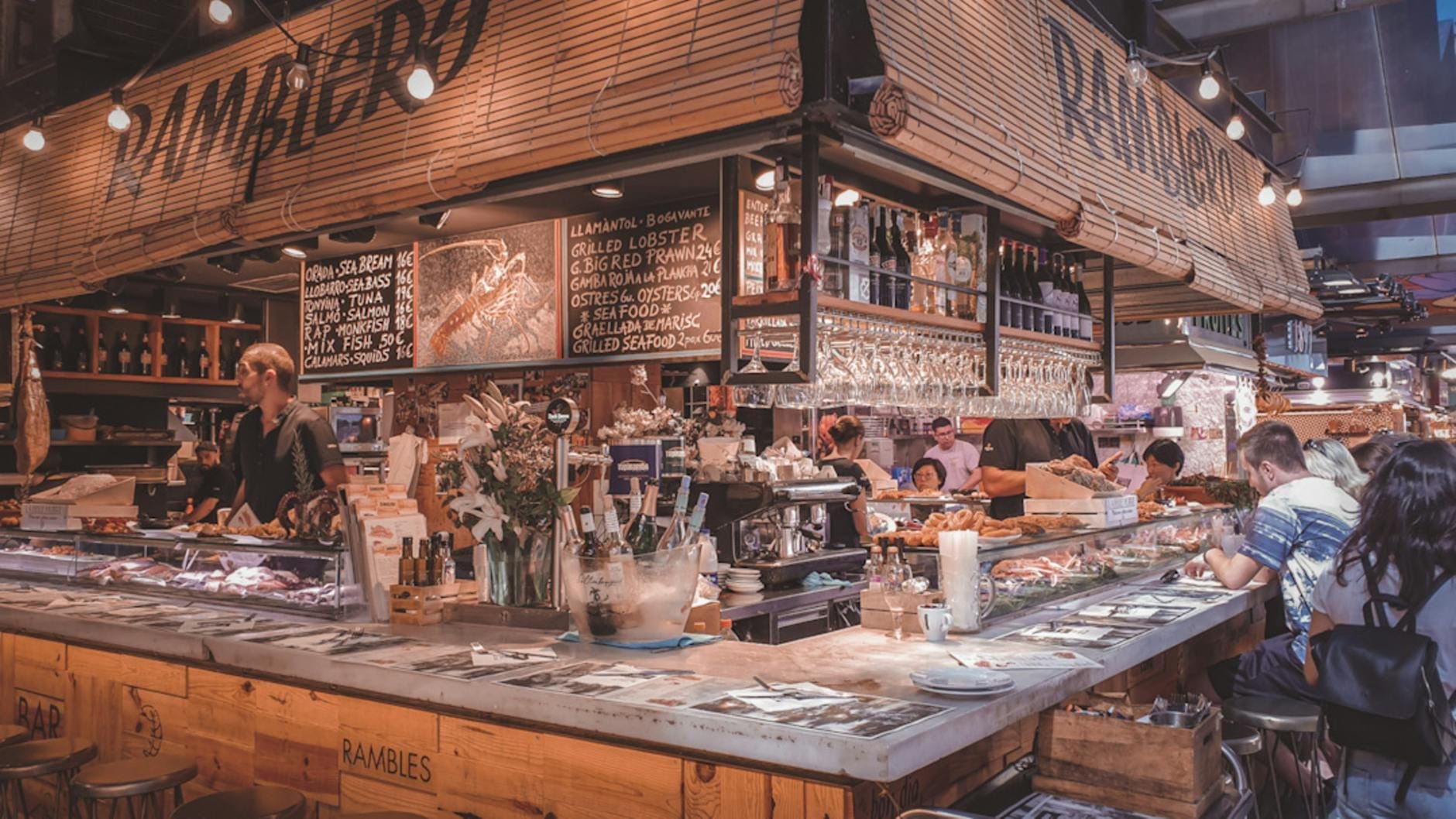
The menú del día is the cornerstone of budget eating in Barcelona. Almost every local restaurant offers a fixed two or three-course lunch on weekdays for €12-15, including bread and a drink (often wine or beer). This is how locals eat, and the quality is generally solid. Order the same items à la carte at dinner and you might pay €30-40 for the equivalent meal.
Markets are good for cheap food but require a bit of strategy. Mercat de la Boqueria on Las Ramblas is famously overcrowded and the stalls near the entrance are aggressively tourist-priced. If you go, head deeper inside to the back stalls where prices are more reasonable, or better yet, visit Mercat de Santa Caterina in El Born, which has a stunning Gaudí-influenced roof, far fewer tourists, and genuinely local prices.
- Coffee (café amb llet / café con leche): €1.50-2.00 at a bar counter
- Cerveza draft beer: €2.50-4.00 away from tourist zones
- Bocadillo (filled baguette): €4-6 at a bakery or café
- Tapas plate (patatas bravas, croquetes): €4-7 in El Born or Gràcia
- Menú del día (2-3 courses, drink included): €12-15 on weekdays
- Supermarket sandwich or prepared food: €3-5 at Mercadona or Lidl
For evening eating on a budget, the neighborhoods of Gràcia and El Born offer better value than the Gothic Quarter or Barceloneta seafront. Gràcia in particular has a concentration of small, independently owned restaurants where a full dinner with wine stays under €20 per person if you avoid the main squares.
Where to Stay on a Tight Budget
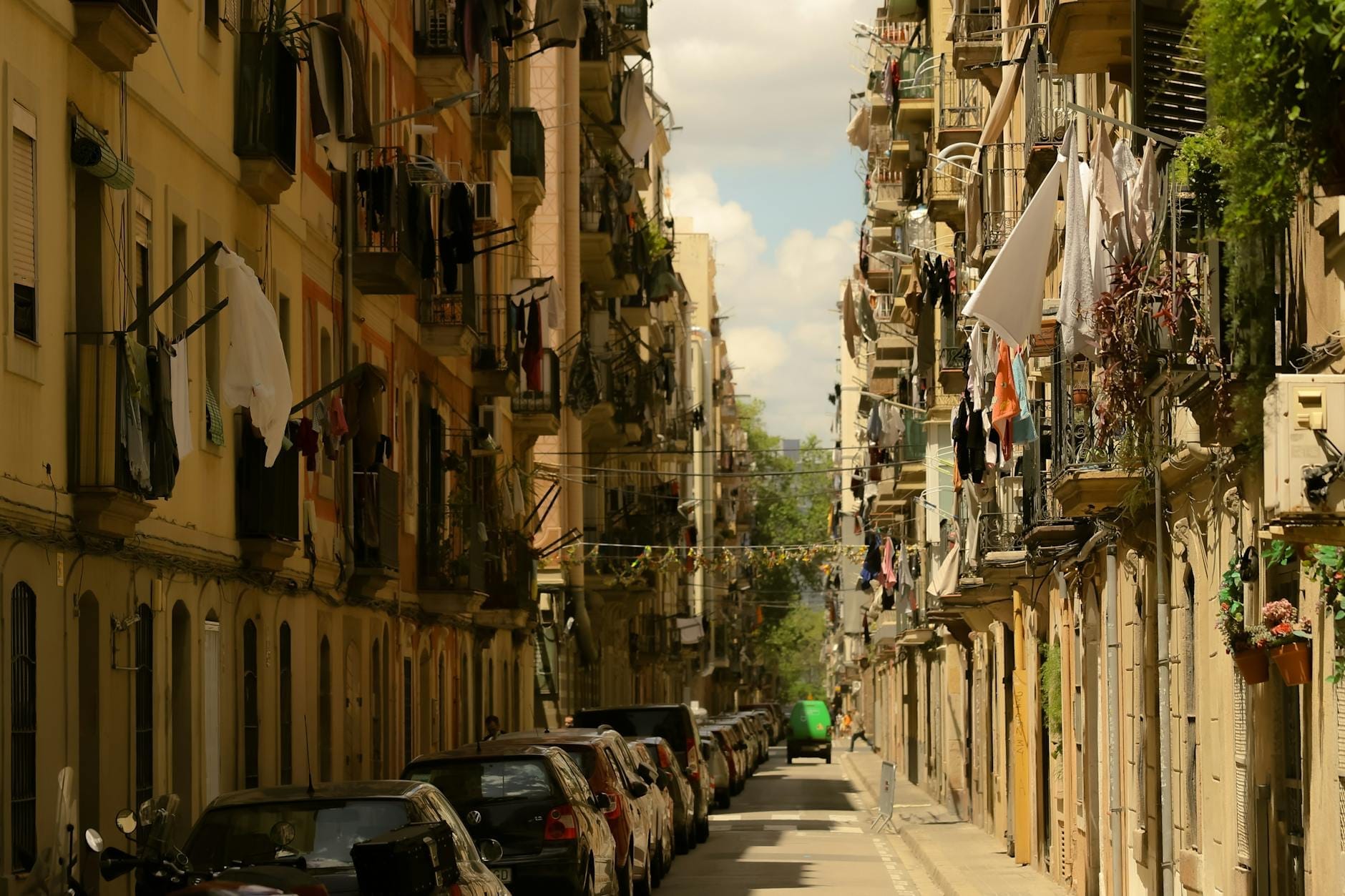
Accommodation is often the single largest expense. The Gothic Quarter and Eixample are expensive and heavily touristed; staying there saves almost nothing in transport costs versus cheaper neighborhoods, since Barcelona's metro connects everything within 10-15 minutes. Consider Poblenou for a quieter, more residential experience with lower prices and good metro access; or Poble Sec, just south of Montjuïc, which is increasingly well-regarded and significantly cheaper than the center.
Hostel dorm beds start around €25-35 per night in shoulder season (September to April) and jump to €45-55 in July and August. Budget double rooms in guesthouses or small hotels typically run €80-120 in low season and €150-200 in peak summer. Booking 4-8 weeks in advance generally secures the best rates. Last-minute bookings in July and August almost always result in inflated prices or poor-quality options.
ℹ️ Good to know
Barcelona's tourist tax (taxa turística) is charged per person per night on top of accommodation costs. Under current regulations, this ranges from €3.50 to €12 per night depending on accommodation type and category. It's not always included in advertised prices, so factor it into your budget when comparing options.
Timing Your Visit to Save Money
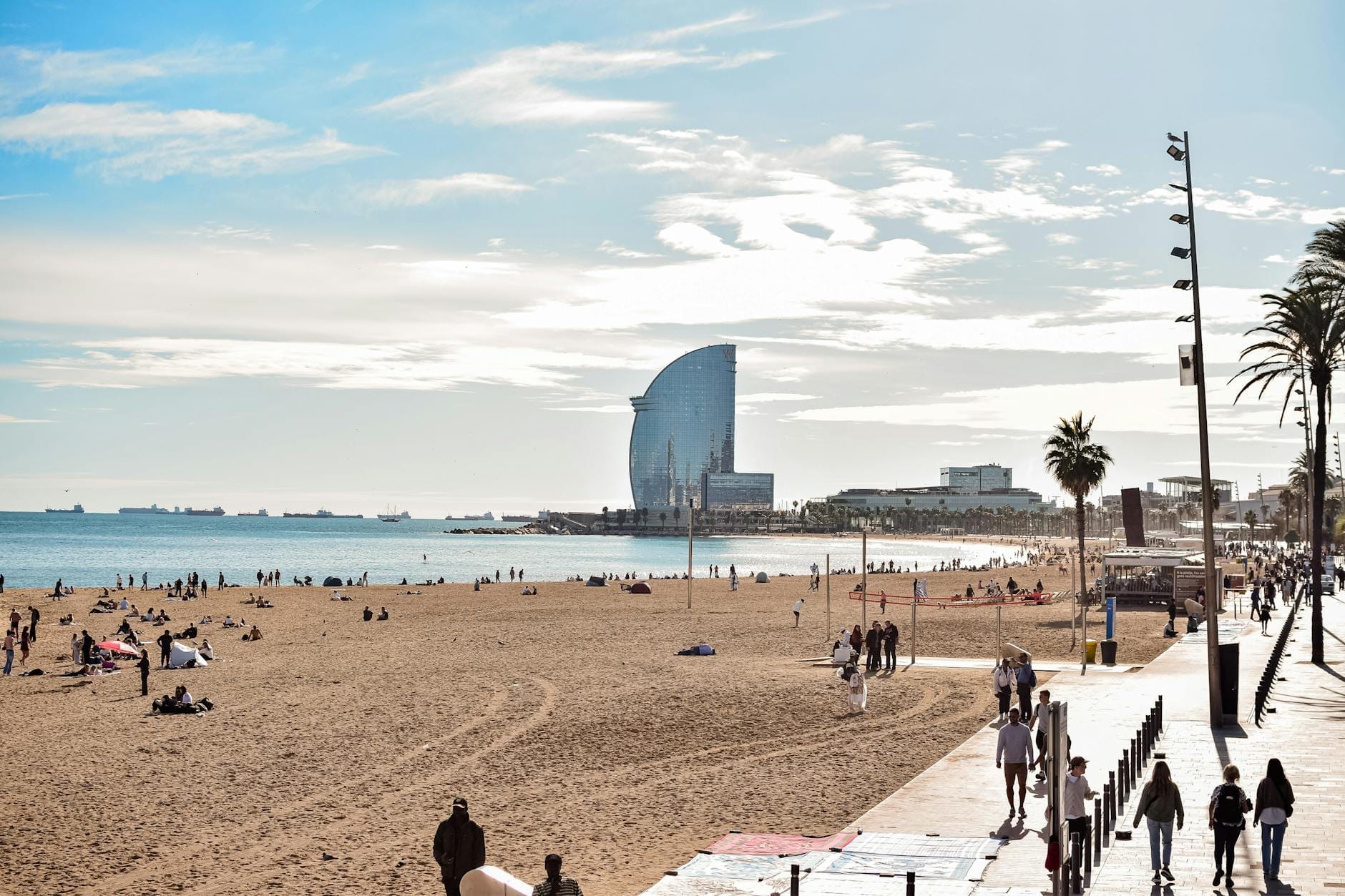
September and October are the best months for budget travelers: the Mediterranean is still warm enough to swim, crowds at major attractions like Park Güell and Sagrada Família are noticeably thinner, and accommodation prices drop considerably compared to July and August. May and early June offer a similar balance before school holidays push everything up. See the full best time to visit Barcelona guide for a month-by-month breakdown.
If you visit in winter (December to February), prices are at their lowest and the city is genuinely pleasant in daylight — temperatures average 8-15°C, rarely cold enough to need heavy winter gear. Museums are uncrowded, restaurants are calmer, and you'll see the city closer to how locals actually experience it. The trade-off is shorter daylight hours and occasional rain, particularly in November and December.
FAQ
Is Barcelona expensive compared to other European cities?
By Spanish standards, yes — it's the priciest city in the country. Compared to Paris, Amsterdam, or London, it's moderately priced. A realistic daily budget for a solo traveler staying in a hostel, using public transport, and eating the menú del día at lunch is around €60-80. With a private room and occasional paid attractions, expect €100-140 per day.
What are the best free things to do in Barcelona?
Walking the Gothic Quarter, Barceloneta beach, Parc de la Ciutadella, the Bunkers del Carmel viewpoint, admiring Gaudí architecture from the street, and visiting free museum windows (MACBA on Saturdays after 4pm, MUHBA on first Sundays and Sundays after 3pm) are all excellent free options.
How do I get from Barcelona airport to the city cheaply?
The Aerobus is the most convenient option at €7.45 one-way to Plaça de Catalunya. Metro Line 9 Sud costs around €5.50 (airport supplement) and is cheaper if you're already buying a transport pass, though it requires a transfer. Avoid taxis solo — they cost €25-35 for the same journey.
Is the Barcelona Card worth buying?
It depends on your itinerary. The standard Barcelona Card (€57-79 for 3-5 days) includes unlimited public transport and discounts or free entry at 25+ museums. A shorter Card Express option also exists at a lower price point. If you plan to visit three or more paid attractions and travel across the city, it can save money. For a slower trip focused on free sites, it's not necessary.
Which neighborhoods are cheapest to stay in Barcelona?
Poblenou, Poble Sec, Gràcia (further from the center), and Sants tend to offer the best value for accommodation. All are well-connected by metro. Avoid booking in the Gothic Quarter, Eixample, or directly on Las Ramblas if budget is a priority — you'll pay a significant premium for the central address.
Tickets & tours
Live prices and dates from our booking partner. If you book, we may earn a commission at no extra cost to you.
Planning a trip? Discover personalized activities with the Nomado app.