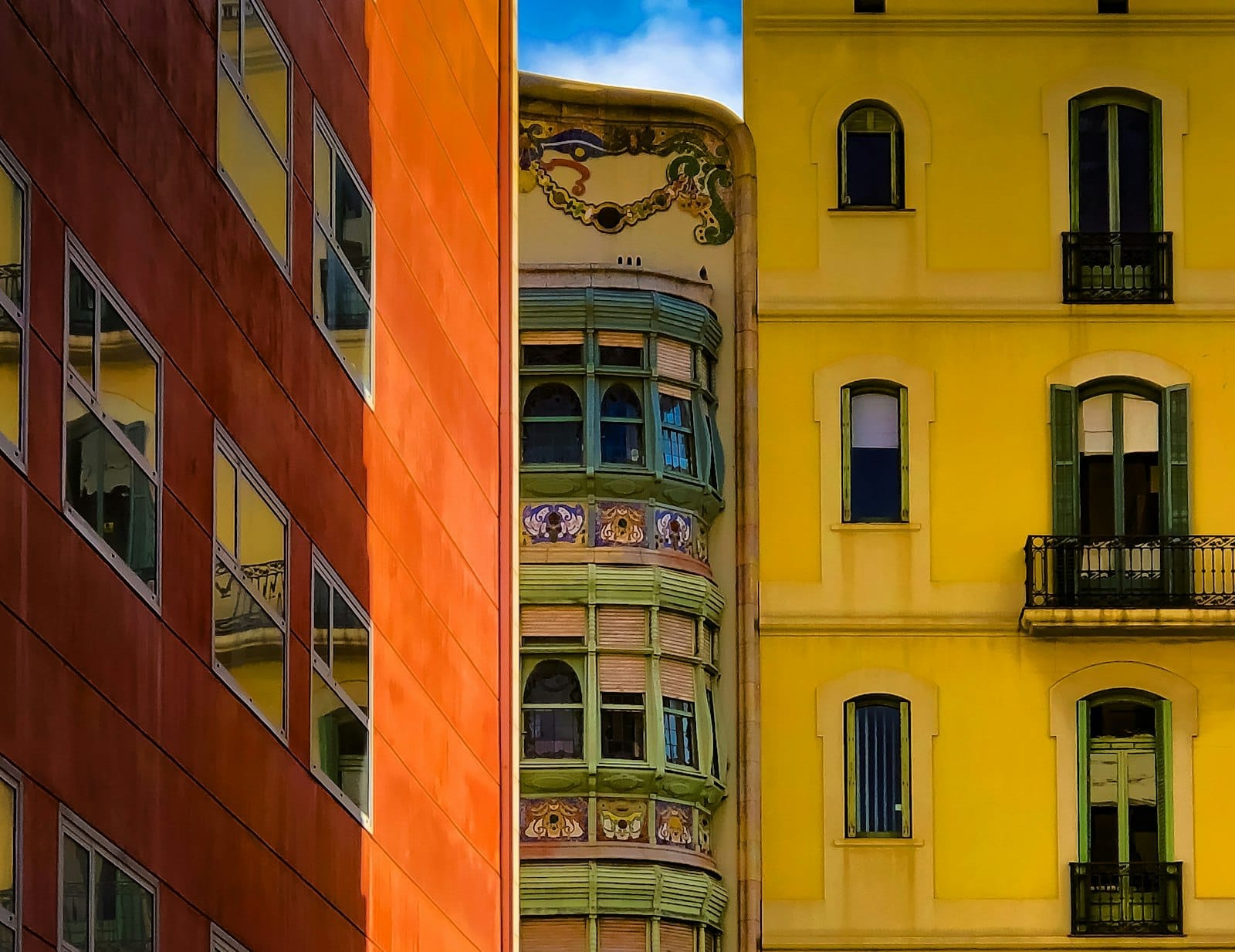
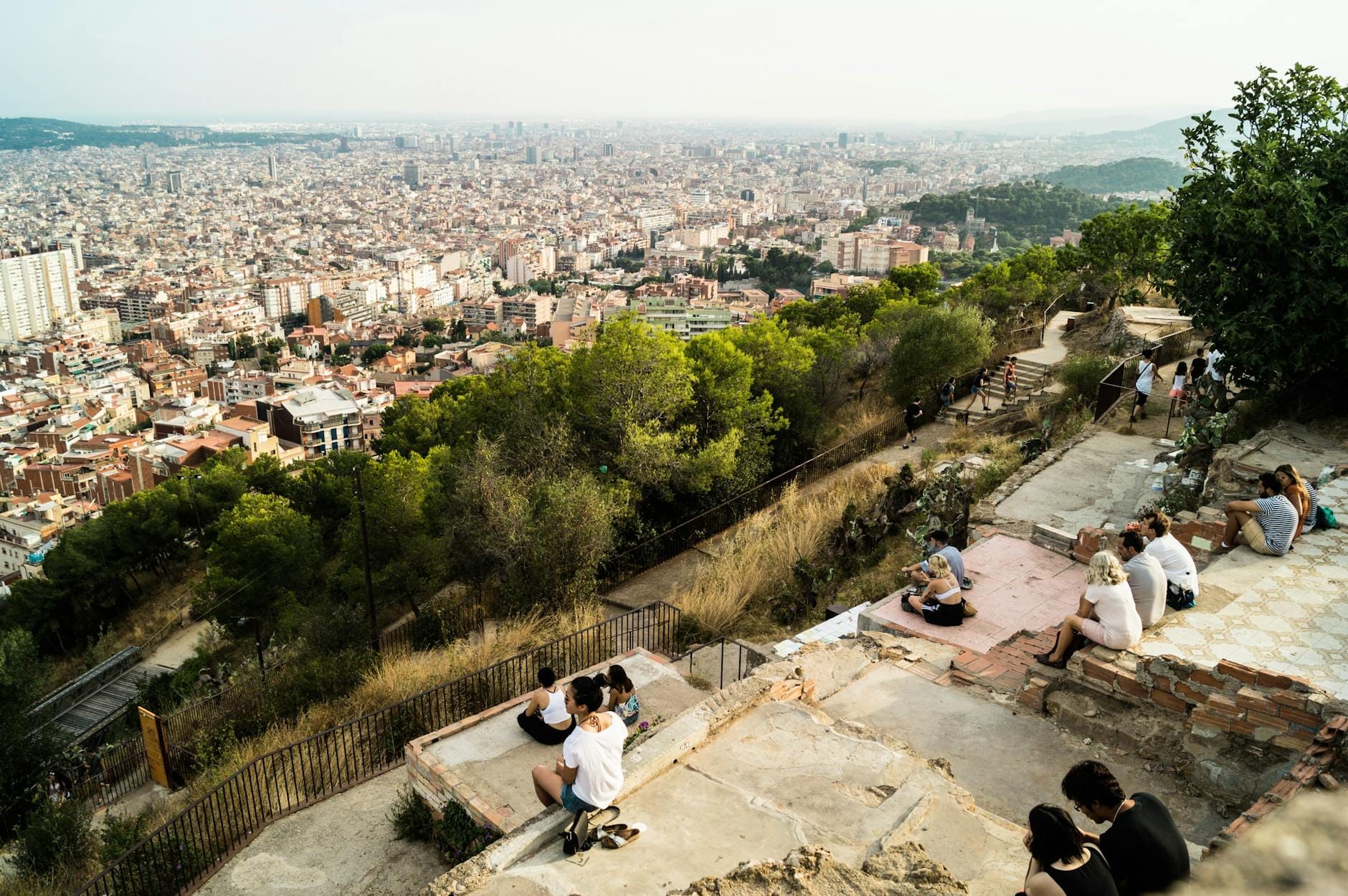
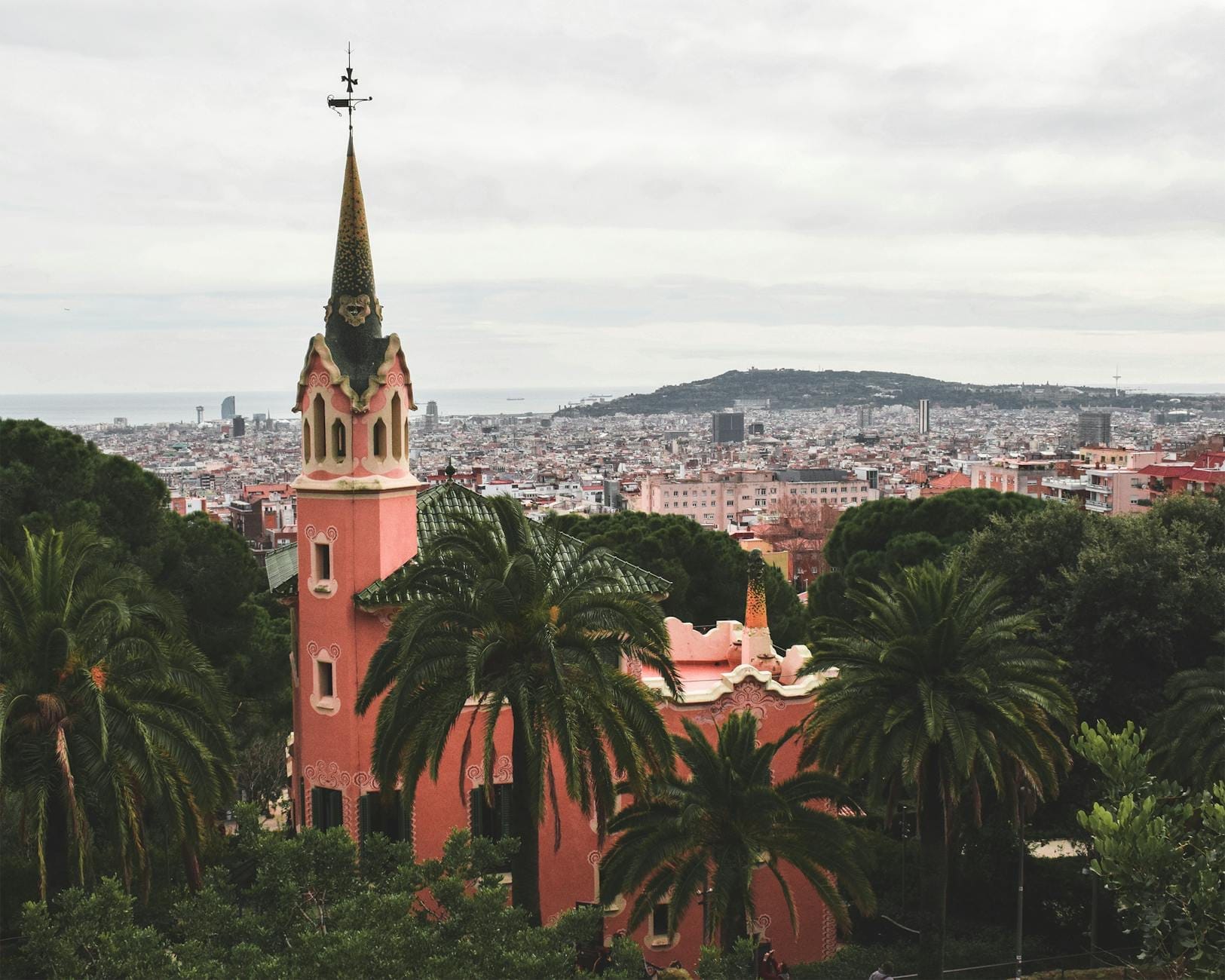
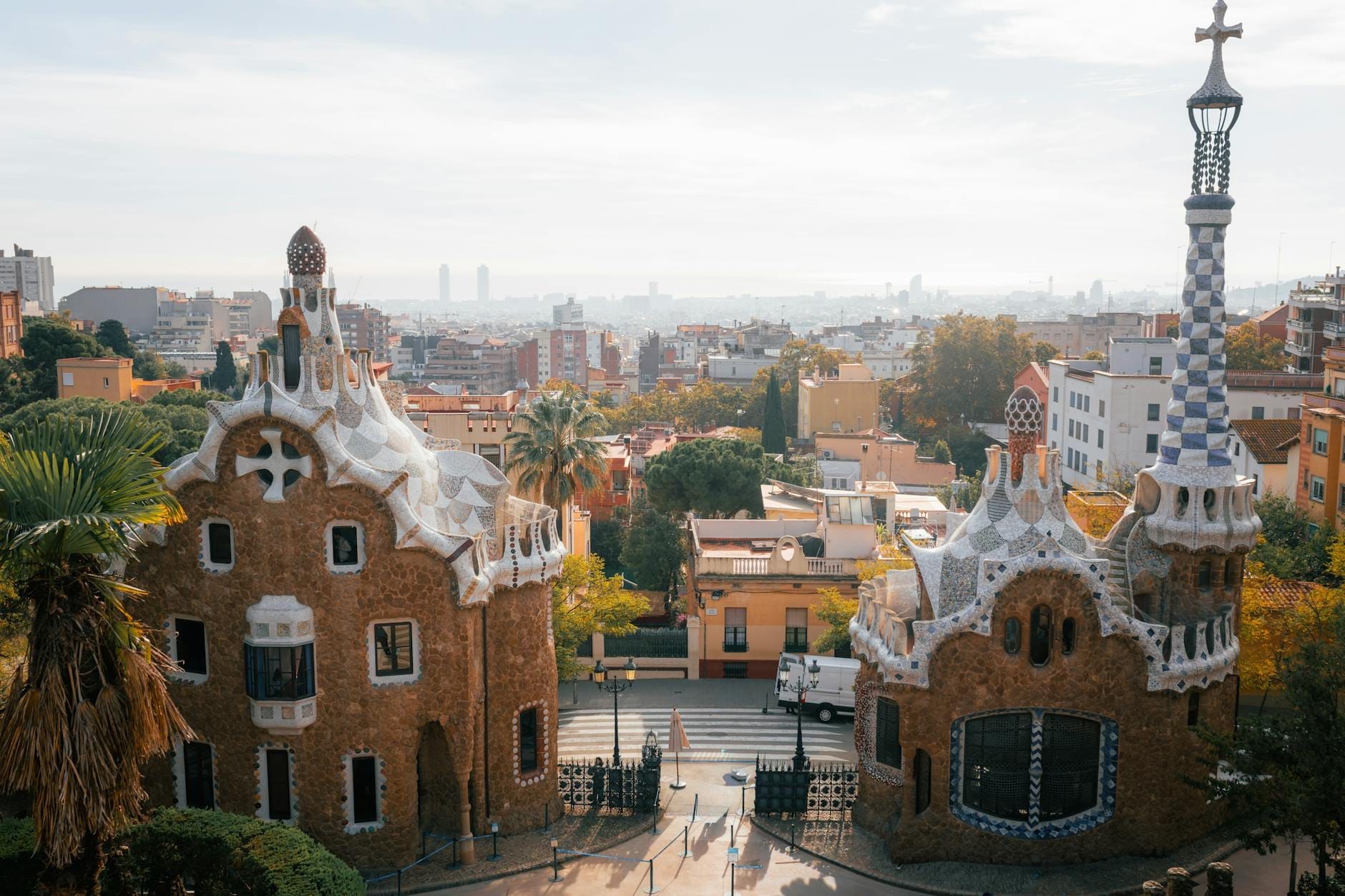
Gràcia sits north of Eixample and feels more like a self-contained village than a city neighborhood. Its network of narrow streets, sun-filled squares, and independent shops gives it a character unlike anywhere else in Barcelona — unhurried, local, and genuinely lived-in.
Gràcia is where Barcelona stops feeling like a metropolis and starts feeling like somewhere people actually live. Once an independent village swallowed by the expanding city in the late 19th century, it has held onto its own identity with remarkable stubbornness: Catalan-speaking locals, plaças that fill up every evening, and a street grid that defies the tidy logic of the Eixample below it.
Orientation
Gràcia occupies roughly 4.2 square kilometres on the northern slope of the city, wedged between the ordered grid of Eixample to the south and the hillside parks and residential upper neighbourhoods to the north. Its southern boundary runs along Avinguda Diagonal, where the neat blocks of Eixample give way abruptly to Gràcia's irregular street pattern. To the east, the neighbourhood fades into Sant Pere and the hospital district; to the west, it borders the quieter streets leading toward Gràcia Alta and eventually Park Güell.
The main spine running south to north is Gran de Gràcia, which picks up from Passeig de Gràcia at Diagonal and draws you into the heart of the neighbourhood. Carrer Verdi runs parallel further east and is the more characterful of the two, lined with bookshops, independent cinemas, and cafés. Travessera de Gràcia cuts across the district east to west, acting as an informal dividing line between lower Gràcia (more residential, quieter) and upper Gràcia (more student-heavy, more bars). Torrent de l'Olla is the main east-west axis through the middle of the neighbourhood and is useful for navigating between the key squares.
Gràcia is physically close to several of Barcelona's most visited areas. Walking south from Diagonal takes you directly into Eixample and eventually to Passeig de Gràcia. The neighbourhood also serves as the natural base for visiting Park Güell, which sits on the hillside just above the northern edge of the district — a 20-minute walk uphill or a short bus ride.
Character & Atmosphere
Gràcia operates on a different rhythm from the rest of Barcelona. The streets are narrower and less predictable — they bend, fork, and dead-end in ways that the Eixample never does. This is partly historical accident and partly the legacy of a village that grew organically before urban planners arrived. Walking here for the first time, especially coming up from the wide, sunlit avenues of Eixample, can feel slightly disorienting in the best way.
Mornings in Gràcia are quiet and domestic. Locals pick up bread from the small bakeries on Carrer Torrijos, elderly residents occupy the benches in Plaça de la Vila de Gràcia, and the terraces of the neighbourhood's cafés are filled with people reading papers and drinking cortados rather than posing for photos. The light at this hour is soft, filtered between tall apartment facades that keep the streets cool well into mid-morning. There are no major tourist attractions in the core of the neighbourhood, so the morning crowd is almost entirely local.
By afternoon, the plaças come alive. Gràcia is defined by its squares more than any other neighbourhood in Barcelona. Plaça del Sol, Plaça de la Virreina, Plaça de la Fontana, and Plaça del Diamant each have their own personality. Plaça del Sol is the liveliest, with café terraces around all four sides and a constant flow of people from mid-afternoon onward. Plaça del Diamant, tucked slightly further from the main routes, is named after the novel by Mercè Rodoreda and attracts a more local crowd — families, students, older residents on benches. The afternoon light falls warm and golden across the square facades from around 4pm, and the terraces fill progressively as the evening approaches.
After dark, Gràcia is one of the more pleasant places in Barcelona to spend an evening without feeling overwhelmed. The bar culture is genuinely local: small venues on Carrer Verdi and its side streets, music bars with no cover charge, and tapas spots where the clientele is mostly under 35 and mostly Catalan or Spanish. It gets loud around Plaça del Sol on weekends, particularly in summer when people spill out onto the square with drinks until late. But this is a neighbourhood noise rather than a tourist noise, which makes it easier to tolerate.
ℹ️ Good to know
Gràcia hosts the Festa Major de Gràcia each August, when residents compete to decorate their streets with elaborate handmade installations. The festival runs for about a week and draws large crowds. If you're visiting in mid-August, expect significant foot traffic and noise, but also one of the most genuinely neighbourhood-led celebrations in the city.
What to See & Do
The neighbourhood's most famous landmark sits just above it rather than within it: Park Güell occupies the hillside north of Gràcia and is the main reason many visitors make the trip up here. The Monumental Zone — the ticketed area with Gaudí's mosaic terrace and the dragon staircase — requires advance booking and has timed entry. But the wider park is free and extends across the hillside in a way that most visitors never explore. Walking up through the free sections on a weekday morning, when the tour groups thin out, gives you a very different experience from the crowded central terrace.
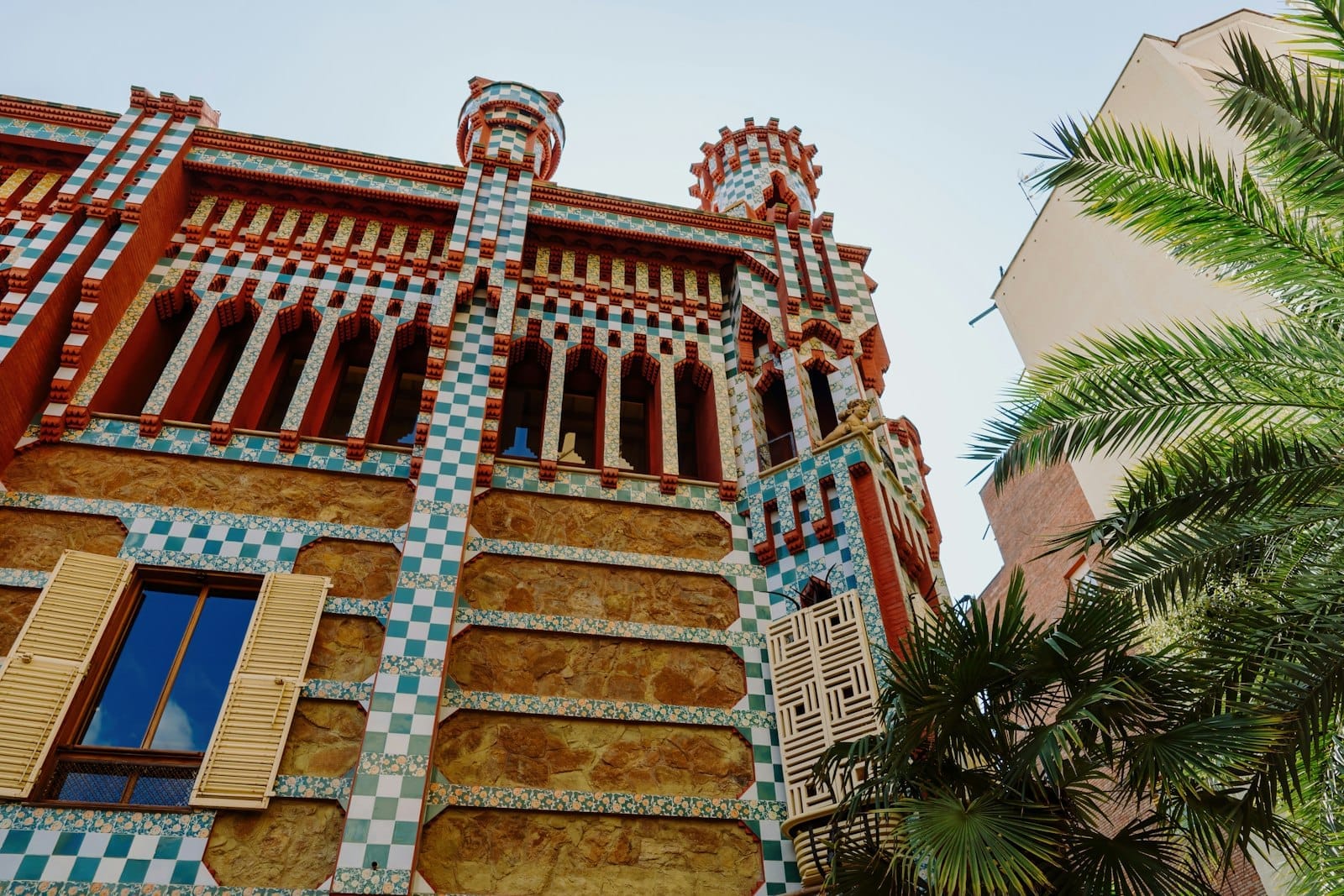
Also worth seeking out is Casa Vicens, Gaudí's first major commission, located on Carrer de les Carolines in Gràcia. Less famous and significantly less visited than his Eixample masterpieces, it's a genuinely interesting building to explore — orientalist tiles, Moorish-influenced ironwork, and an interior that shows where Gaudí's imagination started before he developed the organic language of his later work. Booking in advance is recommended but you won't face the same scrum as the Sagrada Família.
Beyond the Gaudí connections, Gràcia rewards slow walking more than ticking off sights. The neighbourhood's squares are worth visiting at different times of day. Plaça de la Vila de Gràcia, anchored by its bell tower, is the official administrative heart of the district and has a market on Saturday mornings. Plaça del Diamant is quieter and more contemplative. Carrer Verdi and the streets around it support a cluster of independent bookshops, second-hand record stores, and small galleries that tend to open around mid-morning and stay open into the evening.
Park Güell: visit the free zones early morning or late afternoon to avoid peak crowds
Casa Vicens: Gaudí's first house, far less visited than his later buildings
Plaça del Sol: the central square, best in late afternoon and evening
Plaça del Diamant: quieter, more neighbourhood feel, named after the Rodoreda novel
Carrer Verdi: the main cultural street, with independent cinema, bookshops, and cafés
Plaça de la Virreina: popular with families and younger locals in the afternoon
Eating & Drinking
Gràcia has a strong food scene that skews independent and mid-range. You won't find the concentration of high-end restaurants you get in Eixample or the tourist-facing paella joints of Barceloneta, but the neighbourhood supports a dense network of small restaurants, pintxos bars, and casual dinner spots that serve predominantly local clientele. Catalan cooking features more prominently here than in the tourist-heavy neighbourhoods: look for daily set menus (menú del día) at lunch, usually offering two courses plus a drink for a reasonable fixed price.
The streets around Plaça del Sol and along Carrer Verdi have the highest concentration of eating and drinking options. The squares themselves are ringed with café terraces that are good for a coffee or a glass of wine but often unremarkable for food. The better eating tends to happen one street back: smaller restaurants with hand-written menus in Catalan, no-frills interiors, and tables filled with people who live in the neighbourhood.
The bar culture is worth noting separately. Gràcia has a strong tradition of small music bars (bars de musica) where you pay for your drink and the music is part of the atmosphere rather than a separate ticketed experience. Many of these are on Carrer Verdi and the streets around Carrer Torrijos. The neighbourhood also has several craft beer bars that have opened over the past decade, catering to a younger crowd without displacing the older vermut bars and wine shops that have been here for generations.
💡 Local tip
For the best-value eating in Gràcia, look for the menú del día at lunch on weekdays. Most small restaurants in the neighbourhood offer two or three courses plus bread and a drink for around 12-15 euros. This is how locals eat, and the quality is generally much better than the equivalent tourist-facing set menus you'll find near Las Ramblas.
Getting There & Around
The most direct metro access to Gràcia is via the L3 (green line) at Fontana or Diagonal stations, both of which drop you into the southern part of the neighbourhood. Fontana is arguably the more convenient of the two, placing you on Gran de Gràcia with easy access to the squares. The L5 (yellow line) station at Diagonal also works for approaching from Eixample, though it deposits you at the very southern edge of the district. For the northern part of Gràcia and access to Park Güell, bus lines 24 and 92 are more useful than the metro.
On foot, Gràcia is easily reached from Eixample: walking north from Passeig de Gràcia along Gran de Gràcia takes about 10-15 minutes. From the Gothic Quarter or El Born, count on 30-35 minutes on foot, cutting through Eixample's grid. The neighbourhood itself is highly walkable once you're in it — everything of interest is within a 15-20 minute walk of the central squares.
Within the neighbourhood, the streets are pedestrian-priority and in many cases fully pedestrianised. Bikes are common and work well for moving between Gràcia and Eixample. The Bicing public bike-share system has multiple stations around the neighbourhood, including on Gran de Gràcia and near Plaça del Sol. Taxis and ride-hailing apps can reach most streets but may struggle with the narrower lanes around Carrer Verdi and the interior squares.
⚠️ What to skip
Gràcia's street layout does not follow the regular grid of Eixample and can be genuinely confusing to navigate without a map. The streets run at odd angles and many look similar. Download an offline map before you arrive, especially if you're planning to explore the quieter streets away from the main squares.
Where to Stay
Gràcia is not the highest-density accommodation neighbourhood in Barcelona, but it has a solid selection of small hotels, boutique guesthouses, and apartments. Staying here makes particular sense for travellers who want a local experience without committing to the tourist intensity of the Gothic Quarter or the wide-avenue formality of central Eixample. The best location within the neighbourhood is the area between Plaça del Sol and Plaça de la Virreina, which keeps you within easy walking distance of the best squares, the Fontana metro, and Carrer Verdi.
The main trade-off for staying in Gràcia is distance from the major sights. The Sagrada Família is about 25-30 minutes by metro or a similar time on foot from the southern edge of the district. The beach at Barceloneta is around 40-45 minutes door-to-door using public transport. If your trip is centred on those major attractions, a base in Eixample will save you daily commute time. But if you want to experience Barcelona as a place people live rather than a circuit of monuments, Gràcia is one of the better choices.
For a broader look at accommodation options across the city, the where to stay in Barcelona guide covers how Gràcia compares to other neighbourhoods depending on your priorities.
Practical Notes
Gràcia is one of the safer and calmer neighbourhoods in Barcelona at most hours. The dense residential population, the presence of families and older residents, and the absence of major nightlife venues with heavy tourist traffic all contribute to a neighbourhood that feels relatively relaxed even late at night. Petty theft is far less of a concern here than on Las Ramblas or around the markets in the Gothic Quarter. Standard urban awareness applies, but there are no particular hotspots or streets to avoid.
The neighbourhood does have its limits. If your primary interest is Barcelona's major cultural institutions, Gràcia will require some commuting. The Sagrada Família is to the east, the Picasso Museum is in El Born, and most of the city's big museums sit on Montjuïc to the south. Gràcia works best as a base or as a half-day addition to a broader Barcelona itinerary, particularly when paired with a visit to Park Güell or Casa Vicens.
For a broader sense of how to structure a Barcelona trip around neighbourhoods like Gràcia, the Barcelona itinerary guide maps out how to connect the main areas without spending half your trip on the metro.
TL;DR
Gràcia is the most genuinely local-feeling neighbourhood in central Barcelona, with a village identity it has maintained since being absorbed by the city in the late 19th century.
Best suited to travellers who prioritise atmosphere, independent eating, and a residential pace over proximity to major sights.
Key draws include Park Güell, Casa Vicens, and the network of neighbourhood squares — particularly Plaça del Sol and Plaça del Diamant.
Accessible via metro L3 (Fontana or Diagonal), 10-15 minutes on foot from Passeig de Gràcia, and easily combined with Eixample in a single day.
Not the best base if your itinerary is centred on the beach, Las Ramblas, or multiple major museums — but hard to beat for an evening out or a quiet morning off the tourist circuit.
Barcelona transforms after sunset. Locals dine at 10 PM, the Magic Fountain draws crowds until midnight, and Gaudí's buildings glow in a way daylight simply cannot match. This guide covers the best ways to spend your evenings, from free spectacles to world-class performances.
Barcelona has nearly 5.5 kilometres of urban beaches stretching along the Mediterranean coast, all reachable by metro, bus, or bike. This guide covers every beach, what to do nearby, and how to make the most of the waterfront from the old port to the modern Diagonal Mar district.
Barcelona is an exceptional base for exploring Catalonia and beyond. These are the best day trips you can make from the city, from mountain monasteries and Roman ruins to Costa Brava beaches and Dalí's surrealist universe, most reachable by affordable public train.
Three days in Barcelona is enough to cover the city's greatest landmarks without rushing, if you plan smartly. This itinerary balances iconic Gaudí architecture, medieval streets, seafront walks, and local markets, with honest advice on what to skip, what to book ahead, and how to move between neighborhoods efficiently.
Barcelona is Spain's most expensive city, but it rewards smart travelers with free museums, cheap tapas, and world-class architecture you can admire for nothing. This guide breaks down exactly how to stretch your euros further without missing anything essential.
Barcelona rewards families with an extraordinary range of experiences: world-class science museums, a historic hilltop amusement park, beaches, Gaudí's fantastical architecture, and free fountain shows. This guide cuts through the noise to focus on what genuinely works with children in tow.
Choosing the best time to visit Barcelona depends on more than just sunshine. This guide breaks down every season by temperature, crowd levels, events, and value, so you can match your trip to your priorities rather than defaulting to peak summer.
Barcelona rewards those who look up and out. From hilltop ruins to Modernista rooftops, these are the city's best vantage points, ranked and described with practical detail so you can plan the perfect panorama.
Antoni Gaudí left seven UNESCO World Heritage Sites across Barcelona, each one a window into his obsessive genius. This guide covers every major work, from the soaring Sagrada Família to his earliest commission in Gràcia, with tips on booking, routing, and what to see inside each building.
Barcelona has one of Europe's most comprehensive urban transport networks, but knowing which option to use when can save hours and euros. This guide covers every mode of transport in the city, from the TMB metro and night buses to ride-hailing apps, cycling, and how to reach the airport.
Barcelona rewards those who look beyond the obvious. These 18 attractions reveal the city that locals actually love: Civil War ruins with unbeatable views, Gaudí buildings the tour buses miss, neighbourhood promenades, and market halls that outshine the famous ones.
Barcelona packs extraordinary architecture, world-class food markets, sun-soaked beaches, and centuries of history into 101 square kilometres. This guide cuts through the hype to tell you what's genuinely worth your time, what to skip, and how to do it all without wasting a day.
Barcelona's food scene runs far deeper than paella and tapas. This guide covers essential Catalan dishes, the best markets, standout restaurants by neighborhood, and the seasonal specialties most visitors miss entirely.
Choosing where to stay in Barcelona shapes your entire trip. This guide breaks down every major neighborhood by location, atmosphere, price range, and who it actually suits, so you can book with confidence.