Gaudí in Barcelona: The Complete Guide to His Works
Antoni Gaudí left seven UNESCO World Heritage Sites across Barcelona, each one a window into his obsessive genius. This guide covers every major work, from the soaring Sagrada Família to his earliest commission in Gràcia, with tips on booking, routing, and what to see inside each building.
Tickets & tours
Live prices and dates from our booking partner. If you book, we may earn a commission at no extra cost to you.
Antoni Gaudí (1852–1926) spent almost his entire career in Barcelona, and the city is essentially an open-air museum of his work. Seven of his buildings carry UNESCO World Heritage status, and together they span four decades of radical experimentation with organic form, ceramic mosaics, structural innovation, and deep Catholic faith. The good news for visitors is that most of his major works cluster in two neighbourhoods: the Eixample grid, where Casa Batlló, Casa Milà, and the Sagrada Família sit within walking distance, and Gràcia, where Park Güell and Casa Vicens reward the short uphill climb. Book tickets for the Sagrada Família, Casa Batlló, and Casa Milà well in advance, especially between June and September. If you are planning a full Gaudí itinerary, our Barcelona itinerary guide can help you sequence everything efficiently.
✨ Pro tip
Buy timed tickets for all major Gaudí sites before you arrive. In peak season, same-day tickets for the Sagrada Família and Casa Batlló sell out entirely. Official sites only: sagradafamilia.org, casabatllo.es, lapedrera.com, parkguell.barcelona.
The Masterpieces: Gaudí's Greatest Buildings
These are the works that define Gaudí's legacy and demand the most time. The Sagrada Família alone warrants two to three hours, while Casa Batlló and Casa Milà each require at least 90 minutes to do justice. All of these buildings are UNESCO World Heritage Sites. For context on the wider Modernista movement that shaped this era, the things to do in Barcelona guide covers the full architectural landscape of the city.
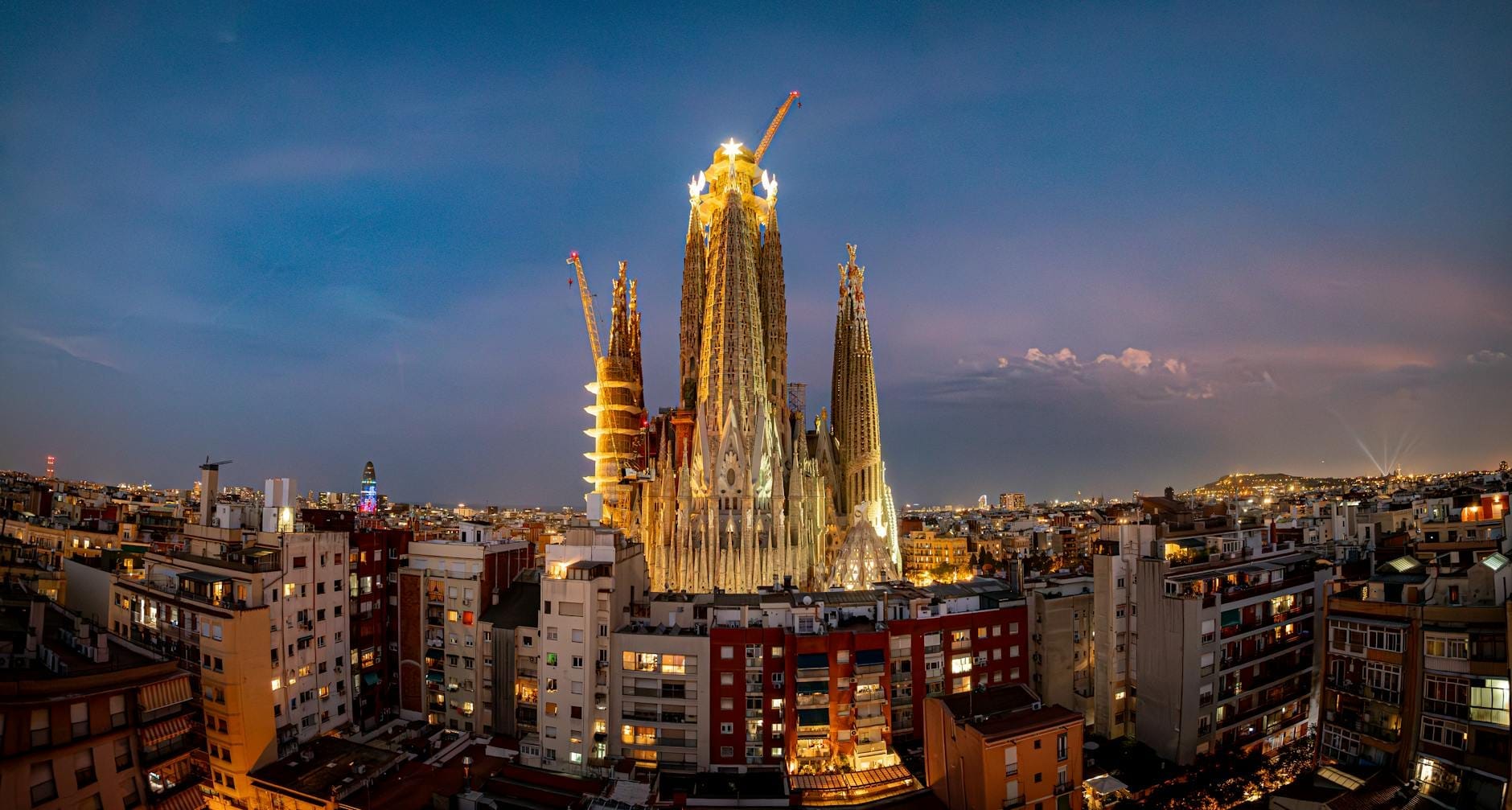
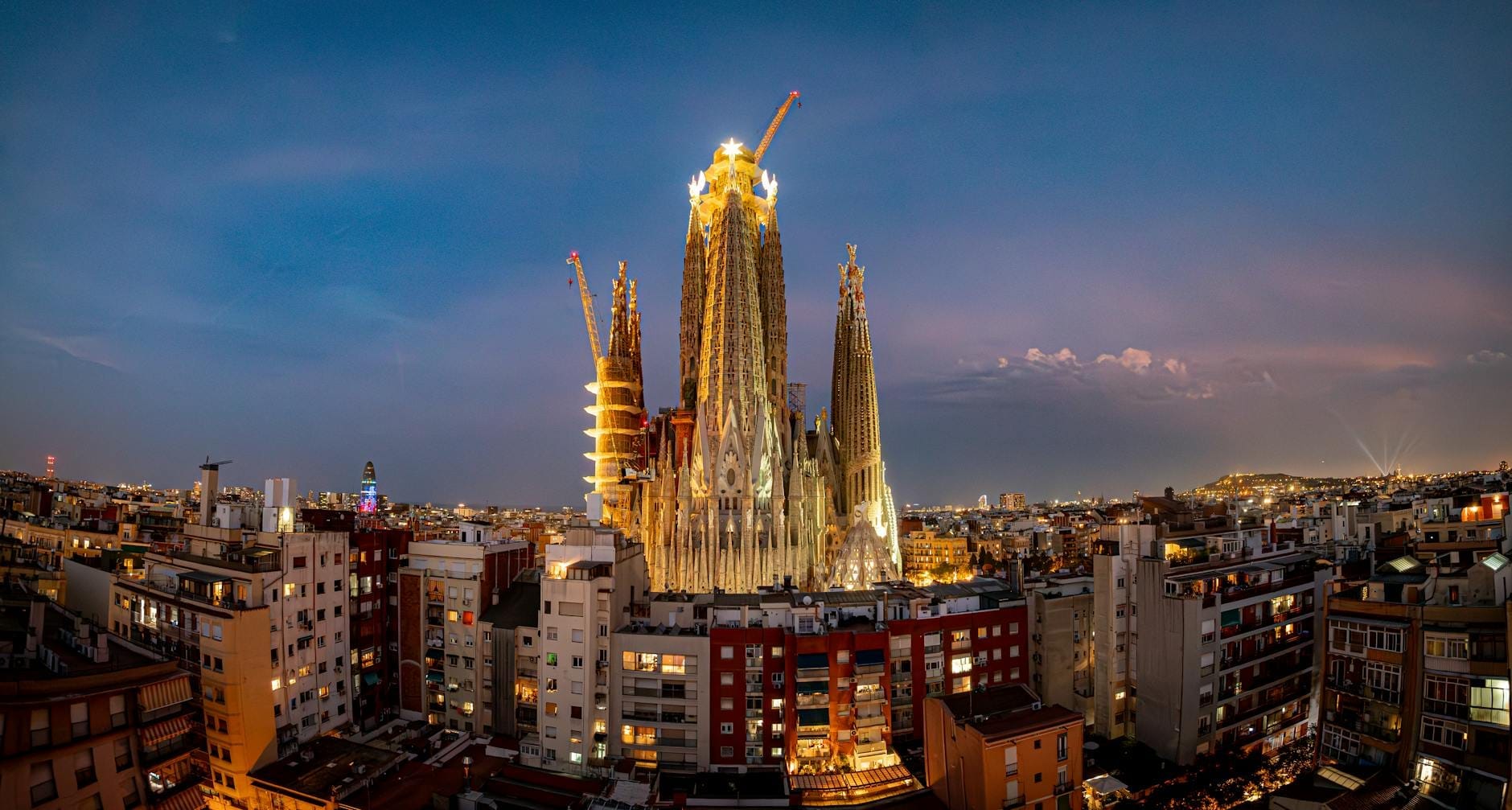
1. Start (and Return) at the Sagrada Família
Under construction since 1882 and still unfinished, this is the most visited monument in Spain. The stained glass interior alone is worth every cent of the entry fee. Book timed tickets online at sagradafamilia.org, expect queues even with a booking.
Explore1. Start (and Return) at the Sagrada Família
Under construction since 1882 and still unfinished, this is the most visited monument in Spain. The stained glass interior alone is worth every cent of the entry fee. Book timed tickets online at sagradafamilia.org, expect queues even with a booking.
Explore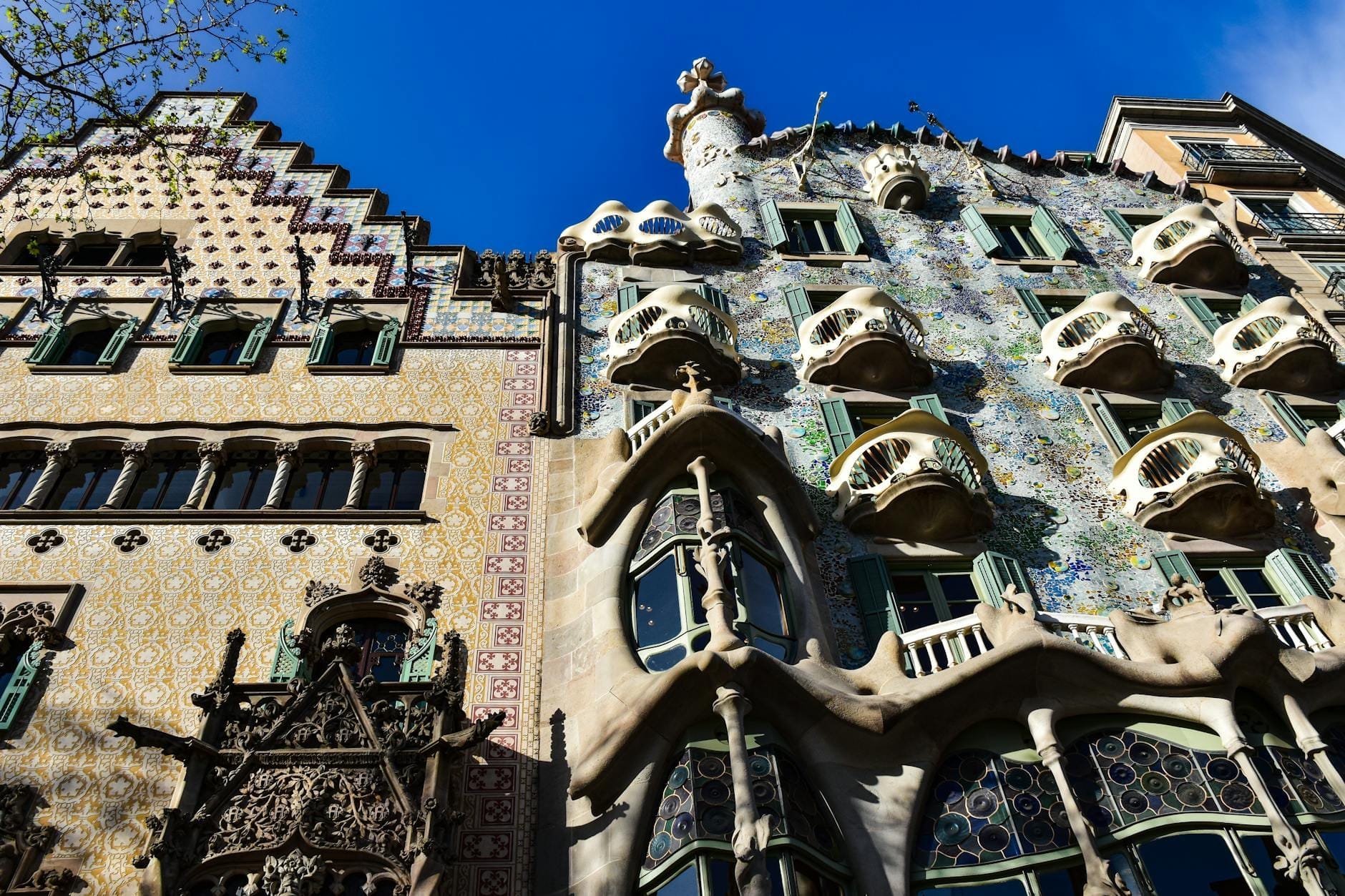
2. Step Inside Casa Batlló's Dragon-Scale World
Gaudí's 1904–1906 renovation of a plain apartment block produced one of the world's most theatrical interiors. The light well shifts from deep cobalt to pale sky blue, and the bone-like attic feels biological. The night experience adds projection mapping but the daytime visit reveals more architectural detail.
Explore2. Step Inside Casa Batlló's Dragon-Scale World
Gaudí's 1904–1906 renovation of a plain apartment block produced one of the world's most theatrical interiors. The light well shifts from deep cobalt to pale sky blue, and the bone-like attic feels biological. The night experience adds projection mapping but the daytime visit reveals more architectural detail.
Explore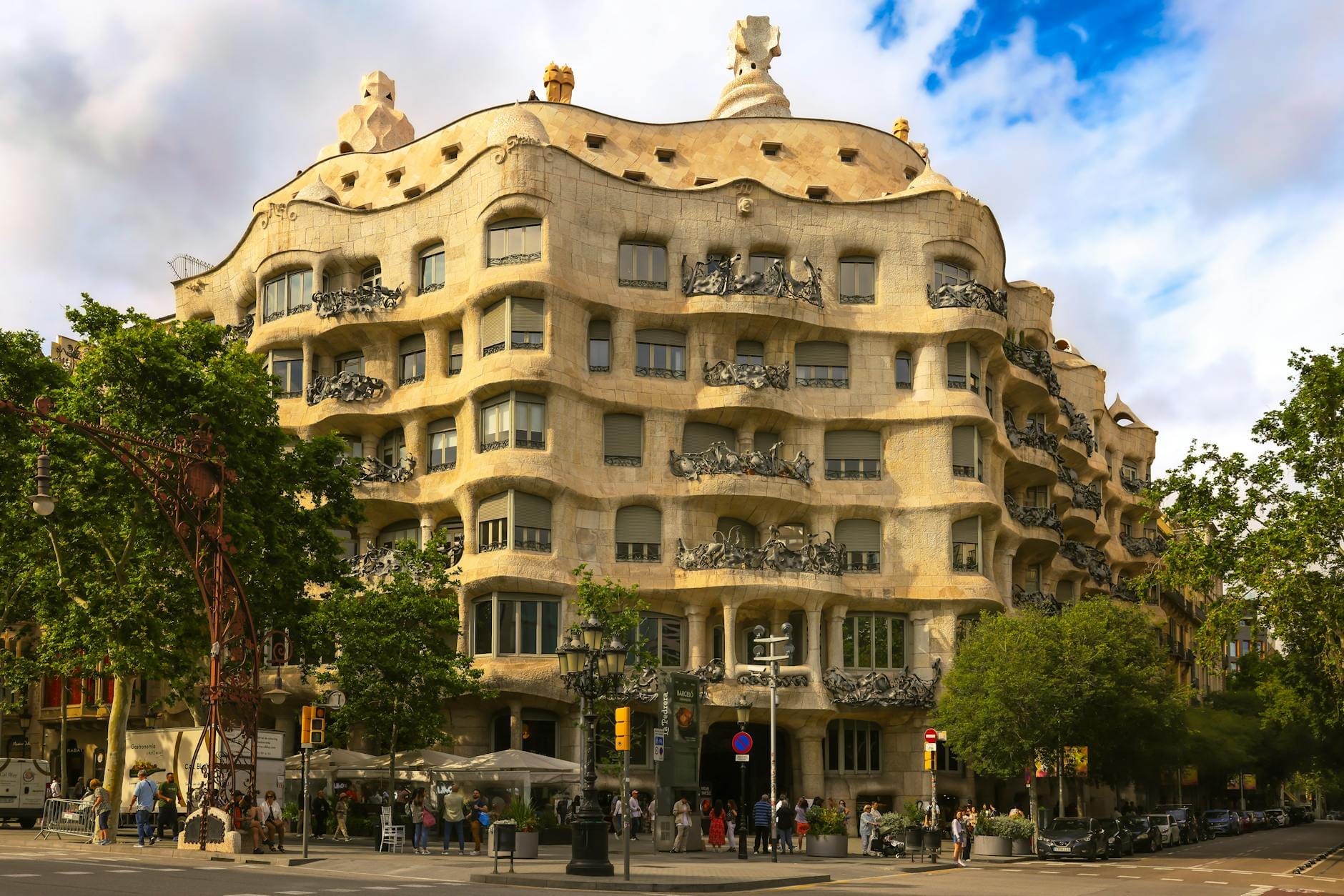
3. Walk the Warrior Rooftop of Casa Milà (La Pedrera)
The undulating stone facade on Passeig de Gràcia hides an equally astonishing interior. The rooftop, with its twisted chimney stacks nicknamed 'warriors', is Gaudí at his most sculptural. Visit in the evening for the Pedrera de Nit experience, which pairs sunset access with live music.
Explore3. Walk the Warrior Rooftop of Casa Milà (La Pedrera)
The undulating stone facade on Passeig de Gràcia hides an equally astonishing interior. The rooftop, with its twisted chimney stacks nicknamed 'warriors', is Gaudí at his most sculptural. Visit in the evening for the Pedrera de Nit experience, which pairs sunset access with live music.
Explore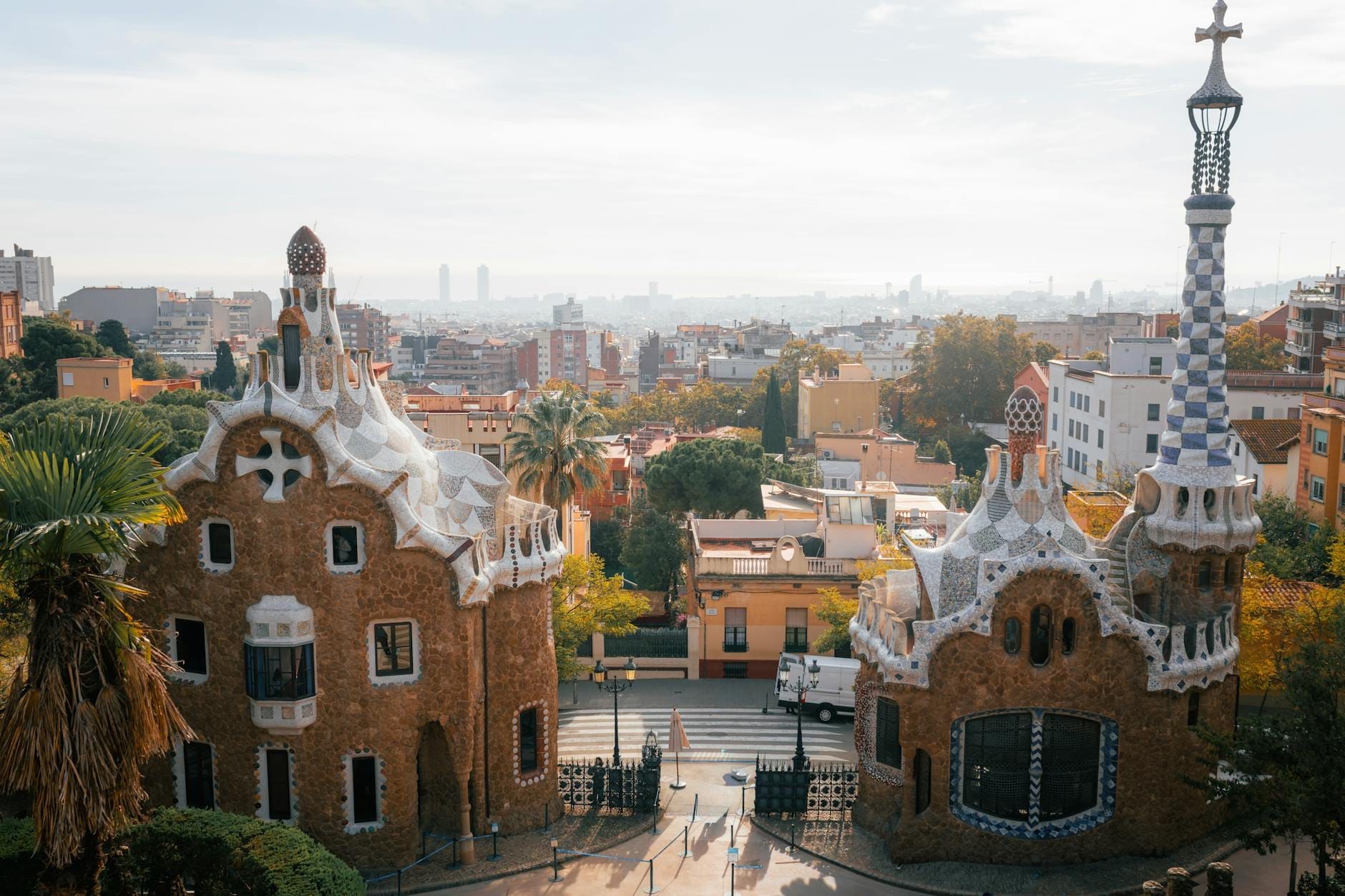
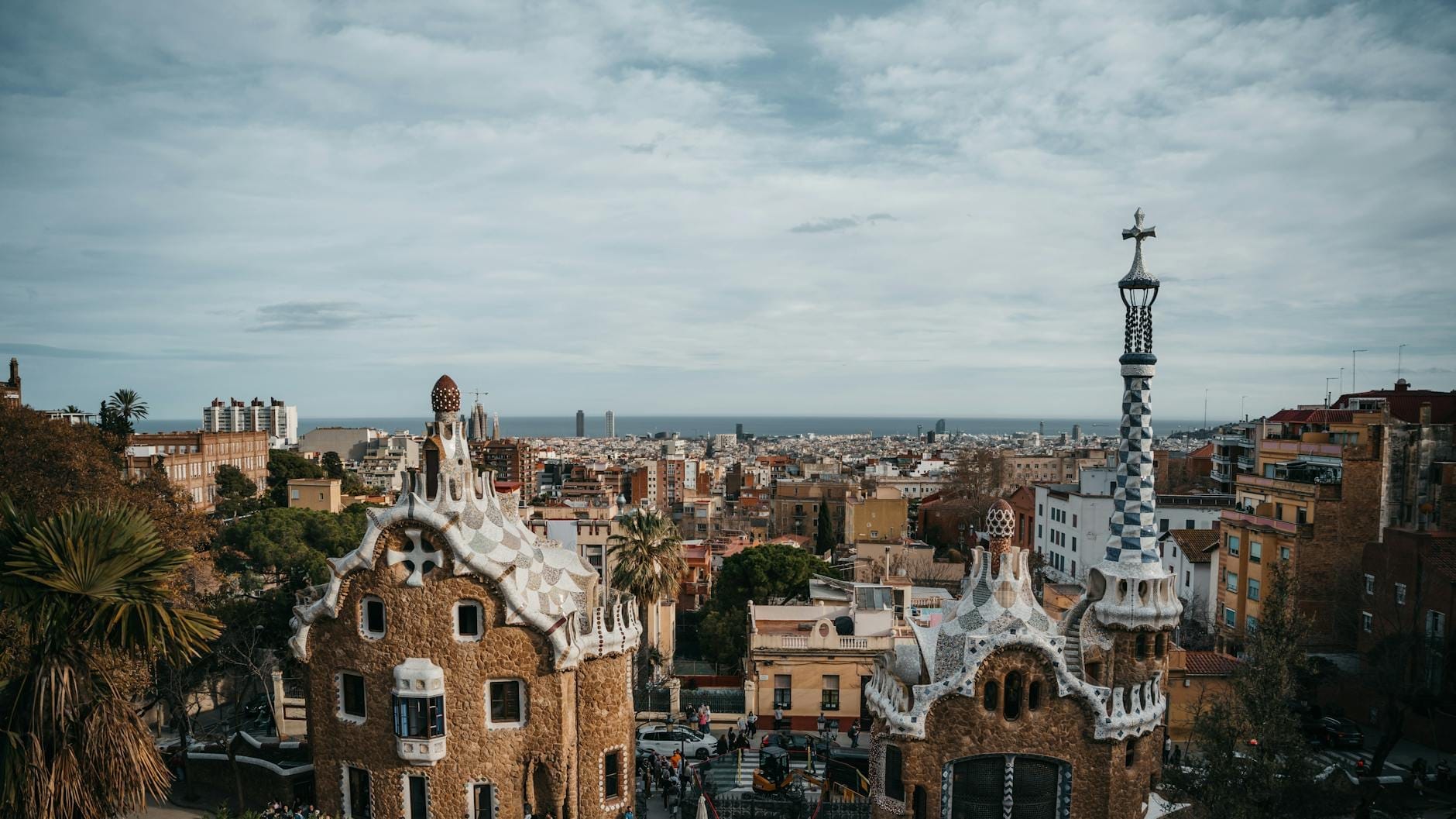
4. Explore the Mosaic Terraces of Park Güell
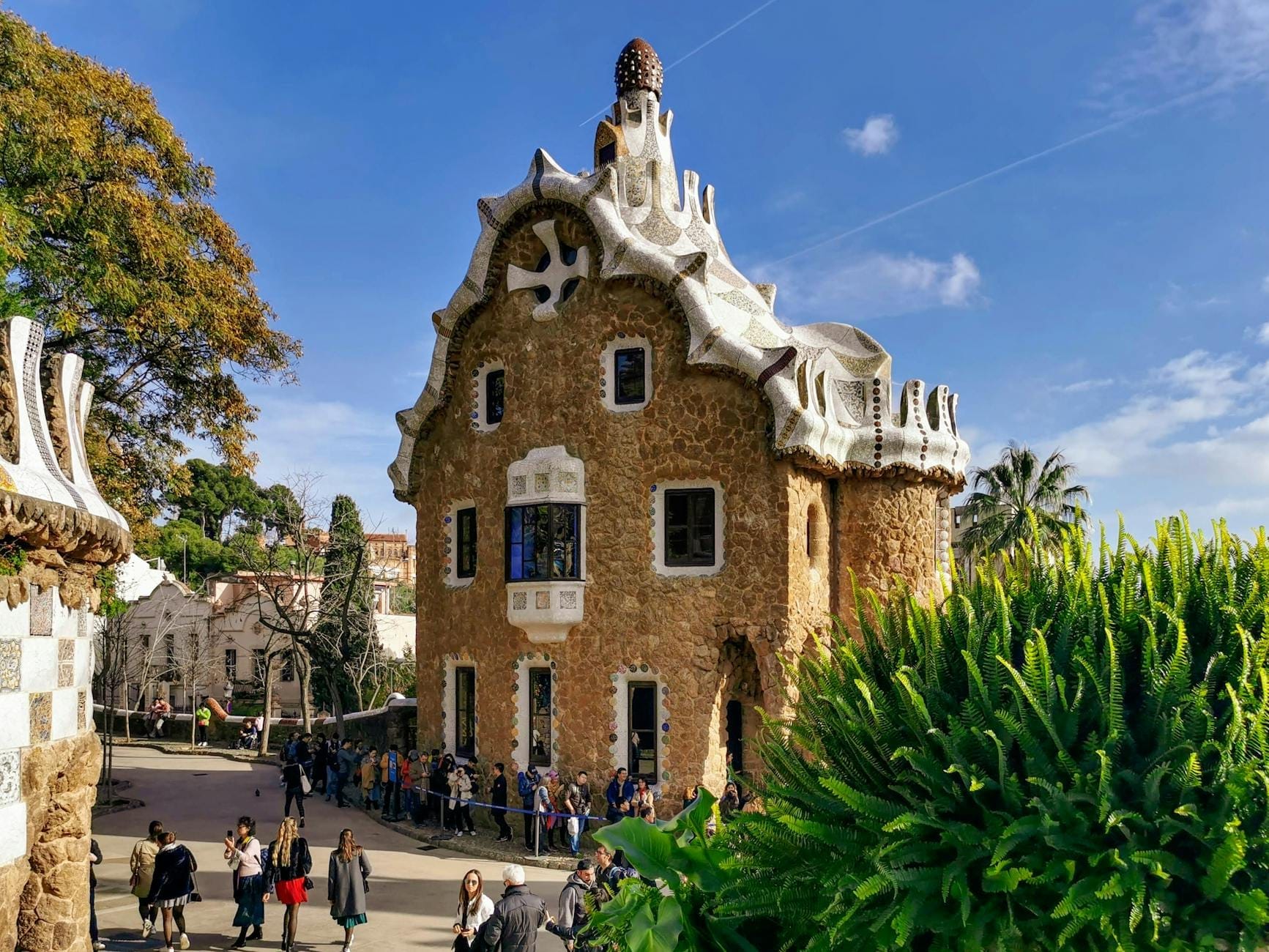
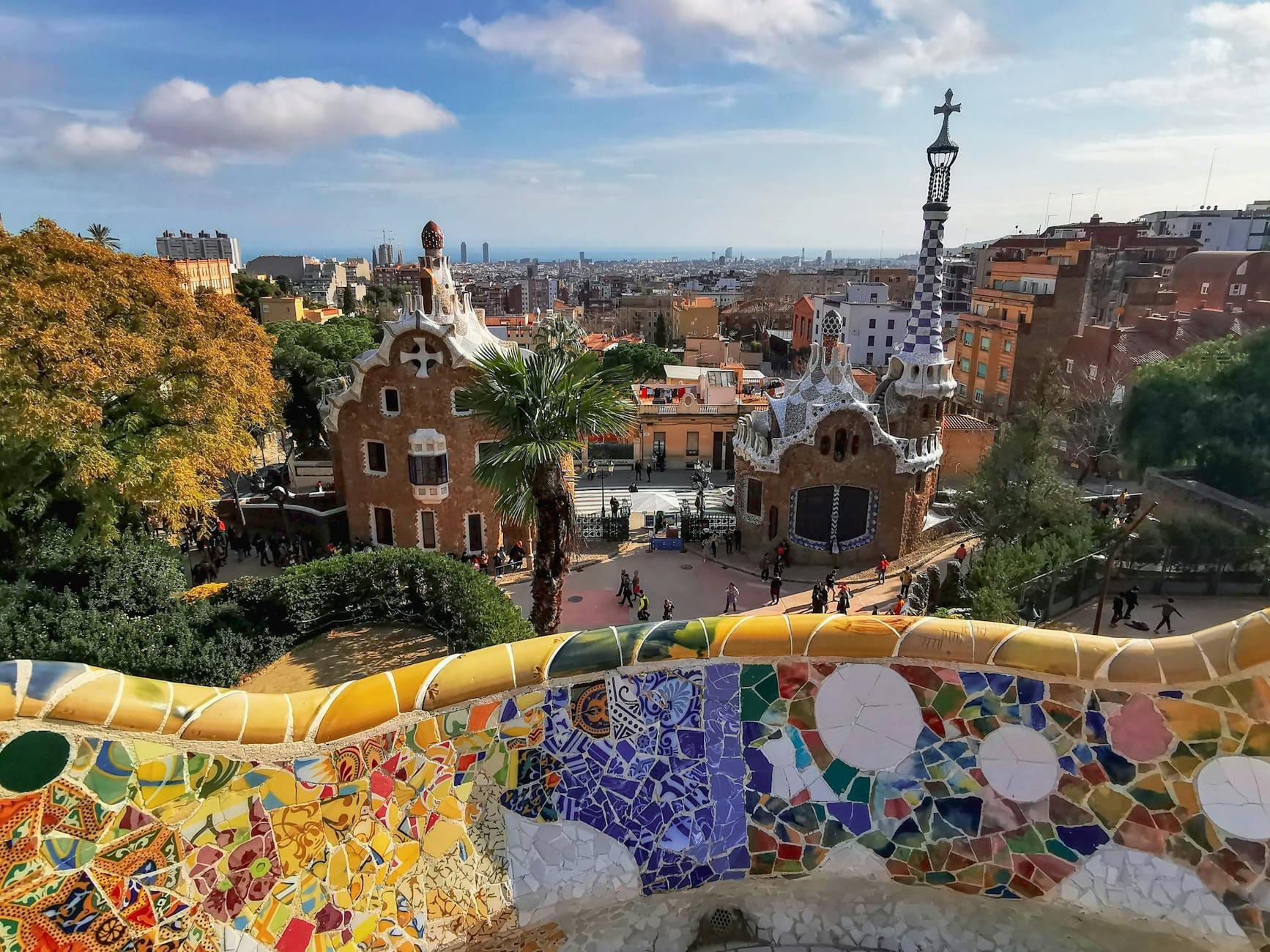
Originally designed as a residential development that failed to sell, Park Güell became a public park in 1926. The Monumental Zone requires a timed ticket. Arrive at opening time (8am summer) to beat crowds and catch the best light on the serpentine mosaic bench overlooking the city.
Explore4. Explore the Mosaic Terraces of Park Güell
Originally designed as a residential development that failed to sell, Park Güell became a public park in 1926. The Monumental Zone requires a timed ticket. Arrive at opening time (8am summer) to beat crowds and catch the best light on the serpentine mosaic bench overlooking the city.
Explore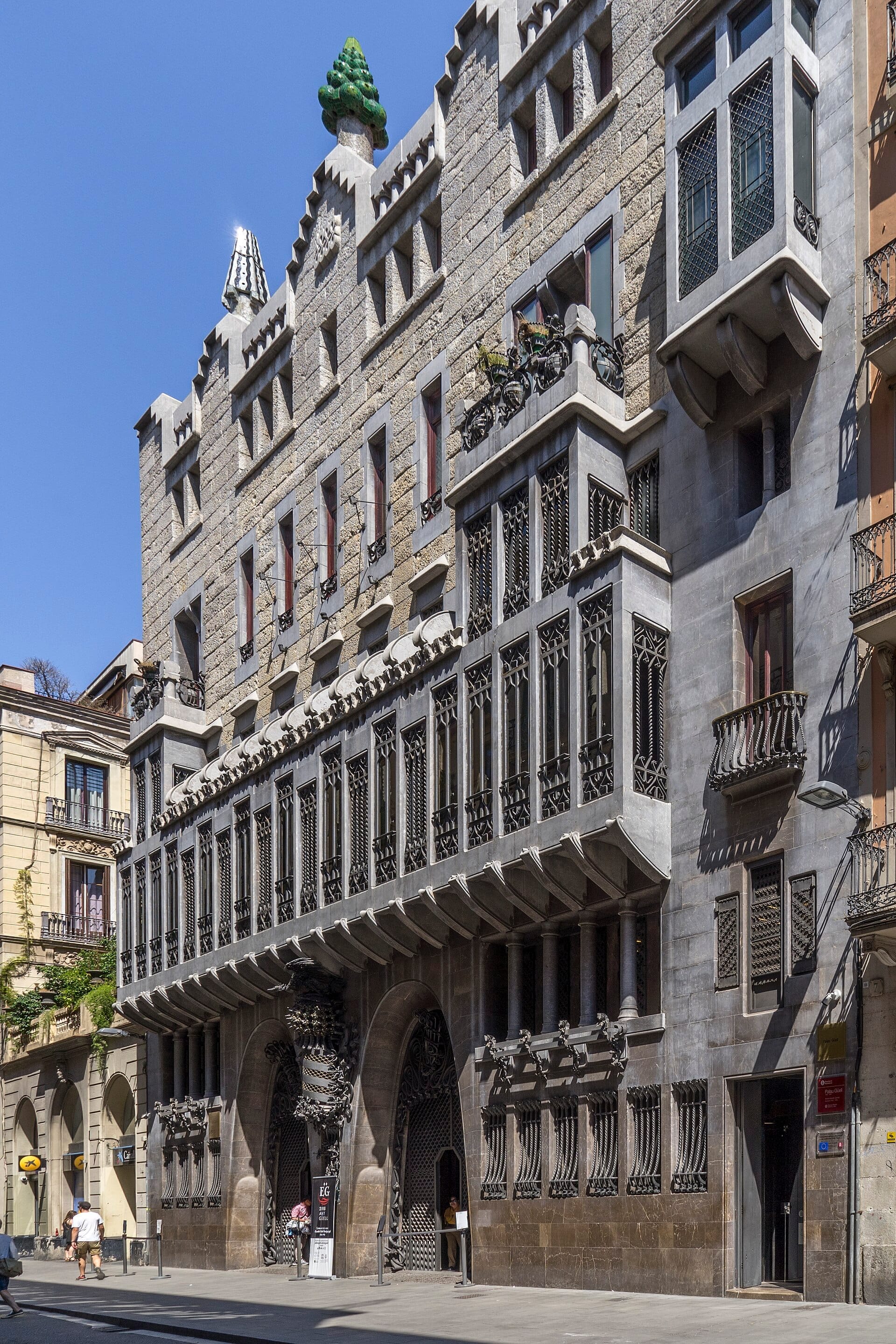
5. Discover Gaudí's Dark Early Masterpiece at Palau Güell
Built in the late 1880s for Gaudí's patron Eusebi Güell near Las Ramblas, this is one of his least-visited major works and one of his most interesting. The rooftop chimneys preview his later ceramic style, and the central parabolic hall is hauntingly beautiful. Usually no pre-booking needed.
Explore5. Discover Gaudí's Dark Early Masterpiece at Palau Güell
Built in the late 1880s for Gaudí's patron Eusebi Güell near Las Ramblas, this is one of his least-visited major works and one of his most interesting. The rooftop chimneys preview his later ceramic style, and the central parabolic hall is hauntingly beautiful. Usually no pre-booking needed.
ExploreHidden and Early Works Worth Seeking Out
Beyond the UNESCO icons, Gaudí left smaller but equally fascinating traces across the city. These buildings reward the curious visitor who wants to understand how his style evolved, from his Orientalist student work to the Cascada Monumental in Parc de la Ciutadella. The hidden gems guide covers other under-the-radar spots worth combining with these lesser-known Gaudí sites.
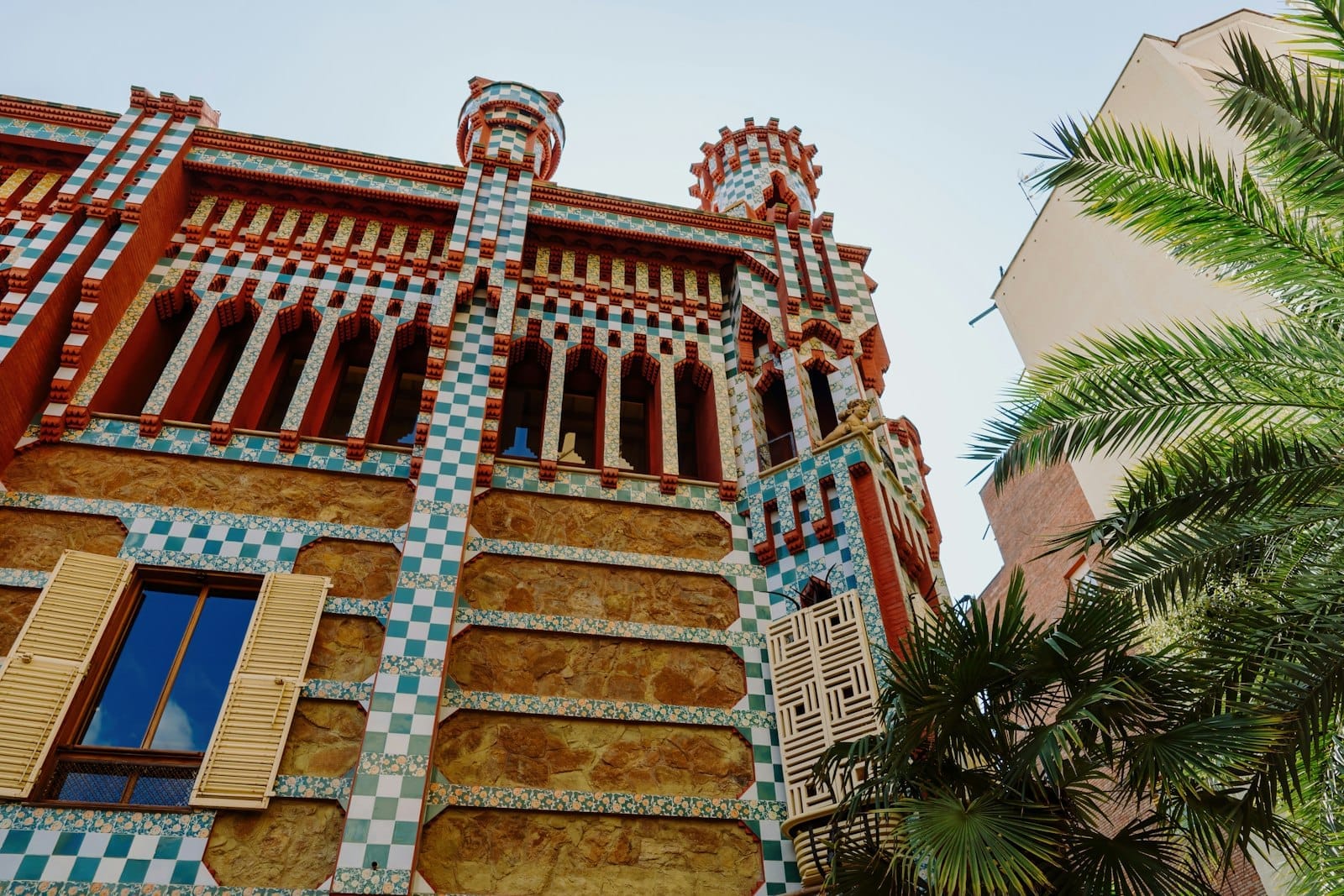
6. See Where It All Began at Casa Vicens
Gaudí's first major commission, completed in 1888, is a UNESCO site that many visitors skip entirely. The ceramic tile patterns and Moorish-influenced design show a young architect experimenting boldly. Opened to visitors in 2017, it sits on a quiet Gràcia street and rarely has long queues.
Explore6. See Where It All Began at Casa Vicens
Gaudí's first major commission, completed in 1888, is a UNESCO site that many visitors skip entirely. The ceramic tile patterns and Moorish-influenced design show a young architect experimenting boldly. Opened to visitors in 2017, it sits on a quiet Gràcia street and rarely has long queues.
Explore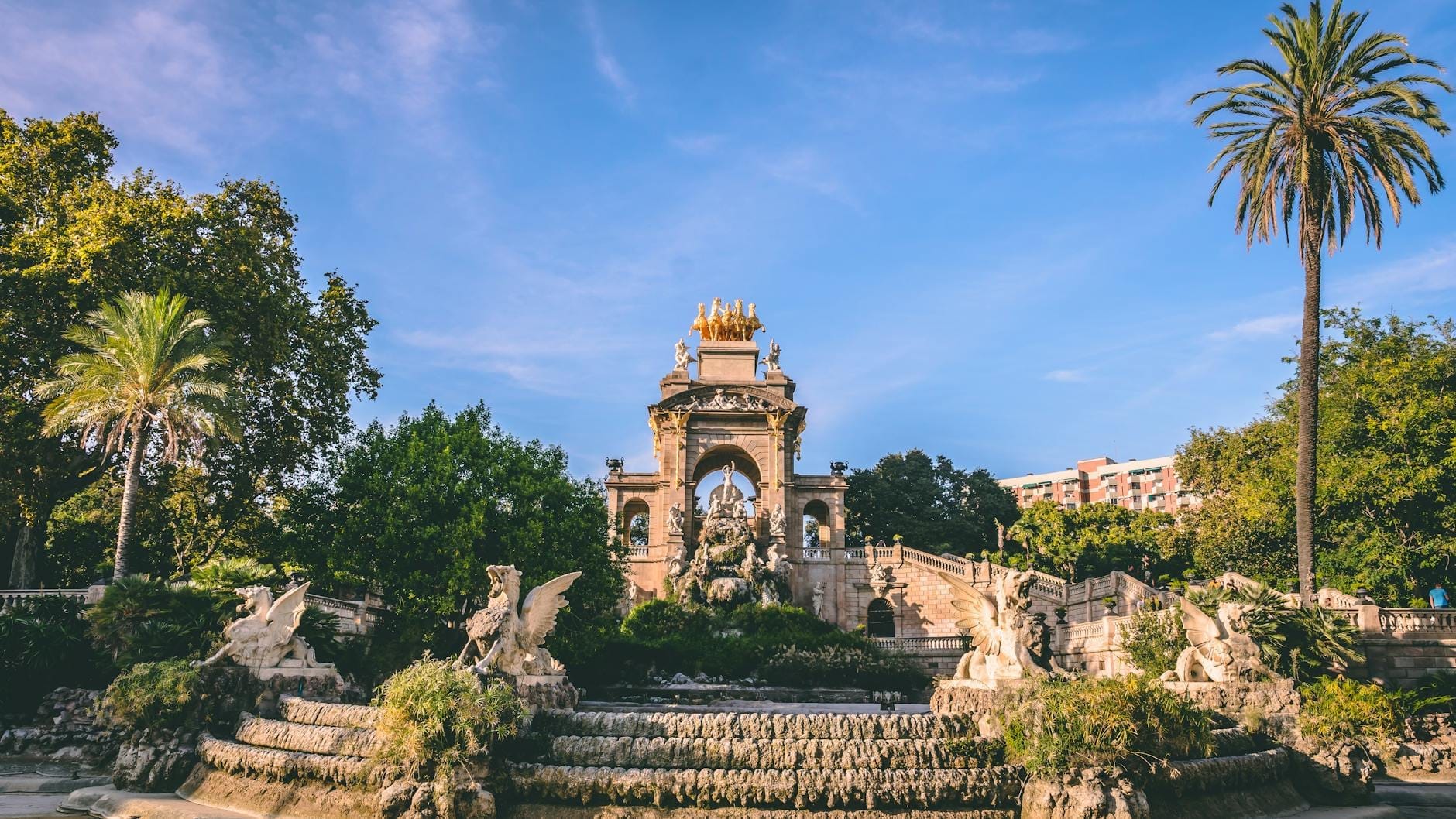
7. Find Gaudí's Student Contribution at the Cascada Monumental
Few visitors know that the young Gaudí assisted in designing this neo-baroque waterfall in Parc de la Ciutadella, built for the 1888 Universal Exhibition. It is free to visit and beautiful at dusk. A worthwhile stop when exploring the park, especially combined with the Casa Vicens or Palau Güell.
Explore7. Find Gaudí's Student Contribution at the Cascada Monumental
Few visitors know that the young Gaudí assisted in designing this neo-baroque waterfall in Parc de la Ciutadella, built for the 1888 Universal Exhibition. It is free to visit and beautiful at dusk. A worthwhile stop when exploring the park, especially combined with the Casa Vicens or Palau Güell.
Explore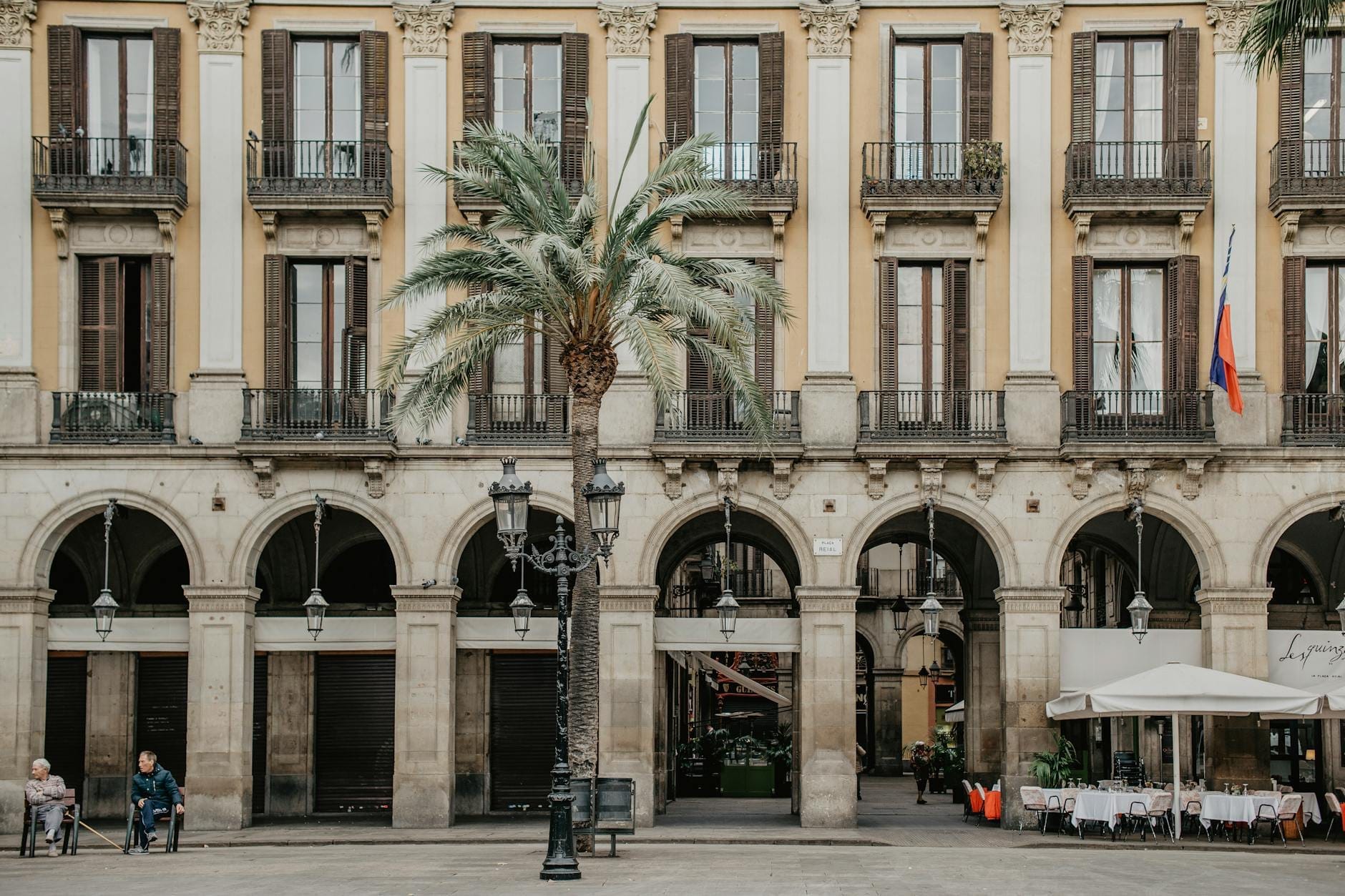
8. Spot Gaudí's Earliest Public Commission at Plaça Reial
The ornate lampposts in this neoclassical square off Las Ramblas were among Gaudí's first public commissions, completed in 1879. Most visitors walk straight past them. Look for the six-armed posts topped with the winged helmet of Hermes. The square itself is lively day and night.
Explore8. Spot Gaudí's Earliest Public Commission at Plaça Reial
The ornate lampposts in this neoclassical square off Las Ramblas were among Gaudí's first public commissions, completed in 1879. Most visitors walk straight past them. Look for the six-armed posts topped with the winged helmet of Hermes. The square itself is lively day and night.
ExploreThe Gaudí Museum and Personal History
9. Visit the House Where Gaudí Lived for 20 Years
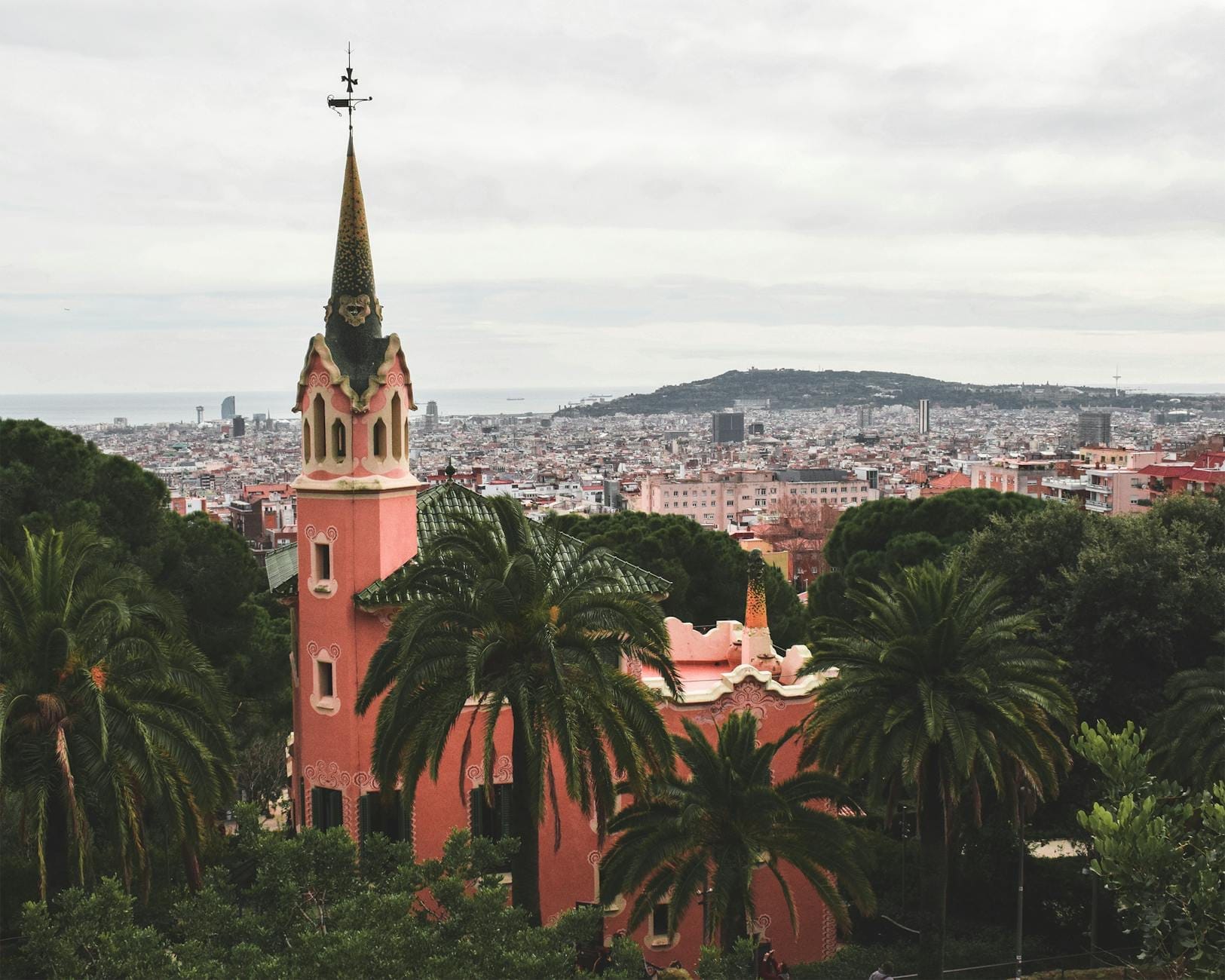
This modest pink house inside Park Güell served as Gaudí's home from 1906 until 1925. Now a small museum, it displays his original furniture, religious objects, personal effects, and architectural drawings. It is the most intimate way to understand the man himself, not just the buildings. Entry is separate from Park Güell's Monumental Zone ticket.
Explore9. Visit the House Where Gaudí Lived for 20 Years
This modest pink house inside Park Güell served as Gaudí's home from 1906 until 1925. Now a small museum, it displays his original furniture, religious objects, personal effects, and architectural drawings. It is the most intimate way to understand the man himself, not just the buildings. Entry is separate from Park Güell's Monumental Zone ticket.
ExploreThe Gaudí Route: Walking Passeig de Gràcia
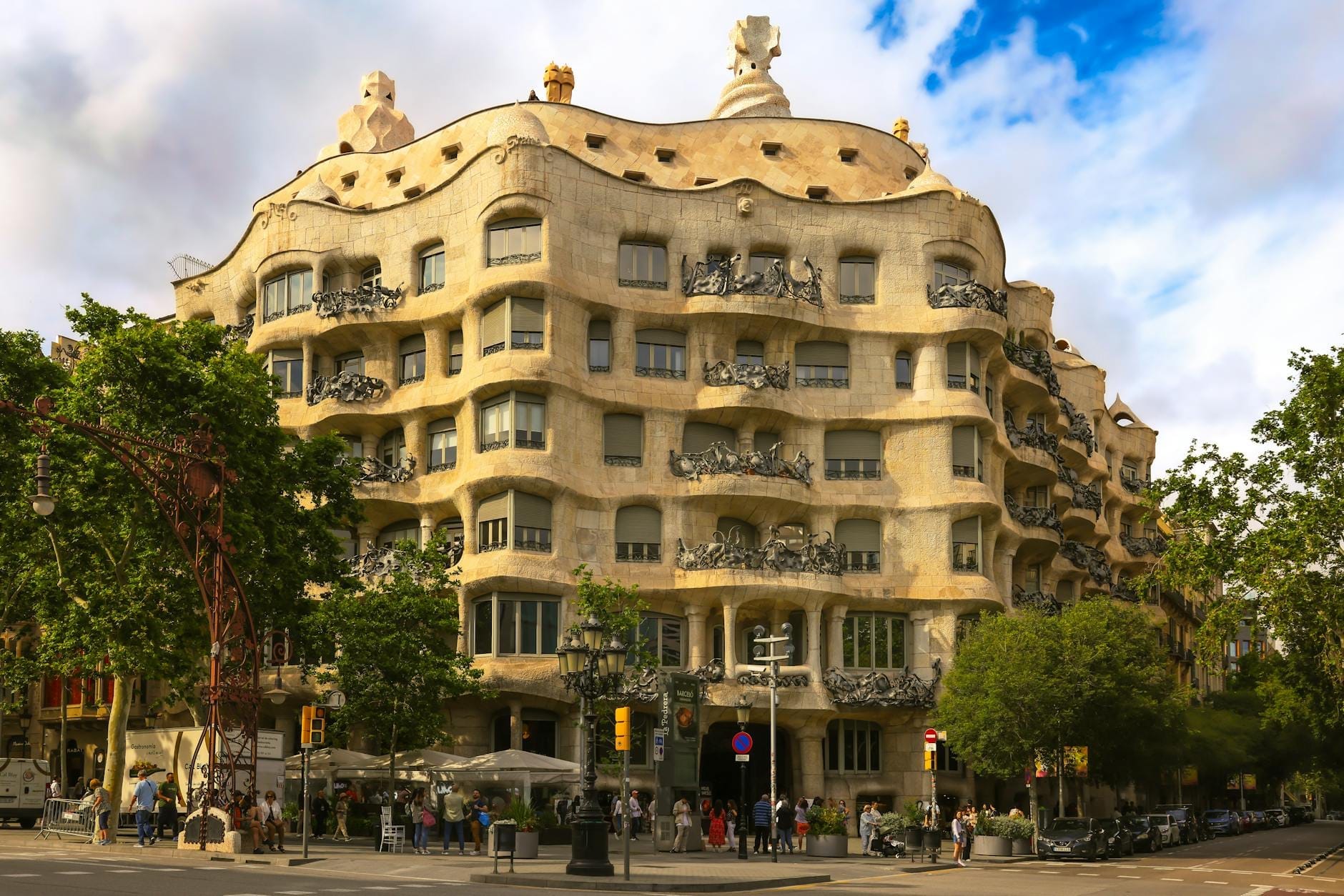
The stretch of Eixample between Passeig de Gràcia metro and Diagonal contains more Modernista architecture per block than anywhere else on Earth. The 'Block of Discord', where Casa Batlló, Casa Amatller, and Casa Lleó Morera stand side by side, is the obvious focal point, but the walk north toward Casa Milà adds the equally important Hospital de Sant Pau at its far end.
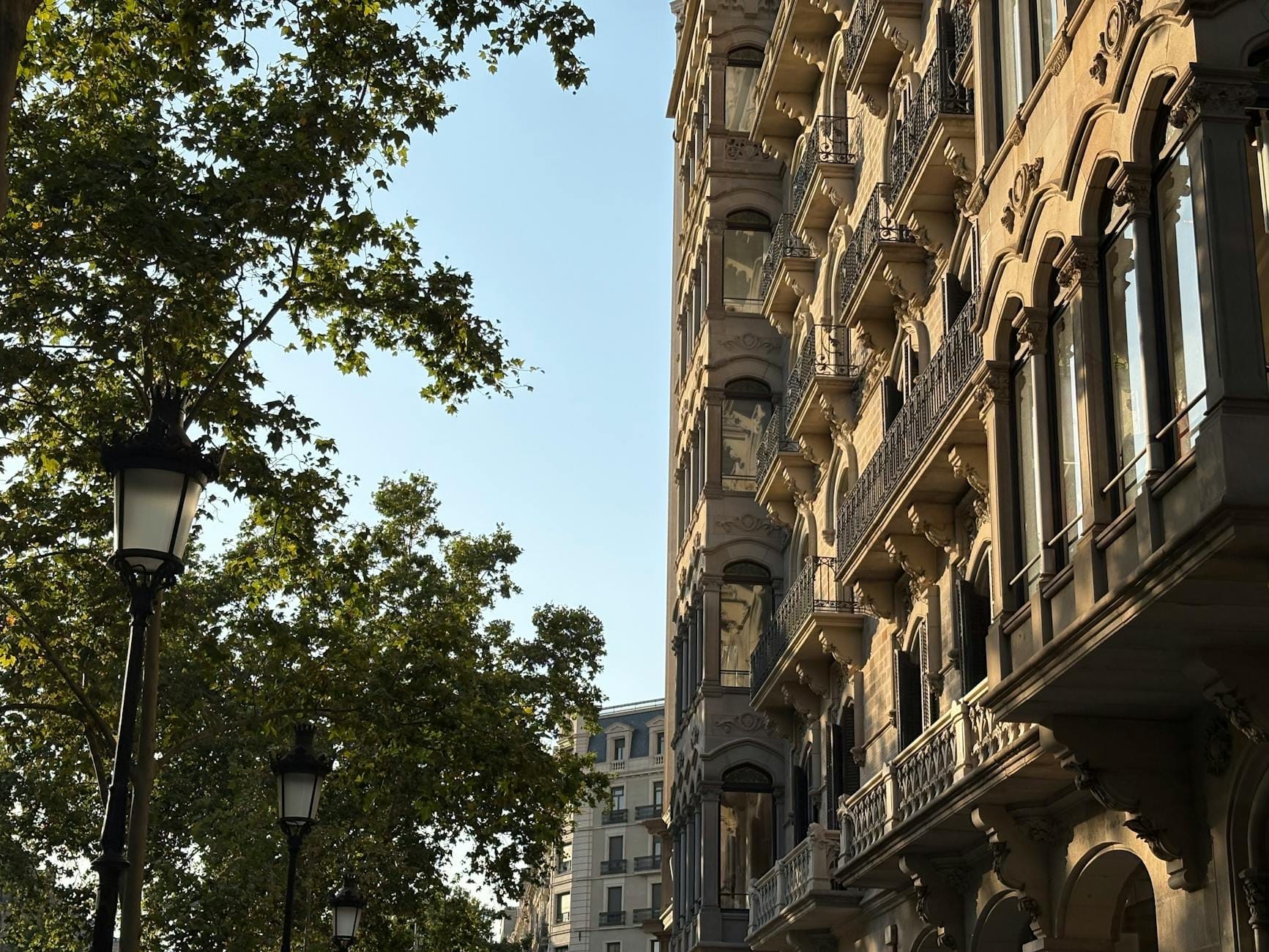
10. Walk the Block of Discord on Passeig de Gràcia
Casa Batlló and Casa Milà both front this grand boulevard, which also hosts buildings by Domènech i Montaner and Puig i Cadafalch. Walking the full stretch between Plaça de Catalunya and Avinguda Diagonal takes about 20 minutes and provides the essential context for Gaudí's place in the Modernista movement.
Explore10. Walk the Block of Discord on Passeig de Gràcia
Casa Batlló and Casa Milà both front this grand boulevard, which also hosts buildings by Domènech i Montaner and Puig i Cadafalch. Walking the full stretch between Plaça de Catalunya and Avinguda Diagonal takes about 20 minutes and provides the essential context for Gaudí's place in the Modernista movement.
Explore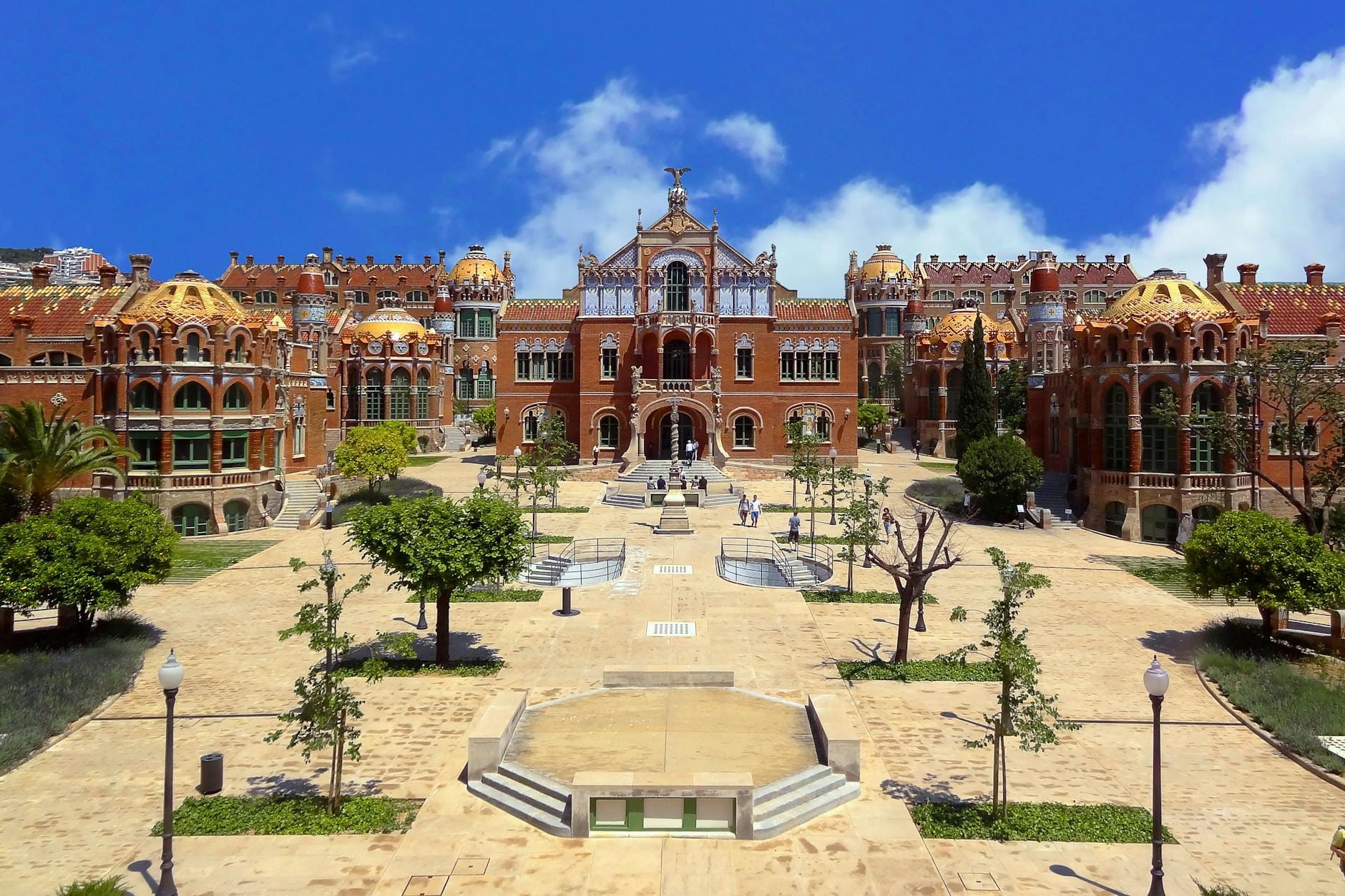
11. Compare Gaudí's Rival: Hospital de Sant Pau
Gaudí's great contemporary Lluís Domènech i Montaner built this UNESCO-listed complex just two blocks from the Sagrada Família. Standing in its mosaic pavilion courtyards makes clear that Gaudí did not work in isolation. Visit after the Sagrada Família for an absorbing architectural comparison. Rarely crowded.
Explore11. Compare Gaudí's Rival: Hospital de Sant Pau
Gaudí's great contemporary Lluís Domènech i Montaner built this UNESCO-listed complex just two blocks from the Sagrada Família. Standing in its mosaic pavilion courtyards makes clear that Gaudí did not work in isolation. Visit after the Sagrada Família for an absorbing architectural comparison. Rarely crowded.
ExplorePractical Tips for Visiting Gaudí's Barcelona
💡 Local tip
The most efficient Gaudí day: morning at the Sagrada Família, lunch near Eixample, afternoon at Casa Batlló or Casa Milà, evening stroll on Passeig de Gràcia. Save Park Güell and Casa Vicens for a separate morning, ideally combined with exploring Gràcia's neighbourhood squares.
ℹ️ Good to know
The Sagrada Família is expected to be formally consecrated in 2026, marking a major milestone after 140+ years of construction. Tower access and new interior sections may open progressively before then. Check sagradafamilia.org for the latest access information before your visit.
⚠️ What to skip
Avoid third-party ticket resellers for Gaudí sites. Prices can be double the official rate, and some tickets sold via street vendors are invalid. Always book direct through official websites listed above.
FAQ
How many Gaudí buildings are in Barcelona?
Gaudí completed around 17 works in and around Barcelona. The seven recognised as UNESCO World Heritage Sites are: Sagrada Família, Park Güell, Casa Batlló, Casa Milà (La Pedrera), Casa Vicens, Palau Güell, and the Colònia Güell Crypt (located outside the city). All except the Colònia Güell Crypt are easily accessible in central Barcelona.
Do I need to book Gaudí attraction tickets in advance?
Yes, for the Sagrada Família, Casa Batlló, and Casa Milà you should book as far ahead as possible, especially between June and September when same-day tickets regularly sell out. Park Güell's Monumental Zone also requires timed tickets booked online. Palau Güell and Casa Vicens are easier to visit without pre-booking, though it is still recommended in peak season.
What is the best order to visit Gaudí's buildings?
Start with the Sagrada Família on a separate morning as it demands the most time. Then dedicate an afternoon to the Passeig de Gràcia cluster: walk from Casa Batlló to Casa Milà, which are about 500 metres apart. On a third visit, combine Park Güell (go early for the best light and fewer crowds) with Casa Vicens and the Casa-Museu Gaudí, all within Gràcia. Palau Güell fits naturally into any afternoon near Las Ramblas.
Is the Sagrada Família finished?
No, but it has been open to visitors since 1915. Construction has continued for over 140 years and is ongoing. The basilica was formally consecrated in November 2026, though some towers and decorative elements may take longer. The interior, nave, and main facades are fully accessible to visitors today.
How much does it cost to visit all Gaudí's buildings in Barcelona?
Rough costs per person at 2025 prices: Sagrada Família €26–40, Casa Batlló €29–42, Casa Milà €28, Park Güell Monument Zone €10.50, Palau Güell €12, Casa Vicens €16, Casa-Museu Gaudí €5.50. Visiting all seven would cost approximately €127–155 per person. The Cascada Monumental in Parc de la Ciutadella and the lampposts at Plaça Reial are free. Always verify current prices on official websites before visiting.
Tickets & tours
Live prices and dates from our booking partner. If you book, we may earn a commission at no extra cost to you.
Planning a trip? Discover personalized activities with the Nomado app.