Barcelona Itinerary: How to Spend 3 Days in the City
Three days in Barcelona is enough to cover the city's greatest landmarks without rushing, if you plan smartly. This itinerary balances iconic Gaudí architecture, medieval streets, seafront walks, and local markets, with honest advice on what to skip, what to book ahead, and how to move between neighborhoods efficiently.
Tickets & tours
Live prices and dates from our booking partner. If you book, we may earn a commission at no extra cost to you.
TL;DR
- Book Sagrada Família, Park Güell, and Casa Milà tickets 2-3 months in advance, timed entry is mandatory and walk-up queues are brutal.
- Day 1 focuses on Eixample and Gaudí: Sagrada Família in the morning, then Passeig de Gràcia and Casa Milà in the afternoon.
- Day 2 covers the Gothic Quarter, El Born, and Barceloneta, all walkable and best explored on foot.
- Day 3 takes you up to Montjuïc and Park Güell, the two hilltop experiences that bookend the city geographically.
- May-June and September-October are the best months: mild temperatures and slightly thinner crowds than peak summer.
Before You Arrive: Logistics and Booking Strategy
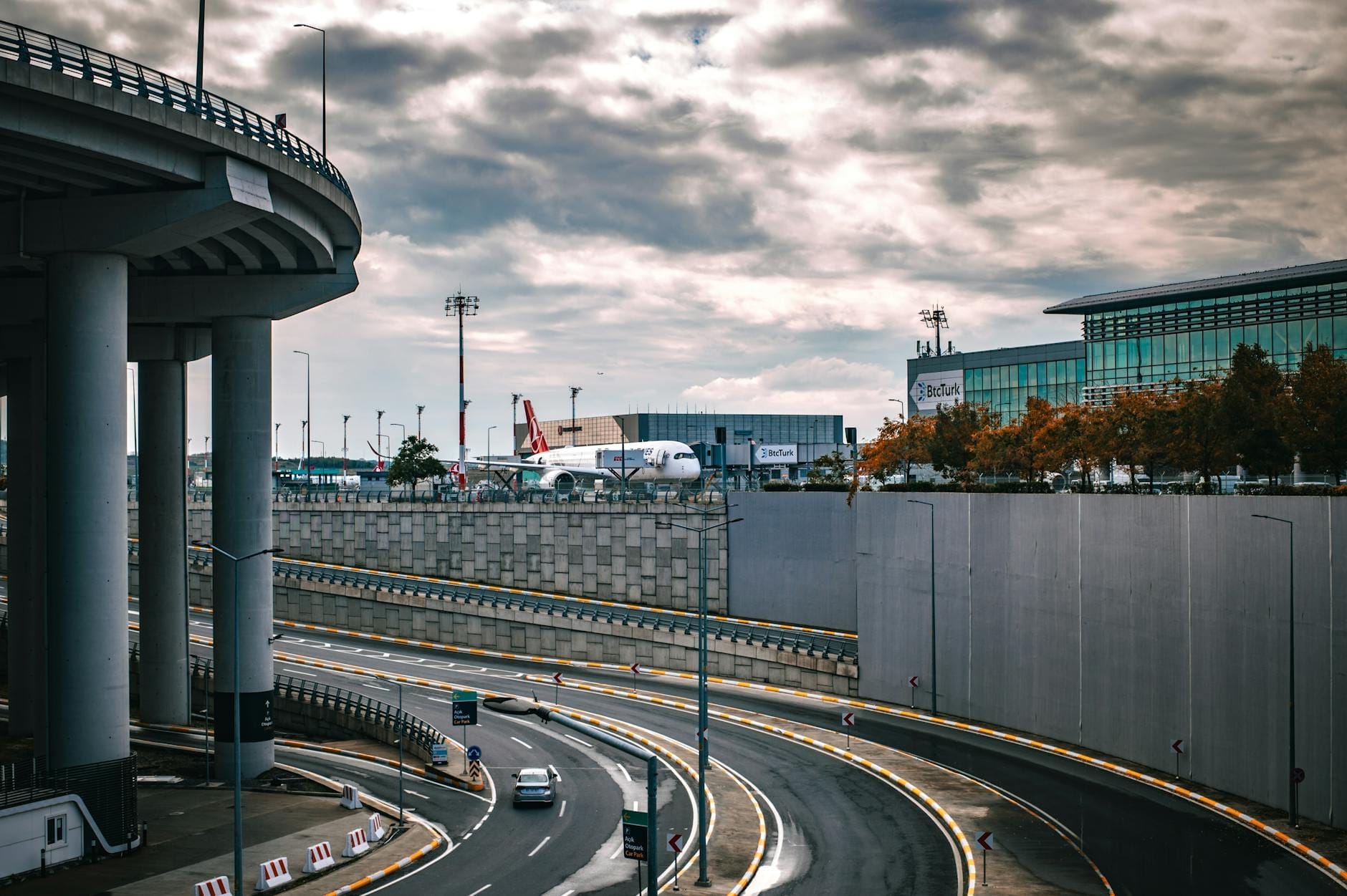
Barcelona's Josep Tarradellas Barcelona-El Prat Airport (BCN) sits around 12-15 km southwest of the city center. The Aerobus express coach runs directly to Plaça de Catalunya in 20-35 minutes and costs €7.45 one-way (€12.85 return). Metro Line 9 Sud is cheaper (around 5.50€) but requires a transfer at Torrassa or Zona Universitària to reach most central neighborhoods, adding time. A taxi or rideshare (Uber, Bolt, Cabify) costs 25-35€ and is worth it late at night or with luggage.
The single most important pre-trip task is booking your Gaudí sites. Sagrada Família, Park Güell, and Casa Milà all require timed-entry tickets purchased online. In peak season these sell out weeks or months ahead. Buy through official channels only: sagradafamilia.org, parkguell.barcelona, and lapedrera.com. Third-party resellers charge significant markups for the same tickets.
⚠️ What to skip
La Boqueria market on La Rambla is one of the most photographed markets in Europe, but it has evolved heavily toward tourist trade. Prices are high, vendors cater to visitors rather than locals, and quality varies. Go for the atmosphere and a coffee, but do your actual food shopping at Mercat de Santa Caterina in El Born, which is cheaper, less crowded, and far more authentic.
Day 1: Eixample and the Gaudí Landmarks
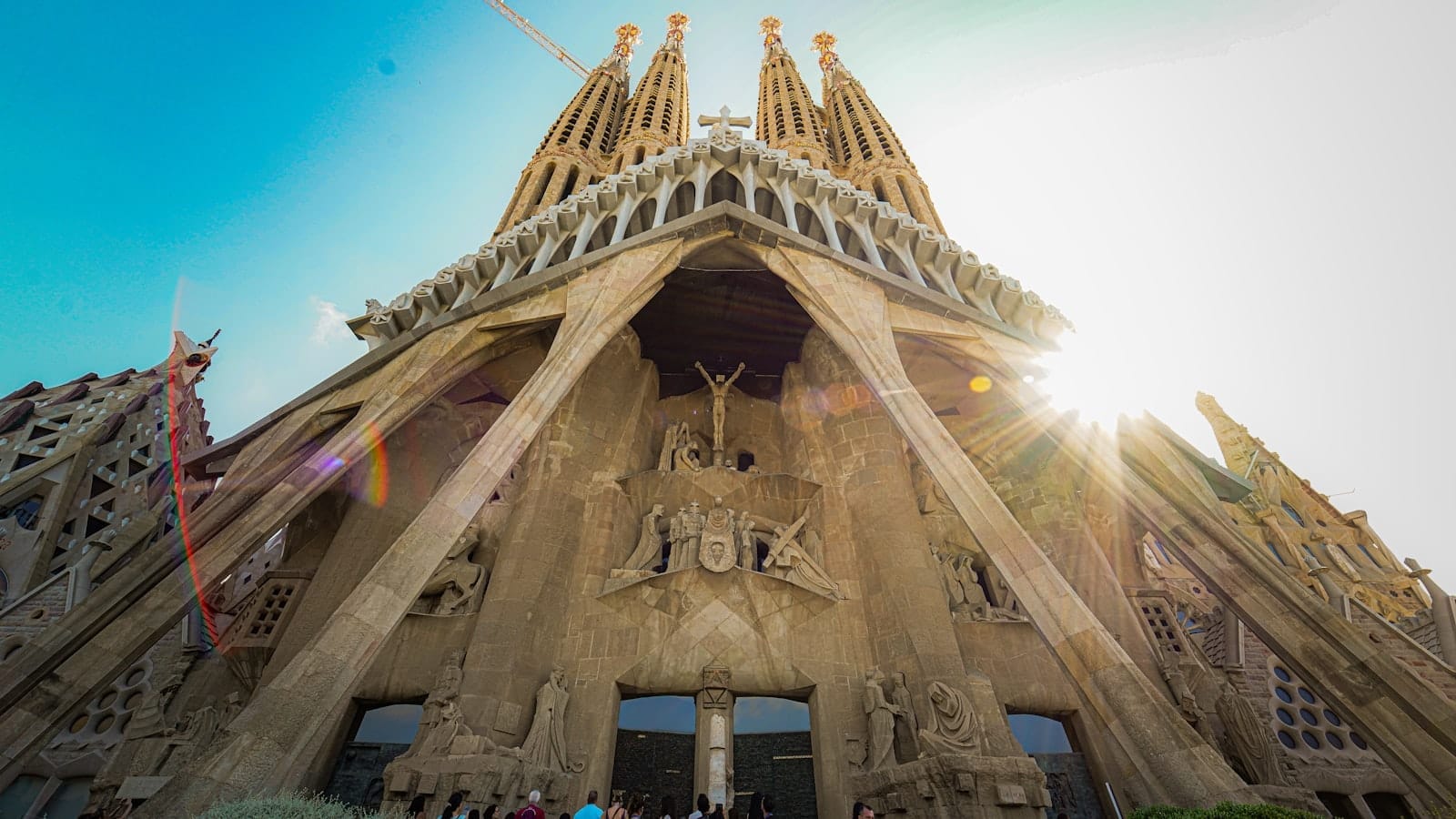
Start early at Sagrada Família. Doors open at 9:30 AM and the first hour is genuinely quieter than midday. The basilica has been under construction since 1882, and its completion is targeted for 2026-2032, meaning visitors right now witness it at a rare transitional moment. Book the tower access add-on when purchasing tickets: the views over Eixample's grid from the Nativity or Passion towers are worth the extra cost and the climb.
After Sagrada Família, walk or take the metro southwest to Passeig de Gràcia for lunch. This broad boulevard is lined with Modernisme architecture, including Casa Batlló and Casa Milà (La Pedrera). If you only go inside one, make it La Pedrera. The rooftop warrior-chimneys at sunset are among the most photographed scenes in Barcelona, and the interior apartment floor shows exactly what Gaudí's domestic spaces looked like in daily use. Evening tickets sometimes include a live music session on the rooftop, worth checking when you book.
💡 Local tip
The Manzana de la Discordia ('Block of Discord') on Passeig de Gràcia between Carrer d'Aragó and Carrer del Consell de Cent puts three rival Modernisme masterpieces side by side: Casa Lleó Morera, Casa Amatller, and Casa Batlló. You can admire all three facades for free from the pavement in about ten minutes.
Day 2: Gothic Quarter, El Born, and Barceloneta
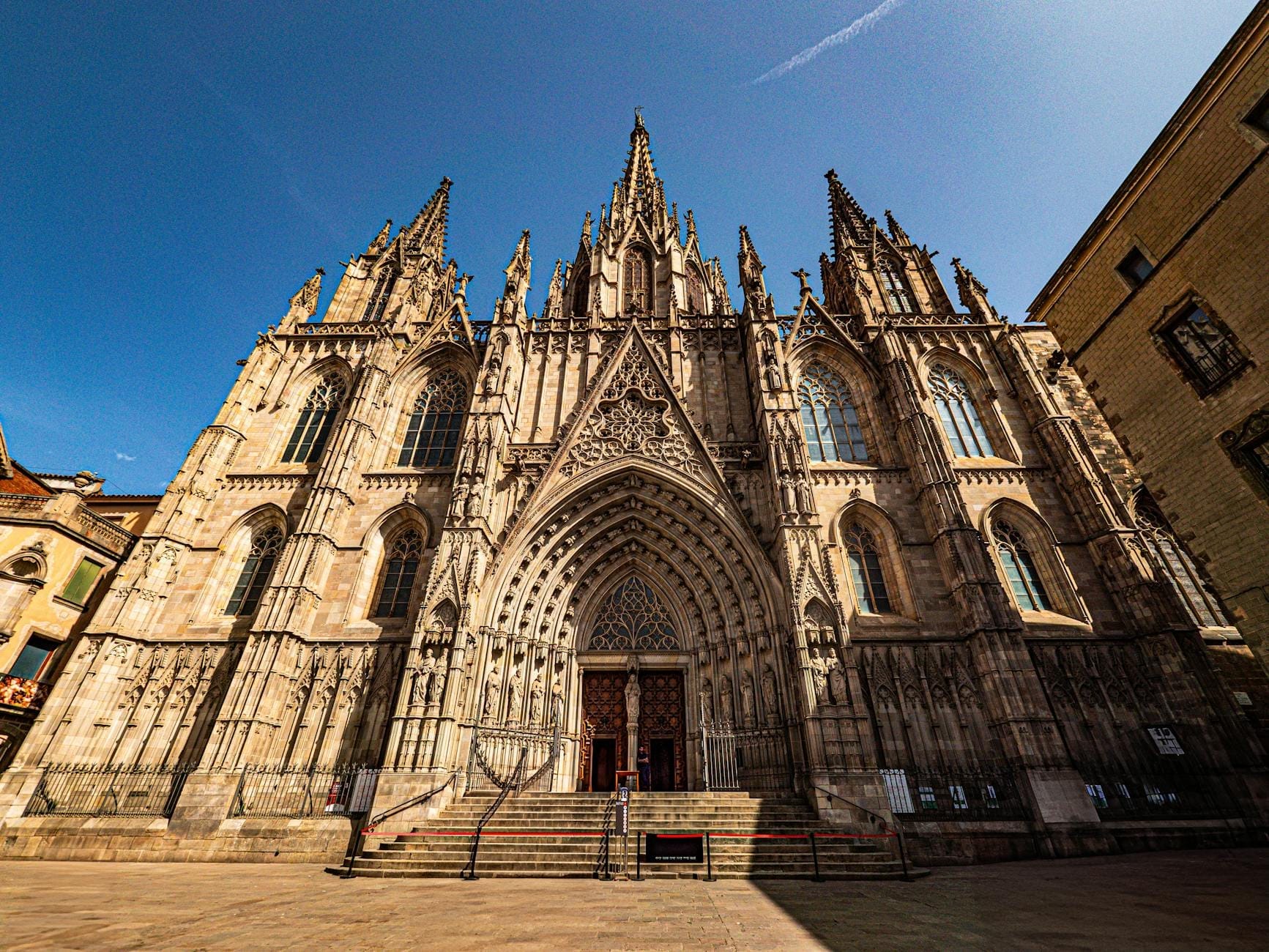
The Gothic Quarter rewards early risers. By 9:00 AM the narrow Roman-era streets around the Barcelona Cathedral are nearly empty, the light is cool, and the medieval stonework reads without the distortion of crowds. The Barcelona Cathedral itself is free to enter in the morning; a small fee applies for the rooftop terrace, which gives a view over the tangle of Gothic rooftops toward the sea. Don't miss the cloister, where thirteen geese are kept as a centuries-old tradition linked to Saint Eulàlia.
From the Cathedral, walk south past Carrer del Bisbe to Plaça de Sant Jaume, the political heart of Barcelona where the Catalan government (Generalitat) and Barcelona city hall face each other across a square. Then cut east into El Born, the neighborhood that arguably has the best concentration of good restaurants and independent shops per square meter in the city.
In El Born, the Museu Picasso Barcelona occupies five connected medieval palaces on Carrer de Montcada. The collection focuses on Picasso's formative years in Barcelona and his remarkable Las Meninas series. Book tickets in advance. A short walk away, the Basilica de Santa Maria del Mar is one of the finest Gothic churches in Europe and far less visited than the Cathedral despite being architecturally superior in many respects. Entry is free during non-service hours.
After lunch in El Born, walk southeast through the Parc de la Ciutadella to reach the seafront. The park contains the Cascada Monumental fountain, a project the young Gaudí contributed to as a student, and rowboat rentals on the central lake. It also houses the Parliament of Catalonia. The park connects naturally to Barceloneta, where you can walk the beach promenade, have a beer at a chiringuito beach bar, or swim if the season is right. Barceloneta in summer is loud, crowded, and chaotic — which is fine if you know what you're getting.
- Palau de la Música Catalana A UNESCO World Heritage Site designed by Lluís Domènech i Montaner (not Gaudí, a common mistake). The stained-glass skylight in the main hall is extraordinary. Guided tours run daily; attending an evening concert is the best way to see it in context. Book via palaumusica.cat.
- Mercat de Santa Caterina The wavy mosaic roof makes it visually striking from above, and unlike La Boqueria it functions primarily as a neighborhood market. Good for fresh produce, cheese, and a quick lunch.
- El Born Centre de Cultura i Memòria Built over the excavated ruins of the Ribera neighborhood destroyed in 1714, this free cultural center offers one of Barcelona's most unusual historical experiences: walking above an actual buried city.
Day 3: Park Güell, Gràcia, and Montjuïc
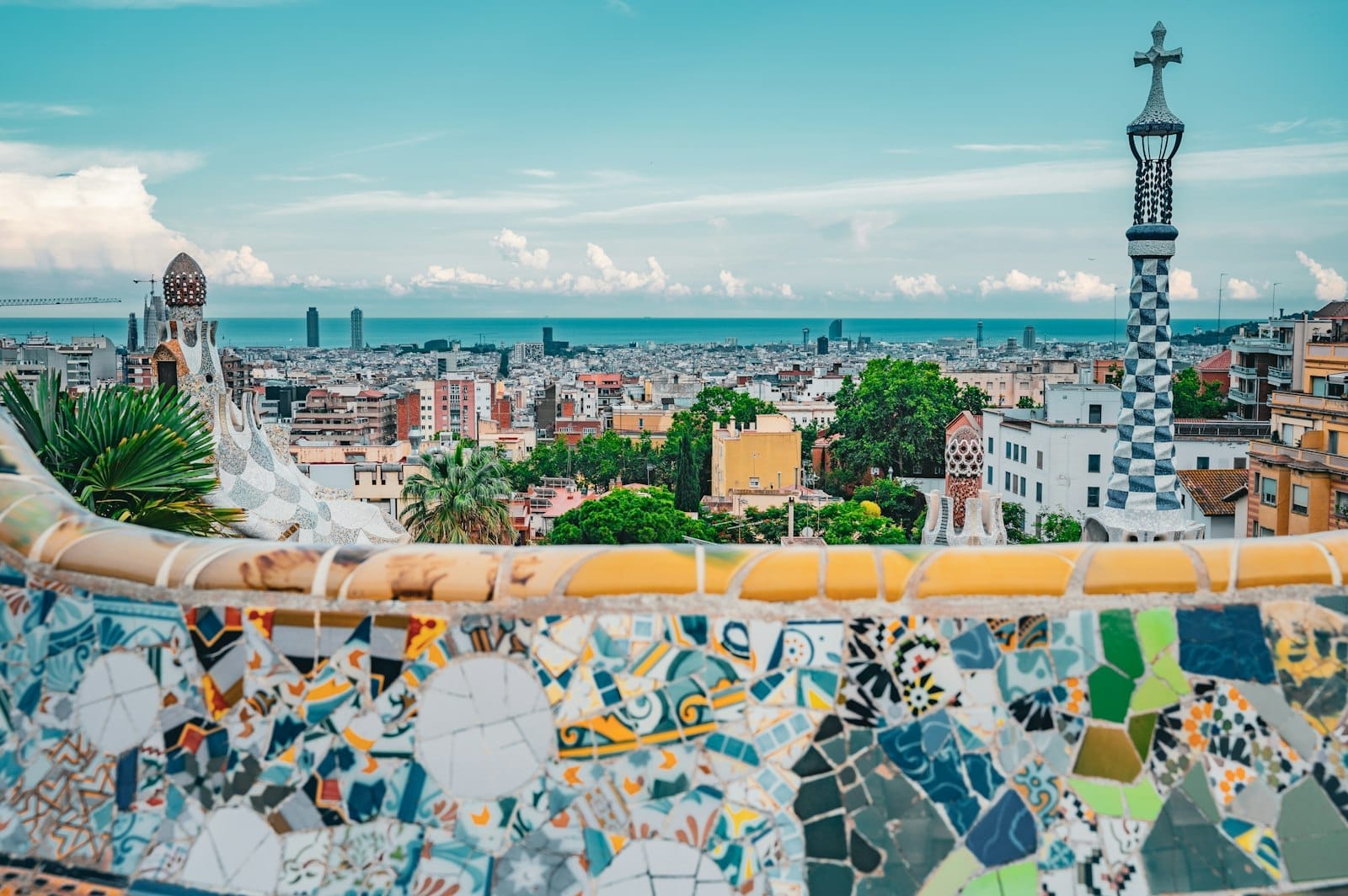
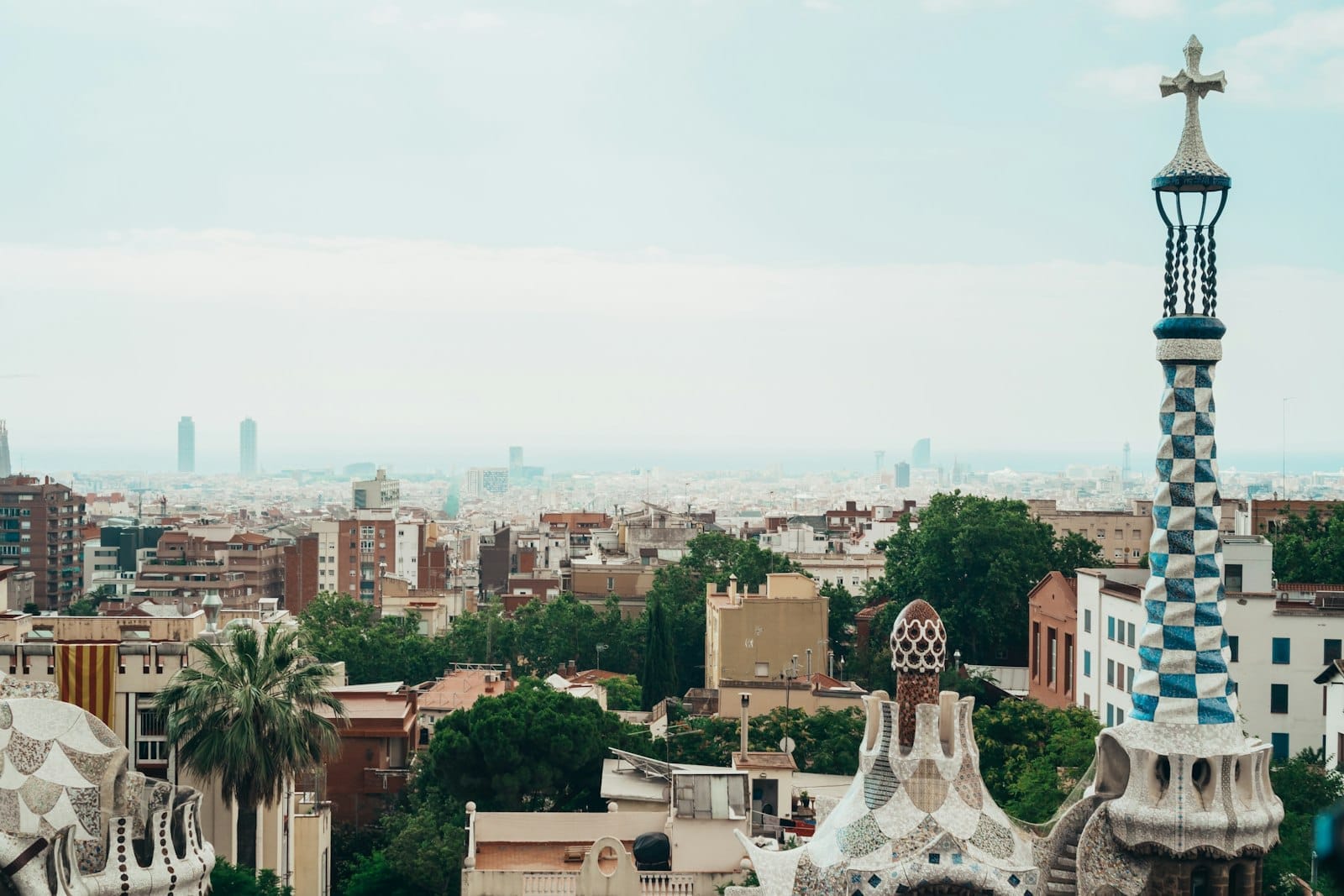
Start morning three at Park Güell. The Monumental Zone (the ticketed area with the dragon staircase and mosaic terrace) has timed entry slots; book the first available morning slot. The terrace offers a sweeping view of Barcelona stretching to the sea, with Sagrada Família's towers identifiable in the middle distance. Outside the ticketed zone, the park's forested paths and viaducts are free to enter and considerably less crowded.
Walk downhill from Park Güell into Gràcia, the former independent village that became Barcelona's most distinctively local neighborhood after annexation in 1897. The squares, particularly Plaça del Sol and Plaça de la Vila de Gràcia, fill with locals rather than tourists in the afternoon. Lunch here is generally better value than in the Gothic Quarter or Barceloneta.
Spend the afternoon on Montjuïc hill. The Montjuïc cable car from Barceloneta is a scenic option for the ascent. At the top, the Museu Nacional d'Art de Catalunya (MNAC) houses the world's finest collection of Romanesque art, housed inside the Palau Nacional from the 1929 International Exposition. Even if you skip the museum, the terrace views from the Palau Nacional steps are worth the trip. The Fundació Joan Miró is also here and deserves two hours if modern art is your interest.
✨ Pro tip
The Magic Fountain (Font Màgica) at the base of Montjuïc runs free light-and-music shows on weekend evenings from spring through autumn. Check the Barcelona Tourism website for the current schedule before your visit, as hours shift by season. It draws crowds but costs nothing and makes for a spectacular final night in the city.
Getting Around: Neighborhoods and Transport Logic
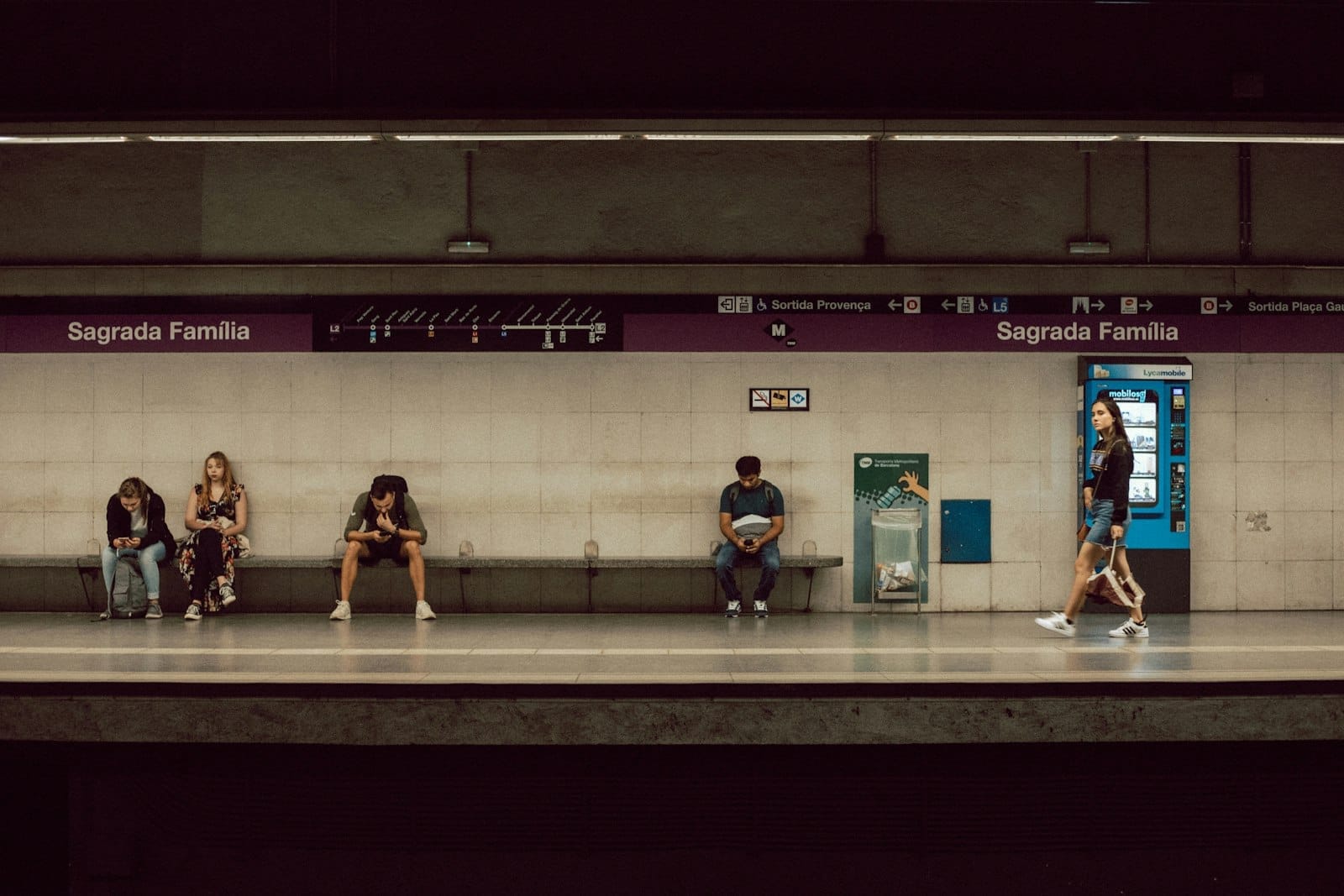
Barcelona's metro (operated by TMB) is fast, cheap, and covers all the major tourist areas. A T-Casual 10-trip card works out significantly cheaper than buying single tickets. The Gothic Quarter, El Born, and Barceloneta are all walkable from each other; the real transport question is getting between the old town and Eixample (quick metro), and between either district and the two hills (Montjuïc and the Park Güell area). For Montjuïc, Bus 150 from Plaça d'Espanya is the simplest option. For Park Güell, Bus 24 from Passeig de Gràcia runs directly to the park entrance.
- Metro single ticket: around 2.55€; T-Casual 10-trip card: around €13 — the card pays for itself quickly over 3 days
- Aerobus to/from airport: €7.45 one-way / €12.85 return, departs from Plaça de Catalunya every 5-10 minutes
- Taxis and rideshare (Uber, Bolt, Cabify) are reliable and relatively affordable for late nights or cross-city trips with luggage
- Barcelona is a walkable city but the hills are genuinely steep — comfortable shoes matter more than in most European cities
- The T-MobilityCard (formerly the integrated transport card) covers metro, bus, tram, FGC, and some regional trains on a single fare system
Honest Assessments: What to Adjust or Skip
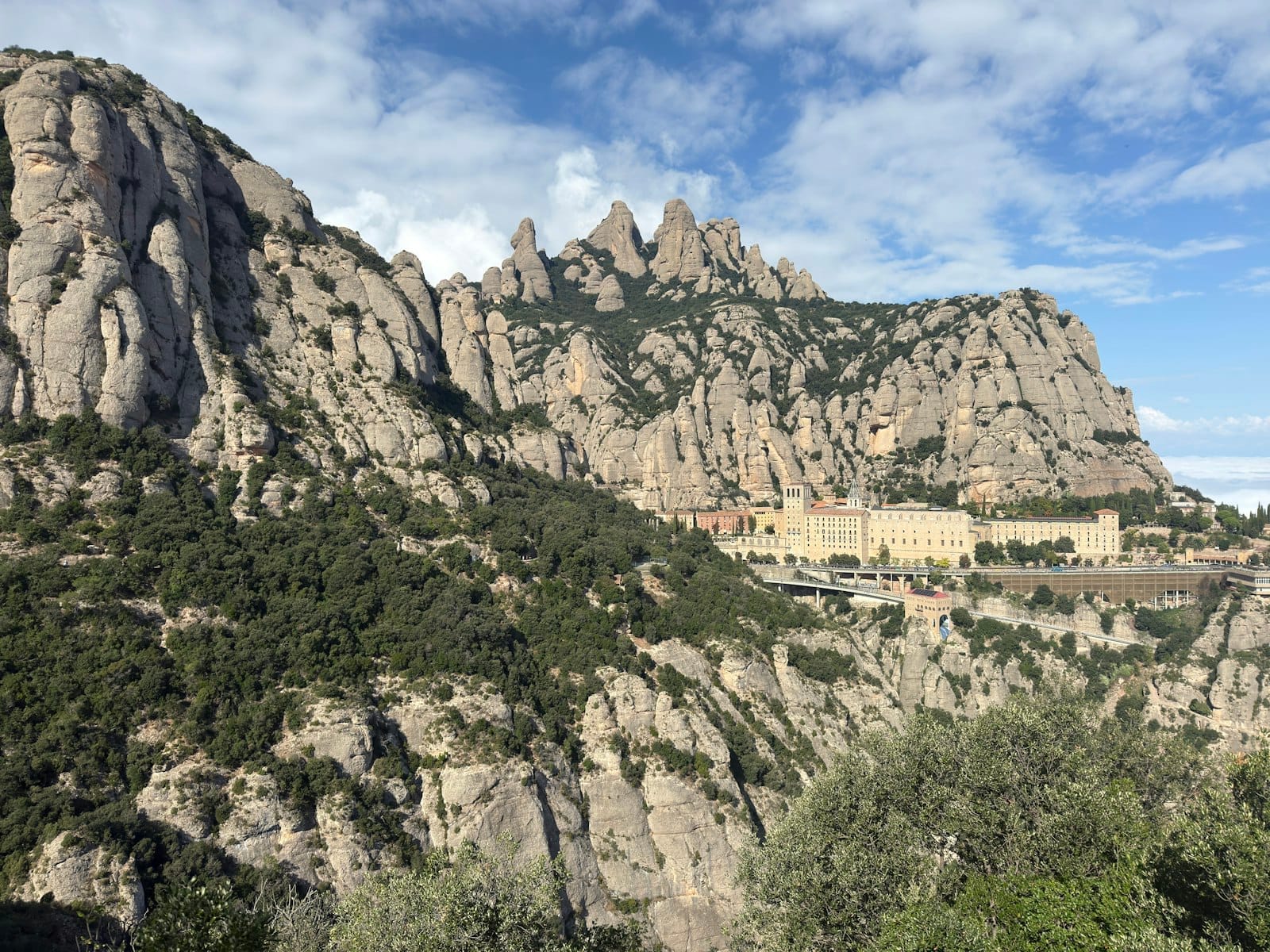
Three days is a solid foundation but not a complete picture. Montserrat, the mountain monastery 60 km northwest of the city, is one of Catalonia's most visited day trips but doesn't fit comfortably into a 3-day urban itinerary. If it's a priority, see the Barcelona day trips guide and swap it for the Montjuïc afternoon on Day 3.
La Rambla gets a lot of attention in travel writing, but it functions primarily as a transit corridor between Plaça de Catalunya and the port. The Font de Canaletes at the top has genuine local significance (FC Barcelona fans gather here after wins), and the Mirador de Colom at the bottom is worth a glance. Otherwise, La Rambla's cafes and restaurants are overpriced, and pickpocketing on the boulevard is a well-documented issue. Walk it once, quickly, and spend your meal budget one street over.
For travelers interested in going deeper into the city's less-visited corners, the hidden gems in Barcelona guide covers neighborhoods and sites that don't appear on standard itineraries. Similarly, if budget is a constraint, the Barcelona on a budget guide breaks down free entry days, cheap transport combos, and which paid attractions are genuinely worth the price.
FAQ
Is 3 days enough for Barcelona?
Three days covers the main landmarks comfortably if you book timed entries in advance and don't try to squeeze in day trips. You'll see Sagrada Família, Park Güell, Casa Milà, the Gothic Quarter, El Born, Barceloneta, and Montjuïc. What you won't get is depth in any single area. If architecture or art is your focus, four or five days lets you slow down and explore neighborhoods like Gràcia or Poblenou properly.
When is the best time to visit Barcelona for a 3-day trip?
May-June and September-October are the sweet spots. Temperatures are comfortable for walking (roughly 18-24°C), the sea is warm enough to swim in from late June, and crowds are lighter than July-August. July and August are hot (regularly above 28°C), extremely crowded, and accommodation prices peak. December-February is quietest and cheapest, but some outdoor sites and beach areas feel less alive.
How far in advance should I book Sagrada Família tickets?
Book as early as possible, ideally 2-3 months ahead for peak season (June-September and Easter week). In shoulder season (April-May, October) a few weeks ahead is usually sufficient, but there's no downside to booking earlier. Always book directly through sagradafamilia.org. The ticket includes basic entry; tower access and audioguides are paid add-ons you select at checkout.
What is the best neighborhood to stay in for a 3-day trip?
Eixample is the most practical base: central, well-connected by metro, and within walking distance of Sagrada Família and Passeig de Gràcia. El Born suits travelers who prioritize the medieval neighborhoods and nightlife over Gaudí architecture. The Gothic Quarter is atmospheric but can feel noisy at night and is more tourist-dense than other options. Avoid Barceloneta as a base unless beach access is your top priority, as it's further from most landmark sites.
Do I need to speak Spanish or Catalan in Barcelona?
English is widely spoken in tourist areas, hotels, and most restaurants. Barcelona's official languages are Catalan and Spanish. Catalan is the dominant language you'll see on street signs and hear among locals. A few words of either language are appreciated, but you won't struggle to get by in English. The city is one of the most internationally navigable in Southern Europe.
Tickets & tours
Live prices and dates from our booking partner. If you book, we may earn a commission at no extra cost to you.
Planning a trip? Discover personalized activities with the Nomado app.