Best Time to Visit Barcelona: A Month-by-Month Planning Guide
Choosing the best time to visit Barcelona depends on more than just sunshine. This guide breaks down every season by temperature, crowd levels, events, and value, so you can match your trip to your priorities rather than defaulting to peak summer.
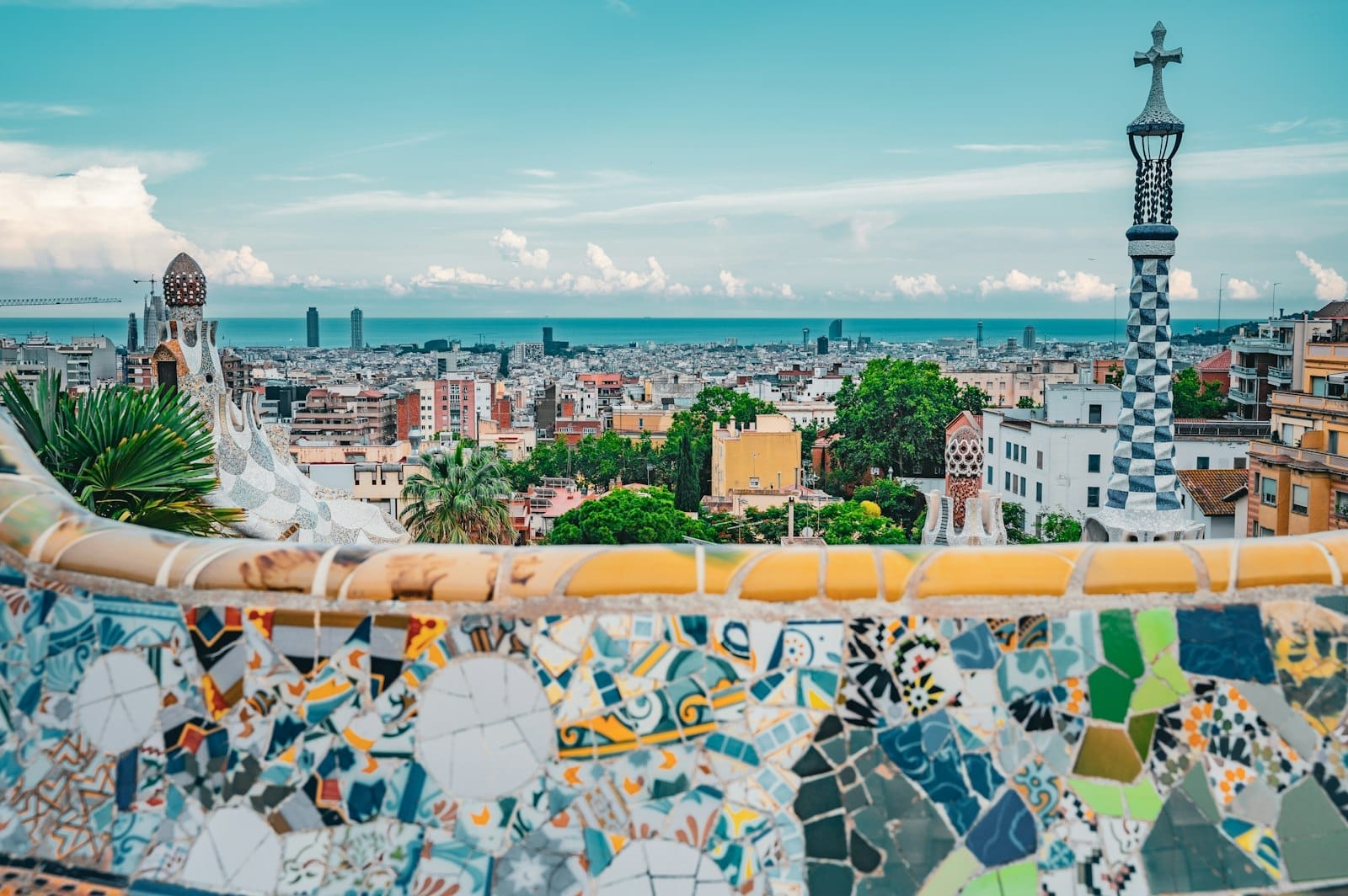
Tickets & tours
Live prices and dates from our booking partner. If you book, we may earn a commission at no extra cost to you.
TL;DR
- May-June and September-October are the strongest windows: temperatures of 16-26°C, shorter queues at Sagrada Família and Park Güell, and noticeably lower hotel rates than July-August.
- Summer (June-August) means warm beaches and major festivals, but also peak prices, crowds, and heat that can push 30°C+.
- Winter (December-February) is underrated: dry, mild at 8-15°C, very few tourists, and Barcelona's urban culture shines without the chaos.
- FC Barcelona home matches run from early August to mid-May — check the club's official site for the current home venue, as the Camp Nou renovation may affect match locations.
- Always book Sagrada Família and Park Güell tickets in advance at the official sites, regardless of when you visit. See our full things to do in Barcelona guide for trip planning.
Spring (March to May): The Strongest Overall Window
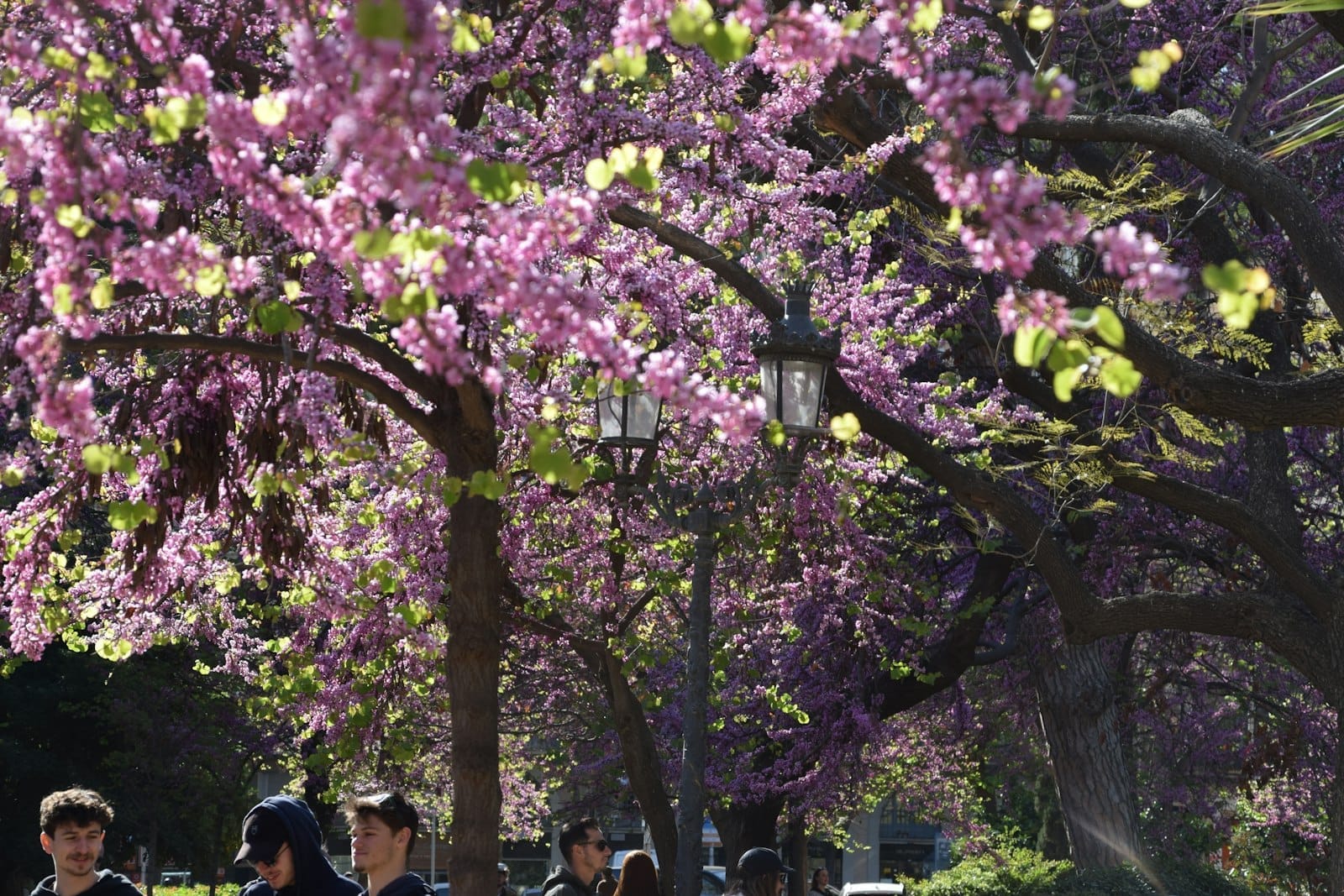
Spring is consistently the best time to visit Barcelona for most travelers. Temperatures climb from around 13°C in March to 22°C by May, the parks are in bloom, and the summer crowds have not yet arrived. Lines at major attractions are manageable, accommodation prices are still reasonable, and you can cover a lot of the city on foot without the punishing heat of July and August.
April brings Semana Santa (Holy Week), with solemn processions through the Gothic Quarter and coastal neighbourhoods. It is a genuine cultural event but also draws domestic tourists, so expect hotels to fill quickly around Easter. Sant Jordi on April 23 is arguably Barcelona's most charming day: the city fills with book and rose stalls, and locals exchange gifts on the streets of El Born and Gràcia.
May is the pick of the entire spring. The Primavera Sound festival (late May to early June) draws an international crowd and is one of Europe's most respected music events, but it does push accommodation rates up for those specific days. If you are not attending the festival, the days around it are ideal for seeing the city with slightly lighter crowds than the post-festival June surge.
💡 Local tip
For the Sagrada Família, book timed-entry tickets at sagradafamilia.org at least two weeks in advance, even in spring. Morning slots from 9am fill first; the 5-7pm light through the western stained glass is worth choosing an afternoon slot instead.
Summer (June to August): Beaches and Festivals, With Real Trade-Offs
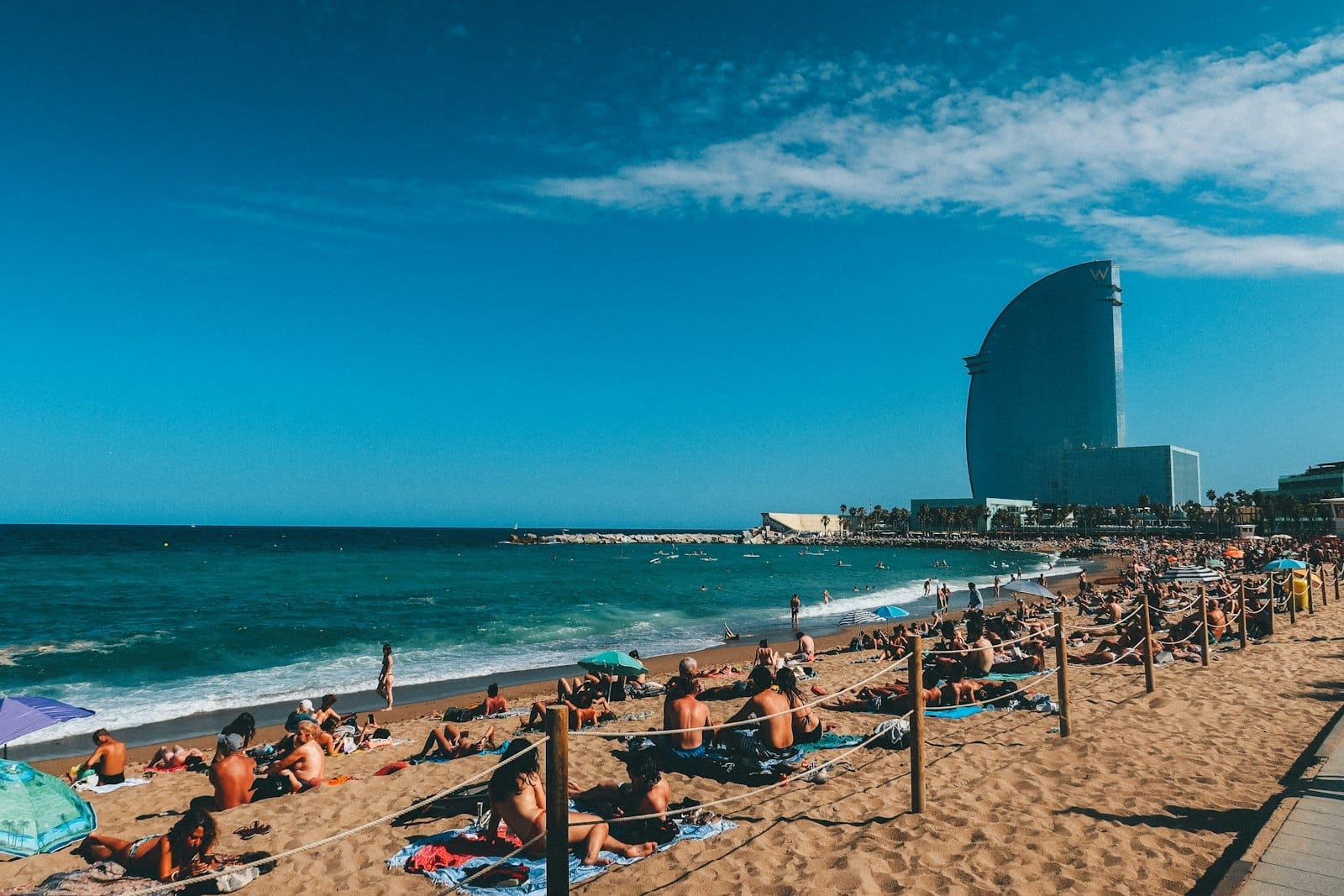
Barcelona in summer is the experience most people picture: warm evenings on terrace bars, packed beaches at Barceloneta, and a city running at full speed. Sea temperatures reach 22-25°C by July, making the water genuinely comfortable for swimming. The trade-off is that this is peak everything: peak prices, peak crowds, and peak heat. Daytime temperatures regularly hit 28-31°C, which makes walking the compact streets of the Barri Gòtic uncomfortable by midday.
July and August are when Barcelona's tourist infrastructure is at full stretch. La Boqueria market shifts almost entirely to tourist trade in these months. The Barceloneta beach is crowded from 11am onwards. Hotels in the city centre can cost two to three times their winter rate. That said, summer is when Barcelona's festival calendar is richest, and the city genuinely comes alive after dark.
- La Mercè (late September) Barcelona's biggest city festival, technically early autumn but worth noting. Free concerts, human towers (castellers), fire runs, and events across the city.
- Primavera Sound (late May/early June) World-class music festival at Parc del Fòrum. Draws 70,000+ attendees daily, so book accommodation months ahead.
- Sonar Festival (June) Electronic and experimental music over three days. Centered in the city, with day and night venues. Accommodation prices spike.
- Sant Joan (June 23-24) Midsummer celebration with fireworks and beach parties. One of the most atmospheric nights of the year, though the beaches are extremely crowded.
⚠️ What to skip
August is when many local Barcelona businesses close and residents leave the city. Some neighbourhood restaurants and independent shops shut for two to four weeks. The city can feel more like a tourist park than a living city during the second half of August.
Autumn (September to November): Underrated and Often Ideal
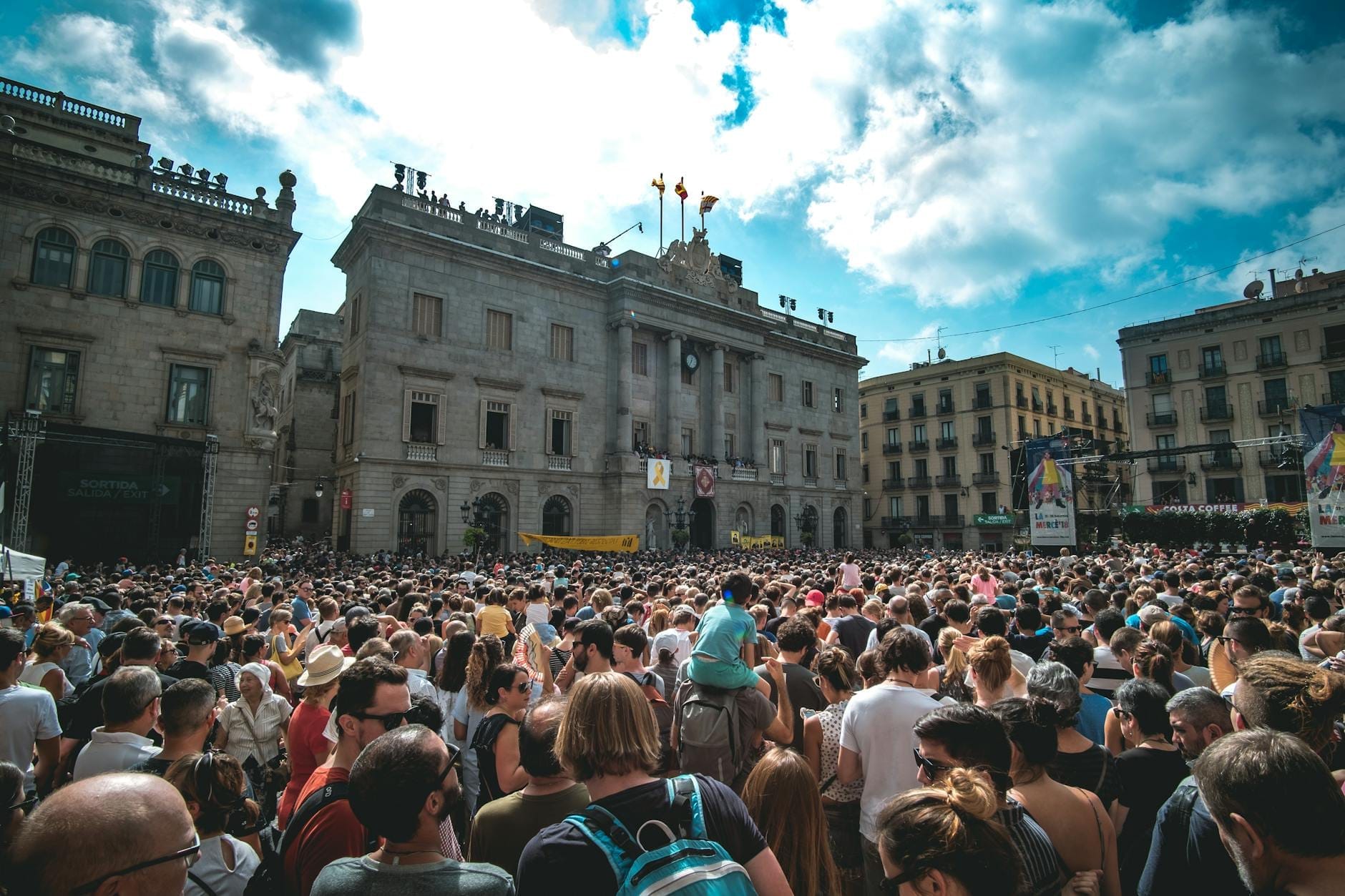
September is a transitional month that many experienced travellers rate as the single best time to visit Barcelona. The summer crowds thin out after the first week, the sea is still swimmable at 23-24°C, temperatures sit between 20-26°C, and La Mercè festival in the third week of September gives you major city celebrations without summer pricing.
October is where you start to feel the shift. Temperatures drop to around 16-22°C, rain becomes more frequent (October and November see Barcelona's highest monthly rainfall), and the beach season ends for most visitors. But this is also when the city's cultural calendar accelerates: the Barcelona Jazz Festival runs through October and November, and galleries and theatres reopen after summer. The Palau de la Música Catalana has some of its finest programming from autumn through spring.
November is genuinely quiet. Prices drop, queues disappear, and the city is navigable at a pace that summer does not allow. The trade-off is that some days are grey and wet, and the city's outdoor character is muted. If your trip is primarily museums, architecture, and food rather than beaches, November works well.
Winter (December to February): Quiet, Affordable, and Undervalued
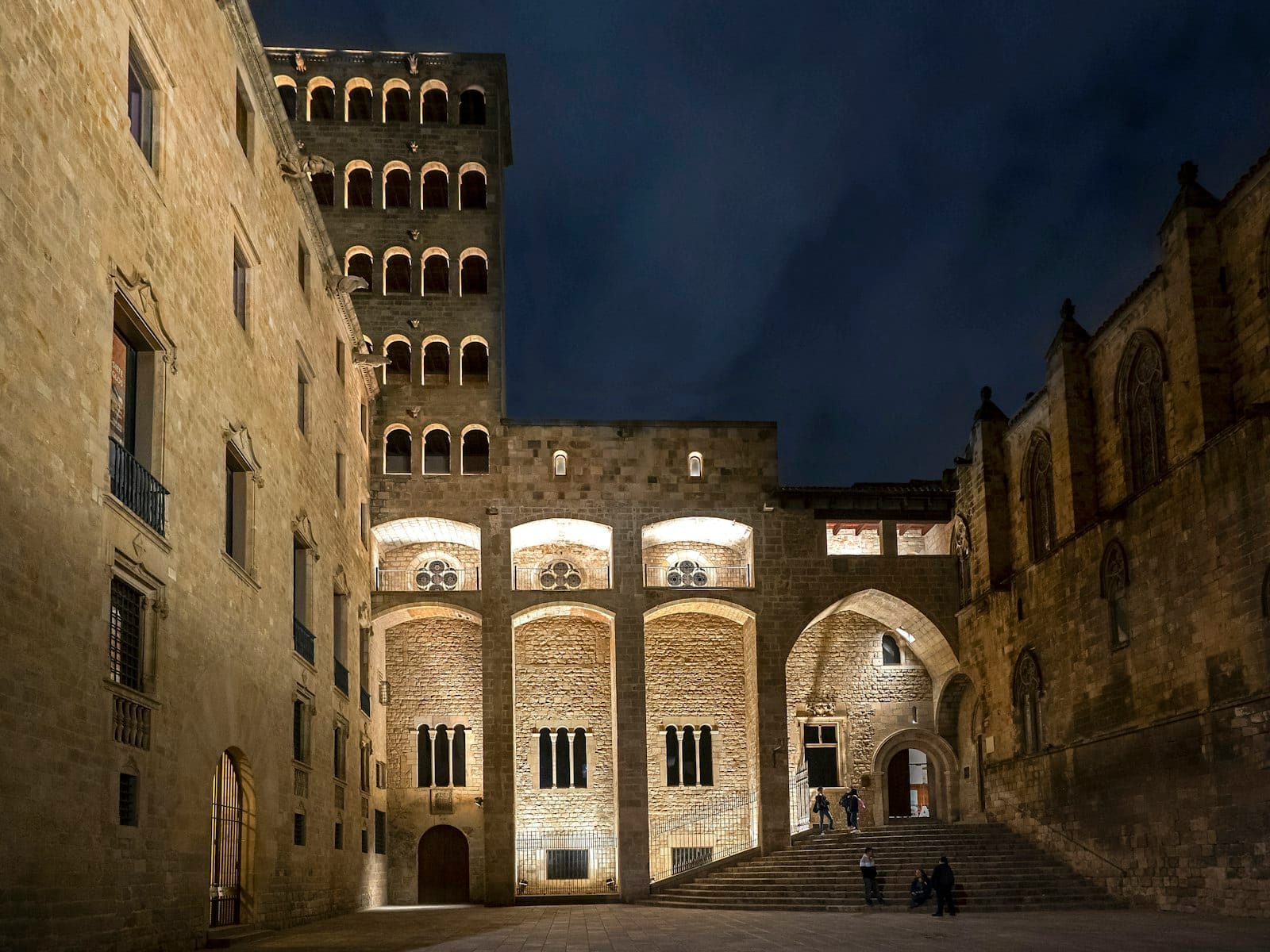
Winter is the most underrated season for Barcelona. Temperatures rarely drop below 7°C and never reach freezing in the city centre. Snow is essentially unknown at sea level. February is statistically the driest month of the year, making it more reliably clear than many assume. The city runs at a calm pace, accommodation is at its cheapest, and you will find no queues at Park Güell or the Barcelona Cathedral.
December has Christmas markets around Plaça de Catalunya and the Gothic Quarter, and the city is decorated and festive. The Catalan tradition of the Caga Tió (a character unique to Catalan Christmas culture) is worth understanding before you visit, and the Tió de Nadal market near the Barcelona Cathedral is one of Europe's more unusual Christmas markets.
✨ Pro tip
January after the Reyes Magos (Three Kings) celebrations on January 6 is the quietest and cheapest week of the entire year in Barcelona. Flight and hotel deals are significant, and the city is almost entirely back to local rhythms. If budget is your primary constraint, this is the window to target.
FC Barcelona home matches run from early August through mid-May, and attending a winter match is a genuine experience even for casual football fans. The stadium atmosphere in the cold months, with full capacity crowds, is something the stadium tour alone cannot replicate. Check the official FC Barcelona website for the current home venue and calendar well ahead, as popular fixtures sell out months in advance and the ongoing Camp Nou renovation may affect where matches are played.
Month-by-Month Snapshot: Crowds, Weather, and Value
- January Very quiet, 8-13°C, cheapest month for flights and hotels. Dry and clear days are common. Best for budget travellers and museum-focused trips.
- February Driest month statistically. 8-15°C. Carnival (Carnaval) celebrations in Sitges (40 min by train) are extraordinary and worth a day trip.
- March Shoulder season begins. 11-17°C. Crowds are low, parks are greening up, and sightseeing pace is comfortable.
- April Easter brings domestic visitors. 13-20°C. Sant Jordi on April 23 is the city's most distinctive cultural day.
- May Peak spring. 16-23°C. Long daylight, low to moderate crowds, Primavera Sound at month's end. Strong all-round choice.
- June Transition to summer. 19-26°C. Beach season starts. Sonar festival mid-month. Crowds and prices climbing.
- July Peak summer. 22-29°C. Sea 24°C+. Maximum crowds and prices. Book everything months ahead.
- August Hottest and busiest. 22-29°C. Many local businesses close. Tourist saturation is real. Worth avoiding unless beaches are the primary goal.
- September Best late-summer option. 20-26°C, sea still warm. La Mercè festival third week. Crowds thin after the first week.
- October 16-22°C. Jazz Festival begins. More rain than summer but still manageable. Good cultural travel month.
- November 13-18°C. Quiet, wet, cheap. Excellent for architecture and gastronomy focused trips.
- December 9-15°C. Christmas markets and festive atmosphere. Crowds return briefly for Christmas week, then drop sharply.
Practical Considerations: Booking, Crowds, and Getting There
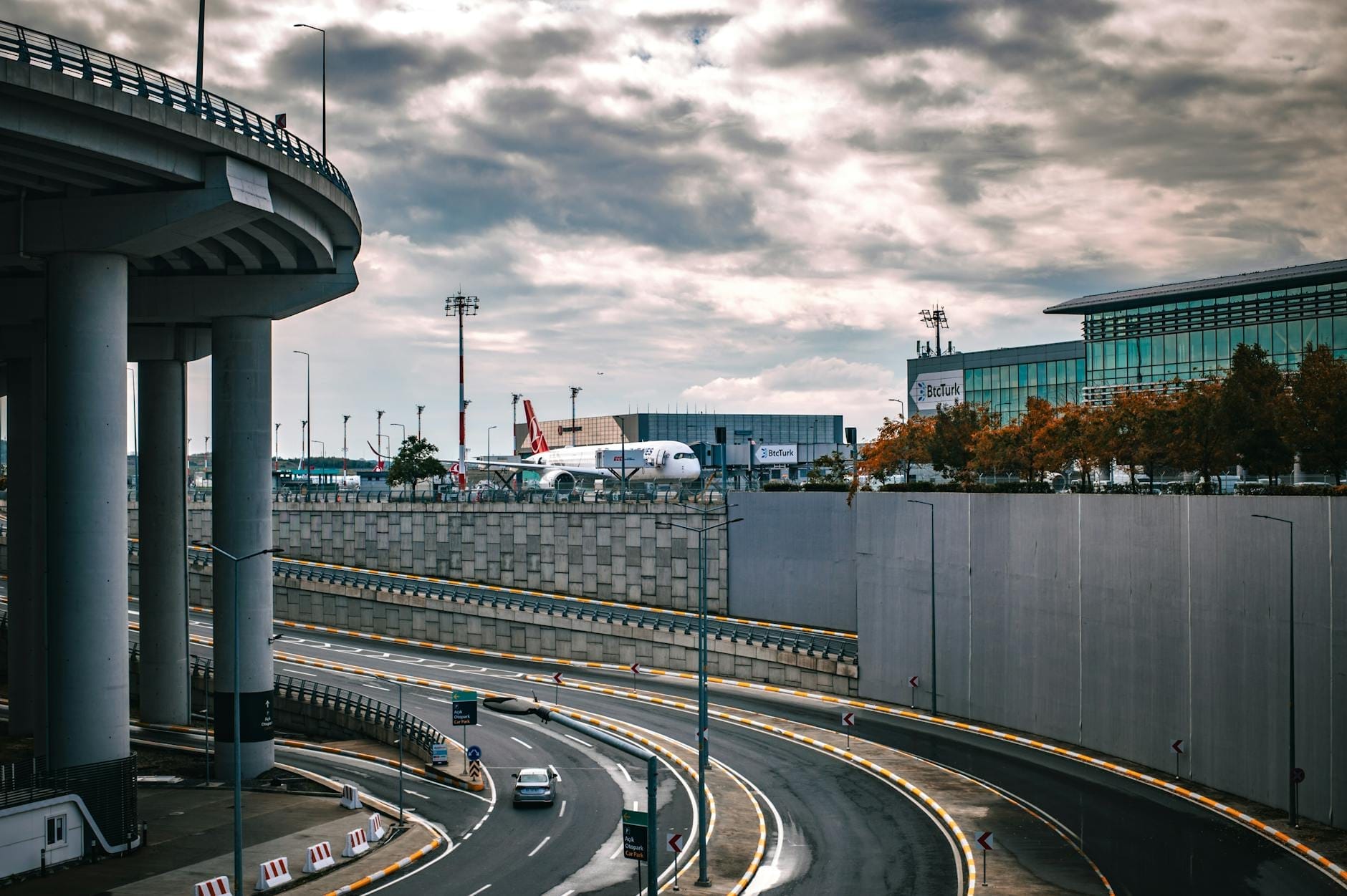
Barcelona's Josep Tarradellas Barcelona-El Prat Airport (IATA: BCN) is around 12-15 km from the city centre. The Aerobus coach takes 20-35 minutes and costs €7.45 one-way or €12.85 return. Metro Line 9 Sud (L9 Sud) connects the airport to the metro network; a single ticket costs around 5.50€. Taxis run 25-35€ depending on traffic. For getting around once you arrive, the TMB metro network covers the city well. Our getting around Barcelona guide covers transport passes and zone pricing in detail.
For accommodation, the neighbourhood you choose matters as much as the season. Staying in Eixample puts you within walking distance of Gaudí's key works and the best restaurant density in the city. The El Born neighbourhood is better for a quieter, more local pace. Barceloneta is convenient for beach access but noisy year-round. See our where to stay in Barcelona guide for specific hotel and apartment recommendations by neighbourhood.
ℹ️ Good to know
Schengen Area entry rules apply to Barcelona. Visitors from the US, Canada, Australia, and many other countries can enter visa-free for up to 90 days within a 180-day period. Always verify current EU entry requirements before travel, as rules can change.
If you are planning around a specific attraction, note that the Sagrada Família completed its central naves in 2026, with full towers projected by 2026-2032. Check sagradafamilia.org for the latest on tower access and construction phases, as the experience changes as work progresses. Park Güell requires advance booking through parkguell.barcelona for the ticketed Monumental Zone. Both sites are worth visiting in any season, but the Gaudí Barcelona guide has detailed practical advice on visiting all his major works efficiently.
FAQ
What is the best month to visit Barcelona for good weather without the crowds?
May and early October are the two strongest options. May sits at 16-23°C with long days, low to moderate crowds, and reasonable hotel prices. Early October gives you 18-22°C temperatures with noticeably fewer tourists than summer, though you will encounter more rain than spring.
Is Barcelona worth visiting in winter?
Yes, particularly for urban culture, architecture, and gastronomy. Temperatures stay mild (8-15°C), snow is essentially non-existent, February is the driest month of the year, and prices drop significantly. You will not be swimming at Barceloneta, but the city's museums, markets, and restaurant scene are fully operational and uncrowded.
When is Barcelona at its most crowded?
July and August are peak, with August being the most extreme. Sagrada Família, Park Güell, Las Ramblas, and Barceloneta beach are genuinely saturated. Hotel rates are at their highest, and the heat (often 28-31°C) makes walking tours uncomfortable in the middle of the day. Easter week also brings a notable surge in domestic visitors.
When is the cheapest time to fly to Barcelona?
January (after January 6) and November are consistently the cheapest months for flights and accommodation. February also offers good value. Avoid booking around major festivals like Primavera Sound, Sonar, and La Mercè without checking rates first, as hotel prices spike even in shoulder months when events are on.
Is Barcelona good for a beach holiday in September?
Yes. September is one of the best months for combining beach time with city sightseeing. Sea temperatures are around 23-24°C, air temperatures sit at 20-26°C, the summer crowds drop off sharply after the first week, and accommodation prices come down meaningfully compared to July and August. The beach at Barceloneta remains swimmable well into October for those comfortable in slightly cooler water.
Tickets & tours
Live prices and dates from our booking partner. If you book, we may earn a commission at no extra cost to you.
Planning a trip? Discover personalized activities with the Nomado app.