Where to Eat in Barcelona: The Complete Food Guide
Barcelona's food scene runs far deeper than paella and tapas. This guide covers essential Catalan dishes, the best markets, standout restaurants by neighborhood, and the seasonal specialties most visitors miss entirely.
Tickets & tours
Live prices and dates from our booking partner. If you book, we may earn a commission at no extra cost to you.
TL;DR
- Catalan cuisine is distinct from Spanish food: look for fideuà, esqueixada, escalivada, and crema catalana.
- La Boqueria is worth visiting early in the morning for fresh produce, but skip the overpriced food stalls near the entrance.
- Seafood is best eaten in Barceloneta at places with loyal local followings, not tourist menus.
- The menú del día (set lunch menu) is how locals eat well for 12-15€ on weekdays.
- For deeper neighborhood context, explore Barcelona by district before planning your meals.
Understanding Catalan Food Culture
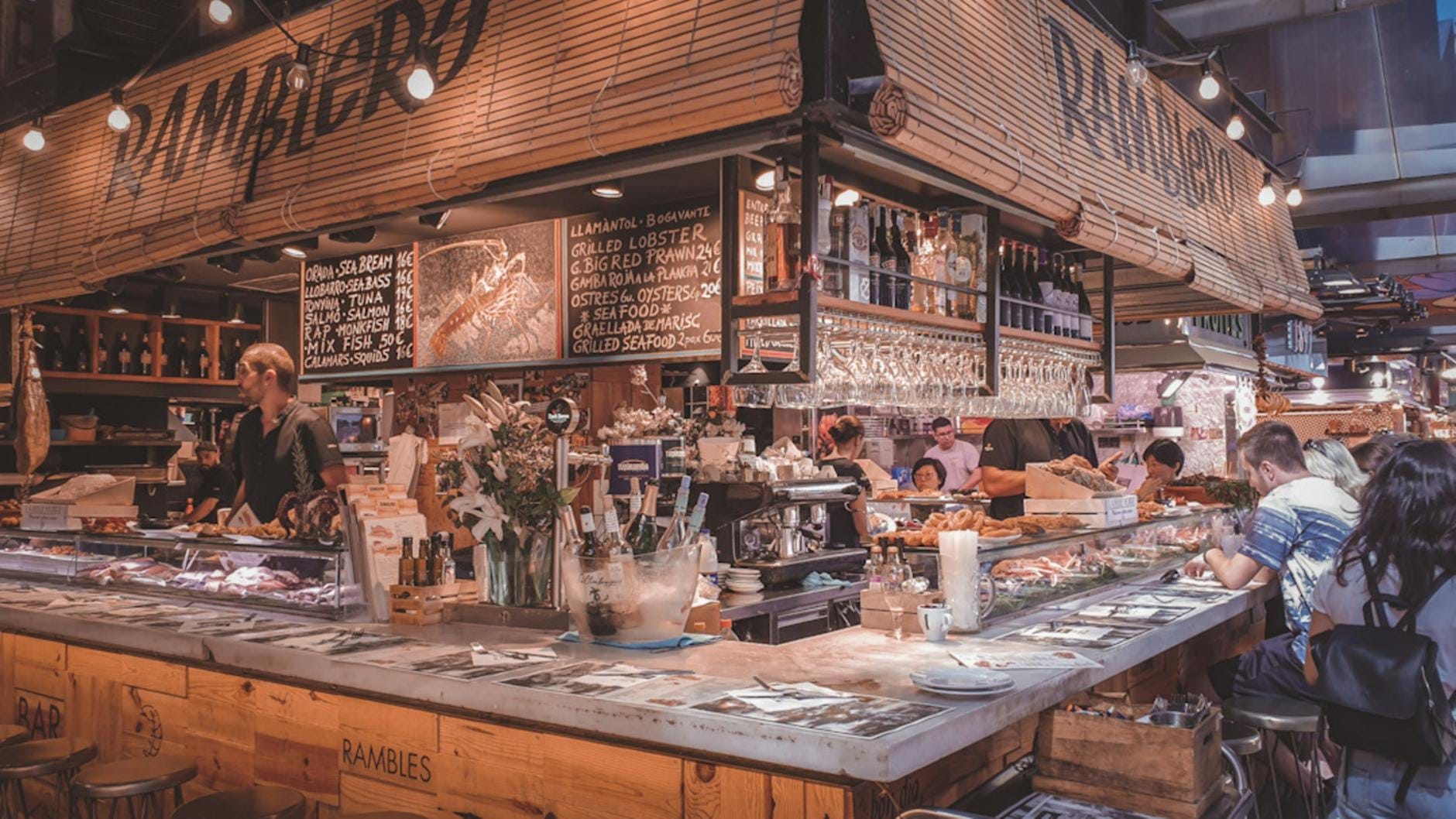
Barcelona sits in Catalonia, an autonomous community with its own language, history, and culinary identity. Catalan food is not interchangeable with broader Spanish cuisine. The cooking here draws heavily on the Mediterranean coastline, the Pyrenees foothills, and centuries of trade through the port. Olive oil, salt cod, almonds, and seasonal produce form the backbone of the regional table. Garlic and tomato bread (pa amb tomàquet) appears at almost every meal and is treated more seriously than visitors usually expect.
Meal times in Barcelona follow Spanish conventions more than northern European ones. Lunch runs from roughly 2pm to 4pm and is the main meal of the day. Dinner rarely starts before 9pm, and 10pm is entirely normal. Restaurants that open at 7pm for dinner are almost certainly catering to tourists. If you try to eat dinner at 6:30pm, your options will be limited and usually overpriced. Leaning into the local schedule makes a significant difference to both the quality and value of what you eat.
💡 Local tip
The menú del día is the single best value in Barcelona's food scene. Most sit-down restaurants offer a fixed weekday lunch of two or three courses plus bread and a drink for 12-16€. The same dishes ordered à la carte at dinner could cost three times as much. Ask for 'el menú' when you sit down.
Essential Catalan Dishes to Order
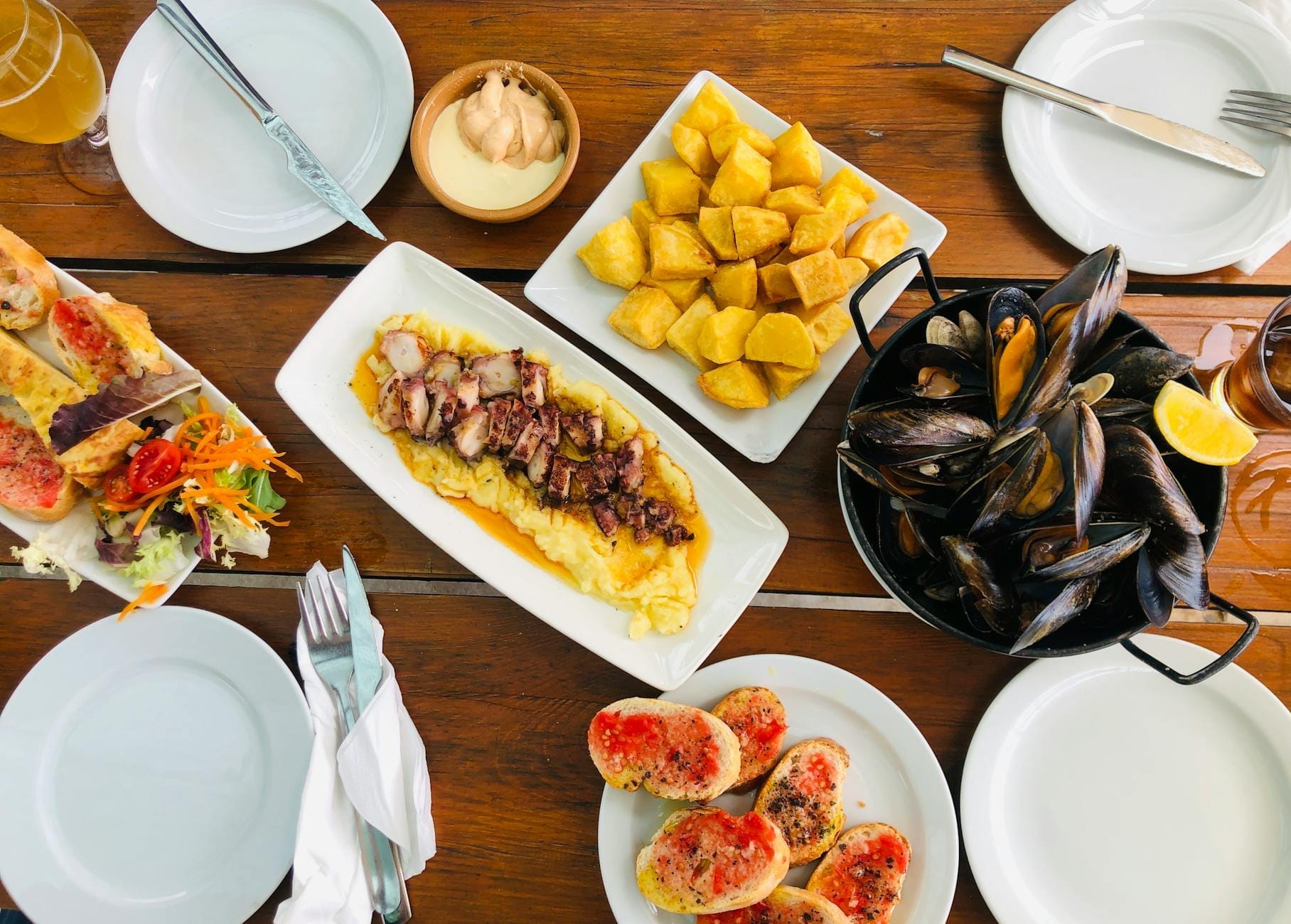
Ordering well in Barcelona means knowing what's actually Catalan versus what's on the menu purely for tourists. Several dishes are genuinely worth seeking out and are rarely prepared as well anywhere else.
- Fideuà Often described as paella's cousin, fideuà uses short toasted noodles instead of rice. Invented by Valencian fishermen (though Barcelonans have claimed it as their own), it's best ordered in Barceloneta restaurants with proper fish stock and served with aioli on the side.
- Esqueixada Shredded raw salt cod salad with tomato, onion, olives, and olive oil. Sometimes called 'Catalan ceviche', it's a summer staple that showcases the region's long relationship with dried and salted fish.
- Escalivada Slow-roasted eggplant, red peppers, and onions served at room temperature with olive oil. The name comes from the Catalan word for cooking over embers. Simple, deeply flavored, and often overlooked.
- Botifarra amb Mongetes Grilled Catalan pork sausage served with sautéed white beans. Rustic, filling, and the kind of dish that reminds you Catalan food isn't only about seafood.
- Arroz Negro Black rice cooked in squid ink, common in Barceloneta. Rich and intensely flavored, usually served with alioli. Not the same as the Italian version.
- Crema Catalana A custard dessert flavored with lemon zest and cinnamon, topped with burnt sugar. Catalans are firm in their belief that this predates the French crème brûlée by centuries. The flavor profile is noticeably different: brighter, more citrus-forward.
- Calçotada Charred green onions eaten with romesco sauce, available January through March. A seasonal ritual more than a dish, traditionally eaten outdoors with bibs provided. El Glop restaurant in Gràcia is one of the better-known spots for this.
⚠️ What to skip
Paella is not a Catalan dish. It originates from Valencia, roughly 350km south of Barcelona. Many tourist-facing restaurants in Barcelona serve mediocre paella aimed at visitors who expect it. If you want rice dishes, order arroz negro or arroz a banda instead. Both are genuinely local and usually prepared far better.
The Best Food Markets in Barcelona
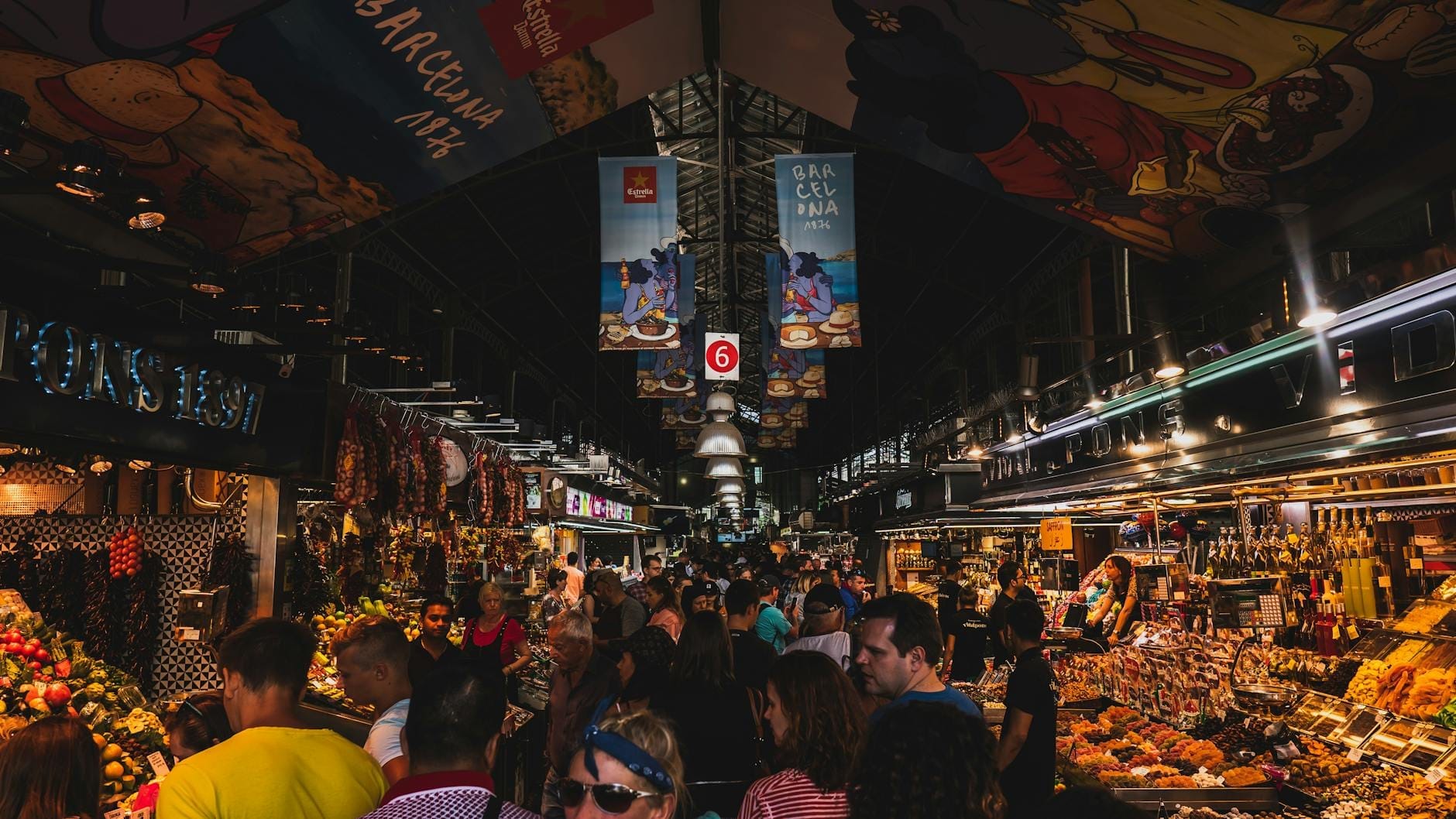
The Mercat de la Boqueria on La Rambla is Barcelona's most famous market, and it's worth visiting once, early on a weekday morning before 9am when it still operates as a working market. The stalls near the entrance are largely theatrical, stacked with overpriced fruit cups and candy aimed at tourists with cameras. Go deeper into the market to find the butchers, fishmongers, and cheese vendors where restaurant owners actually shop. Bar Pinotxo, near the La Rambla entrance at Stall 466, opens at 6:30am and serves a proper breakfast that includes their well-known xiuxos pastry alongside market-fresh ingredients.
A better daily market experience is the Mercat de Santa Caterina in El Born, identifiable by its dramatically tiled mosaic roof designed by Enric Miralles. It's less photographed and more functional, with strong produce, meat, and fish sections and a handful of good counters for eating on the spot. The Mercat de Sant Antoni in the Eixample-Esquerra border also runs a popular Sunday book and vintage market around its perimeter on weekends, though the food hall inside is open throughout the week.
✨ Pro tip
Time Out Market Barcelona opened in 2024 near Plaça d'Espanya and consolidates some of the city's better-known food concepts under one roof. It works well as a fallback when you're between neighborhoods and want quality without committing to a full sit-down restaurant. Prices are higher than neighborhood restaurants but the curation is reasonable.
Where to Eat by Neighborhood
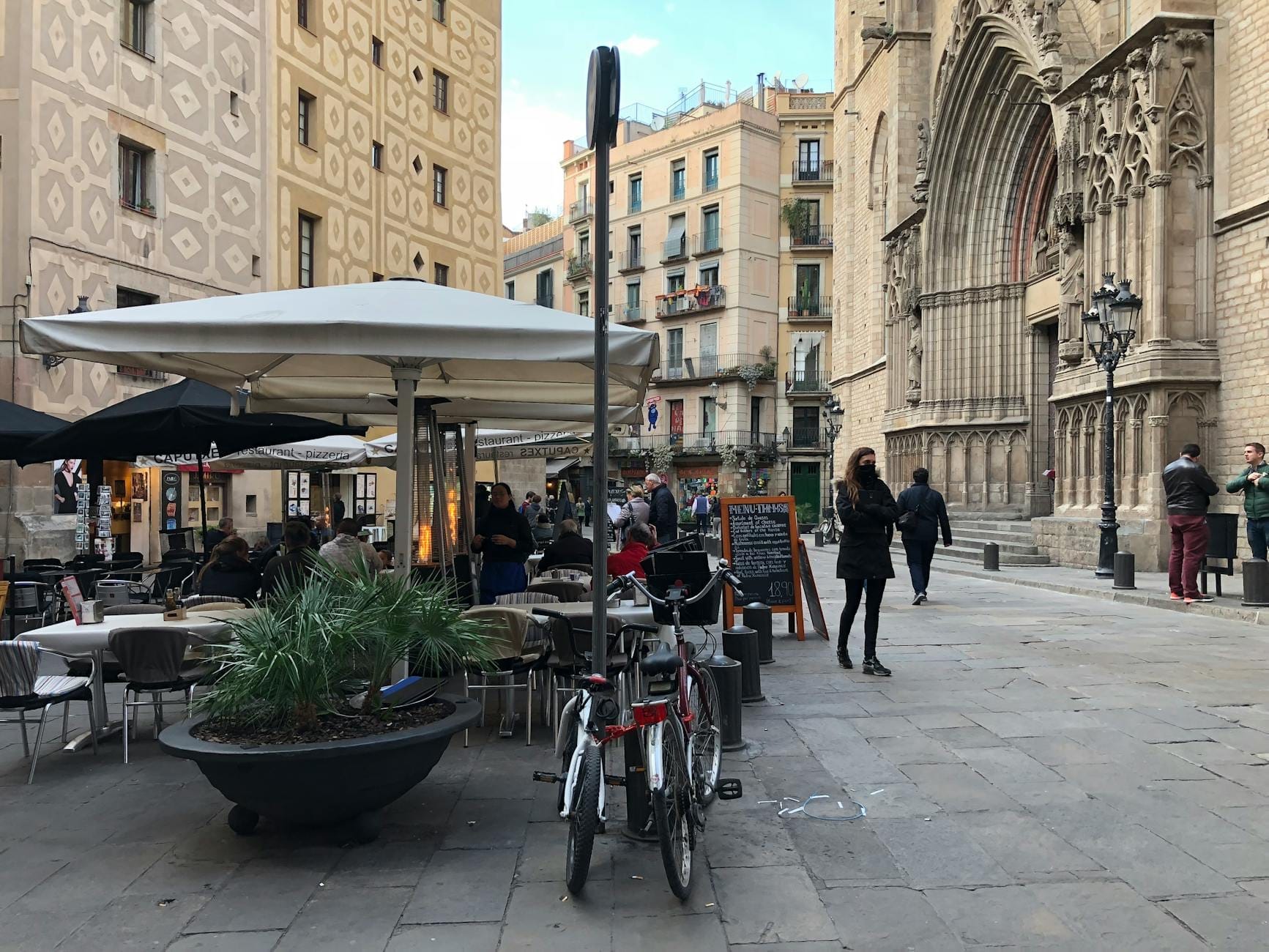
Neighborhood matters enormously in Barcelona. The same dish at a Gothic Quarter restaurant facing a tourist landmark can cost double what you'd pay two streets away. Understanding where locals actually eat saves money and produces better meals.
- Barceloneta for Seafood The old fishermen's district remains the right place for rice dishes and fresh fish. Can Solé, one of the neighborhood's most established restaurants, has been operating since 1903 and is known for its proper fish stocks and arroz a banda. La Paradeta operates a self-service seafood concept with multiple Barcelona locations: you choose your fish or shellfish from the counter and pick how you want it cooked. It's practical, affordable, and uses genuinely fresh product.
- El Born for Modern Catalan El Born has shifted significantly upmarket over the past decade. The neighborhood now holds some of the city's better contemporary Catalan restaurants alongside pintxos bars. Carrer del Parlament and the streets around the Basílica de Santa Maria del Mar are good hunting grounds. Hofmann Pastisseria on Carrer dels Flassaders has won Best Croissant in Spain multiple times; their mascarpone-filled version is worth a detour.
- Gràcia for Local Atmosphere Gràcia functions as a village within the city. The squares around Plaça del Sol and Plaça de la Virreina fill with locals in the evenings. El Glop, a long-running restaurant in upper Gràcia, is the place for charcoal-grilled meats and the calçotada ritual in winter. The neighborhood generally has better value per euro than the tourist center.
- Gothic Quarter: Proceed with Caution The Gothic Quarter contains Can Culleretes, Barcelona's oldest restaurant (founded in 1786), which serves traditional Catalan cooking at fair prices and draws a genuine local crowd despite its location. Most other restaurants in the quarter are tourist-oriented. If you're eating in the Gothic Quarter, look for handwritten menus, restaurants without English photos on the door, and premises that are clearly not on TripAdvisor's top 10 list.
- Eixample for Higher-End Dining The Eixample grid holds most of Barcelona's Michelin-starred restaurants and a concentration of well-funded modern Catalan spots. It's also where you'll find a dense cluster of pintxos bars on Carrer de Blai in the Eixample Esquerra section, known informally as 'Pintxos Street'. La Tasqueta de Blai operates the toothpick-count system: plates of pintxos are set out, you take what you want, and the bill is calculated by counting the sticks.
Tapas, Pintxos, and How Not to Confuse Them
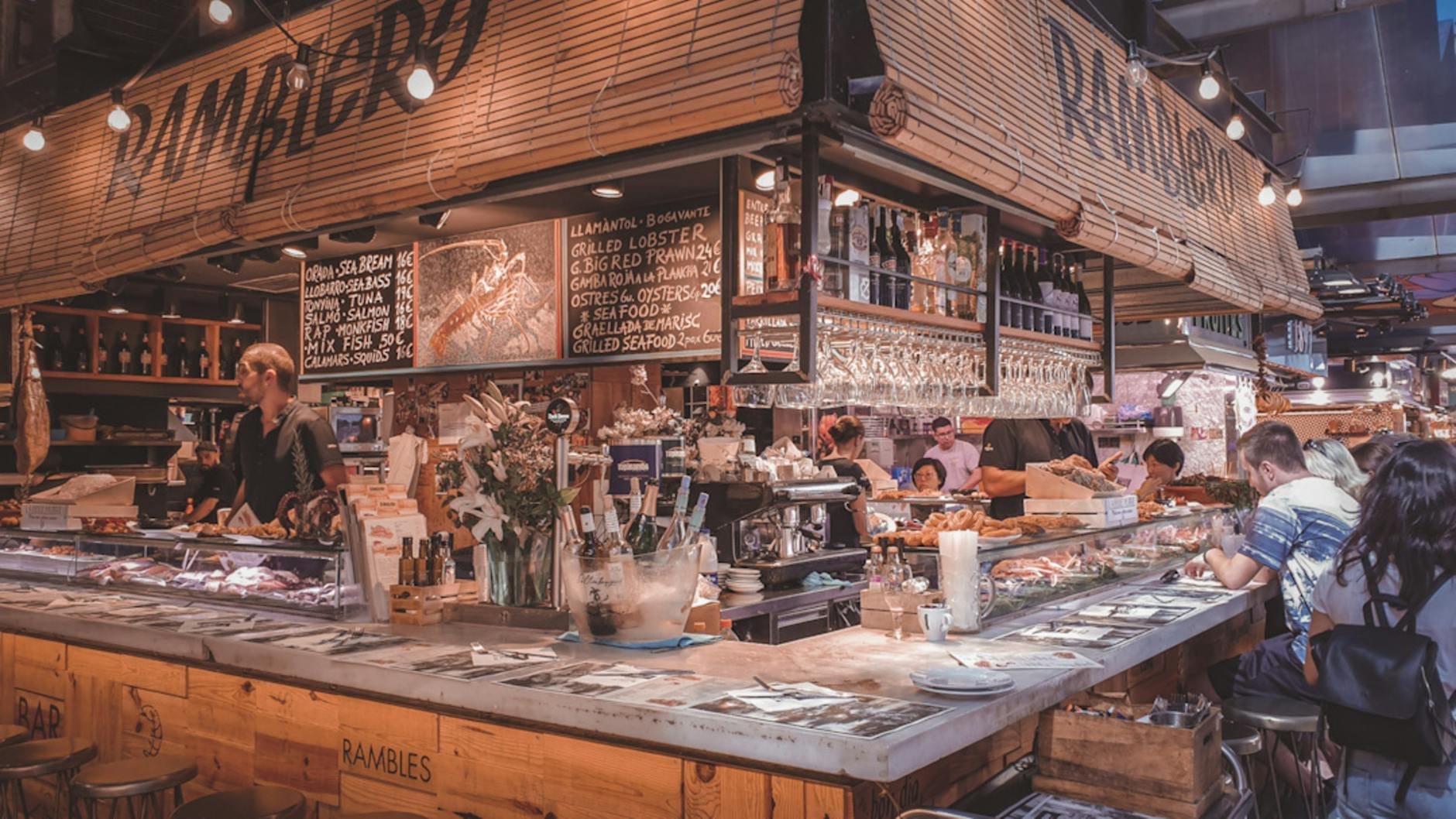
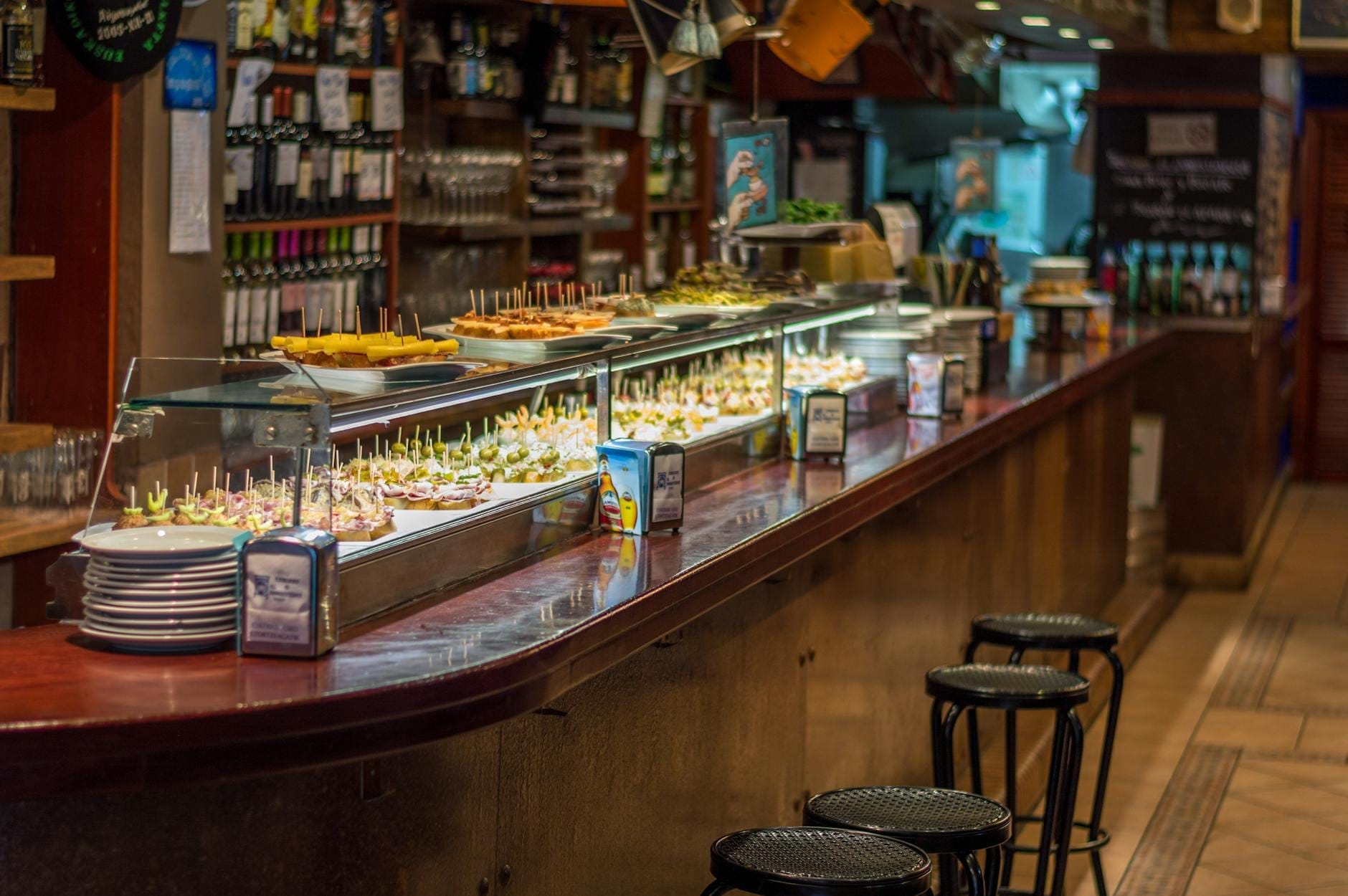
Tapas bars exist across Barcelona, but tapas culture is not as embedded here as in Andalusia or Madrid. In Barcelona, the format tends toward either full sit-down meals or pintxos, which are the Basque-style small bites on bread, secured with a toothpick. Carrer de Blai in the Eixample Esquerra is the city's main pintxos street, with multiple bars operating side by side. Arrive between 7pm and 9pm for the freshest spread. Most items cost 1.50-2.50€ each, making it one of the more affordable ways to eat well in the evening.
For a broader overview of how to structure your time around food and sightseeing, the Barcelona itinerary guide maps out neighborhoods by day and meal opportunity. Pairing your food plans with your walking route saves significant time, especially if you're trying to eat at the right hours rather than defaulting to whatever is closest.
Pastries, Coffee, and Morning Routines
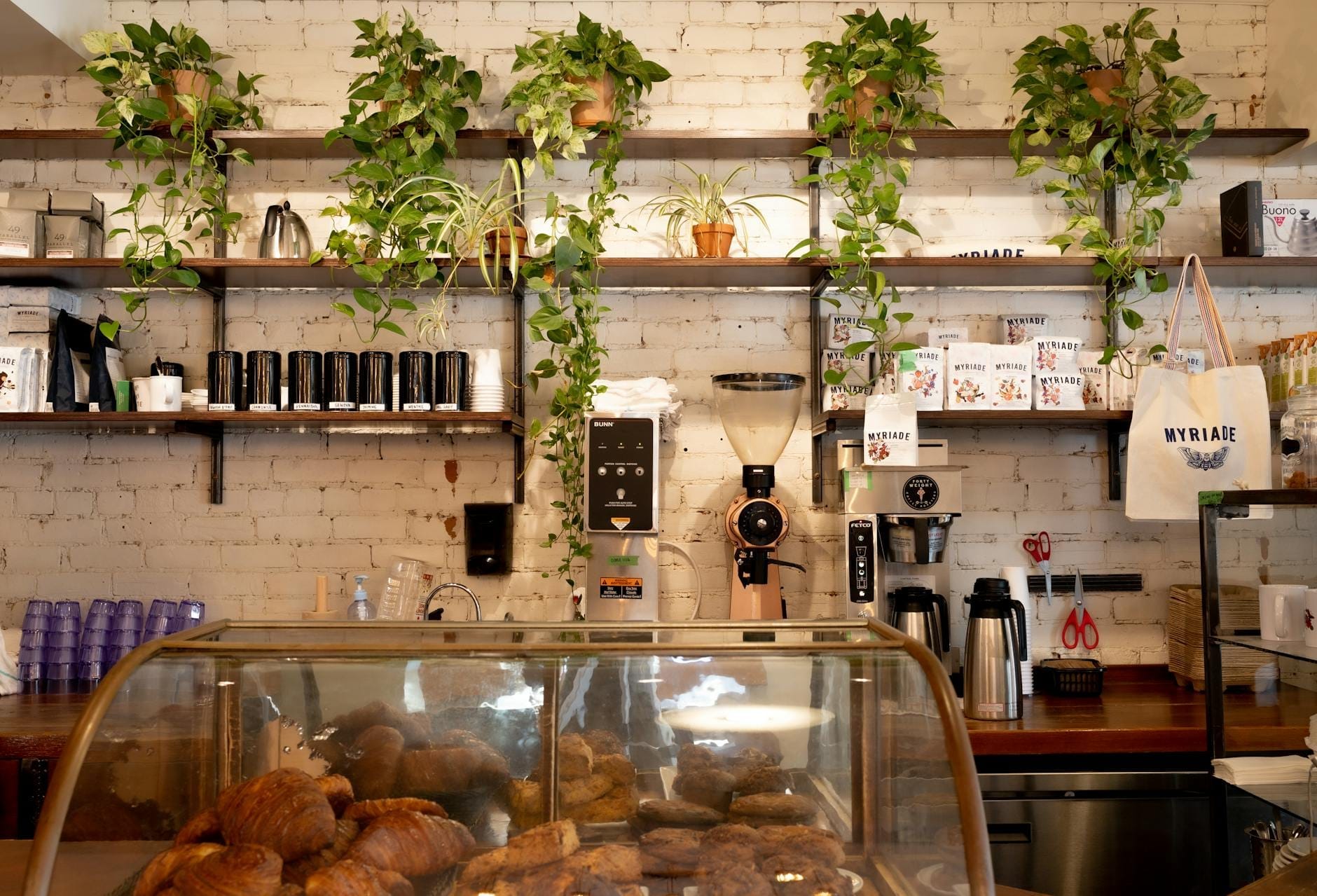
Barcelona's traditional breakfast spot is the granja, a dairy bar that has been serving hot chocolate and pastries since the 19th century. Granja M. Viader in El Raval is one of the oldest surviving examples, operating since 1870. These places serve thick drinking chocolate with churros or melindros (sponge fingers) and are open from early morning. They operate at a different pace from the city's coffee shops and are worth at least one visit.
Coffee culture has strengthened considerably in Barcelona over the past decade, with specialty roasters and proper espresso bars now spread across the city. The Eixample and Poblenou have the highest concentration of third-wave coffee shops. For pastries, Hofmann in El Born remains the benchmark for croissants specifically. The ensaimada (a spiral pastry from Mallorca, widely available in Barcelona) and the coca de recapte (a savory flatbread topped with escalivada) are both worth trying as alternatives to the tourist-facing croissant and pain au chocolat options.
Practical Tips for Eating Well in Barcelona
- Book restaurants that matter in advance, especially on weekends. Barcelona's better mid-range spots fill up by Thursday for Saturday dinner.
- Tipping is optional and genuinely so. A 5-10% tip is appreciated but not expected. Rounding up the bill is common. Never feel obligated to tip on top of a service charge already included.
- Tap water is safe to drink across Barcelona. Ordering bottled water is optional. You can ask for 'agua del grifo' (tap water) at any restaurant.
- The set-price lunch menu (menú del día) is the best value in the city. It's available Monday to Friday at most sit-down restaurants, typically includes bread, a drink, and two or three courses.
- Avoid restaurants with laminated picture menus, touts at the door, and English translations before Spanish or Catalan on the menu. These are strong indicators of tourist pricing.
- Late-night eating options after midnight tend to be limited to bars with snacks, fast food, and a handful of spots in the Eixample and El Born. Plan your dinner early by local standards (before 10pm) if you want the full menu.
ℹ️ Good to know
Barcelona's food scene benefits from being budget-flexible. You can eat exceptionally well for 15€ per person at lunch using the menú del día, or spend 80-120€ per person at a contemporary Catalan restaurant in the evening. The city rewards travelers who are willing to eat on local time and explore beyond the immediate tourist corridors.
If you're traveling with children, note that Barcelona's restaurant culture is generally family-friendly and children eating late is completely normal. For broader family planning, the Barcelona with kids guide covers neighborhood logistics. If you're watching your budget across the trip, the Barcelona on a budget guide has specific advice on eating affordably without sacrificing quality.
FAQ
What is the most traditional Catalan dish to try in Barcelona?
Pa amb tomàquet (bread rubbed with tomato and olive oil) appears at almost every meal and is a fair answer, but if you want something more substantial, fideuà and esqueixada are genuinely Catalan dishes that are harder to find well-prepared outside the region. Crema catalana rounds out a proper Catalan meal for dessert.
Is paella worth ordering in Barcelona?
Paella is a Valencian dish, not a Catalan one, and most versions served in Barcelona's tourist-facing restaurants are poor imitations. If you want a rice dish, order arroz negro or arroz a banda in Barceloneta instead. These are locally rooted and generally prepared with much more care in the seafood restaurants of that neighborhood.
When do locals eat dinner in Barcelona?
Dinner rarely starts before 9pm and 9:30-10pm is entirely normal. Restaurants open for dinner at 8pm or 8:30pm, but if you arrive at opening, you'll likely be eating alone. The local dinner rush is from around 9:30pm to 11pm. Adjusting to this schedule significantly improves your options and the atmosphere in restaurants.
What is the best cheap way to eat well in Barcelona?
The menú del día, available at most sit-down restaurants on weekday lunchtimes, offers two or three courses with bread and a drink for 12-16€. It's the same kitchen producing the same food you'd pay much more for at dinner. Pintxos bars on Carrer de Blai in the Eixample are also a good budget option in the evening, with individual pieces typically costing 1.50-2.50€.
Is La Boqueria worth visiting?
Yes, but with adjusted expectations. It's worth one early-morning visit (before 9am on a weekday) to see it functioning as a working market. Avoid the food stalls near the La Rambla entrance, which are overpriced and primarily aimed at tourists. Bar Pinotxo near the entrance is a legitimate exception. For a less crowded market experience, Mercat de Santa Caterina in El Born is the better everyday choice.
Tickets & tours
Live prices and dates from our booking partner. If you book, we may earn a commission at no extra cost to you.
Planning a trip? Discover personalized activities with the Nomado app.