Las Ramblas is Barcelona's most famous promenade, stretching from Plaça de Catalunya to the port, while El Raval is the dense, multicultural neighborhood that spreads west from it. Together they form the beating, sometimes overwhelming, heart of Ciutat Vella.
Las Ramblas is the boulevard every visitor to Barcelona ends up on at least once, lined with flower stalls, street performers, and the constant movement of a city that never fully slows down. El Raval, the neighborhood that extends westward from it, tells a different story: a compact, densely populated barri shaped by waves of immigration, significant urban renewal, and a serious cultural infrastructure that includes some of the city's best contemporary art institutions. These two areas complement and contrast each other in ways that reward anyone willing to look beyond the obvious.
Orientation
Las Ramblas and El Raval sit within Ciutat Vella, Barcelona's old city, on the western edge of the historic centre. The area is bounded to the north by Carrer de Pelai and Plaça de Catalunya, which acts as the main gateway between the old city and the Eixample grid. To the south, the boulevard terminates at the waterfront near the Mirador de Colom. El Raval itself is hemmed in by La Rambla to the east, the Ronda de Sant Antoni to the north, Avinguda del Paral·lel to the south, and the old city walls to the west.
La Rambla is approximately 1.2 kilometres long and takes around 15 to 20 minutes to walk end to end without stopping. The boulevard is actually a single street named in segments, though Barcelonins typically refer to the whole thing as La Rambla (singular), not Las Ramblas. To the east of it lies the Gothic Quarter, and to the west is El Raval. Think of La Rambla as a spine, with Ciutat Vella spreading out on either side.
Within El Raval, the key axis is Carrer de l'Hospital and Carrer de Sant Pau, both running roughly east to west from La Rambla into the heart of the barri. The Rambla del Raval, a 317-metre pedestrian boulevard opened in 2000, crosses through the lower half of the neighbourhood and connects Carrer de l'Hospital with Carrer de Sant Pau. North of Carrer de l'Hospital, the streets become denser and more residential, anchored by the MACBA (Museu d'Art Contemporani de Barcelona) and its surrounding plazas.
Character & Atmosphere
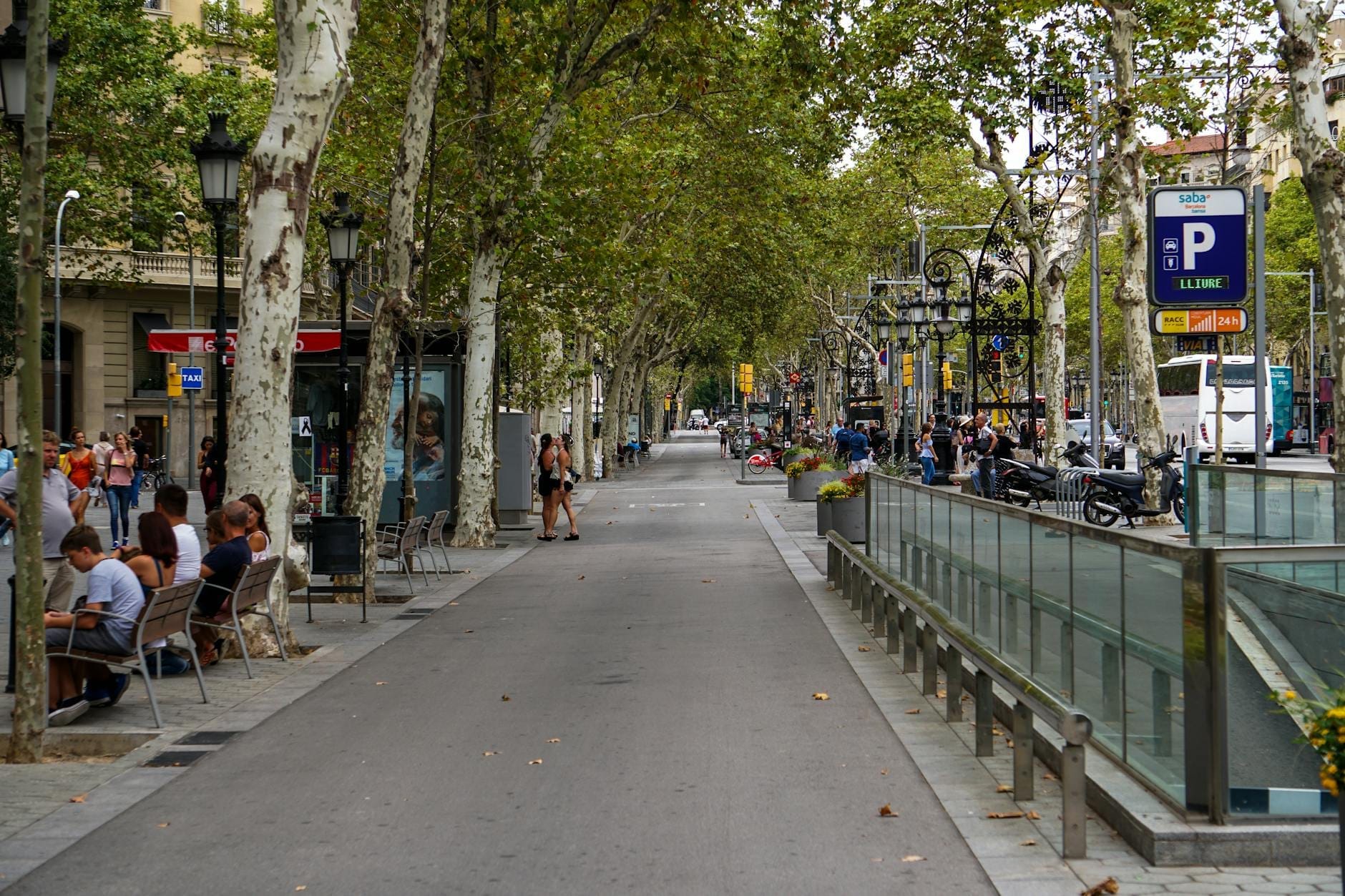
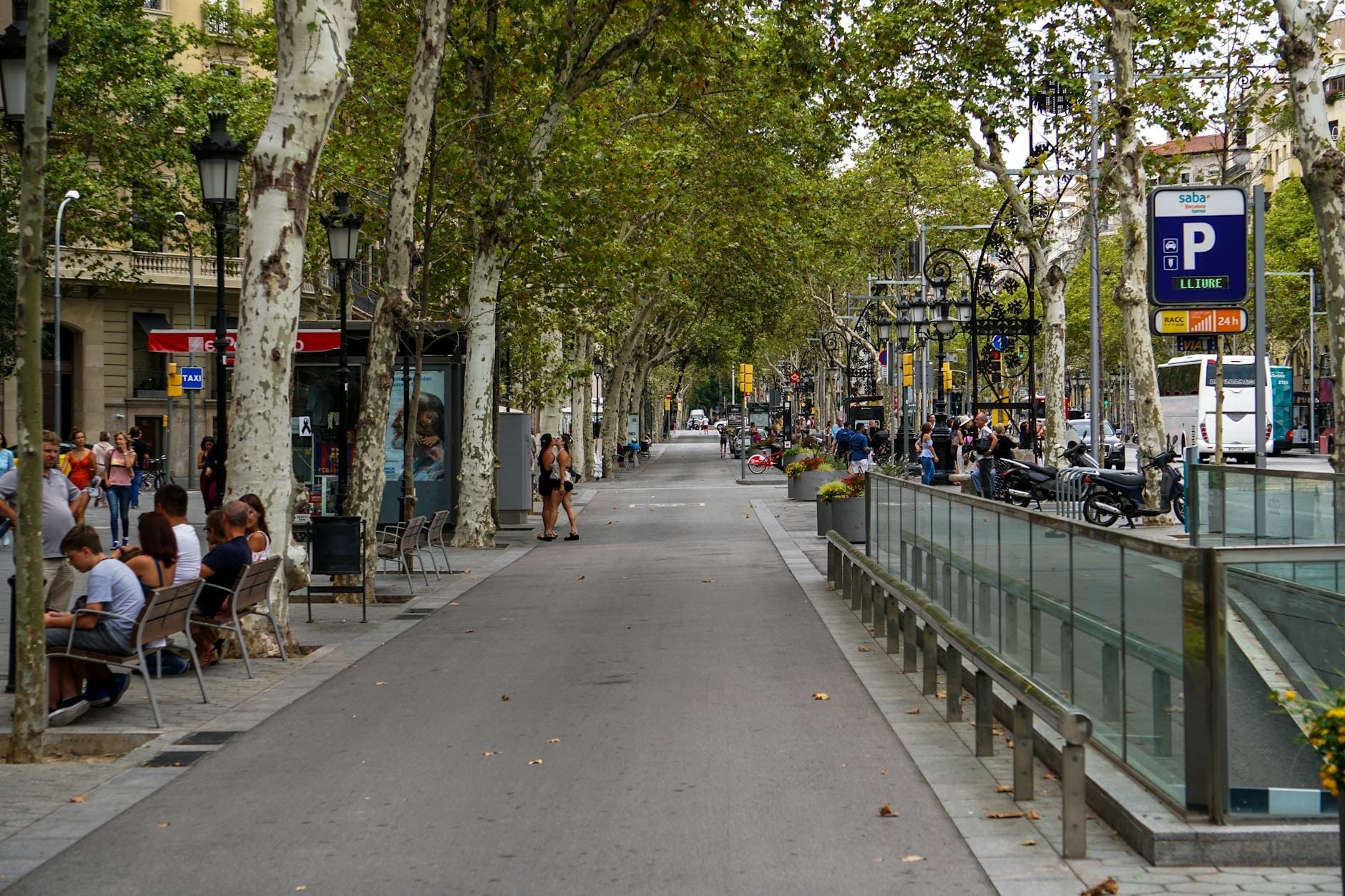
La Rambla in the morning has a kind of unhurried honesty to it. The flower stalls are being restocked, café chairs are being wiped down, and the street performers are still hours away from appearing. The light comes in low from the east and catches the plane trees lining the central walkway, which provides shade in summer but turns the boulevard into a leafy tunnel effect that is genuinely pleasant before the crowds arrive.
By mid-morning, the transformation is complete. The Mercat de la Boqueria draws queues, the souvenir shops open their shutters, and La Rambla becomes what most visitors recognise from photographs: a slow-moving current of tourists. The terrace cafés fill quickly and prices reflect their position on one of Europe's most visited streets. By early afternoon, the central walkway is dense enough that locals largely abandon it and use the parallel streets instead.
El Raval operates on a different rhythm. The neighbourhood wakes up later and more gradually. In the mornings, the streets around Carrer Joaquim Costa and the upper Raval have a neighbourhood quality to them: laundry on balconies, small grocery shops run by families from South Asia and North Africa, older Catalan residents doing their morning errands. The area around MACBA tends to attract a younger, design-school crowd who occupy the surrounding plaza until late in the day.
After dark, El Raval separates into distinct zones. The upper Raval around Carrer Joaquim Costa becomes one of the more reliably interesting bar streets in the city, with a mix of alternative and indie venues that attract a largely local crowd. The lower Raval, closer to Avinguda del Paral·lel, is quieter and more residential. La Rambla itself at night is bright, loud, and still thick with people, but the energy is more chaotic than celebratory.
⚠️ What to skip
Pickpocketing is a persistent problem on La Rambla, particularly on the crowded central walkway and around the Mercat de la Boqueria entrance. Keep bags in front of your body, avoid stopping to engage with anyone who approaches you unsolicited, and do not leave your phone on café tables.
What to See & Do
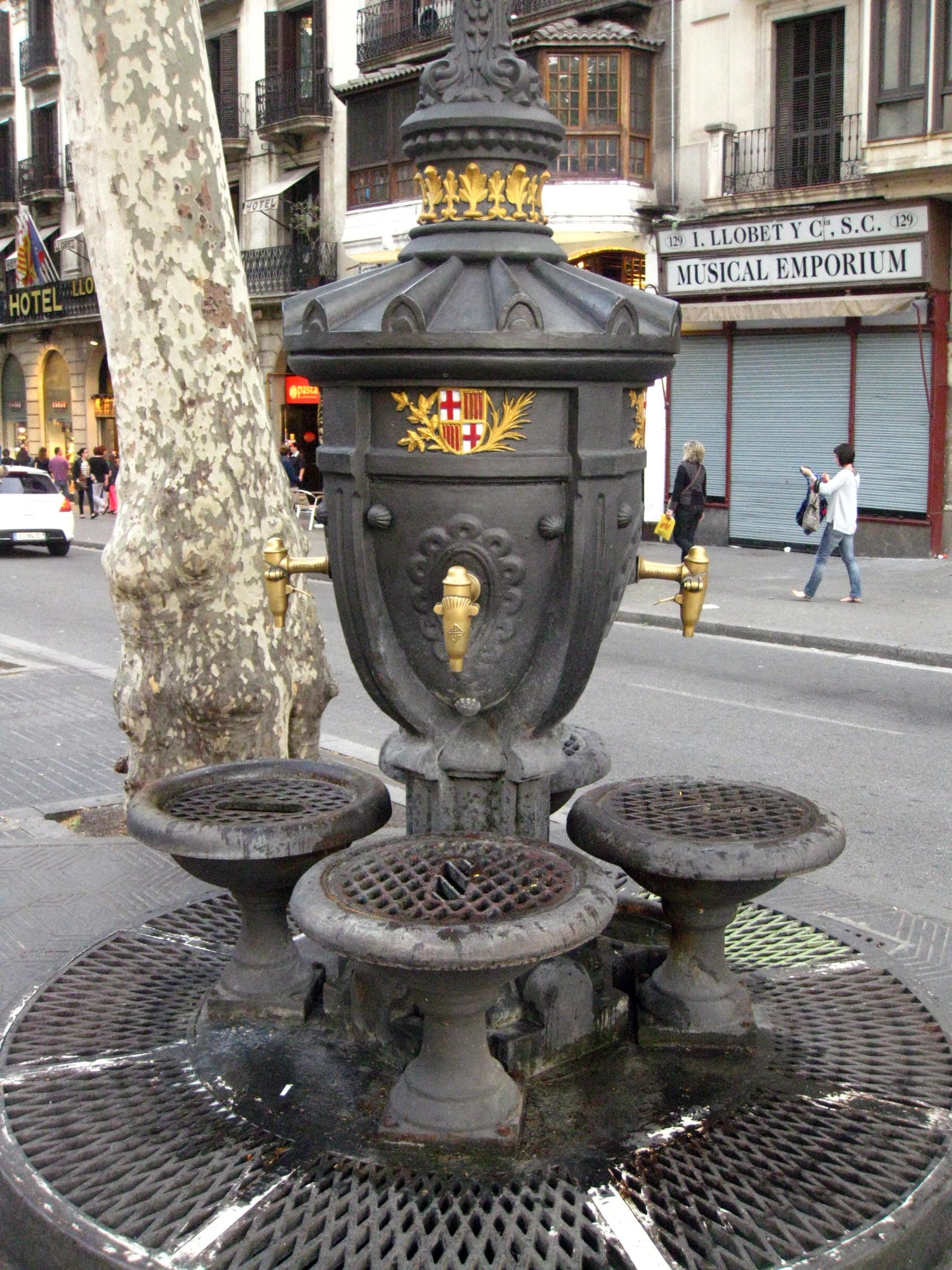
The La Rambla boulevard itself is worth at least one full walk, ideally before 9am when it is at its least crowded. The central promenade has a distinct character in each of its sections: the flower market near the top, the bird stalls in the middle, the terrace bars around Plaça Reial's nearby entry points, and the increasingly maritime feel as you approach the waterfront.
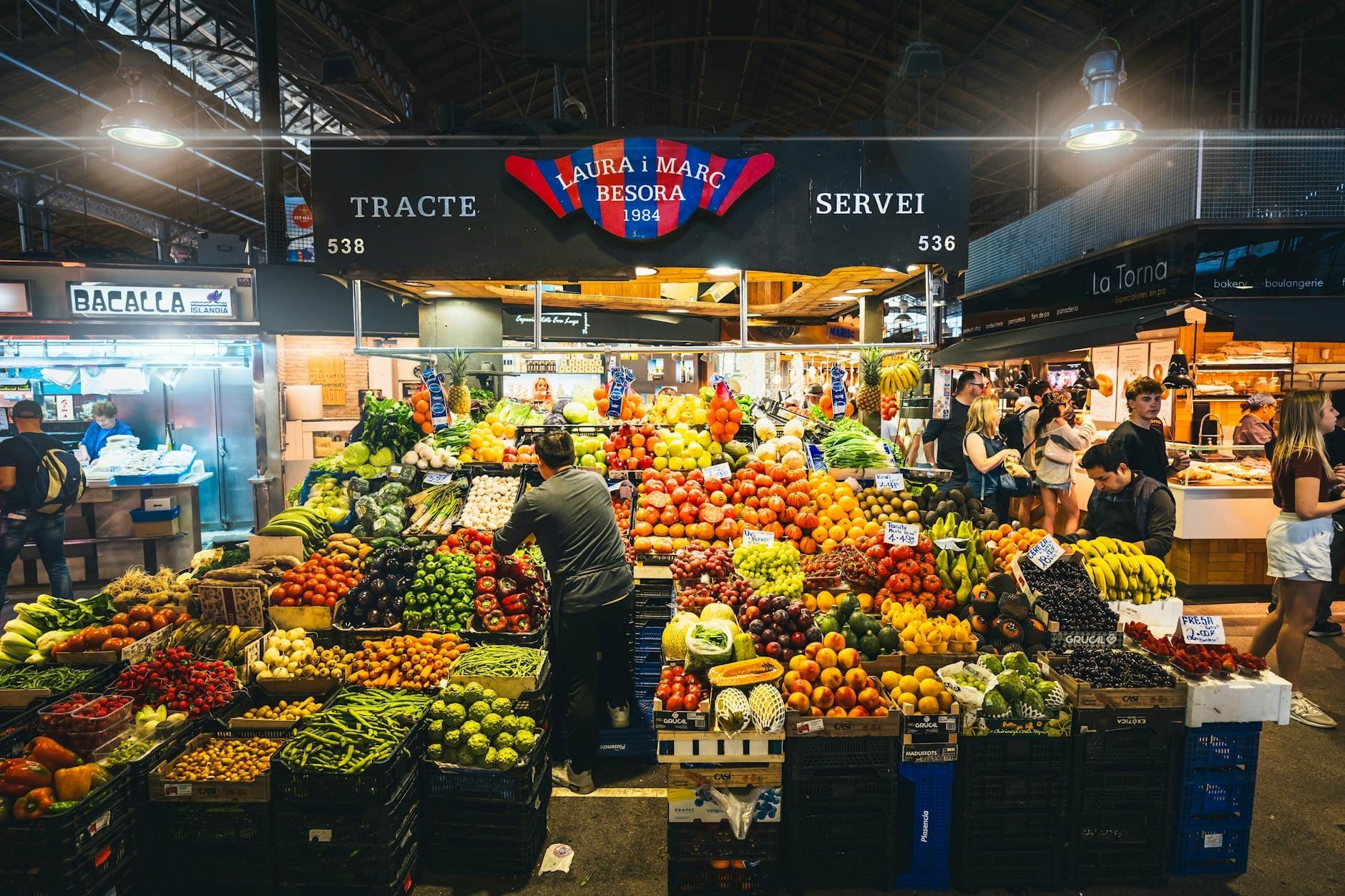
The Mercat de la Boqueria is the most famous market in Barcelona, and it receives so many visitors that many locals no longer shop there regularly. That said, it remains genuinely impressive as a market building, and the stalls at the back and sides, away from the tourist-priced smoothie bars at the entrance, are worth exploring. If you want a market that functions primarily for locals, the Mercat de Santa Caterina in El Born is a better alternative.
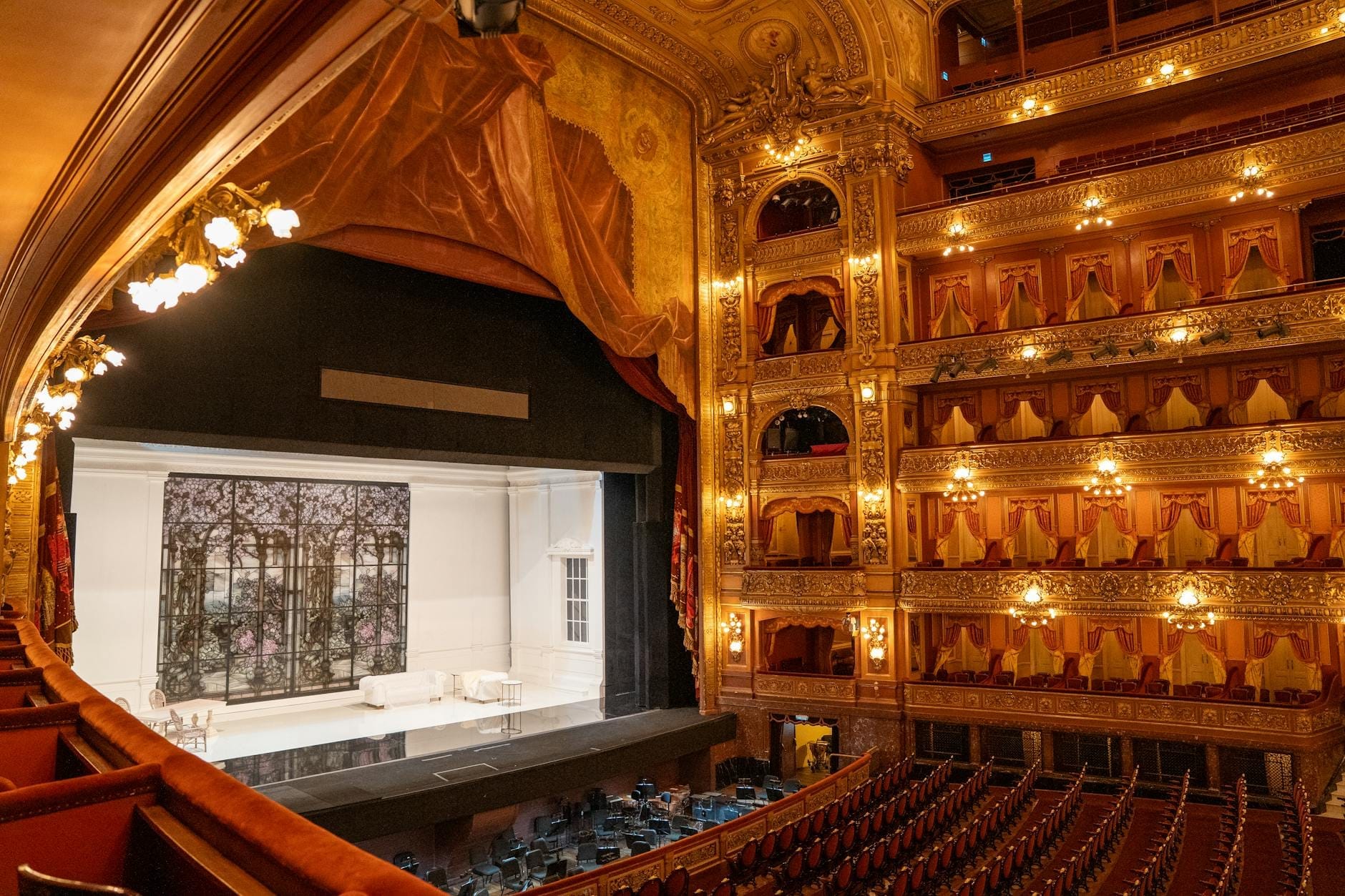
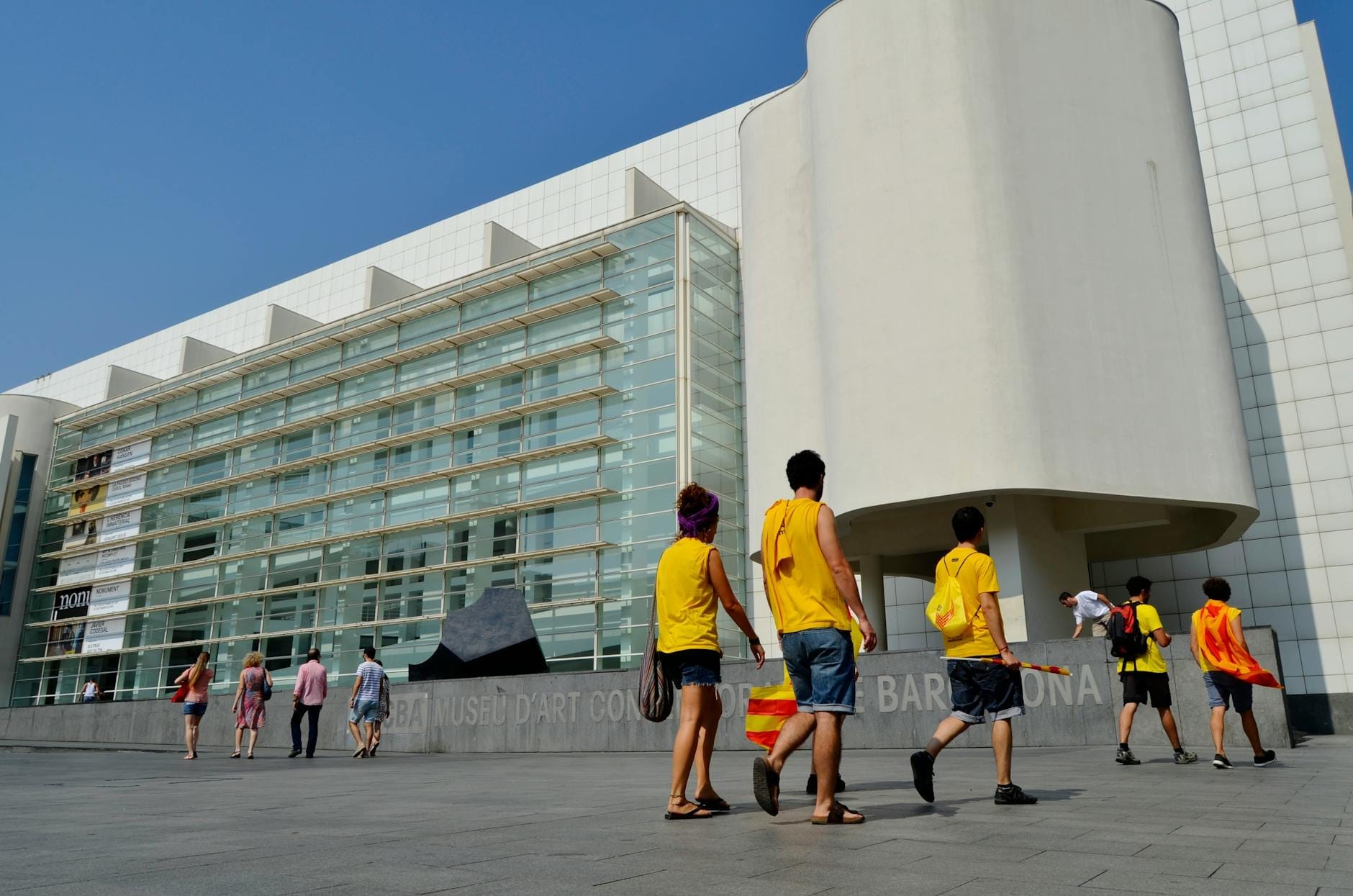
MACBA, the contemporary art museum designed by Richard Meier, is one of the most significant cultural institutions in the neighbourhood. Its white geometric facade faces a wide plaza that has become a gathering point for skateboarders and street culture. Inside, the permanent and temporary collections focus on post-1945 international and Catalan art. The nearby Gran Teatre del Liceu on La Rambla is one of the great opera houses of Europe, rebuilt after a fire in 1994, and tickets for performances or guided tours can be booked in advance.
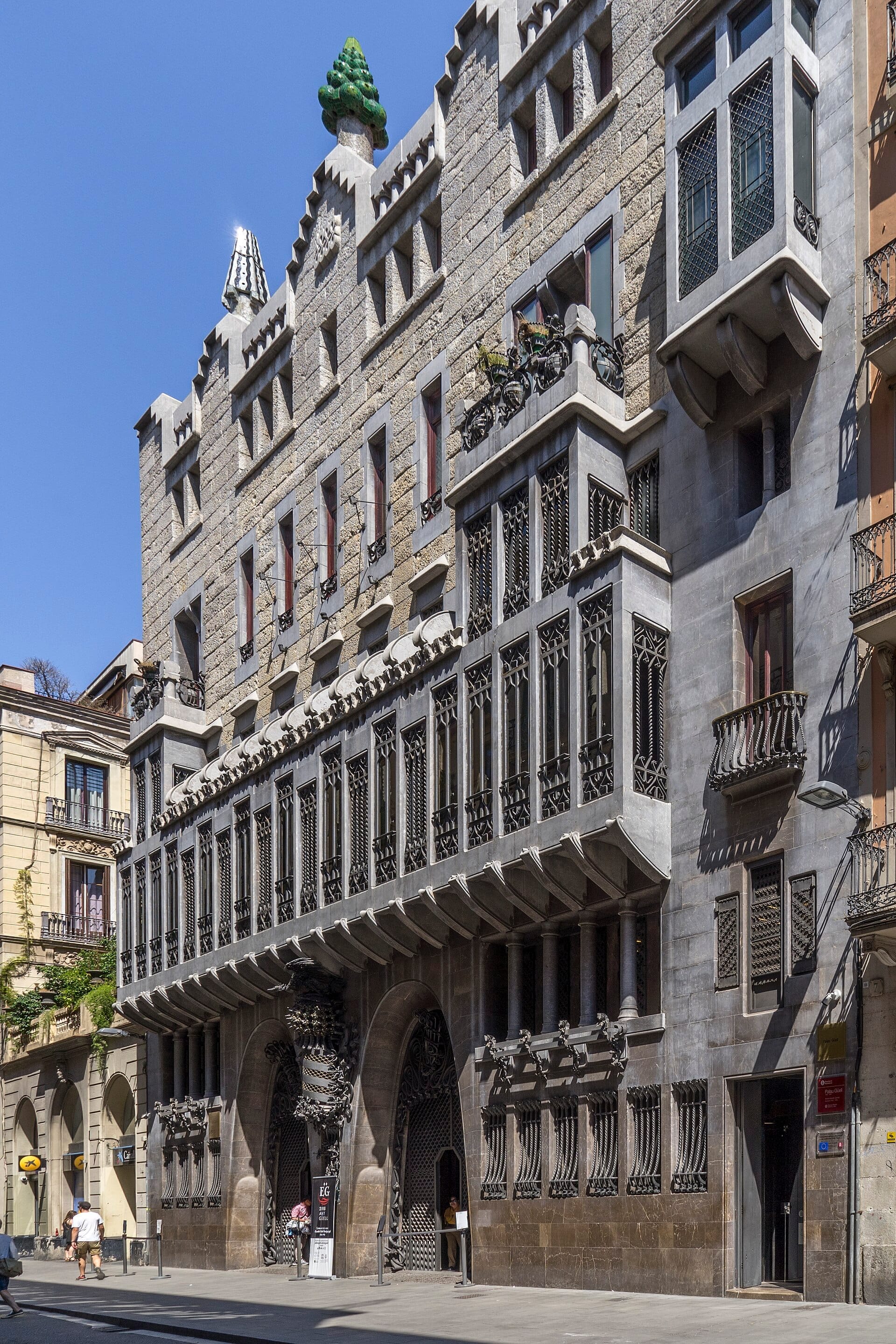
Within El Raval, the Palau Güell on Carrer Nou de la Rambla is one of Gaudí's earliest major commissions and often overlooked in favour of his later works. The rooftop chimneys and the main hall's parabolic dome make it one of the more architecturally distinctive buildings in the city. The Hospital de la Santa Creu, a 15th-century Gothic complex now housing the National Library of Catalonia and a garden courtyard open to the public, is another landmark that most visitors walk past without entering.
Walk La Rambla early morning or after 9pm to avoid peak crowds
Visit the Rambla del Raval on a weekend morning when the Mercat Raval street market sets up
Look for the Gato de Botero, Fernando Botero's bronze cat sculpture on the Rambla del Raval
Check the programme at Gran Teatre del Liceu for opera, ballet, and guided visits
Explore the Hospital de la Santa Creu courtyard, which is free and often nearly empty
Use the MACBA plaza area to understand the neighbourhood's younger, creative demographic
💡 Local tip
The Palau Güell is significantly less crowded than other Gaudí sites and offers a more intimate experience of his early architectural thinking. Book tickets online in advance but same-day availability is more common here than at the Sagrada Família or Park Güell.
Eating & Drinking
The food situation on La Rambla itself is largely one to avoid. The restaurants with chairs spilling onto the central walkway are almost universally overpriced for what they deliver, targeting tourists who do not know the alternatives nearby. The Mercat de la Boqueria's prepared food stalls near the entrance fall into a similar category: visually impressive but oriented around high turnover rather than quality.
El Raval is a different proposition entirely. The neighbourhood's multicultural character means the food options are genuinely diverse and often very affordable. Pakistani and Bangladeshi restaurants along Carrer del Carme and Carrer de l'Hospital offer some of the best value lunches in the city. There are also long-established Catalan restaurants, a growing number of natural wine bars, and the kind of neighbourhood cafés where a coffee and a croissant still costs under two euros.
For a more curated food experience, the streets surrounding the MACBA and the Carrer Joaquim Costa corridor have attracted a cluster of independent cafés and restaurants aimed at the neighbourhood's creative residents. Prices here are moderate and quality is generally high. If you want a broader picture of where to eat well across the city, the Barcelona eating guide covers the full range of neighbourhoods and price points.
Drinking in El Raval tends to happen late. Carrer Joaquim Costa is the main bar street in the upper Raval and starts filling up from around 10pm. The bars here range from small, dimly lit spots playing vinyl to larger venues with live music. The Rambla del Raval has a string of terrace bars that are active from late afternoon onward and attract a mixed local and visitor crowd. The lower Raval has fewer late-night options but a more neighbourhood feel in its bars.
Skip the La Rambla terrace restaurants for meals and explore one block west into El Raval instead
Carrer del Carme and Carrer de l'Hospital for affordable multicultural dining
Carrer Joaquim Costa for bars and late-night drinks with a local crowd
Rambla del Raval terraces for early evening drinks in an open, unhurried setting
Hospital de la Santa Creu area for independent cafés with an arts-school atmosphere
Getting There & Around
The neighbourhood is served by three Metro stations on Line 3 (green line): Plaça de Catalunya at the northern end of La Rambla, Liceu roughly in the middle, and Drassanes at the southern end near the waterfront. Line 2 (purple) and Line 3 both stop at Paral·lel on the same platform, which serves the southern boundary of El Raval. All three Line 3 stations are within walking distance of each other, but if you are arriving from the Eixample or from the airport's L9 connection at Plaça de Catalunya, the walk down La Rambla is the natural entry point.
Walking into El Raval from La Rambla takes about three minutes on either Carrer de l'Hospital or Carrer de Sant Pau, the two main east-west streets. The neighbourhood is compact enough that almost everything of interest is within a 10-minute walk once you are inside it. For the broader city context, navigating Barcelona by metro and on foot explains how the T-Casual 10-trip card works and covers walking routes between the main areas.
From La Rambla, El Born and the Gothic Quarter are both immediately accessible on foot. The Gothic Quarter is directly east across La Rambla, accessible via any of the cross streets. El Born is a 10-minute walk east through the Gothic Quarter, or reachable directly by metro from Liceu (changing at Urquinaona). Barceloneta beach is a 15-minute walk south from Drassanes.
ℹ️ Good to know
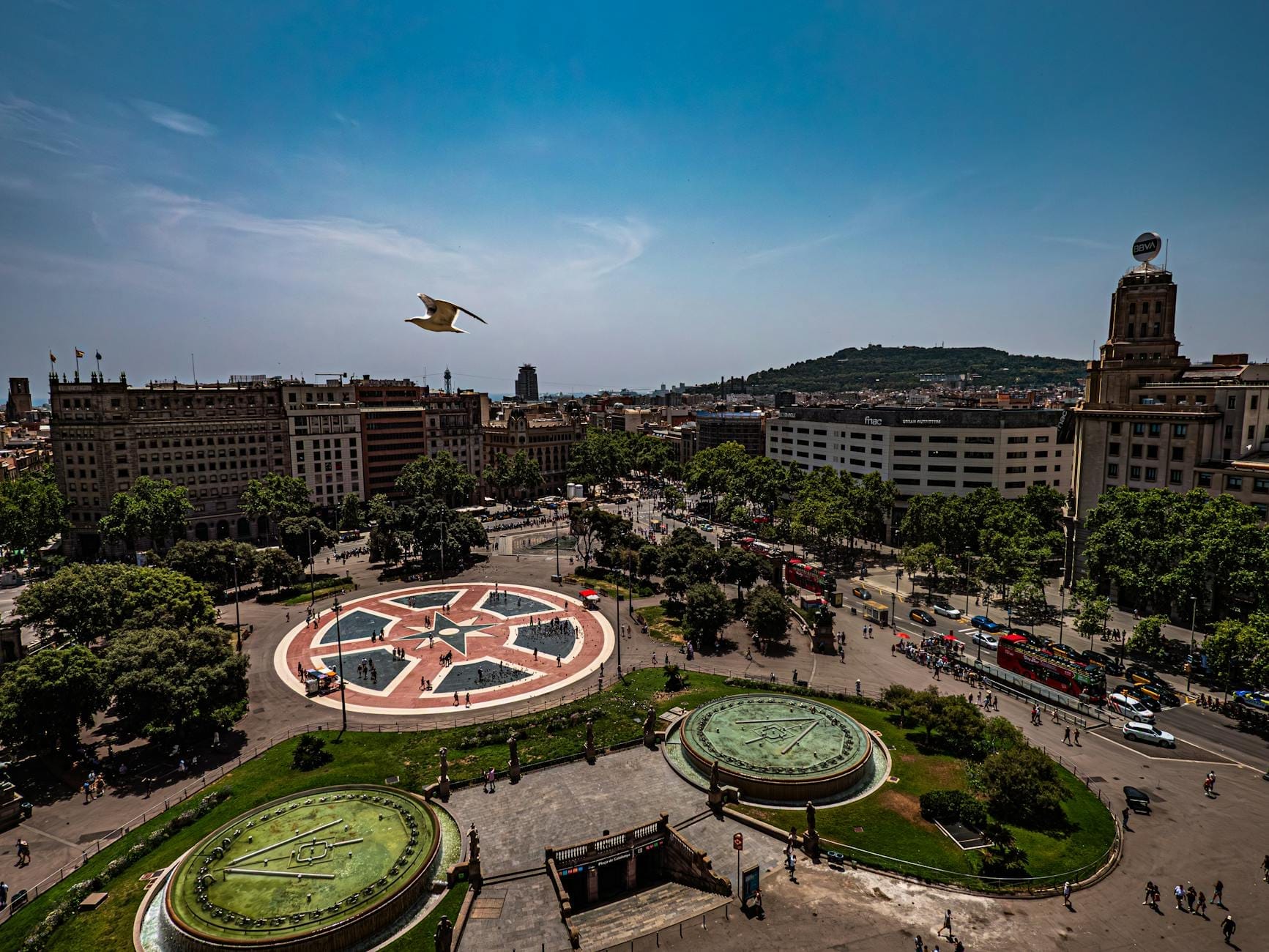
Plaça de Catalunya is the central transit hub of Barcelona. From here you can access metro lines 1, 2, and 3, multiple bus routes, the Aerobus from the airport, and the FGC suburban rail. If you are staying in or near Las Ramblas, this plaza is your primary orientation point for reaching any other part of the city.
Where to Stay
Staying directly on La Rambla puts you at the centre of Barcelona's tourist infrastructure, which is both the advantage and the drawback. Hotels on and immediately around the boulevard tend to be well-priced for their central location, but the surrounding area is noisy at night and the streets can feel relentless. If you want to understand the full range of options across the city before committing, the Barcelona accommodation guide compares all the main neighbourhoods by type of traveller.
The upper Raval, above Carrer de l'Hospital and around the MACBA area, offers a better balance for most visitors: close enough to La Rambla and the Gothic Quarter to reach them on foot in minutes, but with a more residential character that makes the neighbourhood feel less like a stage set. Hotels and guesthouses in this area tend to be independent or boutique rather than large chains.
The lower Raval, south of Carrer de Sant Pau and approaching Avinguda del Paral·lel, is quieter and more local in character. It suits travellers who want very central accommodation without being in the thick of the tourist core, and who do not mind a slightly longer walk to the main sights. The Hotel Barceló Raval on the Rambla del Raval is the area's most prominent hotel and a useful reference point for the mid-Raval zone.
This area is not the best base for families with young children, partly due to the noise levels and street intensity, and partly because the neighbourhood's energy skews toward older travellers and nightlife. Families tend to fare better in the Eixample or closer to Barceloneta.
Honest Assessment: Who This Neighbourhood Is For
Las Ramblas and El Raval together form an area of genuine contradictions. La Rambla is not Barcelona's best street by local standards, but it is historically significant and certain moments, particularly early morning or during a summer evening walk toward the port, do deliver something worth experiencing. El Raval, on the other hand, is one of the city's most interesting neighbourhoods if you engage with it beyond the surface: its cultural institutions are excellent, its food scene is diverse and affordable, and its street life is more authentic than most of what surrounds the main tourist circuit. For context on how these areas connect to the broader city, the full Barcelona activities guide is a useful reference.
The area is not for travellers who want quiet, ordered streets, or for those who find high tourist density draining. It is also not the right base if you are primarily interested in Gaudí's major works, which are concentrated in the Eixample and upper city. But for travellers who want to be at the centre of Barcelona's historic core, within walking distance of the Gothic Quarter, El Born, and the waterfront, and who want a neighbourhood with genuine multicultural character and a serious cultural scene, this combination delivers.
TL;DR
La Rambla is worth a single early-morning walk but is heavily touristic and prone to pickpocketing: do not base your Barcelona experience around it.
El Raval is a genuinely interesting, multicultural neighbourhood with top-tier cultural institutions (MACBA, Palau Güell, Gran Teatre del Liceu) and affordable, diverse food.
The upper Raval around MACBA and Carrer Joaquim Costa is the best part of the area for eating, drinking, and staying: it feels like a real Barcelona neighbourhood rather than a tourist zone.
Best for: first-time visitors who want central access to Ciutat Vella, culture-focused travellers, and those who want to eat and drink well without spending a lot.
Not ideal for: families with young children, travellers sensitive to noise and crowds, or those primarily chasing Gaudí's major architectural works.
Barcelona transforms after sunset. Locals dine at 10 PM, the Magic Fountain draws crowds until midnight, and Gaudí's buildings glow in a way daylight simply cannot match. This guide covers the best ways to spend your evenings, from free spectacles to world-class performances.
Barcelona has nearly 5.5 kilometres of urban beaches stretching along the Mediterranean coast, all reachable by metro, bus, or bike. This guide covers every beach, what to do nearby, and how to make the most of the waterfront from the old port to the modern Diagonal Mar district.
Barcelona is an exceptional base for exploring Catalonia and beyond. These are the best day trips you can make from the city, from mountain monasteries and Roman ruins to Costa Brava beaches and Dalí's surrealist universe, most reachable by affordable public train.
Three days in Barcelona is enough to cover the city's greatest landmarks without rushing, if you plan smartly. This itinerary balances iconic Gaudí architecture, medieval streets, seafront walks, and local markets, with honest advice on what to skip, what to book ahead, and how to move between neighborhoods efficiently.
Barcelona is Spain's most expensive city, but it rewards smart travelers with free museums, cheap tapas, and world-class architecture you can admire for nothing. This guide breaks down exactly how to stretch your euros further without missing anything essential.
Barcelona rewards families with an extraordinary range of experiences: world-class science museums, a historic hilltop amusement park, beaches, Gaudí's fantastical architecture, and free fountain shows. This guide cuts through the noise to focus on what genuinely works with children in tow.
Choosing the best time to visit Barcelona depends on more than just sunshine. This guide breaks down every season by temperature, crowd levels, events, and value, so you can match your trip to your priorities rather than defaulting to peak summer.
Barcelona rewards those who look up and out. From hilltop ruins to Modernista rooftops, these are the city's best vantage points, ranked and described with practical detail so you can plan the perfect panorama.
Antoni Gaudí left seven UNESCO World Heritage Sites across Barcelona, each one a window into his obsessive genius. This guide covers every major work, from the soaring Sagrada Família to his earliest commission in Gràcia, with tips on booking, routing, and what to see inside each building.
Barcelona has one of Europe's most comprehensive urban transport networks, but knowing which option to use when can save hours and euros. This guide covers every mode of transport in the city, from the TMB metro and night buses to ride-hailing apps, cycling, and how to reach the airport.
Barcelona rewards those who look beyond the obvious. These 18 attractions reveal the city that locals actually love: Civil War ruins with unbeatable views, Gaudí buildings the tour buses miss, neighbourhood promenades, and market halls that outshine the famous ones.
Barcelona packs extraordinary architecture, world-class food markets, sun-soaked beaches, and centuries of history into 101 square kilometres. This guide cuts through the hype to tell you what's genuinely worth your time, what to skip, and how to do it all without wasting a day.
Barcelona's food scene runs far deeper than paella and tapas. This guide covers essential Catalan dishes, the best markets, standout restaurants by neighborhood, and the seasonal specialties most visitors miss entirely.
Choosing where to stay in Barcelona shapes your entire trip. This guide breaks down every major neighborhood by location, atmosphere, price range, and who it actually suits, so you can book with confidence.