Best Time to Visit Valencia, Spain: A Month-by-Month Breakdown
Valencia enjoys a Mediterranean climate with over 300 sunny days a year, but the best time to visit depends entirely on what you want from the trip. This guide breaks down every season by weather, crowd levels, prices, and key events so you can plan with confidence.
Plan and book this trip
Tools from our partner Travelpayouts help you compare flights and hotels. If you book through them, we may earn a commission at no extra cost to you.
Flights
Hotels map
TL;DR
- Spring (March to May) and early autumn (September to October) offer the best overall balance of weather, manageable crowds, and reasonable prices — ideal for sightseeing and outdoor activities
- Summer (June to August) is peak beach season but also the hottest and most expensive period, with August seeing the highest accommodation costs.
- Las Fallas (around 19 March) is Valencia's most spectacular festival, but hotel prices can triple and rooms sell out months in advance.
- January and February are the cheapest months, with accommodation typically 30–40% below summer peak rates — and the city is far from dead.
- Heavy rainfall events (known locally as DANA or gota fría) are most likely between September and November; pack accordingly if visiting in early autumn.
Understanding Valencia's Climate
Valencia sits on Spain's Mediterranean coast at roughly 15 metres above sea level, and its climate reflects that position precisely. The annual average temperature hovers around 18°C, winters rarely drop below 10°C, and summers are warm without tipping into the extreme heat that inland Spanish cities experience. Rain is concentrated in autumn and, to a lesser extent, late winter. Summer is reliably dry. This pattern makes Valencia genuinely viable as a year-round destination, though each season comes with clear trade-offs.
One climate phenomenon worth knowing before you book: the DANA (Depresión Aislada en Niveles Altos), popularly called gota fría. This is a sudden, intense rainfall event that can dump months of rain in a matter of hours, particularly between late September and November. It is not a daily risk, but it is a real one. The devastating floods of October 2024 underscored that this is not a tourist-brochure exaggeration. If you visit in early autumn, stay informed about weather forecasts and follow local emergency alerts.
⚠️ What to skip
Valencia is in the CEST time zone (UTC+2) during summer and CET (UTC+1) in winter. If you are connecting from Barcelona or Madrid, all train and bus schedules follow Spanish national time — worth double-checking if you are arriving from a different time zone.
Season-by-Season Guide
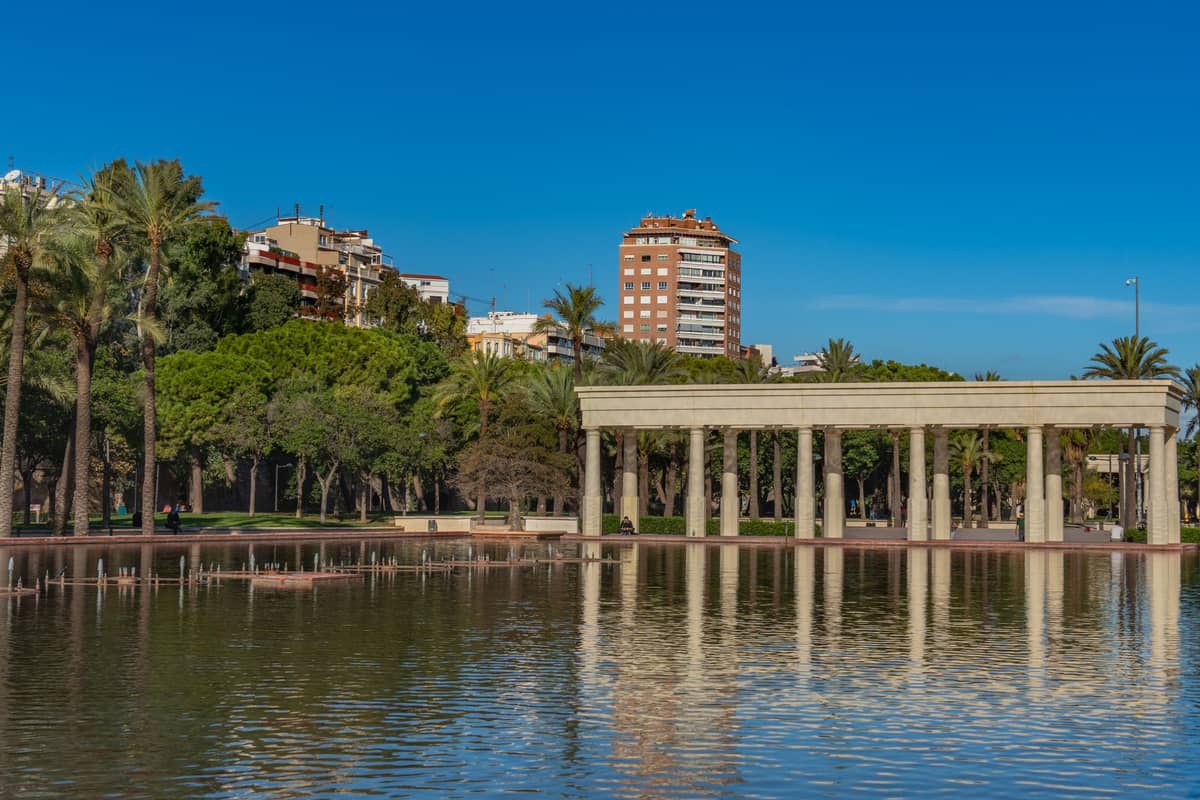
Spring (March to May) is consistently cited as the best time to visit Valencia for most travellers. Daytime temperatures typically range from around 16°C in March to 22–24°C in May. The sea is still cool for swimming in March and April, but the city's parks, markets, and historic streets are at their most enjoyable. The Turia Garden — the 9-kilometre park built in the former riverbed — is spectacular in spring bloom, and café terraces fill up without the oppressive July heat.
March deserves special mention because of Las Fallas, Valencia's defining annual festival centred on 19 March. For roughly two weeks, the city fills with monumental satirical sculptures (fallas), outdoor concerts, daily fireworks displays (the mascletà at Plaça de l'Ajuntament at 2pm sharp), and a palpable collective energy that is unlike anything else in Spain. If you have never experienced it, it belongs on your list. Just know: accommodation prices can triple during peak Fallas week, and booking six months ahead is not excessive for good options.
Summer (June to August) shifts the city's character toward the coast. Sea temperatures climb from around 23°C in June to 26–28°C in August and September, and the beaches at Malvarrosa and Las Arenas fill with locals and visitors from across Europe. The upside is long evenings, a full beach bar (chiringuito) culture, and the city's summer nightlife running late. The downside is that July and August are Valencia's most expensive months for accommodation, and August in particular sees Spanish domestic tourism spike sharply. Expect queues at popular attractions and higher prices across the board.
If you are visiting primarily for the beach, late June and the first half of September offer a practical compromise: sea temperatures are still excellent, prices soften, and the crowds thin noticeably. Valencia's beaches remain swimmable well into October, which gives early autumn visitors a genuine advantage.
Autumn (September to November) splits into two distinct halves. September and early October inherit summer warmth with lower prices and fewer tourists, making them arguably the shrewdest time to visit. After mid-October, temperatures drop more noticeably and the DANA risk rises. November brings cooler, cloudier days and genuine quiet in the city. It is not unpleasant, but it is definitively off-season and some beach-adjacent businesses reduce hours or close.
Winter (December to February) is Valencia's quietest tourist period and also its most affordable. Temperatures rarely fall below 8–10°C, and the city still functions at full pace: the Mercado Central is as busy as ever, museums and galleries are open, and the restaurants in Ruzafa are full of locals rather than tourists. January and February accommodation rates run 30–40% below summer peaks. The one honest caveat: if you are visiting for outdoor or beach-focused travel, winter simply does not deliver the same experience.
Month-by-Month Highlights
- January – February Cheapest months to visit. Cool but mild by northern European standards (10–14°C daytime). Low crowds at all major attractions. Ideal for museum-heavy itineraries and budget-focused trips.
- March Las Fallas festival peaks around 19 March. Extraordinary atmosphere, but accommodation costs spike dramatically. Book 3–6 months ahead. Temperatures warming from around 15°C.
- April – May Excellent conditions for city exploration and day trips. Temperatures 17–24°C. Easter week (Semana Santa) brings processions and some additional crowds. May is arguably the single best month for a balanced visit.
- June Transition to beach season. Sea temperatures reach 22–23°C. Prices start climbing but have not hit peak. Long daylight hours. The Corpus Christi procession typically falls in June.
- July – August Peak summer. Hot (30–33°C), crowded, and expensive. Ideal for beach holidays; less comfortable for intensive sightseeing. Book accommodation well in advance. August is the single most expensive month.
- September – October Sea still warm (26–24°C) but crowds thin after the first week of September. Prices drop from mid-September. DANA flood risk in October; monitor weather alerts. local neighbourhood festivals through September.
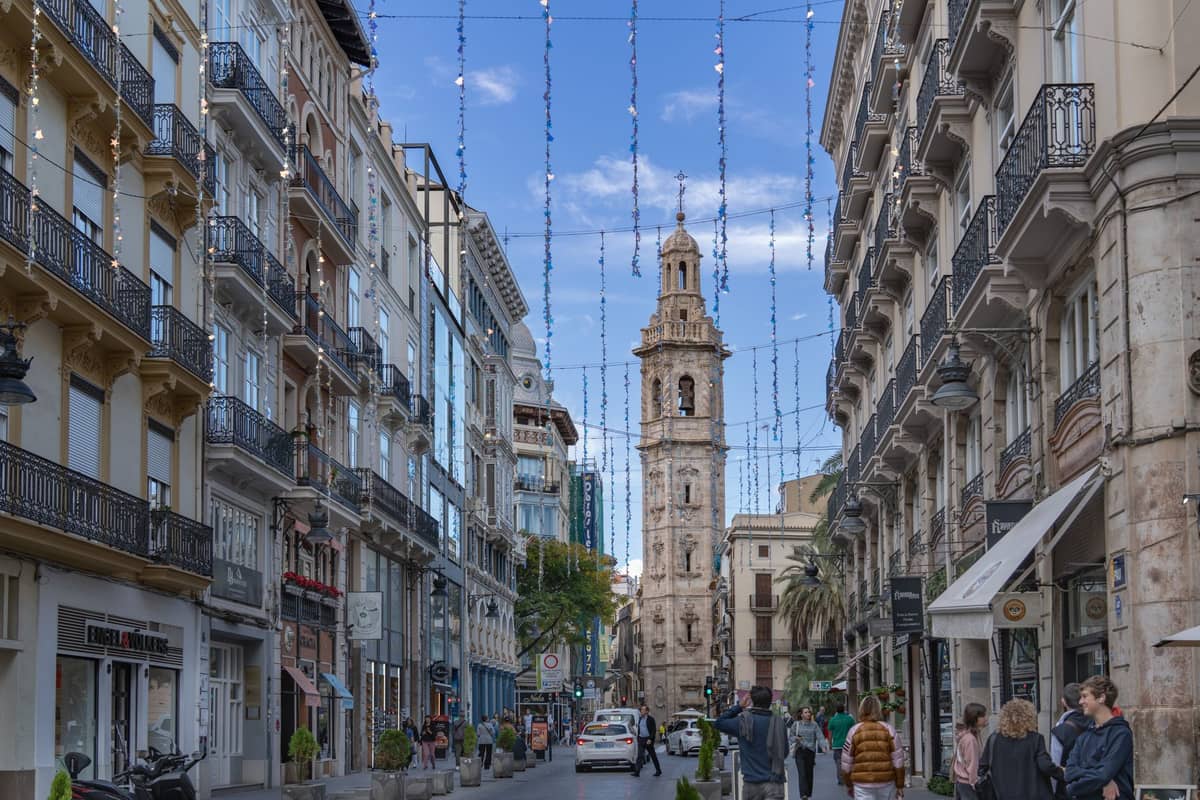
- November – December Quiet and affordable. Christmas lights from late November add atmosphere to the centre. Cooler and wetter but still manageable. Good for city breaks without agenda pressure.
Prices, Crowds, and When to Book
Accommodation pricing in Valencia follows a clear seasonal curve. August commands the highest rates, followed closely by Las Fallas week in March. January and February sit at the opposite end, typically 30–40% cheaper than the August peak. May, June, and September represent the middle ground: prices are moderate and availability is generally good outside major local events.
For flight pricing, the pattern broadly mirrors accommodation, though budget carriers sometimes produce anomalies. The route from Barcelona to Valencia by high-speed train (around 3 hours via Renfe's AVE service) is worth considering as an alternative to flying, particularly if you are combining cities. Getting around Valencia is straightforward by metro, bus, or bicycle — the flat terrain and the Turia Garden cycle path make the city one of Spain's most cycle-friendly.
✨ Pro tip
If your visit coincides with Las Fallas, stay in a neighbourhood slightly outside the historic centre — somewhere like Ruzafa or Benimaclet. You will still experience the festival fully, but you will sleep better and often pay less. The noise in the old city during mascletà days is genuinely disruptive to light sleepers.
Crowd levels at specific attractions also vary significantly. The Ciudad de las Artes y las Ciencias complex draws visitors year-round, but summer queues at L'Oceanogràfic can be substantial — visiting on a weekday morning in May or October means you can move through at your own pace. The Mercado Central is worth visiting any day but is best experienced before 1pm; it closes in the early afternoon around 3pm.
Best Time to Visit for Specific Interests
- Beach and swimming Late June through September for warm sea temperatures (23–28°C). September gives you warm water without August's crowds.
- Architecture and culture October to May. Comfortable temperatures for walking the historic centre, visiting the Cathedral, La Lonja, and the IVAM without heat fatigue.
- Food and markets Year-round, but spring and autumn bring the best seasonal produce. Valencia oranges are at their peak from November through March — a detail worth knowing if that is on your list.
- Festivals and events March for Las Fallas. July for Feria de Julio. September for local neighbourhood festivals (fiestas de barrio). December for Christmas markets and illuminations.
- Budget travel January and February offer the lowest prices across accommodation, tours, and sometimes flights. The city is quieter but fully operational.
- Families with children July and August align with school holidays but are also the most expensive. Late June or September give families warm weather and lower costs.
Valencia FC (also written Valencia CF) plays its home matches at Estadio de Mestalla throughout the La Liga season, which runs from August to May. If attending a match is on your agenda, check the fixture schedule when planning — particularly for local derbies and European competition dates. The stadium is located in the Eixample district, about 2 kilometres from the historic centre. For context on what else to do around a match day visit, the full things to do guide covers the key options across the city.
ℹ️ Good to know
Valencia oranges, the variety that made the city globally famous, are harvested from late autumn through winter. If you are visiting in November to March, you will find them at the Mercado Central at their freshest and cheapest. The irony is that most summer visitors never taste a Valencia orange at peak quality — the supermarket oranges available in July are often imported from elsewhere.
Practical Planning Notes
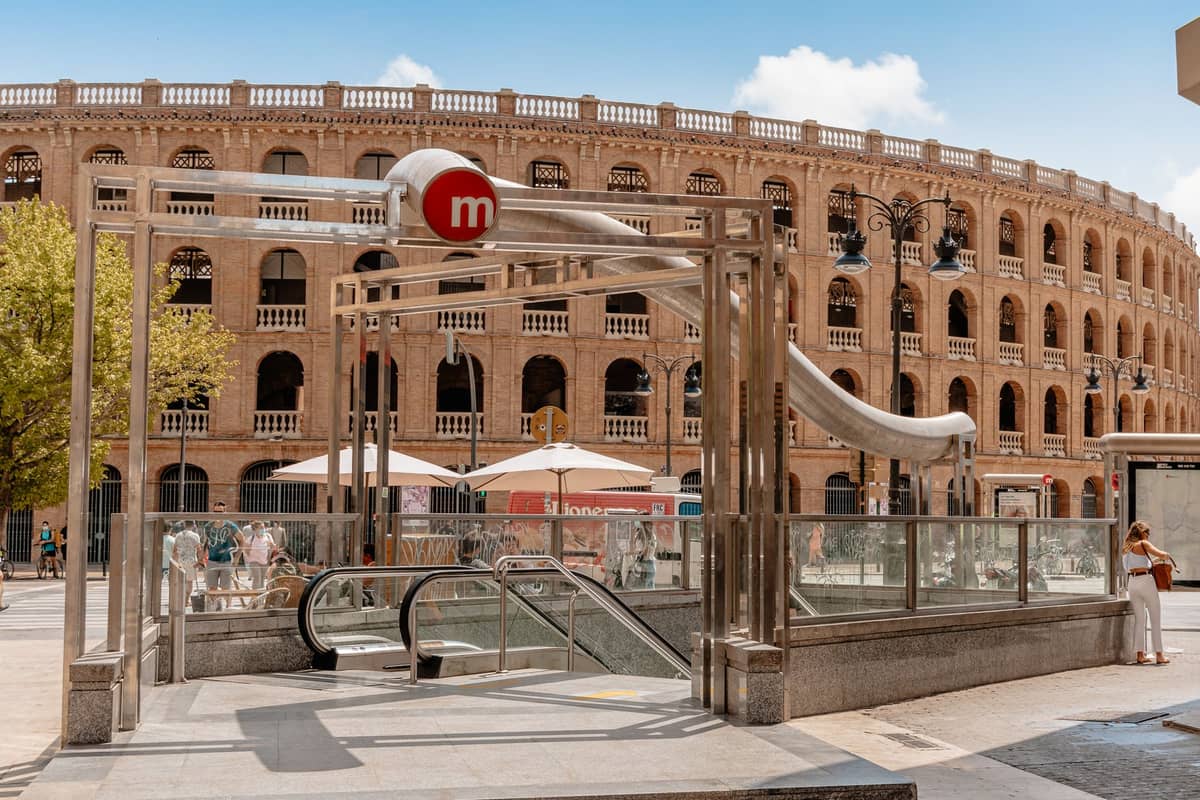
Valencia Airport (IATA: VLC) is approximately 8 kilometres from the city centre, with a metro connection (Lines 3 and 5 of Metrovalencia) taking around 20 minutes. For a detailed look at neighbourhoods and where to base yourself by season, the where to stay in Valencia guide breaks down options by area and budget. The Barrio del Carmen is the most atmospheric base in the historic core, while Ruzafa suits those who want a local neighbourhood feel with good restaurant access.
For day trips from the city, timing matters. The Albufera Natural Park — the lagoon south of Valencia that gave the world paella — is most rewarding in cooler months when migratory birds are present and the heat does not make a boat trip uncomfortable. The Albufera day trip guide covers logistics in detail. Similarly, if you are considering the wider region, the day trips from Valencia guide is worth reading before you finalise your itinerary.
If you are planning around a short break, a 3-day Valencia itinerary works well in spring or autumn when you can comfortably walk between attractions without scheduling around midday heat. For a full week, the one-week Valencia guide gives you a structured framework that can be adapted to any season.
FAQ
What is the best month to visit Valencia, Spain?
May is widely considered the single best month: temperatures are warm but not oppressive (around 22–24°C), sea water is beginning to warm up, crowds are manageable, and prices have not yet reached summer peak. September is a close second for the same reasons, with the added bonus of warm swimming conditions.
What is the weather like in Valencia in winter?
Valencia winters are mild compared to most of Europe. December through February typically sees daytime temperatures of 12–16°C with cool evenings. Rain is more frequent than in summer, but prolonged grey periods are uncommon. It is cold enough to need a jacket but warm enough to sit outside at midday.
Is August a good time to visit Valencia?
August is excellent if your primary goal is the beach. Sea temperatures hit their peak (26–28°C), the beach bars are in full swing, and the city has a lively summer atmosphere. However, it is also the most expensive and crowded month, and temperatures regularly exceed 30°C, which makes intensive sightseeing uncomfortable. Book accommodation months in advance.
When is Las Fallas in Valencia and how does it affect travel?
Las Fallas runs from around 1–19 March, with the main events concentrated in the final week. It is Valencia's most important festival and a genuinely unmissable experience, but it brings significant crowds and dramatically higher hotel prices. Book accommodation at least 3–6 months ahead if you plan to attend during the peak days around 17–19 March.
Is Valencia worth visiting in winter for budget travellers?
Yes. January and February are Valencia's cheapest months, with accommodation running 30–40% below summer peak rates. The city's museums, food scene, markets, and historic centre are all fully operational. The main sacrifice is beach weather, but for urban exploration and food-focused travel, winter offers excellent value with far fewer crowds.