Best Things to Do in Valencia, Spain: The Definitive Guide
Valencia is Spain's third-largest city and one of its most rewarding to explore. This guide covers the best things to do in Valencia — from UNESCO-listed medieval architecture and futuristic science complexes to rice-field wetlands and urban beaches — with practical details on prices, timing, and how to avoid the crowds.
Plan and book this trip
Tools from our partner Travelpayouts help you compare flights and hotels. If you book through them, we may earn a commission at no extra cost to you.
Flights
Hotels map
TL;DR
- Valencia's top sights divide neatly into three zones: the historic centre, the City of Arts and Sciences complex, and the coastal and natural areas — you can cover all three in 3 days.
- La Lonja de la Seda (UNESCO World Heritage) and the Mercado Central are free or near-free and should be non-negotiable stops.
- The City of Arts and Sciences is spectacular but expensive — budget around €35 per person just for the Oceanogràfic. Combined tickets save money if you plan to visit multiple pavilions.
- Albufera Natural Park is an underrated half-day trip reachable by city bus — essential context for understanding Valencian paella and where it actually comes from.
- March is transformative (Las Fallas festival), but summer weekends pack the beaches and tourist sites. April, May, October, and November offer better balance.
Why Valencia Rewards Closer Attention
Valencia, Spain (officially València in Valencian) sits on the Mediterranean coast at roughly 39°N, about 350 km south of Barcelona. With a city population of around 824,000 and a metropolitan area of 2.5 million, it is Spain's third city — large enough to have world-class infrastructure, small enough to walk across in an afternoon. Two official languages (Spanish and Valencian) coexist here, and the dual identity shapes everything from street signs to cuisine.
The city's Mediterranean climate means an annual average above 18°C, winters that rarely drop below 10°C, and dry summers — making outdoor sightseeing comfortable in almost every month. Autumn and late winter bring the most rain. If you are deciding when to visit, the honest answer is that Valencia has no bad season, only trade-offs between festival energy, beach weather, and crowd levels.
ℹ️ Good to know
Valencia Airport (IATA: VLC) is 8 km from the city centre, about 15 minutes by car. Metro lines 3 and 5 connect the airport to the city in approximately 20 minutes. City bus Line 150 takes around 35 minutes and is the cheapest option. Verify current fares on the Metrovalencia or EMT Valencia websites before you travel, as prices are updated periodically.
The Historic Centre: Medieval Valencia on Foot
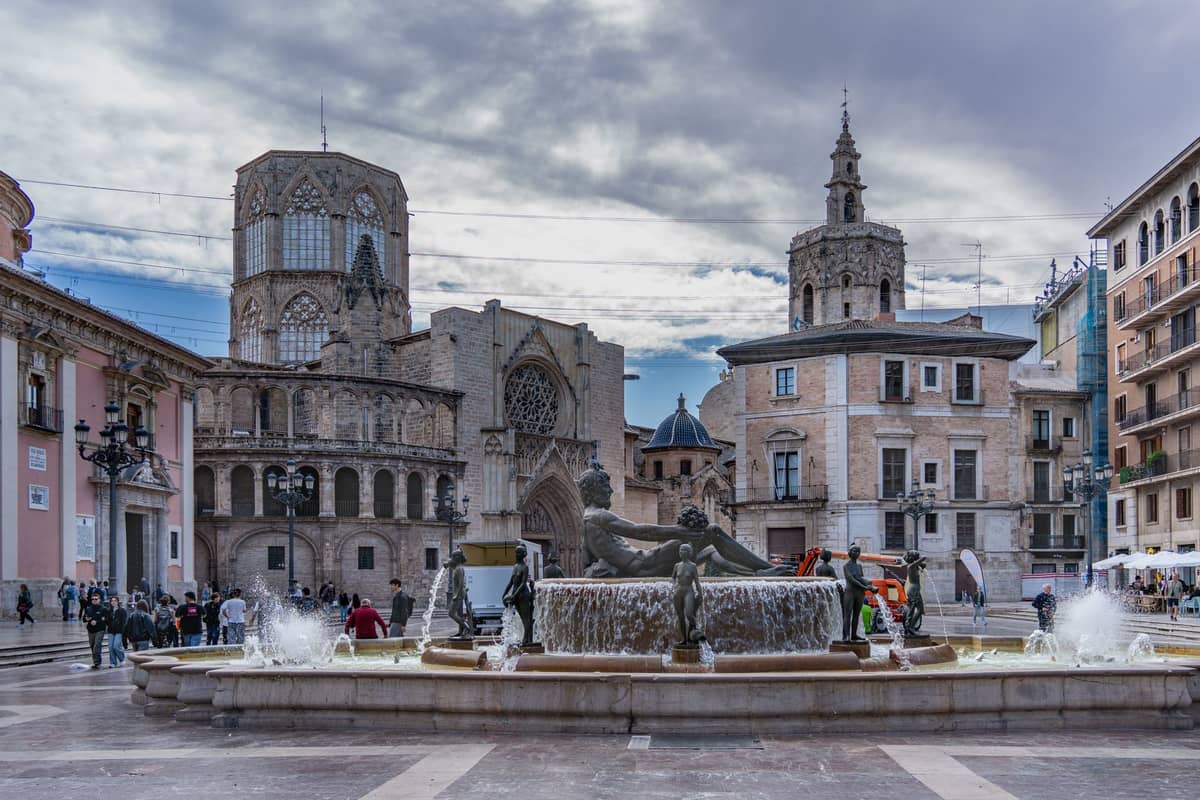
The historic centre is compact enough to cover on foot in a full day, but rich enough to fill three. The spatial logic is straightforward: Plaza del Ayuntamiento anchors the south; Plaza de la Reina anchors the cathedral cluster; and the old city walls trace a rough oval around both. Start early — by 10:30am, tour groups begin arriving at the major sites.
- Catedral de Valencia + El Miguelete Gothic-Romanesque cathedral begun in the 13th century, with additions spanning five architectural styles. Combined entry (cathedral, museum, and tower) runs around €9 for adults. The tower climb — 207 steps with no lift — rewards you with the best unobstructed 360° view of the old city rooflines. Go first thing in the morning or just before closing to avoid tour groups.
- La Lonja de la Seda (Silk Exchange) One of the finest late-Gothic civil buildings in Europe and a UNESCO World Heritage Site since 1996. Entry is around €3, free on Sunday mornings and some public holidays. The Hall of Columns — with its twisted stone pillars — is genuinely one of the most impressive interior spaces in Spain. Do not skip it in favour of the cathedral: they are both essential and 2 minutes apart.
- Mercado Central Open Monday to Saturday from early morning until approximately 3pm. The modernist building (1928) covers over 8,000 square metres and houses more than 300 stalls. Come before noon for the best produce and to watch Valencians actually shopping, not just tourists photographing octopus.
- Torres de Serranos and Torres de Quart Two surviving 14th–15th century gate towers from the old city walls. Torres de Serranos is the more impressive and offers rooftop views. Entry fees are low; check the city's official schedule as hours vary seasonally.
The neighbourhood of Barrio del Carmen sits immediately northwest of the cathedral and is worth at least an hour of wandering without a specific destination. Medieval alleyways open onto Baroque courtyards. The street art density increases as you move north. Several of the city's best small bars are tucked inside what were once bourgeois townhouses. It is the part of Valencia that feels least curated for tourism — which is exactly why it works.
💡 Local tip
The Iglesia de San Nicolás (nicknamed the 'Sistine Chapel of Valencia') was fully restored in 2016 and now draws long queues. Book tickets online in advance — the church sells timed entry slots and walk-up access can mean a 45-minute wait during peak months.
City of Arts and Sciences: Architecture, Science, and the Ocean
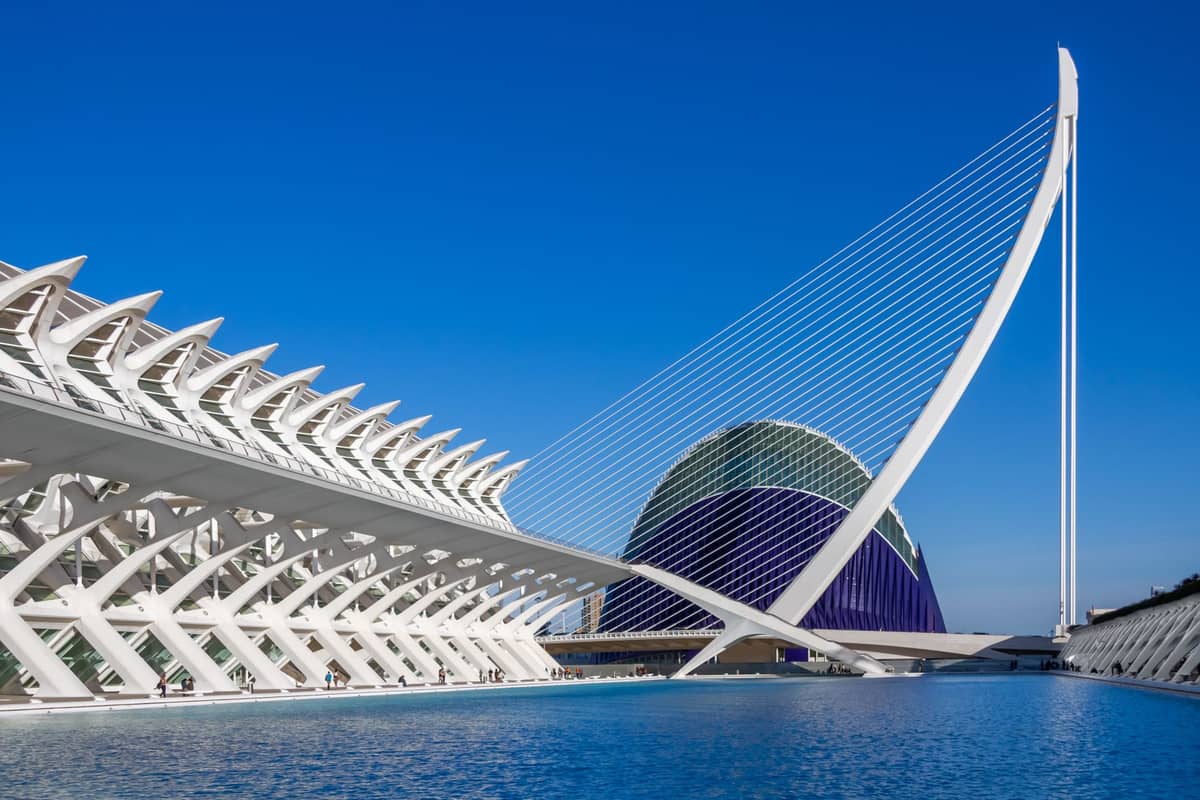
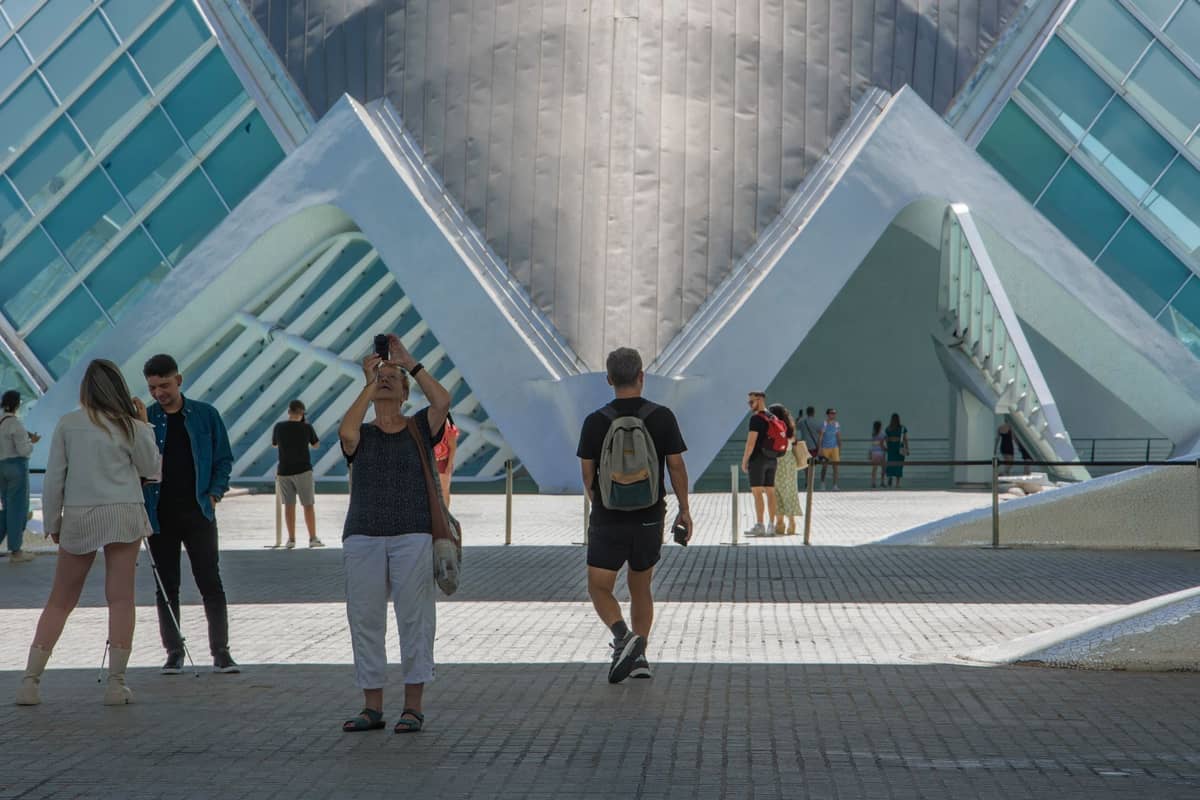
The Ciudad de les Arts i les Ciències occupies the eastern end of the former Turia riverbed and represents one of the most ambitious urban development projects in modern Spanish history. Designed primarily by Santiago Calatrava and Félix Candela, the complex opened in stages between 1998 and 2005. The architecture alone justifies a visit — even if you enter nothing, walking the exterior at sunset produces some of the best photographs in Valencia.
Be clear-eyed about costs. A standard adult ticket to the Oceanogràfic runs around €35; the Museu de les Ciències is a separate ticket (around €8-10); the Hemisfèric charges separately for films. If you plan to visit two or more venues, combined tickets are available and offer meaningful savings. For families, this is a full-day commitment and one of the better options in the city. For solo travellers primarily interested in architecture, spending 90 minutes walking the complex exterior and having a coffee at the Umbracle terrace gives you most of the visual impact for free.
- L'Oceanogràfic Europe's largest aquarium by water volume. Strong exhibits on Mediterranean ecosystems, Arctic species, and deep ocean environments. Allow 3-4 hours. Most crowded on Saturday afternoons and Spanish public holidays.
- Museu de les Ciències Príncipe Felipe Interactive science museum in a spectacular Calatrava structure. Better for children and teenagers than for adults seeking scholarly depth, but the building itself is worth seeing regardless.
- L'Hemisfèric IMAX-style dome cinema with rotating film programme. Check the schedule before visiting — the content changes and some sessions are in Spanish only.
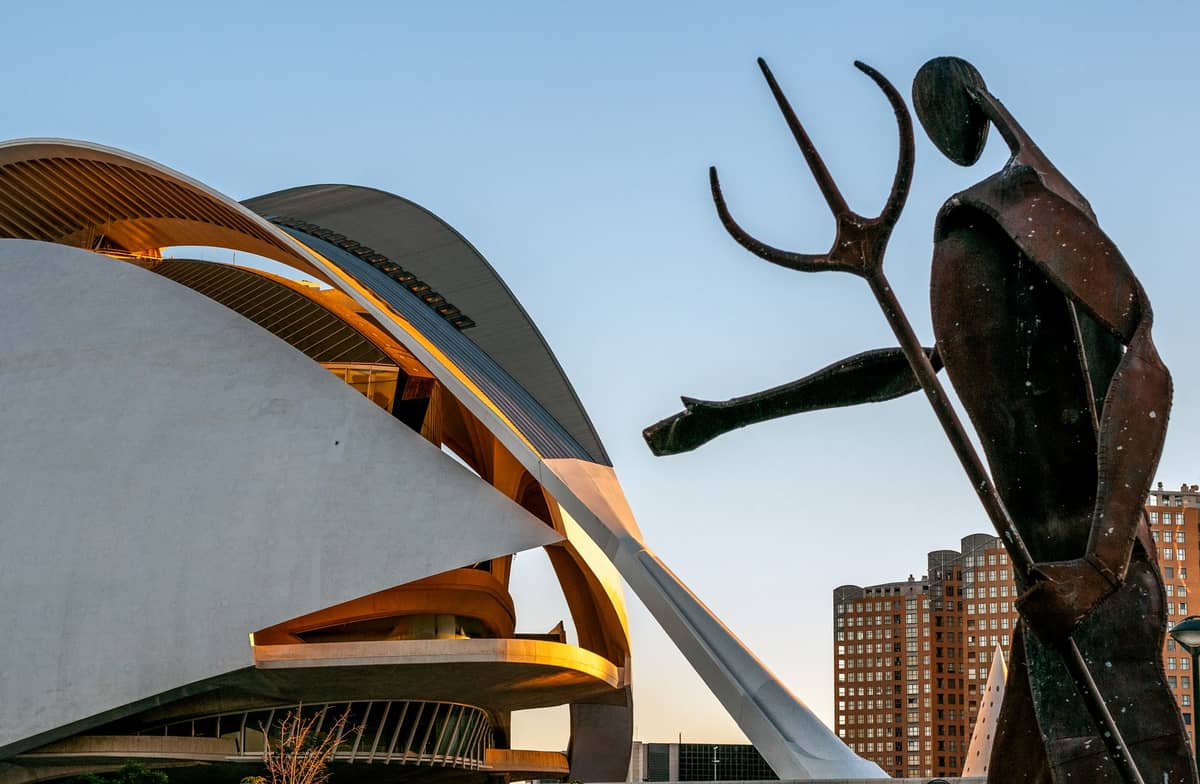
- Palau de les Arts Reina Sofía Valencia's opera house, hosting opera, ballet, and classical concerts. If you are in Valencia for more than a weekend, check the programme — tickets are significantly cheaper than equivalent venues in London or Paris.
Turia Gardens, Beaches, and Getting Outside
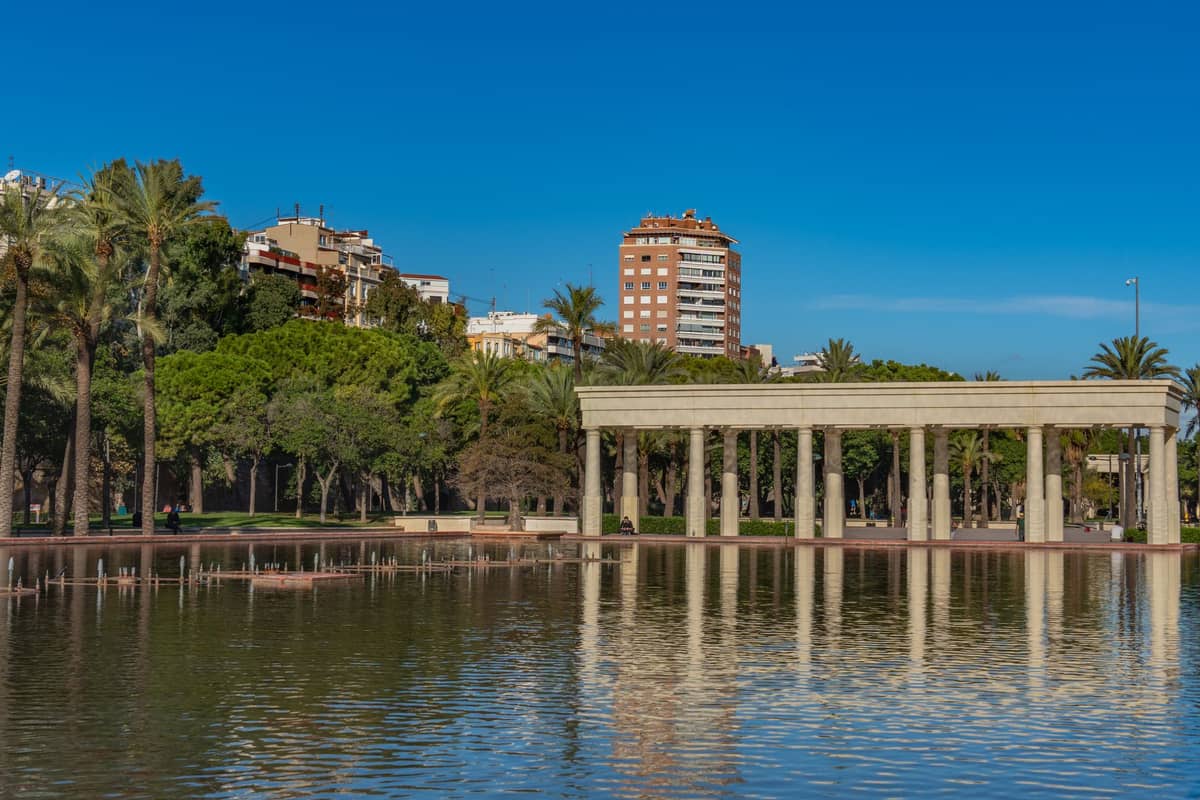
The Jardí del Túria is a 9-kilometre linear park running through the city where the Turia River once flowed, before it was diverted following catastrophic flooding in 1957. Today the former riverbed is one of Europe's most successful urban parks: cycling paths, football pitches, playgrounds, running tracks, rose gardens, and the giant Gulliver sculpture that children have been climbing since 1990. It connects the old city to the City of Arts and Sciences and is the single best way to move between the two on foot or by bike.
Valencia's urban beaches, particularly Playa de la Malvarrosa and Playa de las Arenas, are accessible by tram from the city centre in about 20 minutes — a fact many first-time visitors underestimate. The beaches are wide, well-maintained, and lined with restaurants serving rice dishes at lunch. They are not quiet in July and August. If you want sand without the crowds, Playa de Pinedo further south is less developed and noticeably less busy.
Albufera Natural Park sits about 10 km south of the city and is a dramatically different landscape: a freshwater lagoon fringed by rice paddies, pine forests, and small fishing villages. EMT bus line 24 runs from Valencia to the park area, including the village of El Palmar. A boat trip on the lagoon at sunset costs around €5-7 per person with local operators. This is where traditional Valencian paella originated — cooked over orange wood with rabbit, chicken, and local beans, not seafood. Understanding this context changes how you think about eating in the city.
⚠️ What to skip
Seafood paella is widely sold to tourists throughout Valencia, and there is nothing wrong with eating it — but it is not the traditional Valencian version. Paella valenciana uses chicken, rabbit, ferraura beans, and garrofón (a large white bean). If you want the genuine article, look for restaurants in El Palmar village or city restaurants that list 'paella valenciana' specifically and cook to order (minimum 30-40 minute wait). Anything ready in under 10 minutes is reheated.
Museums, Culture, and Less-Crowded Alternatives
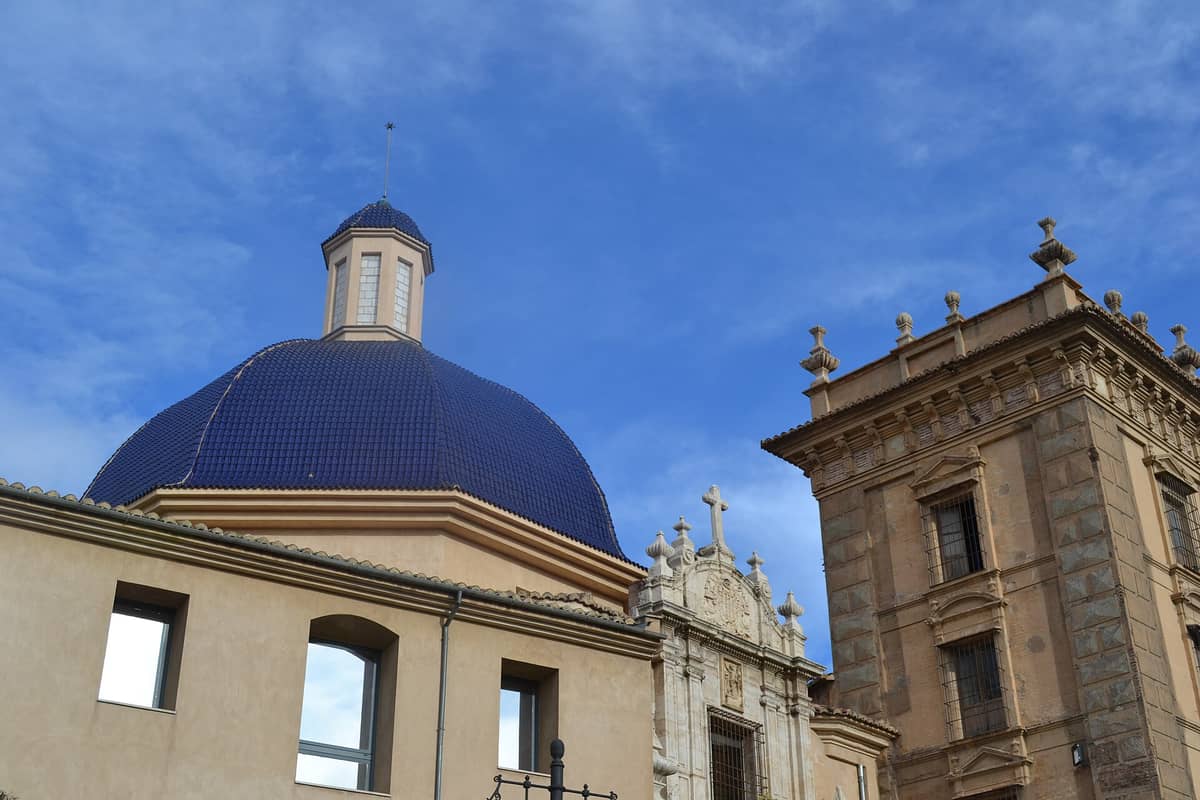
Valencia's museum scene is stronger than its reputation suggests. The Museo de Bellas Artes holds one of the most significant collections of Spanish painting outside Madrid, with works by Ribera, Sorolla, and Velázquez. Entry is free. The IVAM (Institut Valencià d'Art Modern) is Spain's first dedicated modern art museum and runs a consistently interesting programme of temporary exhibitions.
For something more specific to Valencia's identity, the Museo Nacional de Cerámica is housed in the extravagant Palacio del Marqués de Dos Aguas — one of the most ornate Baroque facades in Spain, worth seeing even from the street. The Museu Faller preserves the ninots (figures) saved from burning each year during Las Fallas, giving context to the festival that is otherwise hard to grasp outside of March.
The neighbourhood of Ruzafa has become Valencia's most talked-about residential area over the past decade, with independent shops, galleries, and restaurants that serve the city's younger creative population. It is genuinely interesting without being a tourist performance of itself. The Mercado de Ruzafa has been renovated and is worth a Saturday morning visit.
Festivals, Food, and Seasonal Planning

Las Fallas (early-to-mid March, culminating around 19 March) is the defining cultural event of the Valencian calendar and one of the most spectacular festivals in Europe. Enormous sculptural monuments erected across the city are burned on the final night. The two weeks before feature daily fireworks at 2pm (the mascletà), street parties, and processions. Accommodation books out months in advance. If this is your reason for visiting, read the full Las Fallas guide before booking — the festival is extraordinary but requires planning.
Food is central to understanding Valencia. Beyond paella, the city's food identity includes horchata (a cold drink made from tiger nuts, sold in traditional horchaterías), fresh orange juice from Valencia oranges (a major regional export), and a thriving tapas culture centred on the old town and Ruzafa. Valencia's food scene rewards travellers who eat where locals eat rather than on the restaurant-lined tourist streets near the cathedral.
✨ Pro tip
Valencia CF plays at the Estadio de Mestalla, one of Spain's most atmospheric football grounds. If Valencia FC has a home match during your visit, attending is one of the most authentic ways to experience the city's identity outside of festival season. Check the official Valencia CF website for fixtures and ticket availability well in advance for top-division matches.
- April and May: Ideal weather (18-24°C), lower crowds than summer, orange blossom scent throughout the city
- June to August: Beach season at full capacity, longer opening hours at many attractions, higher prices for accommodation
- September and October: Warm enough to swim, significantly quieter than peak summer, excellent time for the Turia Gardens and cycling
- November to February: Mild winters, very few tourists, some shorter opening hours at minor attractions — best for budget travellers and those who prefer uncrowded sights
- March (Las Fallas): Book 3-6 months ahead; prices spike; the festival runs for approximately two weeks, not just 19 March
For a practical itinerary that covers the main sights without wasted time, the 3 days in Valencia guide maps out a realistic sequence. If you have longer, the day trips from Valencia guide covers worthwhile destinations within 1-2 hours of the city.
FAQ
How many days do you need in Valencia?
Three full days is a workable minimum to cover the historic centre, the City of Arts and Sciences, and one beach or nature excursion. Five days lets you add Albufera, a cycling day in the Turia Gardens, and meaningful time in neighbourhoods like Ruzafa and El Cabanyal without feeling rushed. One week is comfortable for a thorough visit including day trips.
What is Valencia, Spain best known for?
Valencia is best known as the birthplace of paella, for the Las Fallas fire festival each March, for the City of Arts and Sciences architectural complex, and for the historic Silk Exchange (La Lonja), a UNESCO World Heritage Site. It is also Spain's third-largest city and a major Mediterranean port with significant agricultural exports including Valencia oranges.
Is Valencia expensive to visit?
By Western European standards, Valencia is moderately priced. Many of the best attractions are free or low-cost: the Museo de Bellas Artes, the Turia Gardens, La Lonja (around €3), and the Mercado Central all cost little or nothing. The main expense spike is the City of Arts and Sciences — the Oceanogràfic alone costs around €35 per adult. Accommodation and food are noticeably cheaper than Barcelona or Madrid.
What is the best time of year to visit Valencia?
April to June and September to October offer the best balance of warm weather, manageable crowds, and reasonable accommodation prices. March is unmissable if Las Fallas festival appeals to you, but the city is packed and prices surge. July and August are ideal for beach visitors but hot and crowded. Winter (November to February) suits travellers who prefer quiet streets and low prices — the weather stays mild, rarely dropping below 10°C.
How far is Valencia from Barcelona?
Valencia to Barcelona is approximately 350 km by road. High-speed train (AVE) connects the two cities in around 3 hours and 10 minutes from Joaquín Sorolla station in Valencia. Buses take 4-5 hours and are cheaper. Flying is generally not worth it once you factor in airport transfer time on both ends. The train is the most practical option for most travellers.