What to Eat in Valencia: A Food Lover's Guide
Valencia is the birthplace of paella, but its food culture runs far deeper than a single dish. This guide covers everything from traditional rice dishes and seafood stews to mid-morning snacks and the city's iconic tigernut drink — with real prices, meal timing, and honest advice on what to skip.
Plan and book this trip
Tools from our partner Travelpayouts help you compare flights and hotels. If you book through them, we may earn a commission at no extra cost to you.
Flights
Hotels map
TL;DR
- Authentic Paella Valenciana contains chicken, rabbit, green beans, and white beans — never seafood, peas, or chorizo.
- Paella is a lunch dish only; any restaurant serving it at dinner is targeting tourists, not locals.
- The menú del día (weekday set lunch) is the best-value meal in the city, typically €12–€18 for 2–3 courses — see our guide to the best paella in Valencia for where to order it.
- Horchata de chufa is Valencia's signature drink, best consumed May–October when tigernuts are freshest.
- Visit the Mercado Central before 15:00 on weekdays for the city's finest produce, seafood, and cured meats.
Understanding Valencia's Food Culture Before You Eat
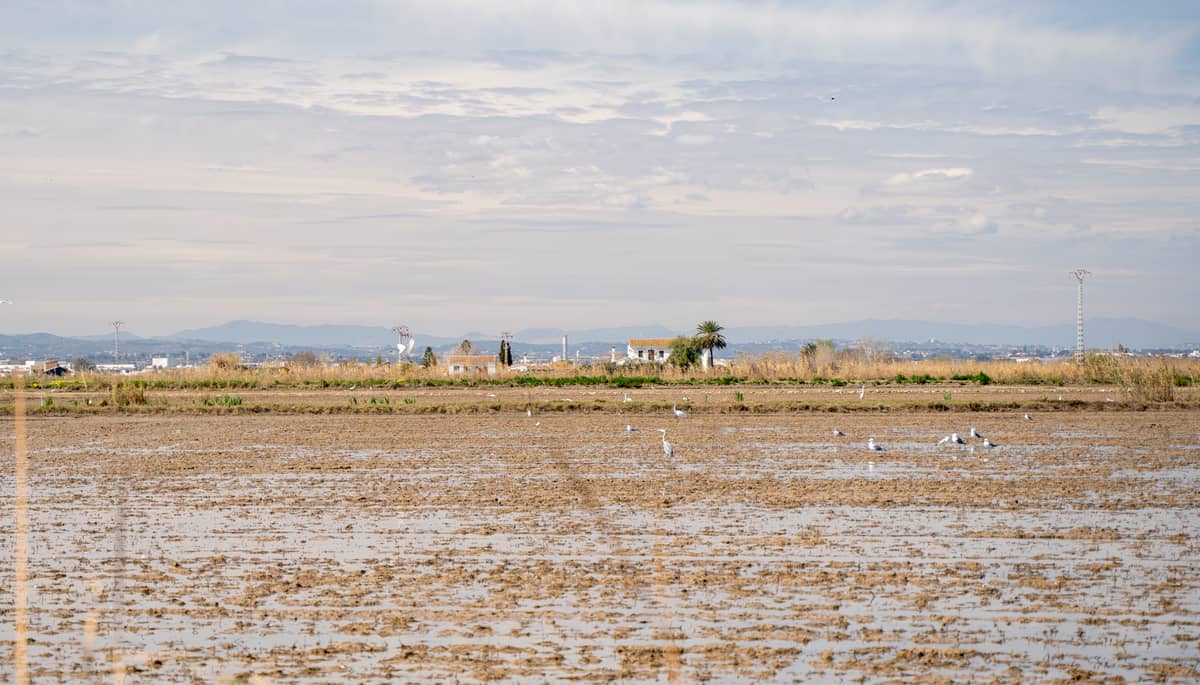
Valencia sits on Spain's Mediterranean coast surrounded by the huerta, a vast irrigated farmland that has fed the city for over a thousand years. This geography explains everything about Valencian cuisine: short-grain rice grown in the Albufera wetlands, fresh vegetables from the huerta fields, seafood pulled from the Mediterranean, and citrus orchards producing the famous Valencia oranges that are exported worldwide. The food here is not a performance for tourists — it is deeply embedded in daily life, and locals have firm opinions about how it should be made and when it should be eaten.
Meal timing is the single thing that most visitors get wrong. Lunch is the main meal of the day, eaten between 14:00 and 16:00. Dinner rarely starts before 21:00 and often runs to 23:00 or later. Turning up at a restaurant at 19:00 expecting dinner will often get you a confused look. Adjust your schedule to the local rhythm and the entire food experience improves significantly.
⚠️ What to skip
Paella is a midday dish for locals. If a restaurant is heavily advertising paella for dinner — especially near the beach on Playa de la Malvarrosa — it is very likely catering mainly to tourists. Locals usually order paella at lunch, around 14:00, and the best paella houses often stop serving by about 16:00–16:30.
Paella Valenciana: What It Actually Contains
Paella Valenciana is one of the most misrepresented dishes in the world. The authentic version — the one Valencians actually make at home and order in serious restaurants — contains chicken, rabbit, flat green beans (bajoqueta), large white beans (garrofó), tomato, saffron, rosemary, olive oil, water, and short-grain rice. The rice varieties used are Bomba, Senia, or Albufera, all grown locally. Traditionally, snails (vaquetes) may be added. That is the complete list.
It does not contain seafood, peas, bell peppers, or chorizo. These additions are found in other Spanish rice dishes — paella de marisco (seafood rice), arroz negro (black rice with squid ink), or mixed paella — and they are perfectly enjoyable dishes in their own right. But if a menu says "paella valenciana" and it comes with prawns on top, that is not what locals would call the real thing. Order it with full knowledge of what you are getting.
- Paella Valenciana Chicken, rabbit, flat green beans, garrofó beans, tomato, saffron, rosemary, and local short-grain rice. The original.
- Paella de Marisco Prawns, mussels, squid, and other shellfish with rice. Popular and good, but a different dish entirely.
- Arroz a Banda Rice cooked in concentrated fish stock, served separately from the fish. Rich, deeply flavoured, and often underrated by visitors.
- Arroz al Horno Oven-baked rice with pork ribs, black pudding, tomato, and chickpeas. A cold-weather dish found more in autumn and winter menus.
- Fideuà The noodle-based cousin of paella, typically made with seafood. Originally from Gandia, south of Valencia, but widely eaten in the city.
✨ Pro tip
For the most authentic paella experience, head to the villages around Albufera Natural Park — El Palmar in particular. Restaurants here specialise in traditional rice dishes and the setting, surrounded by the lagoon, is unbeatable. It is worth the short trip from the city.
The Daily Eating Rhythm: From Almorzaret to Late Dinner
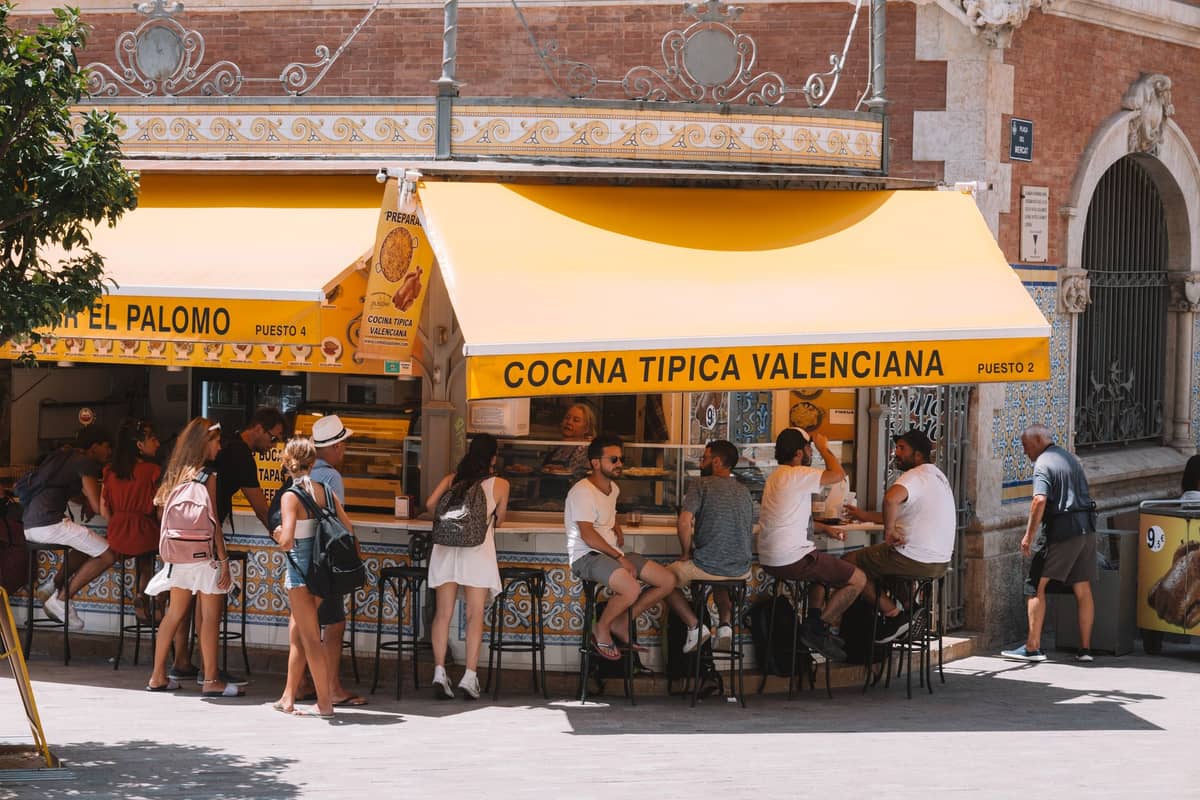
Valencia has a distinct daily meal structure that most visitors do not expect. Understanding it will save you from eating at the wrong time, paying inflated tourist prices, and missing the most local food experiences entirely.
The almorzaret is a mid-morning snack eaten around 10:00–11:00, not to be confused with lunch. Workers stop at a local bar for a bocadillo (small sandwich), a plate of jamón, or a simple tapa with coffee. It typically costs €5–€8 and is one of the most authentic and affordable eating experiences in the city. The neighbourhood bars around Ruzafa and the historic centre do this well.
Lunch (14:00–16:00) is the main event. The menú del día — a set weekday lunch — is how most locals eat their biggest meal. For €12–€18 you typically get a starter, a main course, dessert or coffee, and a drink (wine or water). It is exceptional value and available at restaurants that would charge double for the same food à la carte in the evening. This is the format to target for paella: order it as a lunch main, not from a tourist menu.
Dinner is lighter and later. Most Valencia residents do not sit down for dinner before 21:00, and many restaurants do not open their kitchens until 20:30 at the earliest. Dinner might be a plate of tapas, a salad, or a simple fish dish. This is not the meal for paella.
Beyond Paella: Essential Valencian Dishes to Try
All i pebre is the dish that most visitors miss entirely. It is a stew of eel, garlic, paprika, and olive oil, historically made by fishermen working the Albufera lagoon. The flavour is deeply savoury and slightly smoky. It is found in restaurants around the lagoon area and in some traditional bars in the city centre. If you see it on a menu, order it.
Horchata de chufa is Valencia's most distinctive non-alcoholic drink. Made from tigernuts (chufas) grown in the village of Alboraya, just north of the city, it is a creamy, slightly sweet, cold beverage served in dedicated horchatería bars, always alongside fartons — a long, sweet, spongy pastry designed for dipping. Horchata is technically a summer drink, most commonly consumed between May and October when the tigernuts are freshest. In winter, locals shift to warm broths and heavier rice dishes. Read our full guide to horchata in Valencia to find the best places to try it.
Agua de Valencia is the city's cocktail: a mix of cava (Spanish sparkling wine), fresh orange juice, vodka, and gin. It was invented at a bar called Café Madrid in the 1950s and has stayed popular ever since. Served in large glass jugs shared at the table, it is refreshing and deceptively strong. Expect to pay around €8–€15 for a glass at most bars in the historic centre.
- All i pebre: garlic-paprika eel stew from the Albufera lagoon — order it if you see it
- Buñuelos de bacalao: salt cod fritters, especially popular during Las Fallas in March
- Esgarrat: roasted red peppers and salt cod with olive oil — a simple, excellent starter
- Clóchinas: Valencia's local mussels, smaller and more intensely flavoured than Atlantic varieties, in season from May to August
- Horchata de chufa with fartons: the city's signature refreshment, best at a traditional horchatería
- Agua de Valencia: the local cocktail, shared in jugs and best enjoyed in a plaza in the evening
Where to Shop and Eat: Markets and Neighbourhoods
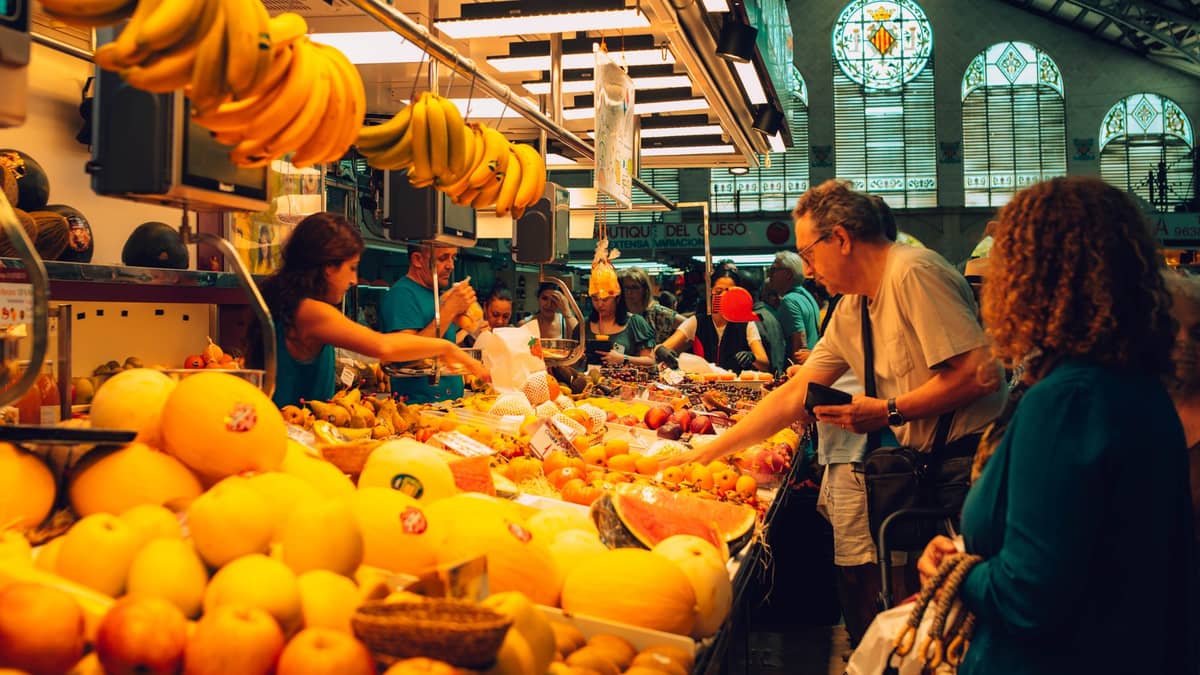
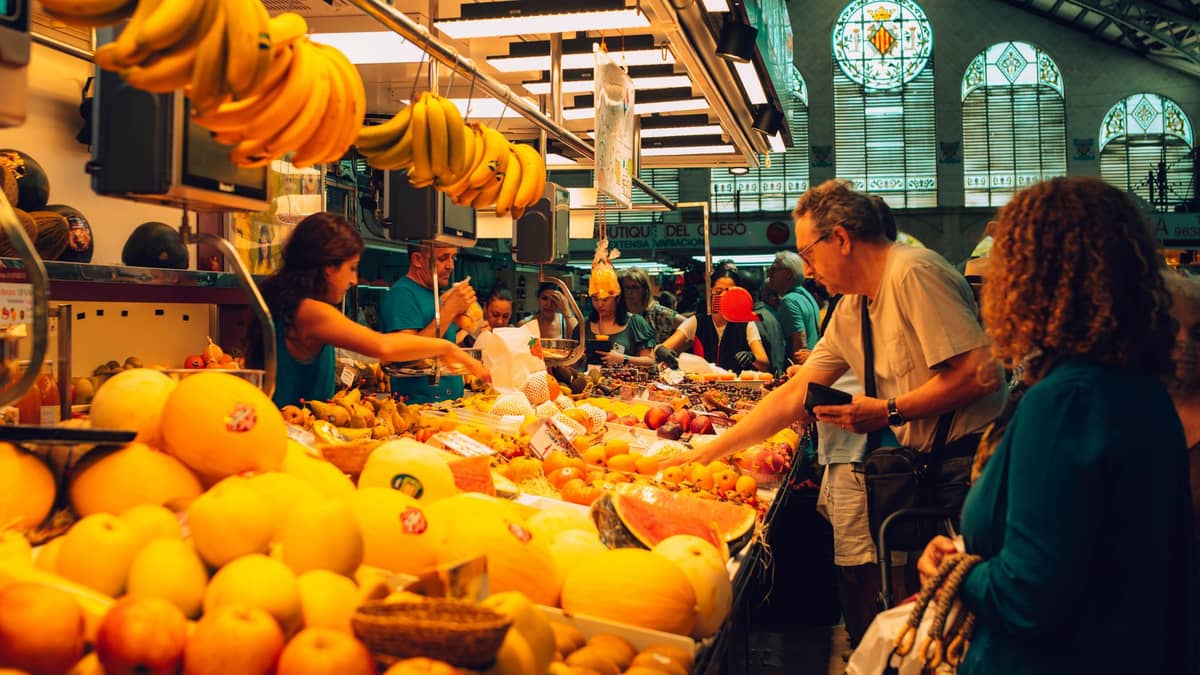
The Mercado Central is the most important food market in Valencia and one of the largest fresh food markets in Europe, housed in a spectacular Art Nouveau building completed in 1928. Inside you will find around 300 stalls selling fresh produce, seafood, cured meats, cheeses, olives, and spices. It opens roughly 07:30–15:00, Monday through Saturday, and is closed on Sundays. Go before 11:00 for the best selection and before the tourist groups arrive.
For a more local market experience with fewer tourists, the Mercado de Ruzafa in the Ruzafa neighbourhood is worth the short walk south from the city centre. The surrounding streets are lined with independent cafés, bakeries, and restaurants that represent some of the most interesting eating in the city right now.
The beach neighbourhood of El Cabanyal has a long seafood-eating tradition. The restaurants here are more relaxed than the beach-front tourist traps on Malvarrosa, and the proximity to the fishing port means the seafood is genuinely fresh. Look for restaurants a street or two back from the waterfront for better value.
💡 Local tip
During Las Fallas in March, the entire city fills with street food stalls selling buñuelos (cod fritters) and churros with hot chocolate. Every bar and restaurant is slammed — book ahead for sit-down meals and embrace the street food scene for everything else. It is one of the best times to eat in Valencia if you plan around it.
Practical Eating Advice: Prices, Tipping, and What to Avoid
A sit-down paella at a traditional rice house typically costs €25–€40 per person, often with a minimum order of two portions. This is not a dish that can be made for one. Budget restaurants near the city centre may offer it cheaper, but quality drops significantly below €20 per person. If the price seems too low, the rice quality and ingredients usually reflect that.
Tipping is not obligatory in Valencia or anywhere in Spain. Rounding up or leaving €1–€2 after a casual meal is appreciated but not expected. At formal dinners or after particularly good service, 5–10% is considered generous. There is no social pressure comparable to North American tipping culture. For budget strategies across the city, see our guide to eating and travelling in Valencia on a budget.
- Menú del día €12–€18 for 2–3 courses plus drink. Best value in the city, available at lunch only on weekdays.
- Sit-down paella (rice houses) €25–€40 per person, minimum two portions. Book ahead at well-regarded restaurants.
- Almorzaret at a local bar €5–€8 for a bocadillo, tapa, and coffee. The most local and underrated meal of the day.
- Horchata with fartons €3.50–€4.50 at a traditional horchatería. More at tourist-facing cafés.
- Tapas dishes €2.50–€5 per plate at neighbourhood bars. Avoid places with photo menus directly on the tourist routes.
Terrace tables in touristy squares can carry higher menu prices than indoor seats.50–€1 per person added to the bill. It is a small amount but worth knowing so it does not appear as a surprise charge. For a broader overview of eating, sleeping, and getting around, the complete Valencia travel guide covers the full picture.
FAQ
What is the traditional Valencian paella made of?
Authentic Paella Valenciana contains chicken, rabbit, flat green beans (bajoqueta), large white beans (garrofó), tomato, saffron, rosemary, olive oil, and short-grain rice such as Bomba, Senia, or Albufera varieties. Snails are a traditional optional addition. It does not contain seafood, peas, bell peppers, or chorizo — those are different rice dishes.
Is paella eaten for dinner in Valencia?
No. Paella is a lunch dish in Valencia, traditionally eaten between 14:00 and 16:00. Serious paella restaurants typically stop serving around 16:00–16:30. Restaurants that serve paella in the evening are almost always catering to tourists rather than locals.
What is horchata de chufa and where can I try it?
Horchata de chufa is a creamy cold drink made from tigernuts grown in the village of Alboraya, north of Valencia. It is served at dedicated horchatería bars, always with fartons (long sweet pastries for dipping). It is best between May and October when it is traditionally prepared. Expect to pay around €3.50–€4.50 for a glass with fartons.
What is the cheapest way to eat well in Valencia?
The menú del día is the best value in Valencia: a weekday set lunch of 2–3 courses plus a drink for €12–€18 at most traditional restaurants. The almorzaret (mid-morning snack at a local bar) is also excellent value at €5–€8. Avoid restaurants with picture menus on the main tourist routes — quality drops and prices rise on those streets.
When is the best time to visit Valencia for food?
Valencia's food scene is year-round, but specific highlights vary by season. March brings Las Fallas street food including buñuelos and churros. May to August is the season for clóchinas (local mussels) and horchata. Autumn brings richer rice dishes like arroz al horno. Summer is the peak season for Valencia oranges and fresh Mediterranean fish. For full seasonal advice, check the best time to visit Valencia guide.