Horchata in Valencia: Where to Drink It and Why It Matters
Valencia's horchata de chufa is one of the most misunderstood drinks in Spain. This guide explains what it really is, where to find the best versions, how to tell authentic from commercial, and why making the trip to Alboraya is worth your time.
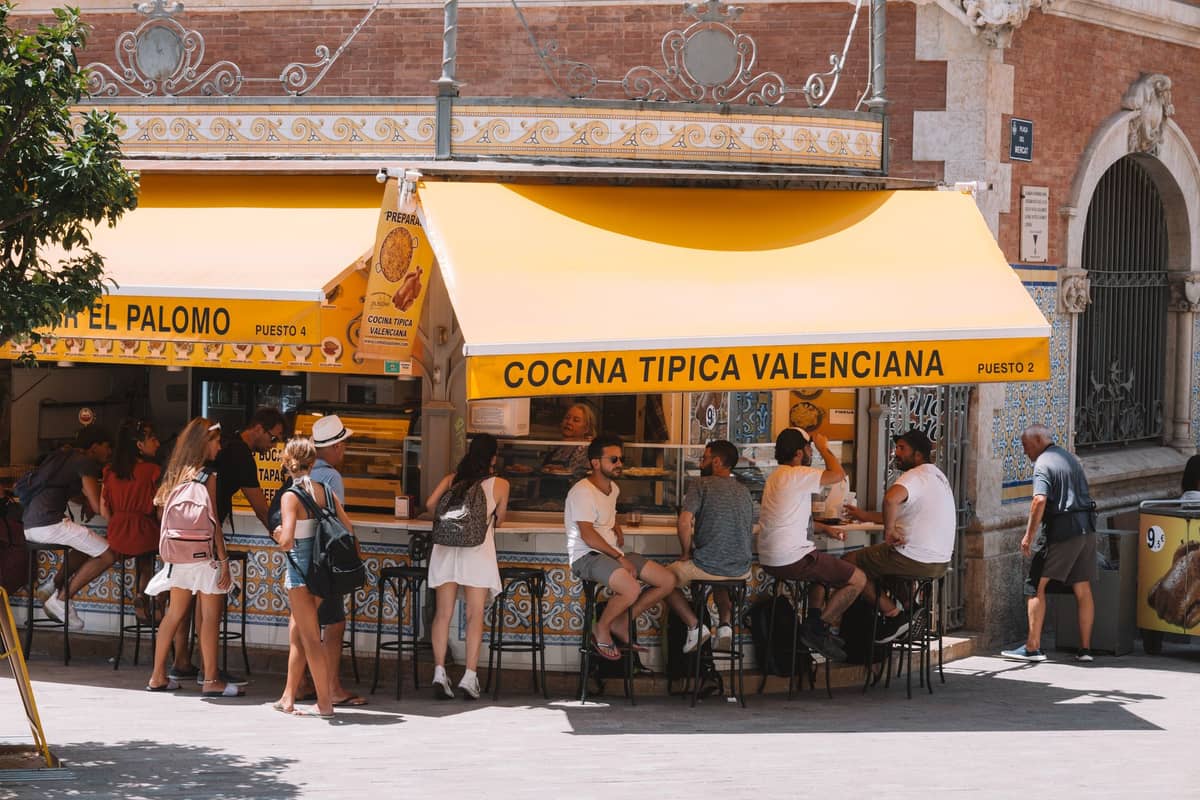
Plan and book this trip
Tools from our partner Travelpayouts help you compare flights and hotels. If you book through them, we may earn a commission at no extra cost to you.
Flights
Hotels map
TL;DR
- Valencian horchata (orxata in Valencian) is made from tigernuts, water, and sugar — not rice. It has nothing to do with Mexican horchata.
- The drink carries a protected Denomination of Origin: chufa must be grown in one of 27 authorised towns in the Horta Nord region north of Valencia.
- Horchatería Daniel in Alboraya and Horchatería Santa Catalina in the historic centre are the two most respected addresses, and for very different reasons.
- Horchata is a summer drink by tradition and by taste. You can find it year-round in the city, but the best fresh versions appear from late spring through September.
- Always order it with fartons — the soft, elongated pastry made specifically for dipping. Without them, you're missing the point.
What Horchata Actually Is (and What It Isn't)
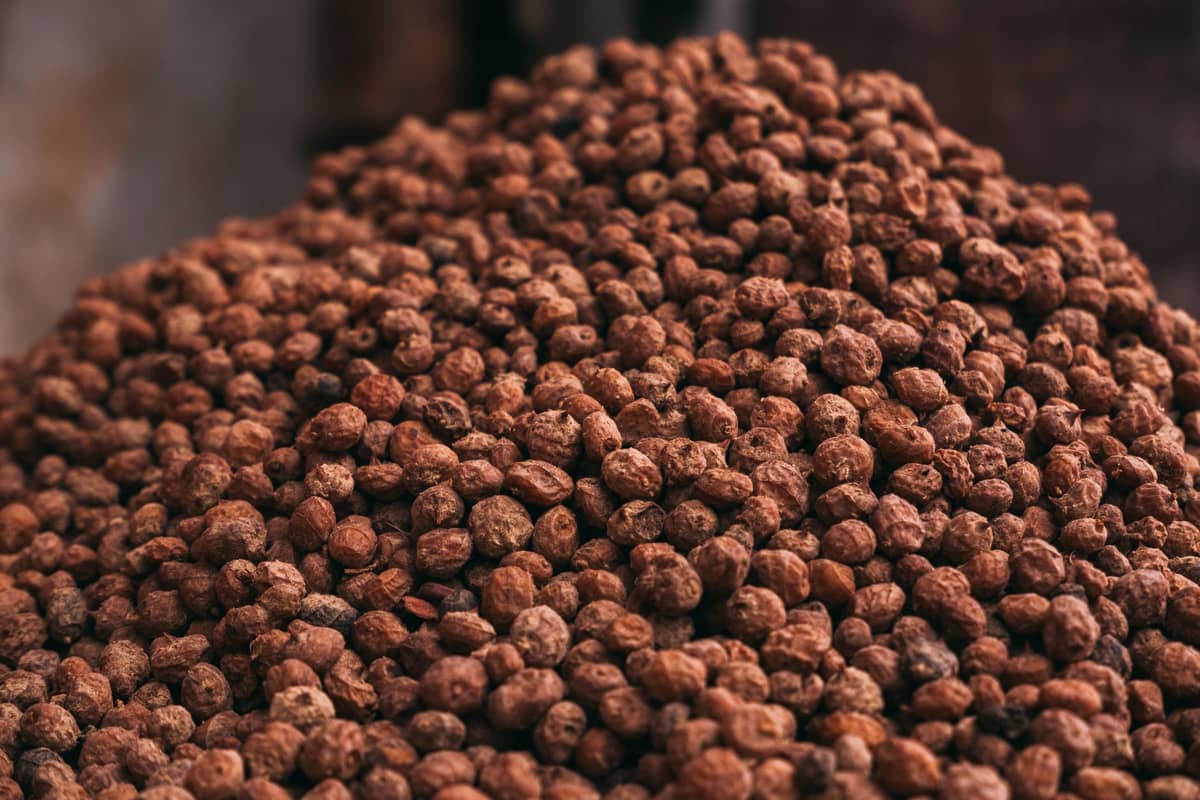
Horchata de chufa is a cold, plant-based drink made by soaking, grinding, and pressing tigernuts — the tubers of Cyperus esculentus, a sedge plant — then mixing the resulting liquid with water and sugar. Despite the name, tigernuts are not nuts at all. They are small, wrinkled root tubers that taste faintly of almonds and coconut, with a natural sweetness that means good horchata needs very little added sugar to work.
The confusion with Mexican horchata is almost universal among first-time visitors. In Mexico and much of Latin America, horchata is rice milk, often spiced with cinnamon. In Valencia, rice has nothing to do with it. The Valencian version is older, tied to specific geography, and protected by law. Traditional recipes add lemon peel and cinnamon during the soaking process — subtle flavour notes that lift the natural earthiness of the chufa without masking it.
ℹ️ Good to know
Chufas grown for D.O. horchata must come from one of 27 authorised municipalities in the Horta Nord area north of Valencia. The sandy, well-drained soils and specific microclimate of that corridor produce a chufa with higher fat content and more pronounced flavour than those grown elsewhere. This is why geography matters here as much as recipe.
One more misconception worth clearing up: some commercial horchatas sold in supermarkets across Spain contain cow's milk. The traditional Valencian recipe is entirely plant-based, which makes genuine horchata de chufa naturally vegan. If you are buying bottled versions outside of a dedicated horchatería, check the label carefully.
Alboraya: The Origin Village Worth the Trip
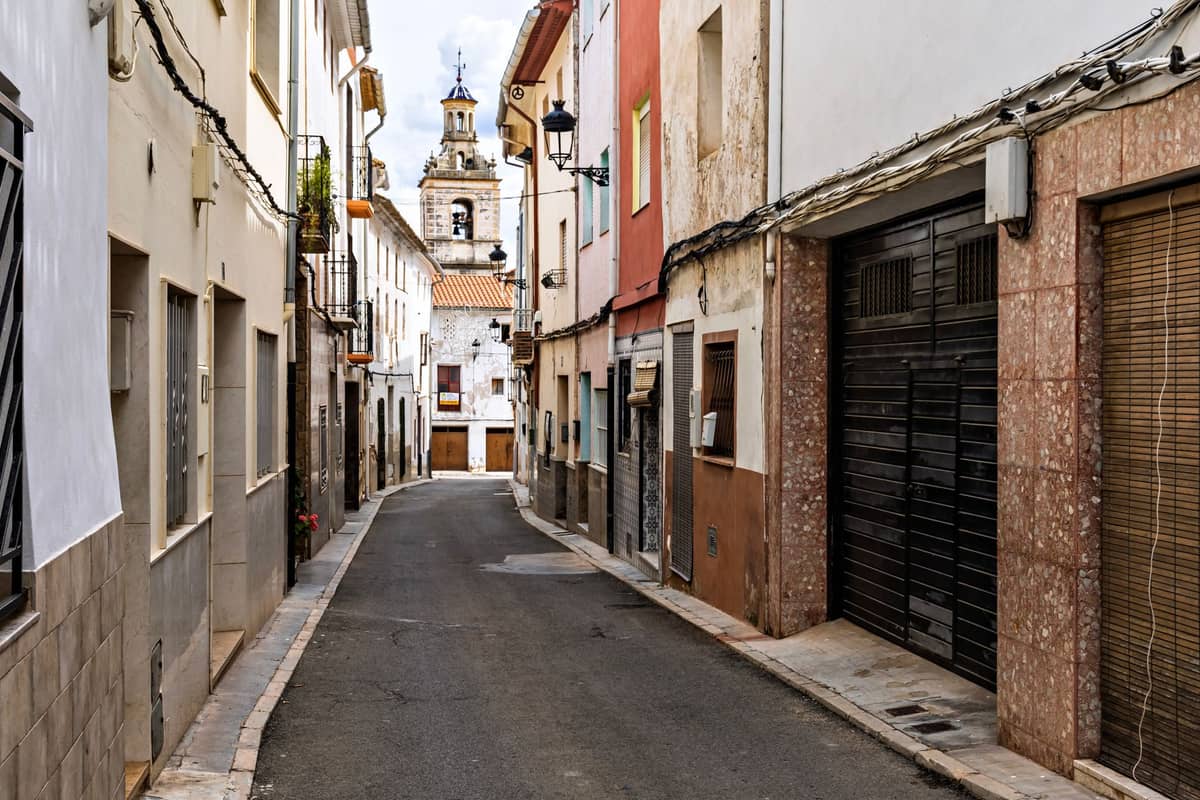
Alboraya sits roughly 5 kilometres north of Valencia's city centre, technically its own municipality though absorbed into the urban sprawl. It is the epicentre of chufa cultivation and the place where drinking horchata at a traditional horchatería feels like the intended experience rather than a tourist approximation. The fields around the town still produce chufa commercially, and several horchatery families here have been running their businesses across multiple generations.
Horchatería Daniel is the name most consistently cited by both local food writers and the official Visit Valencia tourism board. The setting is unpretentious — tiled counters, ceiling fans, zinc-topped tables outside — and the horchata is made fresh on-site. Expect to pay around €3 to €6 per person for a glass with fartons. They open daily in summer from roughly 10:00 to 22:00, though hours shift between seasons and it is worth checking their site before making the journey. Getting there is straightforward: the Metrovalencia Line 3 connects central Valencia to Alboraya in under 15 minutes, or you can cycle north through the Turia Garden and continue on the path that follows the old riverbed toward the Horta Nord.
✨ Pro tip
Go on a weekday morning in July or August if you want to drink your horchata in peace. Alboraya fills up on weekend afternoons, and queues at Daniel can stretch outside the door. Arrive before noon and you will have the place largely to yourself — and the horchata is at its freshest.
The Best Places to Drink Horchata in Valencia City
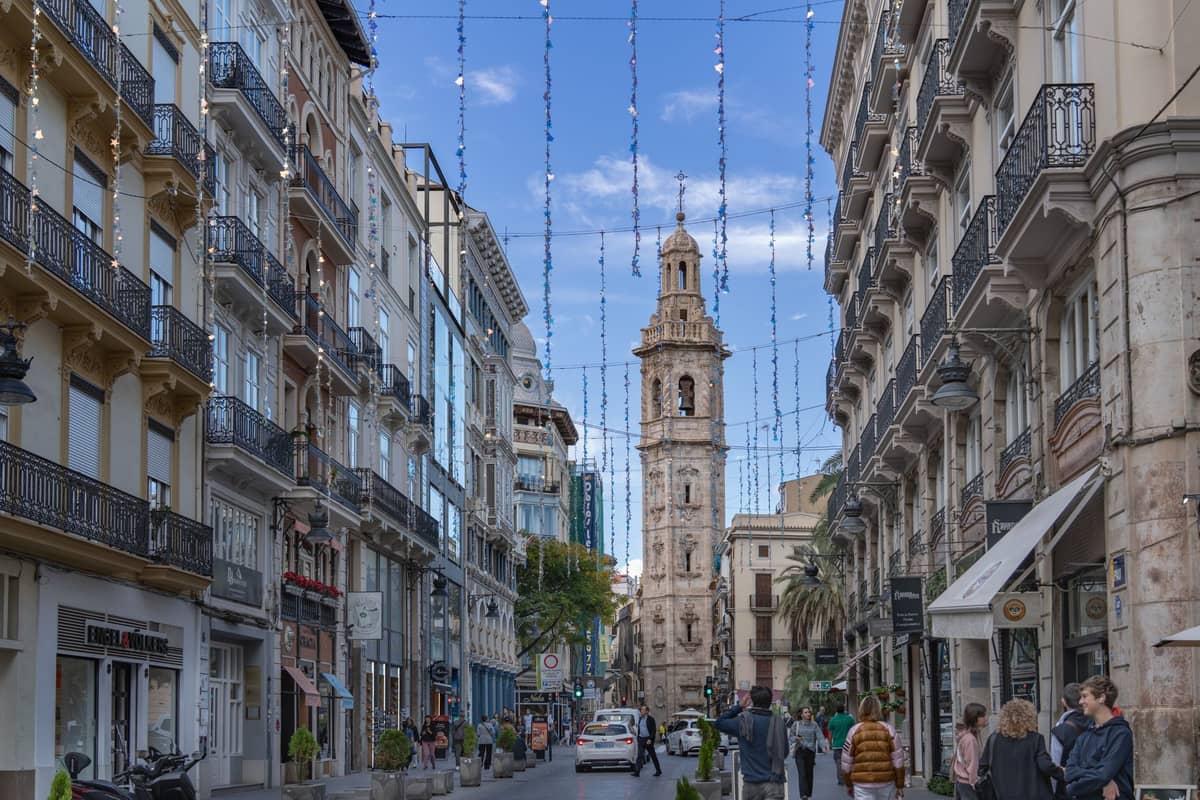
Not everyone has time to make the trip to Alboraya, and the city itself has several addresses that serve genuinely good horchata. The standard varies more than you might expect, though, so it is worth knowing which places take the drink seriously.
- Horchatería Santa Catalina Located near Plaza de la Reina in the historic centre, this is one of the oldest horchatery-cafés in Valencia. The tiled interior is beautiful and has been largely preserved. The horchata is solid, and the location makes it convenient if you are already exploring the old city around the cathedral or the Lonja de la Seda. It does attract tourists, which pushes prices slightly above local average — expect around €3.50 to €5 for a serving.
- Horchatería El Siglo Also near Plaza Santa Catalina, El Siglo serves horchata alongside pastries and ice cream. Prices run approximately €3.50 to €7 per person with a pastry, and it opens daily from around 10:00 to 21:00. More relaxed atmosphere than Santa Catalina, slightly less foot traffic.
- Mon Orxata Mobile Stands These trolleys operate at key city locations and sell D.O.-certified horchata in cups. Not a sit-down experience, but a practical option if you want a quick, legitimate glass while moving around the city. Look for the branded carts near major squares and along the seafront.
- Horchatería Daniel (Alboraya) The benchmark, worth the short metro or bike ride north of the city. Fresh production, traditional setting, and the full fartons-and-horchata ritual done properly. Summer hours roughly 10:00 to 22:00.
It is also possible to find horchata at the Mercado Central and at various cafés around Barrio del Carmen, though quality in those settings is inconsistent. If a café lists horchata on a laminated menu alongside twenty other drinks, treat it as a convenience purchase rather than an experience.
The Fartons Question (and the Rest of What to Order)
Fartons are not optional. They are a soft, slightly sweet, finger-shaped pastry with a porous texture that absorbs horchata without disintegrating immediately. The correct technique is to dip the fartón into the glass, wait a couple of seconds, and eat it before the end gets too wet. The contrast between the cold liquid and the soft, lightly glazed pastry is what makes this a complete thing rather than just a drink.
Some horchatery menus also offer horchata granizada — a slushy, semi-frozen version made by churning the liquid as it freezes. On a 35°C Valencia afternoon, the granizada is arguably more refreshing than the liquid version, though purists tend to consider the natural chilled drink the correct expression. Both are worth trying at least once. For broader context on what to eat and drink in the city, the Valencia food guide covers the full picture, from paella to agua de Valencia.
⚠️ What to skip
Avoid horchata sold in sealed plastic bottles at tourist shops or airport kiosks. These are pasteurised long-life versions with a fundamentally different flavour — flatter, more sugary, and without the earthy freshness of a glass made the same day. They are fine for taking home as a souvenir but tell you nothing about what real horchata tastes like.
Seasonal Patterns and When to Go
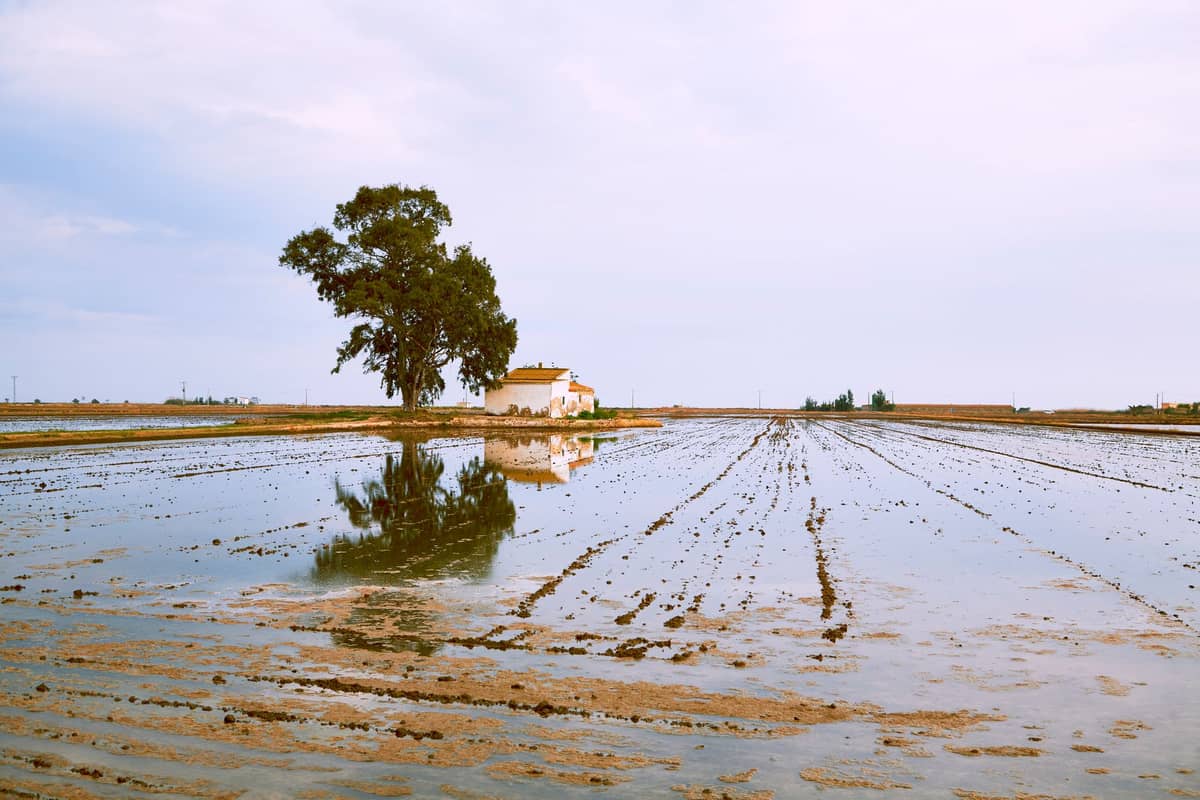
Horchata is primarily a summer drink. Production of chufa in the Horta Nord is tied to the harvest cycle, and the culture around drinking it is inseparable from Valencia's hot season. Peak demand runs from June through September, when temperatures regularly exceed 30°C and a cold glass of horchata becomes genuinely useful rather than just pleasant.
During summer, dedicated horchatery bars extend their hours, fresh production increases, and the granizada version becomes more widely available. Outside these months, most venues still serve horchata but may switch to pasteurised supplies or reduce hours. If your visit falls in spring or autumn, you can still find good horchata in the city, but the Alboraya experience is most rewarding between June and September. For a broader view of how seasons affect what the city offers, the best time to visit Valencia guide gives a month-by-month breakdown of weather and events.
Valencia in summer is hot and dry — the city's Mediterranean climate means very little rain from June through August. If you are combining a horchata trip to Alboraya with a beach afternoon at Playa de la Malvarrosa, the timing works well: drink horchata mid-morning, swim in the afternoon when the beach is most lively, and return to the city as the heat drops. Both places are a short metro or bike ride apart.
How to Tell Good Horchata from Bad
Fresh, natural horchata should be opaque and slightly creamy in appearance, with a colour somewhere between white and pale beige. The texture is thinner than milk but has more body than water. The flavour is nutty and faintly sweet, with subtle citrus and cinnamon notes in the background. If it tastes mostly of sugar, it is either over-sweetened commercial stock or the chufa quality is poor.
- Look for 'horchata natural' or 'horchata fresca' on the menu — these signal fresh, same-day production.
- Ask if it carries the D.O. Chufa de Valencia certification. Reputable horchatery bars will know immediately and be happy to confirm.
- Avoid anywhere that serves it from a sealed carton poured into a glass with no preparation.
- The granizada should have a slightly gritty, icy texture — not perfectly smooth. Too smooth usually means it came from a mix.
- Temperature matters. Genuine fresh horchata is served very cold but not frozen. If it is watery or icy throughout, it has been over-diluted or poorly stored.
Valencia takes food provenance seriously across the board. The same protective instinct that surrounds authentic Valencian paella applies to horchata. Locals are not being precious — they are defending something that tastes genuinely better when made correctly, and that loses most of its character when mass-produced.
FAQ
What is horchata made of in Valencia?
Valencian horchata de chufa is made from tigernuts (chufas), water, and sugar. Tigernuts are small tubers from the Cyperus esculentus plant — not actual nuts. Traditional recipes also incorporate lemon peel and cinnamon during preparation. It contains no rice, no dairy, and no grains, making it naturally vegan in its original form.
Where is the best place to drink horchata in Valencia?
Horchatería Daniel in Alboraya, a short metro ride north of the city, is the most consistently recommended address for traditional fresh horchata. In the city centre, Horchatería Santa Catalina near Plaza de la Reina is the most established option, though it caters partly to tourists. Horchatería El Siglo near Plaza Santa Catalina is a solid alternative with a slightly lower profile.
How much does horchata cost in Valencia?
A glass of fresh horchata with fartons typically costs between €3 and €7 depending on the venue and whether you are sitting inside or outside. Tourist-facing locations in the historic centre tend to be at the higher end. Horchatery bars in Alboraya are generally good value given the quality. Mobile stands offer the cheapest option at around €2 to €3 per cup.
Is horchata available all year in Valencia?
Yes, but the experience is most authentic and the quality most consistent in summer, from roughly June through September. Many dedicated horchatery bars extend their hours and ramp up fresh production during these months. Outside summer, some venues switch to pasteurised stock or reduce service. The granizada (slushy) version is mainly a summer offering.
Can I visit the chufa fields near Valencia?
The chufa fields are concentrated in the Horta Nord municipalities around Alboraya, and some agricultural tourism experiences exist in the area. Visiting Alboraya itself and drinking horchata at one of the traditional bars there is the most practical way to connect with the origin of the drink. The harvest period runs in autumn, which is the best time to see active chufa production in the fields.