Albufera Day Trip from Valencia: The Complete Guide
Spain's largest natural lake sits just 10-15 km south of Valencia, and it's one of the most rewarding half-day escapes in the country. This guide covers exactly how to get there independently, what to do once you arrive, where to eat authentic paella, and when to go for the best experience.
Plan and book this trip
Tools from our partner Travelpayouts help you compare flights and hotels. If you book through them, we may earn a commission at no extra cost to you.
Flights
Hotels map
TL;DR
- Albufera Natural Park is a 21,000+ hectare freshwater lagoon and rice wetland about 10-15 km south of Valencia, with no entrance fee.
- EMT buses 24 and 25 run directly from Valencia to El Palmar for around €1.50 each way — no tour required. See our guide to getting around Valencia for transport card options.
- Boat rides on the lagoon cost roughly €5-10 per person and run from around 10:00 until sunset.
- El Palmar is the main village and the best place to eat paella — it's the dish's birthplace, and restaurants here do it properly.
- Spring and autumn are the best seasons to visit; summer is hot, crowded at sunset, and mosquito-heavy near the water.
What Is Albufera and Why It Deserves a Day
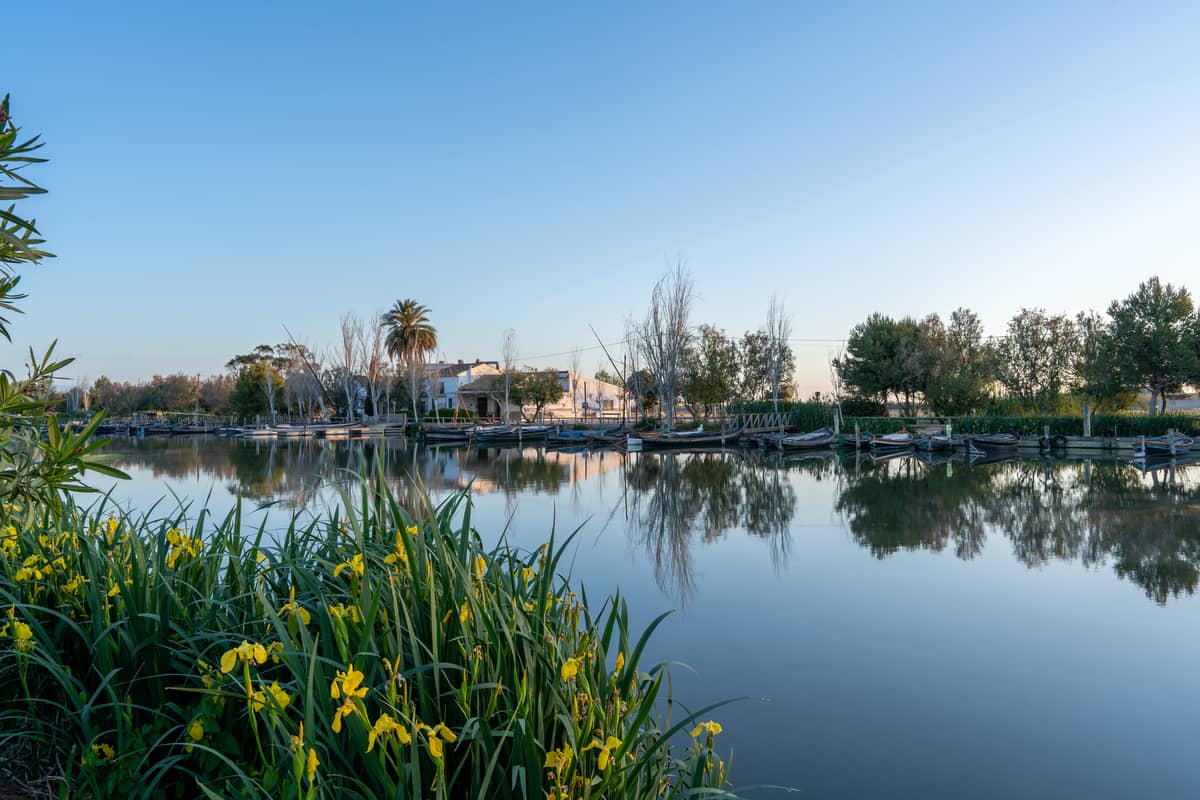
L'Albufera de València is Spain's largest natural lake, a shallow freshwater lagoon covering roughly 21,000 hectares of water, rice paddies, sand dunes, and coastal forest. It sits just south of the city along the CV-500 coastal road, technically within reach of central Valencia in under an hour by bus. Designated a Natural Park in 1986, Albufera is one of the most important bird habitats on the Iberian Peninsula, with over 250 species recorded during migration seasons.
The lagoon averages only about 1 metre in depth, which gives it an unusually calm, glassy surface and makes boat rides practical year-round. The surrounding rice fields are not just scenery: this is where Valencian paella originated, and the specific short-grain rice variety grown here (Arroz de Valencia, with Protected Designation of Origin status) still feeds the restaurants of El Palmar village. Visiting Albufera without eating here is a genuine missed opportunity.
One important correction worth making upfront: Albufera is not a saltwater lagoon. It connects to the Mediterranean via regulated channels called 'goles', but the body of water is freshwater, sustained by the Turia and Júcar river systems. This distinction matters because it shapes the entire ecosystem, from the rice cultivation to the bird species you will see.
ℹ️ Good to know
Albufera is free to enter. You only pay for transport into the park, boat rides on the lagoon, and meals. There is no gate, no ticket booth, and no general admission charge.
How to Get to Albufera from Valencia
Most visitors face a straightforward choice: go independently by public bus, rent a bike or car, or book a guided tour. All three approaches work, but they suit different priorities.
- EMT Bus 24 (recommended for independents) Runs from Valencia city centre south to El Palmar, the main village on the lagoon. Journey time is roughly 35-45 minutes. Fares are around €1.50 each way, and the Valencia Tourist Card covers the trip. Check current EMT Valencia timetables before you go, as frequencies vary by day and season.
- EMT Bus 25 Serves a slightly different route through the park towards the Gola de Pujol area. Useful if you want to explore the northern lake shore rather than go directly to El Palmar.
- Car or motorbike via CV-500 The CV-500 coastal road from Valencia runs directly through the park. Driving takes around 20-25 minutes to El Palmar. Parking is available in the village but can be tight on weekends between April and September.
- Guided day tour from Valencia Combined tours with transport, a boat ride, and paella lunch typically run €25-45 per person. These are worth considering if you want everything arranged, but the independent route is genuinely straightforward for any reasonably confident traveller.
- Cycling from Valencia Ambitious but doable for fit cyclists: around 15 km from the city's southern edge, mostly flat. The Turia Garden cycle path connects to routes heading south. Allow at least 1.5 hours each way.
💡 Local tip
If you plan to use Valencia's public transport for multiple trips, check whether the T-1, T-2 or T-10 travel cards cover EMT buses to Albufera. The Valencia Tourist Card includes unlimited EMT bus rides and can reduce costs significantly if you are also visiting the city's museums and attractions.
What to Do in Albufera: Boat Rides, Rice Fields and Beaches
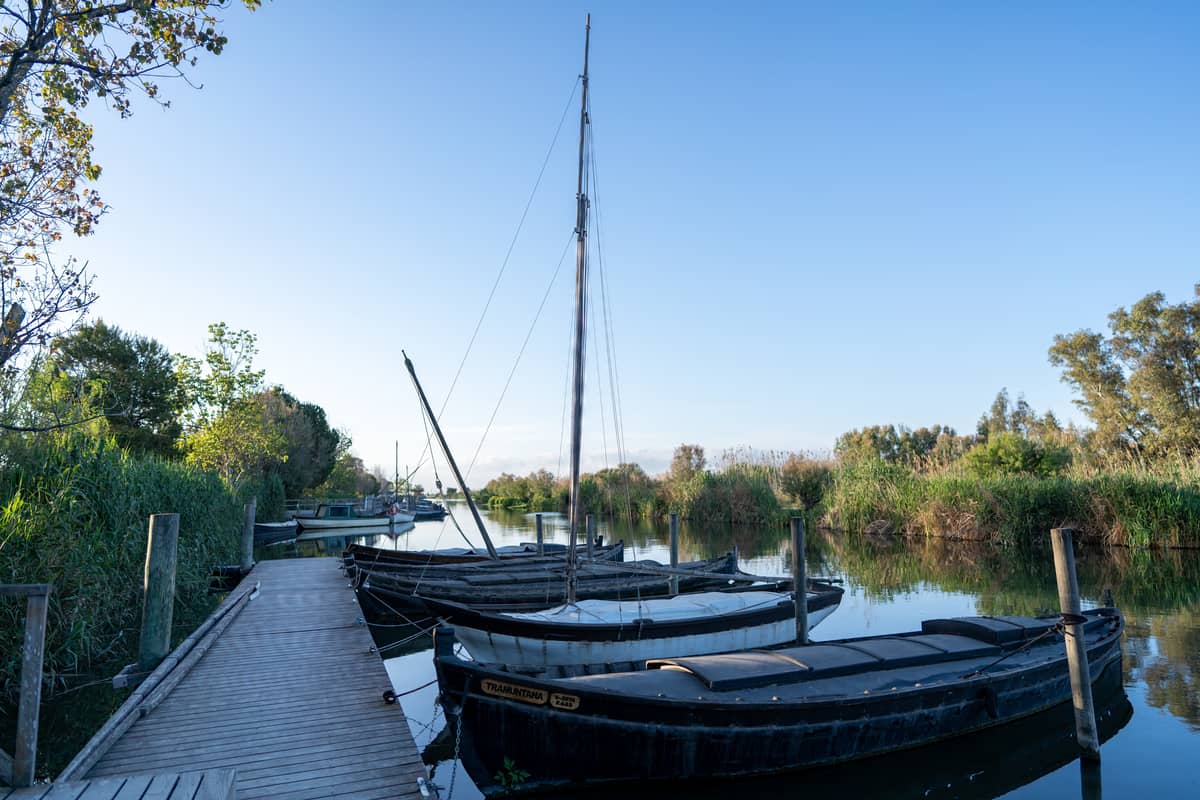
El Palmar is the natural base for a day trip. This small fishing and farming village sits beside the lagoon, closely connected by road bridges, and is essentially structured around two things: boat hire and paella restaurants. Most visitors arrive, walk to the docks, join a boat trip, eat lunch, and leave. That loop takes around four to five hours and covers the essentials.
Boat rides depart from the El Palmar waterfront from around 10:00 until sunset, on demand rather than on a fixed schedule. A standard 30-minute circuit around the immediate lagoon costs around €5 per person; a longer 45-minute loop covering more of the open water runs €8-10. Private boats for up to about five adults start around €25. These prices are not fixed and vary by operator, so check with the boatmen directly. The lagoon is at its most photogenic in the hour before sunset — the light turns golden across the rice paddies and the water reflects the flamingos and herons that feed along the banks. For more on the park itself, see our dedicated Albufera Natural Park guide.
Beyond El Palmar, the park has more to explore if you have time or wheels. The Devesa del Saler is a strip of Mediterranean pine forest and dunes between the lagoon and the sea, with free beach access at several points along the coast. The village of El Palmar itself is worth a slow walk: the eel traps, traditional 'barraques' (thatched cottages), and working rice farm machinery are genuine remnants of an agricultural culture that is increasingly rare.
The coastal strip near Albufera also connects to Valencia's beach zone to the north. If you want a beach day alongside the lagoon visit, the Playa de Pinedo is quieter and less commercial than the city beaches at Malvarrosa and Las Arenas, with a more natural shoreline.
⚠️ What to skip
In summer, mosquitoes around the lagoon and rice fields can be intense, especially near sunset. Bring repellent. This is not a minor inconvenience — in July and August near the water's edge, it is bad enough to cut a boat trip short if you are unprepared.
Where to Eat: Paella at Its Source
Paella Valenciana was invented here. This is not marketing copy — it is a culinary-historical fact. The original recipe used locally grown rice, chicken, rabbit, green beans, and garrofó beans from these fields. If you have been wondering where to find the best paella in Valencia, El Palmar is a serious answer to that question.
The village has around a dozen restaurants, most of them specialising in rice dishes. Quality is generally solid across the board because they are cooking with their own raw material: the PDO-certified Arroz de Valencia grown in the fields you can see from the restaurant terrace. Look for places serving paella Valenciana (the original with chicken and rabbit), arròs a banda (rice cooked in fish broth, served separately from the seafood), and all i pebre (eel and potato stew, the historic local dish before paella became famous).
- Paella Valenciana (chicken, rabbit, green beans, garrofó): the original, cooked over wood fire for the best results
- Arròs a banda: fish stock rice with aioli, simpler than paella but deeply flavoured
- All i pebre: the true traditional dish of the lagoon fishermen, made with eel, garlic and paprika
- Fideuà: similar to paella but made with short noodles instead of rice, also a local speciality
Most El Palmar restaurants require a minimum order for paella (usually for two people) and preparation takes 20-30 minutes from order to plate. Expect to pay around €12-18 per person for a full rice dish lunch with a drink. Book ahead on weekends between March and October — the village is small and weekend lunchtime fills up fast, particularly for terrace seats by the water.
Best Time to Visit Albufera
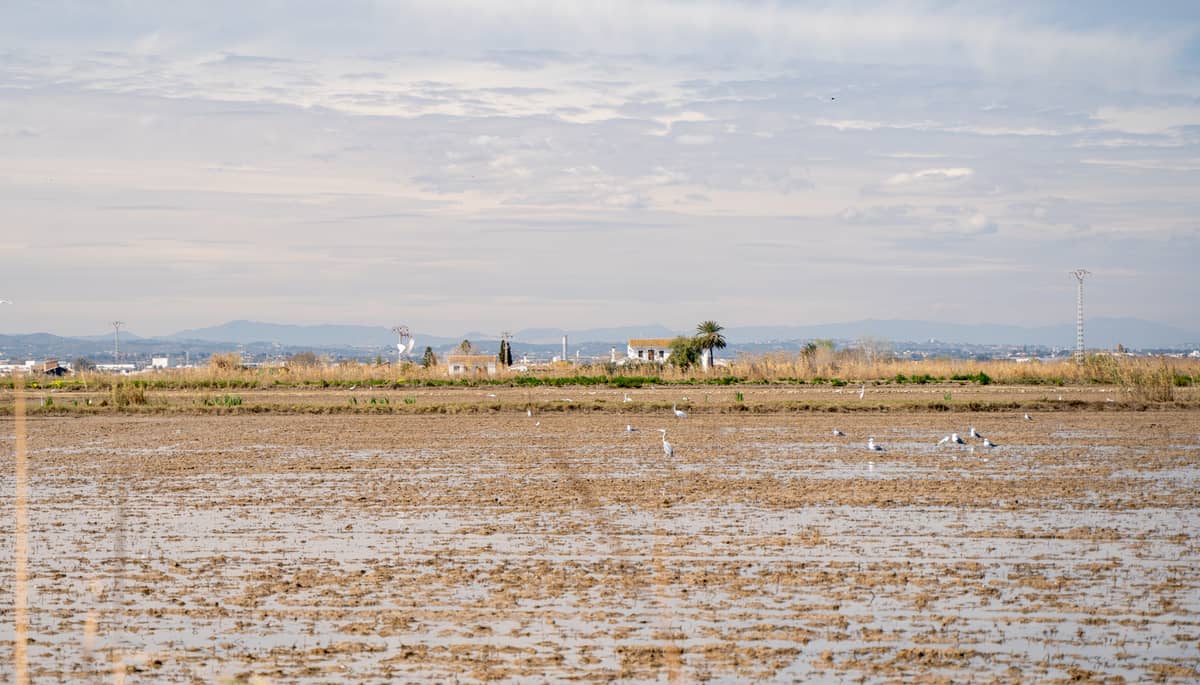
Timing an Albufera day trip makes a meaningful difference to what you experience. The park follows a distinct agricultural calendar tied to rice cultivation, and the landscape changes dramatically across the seasons. For broader context on seasonal patterns across the city, the best time to visit Valencia guide covers the full picture.
- Spring (April to June) The rice fields are flooded and freshly planted, creating mirror-like reflections across the plain. Temperatures are comfortable (18-25°C), migratory birds are active, and crowds are manageable on weekdays. One of the best windows for the full visual experience.
- Autumn (September to November) Harvest season runs from mid-September into October. The fields turn golden before cutting, and the post-harvest stubble-burning creates atmospheric haze over the lagoon. Bird populations peak during migration. Temperatures remain warm well into October.
- Summer (July to August) Hot (35°C+ possible), mosquito-heavy near water, and busy on weekends. Sunset boat trips are very crowded. The beach sections of the park remain pleasant for swimming, but the wetland experience is less comfortable. Viable, but not the optimal choice.
- Winter (December to February) The lagoon is at its quietest, with few tourists and excellent birdwatching. Drained rice fields are flooded for wintering waterfowl, making this genuinely good for birders. Restaurants in El Palmar may have reduced hours; check ahead.
For sunset specifically: this is consistently rated the most photogenic time at Albufera, and boat operators lean into it. The trade-off is that everyone else has the same idea. During peak season, the El Palmar docks get crowded in the late afternoon. If you want the light without the crowd, aim for late September or October on a weekday.
Practical Planning: Costs, Timing and What to Bring
An independent day trip to Albufera is genuinely affordable. The park itself is free. A return bus fare costs around €3. A boat trip adds €5-10. Lunch in El Palmar, including a paella and a drink, runs roughly €12-18 per person. Total cost for an independent visitor: around €20-30 per person, excluding any optional extras. Guided tours consolidate everything into a single booking but typically cost €25-45 per person, which is reasonable if convenience is the priority.
For a half-day trip, leaving Valencia by 09:30 on bus 24 gets you to El Palmar by 10:15-10:30. That gives you time for a morning boat ride before the lunch crowd arrives, followed by a long lunch, and a return by mid-afternoon. For a full day, add a walk into the Devesa del Saler forest, a visit to the beach, or a longer circuit of the lagoon by bike. If you are combining Albufera with other southern coastal attractions, the day trips from Valencia guide covers nearby options including the Devesa and further south towards El Perelló.
- Sunscreen and a hat: the lagoon offers very little shade, and glare off the water intensifies UV exposure
- Insect repellent: non-negotiable from May through September near the water
- Comfortable walking shoes: El Palmar's paths are flat but uneven in places
- Cash: small boat operators and some El Palmar restaurants are cash-preferred; carry at least €20 in coins and notes
- A light layer: lagoon breezes can be cool, even in spring and autumn
✨ Pro tip
If you want the lagoon largely to yourself, go on a weekday morning in late September or early October. The harvest activity in the fields is visually striking, temperatures are ideal, and you will often be the only non-local at the dock. The same visit on a Saturday in August is a completely different experience.
Albufera pairs naturally with a beach stop on the return journey. The CV-500 runs north along the coast back towards Valencia, passing through the Poblats Marítims district and the beaches of Malvarrosa and Las Arenas. You can break the bus journey at any stop along the route, making it easy to add an hour at the beach before heading back to the city centre.
FAQ
How do I get to Albufera from Valencia without a car?
Take EMT bus 24 from Valencia city centre directly to El Palmar. The journey takes roughly 35-45 minutes and costs around €1.50 each way. Bus 25 serves a slightly different route towards the southern beach area and El Perellonet. No booking required — just board and pay.
How much does a boat ride in Albufera cost?
Standard public boat trips from the El Palmar dock cost around €5 per person for a 30-minute circuit, or €8-10 for a longer 45-minute loop. Private boats start around €25 for a small group. Prices vary by operator and are not fixed, so check at the dock on arrival. Boats run from approximately 10:00 until sunset.
Is Albufera worth visiting for a day trip from Valencia?
Yes, for most visitors. It offers a genuinely different landscape from the city, the best paella Valenciana you are likely to eat anywhere, and a peaceful wetland environment within easy reach. It is less compelling if you are not interested in nature, food, or slow travel — there are no major monuments or museums here.
What is the best time to visit Albufera Natural Park?
Spring (April-June) and autumn (September-November) offer the best combination of comfortable temperatures, interesting rice-field activity (planting in spring, harvest in autumn), and active birdlife. Summer works for beach visits but is hot and mosquito-heavy near the lagoon. Winter is surprisingly good for birdwatching if you catch a dry day.
Do I need to book a tour to visit Albufera, or can I go independently?
You can absolutely visit independently. Take the EMT bus, walk to the boat dock in El Palmar, join a public boat trip, eat lunch in one of the village restaurants, and return by bus. No booking required for any part of the visit except possibly a restaurant table on busy weekends. Guided tours are convenient but not necessary.