Poblats Marítims is Valencia's seafront district, stretching from the commercial port through the historic Cabanyal fishing quarter to the long sandy stretch of Malvarrosa beach. District 11 of the city, it combines working-class heritage with a waterfront that has changed more in the last two decades than in the previous century.
Poblats Marítims is where Valencia meets the sea — not through a polished promenade, but through the layered reality of a maritime district that has been fishing, trading, and reinventing itself for centuries. The Cabanyal quarter still reads like a 19th-century fishing village if you look above the ground floor, while the beaches to the north fill with Valencians every summer weekend and the marina buzzes with visitors year-round.
Orientation: Where Poblats Marítims Sits in Valencia
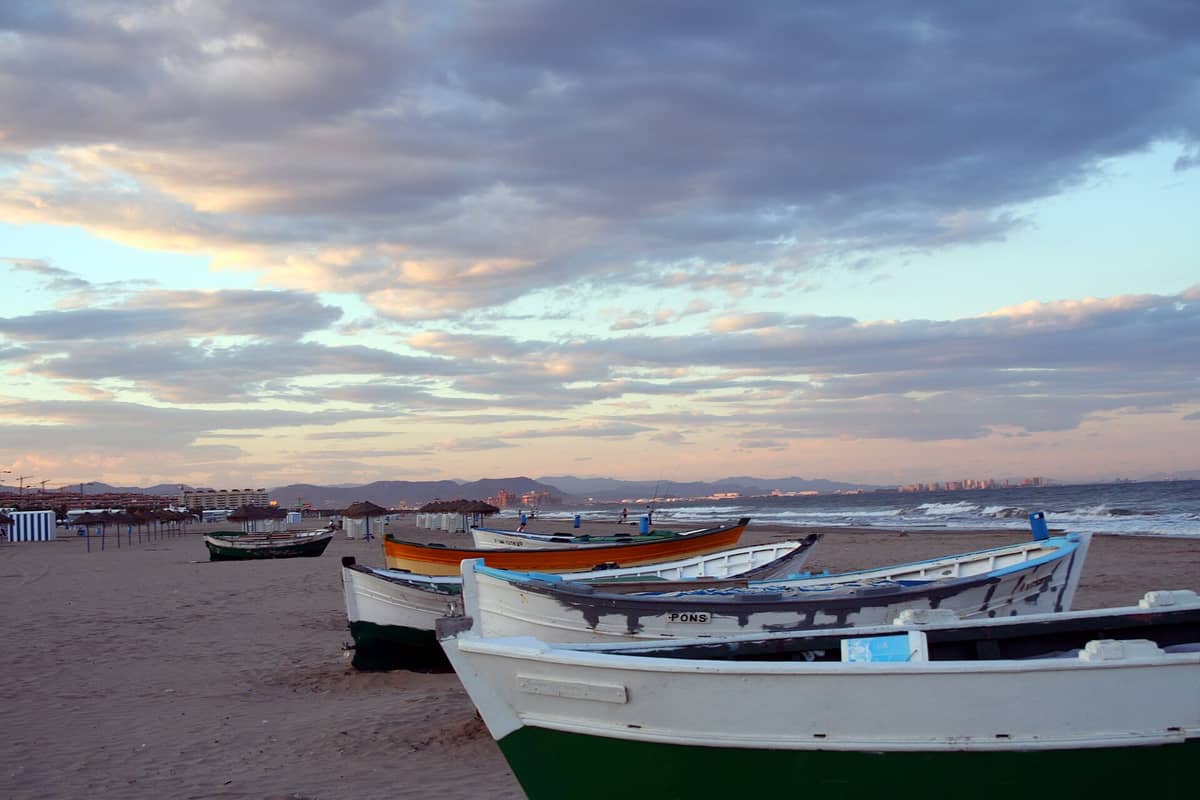
Poblats Marítims is District 11 of Valencia, the city's official maritime district on the eastern edge of the municipality. It runs along the Mediterranean coast from the industrial port and marina complex in the south, up through the historic Cabanyal-Canyamelar fishing quarter, to Malvarrosa beach and the border with the municipality of Alboraya to the north. On its western side, it meets the inland districts of Algirós, Camins al Grau, and Quatre Carreres.
The district is made up of five official neighbourhoods: El Grau, Cabanyal-Canyamelar, La Malva-rosa, Beteró, and Natzaret. Each has a distinct personality. El Grau grew up around the port and retains an industrial, working waterfront character. Cabanyal-Canyamelar is the historic core, a grid of low-rise tiled houses that once belonged to fishermen and their families. La Malva-rosa and Beteró are the residential areas closest to the beach. Natzaret sits to the south, separated from the rest of the district by the old mouth of the Turia river, which gives it a somewhat isolated feel even today.
The key thing to understand spatially: Poblats Marítims is not adjacent to the historic city centre. From the historic centre around Plaza de la Reina, the waterfront is roughly 5 kilometres to the east, about a 20-minute tram ride or a 50-minute walk along Avenida del Puerto. The two worlds feel farther apart than that distance suggests — the centre is dense, tourist-facing, and hemmed in by medieval walls, while the waterfront is flat, open, and oriented around the sea.
Character & Atmosphere
The best single word for Poblats Marítims is unfinished — not in a negative sense, but in the sense that a neighbourhood actively becoming something new. The Cabanyal quarter spent decades under threat of demolition to extend a boulevard from the city centre to the sea. That project was ultimately cancelled in 2010, and the area has since attracted artists, young residents, and a wave of renovation that sits alongside still-crumbling facades and empty plots. Walking its streets today means moving between beautifully restored modernista tiled houses and gaps in the urban fabric that tell the story of decades of uncertainty.
In the mornings, the neighbourhood moves at a pace you rarely find closer to the city centre. The local markets do their business early, and the streets between the Cabanyal's characteristic one and two-storey houses carry the sound of delivery vans and neighbours calling across to each other. The light is flat and clean this close to the coast, falling differently from how it hits the stone facades of the old town. There is salt in the air if the wind is right.
By midday in summer, the gravitational pull shifts entirely to the beach. Malvarrosa is a long, wide strip of sand with a well-maintained promenade behind it, lined with restaurants doing paella and fresh fish. This is where Valencians themselves come to eat on Sundays, not a tourist invention. The atmosphere is louder and more social than the interior of the neighbourhood. After dark, the seafront restaurants run late into the evening, and around the Cabanyal's bars and the streets near Calle de la Reina and the market area, there is a younger crowd increasingly drawn by the neighbourhood's creative energy.
ℹ️ Good to know
Poblats Marítims has a genuinely mixed character. Parts of Cabanyal are fully renovated and lively; others remain rough around the edges. This is not a neighbourhood that has been packaged for tourism, which is exactly its appeal for some visitors and a drawback for others who prefer more polished surroundings.
What to See & Do
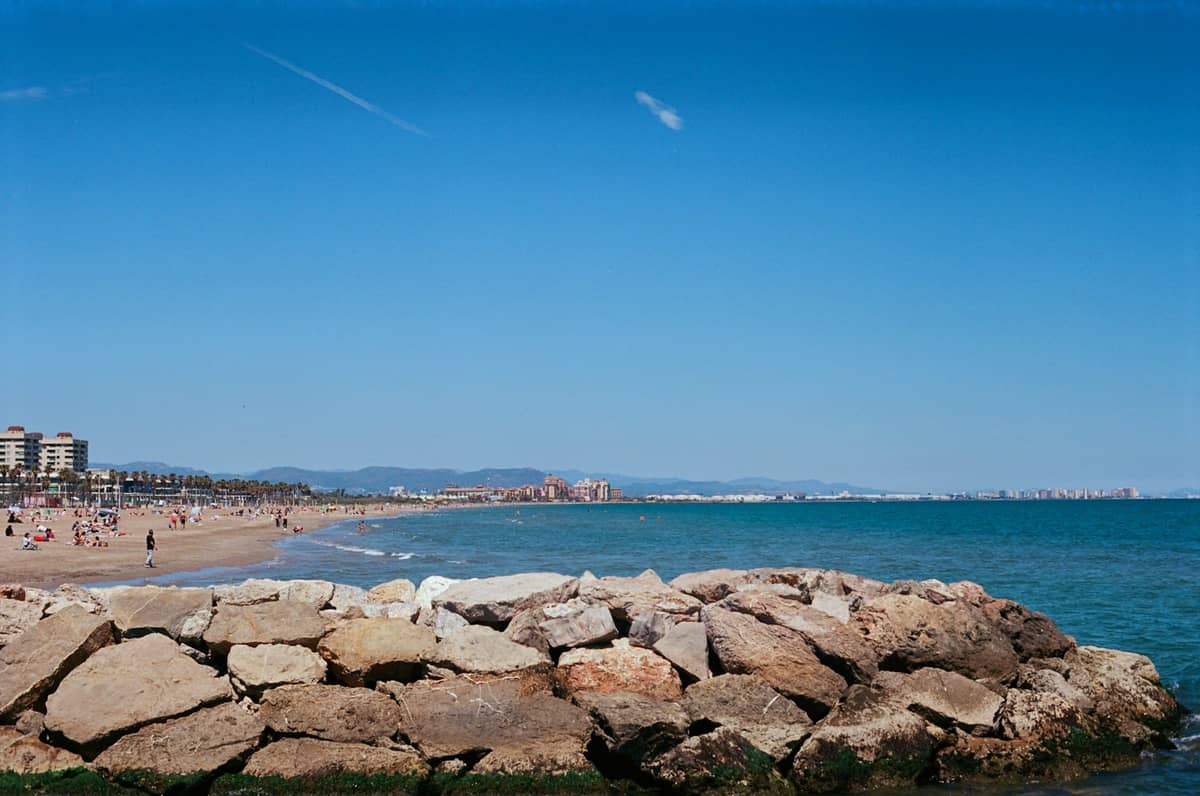
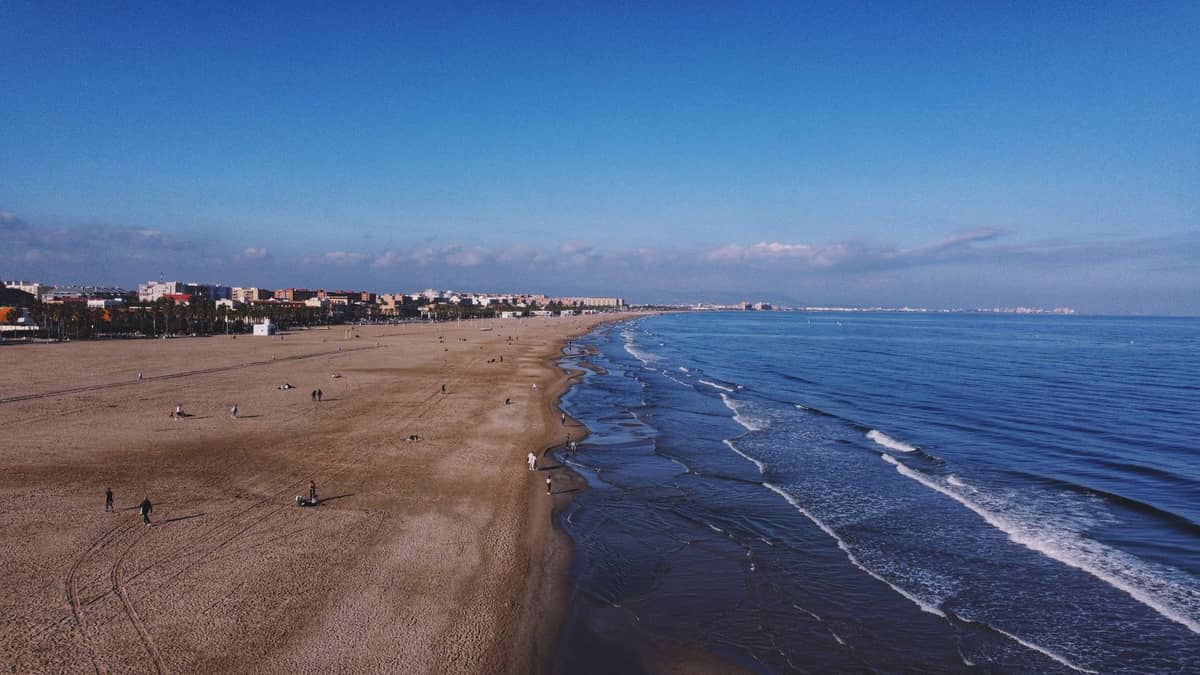
The beaches are the most obvious draw. Playa de la Malvarrosa is the main city beach, long enough that it rarely feels overwhelmed outside of peak August weekends. It has Blue Flag status, showers, sunbed rental, and a continuous promenade. Just to the south, Playa de las Arenas bleeds into Malvarrosa almost imperceptibly and is slightly calmer as a result of being further from the tram terminus.
The Cabanyal-Canyamelar quarter itself is worth exploring on foot with no particular destination. The neighbourhood follows a grid laid out in the 14th century, originally a settlement of fishermen outside the city walls. Look up at the house facades: many are tiled in the modernista style from the late 19th and early 20th centuries, a tradition unique to this district. The El Cabanyal neighbourhood page goes into more detail on the specific streets and architecture worth seeking out.
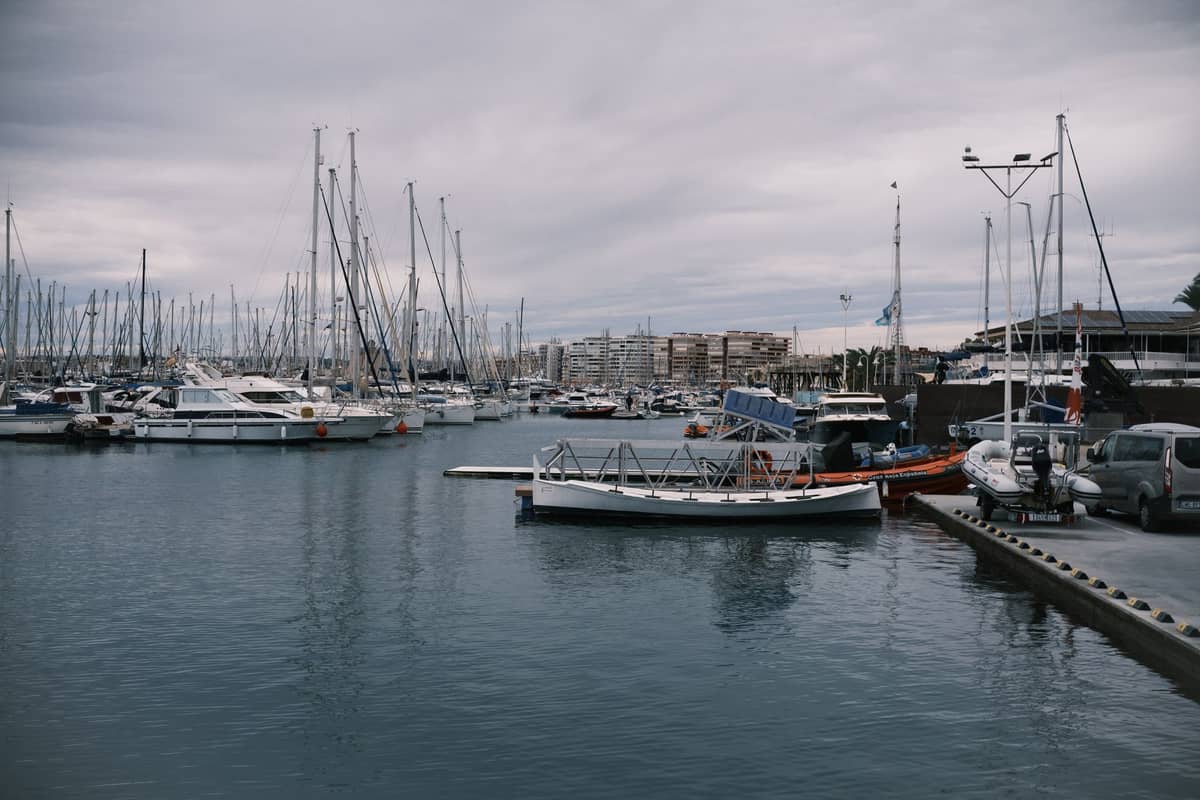
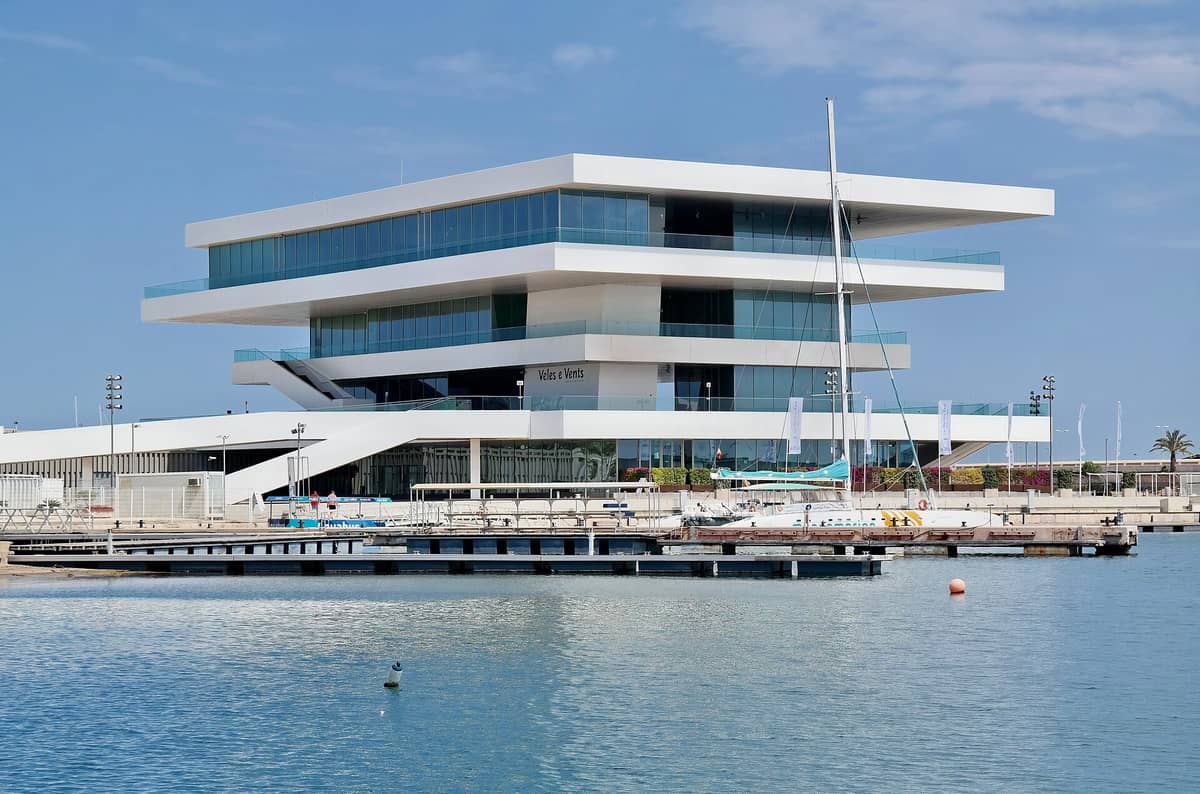
The marina complex to the south, known as the Marina de Valencia, was redeveloped extensively for the 2007 America's Cup and the 2010 Formula 1 European Grand Prix street circuit. The waterfront infrastructure here is striking in scale, even if parts of it still feel underutilised outside of events. The Marina de Valencia area has restaurants, a beach club, and the dramatic sail-shaped Veles e Vents building designed by David Chipperfield, which houses the Veles e Vents cultural and event space.
Walk the Cabanyal grid between Calle de la Reina and the market for the best concentration of tiled modernista facades
Rent a bike and follow the coastal path north toward Patacona beach in Alboraya
Visit the Mercat del Cabanyal, the neighbourhood's main covered market, in the morning when it is fully operational
Explore the marina waterfront in the evening when the light on the water and the Chipperfield building is at its best
Walk south along the seafront toward Natzaret for a less-visited stretch of coast
💡 Local tip
The Cabanyal neighbourhood hosts an annual open-doors festival called Cabanyal Portes Obertes, usually in May or June, when artists open their studios and workshops to visitors. It transforms the neighbourhood's relationship to its own creative community and is well worth timing a visit around.
Eating & Drinking
The waterfront promenade behind Malvarrosa and Las Arenas beaches is lined with restaurants that have been serving rice dishes and fresh fish to Valencians for generations. This is one of the best places in the city to eat paella in its authentic coastal context, cooked over wood fires in wide flat pans. The restaurants here are busy on Sunday lunchtimes year-round. For guidance on where to find the most credible versions, the best paella in Valencia guide covers the waterfront options in detail.
Away from the beachfront, the Cabanyal's bar and café scene has evolved quickly in the last decade. The streets around the market and along the main pedestrian routes into the neighbourhood have a mix of old-school tabernas where locals drink coffee and play cards in the morning, and newer bars drawing a younger crowd that has moved into renovated properties. Prices are noticeably lower here than in the historic centre or Ruzafa.
The Mercat del Cabanyal is the neighbourhood's food heart. It is a working local market where fishmongers sell the morning's catch and the vegetable stalls reflect what is in season rather than what sells to tourists. It is smaller and less architecturally spectacular than the Mercado Central in the old town, but more authentically embedded in its community. Come before noon for the best selection.
El Grau, the port district, has its own cluster of seafood restaurants around the old port road that cater primarily to locals and port workers rather than tourists. The food tends toward straightforward, generous portions at reasonable prices. This is not a fine dining strip, but it is honest cooking with good raw material.
Getting There & Around
The most convenient public transport connection is the tram: Metrovalencia's Line 4 (tram) runs from Pont de Fusta in the northwest of the city through the centre and out to Malvarrosa beach, with stops including Dr. Lluch and Eugènia Viñes serving the Cabanyal area. Line 8 also serves parts of the waterfront. From the city centre at Pont de Fusta the journey takes around 20–25 minutes. For full transit options across the city, the getting around Valencia guide covers tram, metro, and bus routes in detail.
Multiple EMT city bus routes also connect the waterfront with central Valencia, running along Avenida del Puerto, the main arterial road between the port area and the historic centre. Bus connections to the beach are particularly frequent in summer, when additional seasonal services run directly to Malvarrosa.
Cycling is an excellent way to reach and explore Poblats Marítims. The Jardí del Túria park follows the old riverbed across the city and connects with a coastal cycling path that runs along the seafront. From the eastern end of the Turia garden, it is a short ride to Cabanyal and the beach. Valencia's Valenbisi bike-share network has stations throughout the district.
⚠️ What to skip
Driving to Malvarrosa beach in summer is unreliable. Parking is extremely limited on summer weekends and the road approach from the city fills up early. The tram or bike is significantly faster and less frustrating between June and September.
Where to Stay
Poblats Marítims is not Valencia's primary hotel district, and that is part of its appeal for certain travellers. Most accommodation in the area is in holiday apartments and smaller guesthouses rather than large hotels, though there are some seafront hotel options along the Malvarrosa promenade. Staying here puts you within walking distance of the beach but removes you from the walking distance of the major historic monuments, so it suits visitors whose priority is the coast rather than the old city. The where to stay in Valencia guide gives a full neighbourhood-by-neighbourhood breakdown.
The Cabanyal area itself has seen a significant rise in short-term rental apartments as the neighbourhood has gentrified. Staying here gives you the most authentic neighbourhood experience: local markets, lower prices for food and drink, and a genuinely residential context. The trade-off is that some streets are still in poor repair and the neighbourhood is not as immediately convenient for the main tourist circuit.
The marina and Las Arenas seafront strip suits travellers who want a beach holiday with urban amenities nearby. Accommodation here tends to be at higher price points with sea-facing rooms. It is quieter and more resort-like than staying in Cabanyal, but also somewhat removed from the neighbourhood's more interesting street-level character.
Honest Assessment: Who This Neighbourhood Is For
Poblats Marítims rewards visitors who are comfortable navigating a neighbourhood that is in transition. The Cabanyal streets can shift quickly from beautifully restored blocks to neglected ones, and the district as a whole lacks the curated restaurant-and-bar concentration that makes Ruzafa or the Barrio del Carmen easier for visitors on short trips. The payoff is a more genuine slice of Valencian life than almost anywhere else in the city, at noticeably lower prices.
For beach access, it is unambiguously the right choice. No other part of central Valencia puts you closer to the Mediterranean. And for anyone interested in architecture, urban change, or the history of Spanish fishing communities, the Cabanyal quarter is genuinely fascinating. It connects naturally with a visit to the nearby Ciudad de les Arts i les Ciències, which sits a couple of kilometres to the southwest, making a combined waterfront and cultural itinerary entirely practical.
TL;DR
Valencia's official maritime district (District 11), covering the port, Cabanyal fishing quarter, Malvarrosa beach, and the marina — roughly 4 km east of the historic centre.
Best for: beach lovers, architecture enthusiasts, travellers wanting a local neighbourhood feel at lower prices than the centre or Ruzafa.
The Cabanyal quarter is historically significant and actively gentrifying — fascinating if you embrace its rough edges, frustrating if you prefer everything polished.
Getting there by tram (Line 4) or bike via the Turia garden cycle path is easy; driving to the beach in summer is not recommended.
Not ideal for visitors focused exclusively on the historic monuments, who will find the distance from the old town a daily inconvenience.
Top Attractions in Poblats Marítims & The Waterfront
Three days is enough time to cover Valencia's historic core, its futuristic waterfront district, and the natural lagoon on its doorstep. This day-by-day itinerary gives you a realistic, logistically sound plan built around walking, cycling, and public transit.
Spain's largest natural lake sits just 10-15 km south of Valencia, and it's one of the most rewarding half-day escapes in the country. This guide covers exactly how to get there independently, what to do once you arrive, where to eat authentic paella, and when to go for the best experience.
Valencia's Art Nouveau heritage, locally known as Modernismo Valenciano, produced some of Spain's most distinctive early-20th-century architecture. This guide covers the key buildings, the architects behind them, the best routes to follow, and what to know before you visit.
Valencia sits on the Mediterranean with over three kilometres of urban beach on its doorstep and wilder, pine-backed shores just minutes south. This guide covers every beach worth knowing, from the classic city strips to the natural shorelines of the Albufera.
Valencia delivers more than its reputation suggests for museum culture. From a world-class fine art collection rivalling Madrid's to an underground Roman city and a science museum inside a whale skeleton, this guide covers the best museums in Valencia across every interest and budget.
Valencia is the birthplace of paella, and eating it here is a serious affair. This guide covers where locals go, what authentic paella actually contains, how much to pay, and the mistakes that send tourists home disappointed.
Valencia enjoys a Mediterranean climate with over 300 sunny days a year, but the best time to visit depends entirely on what you want from the trip. This guide breaks down every season by weather, crowd levels, prices, and key events so you can plan with confidence.
Valencia rewards those who look up and climb. From medieval towers rising above terracotta rooftops to waterfront terraces overlooking the Mediterranean, these are the city's finest vantage points, ranked and described so you know exactly where to go and when.
The Jardí del Túria is Valencia's greatest urban cycling route: a free, 9km green corridor running through the city's former riverbed. This guide covers the full route from Parque de Cabecera to the City of Arts and Sciences, with practical advice on bike rentals, seasonal timing, and the best stops along the way.
Valencia sits at the centre of one of Spain's most varied regions. Within two hours, you can reach a medieval hill town with a castle above the rooftops, thermal pools in an inland gorge, a dramatic coastal castle, and a lagoon that inspired the original paella. This guide covers the best day trips from Valencia with honest travel times, transport breakdowns, and seasonal advice.
Valencia rewards budget travellers more than almost any other Spanish city. World-class museums with free entry, a 9-kilometre riverside park, Gothic towers, contemporary art, and urban beaches are all yours without buying a single ticket.
Valencia is one of Spain's most navigable cities, with an integrated metro, bus, tram and bike network covering everything from the airport to the beaches. This guide breaks down every transport option, current fares, ticket types, and the honest trade-offs between them.
Valencia's horchata de chufa is one of the most misunderstood drinks in Spain. This guide explains what it really is, where to find the best versions, how to tell authentic from commercial, and why making the trip to Alboraya is worth your time.
Valencia is Spain's third-largest city, the birthplace of paella, and home to UNESCO-listed heritage, futuristic architecture, and 300+ days of sunshine a year. This guide cuts through the hype to tell you exactly what Valencia offers, what it costs, and whether it belongs on your itinerary.
Las Fallas is Valencia's most spectacular annual event, a UNESCO-recognised festival of fire, sculpture, and pyrotechnics that transforms the entire city each March. This guide covers the full schedule, key events, neighbourhood highlights, and practical advice to help you experience it properly.
Valencia delivers more than its reputation suggests in the luxury travel market. From intimate boutique hotels inside medieval palaces to world-class fine dining and the architectural spectacle of the Ciudad de las Artes y las Ciencias, this guide covers everything you need to plan a genuinely high-end visit to Spain's third-largest city.
Seven days is the ideal amount of time to see Valencia properly. This itinerary covers the medieval Old Town, Calatrava's futuristic City of Arts and Sciences, Albufera Natural Park, the best beaches, and Ruzafa's food scene — with practical logistics, honest timing, and no filler.
Valencia rewards couples with a rare mix of Mediterranean light, historic streets, and outdoor spectacle. This guide covers the best romantic experiences in the city, from golden-hour boat trips on Albufera to twilight strolls through Turia Gardens, with honest advice on timing, costs, and what to skip.
Valencia is Spain's third-largest city and one of its most rewarding to explore. This guide covers the best things to do in Valencia — from UNESCO-listed medieval architecture and futuristic science complexes to rice-field wetlands and urban beaches — with practical details on prices, timing, and how to avoid the crowds.
Valencia holds one of Europe's most complete architectural timelines, from Roman foundations and Valencian Gothic civic buildings to Modernista markets and Santiago Calatrava's white concrete landmark complex. This guide breaks down each era, where to find it, and how to see it without wasting a day.
Valencia's churches span eight centuries of architecture, from Romanesque foundations to extravagant Baroque ceilings. This guide covers the essential churches in the historic centre and beyond, with practical details on what to see, what to pay, and when to go.
Summer in Valencia, Spain runs hot and busy from June through August. This guide covers everything from actual temperatures and beach conditions to crowd patterns, seasonal pricing, and how to make the most of the city without melting in the midday sun.
Valencia runs later than almost any city in Europe. This guide covers every major nightlife district, the best bars and clubs by area, realistic timing advice, and honest warnings about what not to waste your night on.
Valencia is one of Spain's most affordable big cities, and with the right approach you can see almost everything that matters for well under €80 a day. This guide covers accommodation, food, transport, free attractions, and the common spending traps to avoid.
Valencia ranks among Spain's safer major cities, Valencia ranks among Spain's safer major cities, with low violent crime. But pickpockets target specific areas, festivals bring elevated risk, and autumn flooding is a genuine concern. This guide gives you the honest picture.
Valencia rewards shoppers at every level — centuries-old food markets, independent boutiques in converted Art Nouveau buildings, dedicated high-street corridors, and modern malls. This guide covers every format, with honest assessments of what's worth your time and what to skip.
Valencia, Spain delivers an exceptional range of family activities beyond the beach: a world-class aquarium, an immersive zoo, a 9-km park built in a riverbed, and free playgrounds that keep kids occupied for hours. This guide covers the best options by age, budget, and season — with honest assessments of what works and what to skip.
Valencia's Ciutat Vella packs over 2,100 years of history into just 1.5 square kilometres. This guide gives you a practical, well-sequenced route through the old city's best monuments, markets, and medieval streets, with practical notes on what to skip, what to pay for, and how long everything actually takes.
Valencia is the birthplace of paella, but its food culture runs far deeper than a single dish. This guide covers everything from traditional rice dishes and seafood stews to mid-morning snacks and the city's iconic tigernut drink — with real prices, meal timing, and honest advice on what to skip.
Choosing where to stay in Valencia depends on more than price. This guide breaks down every major neighbourhood by atmosphere, location, transport links, and honest drawbacks, so you can pick the right base for your trip.