The Best Museums in Valencia: Art, History, Science & More
Valencia delivers more than its reputation suggests for museum culture. From a world-class fine art collection rivalling Madrid's to an underground Roman city and a science museum inside a whale skeleton, this guide covers the best museums in Valencia across every interest and budget.
Plan and book this trip
Tools from our partner Travelpayouts help you compare flights and hotels. If you book through them, we may earn a commission at no extra cost to you.
Flights
Hotels map
Valencia's museum scene is broader and deeper than most visitors expect. The city holds one UNESCO World Heritage site, a national ceramics collection housed in Spain's most extravagant Baroque palace, and one of Europe's finest fine art museums — all largely free or low-cost. Whether you have a single afternoon or a full week, the museums here reward serious exploration. For broader cultural context before you visit, the complete Valencia guide covers how museums fit into the city's overall offer. Most municipal museums offer free entry on Sundays, and the free things to do in Valencia guide has the full breakdown of no-cost cultural options.
Art Museums
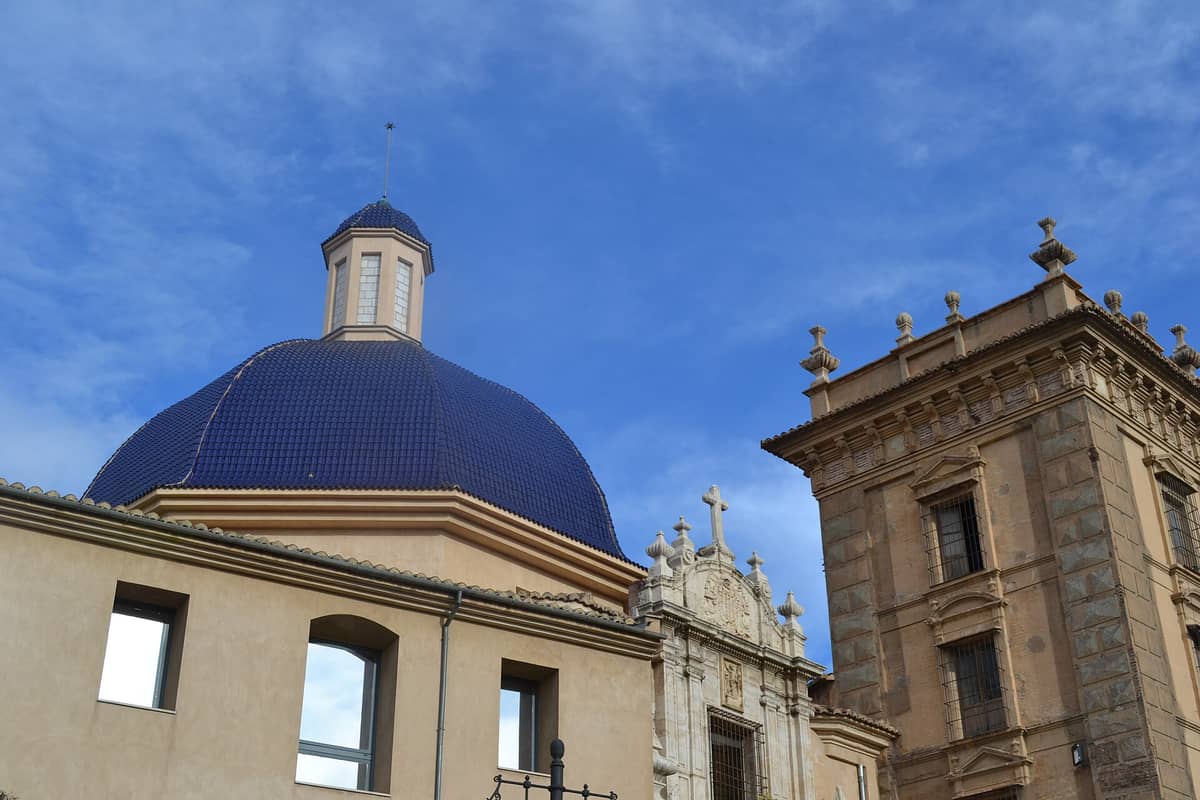
Valencia has a rich tradition of visual art, from medieval Gothic altarpieces through the luminous Impressionism of Joaquín Sorolla to cutting-edge contemporary work. The Barrio del Carmen alone contains two of the city's most important art institutions, while the old city's former seminary houses a collection that belongs in any art lover's itinerary.
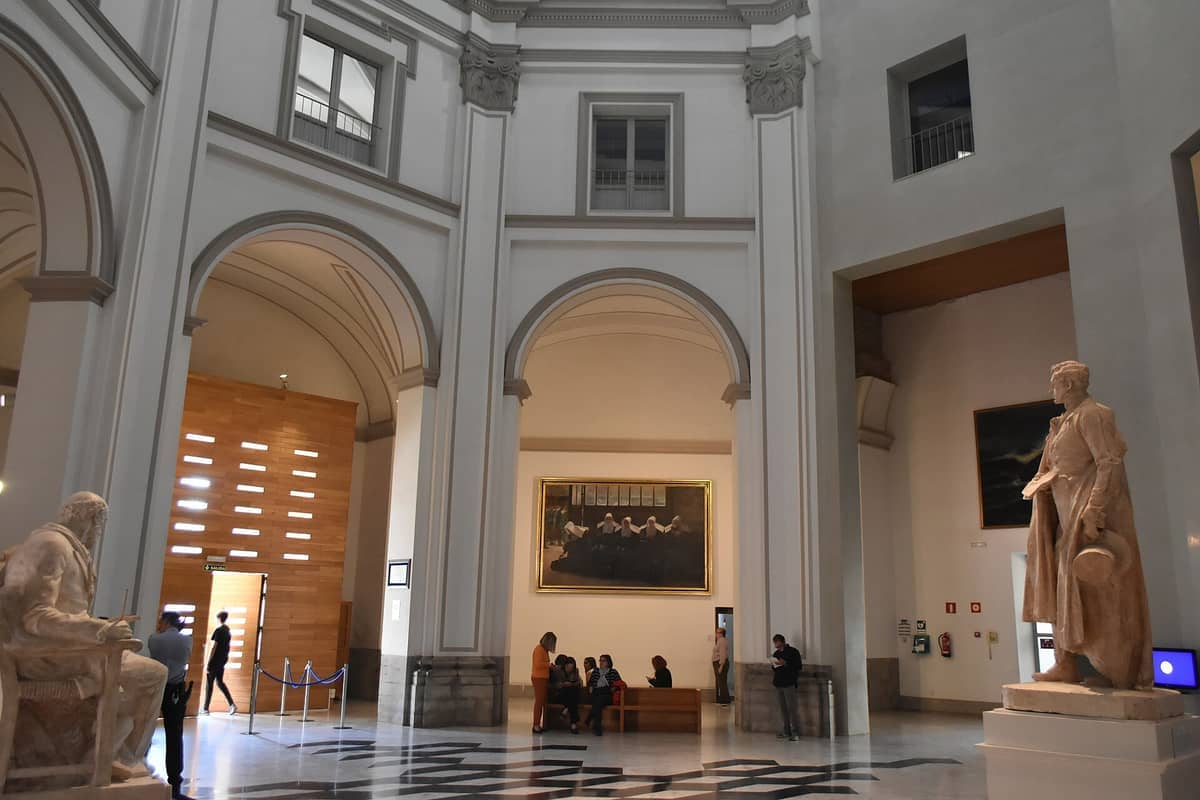
1. See Velázquez, Goya, and Sorolla at the Bellas Artes
One of Spain's finest art museums, housed in a 17th-century seminary with free entry. The collection spans Valencian Gothic altarpieces, Spanish Golden Age masters, and a major Sorolla room. Allow two hours minimum.
Explore1. See Velázquez, Goya, and Sorolla at the Bellas Artes
One of Spain's finest art museums, housed in a 17th-century seminary with free entry. The collection spans Valencian Gothic altarpieces, Spanish Golden Age masters, and a major Sorolla room. Allow two hours minimum.
Explore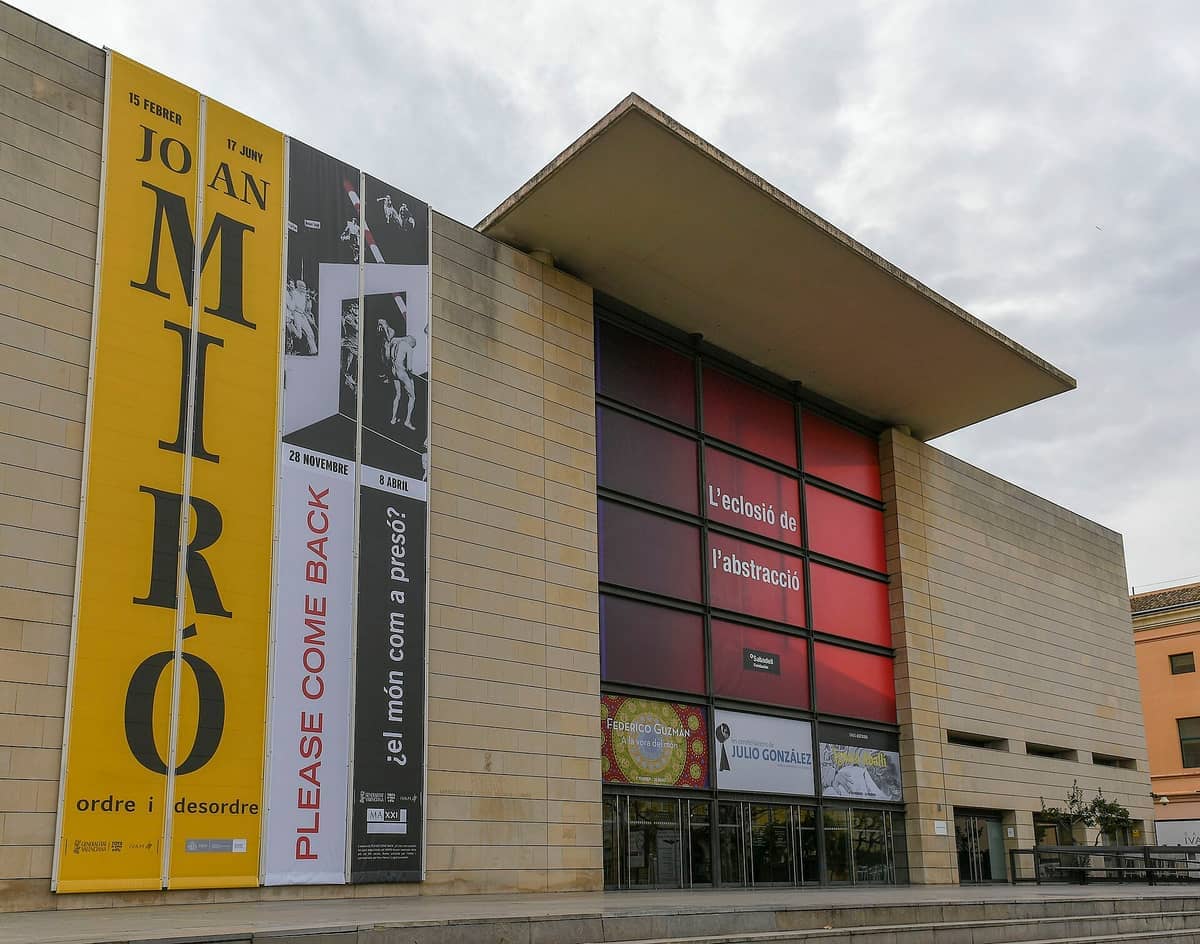
2. Explore 20th-Century Avant-Garde at IVAM
Valencia's modern art flagship holds strong permanent collections of Spanish avant-garde and international 20th-century work, plus ambitious rotating shows. It's the city's most serious contemporary art space, with consistently high-quality programming.
Explore2. Explore 20th-Century Avant-Garde at IVAM
Valencia's modern art flagship holds strong permanent collections of Spanish avant-garde and international 20th-century work, plus ambitious rotating shows. It's the city's most serious contemporary art space, with consistently high-quality programming.
Explore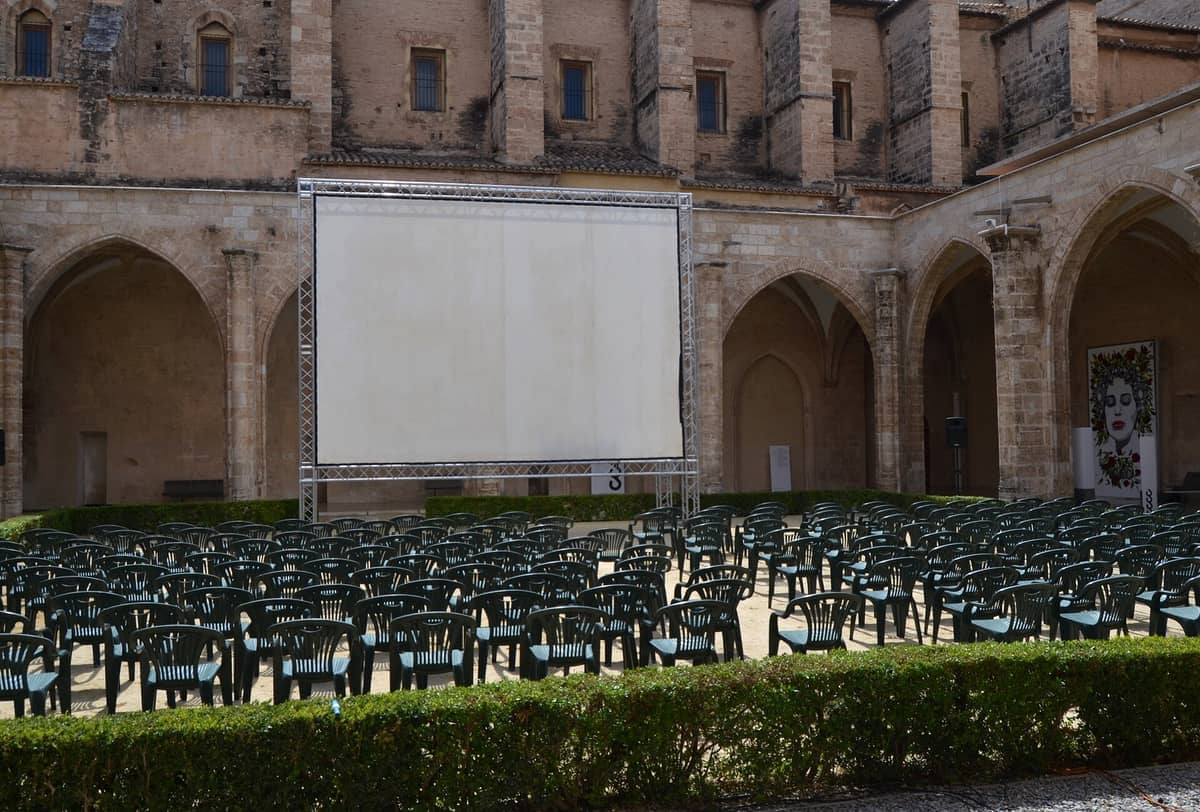
3. Catch Free Contemporary Exhibitions at the CCCC
A converted Gothic-Renaissance convent hosting rotating art shows, installations, and performances. Entry is generally free, the architecture is stunning, and it's right in the heart of El Carmen. Check the programme before visiting.
Explore3. Catch Free Contemporary Exhibitions at the CCCC
A converted Gothic-Renaissance convent hosting rotating art shows, installations, and performances. Entry is generally free, the architecture is stunning, and it's right in the heart of El Carmen. Check the programme before visiting.
Explore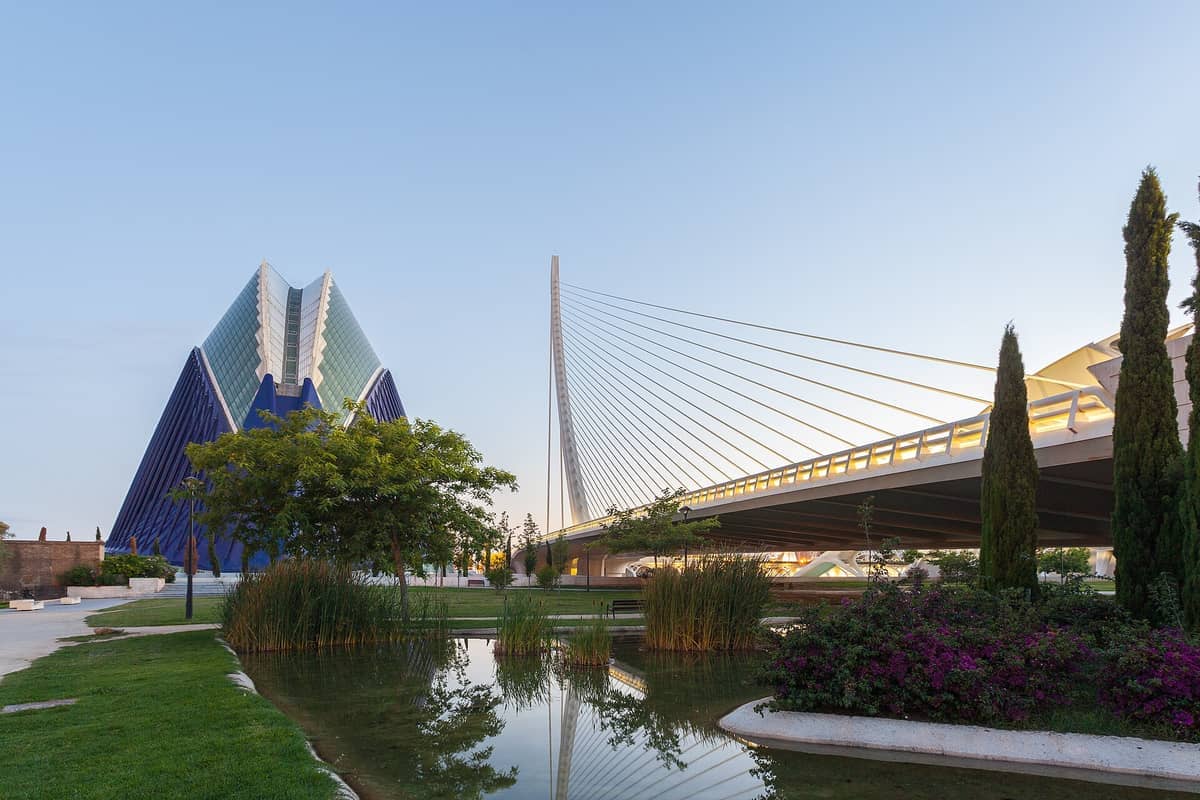
4. See World-Class Travelling Shows at CaixaForum
Part of Spain's best-funded cultural network, this venue at the City of Arts and Sciences brings major international exhibitions on art, science, and history to Valencia. The programming calendar is reliably excellent — check what's on before you go.
Explore4. See World-Class Travelling Shows at CaixaForum
Part of Spain's best-funded cultural network, this venue at the City of Arts and Sciences brings major international exhibitions on art, science, and history to Valencia. The programming calendar is reliably excellent — check what's on before you go.
ExploreHistory & Archaeology Museums
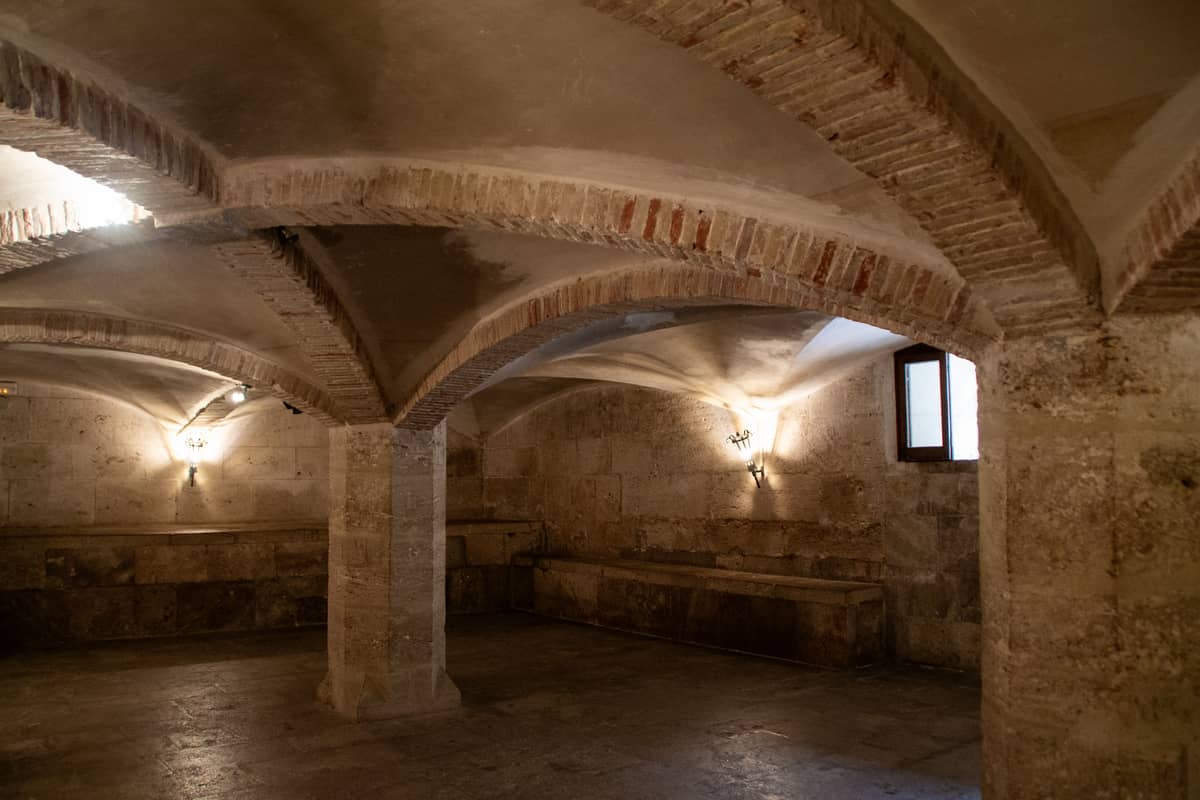
Founded in 138 BC as the Roman colony Valentia, Valencia has 2,000 years of layered history to excavate. The best historical museums are concentrated in the historic centre, where you can move between Roman ruins, a medieval silk exchange, and Baroque palaces within a short walk. The old city walking tour pairs well with these sites.
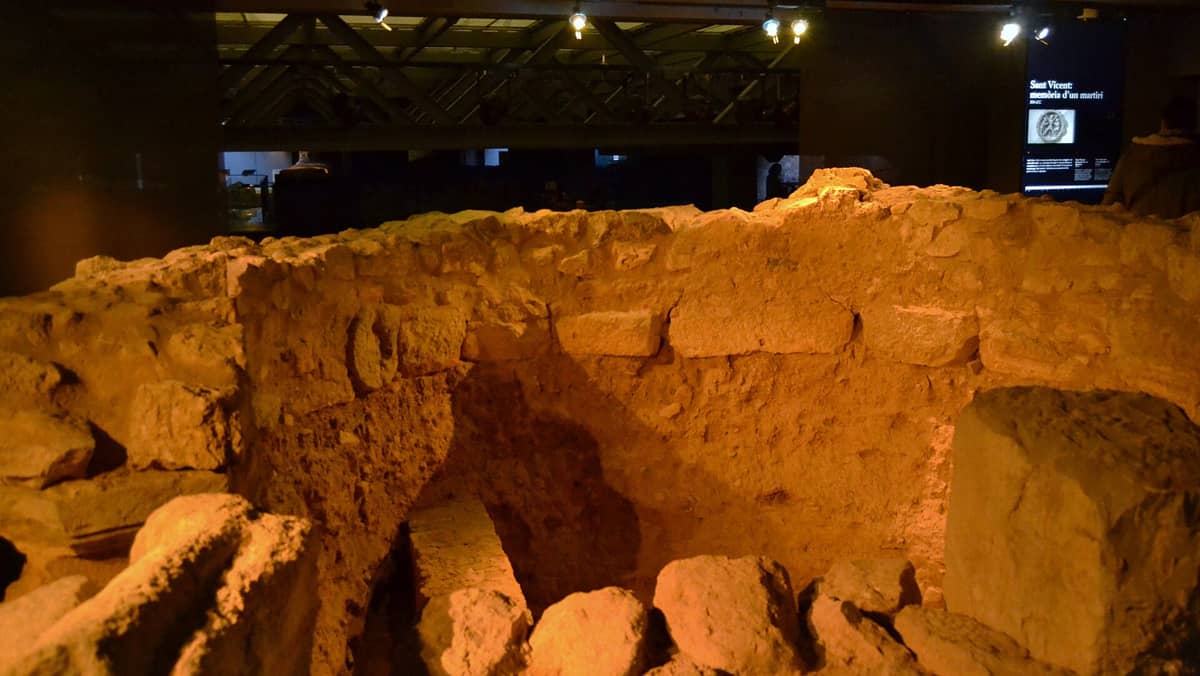
5. Walk Over 2,000 Years of History at the Almoina Archaeology Site
An underground museum beneath Plaza de la Almoina where glass floors reveal Roman baths, a Visigothic bishop's palace, and Moorish structures. One of Spain's most accessible Roman archaeology sites. Budget 45-60 minutes.
Explore5. Walk Over 2,000 Years of History at the Almoina Archaeology Site
An underground museum beneath Plaza de la Almoina where glass floors reveal Roman baths, a Visigothic bishop's palace, and Moorish structures. One of Spain's most accessible Roman archaeology sites. Budget 45-60 minutes.
Explore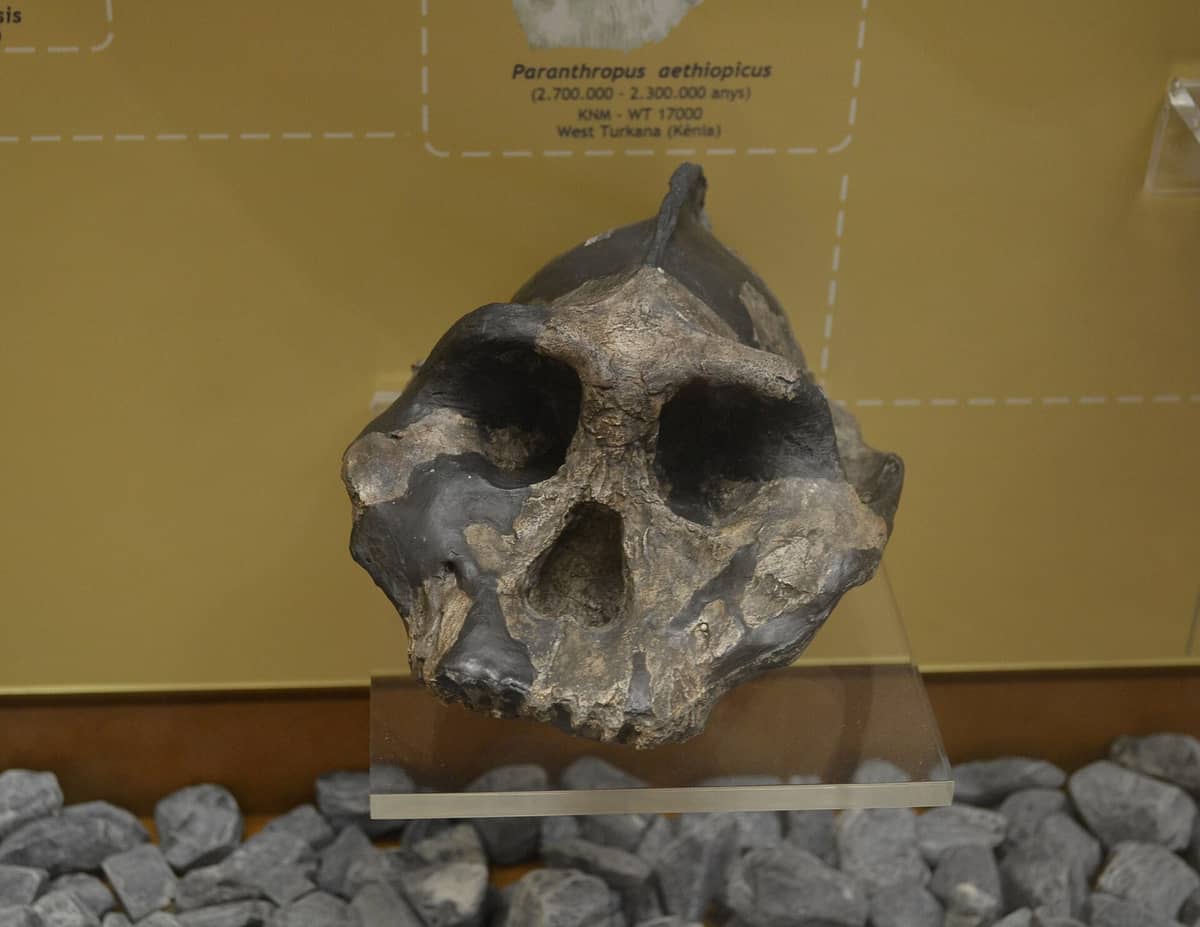
6. Trace Human Settlement at the Prehistory Museum
One of Spain's best prehistory collections, covering Palaeolithic cave art through Bronze Age and Iberian cultures in the Valencia region. The cave art reproductions are outstanding. Located in El Carmen, often overlooked by tourists.
Explore6. Trace Human Settlement at the Prehistory Museum
One of Spain's best prehistory collections, covering Palaeolithic cave art through Bronze Age and Iberian cultures in the Valencia region. The cave art reproductions are outstanding. Located in El Carmen, often overlooked by tourists.
Explore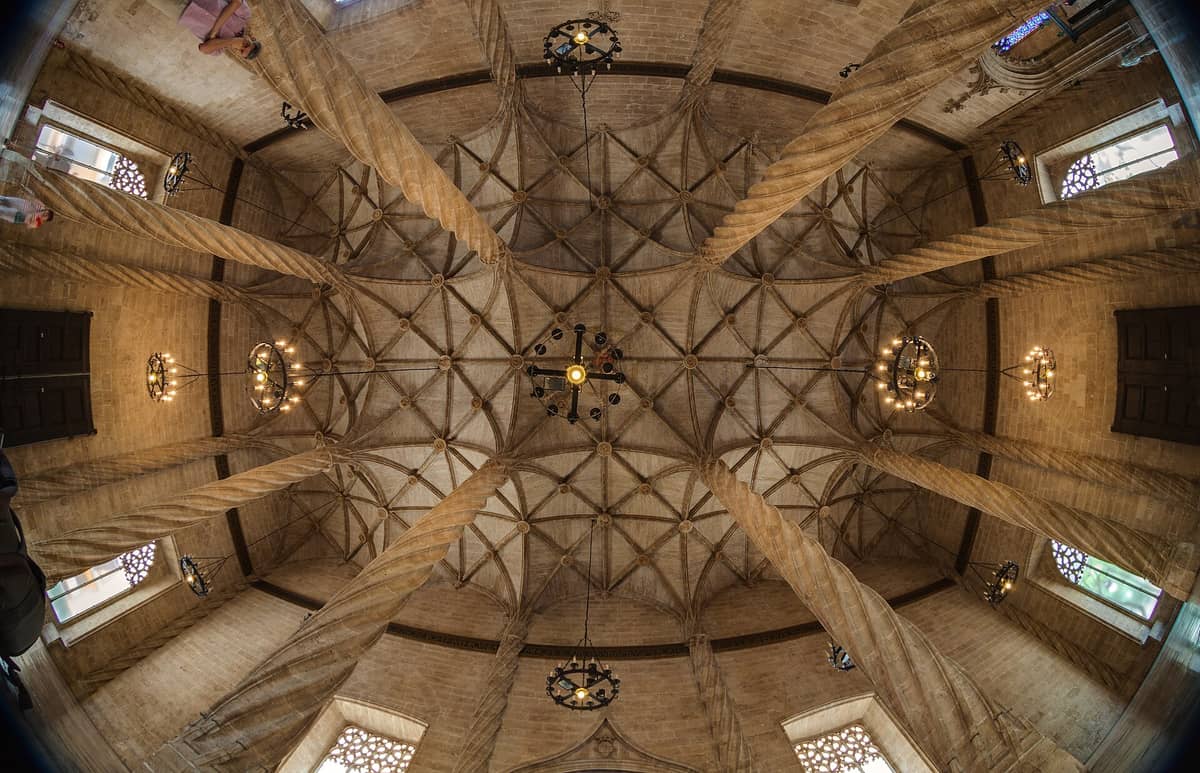
7. Marvel at Gothic Architecture Inside the UNESCO Silk Exchange
A UNESCO World Heritage building from 1482, La Lonja's Hall of Columns features twisting stone pillars that spiral 17 metres high. More architectural experience than traditional museum, but the interior is unmissable. Entry under €3.
Explore7. Marvel at Gothic Architecture Inside the UNESCO Silk Exchange
A UNESCO World Heritage building from 1482, La Lonja's Hall of Columns features twisting stone pillars that spiral 17 metres high. More architectural experience than traditional museum, but the interior is unmissable. Entry under €3.
Explore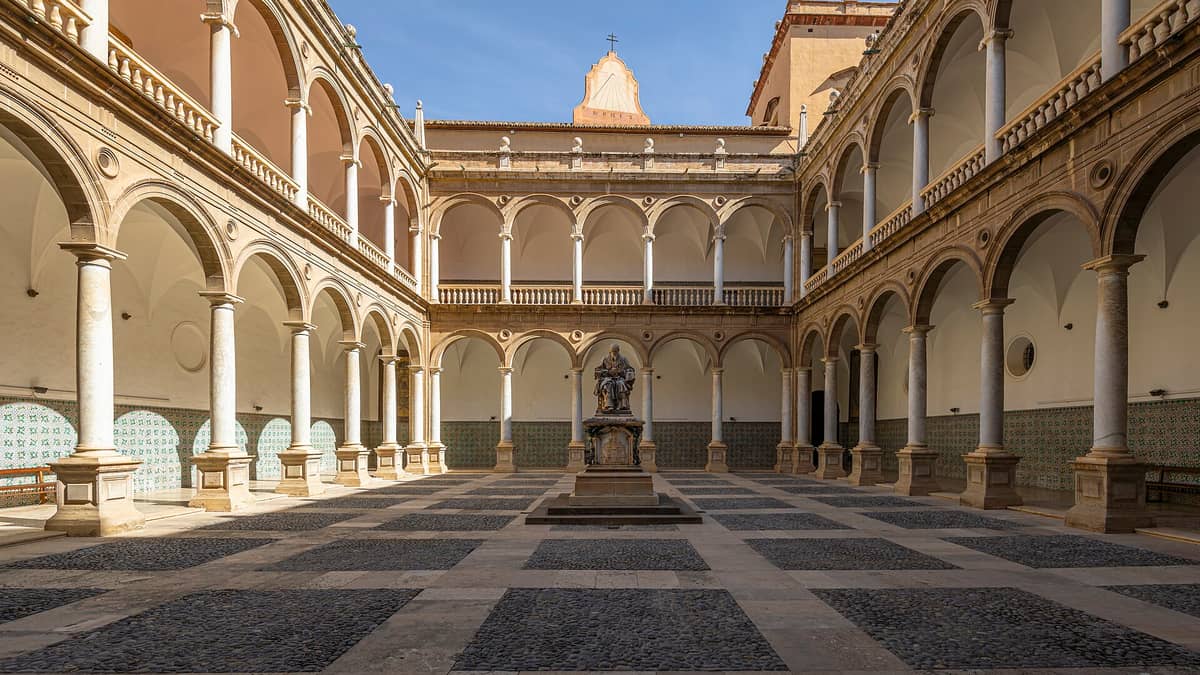
8. Find El Greco in a Hidden Renaissance Seminary
Known as El Patriarca, this 16th-century seminary holds El Greco and Ribalta works in a beautiful arcaded courtyard. It's one of Valencia's finest Renaissance spaces and far less visited than it deserves. Guided visits available.
Explore8. Find El Greco in a Hidden Renaissance Seminary
Known as El Patriarca, this 16th-century seminary holds El Greco and Ribalta works in a beautiful arcaded courtyard. It's one of Valencia's finest Renaissance spaces and far less visited than it deserves. Guided visits available.
Explore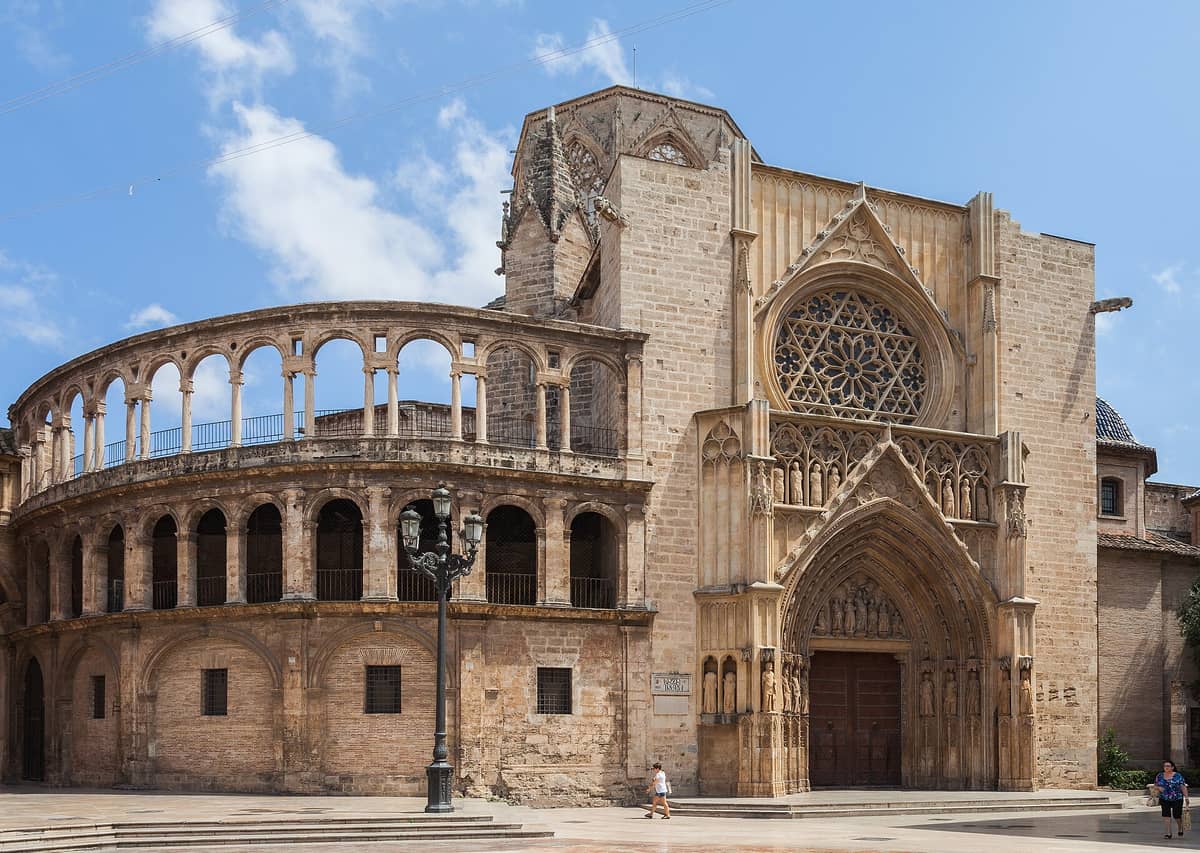
9. See the Claimed Holy Grail at the Cathedral Museum
Valencia's cathedral houses the Santo Cáliz, a first-century agate cup identified by the Church as the Holy Grail. The cathedral museum displays it alongside Gothic paintings and Goya frescoes. The building spans Romanesque to Baroque styles.
Explore9. See the Claimed Holy Grail at the Cathedral Museum
Valencia's cathedral houses the Santo Cáliz, a first-century agate cup identified by the Church as the Holy Grail. The cathedral museum displays it alongside Gothic paintings and Goya frescoes. The building spans Romanesque to Baroque styles.
ExploreCeramics, Decorative Arts & Cultural Museums
💡 Local tip
The Ceramics Museum charges €3 general admission but is free on Saturdays from 16:00 and all day Sunday. The Fallas Museum is best visited outside of March, when it's uncrowded and gives context for the festival the rest of the year.
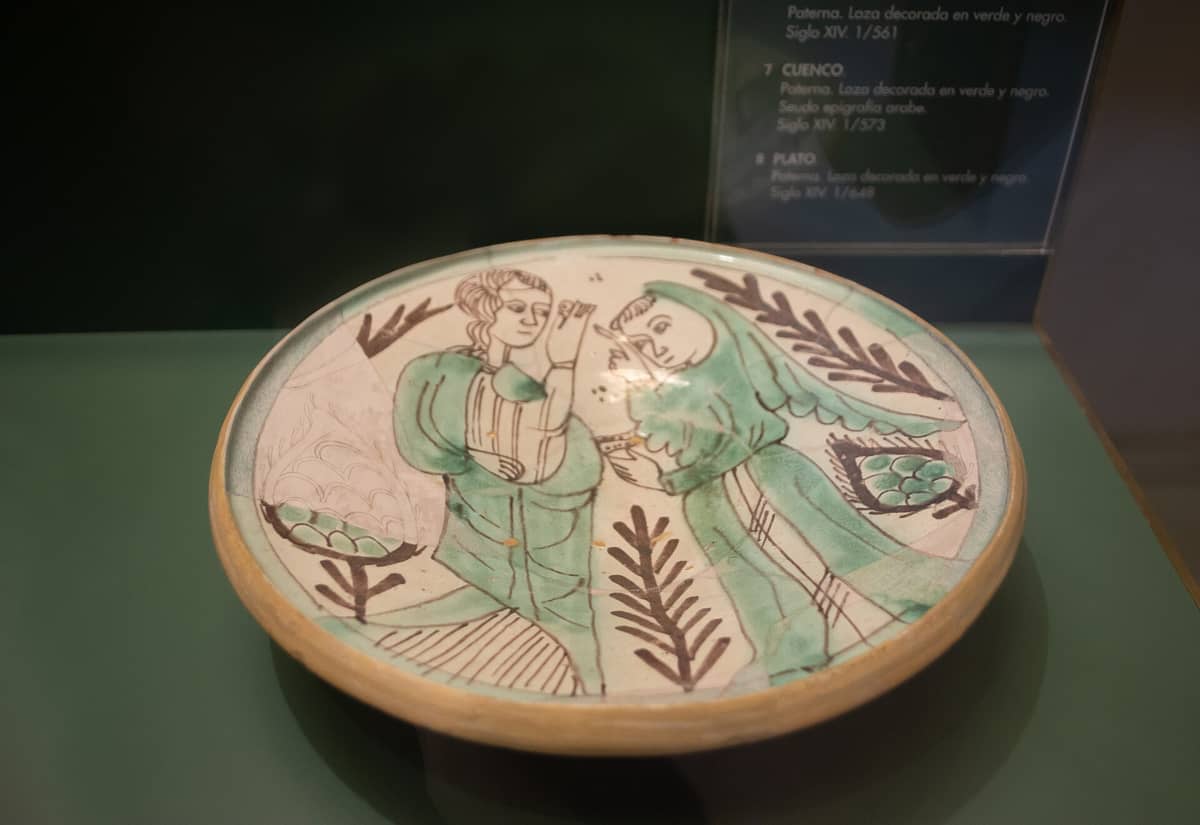
10. Be Stunned by Spain's Most Ornate Baroque Palace at the Ceramics Museum
The palace exterior alone — an explosion of carved stone figures — is worth the visit. Inside, the national ceramics collection traces Valencian tiles, Moorish pottery, and European porcelain through beautifully arranged period rooms. Free Sundays.
Explore10. Be Stunned by Spain's Most Ornate Baroque Palace at the Ceramics Museum
The palace exterior alone — an explosion of carved stone figures — is worth the visit. Inside, the national ceramics collection traces Valencian tiles, Moorish pottery, and European porcelain through beautifully arranged period rooms. Free Sundays.
Explore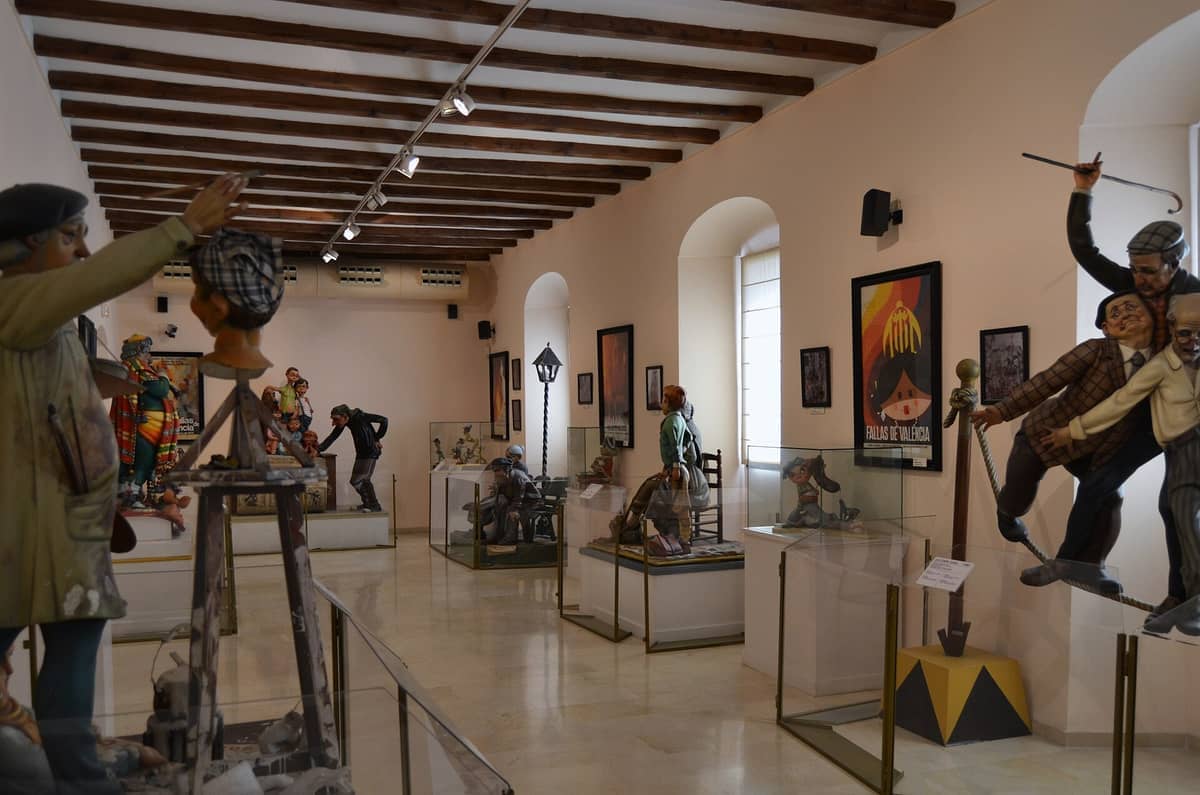
11. Understand Las Fallas Year-Round at the Fallas Museum
Every year one ninot (puppet figure) is saved from the flames of Las Fallas by public vote. This museum displays decades of those survivors, creating a unique archive of Valencian satirical art. The best way to grasp the festival without being there.
Explore11. Understand Las Fallas Year-Round at the Fallas Museum
Every year one ninot (puppet figure) is saved from the flames of Las Fallas by public vote. This museum displays decades of those survivors, creating a unique archive of Valencian satirical art. The best way to grasp the festival without being there.
Explore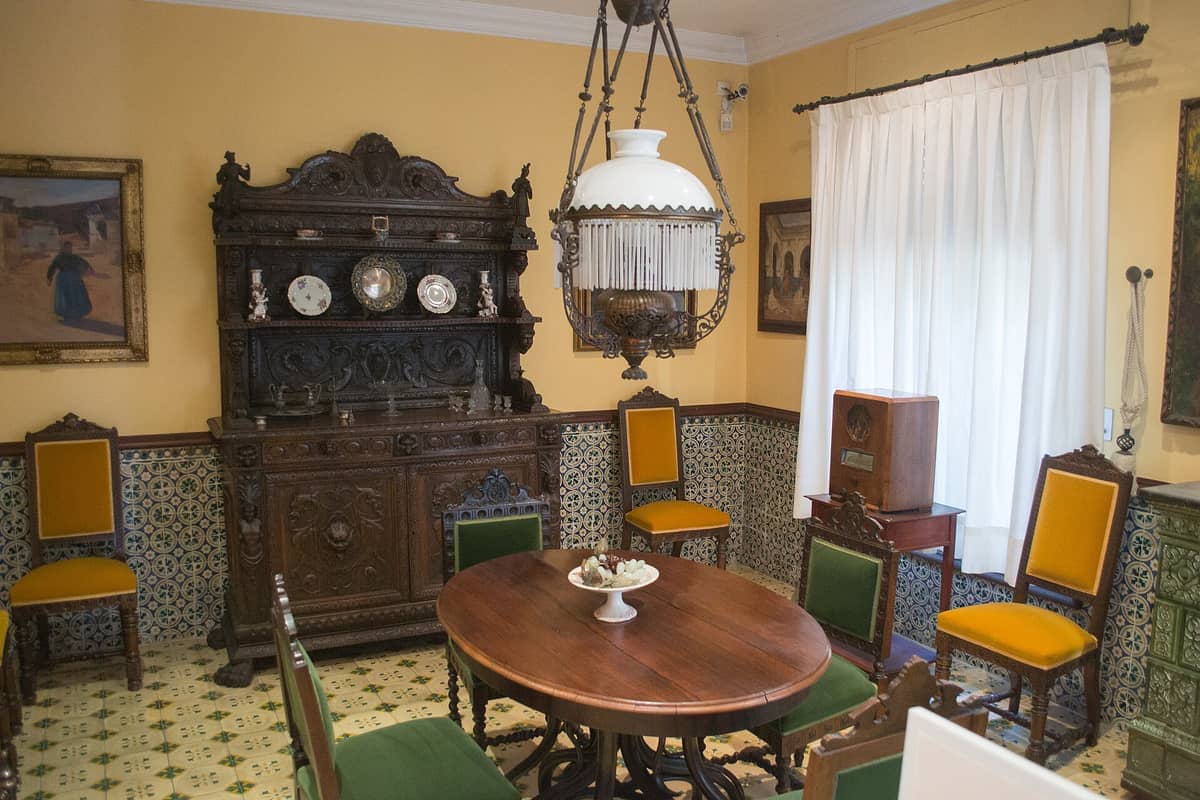
12. Step Inside a 19th-Century Sculptor's Home and Studio
The preserved home of sculptor José Benlliure in El Carmen offers an intimate window into 19th-century Valencian artistic life. Small, personal, and charming, it's a counterpoint to the city's larger institutions. Often very quiet.
Explore12. Step Inside a 19th-Century Sculptor's Home and Studio
The preserved home of sculptor José Benlliure in El Carmen offers an intimate window into 19th-century Valencian artistic life. Small, personal, and charming, it's a counterpoint to the city's larger institutions. Often very quiet.
Explore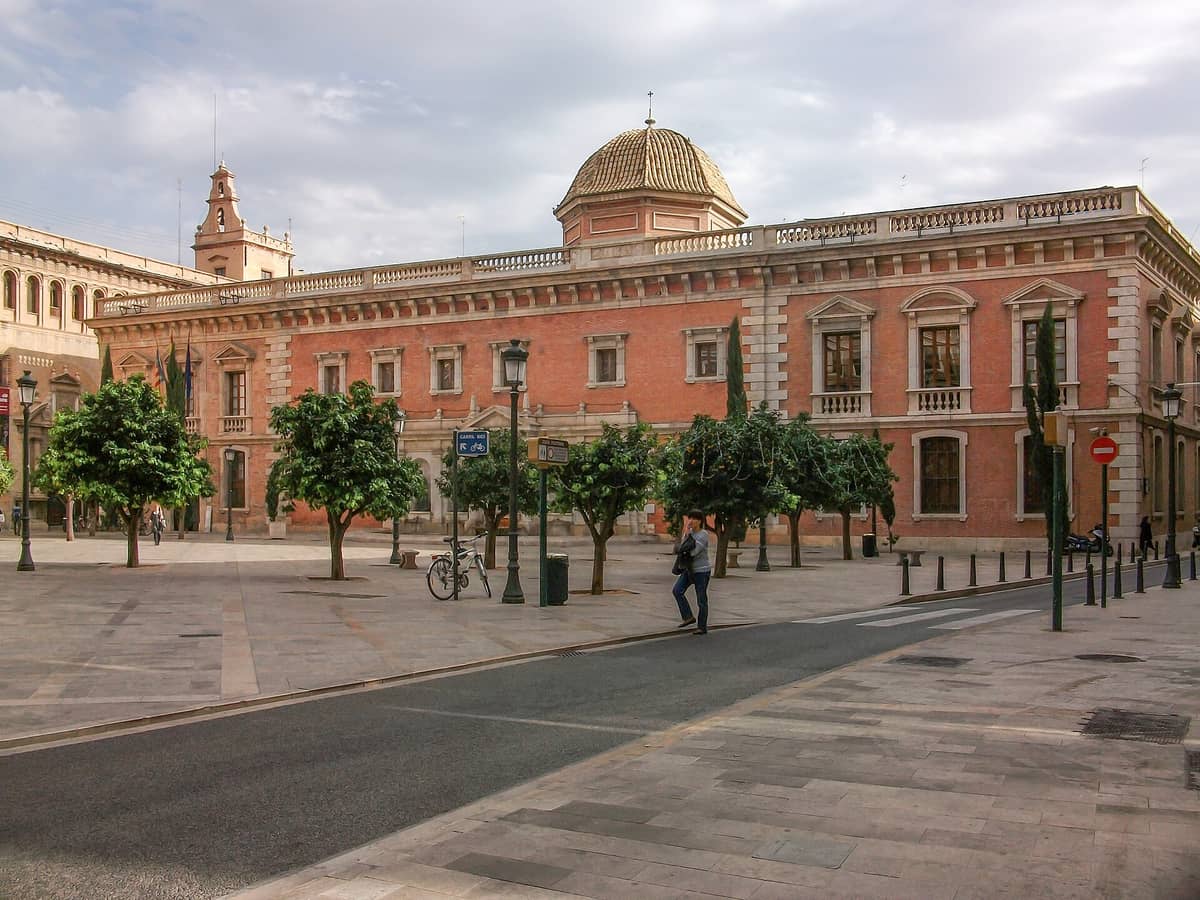
13. Visit Valencia's Historic University Cultural Centre
The University of Valencia's original 15th-century building hosts exhibitions, concerts, and open visits to its Renaissance courtyard and chapel. Entry is free for most events, and it's right in the heart of the old city.
Explore13. Visit Valencia's Historic University Cultural Centre
The University of Valencia's original 15th-century building hosts exhibitions, concerts, and open visits to its Renaissance courtyard and chapel. Entry is free for most events, and it's right in the heart of the old city.
ExploreScience, Nature & Architecture Museums
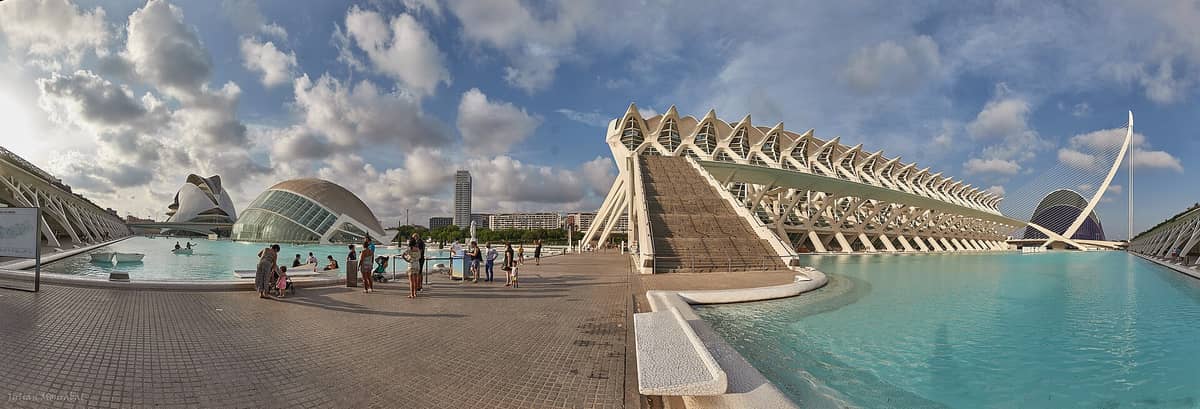
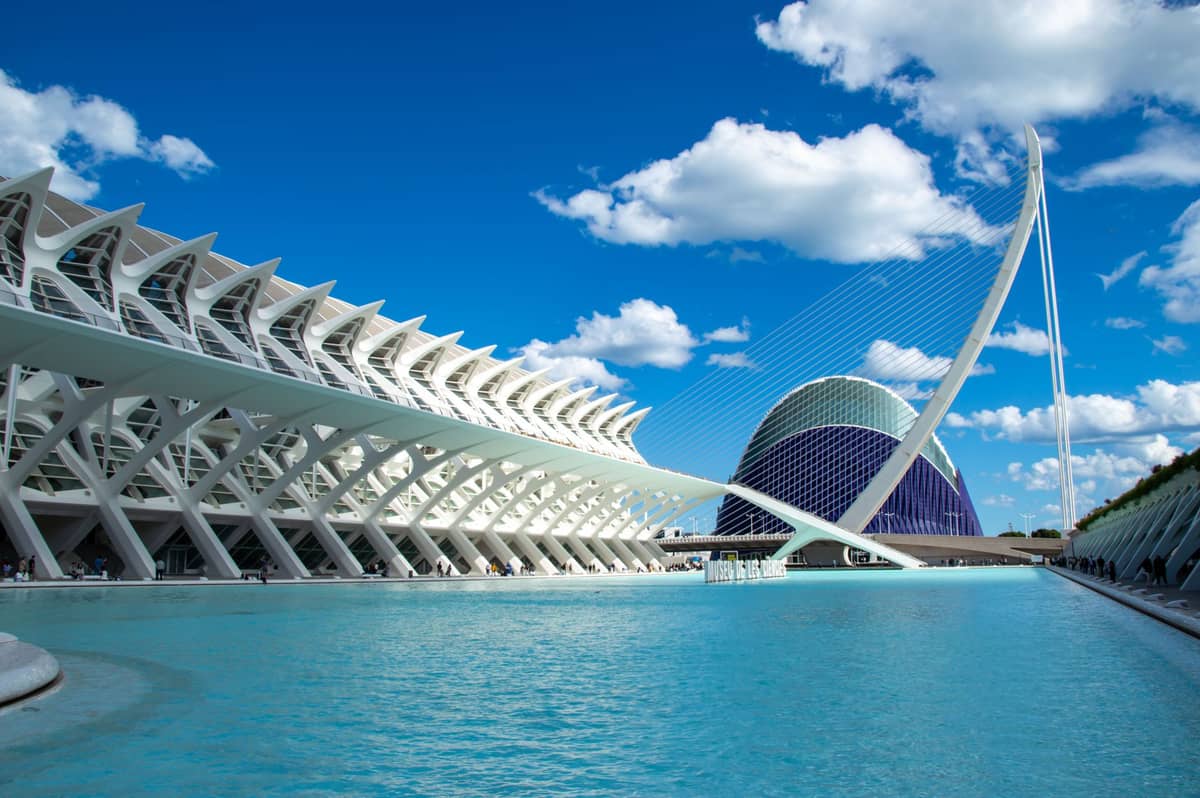
The City of Arts and Sciences is Valencia's most photogenic district and home to two of the city's most visited attractions: a science museum inside one of Calatrava's most dramatic buildings, and Europe's largest aquarium. For families, the Valencia with kids guide has tailored advice on making the most of both.
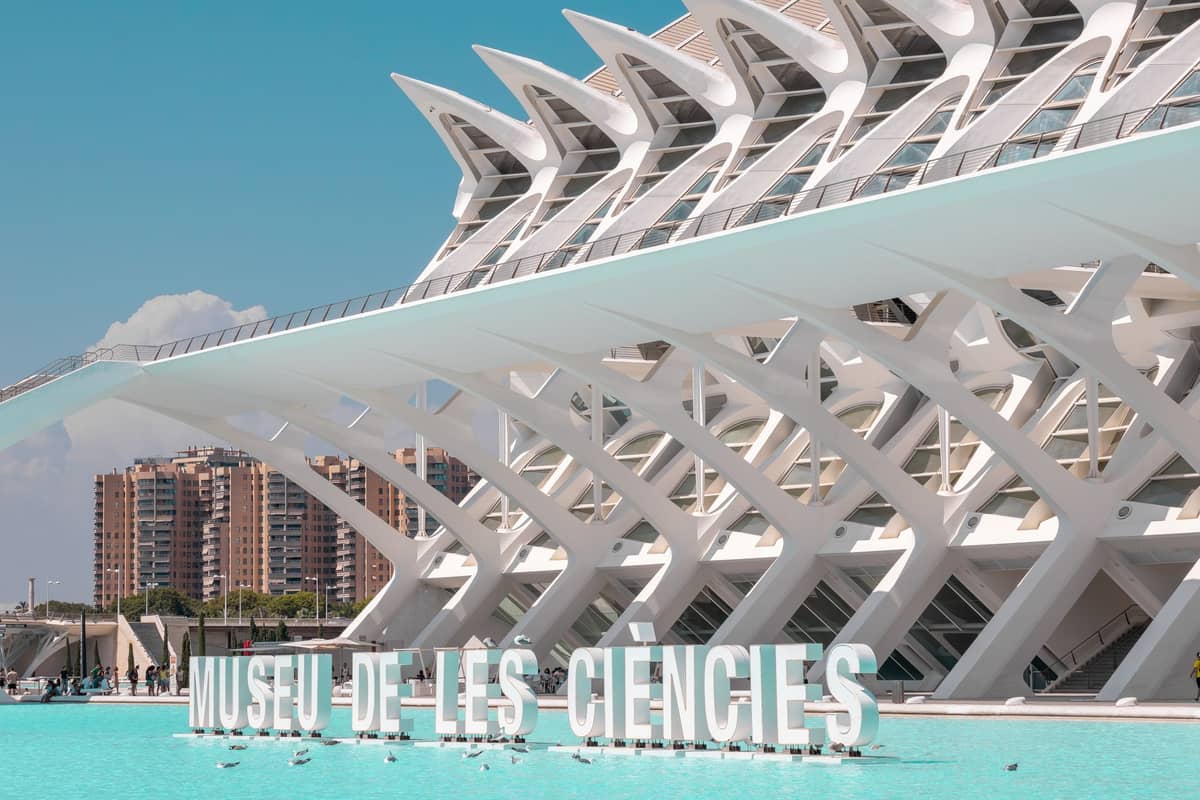
14. Explore Interactive Science in a Whale-Skeleton Building
Calatrava's soaring white structure houses interactive exhibits on science, technology, and nature across multiple floors. It's primarily designed for families and school groups but genuinely impressive for all ages. Book online to avoid queues.
Explore14. Explore Interactive Science in a Whale-Skeleton Building
Calatrava's soaring white structure houses interactive exhibits on science, technology, and nature across multiple floors. It's primarily designed for families and school groups but genuinely impressive for all ages. Book online to avoid queues.
Explore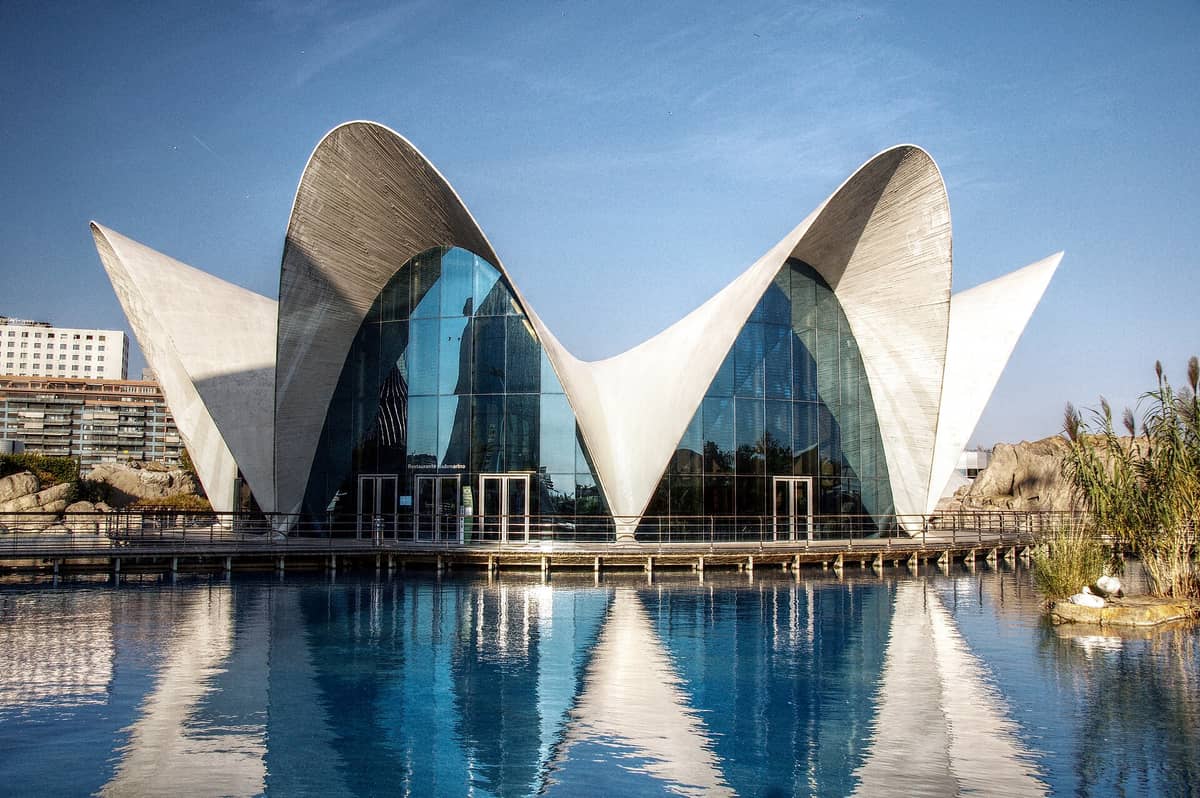
15. Walk Through a Shark Tunnel at Europe's Largest Aquarium
L'Oceanogràfic houses 45,000 animals in 11 themed pavilions including an underwater tunnel, beluga whales, and a dolphinarium. The Felix Candela-designed buildings are spectacular. Full visit takes 3-4 hours; book in advance.
Explore15. Walk Through a Shark Tunnel at Europe's Largest Aquarium
L'Oceanogràfic houses 45,000 animals in 11 themed pavilions including an underwater tunnel, beluga whales, and a dolphinarium. The Felix Candela-designed buildings are spectacular. Full visit takes 3-4 hours; book in advance.
Explore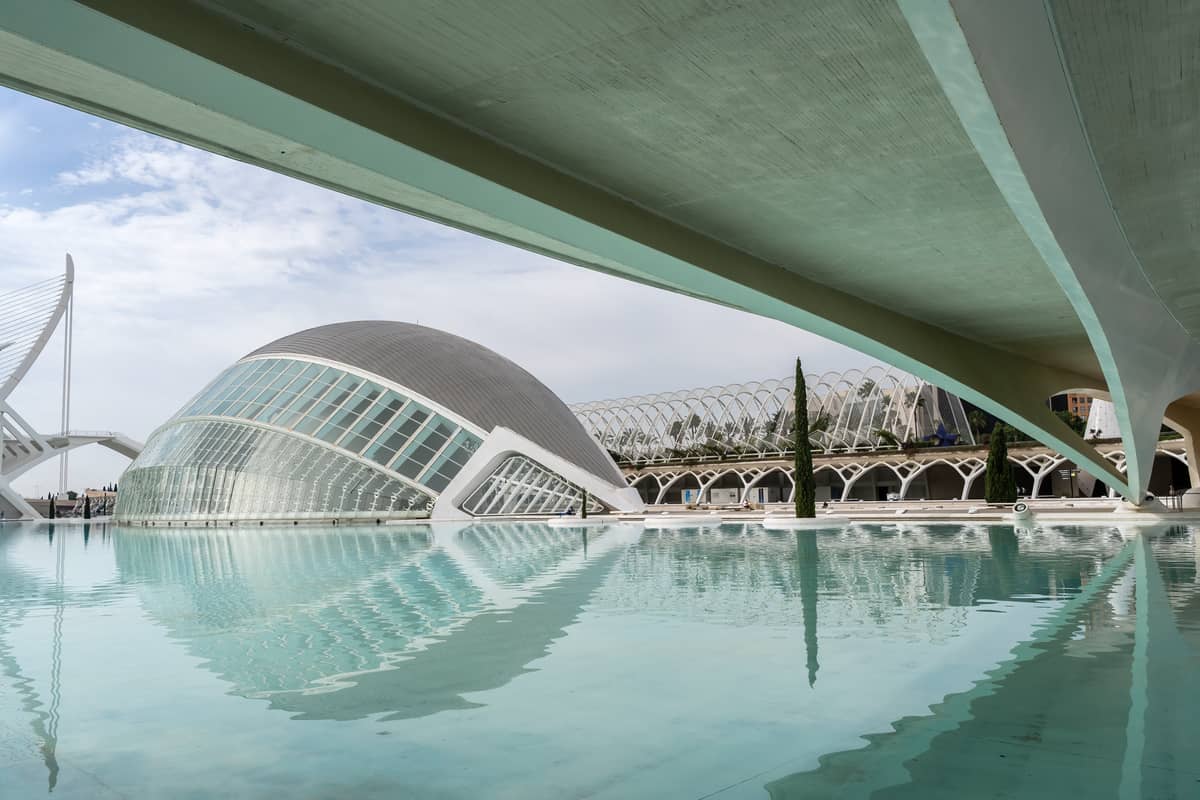
16. Watch IMAX Films Inside Calatrava's Giant Eye
The Hemisfèric's eye-shaped IMAX dome and planetarium shows immersive science and nature films on a huge curved screen. The building's reflective pool is one of Valencia's most photographed spots. Check the film schedule ahead of your visit.
Explore16. Watch IMAX Films Inside Calatrava's Giant Eye
The Hemisfèric's eye-shaped IMAX dome and planetarium shows immersive science and nature films on a huge curved screen. The building's reflective pool is one of Valencia's most photographed spots. Check the film schedule ahead of your visit.
ExploreHistoric Architecture Worth Visiting Like a Museum
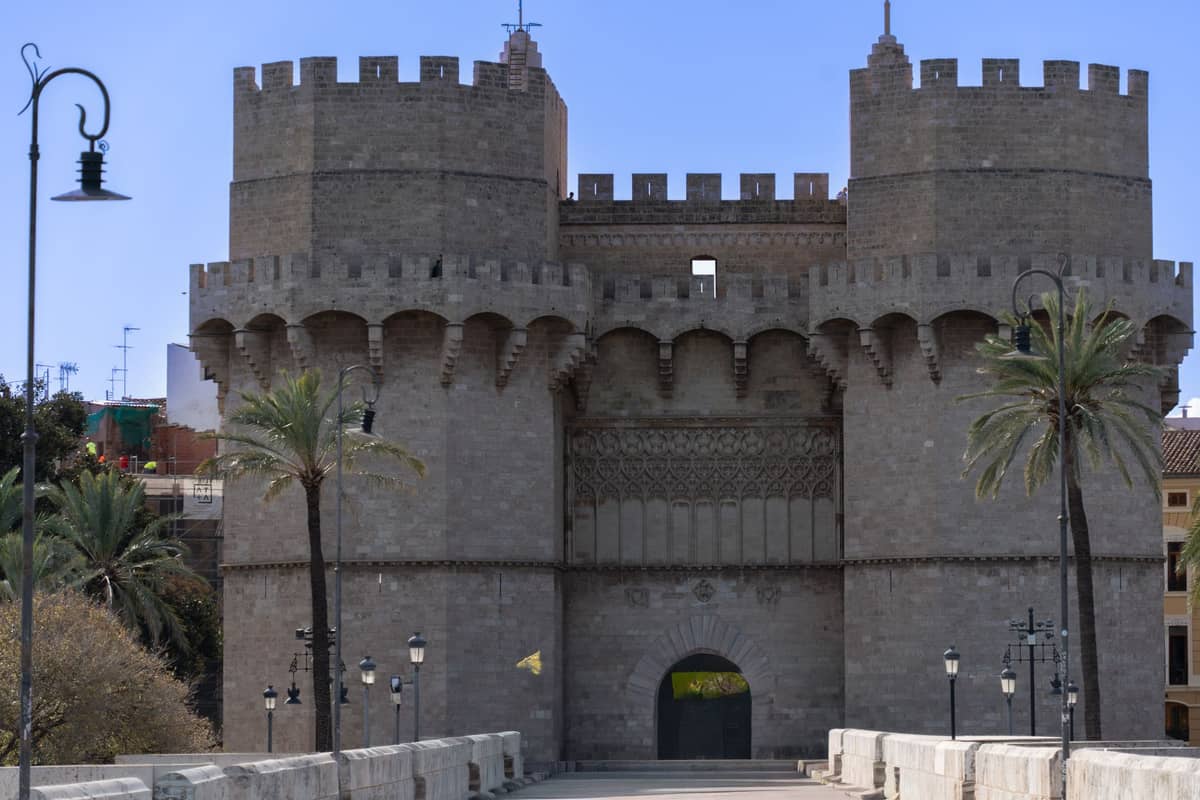
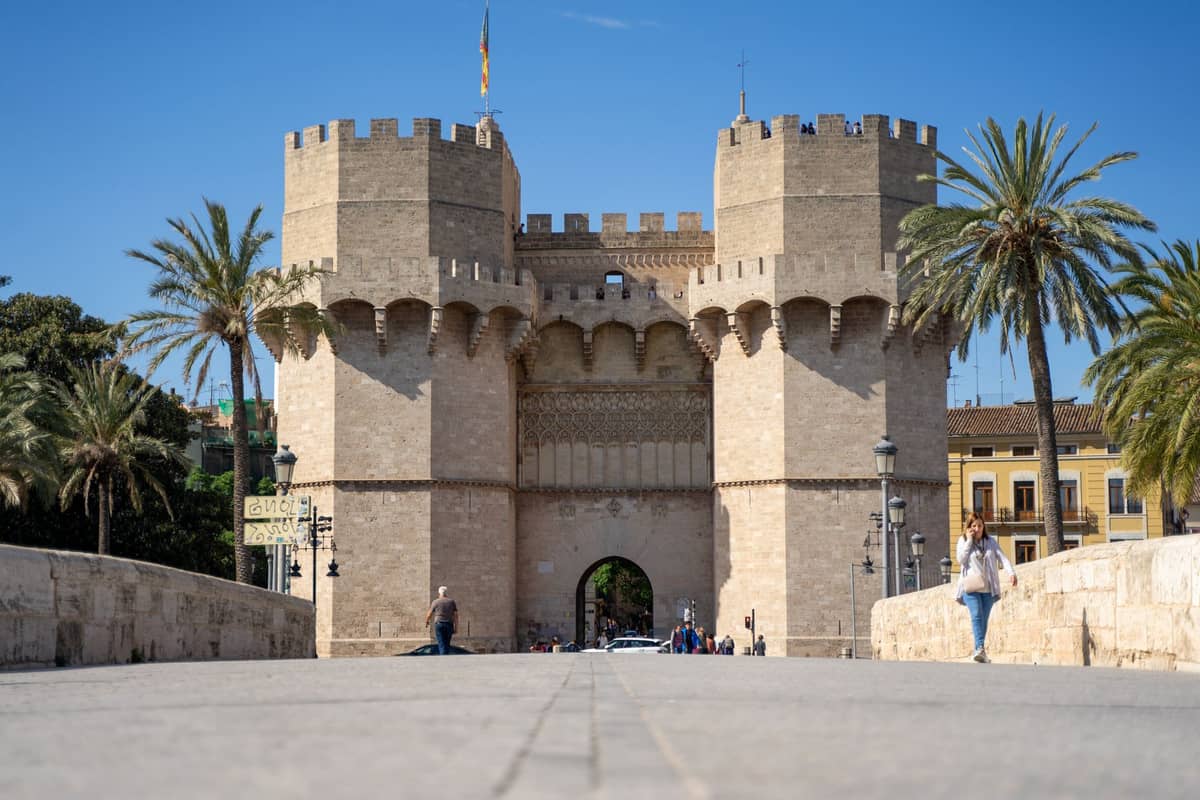
17. Climb Valencia's Finest Medieval Gate for History and Views
Built in 1392, these twin Gothic towers are the best-preserved gate of Valencia's medieval walls. The interior hosts cultural exhibitions and the battlements give excellent views over the Turia garden. Admission is low and free on Sundays.
Explore17. Climb Valencia's Finest Medieval Gate for History and Views
Built in 1392, these twin Gothic towers are the best-preserved gate of Valencia's medieval walls. The interior hosts cultural exhibitions and the battlements give excellent views over the Turia garden. Admission is low and free on Sundays.
Explore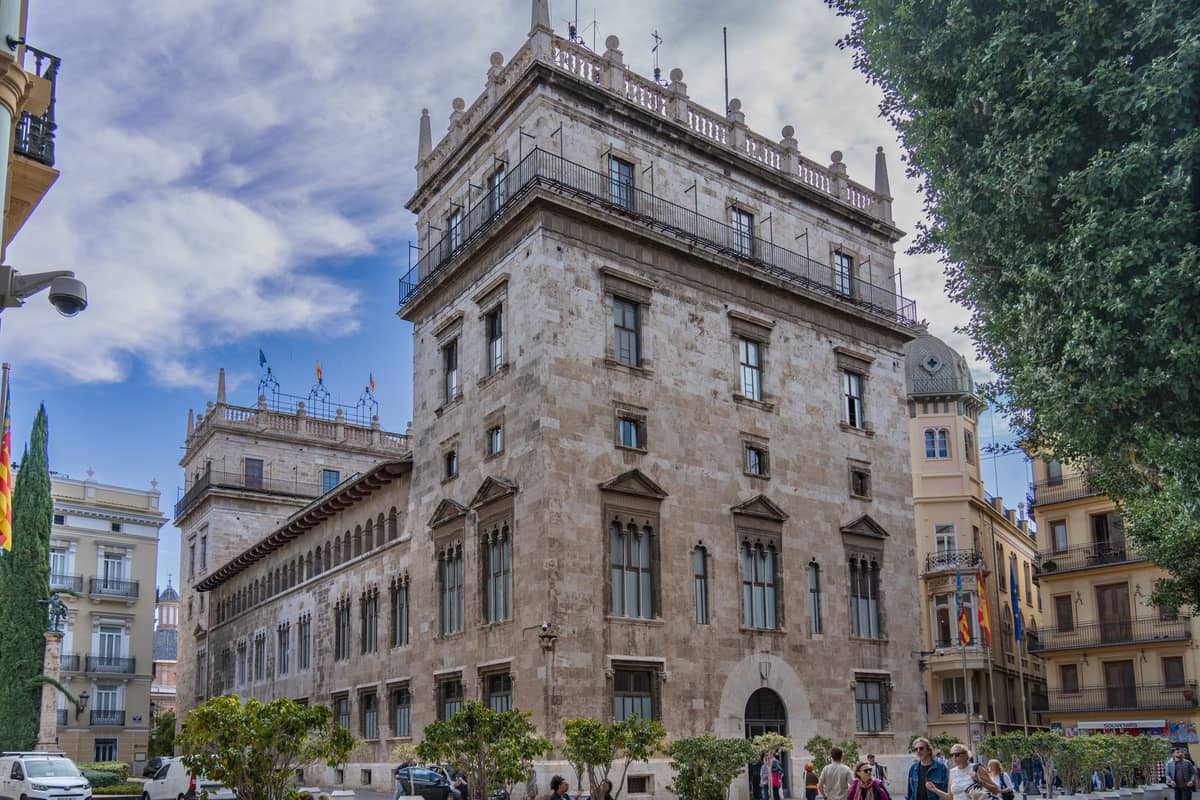
18. Tour the Gilded Chambers of Valencia's Gothic Government Palace
The 15th-century seat of the Valencian regional government has a magnificent courtyard, gilded ceilings, and a historic tower, all visitable on guided tours. One of the finest Gothic civil buildings in the region and often overlooked.
Explore18. Tour the Gilded Chambers of Valencia's Gothic Government Palace
The 15th-century seat of the Valencian regional government has a magnificent courtyard, gilded ceilings, and a historic tower, all visitable on guided tours. One of the finest Gothic civil buildings in the region and often overlooked.
Explore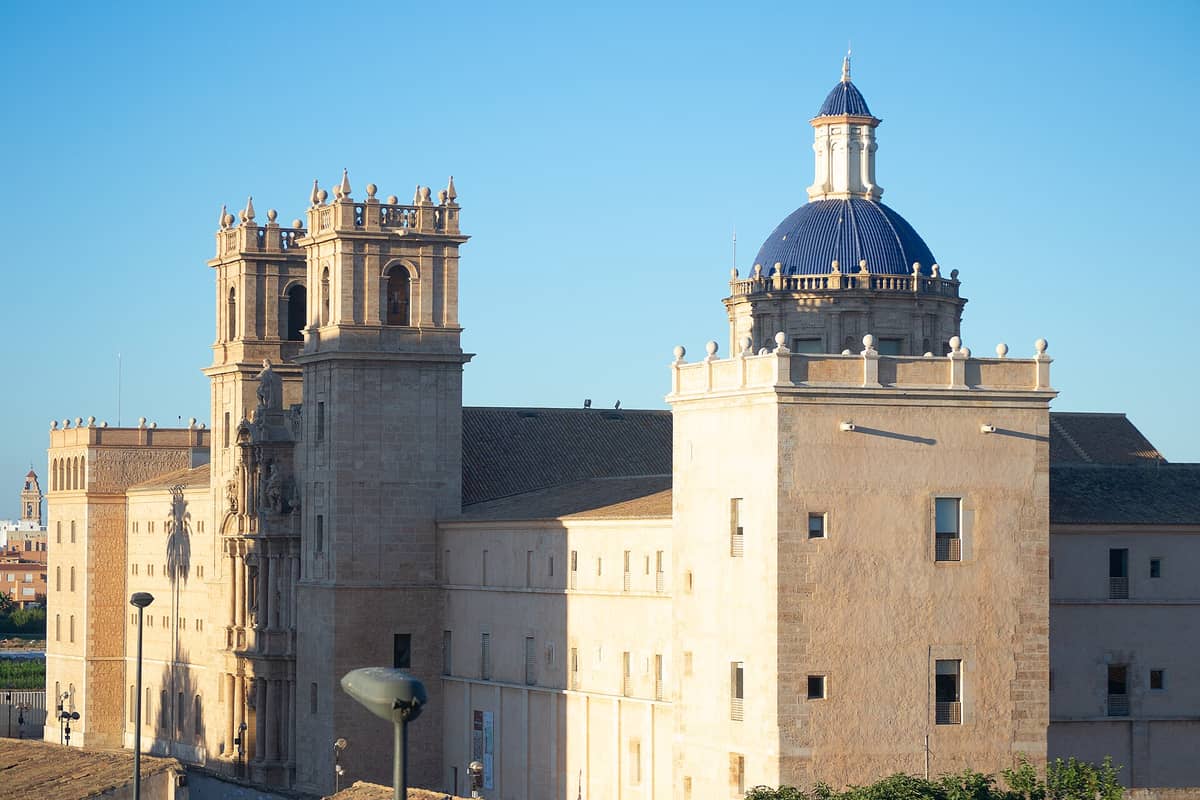
19. See Exceptional Renaissance Architecture at a Royal Monastery
A 16th-century monastery built as a royal pantheon, now housing the Valencian Regional Library. Its grand double cloister and church are among the finest Renaissance architecture in eastern Spain. Free to visit and rarely crowded.
Explore19. See Exceptional Renaissance Architecture at a Royal Monastery
A 16th-century monastery built as a royal pantheon, now housing the Valencian Regional Library. Its grand double cloister and church are among the finest Renaissance architecture in eastern Spain. Free to visit and rarely crowded.
Explore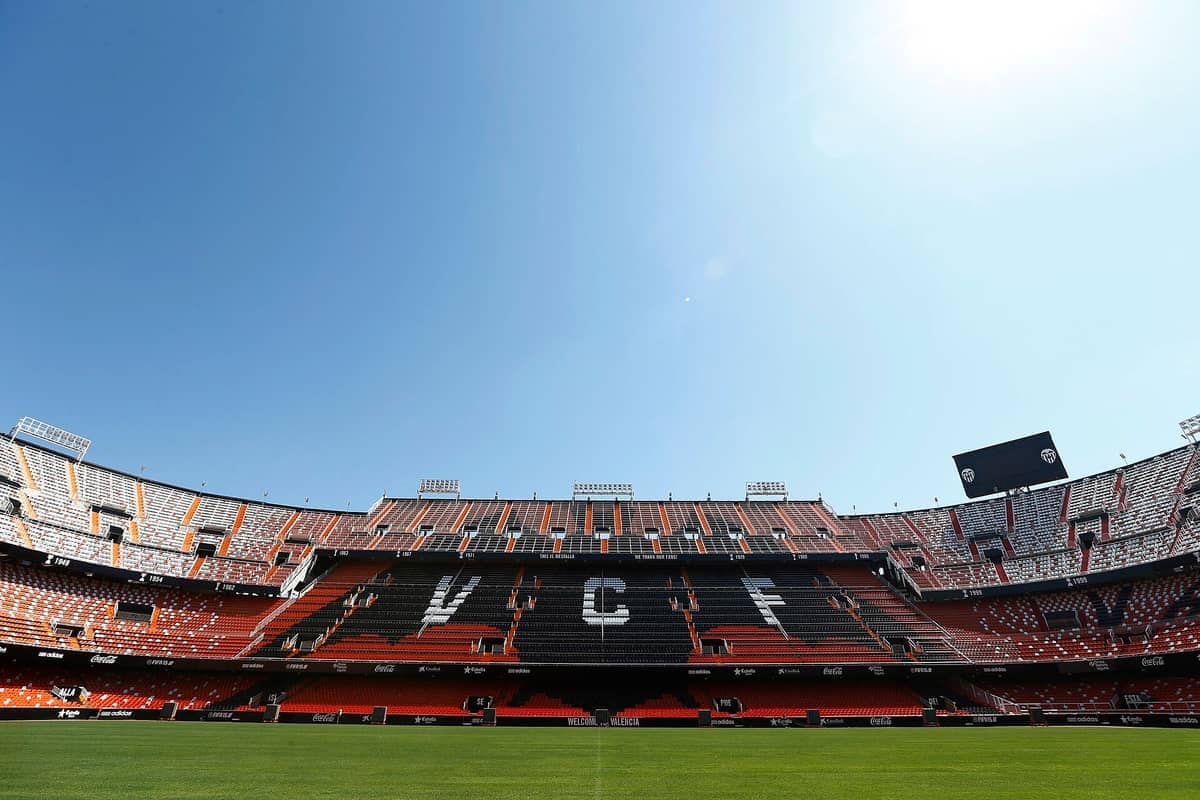
20. Go Behind the Scenes at Valencia CF's Iconic Stadium
Mestalla has been Valencia CF's home since 1923 and ranks among Spain's most atmospheric football grounds. The stadium tour covers the dressing rooms, pitch, and trophy room, with a small museum on club history. Book tours in advance.
Explore20. Go Behind the Scenes at Valencia CF's Iconic Stadium
Mestalla has been Valencia CF's home since 1923 and ranks among Spain's most atmospheric football grounds. The stadium tour covers the dressing rooms, pitch, and trophy room, with a small museum on club history. Book tours in advance.
Explore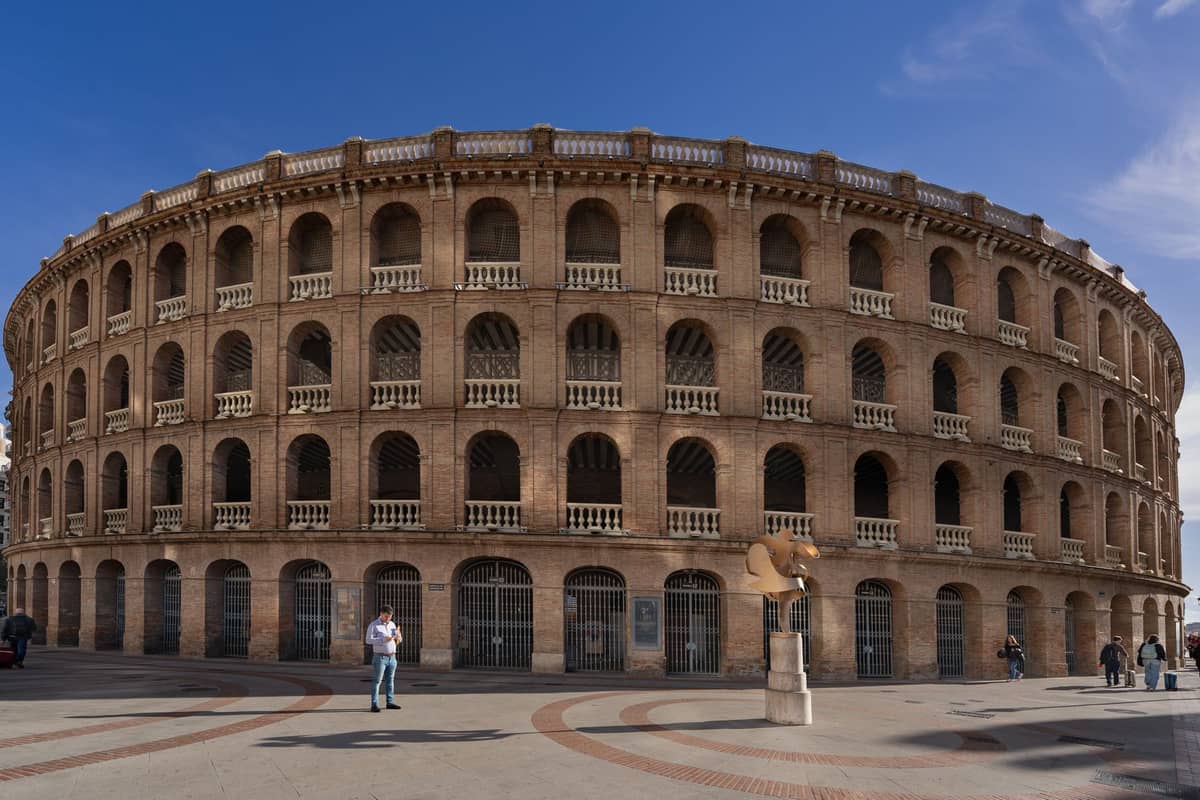
21. Explore the Bullring's Museum of Tauromachic History
Valencia's 1851 neoclassical bullring is architecturally significant and sits opposite the Modernista train station. The attached museum covers the history of bullfighting in Valencia. Worth a brief visit even without attending a fight.
Explore21. Explore the Bullring's Museum of Tauromachic History
Valencia's 1851 neoclassical bullring is architecturally significant and sits opposite the Modernista train station. The attached museum covers the history of bullfighting in Valencia. Worth a brief visit even without attending a fight.
ExploreFAQ
Which museums in Valencia are free?
Many Valencia museums offer free entry on Sundays, including the Museo de Bellas Artes (free every day) and the Centro Arqueológico de l'Almoina. The CCCC and IVAM also have regular free-entry periods. Always check the official museum website as policies change seasonally.
How many days do you need to see Valencia's best museums?
Two full days covers the major art, history, and science museums comfortably. Day one works well for the historic centre: Bellas Artes, the Ceramics Museum, and the Almoina archaeology site. Day two at the City of Arts and Sciences covers the Science Museum and L'Oceanogràfic.
Is the Museo de Bellas Artes in Valencia worth visiting?
Yes, and it's free entry every day. It holds one of Spain's finest regional art collections: Valencian Gothic altarpieces, works by Velázquez, El Greco, Goya, and a strong Sorolla room. It's less crowded than comparable museums in Madrid or Barcelona.
Do I need to book Valencia museum tickets in advance?
For IVAM and the Ceramics Museum, walk-in entry is usually fine. For L'Oceanogràfic and the Science Museum at the City of Arts and Sciences, especially in summer or during school holidays, booking online in advance is strongly recommended to avoid long queues.
What is the best museum in Valencia for children?
The Museu de les Ciències Príncep Felip (Science Museum) is purpose-built for interactive, hands-on visits and is excellent for kids aged 6 and up. L'Oceanogràfic is the other top pick for families, with its shark tunnel and dolphin shows making a full half-day attraction.