Museo de Prehistoria de Valencia: Ancient History in the Heart of El Carmen
Housed inside the historic La Beneficència complex in Valencia's Barrio del Carmen, the Museu de Prehistòria de València traces human life in the region from the Paleolithic through the Visigothic period. Founded in 1927, it remains a respected provincial archaeology museum, and at €2 admission (free on weekends), it consistently overdelivers.
Quick Facts
- Location
- C/ Corona, 36, 46003 Valencia — Barrio del Carmen, Ciutat Vella
- Getting There
- City buses serving the historic centre stop nearby; the museum is walkable from Plaza del Ayuntamiento
- Time Needed
- 1.5 to 2.5 hours
- Cost
- €2 general; €1 reduced; free on Saturdays, Sundays, public holidays, and for children under 7, visitors with disabilities, school groups, and unemployed visitors
- Best for
- History enthusiasts, archaeology fans, rainy-day visits, budget travelers
- Official website
- www.museuprehistoriavalencia.es
What the Museo de Prehistoria de Valencia Actually Is
The Museu de Prehistòria de València (Museo de Prehistoria de Valencia in Spanish, or Prehistory Museum of Valencia in English) is a publicly funded archaeology museum that has been collecting, researching, and displaying the deep human past of the Valencian region since 1927. It is not a small curiosity cabinet wedged into a side street. This is a serious institutional museum with a research arm, the Servicio de Investigación Prehistórica (SIP), that has been conducting fieldwork for nearly a century.
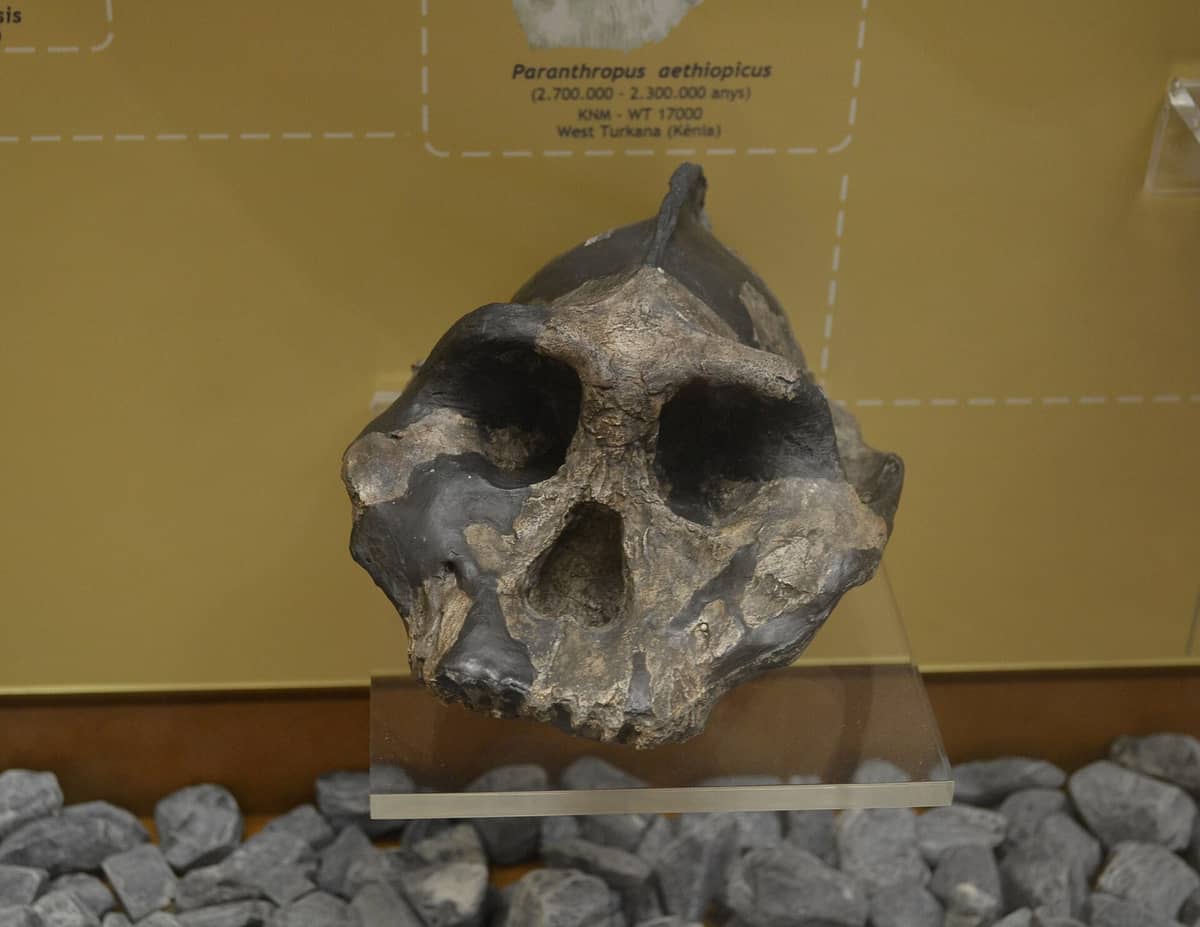
The SIP was founded by provincial deputy Isidro Ballester Tormo, and the collections that grew from its excavations form the backbone of what visitors see today. The permanent display covers an extraordinary sweep of time: from the earliest Paleolithic stone tools found in Valencian cave sites, through the Bronze Age, Iberian culture, Roman occupation, and finally the Visigothic period. That is roughly 800,000 years of human presence compressed into a series of well-ordered galleries.
💡 Local tip
Visit on a Saturday or Sunday for free admission (also on public holidays). Weekday morning visits (opening at 10:00) are quietest, with very few other visitors before noon.
The Building: La Beneficència
The museum occupies part of the La Beneficència cultural complex, a 19th-century former charitable institution that takes up a substantial block in the northern part of the Barrio del Carmen. From the street, the entrance on Calle Corona has a civic, slightly monumental quality: stone archways, a courtyard you can see through the gate, and a general atmosphere that feels a step removed from the narrow medieval lanes immediately surrounding it.
Once inside, the courtyard itself is worth pausing in. The building's neoclassical structure, with its covered arcades and open central space, gives you a sense of 19th-century institutional Valencia that most visitors never encounter. The museum shares the complex with the Museo Etnológico, which documents Valencian folk culture and occupies adjacent galleries. If you have time, both can be combined into a single visit without much extra effort.
The La Beneficència complex sits a short walk from two of the neighborhood's most photographed landmarks: the medieval Torres de Serranos gateway to the north and the Centre del Carme Cultura Contemporània contemporary art space nearby. This area of El Carmen rewards slow walking.
Tickets & tours
Hand-picked options from our booking partner. Prices are indicative; availability and final rates are confirmed when you complete your booking.
Valencia Silk Museum tickets and audio guide
From 7 €Instant confirmationFree cancellationValencia English tour with entry to La Lonja, Catedral and San Nicolas
From 39 €Instant confirmationFree cancellationValencia top attractions MegaPass Classic with Oceanografic and Science Museum
From 79 €Instant confirmationValencia Spanish tour with entry to La Lonja, Catedral and San Nicolas
From 49 €Instant confirmationFree cancellation
What You'll See Inside
The permanent collection is organized chronologically, beginning with Paleolithic tools and cave-related materials, then moving through the Mesolithic, Neolithic, Bronze Age, and into the Iberian and Roman periods before concluding with Visigothic-era objects. The sequencing is logical and clearly labeled, with bilingual signage in Spanish and Valencian throughout, and English explanations in many sections.
Highlights include a significant set of Iberian ceramic pieces that show the sophistication of pre-Roman cultures on the peninsula, painted ceramic vessels with figurative decoration that feel surprisingly modern in execution. The Neolithic section includes human remains displayed in careful archaeological context, which some visitors find unexpectedly affecting. Cave art reproductions and related materials give a sense of the extraordinary rock art found at sites in the Valencian interior, some of which are UNESCO-listed.
The lighting in the main galleries is museum-standard: controlled, relatively dim, and easy on the eyes for extended looking. Display cases are well-maintained and the object labeling is specific enough to satisfy informed visitors, not just general crowds. This is one of those institutions where you can tell the curatorial team actually cares about how the objects are presented, not just that they are present.
When to Visit and How the Experience Changes
The museum opens Tuesday through Sunday at 10:00 and closes at 20:00 (closed Mondays). Arriving at opening time on a weekday means you may have entire rooms to yourself. By early afternoon, school groups occasionally pass through, particularly on weekdays when didactic activities for groups are scheduled (Tuesday to Friday 10:00 to 14:00, and Tuesday and Thursday 16:00 to 18:00). If you want a contemplative visit, go on a Tuesday or Wednesday morning when group traffic is lightest.
Weekend visits are free, which does draw more foot traffic. Saturday afternoons in particular see a mix of local families and tourists drawn in partly by the no-cost entry. The museum is not so popular that it ever feels overcrowded, but if you want to spend time reading labels without people brushing past, a mid-week morning remains the better choice.
ℹ️ Good to know
Opening hours: Tuesday to Sunday, 10:00–20:00. Closed Mondays. Free on Saturdays, Sundays, and public holidays. General admission €2; reduced €1. Children under 7, visitors with disabilities, school groups, and unemployed visitors enter free on all days.
Getting There and Practical Logistics
The museum's address is C/ Corona, 36, in the 46003 postcode, which puts it in the heart of Ciutat Vella. From the Plaza del Ayuntamiento, the walk takes around 10 to 12 minutes on foot heading northwest through the old city streets. The route passes through the atmospheric lanes of El Carmen, which is itself a reason to walk rather than take transit.
City buses serving the historic centre stop within a few minutes' walk. The museum is not directly on a metro line, but the surrounding Barrio del Carmen is compact enough that any approach from the historic centre is manageable on foot. Wear comfortable shoes: the streets in El Carmen are cobbled in places, and the neighborhood rewards wandering.
The museum building has been adapted for visitor access, but the 19th-century structure means some areas require negotiating stairs. Visitors with specific mobility or sensory requirements are advised to contact the museum before visiting: information desk at +34 963 883 565, or the visits service at +34 963 883 579. The official website (museuprehistoriavalencia.es) has current accessibility information.
Photography, Research, and Going Deeper
Photography without flash is generally permitted in the permanent galleries for personal use, though this should be confirmed at the entrance desk as policies can vary for temporary exhibitions. The museum's research library and archive are accessible for academic visitors by arrangement through the SIP — a resource serious researchers of Iberian and Valencian prehistory may find invaluable, given the depth of unpublished fieldwork material held there.
For visitors building a full day around Valencia's archaeological heritage, the Centro Arqueológico de l'Almoina is a 15-minute walk away and focuses on the Roman and medieval layers of the city directly underfoot. Together the two museums cover the long arc of human settlement in the region more completely than either does alone.
Honest Assessment: Is It Worth Your Time?
The Museo de Prehistoria de Valencia is not Valencia's flashiest cultural institution. It does not have the visual spectacle of the Ciudad de las Artes y las Ciencias, the religious gravity of the cathedral, or the social energy of the Mercado Central. What it has is depth, rigour, and an almost uncommon respect for its subject matter in the presentation.
Visitors who come expecting multimedia experiences or interactive technology will find the approach traditional. The museum leads with objects, context, and careful labeling. That is precisely what makes it valuable for anyone genuinely curious about what life on the Iberian Peninsula looked like thousands of years before the Romans arrived. At €2 entry (or free on weekends), the price point removes any reason to hesitate.
Travelers who find purely archaeological museums dry may want to pair this stop with something more kinetic nearby. The streets of the Barrio del Carmen offer plenty of cafes, street art, and architectural texture to break up a museum afternoon. If you are following a walking tour of Valencia's old city, this museum fits naturally as a 90-minute anchor stop.
⚠️ What to skip
The museum is closed on Mondays. If your Valencia visit is short, plan your schedule around this. Many travelers arriving for a long weekend find Monday is their only free day for museums — check the calendar before you go.
Insider Tips
- The museum shares the La Beneficència complex with the Museo Etnológico de Valencia. A combined visit covers both prehistoric and folk cultural history of the region in a single block of time — useful if you only have one afternoon in El Carmen for museums.
- The courtyard of La Beneficència is freely accessible and makes a good short rest stop even if you are not visiting the museum. It is quiet mid-morning and a decent contrast to the busier streets outside.
- Admission is free every Saturday, Sunday, and public holiday. If you are on a budget and have flexible timing, this is the obvious window to visit.
- The museum's research arm (SIP) has been publishing field reports and archaeological monographs since 1928. If you are an archaeology enthusiast, the museum shop or online publications section of the official website may have materials not available elsewhere.
- Street parking in El Carmen is extremely limited. Do not plan to drive. The walk from the historic centre is short and pleasant, and bus connections make the neighborhood easy to reach without a car.
Who Is Museo de Prehistoria de Valencia For?
- Archaeology and prehistory enthusiasts looking for a serious, research-backed collection
- Budget travelers: free on weekends, and only €2 on weekdays
- Rainy-day or hot-afternoon refuge with two to three hours of quality indoor content
- Families with older children (around 8+) who have an interest in ancient history
- Visitors combining a walking tour of the Barrio del Carmen with cultural stops
Nearby Attractions
Other things to see while in Barrio del Carmen:
- Casa-Museo Benlliure
Tucked into a narrow street in the historic El Carme quarter, the Casa-Museo Benlliure preserves the home and studio of José Benlliure Gil exactly as the painter left it. With original furnishings, Italian treasures, and a rear garden studio, it offers an unusually intimate glimpse into 19th-century Valencian artistic life — at a price that makes it one of the most accessible museums in the city.
- Centre del Carme Cultura Contemporània (CCCC)
The Centre del Carme Cultura Contemporània occupies a historic monastery complex in the heart of El Carme. Today it hosts rotating contemporary art exhibitions, all free to enter, inside one of Valencia's most atmospheric historic complexes.
- Iglesia de San Nicolás
Hidden in plain sight on Calle Caballeros, the Iglesia de San Nicolás is one of Valencia's oldest churches and its most visually overwhelming interior. A Gothic shell completely transformed by Renaissance frescoes, it rewards visitors who look up the moment they step through the door.
- IVAM – Institut Valencià d'Art Modern
The IVAM, or Institut Valencià d'Art Modern, is Valencia's flagship museum of modern and contemporary art, housed in a purpose-built concrete complex on the edge of the historic Barrio del Carmen. With a permanent collection built around sculptor Julio González and a rotating programme of international exhibitions, it delivers more than its reputation suggests for a regional institution.