Valencia with Kids: The Definitive Family Activity Guide
Valencia, Spain delivers an exceptional range of family activities beyond the beach: a world-class aquarium, an immersive zoo, a 9-km park built in a riverbed, and free playgrounds that keep kids occupied for hours. This guide covers the best options by age, budget, and season — with honest assessments of what works and what to skip.
Plan and book this trip
Tools from our partner Travelpayouts help you compare flights and hotels. If you book through them, we may earn a commission at no extra cost to you.
Flights
Hotels map
TL;DR
- The City of Arts and Sciences complex anchors most family itineraries — book L'Oceanogràfic and the Science Museum tickets online to save money and skip queues.
- Gulliver Park is free and genuinely spectacular for kids aged 3–12 — no entry fee, no booking, just show up (but check hours first).
- In summer, plan all outdoor activities before 11:00 or after 18:00. The midday heat between June and September is serious — use that window for indoor attractions.
- Valencia is not just a beach destination. Bioparc Valencia and the Turia Gardens are among Spain's best family experiences, full stop.
- Fallas (mid-March) can overwhelm younger children with noise and crowds. The Fallas Museum works year-round as a calmer alternative.
Why Valencia Works So Well for Families
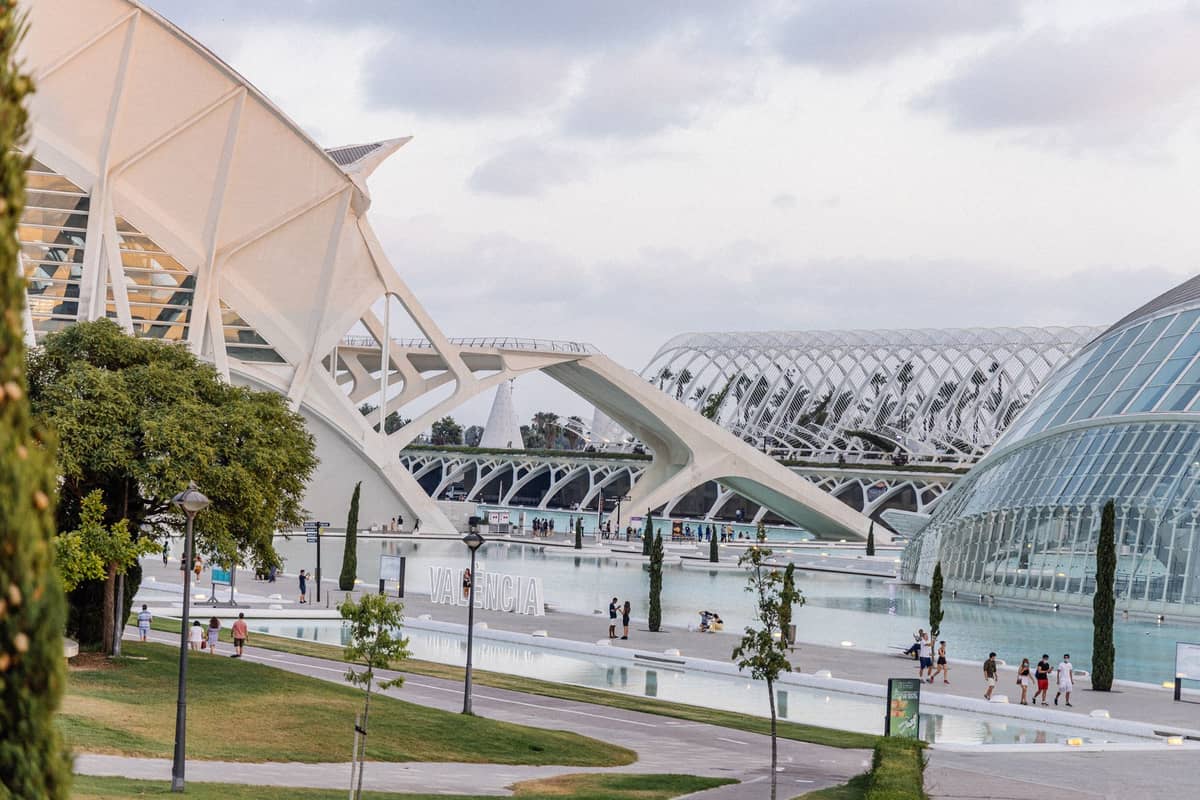
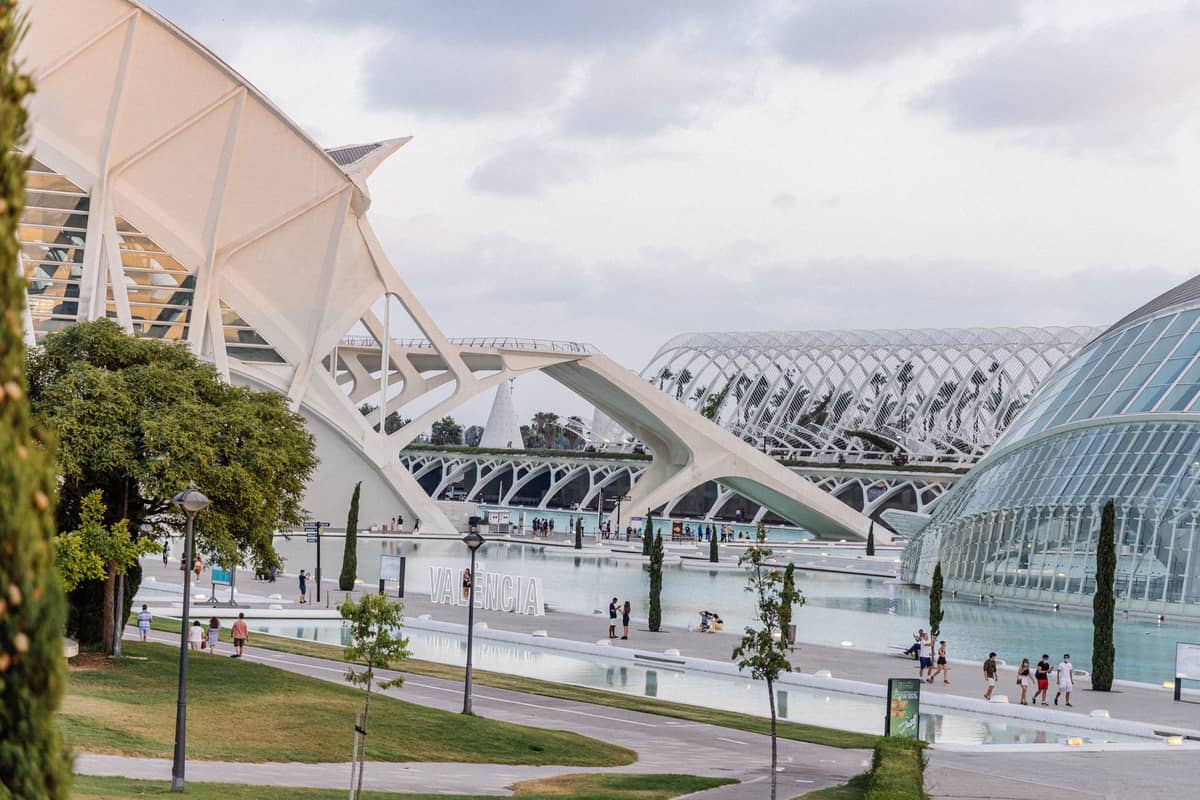
Valencia, Spain (officially València) is Spain's third-largest city with around 800,000 residents and a Mediterranean coastline that runs right to the city edge. What makes it unusually good for families is the concentration of major attractions within a compact area: the City of Arts and Sciences sits at one end of the Turia Gardens park, which runs 9 km through the city centre before reaching Gulliver Park. You can string together a full day of child-friendly activity without getting in a car.
The climate helps too. With over 300 days of sunshine annually and mild winters that rarely drop below 10°C, you can visit almost any month and have workable outdoor conditions. Summer brings heat that demands planning, but the city has adapted: its main indoor attractions are air-conditioned and genuinely engaging. The beaches are wide and shallow, ideal for children, and the city's public transport connects most family-friendly sites without requiring taxis.
ℹ️ Good to know
Valencia operates on CET (UTC+1) and CEST (UTC+2) in summer. Spanish mealtimes are later than many visitors expect: lunch is typically 14:00–16:00, dinner from 21:00. Most family restaurants open for service around 13:30 and 20:30. Plan children's meal times accordingly, or carry snacks for hungry kids waiting for kitchens to open.
City of Arts and Sciences: The Core of Any Family Visit
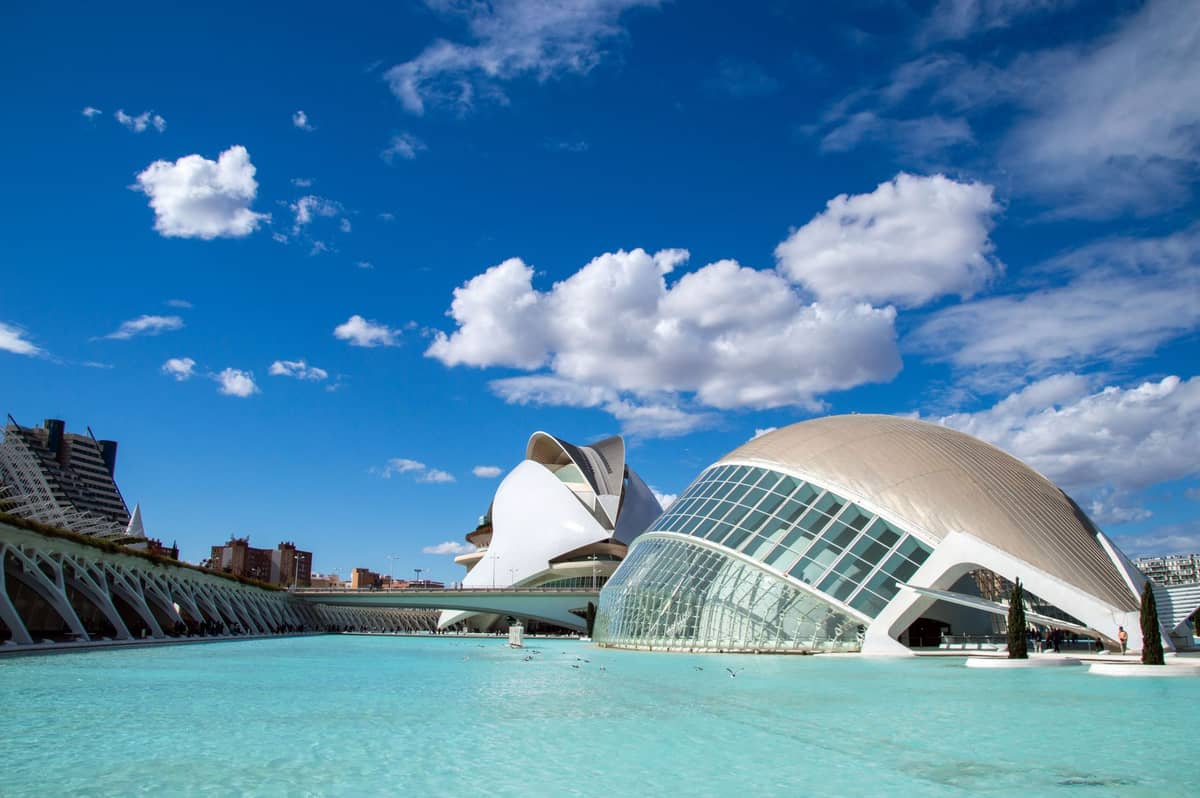
No family guide to Valencia can avoid the City of Arts and Sciences (Ciutat de les Arts i les Ciències). Designed by Santiago Calatrava and Félix Candela, the complex opened in stages from 1998 and now spans around 350,000 square metres at the eastern end of the Turia riverbed park. For families, three venues matter most.
- L'Oceanogràfic Europe's largest aquarium, with over 45,000 animals across 500 species. Highlights include an underwater tunnel through the shark tank, a dolphin show arena, beluga whales, and a dedicated Arctic section. Tickets start around €35 for adults and €26 for children online; booking in advance is strongly recommended in July and August when queues at the box office can exceed 45 minutes. Opens daily from approximately 10:00, with seasonal closing times — later in summer.
- Museu de les Ciències Príncep Felip An interactive science museum inside an extraordinary building that resembles a whale skeleton. Hands-on exhibits across multiple floors work well for ages 6 and up. Younger children can engage with the lower-floor exhibits, but toddlers may find the space overwhelming. Combined tickets with other CAC venues offer the best value.
- L'Hemisfèric A giant IMAX and planetarium dome with 3D screenings in Spanish and sometimes Valencian. Programming rotates seasonally — check the official CAC website (cac.es) before visiting. Sessions run around 45 minutes, making this a good option for toddlers who struggle with longer attractions.
✨ Pro tip
Buy combined CAC tickets online at tickets.cac.es. A ticket pairing L'Oceanogràfic and the Science Museum is significantly cheaper than two separate entries. If you're visiting for three or more days, check whether a multi-venue pass covers your preferred attractions. Do not buy tickets from third-party touts near the entrance — the official site is straightforward and supports instant mobile entry.
Gulliver Park and the Turia Gardens: Free and Genuinely Excellent
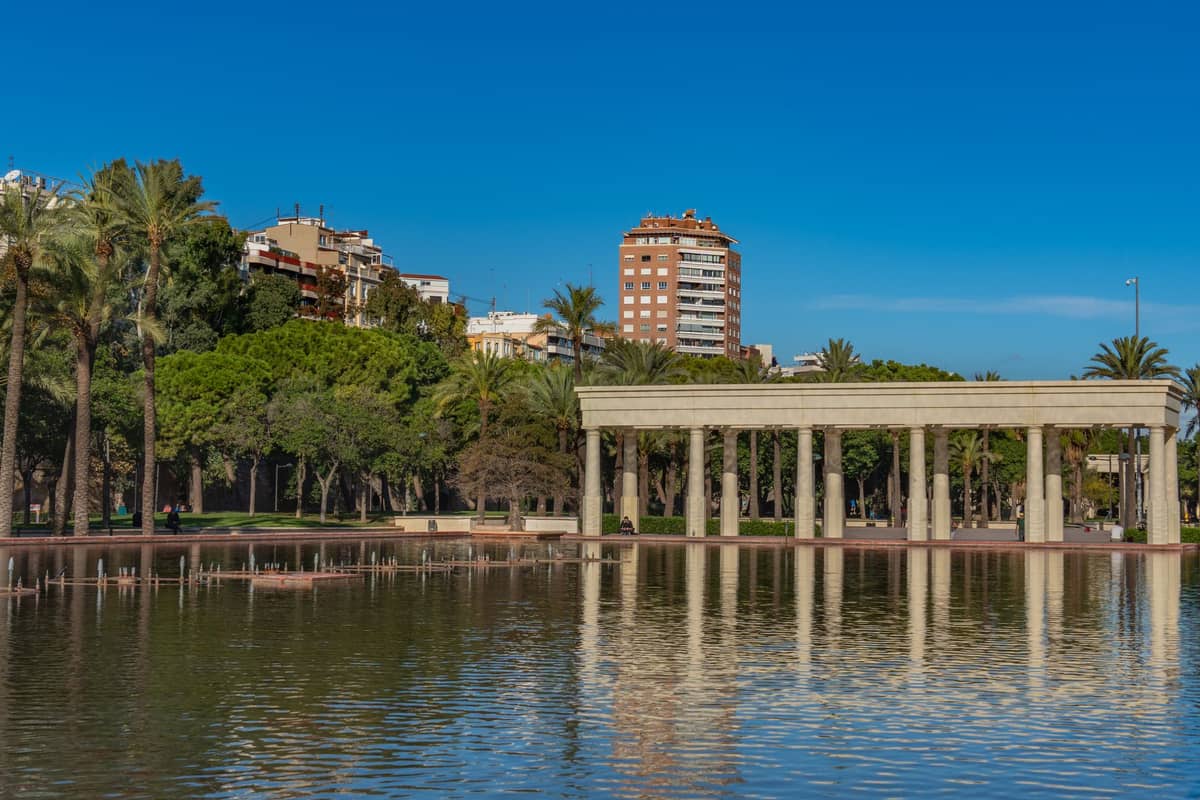
The former Turia riverbed was converted into a linear park following catastrophic floods in 1957 and the subsequent diversion of the river south of the city. Today the Jardí del Túria stretches nearly 9 km from the western edge of the city to the City of Arts and Sciences, passing through 18 distinct garden sections. Entry is free, it is open 24 hours, and the flat, car-free paths make it ideal for cycling with children.
At the eastern end of the park sits Gulliver Park (Parc de Gulliver), one of the most remarkable free playgrounds in Spain. A giant Gulliver figure lies pinned to the ground, and children can climb his body using rope bridges, slides, and ladders. The structure is roughly 70 metres long. There is no entry fee, but the park does have set opening hours and closes periodically for maintenance or in heavy rain. Check with the tourist office or the Ayuntamiento de València website before making it the centrepiece of your day.
For families who want a longer Turia experience, renting bikes near the park (multiple rental points exist along the route) and cycling from the historic centre to the City of Arts and Sciences takes roughly 30–40 minutes at a relaxed pace. This is one of the most practical and enjoyable ways to connect the old city with the modern complex in a single half-day.
💡 Local tip
The Turia Gardens have several playground areas distributed along the route, not just at Gulliver Park. If you are walking or cycling with very young children, section 9 near the Palau de la Música and sections near the CAC end both have smaller play structures that work well for toddlers. Shade is limited in the middle sections, so bring hats and water in any warm month.
Bioparc Valencia: A Zoo That Actually Impresses
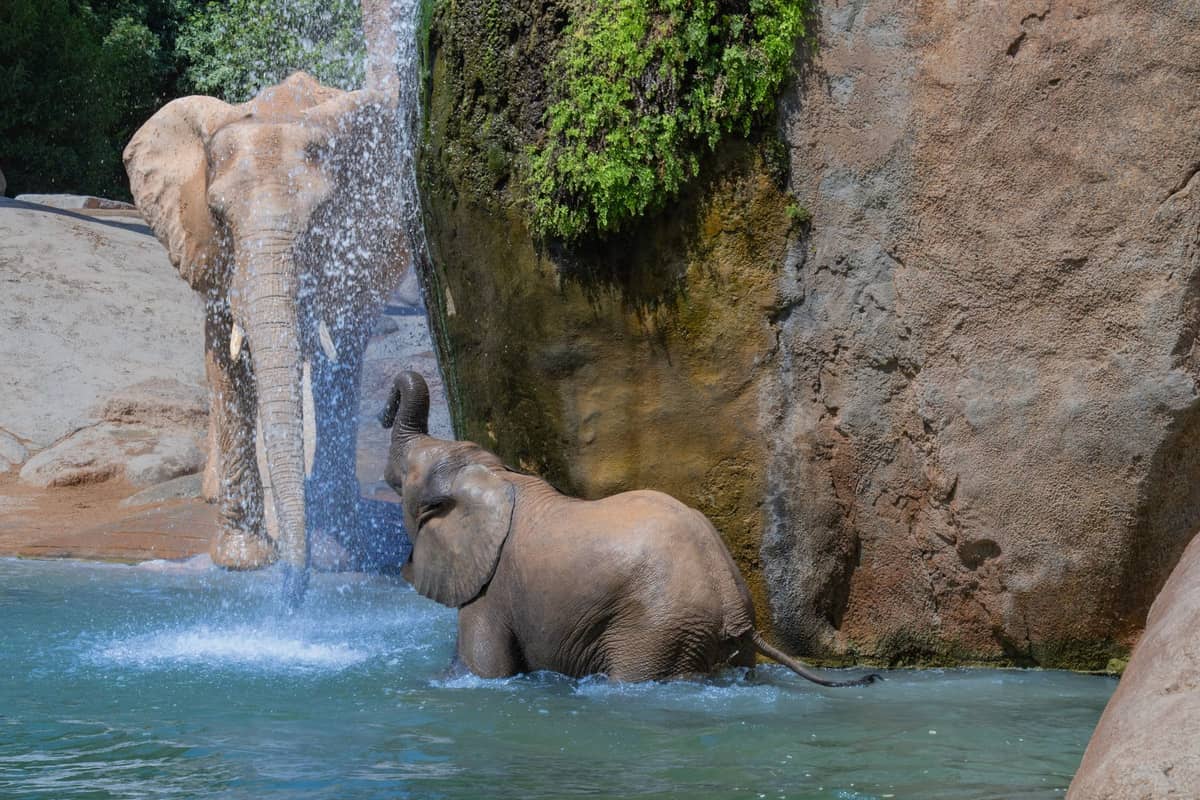
Most city zoos disappoint. Bioparc Valencia is different. Opened in 2008, it is built around the concept of 'zoo-immersion': animals and visitors share visual space with minimal obvious barriers, using moats, terrain features, and clever sight-line engineering to create the impression of being in the African savanna, equatorial forest, or wetlands. Gorillas, hippos, white rhinos, meerkats, elephants, and flamingos are among the residents.
Tickets run around €29 for adults and €23 for children, with discounts available for online booking. The park is located in the north-west of the city, accessible by bus and metro (Line 1, Nou d'Octubre station is nearby). Allow at least three hours. The park is genuinely engaging for children aged 2 and up, and the layout is stroller-friendly throughout. In summer, come early: the park opens around 10:00 and the animals are most active in the morning before the heat peaks.
Beaches, Albufera, and Getting Outside the City
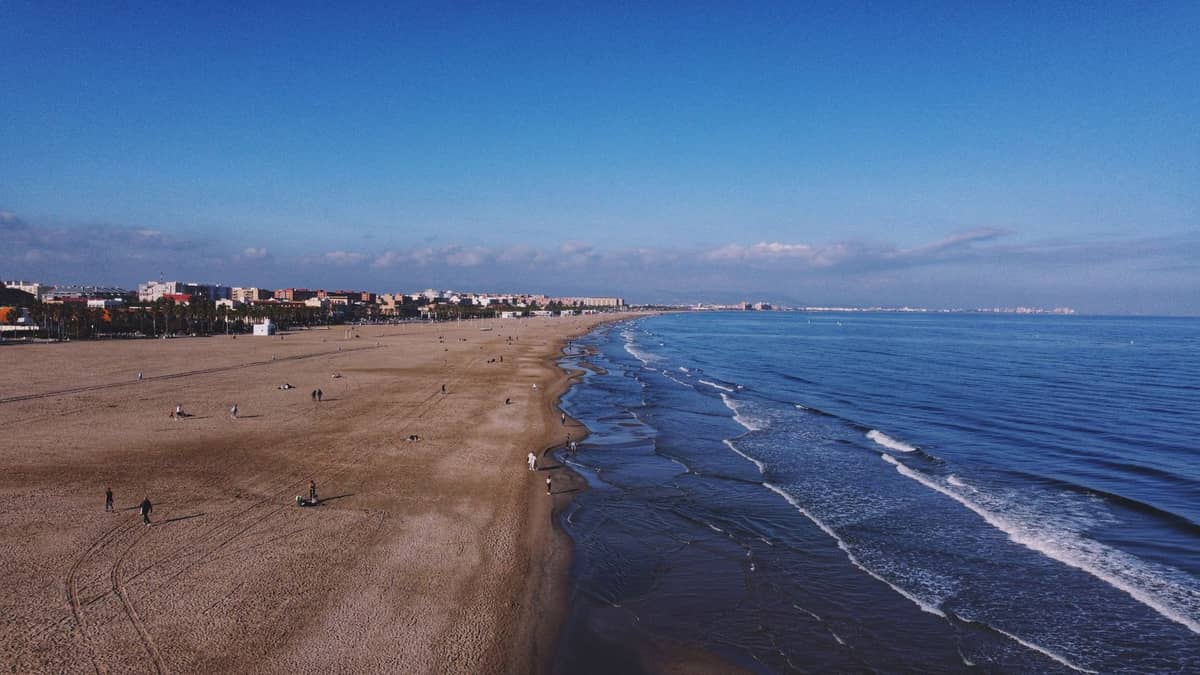
Valencia's beaches begin approximately 5 km east of the historic centre. Playa de las Arenas and Playa de la Malvarrosa are the most accessible, reachable by tram (Line 4) from the city centre in around 20 minutes. Both beaches are wide, with gradual entry into the water and a long promenade lined with restaurants. Lifeguard coverage and beach facilities (showers, sun lounger rentals, beach bars) run from late May through September. Outside that window, the beaches are quiet and clean but services are minimal.
A half-day trip to Albufera Natural Park makes an excellent break from city activity. Located around 10 km south of Valencia, the lagoon and surrounding rice paddies form Spain's largest lake. Family-friendly boat trips (barques) last around 45–60 minutes and operate from the village of El Palmar and the main dock at El Saler. Operators can be booked through local tour platforms or directly on arrival. Combine with lunch at one of El Palmar's paella restaurants, where the dish was historically developed using local rice and freshwater eel.
- Playa de las Arenas and Malvarrosa: best for families, widest sandy stretches, tram access, full summer facilities
- Playa de Pinedo: quieter, further south, less crowded in peak season — good for families wanting space
- Albufera boat trips: calm water, scenic, educational for children interested in wildlife and rice farming
- Devesa del Saler: a forest and dune system between the Albufera and the sea, excellent for walking and birdwatching with older children
Historic Centre: What Actually Works with Children
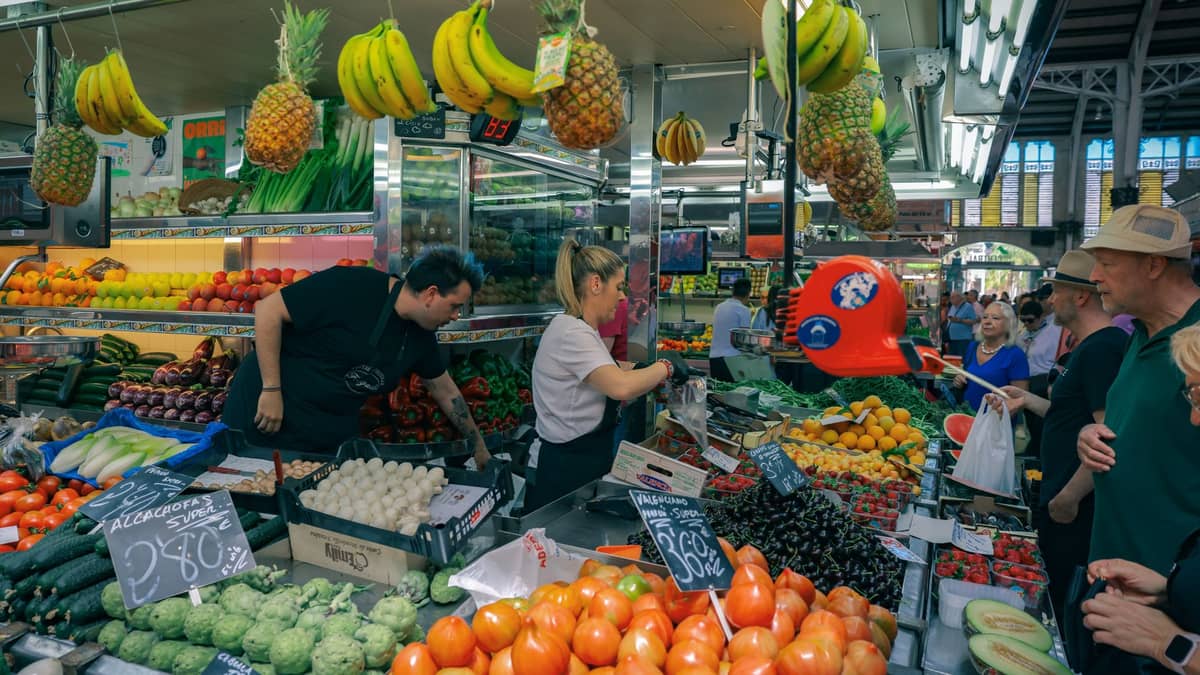
Much of Valencia's historic core is walkable from the Mercado Central, one of Europe's largest covered food markets. Children are often fascinated by the scale and sensory intensity of the building: the stalls, the noise, the smells of fresh produce, seafood, and charcuterie. The architecture itself is spectacular modernista ironwork and ceramic tile, dating to 1928. Arrive before 11:00 on weekdays for the best atmosphere; it closes around 15:00 and is shut Sundays.
For a combination of exercise and history, the medieval gate towers — Torres de Serranos and Torres de Quart — let children climb to high viewpoints over the old city. Torres de Serranos charges a small entry fee (free on Sundays); Torres de Quart also has a small entry fee with free admission on Sundays and holidays. Both hold up well with children aged 5 and above who can manage stairs.
The Museu Faller displays the ninots (figures) that have been saved from burning during the annual Fallas festival. It is one of the more child-friendly museums in the city: colourful, large, and not requiring sustained reading or quiet contemplation. If you are visiting during Fallas (around March 15–19), be aware that the city-wide mascletà fireworks and late-night noise can be intense for young children, even though the daytime street events are entertaining.
- Best for ages 2–5 Gulliver Park, Bioparc, L'Hemisfèric (short screenings), Turia Gardens, Playa de las Arenas
- Best for ages 6–12 L'Oceanogràfic, Science Museum, Bioparc, Torres de Serranos, Museu Faller, Albufera boat trips
- Best for teenagers City of Arts and Sciences full complex, Albufera cycling routes, Cabanyal neighbourhood street food, Valencia CF match at Mestalla
Practical Tips: Timing, Costs, and Getting Around
Valencia is navigable without a car for most family activities. The metro (Metrovalencia) covers the airport, Bioparc area, and central city; trams reach the beaches. Buses cover the rest. A rechargeable travel card (tarjeta monedero) reduces per-journey costs significantly compared to single tickets. For a full breakdown of options, see the guide to getting around Valencia.
Budget-conscious families should note that several of Valencia's best family activities cost nothing: Gulliver Park, the Turia Gardens, Torres de Quart, and the Jardí Botànic are either free or very low cost. For a complete list of no-cost options, the guide to free things to do in Valencia covers the full picture. The main paid attractions (L'Oceanogràfic, Bioparc, Science Museum) represent genuine full-day experiences — they are not cheap, but they deliver value for the time spent.
For timing a family trip, spring (April–June) and early autumn (September–October) offer the best combination of comfortable temperatures and manageable crowds. July and August are peak tourist season with high heat. For a detailed seasonal breakdown, the guide on the best time to visit Valencia covers weather patterns, festival calendars, and crowd levels across all months.
⚠️ What to skip
L'Oceanogràfic and Bioparc both sell out during peak summer weekends and Spanish public holidays. The assumption that you can walk up and buy tickets on the day is risky from late June through August and during Easter week. Book at least 48 hours in advance through official websites to avoid disappointment. Unofficial resale sites charge significant markups for the same tickets.
FAQ
How many days do you need in Valencia with kids?
Three full days gives comfortable coverage of the main family highlights: one day for the City of Arts and Sciences (L'Oceanogràfic plus Science Museum), one day for Bioparc and the Turia Gardens, and one day for the historic centre, Gulliver Park, and the beach. A fourth day works well for an Albufera excursion. If you are limited to two days, prioritise L'Oceanogràfic and Bioparc for paid experiences, and use Gulliver Park as a free half-day filler.
Is Valencia safe for families with young children?
Valencia is consistently rated one of Spain's safer cities for visitors. The historic centre, Turia Gardens, beach promenades, and tourist areas around the City of Arts and Sciences are all low-risk environments. Standard urban precautions apply around crowded markets and busy squares (keep bags secure, watch for pickpockets in the Mercado Central area). The emergency number throughout Spain is 112.
What is the best family-friendly area to stay in Valencia?
Families staying near the Turia Gardens or the City of Arts and Sciences have easy walking or cycling access to most major attractions. The Eixample and Ruzafa neighbourhoods offer good restaurant variety at slightly lower prices than the historic centre. Staying right in the Barrio del Carmen can be lively at night, which matters if you have early-sleeping young children. For a full breakdown, consult the guide to where to stay in Valencia.
Is the City of Arts and Sciences worth it for families?
For most families, yes — but manage expectations by age. L'Oceanogràfic is worth it for virtually all ages; the underwater tunnel and dolphin sessions are genuinely impressive. The Science Museum works best for children aged 6 and above who can engage with interactive exhibits. L'Hemisfèric dome shows run around 45 minutes and work well for younger children if the current programme is appropriate (check themes in advance). If budget is tight, L'Oceanogràfic alone is the priority pick.
Can you visit Valencia with a baby or toddler?
Yes, and it is more manageable than many European city destinations. The Turia Gardens are flat and stroller-friendly for kilometres. Bioparc has wide paved paths throughout. The beaches have gentle water entry. L'Hemisfèric works for toddlers in short sessions. The main challenge is the heat in July and August, which demands careful planning around nap times and midday shade. Spring and autumn visits with a toddler are notably easier than summer.